Ever had your heart race for no clear reason and been told it’s just stress?
For many women those sensations are real signals of anxiety, not just a bad day.
It often shows up as physical symptoms, like tight chest, dizziness, nausea, and worry that won’t switch off.
This post lays out the physical, emotional, and behavioral signs women commonly miss, offers simple low-risk steps to try now, and shows what to track and when to get medical help.
Recognizing Core Signs of Anxiety in Women: A High‑Level Overview of Physical, Emotional, and Behavioral Patterns
Physical symptoms are usually the most visible part, and honestly, the most confusing. You might get a racing heart on a random Tuesday morning. Sweating when the room’s not even warm. That tight band feeling across your chest while you’re just sitting there. These things come and go. Sometimes they cluster during stressful weeks, sometimes they just hum along under everything else you’re doing. A lot of women say it feels like being wired but exhausted at the same time. Tense, but you can’t even say why.
Emotional and cognitive stuff tends to creep in as worry you can’t shut off, even when logically everything’s fine. Thoughts cycling on repeat. Irritability that surprises you. A sense that something bad’s about to happen when your actual circumstances don’t match that at all. These can shift with your cycle, how you slept, what’s happening at work, relationship stuff. Many women say the emotional symptoms get worse at night or between activities.
Then there’s the behavioral side. Anxiety changes what you do and how you move through your day. Avoidance becomes automatic. You skip events. Delay decisions. Organize your whole schedule around dodging certain triggers. Some women cover it up by overperforming or staying in constant motion. Others go quiet or cling to routines because it feels like the only thing they can control. Subtle at first. But it adds up into real, measurable shifts in work, relationships, and quality of life.
Signs that anxiety might’ve crossed into disorder territory:
- Persistent worry about everyday stuff (work, family, health, money) that you can’t control
- Rapid or irregular heartbeat, chest tightness, shortness of breath with no medical explanation
- Sweating, trembling, dizziness, or nausea during stress or just out of nowhere
- Can’t concentrate, mind blanks out, intrusive thoughts looping
- Sleep problems—trouble falling asleep, staying asleep, or waking up still tired
- Muscle tension, headaches, unexplained aches
- Avoiding situations, places, or people that make you uncomfortable or scared
- Irritable, restless, or on edge most days
- Fatigued or low energy even when you’ve rested
- Physical or emotional symptoms messing with work, parenting, relationships, or daily routines
Physical Signs of Anxiety in Women and How They Show Up Day-to-Day
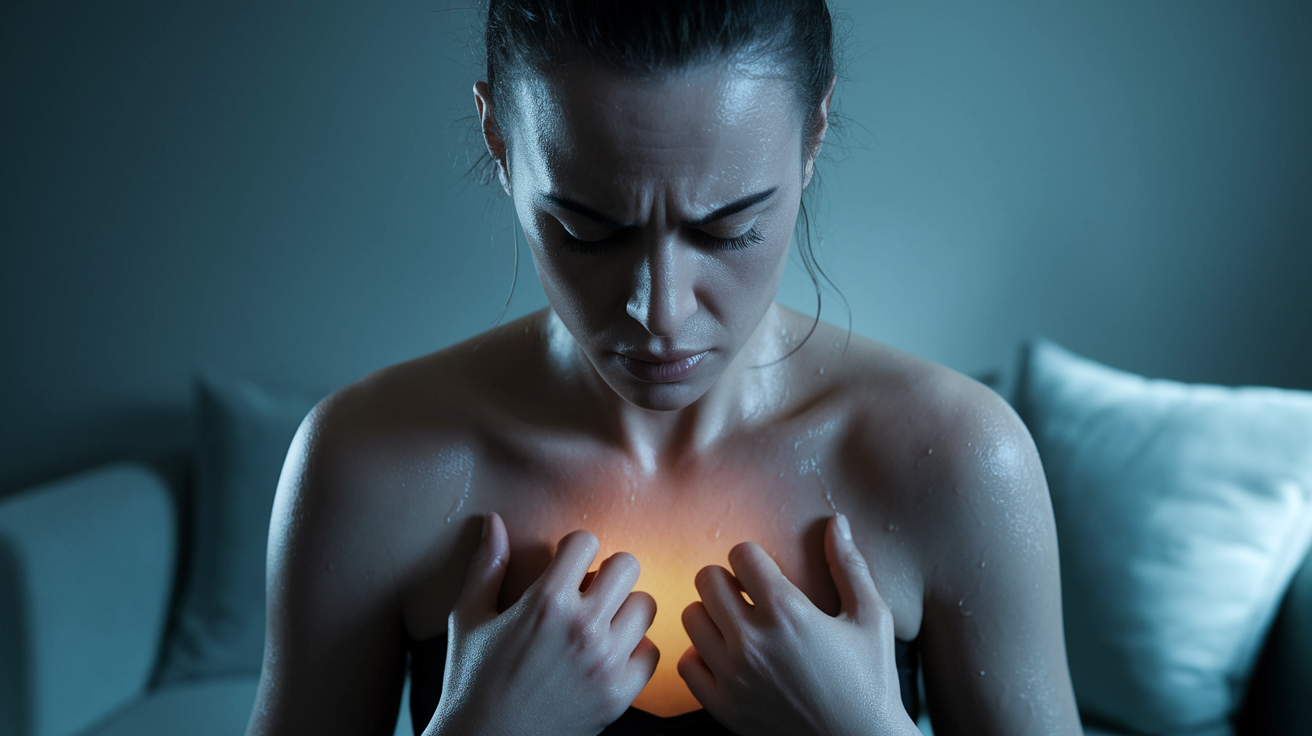
Anxiety fires up your stress response system. The same wiring meant to protect you from real danger. When it keeps going off without an actual threat, the physical fallout gets confusing and widespread. You might think heart palpitations mean a cardiac issue. Dismiss ongoing nausea as a stomach bug. Blame persistent headaches on not drinking enough water. But anxiety’s the common thread tying it all together.
A lot of women say physical symptoms spike during hormonal shifts, after bad sleep, or when they have caffeine on an empty stomach. The sensations can be mild and fleeting. Or severe enough to send you to urgent care. Physical signs often show up before you even realize you’re worried or scared.
Common physical symptoms:
- Heart palpitations, racing heartbeat, fluttery chest sensations
- Shortness of breath, rapid breathing, feeling like you can’t get enough air
- Sweating (hands, feet, face) with no heat or exercise trigger
- Trembling, shaking, or that internal vibration feeling
- Dizziness, lightheadedness, feeling unsteady
- Nausea, stomach pain, reduced appetite, digestive upset (bloating, cramping, diarrhea)
- Persistent fatigue, weakness, muscle heaviness despite rest
Emotional and Cognitive Symptoms of Anxiety That Many Women Experience

Emotional symptoms creep in quietly and build slow. Easy to write off as personality or just reacting to what’s happening around you. Excessive worry becomes background noise. A running list of worst-case scenarios, unfinished tasks, vague threats that never actually happen. Your mind jumps to catastrophic conclusions fast. You replay conversations and decisions on an exhausting loop. For many women, this gets worse at night when there’s nothing left to distract you.
Irritability and edginess get overlooked a lot. You snap at small stuff. Short fuse with people you love. Frustration that feels way bigger than whatever triggered it. Some women describe going numb or detached when anxiety’s been high for weeks. A protective shutdown that makes it hard to feel much of anything. Trouble concentrating, memory lapses, difficulty making decisions—these mess with work, parenting, everyday problem-solving.
Key emotional and cognitive red flags:
- Persistent sense of dread or impending disaster without clear cause
- Racing thoughts or intrusive worries you can’t shut off
- Can’t focus, mind goes blank, trouble finishing tasks
- Heightened irritability, impatience, emotional reactivity
- Nighttime worry that messes up sleep or keeps you awake for hours
Behavioral Signs of Anxiety in Women: Avoidance, Social Withdrawal, and Daily Functioning Changes

Behavioral changes feel like personal failings instead of symptoms. Avoidance becomes strategic. You decline invitations. Postpone medical appointments. Skip challenging work tasks. Quietly rearrange your schedule to dodge specific people, places, situations. Over time, the list of things you avoid grows and your world can shrink in ways that feel safer but also really isolating. What starts as skipping one crowded event can turn into rarely leaving the house for anything non-essential.
Social withdrawal looks different across women. Some go quieter in groups, stop initiating plans, let friendships fade without explaining why. Others keep a busy social calendar but feel disconnected or perform a version of themselves that hides what’s actually going on inside. Restlessness and physical agitation are common. Pacing, fidgeting, needing to stay in motion, feeling unable to sit still even when you’re exhausted. Women managing anxiety in professional or caregiving roles sometimes overcompensate by overworking, overplanning, or micromanaging to try to prevent the catastrophes their minds keep predicting.
Relationship patterns shift too. You might need constant reassurance, avoid conflict to an unhealthy degree, or become hypervigilant about how others see you. Work performance suffers through procrastination, perfectionism that stalls progress, or missing deadlines despite putting in long hours. These behavioral signatures are often the first things other people notice, even when you’re working hard to keep anxiety hidden.
Hormonal and Life-Stage Linked Anxiety Symptoms Unique to Women
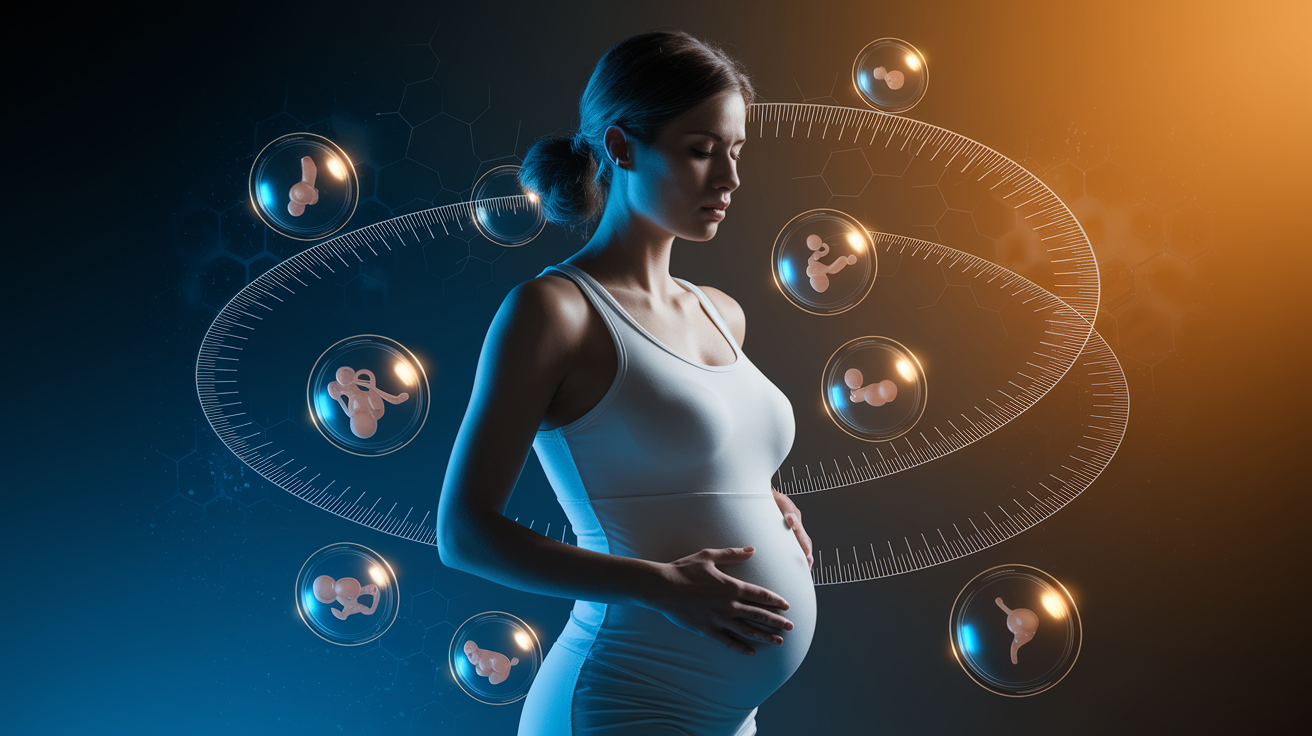
Hormonal fluctuations are powerful modulators of anxiety symptoms. A lot of women first notice anxiety getting worse in predictable patterns tied to their cycle, pregnancy, postpartum, or perimenopause. Estrogen and progesterone influence the neurotransmitter systems that regulate mood and stress response. So when hormone levels shift fast or drop significantly, anxiety symptoms can intensify or show up for the first time. You might feel steady most of the month and then get hit with physical tension, intrusive thoughts, or panic-like episodes the week before your period.
Postpartum anxiety is different from postpartum depression. It often involves hypervigilance about the baby’s safety, intrusive thoughts about harm, trouble sleeping even when the baby sleeps, physical restlessness or agitation. Pregnancy itself can trigger new-onset anxiety or make pre-existing patterns worse, driven by hormone surges, physical discomfort, and the weight of what’s coming. Perimenopause brings irregular cycles, night sweats, sleep disruption that all pile on top of anxiety symptoms. Thyroid dysfunction (both hypothyroidism and hyperthyroidism) can mimic or amplify anxiety and should get ruled out with lab work when symptoms appear suddenly or change a lot.
Life-stage triggers that commonly intensify anxiety:
- Premenstrual phase (luteal phase) of your cycle
- Pregnancy, especially first and third trimesters
- Postpartum period, first six months after delivery
- Perimenopause and menopause transition years
- Thyroid hormone imbalance (overactive or underactive)
- Starting or stopping hormonal birth control
Panic Attacks in Women and How They Differ From General Anxiety
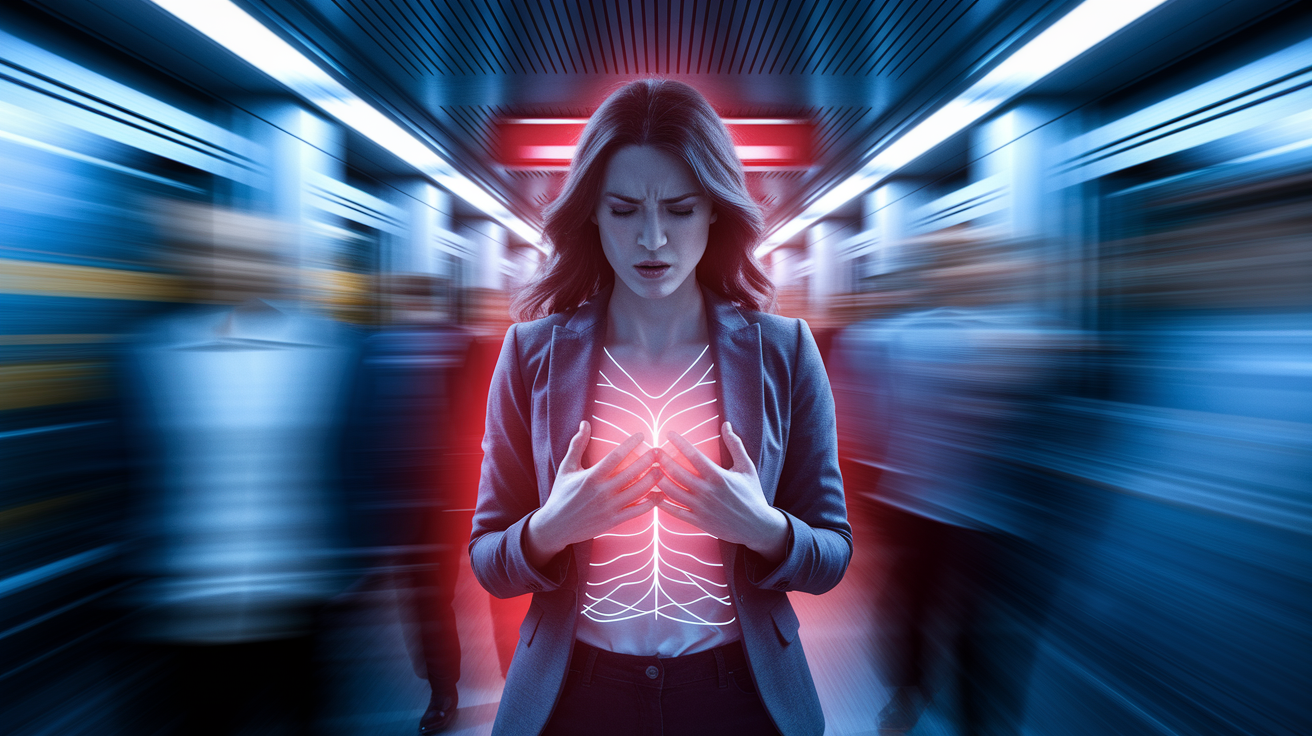
Panic attacks are abrupt surges of intense fear or discomfort that peak within minutes and produce a flood of physical and emotional symptoms that can feel life-threatening. Unlike generalized anxiety, which simmers and sticks around for hours or days, a panic attack hits fast and hard. You might be sitting at your desk, driving, lying in bed when your heart suddenly races, your chest tightens, and a wave of terror floods your system. A lot of women describe it as feeling like a heart attack, losing control, or about to die. The physical intensity sends many to the emergency room, where cardiac tests come back normal and the explanation shifts to anxiety.
Women are more likely than men to develop panic disorder, which means recurrent, unexpected panic attacks followed by persistent worry about having another one or changing your behavior to avoid triggers. The anticipatory fear can be as disabling as the attacks. Some women have panic attacks tied to specific situations (crowded places, driving, enclosed spaces). Others get them seemingly out of nowhere. Hormonal shifts, sleep deprivation, caffeine, high stress all lower the threshold for panic episodes.
| Symptom | Panic Attack | General Anxiety |
|---|---|---|
| Onset | Sudden, peaks within 10 minutes | Gradual, builds over hours or days |
| Duration | Usually 10–30 minutes, intense but brief | Persistent, can last hours, days, or weeks |
| Physical intensity | Severe: chest pain, racing heart, shortness of breath, sweating, shaking, nausea | Mild to moderate: muscle tension, restlessness, stomach upset, fatigue |
| Sense of danger | Acute fear of dying, losing control, or going crazy | Ongoing worry about future events, vague sense of unease |
Anxiety Disorders Commonly Diagnosed in Women
Generalized Anxiety Disorder
Generalized Anxiety Disorder is persistent, excessive worry about everyday stuff like work deadlines, family health, finances, relationships, minor logistics. Worry that feels impossible to control. Out of proportion to what’s actually happening and occurs more days than not for at least six months. Women with GAD often describe feeling on edge, fatigued, mentally exhausted from the constant loop of “what if” thinking. Physical symptoms like muscle tension, headaches, stomach issues, sleep trouble are common. GAD frequently overlaps with depression. Women with a family history of mood disorders face higher risk.
Panic Disorder
Panic Disorder gets diagnosed when you have recurrent, unexpected panic attacks followed by at least one month of persistent worry about having another attack or significant behavior changes to avoid panic triggers. Women with panic disorder might stop driving, avoid crowded places, refuse to be alone, all to try to prevent another episode. The disorder often starts in late adolescence or early adulthood and can become chronic without treatment. Many women with panic disorder also develop agoraphobia, which is fear of situations where escape might be difficult if a panic attack happens.
Social Anxiety Disorder
Social Anxiety Disorder is intense, persistent fear of social or performance situations where you might be judged, embarrassed, or scrutinized. Women often report fear of speaking in meetings, attending parties, eating in public, making phone calls. The fear’s disproportionate to the actual threat and leads to avoidance or enduring situations with significant distress. Physical symptoms like blushing, sweating, trembling, nausea commonly show up in feared situations. Social anxiety can severely limit career advancement, friendships, romantic relationships.
Obsessive-Compulsive Disorder
OCD involves intrusive, unwanted thoughts (obsessions) that cause significant anxiety, paired with repetitive behaviors or mental rituals (compulsions) you perform to reduce that anxiety. Common obsessions in women include fears of contamination, harm coming to loved ones, disturbing violent or sexual images. Compulsions might be excessive cleaning, checking locks or appliances, counting, repeating phrases silently. The cycle eats up time, interferes with daily functioning, and rarely provides lasting relief.
Post-Traumatic Stress Disorder
PTSD develops after exposure to actual or threatened death, serious injury, or sexual violence. Women have higher rates of PTSD than men, often linked to interpersonal trauma like sexual assault, intimate partner violence, or childhood abuse. Core symptoms include re-experiencing the trauma through flashbacks or nightmares, avoidance of reminders, negative changes in mood and thinking, and heightened arousal (hypervigilance, exaggerated startle response, irritability, sleep problems). PTSD-related anxiety can be chronic and debilitating without trauma-focused treatment.
Causes and Risk Factors for Anxiety in Women

Anxiety disorders come from a complex mix of genetic vulnerability, brain chemistry, life experiences, and environmental pressures. Women face unique biological and social risk factors that help explain the roughly two-to-one prevalence gap compared to men. Hormonal fluctuations across the menstrual cycle, pregnancy, postpartum, and menopause directly influence neurotransmitter systems that regulate mood and anxiety. Estrogen and progesterone shifts can lower the threshold for anxiety symptoms or trigger new-onset episodes.
Genetics play a big role. Having a first-degree relative with an anxiety disorder, depression, or other mental health condition increases your risk. Trauma history (childhood abuse, sexual assault, domestic violence, significant loss) is a well-established risk factor, particularly for PTSD and panic disorder. Social and cultural pressures contribute too. Women often carry disproportionate caregiving responsibilities, face workplace discrimination, navigate appearance-based scrutiny, experience higher rates of economic insecurity. All of which compound stress and vulnerability to anxiety.
Substance use can both mask and worsen anxiety. Some women use alcohol, cannabis, or other substances to self-medicate anxious feelings. But over time this pattern often intensifies symptoms and creates a co-occurring disorder that needs integrated treatment. Medical conditions like thyroid dysfunction, heart arrhythmias, chronic pain can mimic or worsen anxiety and should get evaluated when symptoms appear suddenly or escalate.
Major risk factors:
- Family history of anxiety, depression, or other mental health disorders
- History of trauma, abuse, or significant loss
- Hormonal transitions (menstrual cycle, pregnancy, postpartum, perimenopause, menopause)
- Thyroid disorders or other medical conditions affecting hormone or metabolic function
- Chronic stress from caregiving, work strain, financial pressure, or relationship conflict
- Substance use (alcohol, cannabis, stimulants, or misuse of prescription medications)
How Anxiety Is Diagnosed in Women: Screening Tools and What Clinicians Look For

Anxiety disorders get diagnosed through clinical interview and symptom pattern assessment, not lab tests or imaging. Your clinician will ask about the type, frequency, duration, and severity of your symptoms, how they interfere with daily life, and whether they’ve been present for weeks or months. Medical history, medication review, questions about substance use, trauma, and family mental health history help build a complete picture. Providers may order blood work or other tests to rule out thyroid dysfunction, anemia, heart conditions, or other medical causes that can mimic anxiety.
Standardized screening tools offer a quick, validated way to assess symptom severity and track progress over time. The GAD-7 is a seven-item questionnaire that asks how often you’ve been bothered by anxiety symptoms over the past two weeks. Scores range from 0 to 21, with thresholds indicating minimal (0–4), mild (5–9), moderate (10–14), or severe (15–21) anxiety. Scores of 10 or higher typically warrant further clinical evaluation. The PHQ-9 is often used alongside the GAD-7 to screen for depression, since the two conditions frequently co-occur. Clinicians also assess functional impairment, whether anxiety’s affecting work performance, relationships, parenting, self-care, or safety.
Three self-check questions to help gauge whether anxiety’s reached disorder level:
- Is anxiety interfering with important activities, roles, or relationships in your life?
- Are your symptoms persistent, severe, or overwhelming rather than occasional or manageable?
- Is the anxiety out of proportion to the actual risk or situation, and do you find it hard to control?
When to Seek Help for Anxiety and What Red Flags Women Should Watch For
Seek professional evaluation when anxiety symptoms happen frequently, stick around for weeks, or interfere with your ability to work, parent, maintain relationships, or take care of yourself. You don’t need to wait until symptoms are unbearable. Early intervention often leads to faster recovery and prevents avoidance patterns or co-occurring conditions like depression or substance use from developing. If you notice you’re using alcohol, cannabis, or other substances to manage anxious feelings, that’s a clear signal to seek integrated care for both issues.
Certain scenarios need prompt attention. Anxiety during pregnancy or postpartum should always get discussed with your obstetric or primary care provider, since untreated anxiety can affect maternal and infant health. If you’re experiencing chest pain, severe shortness of breath, or other physical symptoms that could indicate a medical emergency, go to urgent care or the ER to rule out cardiac or respiratory causes. If anxiety’s accompanied by thoughts of self-harm, suicidal ideation, or inability to care for yourself or your children, seek emergency mental health support immediately.
Evidence-Based Treatments for Anxiety in Women
Treatment for anxiety disorders typically combines psychotherapy, medication, or both, tailored to symptom severity, personal preferences, and life circumstances. Most women benefit from either approach. Outcomes are often better when therapy and medication get used together, especially for moderate to severe anxiety.
Cognitive and Behavioral Therapies
Cognitive Behavioral Therapy (CBT) is the most extensively researched and consistently effective psychotherapy for anxiety disorders. CBT targets the thoughts and behaviors that maintain anxiety, teaching you to identify distorted thinking patterns (catastrophizing, overgeneralizing, mind-reading), challenge those thoughts with evidence, and gradually face feared situations through structured exposure. Acceptance and Commitment Therapy (ACT) is another evidence-based approach that focuses on accepting uncomfortable thoughts and feelings rather than fighting them, while committing to actions aligned with your values. Both therapies are typically delivered in weekly sessions over 12 to 20 weeks and can be offered in person or through secure telehealth platforms.
Medications
Antidepressants, particularly selective serotonin reuptake inhibitors (SSRIs) and serotonin-norepinephrine reuptake inhibitors (SNRIs), are the first-line medication treatment for most anxiety disorders. They reduce symptom severity over several weeks and are effective for generalized anxiety, panic disorder, social anxiety, OCD, and PTSD. Benzodiazepines provide rapid relief for acute panic attacks but aren’t recommended for long-term use or generalized anxiety due to dependence risk, tolerance, and rebound symptoms upon discontinuation. Women who are pregnant, planning pregnancy, or breastfeeding should discuss medication options carefully with their prescriber, since some medications carry known risks and others have limited safety data.
Combined Care and Special Considerations
When anxiety co-occurs with substance use, integrated treatment that addresses both conditions simultaneously is essential. Medication selection may get adjusted to reduce dependence risk. Therapy often incorporates motivational interviewing and relapse-prevention strategies. Women with trauma histories may benefit from trauma-focused therapies like Eye Movement Desensitization and Reprocessing (EMDR) or Prolonged Exposure in addition to standard anxiety treatment. Treatment plans should get revisited regularly and adjusted based on symptom response, side effects, and life changes.
Everyday Coping Strategies and Lifestyle Habits That Help Reduce Anxiety Symptoms
Self-care strategies aren’t replacements for clinical treatment, but they support symptom reduction and build resilience when used consistently alongside therapy or medication. Regular physical activity, even 20 to 30 minutes of walking, stretching, or dancing, helps regulate your nervous system, improves sleep, reduces physical tension. Movement doesn’t need to be intense to be effective.
Breathing exercises and mindfulness practices interrupt your body’s stress response in real time. Slow, diaphragmatic breathing with a longer exhale signals safety to your nervous system and can reduce heart rate and muscle tension within minutes. Meditation, yoga, Tai Chi combine breath work, gentle movement, and present-moment focus. All have evidence supporting their use as adjunctive anxiety treatments. Journaling helps identify patterns, externalize worries, and track what makes symptoms better or worse.
Practical coping strategies that help reduce anxiety symptoms:
- 20–30 minutes of daily movement (walking, stretching, yoga, dancing, or light cardio)
- Diaphragmatic breathing with a 4-count inhale and 6-count exhale, repeated for 2–5 minutes
- Guided meditation or mindfulness apps used for 5–10 minutes daily
- Journaling to track triggers, symptoms, and what helps
- Limiting caffeine intake, especially on an empty stomach or after noon
- Consistent sleep schedule with a wind-down routine (dim lights, no screens, cool room)
- Balanced meals with protein, healthy fats, and complex carbs to stabilize blood sugar
- Gradual, repeated exposure to manageable versions of feared situations rather than complete avoidance
Final Words
You read a clear snapshot of how anxiety often shows up: body sensations, emotional and thinking changes, and shifts in behavior. The post covered panic, life-stage effects, causes, diagnosis, treatments, and practical daily strategies.
Use the try-this and track-that tips to spot patterns and bring useful notes to a clinician. Get urgent care for severe chest pain, fainting, suicidal thoughts, or if you can’t care for yourself.
Noticing signs of anxiety in women is a strong first step. With small changes and the right care, many people find meaningful relief.
FAQ
Q: What are 5 warning signs of anxiety?
A: The five warning signs of anxiety are persistent excessive worry; restlessness or feeling on edge; trouble sleeping or concentrating; ongoing muscle tension or fatigue; and avoidance or social withdrawal that affects daily life.
Q: What is the 3-3-3 rule for anxiety?
A: The 3-3-3 rule for anxiety is a grounding trick: name three things you see, move three body parts, and take three slow breaths to shift attention away from panic and calm your nervous system.
Q: Can anxiety be cured?
A: Anxiety can’t always be fully cured, but it’s often manageable—therapy, medication when appropriate, and lifestyle changes commonly reduce symptoms and help people return to normal daily functioning.
Q: What does anxiety feel like in women?
A: Anxiety in women often feels like ongoing worry plus physical symptoms—chest tightness, sleep trouble, racing thoughts, and increased sensitivity during hormonal shifts—sometimes leading to mistaken concerns about heart problems.
Comments are closed