
Ever felt sudden nausea before a meeting and wondered if it was something you ate?
You’re not imagining it.
Anxiety can cause real nausea and even vomiting.
Your body is responding to stress.
It’s surprisingly common: more than 1 in 10 people with panic attacks report vomiting.
This post explains why the brain and gut talk back during stress, common triggers, simple low-risk steps to ease symptoms now, what to track for your clinician, and when to seek medical attention.
Why Anxiety Can Cause Nausea and Vomiting: Immediate Answers and Confirmation

Anxiety doesn’t just mess with your head. When your nervous system flips into fight-or-flight, your body reacts everywhere. Including your stomach. That wave of queasiness, the urge to throw up, or actual vomiting during high stress? It’s real, it’s physical, and it’s more common than you’d think. One study found that 11.3% of people with panic disorder deal with frequent vomiting. Anxiety cranks up your nausea risk by more than three times compared to people without anxiety disorders.
Here’s the simple version. When you feel anxious or panicked, your sympathetic nervous system fires up. Stress hormones flood in. Blood gets redirected away from your digestive system toward your muscles and heart. Your stomach slows down or just stops digesting food. Acid production can spike or drop unpredictably. Signals travel along the vagus nerve, a major line between your gut and brain, creating that sick sensation. Nausea can show up within seconds to minutes of feeling stressed or afraid.
Anxiety-induced nausea and vomiting often comes with other telltale signs. If your stomach upset ties back to anxiety, you’ll usually notice:
- A racing or pounding heartbeat
- Rapid, shallow breathing or shortness of breath
- Sweating, especially on your palms or forehead
- Trembling or shaking in your hands or limbs
- A sense of panic, dread, or fear that feels way out of proportion
This cluster points to an emotional or nervous system driver, not a virus or food issue.
Deeper Biological Mechanisms Behind Anxiety-Related Nausea
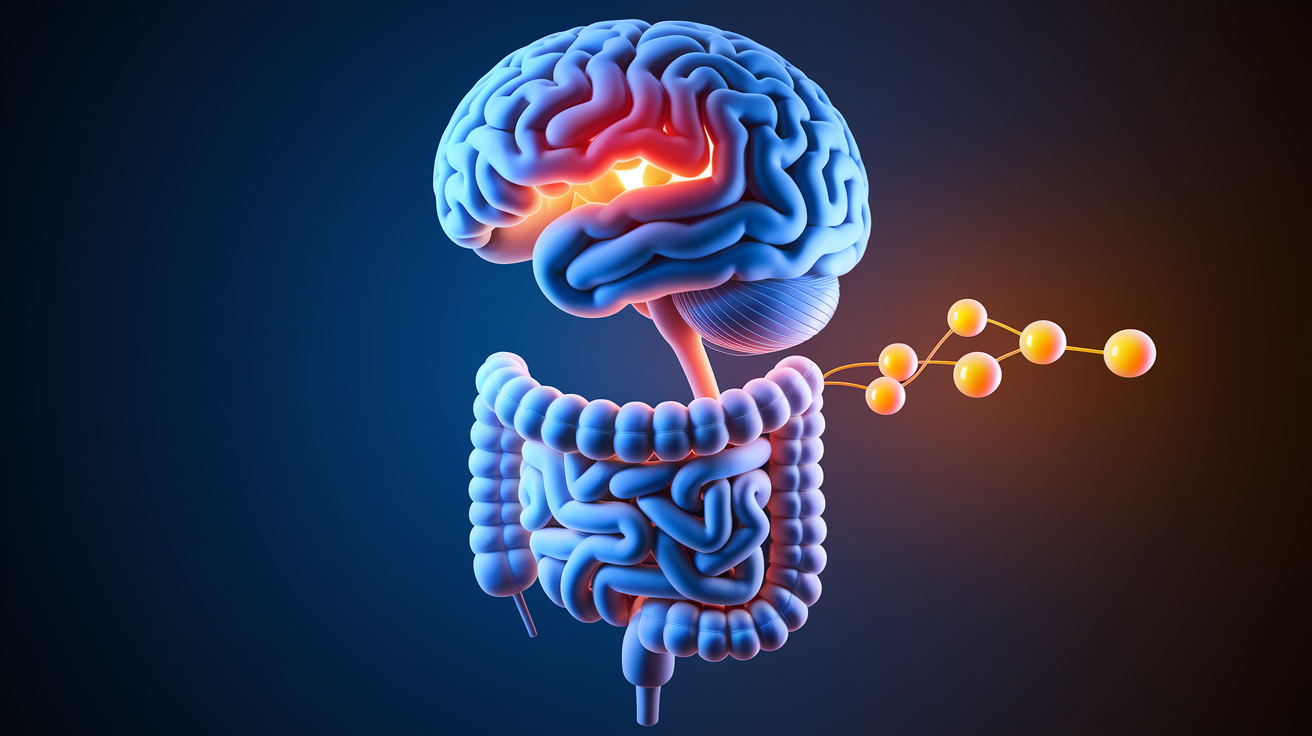
The gut-brain axis is a two-way street. When the amygdala (your brain’s fear center) detects a threat, it signals the hypothalamus. The hypothalamus activates your sympathetic nervous system. Your body prioritizes survival over digestion. Blood flow shifts. Stomach contractions slow down or go erratic. The lining of your gut gets more sensitive.
Serotonin plays a weird role here. About 90% of your body’s serotonin gets made in your gut, not your brain. Stress messes with serotonin signaling in the digestive tract, which can trigger nausea directly. Meanwhile, the vagus nerve carries distress signals from your gut back to your brain, creating a feedback loop. When your parasympathetic nervous system (the “rest and digest” side) gets suppressed by anxiety, digestion stalls out even further.
At a chemical level, here’s what drives the nausea:
- Cortisol and adrenaline flood your system, messing with gut motility and acid secretion
- Reduced vagal tone means less digestive enzyme release and slower stomach emptying
- Serotonin receptor activation in the gut directly stimulates nausea pathways
- Autonomic imbalance creates unpredictable stomach contractions and heightened visceral sensitivity
How Anxiety Nausea Feels Compared to Other Types of Nausea

Anxiety nausea tends to feel fluttery or churning, concentrated in your upper stomach or chest. It often comes in waves that match your stress cycle. You might feel it building before a meeting, easing after the event, then returning the next time you face the same trigger. The sensation is less about steady, deep sickness and more about restless, nervous queasiness.
Medical nausea usually follows a different pattern. It shows up on a timeline tied to a physical cause. Food poisoning hits hard and fast, often with cramping and diarrhea. Viral stomach bugs follow exposure and tend to last a predictable stretch. Pregnancy nausea often arrives on a daily schedule, worse in the morning, and doesn’t necessarily connect to emotional stress.
| Cause | Typical Sensation | Timeline Pattern |
|---|---|---|
| Anxiety | Fluttery, wave-like, upper stomach or chest | Tied to stress cycles, anticipatory or event-triggered |
| Food poisoning | Deep, cramping, often with urgent diarrhea | Usually 24 to 48 hours after exposure |
| Viral illness | Generalized queasiness, body aches, fever | Lasts several days, improves gradually |
| Pregnancy | Morning-dominant, food aversions common | Often worse early in the day, follows hormonal cycles |
Triggers That Commonly Lead to Anxiety Nausea or Vomiting

Certain situations reliably spark anxiety-driven stomach upset. Anticipatory nausea is especially common. Your body starts reacting hours or even days before a stressful event, building low-level queasiness that peaks when the moment arrives. Social situations, public speaking, travel stress, medical appointments, or conflict at work or home can all flip the switch.
Physiological timing matters too. Morning cortisol spikes can ramp up nausea, especially on an empty stomach. Late-night worry or poor sleep primes your nervous system for a rough morning. Here are the most common triggers people report:
- Public speaking, presentations, or performance situations
- Social gatherings, especially when you feel judged or on display
- Medical appointments, tests, or procedures
- Travel, especially flying or unfamiliar routes
- Anticipating conflict or difficult conversations
- Morning hours, particularly before eating
Immediate Relief Steps for Anxiety-Related Nausea and Vomiting

When nausea hits, your first job is to calm your nervous system. Your body’s stuck in fight-or-flight. You need to signal safety. Breathing is the fastest, most reliable tool. Slow, deep diaphragmatic breaths tell your parasympathetic system to take over. Try inhaling for four counts, holding for four, exhaling for six. Longer exhales are key.
Grounding techniques help pull you out of the anxiety spiral. Name five things you can see, four you can touch, three you can hear. Feel your feet on the floor. Press your palms together. These small sensory anchors interrupt the panic loop and ease the stomach upset that rides along with it.
What you put in your stomach matters, but keep it simple and gentle:
- Sip clear fluids slowly. Water, ice chips, or ginger tea. Avoid gulping.
- Try ginger or peppermint. Ginger can settle the stomach, peppermint may relax digestive muscles. Gum, tea, or candies all work.
- Eat small, bland bites if you can tolerate food. Plain crackers, toast, rice, or bananas.
- Sit upright or lie still on your side. Avoid lying flat on your back if you feel like you might vomit.
- Cool down. A damp cloth on your forehead, a fan, or stepping outside into fresh air can reduce nausea.
- Use progressive muscle relaxation. Tense and release each muscle group, starting at your toes and moving up. This shifts nervous system tone.
- Consider a prescribed antiemetic if your doctor has given you one for acute episodes. These can help symptom relief but won’t fix the underlying anxiety.
Longer-Term Management for Chronic Anxiety Nausea

If nausea or vomiting shows up regularly with anxiety, short-term fixes won’t cut it. You need a plan that lowers your baseline stress reactivity and builds skills to interrupt the anxiety-nausea cycle before it escalates. The good news? Evidence-based treatments for anxiety also reduce gastrointestinal symptoms.
Therapy and lifestyle changes form the core of long-term management. Medication can support the process but works best when paired with other strategies. Untreated chronic anxiety nausea can lead to weight loss, nutrient deficiencies, avoidance behaviors, and a shrinking life. Addressing it early matters.
Therapy Approaches
Cognitive behavioral therapy is the most studied and effective treatment for anxiety-related nausea. CBT helps you identify and change the thoughts and behaviors that fuel anxiety. You learn to challenge catastrophic thinking, tolerate uncertainty, and face feared situations gradually. Exposure work, a component of CBT, can be especially helpful for anticipatory nausea. You practice approaching the trigger in controlled steps until your body learns the situation isn’t dangerous.
Dialectical behavior therapy offers skills for emotional regulation, distress tolerance, and mindfulness. Eye movement desensitization and reprocessing can help if trauma or PTSD underlies your anxiety. Mind-body therapies like guided imagery, progressive relaxation, yoga, and meditation train your nervous system to downshift more easily.
Medication Options
Antiemetic medications target nausea symptoms directly but don’t treat anxiety. They can be useful for breakthrough episodes or while you’re building other coping skills, but they aren’t a long-term solution on their own. Anti-anxiety medications, including selective serotonin reuptake inhibitors or benzodiazepines, can reduce overall anxiety levels and indirectly ease nausea. Some people experience stomach side effects when starting SSRIs, so work closely with your prescriber to manage the adjustment period.
In treatment-resistant cases, newer interventions like transcranial magnetic stimulation or ketamine therapy may be options. These approaches can offer rapid symptom relief and are increasingly available in specialized clinics. Always discuss risks, benefits, and timeline with a qualified provider.
Lifestyle and Daily Habits
Regular exercise lowers baseline anxiety and improves gut motility. Aim for moderate movement most days, even just a 20-minute walk. Sleep hygiene is non-negotiable. Poor sleep amplifies anxiety and worsens nausea sensitivity. Stick to consistent bed and wake times, limit screens before sleep, and create a calm bedroom environment.
Nutrition supports both gut health and nervous system function. Eat balanced meals with fruits, vegetables, whole grains, and lean protein. Avoid long gaps between eating, which can spike cortisol and worsen morning nausea. Limit caffeine and alcohol, both of which can crank up anxiety and irritate your stomach. Build a regular stress-reduction routine. Journaling, breathwork, time in nature, or creative outlets that help you process emotion without somaticizing it into your gut.
When Anxiety Vomiting Requires Medical Evaluation

Anxiety can absolutely cause vomiting, but it shouldn’t be your automatic explanation for every episode. Persistent or severe vomiting, especially if it’s new or changing, needs medical evaluation. If you can’t keep fluids down, you’re at risk for dehydration, which can get dangerous quickly. Blood in your vomit, whether bright red or coffee-ground in appearance, is always urgent.
Severe abdominal pain that doesn’t match typical anxiety patterns, fever over 100°F, or jaundice warrant prompt care. Unintended weight loss or a pattern of worsening symptoms over days to weeks suggests something beyond anxiety. Diagnostic workup may include blood tests to check electrolytes, liver function, and inflammation markers, imaging like ultrasound or CT, or gastrointestinal evaluation such as endoscopy.
Watch for these urgent warning signs and seek medical attention if you notice:
- Vomiting that lasts more than 48 to 72 hours or occurs multiple times per day
- Inability to keep down fluids or signs of dehydration (dark urine, dizziness, dry mouth, rapid heart rate)
- Blood in vomit or stool
- Severe, localized abdominal pain or pain that worsens when you move
- Fever, chills, or other signs of infection
- Rapid, unexplained weight loss or a significant decrease in appetite over weeks
Special Populations: Children, Pregnancy, and Older Adults with Anxiety Nausea

Children and teens often experience school-related vomiting episodes tied to social anxiety, test stress, or separation fears. Morning cortisol spikes and anticipatory worry are common culprits. A child who vomits before school but feels fine on weekends or during breaks is showing a classic anxiety pattern. Gentle exposure, consistent routines, breathing exercises taught in an age-appropriate way, and working with a school counselor or therapist can help. Avoid reinforcing avoidance. If the child stays home every time they feel nauseous, the pattern strengthens.
Pregnancy brings its own nausea challenges, and anxiety can make them worse. Hormonal nausea in pregnancy often follows a predictable daily pattern, worse in the morning, and may respond to small frequent meals and ginger. Anxiety nausea in pregnancy tends to spike around worry triggers, medical appointments, or fear about the baby’s health. Distinguishing the two can be tricky. Work with your prenatal provider to rule out hyperemesis gravidarum or other complications. Therapy and stress management are safe and effective during pregnancy.
Older adults with anxiety and nausea need careful evaluation. Age increases the likelihood of overlapping medical conditions like gastritis, medication side effects, reflux, or cardiac issues that can mimic or coexist with anxiety symptoms. Don’t assume nausea is purely emotional without appropriate workup. At the same time, late-life anxiety is real and underdiagnosed. A thorough history, medication review, and targeted testing help sort out contributors so treatment can address all of them.
Final Words
When it shows up suddenly, you now know the likely cause—fight-or-flight activation, slowed digestion, and vagus nerve signaling—and the common clues that point to anxiety.
You’ve got immediate moves to try (slow breathing, sip clear fluids, ginger, cool air) and longer-term options to reduce repeat episodes (therapy, better sleep, steadier routines). You also have clear red flags for when to see a clinician.
If this keeps happening, track timing, triggers, and what helps. Small, steady steps and good tracking may help reduce nausea and vomiting from anxiety and give you more control.
FAQ
Q: How to stop stress-induced vomiting?
A: Stress-induced vomiting can be stopped by quick calming steps: slow deep breaths with a longer exhale, grounding (name five things you see), sip cool water, eat a bland cracker, try ginger, and seek care if you can’t keep fluids down.
Q: How to calm down an emetophobia panic attack?
A: To calm an emetophobia panic attack, use slow belly breaths (count out long exhales), ground with senses, sip small water sips, remind yourself the urge is anxiety, and get emergency help if you can’t breathe or pass out.
Q: How common is emetophobia?
A: Emetophobia is less common than general anxiety but affects a noticeable minority; exact rates vary by study. For context, vomiting shows up in about 11% of people with panic disorder in some research.
Q: What does anxiety vomit feel like?
A: Anxiety-related vomiting often feels like a fluttery, wave-like nausea in the upper stomach, with a sudden urge to vomit alongside a racing heart, sweating, trembling, or shortness of breath.
Comments are closed