
Is your upset stomach actually anxiety wearing a disguise?
You’re not imagining it; anxiety sends fast signals from your brain down the vagus nerve that change how your stomach moves, how much acid it makes, and how sensitive it feels.
This can feel scary, and it often creates a loop where the stomach symptoms make the anxiety worse.
Read on to learn the gut-brain connection in plain language, quick relief steps to try now, simple tracking prompts for your clinician, and clear red flags that mean get help.
How Anxiety Directly Triggers Stomach Discomfort
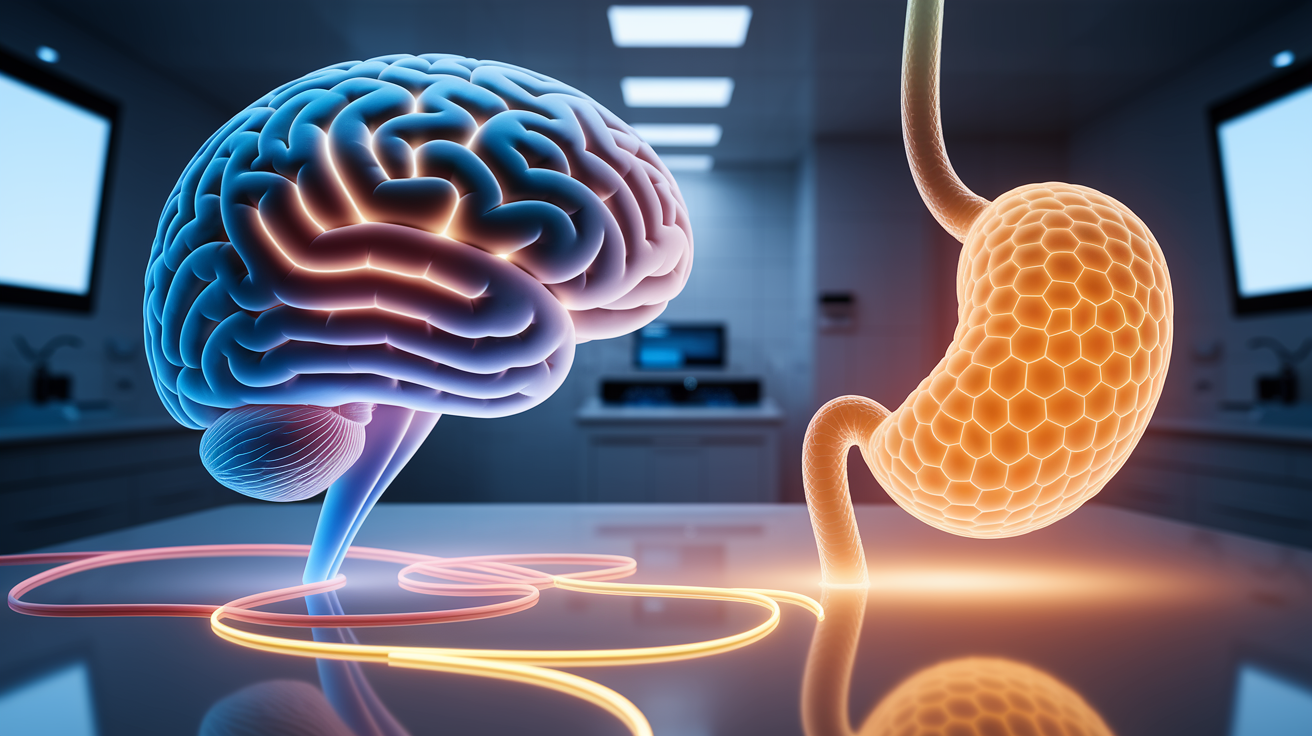
Your stomach isn’t imagining it. When anxiety kicks in, the physical reactions are real, immediate, and sometimes intense. The gut and brain are connected through a two-way communication highway called the gut-brain axis, with the vagus nerve acting as the main cable running between them. When your brain registers stress or worry, it sends signals down the vagus nerve straight to your digestive system. Your gut responds by changing how it moves, how much acid it makes, and how sensitive it feels.
The moment anxiety activates your fight-or-flight system, your body prioritizes survival over digestion. Stress hormones like cortisol and adrenaline flood your bloodstream, diverting blood away from your stomach and intestines to your muscles and heart. Digestion slows or speeds erratically. Stomach acid production ramps up. The nerves lining your gut become more sensitive to every sensation. That’s why a mildly upset stomach can feel sharp or overwhelming when you’re anxious.
These changes don’t mean something is medically wrong with your stomach. Your digestive system is responding exactly as it’s designed to during perceived threat, even when the “threat” is a presentation at work or worry about a future event. The sensation is real, the discomfort is valid, and understanding the mechanism is the first step toward managing it.
When anxiety hits your gut, four key processes happen fast:
Increased stomach acid that can cause nausea, burning, or cramping
Slowed or sped-up digestion leading to bloating, diarrhea, or constipation
Heightened nerve sensitivity making normal gut sensations feel painful or alarming
Rapid hormone shifts that disrupt normal gut motility and fluid balance
Common Anxiety-Related Digestive Symptoms

Anxiety doesn’t show up the same way in every stomach. Some people feel sharp cramps, others get waves of nausea, and many notice a cluster of symptoms that shift depending on stress levels. The most common digestive reactions to anxiety happen fast, often within minutes of a stressful moment. They can range from mild butterflies to symptoms intense enough to make you stop what you’re doing.
Because the gut-brain axis runs in both directions, the physical sensations can then increase anxiety. Creates a feedback loop. You feel nauseous, which makes you worry, which makes the nausea worse. Recognizing these symptoms as stress responses, not signs of serious illness, can help break that cycle.
Nausea or queasiness, sometimes with dry heaving but no actual illness
Tight, fluttery “butterflies” or a heavy, sinking feeling in the stomach
Sharp or dull cramping, often in waves
Bloating, gas, or a sensation of fullness even on an empty stomach
Diarrhea or urgent bowel movements, especially before stressful events
Loss of appetite or feeling like food is unappealing or hard to swallow
Telling the Difference Between Anxiety Symptoms and Medical Digestive Conditions
Anxiety-related stomach discomfort often overlaps with symptoms from infections, food sensitivities, or chronic digestive disorders. Makes it hard to tell what’s causing what. The key difference usually comes down to timing, triggers, and patterns. If your stomach issues show up mainly during or right after stressful moments and ease when you calm down, anxiety is a strong candidate. If symptoms persist regardless of your stress level, happen at random times, or come with warning signs like fever or blood, a medical evaluation is needed.
Tracking when symptoms happen and what else is going on at the time helps narrow it down. Ask yourself: Does this flare during exams, deadlines, social events, or worry spirals? Does it improve after deep breathing, distraction, or resolving the stressor? Does it wake you from sleep, or does it only happen when you’re awake and aware? Anxiety-driven symptoms rarely wake you up at night, while infections and structural GI problems often do.
Anxiety and medical conditions aren’t mutually exclusive. You can have both IBS and anxiety, or develop stress-related symptoms on top of a food sensitivity. If you’re unsure, or if symptoms interfere with eating, sleeping, or daily function, see a clinician who can rule out other causes and help you address both sides.
| Condition | Typical Duration | Key Distinguishing Signs |
|---|---|---|
| Anxiety-related stomach upset | Minutes to a few hours, tied to stress episodes | Improves with relaxation; no fever, blood, or unintended weight loss |
| Food poisoning or stomach virus | 12–48 hours, acute onset | Fever, vomiting, diarrhea; often affects others who ate the same food |
| Irritable Bowel Syndrome (IBS) | Chronic, with flare-ups lasting days to weeks | Bloating, cramping, and bowel changes (diarrhea or constipation) that persist beyond stress events |
| Gastritis or ulcer | Ongoing or recurrent over weeks | Burning pain in upper abdomen, often worse on empty stomach or at night |
| Lactose intolerance or food sensitivity | 30 minutes to 2 hours after eating trigger food | Predictable pattern tied to specific foods; no link to stress timing |
Fast Relief Techniques for Anxiety-Related Stomach Discomfort
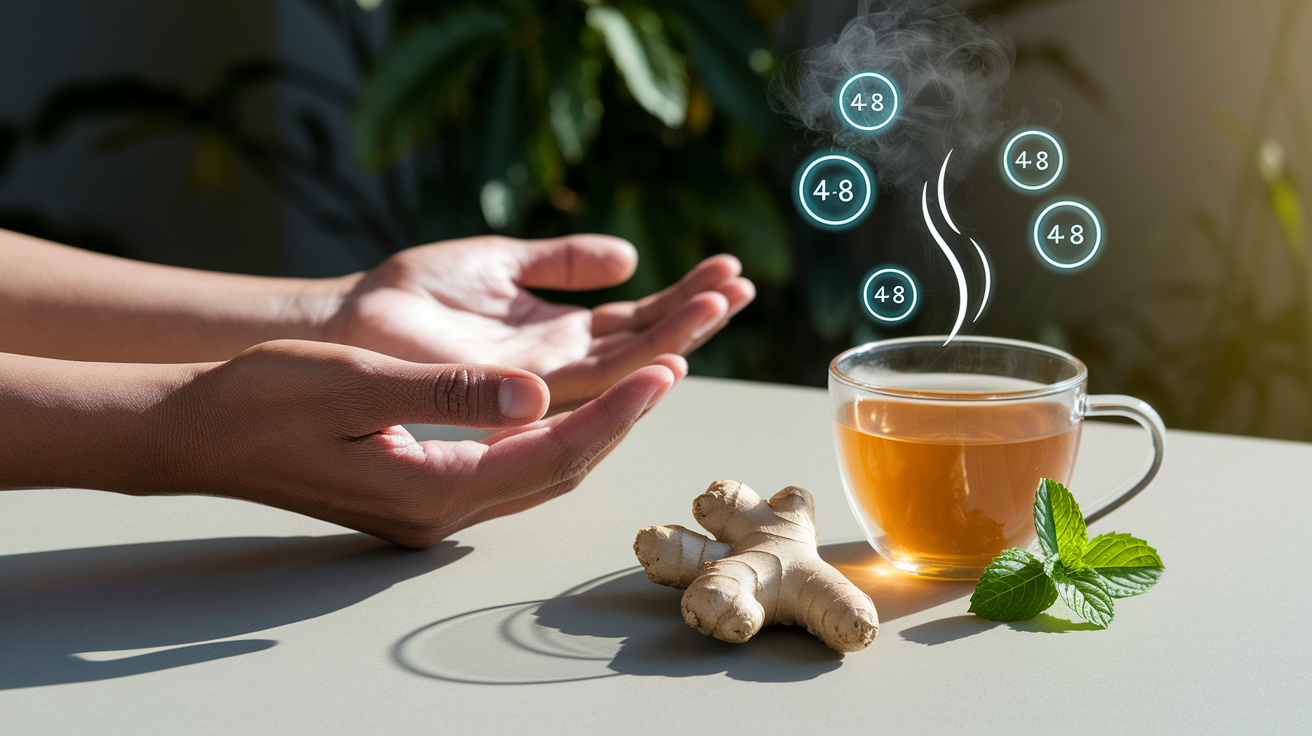
When your stomach is reacting to anxiety right now, you need something that works in the next few minutes, not next week. The goal is to signal your nervous system that the threat has passed so your body can shift out of fight-or-flight and let digestion settle.
Slow, deep breathing with a longer exhale. Breathe in through your nose for a count of four, then exhale slowly through your mouth for a count of six or eight. Repeat for two minutes. This activates the parasympathetic nervous system and tells your gut to stand down.
Sip cool or room-temperature water slowly. Small, steady sips can ease nausea and give you something neutral to focus on. Avoid gulping, which can increase bloating.
Chew or sip fresh ginger. Ginger tea, ginger chews, or a small piece of raw ginger can calm nausea and reduce stomach tension. Start small if you’re not used to it.
Try peppermint tea or a peppermint. Peppermint relaxes the muscles in your stomach and intestines, which can ease cramping and queasiness.
Use a grounding technique like 5-4-3-2-1. Name five things you see, four you can touch, three you hear, two you smell, and one you taste. This pulls your attention out of the anxiety loop and into the present moment.
Gentle movement or a short walk. Even five minutes of slow walking or stretching can help shift stuck energy, improve circulation to your gut, and reduce the freeze response that worsens nausea.
Lie on your left side with knees bent. This position can ease bloating and nausea by supporting natural digestive flow and reducing pressure on your stomach.
Long-Term Strategies to Prevent Anxiety-Induced Stomach Issues

If you’re dealing with frequent or predictable stomach issues tied to stress, the most effective path is addressing the anxiety itself, not just managing symptoms as they show up. Cognitive-behavioral therapy is one of the most evidence-backed tools for this. CBT helps you identify anxious thought patterns, challenge them, and build new responses that don’t trigger the same physical cascade. Many people see noticeable improvement in both anxiety levels and digestive symptoms within a few months of consistent work. You don’t need to do this alone. A therapist trained in anxiety disorders can walk you through practical techniques that target the gut-brain loop directly.
Regular physical activity works on both ends of the axis. Exercise reduces baseline cortisol, improves gut motility, and releases endorphins that buffer against stress. You don’t need intense workouts. Moderate, consistent movement like brisk walking, cycling, swimming, or yoga a few times a week is enough to shift your nervous system toward a calmer default state.
Pair that with steady sleep and eating patterns. Skipping meals, eating erratically, or surviving on caffeine and sugar keeps your stress response active and your digestion unpredictable. Eating at roughly the same times each day, prioritizing fiber and whole foods, and limiting known gut irritants like excess caffeine and alcohol create a stable foundation your digestive system can count on.
The other piece is building a sustainable stress management routine that fits your life. That might mean a daily ten-minute body scan, journaling, time outside, creative outlets, or regular check-ins with a counselor. The specifics matter less than consistency. When your baseline anxiety stays lower, your gut gets fewer false alarms, and the feedback loop between worry and stomach discomfort loses power. Addressing chronic anxiety isn’t a quick fix, but it’s the most reliable way to stop your stomach from being the first place stress lands.
When to Seek Medical or Psychological Evaluation

Most anxiety-related stomach symptoms are uncomfortable but not dangerous, and they ease once the stressor passes or you use calming techniques. If symptoms are severe, persistent, or come with warning signs, you need a professional evaluation to rule out medical causes and get targeted help. Don’t wait if your stomach issues are interfering with work, sleep, eating, or daily life, or if you’re losing weight without trying.
See a doctor soon if you notice blood in your stool or vomit, have a fever along with stomach pain, experience sharp or worsening abdominal pain that doesn’t improve with rest or typical remedies, or if digestive symptoms last longer than two weeks even when stress levels drop. These patterns suggest something beyond anxiety may be at play. Catching it early makes treatment simpler and more effective.
Watch for these signals that it’s time to get help:
Severe stomach pain that makes it hard to eat, sleep, or function normally
Unexplained weight loss or inability to keep food down
Blood in stools, black or tarry stools, or vomiting blood
Symptoms that persist daily for more than two weeks, regardless of stress levels
Final Words
When your stomach tightens and nausea hits, this post showed how the gut–brain link can make you queasy, the common symptoms to watch, how to tell anxiety from other stomach problems, quick relief you can try now, and longer-term habits that help.
Track timing, severity (0–10), triggers like coffee or stress, and what helps. Try slow breathing, a sip of water, or a short walk.
If your upset stomach from anxiety is severe, getting worse, or lasts more than two weeks, see a clinician. Small steps add up — you can feel steadier.
FAQ
Q: How do you calm your stomach from anxiety or an upset stomach?
A: To calm your stomach from anxiety or an upset stomach, try slow deep breaths (longer exhales), sip water or ginger tea, eat a small bland snack, move gently, and rest upright.
Q: What is the 3-3-3 anxiety rule?
A: The 3-3-3 anxiety rule is a grounding trick: name three things you see, three things you hear, then move three body parts to pull attention into the present and lower panic.
Q: Can stress cause stomach pain for days?
A: Stress can cause stomach pain for days because ongoing stress keeps digestion on high alert, raising acid, slowing movement, and heightening nerve sensitivity; if pain is severe, lasts over two weeks, or worsens, seek medical advice.
Comments are closed