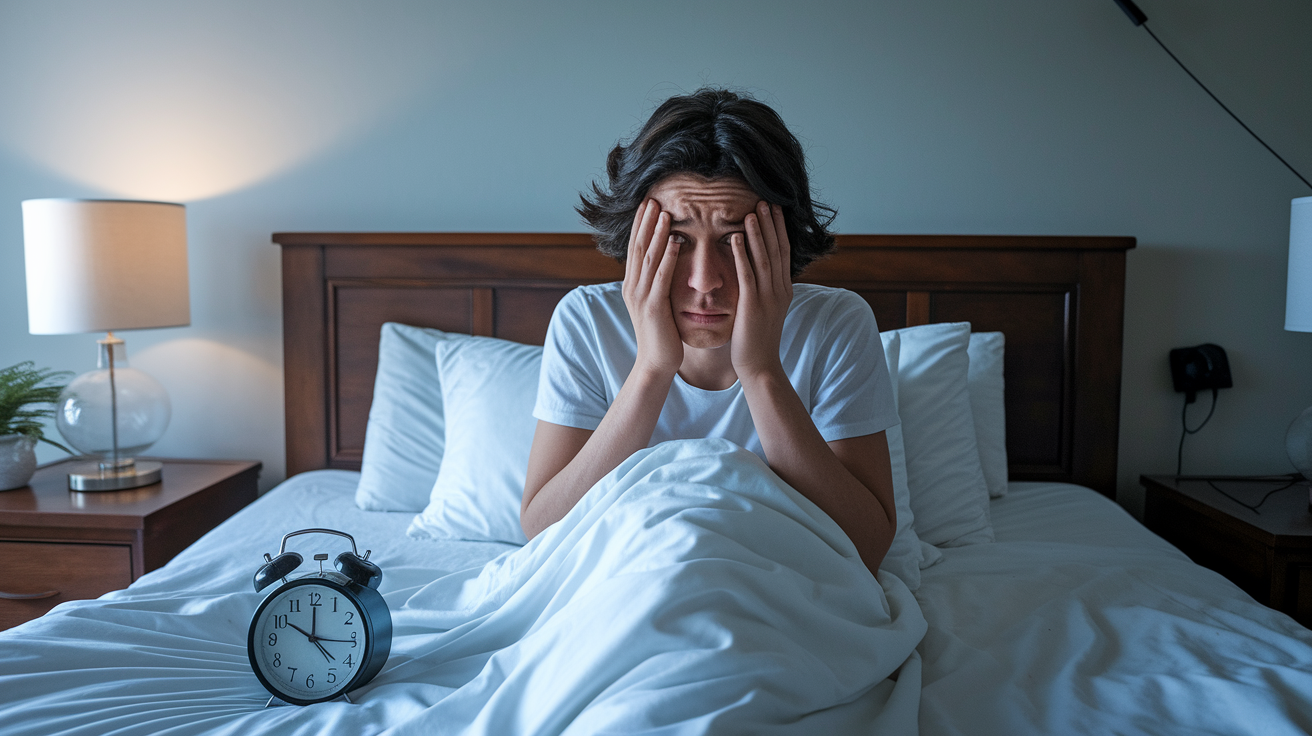
What if your morning panic isn’t just stress but your body’s alarm system going off before your feet hit the floor?
This can feel scary, and you’re not imagining the pounding heart, tight chest, or flood of dread.
In this post I’ll explain the common reasons it happens—like the cortisol surge after waking, poor sleep, and leftover worry—and give fast, low-risk relief steps you can try right away.
You’ll also get simple tracking prompts to spot patterns and clear signs of when to get medical help.
Why Morning Anxiety Attacks Happen Right When You Wake Up

Your body runs on a natural rhythm, and part of that rhythm is a cortisol surge during the first hour after you wake up. It’s called the cortisol awakening response, and it’s completely normal. For most people, it’s quiet background noise that helps the body shift from sleep to wakefulness. But if you’re already stressed, short on sleep, or running a sensitive nervous system, that cortisol spike can feel like a silent alarm going off in your chest. Instead of easing into the day, you wake up with your heart pounding, your thoughts spinning, and a thick sense of dread before your feet even hit the floor.
Sleep quality matters too. If you’ve been waking up all night, tossing around, or dreaming anxiously, your nervous system never fully settles. You wake up already revved. Pile on any leftover worry from yesterday, a stressful week, anticipation of a tough conversation, money trouble, or health concerns, and your brain can grab onto those thoughts the second you open your eyes. The result? A full anxiety attack that feels like it came out of nowhere, but it’s been building underneath the whole time.
Morning anxiety attacks aren’t just “in your head.” They’re real, measurable shifts happening in your body. The mix of cortisol, an overactive stress response, poor or broken sleep, and unprocessed worry creates a perfect storm right when you’re most vulnerable.
Symptoms that separate a morning anxiety attack from regular grogginess or stress:
- Pounding or racing heart that feels out of control
- Shallow, fast breathing or a feeling that you can’t catch your breath
- Overwhelming dread or sense that something terrible is about to happen
- Racing thoughts that jump from one worry to the next without stopping
- Muscle tension, especially in the chest, shoulders, neck, or jaw
Common Symptoms and Patterns of a Morning Anxiety Attack

A morning anxiety attack can look different person to person, but the core experience is usually the same. You wake up feeling like your body’s in emergency mode, even though nothing’s actively wrong. Your chest might feel tight or heavy, your heart might skip or pound hard enough that you feel it in your throat, and your thoughts start racing before you’ve even fully woken up. You might feel dizzy or lightheaded, shaky in your hands or legs, sweaty even though the room’s cool, or nauseous in a way that makes getting out of bed feel impossible.
Some people describe it as waking up already mid-panic. Like their body hit the alarm before their mind could catch up. You might feel restless, unable to focus, or notice your breathing’s gone shallow and fast without realizing it. After the wave passes, you’re often left feeling drained, shaky, or emotionally raw, even if the attack itself only lasted a few minutes. The fatigue that follows can make the rest of the morning feel heavy and hard to move through.
Common symptoms during a morning anxiety attack:
- Racing or intrusive thoughts that feel impossible to slow down
- Chest tightness or pressure
- Dizziness or feeling faint
- Nausea or stomach upset
- Shaking or trembling in the hands, legs, or core
- Sweating, especially on the palms, back, or forehead
- Sudden sense of panic or impending doom
- Trouble concentrating or feeling mentally “foggy”
Why Certain Triggers Cause an Anxiety Attack in the Morning
Morning anxiety attacks don’t always announce themselves with a clear cause, but they usually have roots in what happened yesterday or what’s waiting for you in the hours ahead. Stressful life events like a job change, money worries, relationship tension, or ongoing health concerns can sit in your nervous system overnight. Even if you’re not actively thinking about them while you sleep, your body remembers. When you wake up, those unresolved stressors can flood back in, especially if the day ahead feels overwhelming or uncertain.
Thought patterns play a big part too. If you tend to catastrophize, imagine worst-case scenarios, or replay conversations that haven’t even happened yet, your brain can start doing that work the moment you open your eyes. It’s like your mind hits “play” on a loop of worry before you’ve had a chance to ground yourself. That mental habit, combined with the natural cortisol spike, can push you straight into a panic response.
Your immediate environment also matters more than you might think. Reaching for your phone first thing and scrolling through news, work emails, or stressful texts can ramp up your nervous system fast. A cluttered bedroom, loud outside noise, or even harsh morning light can add small layers of sensory stress that tip you over if you’re already close to the edge.
Subtle Morning Triggers
Some triggers are harder to spot. Dehydration from sleeping, low blood sugar if you haven’t eaten in hours, caffeine withdrawal if your body expects coffee at a certain time, or even hormonal shifts during your cycle can all prime your nervous system for a morning attack. These aren’t psychological, but they create a physical state that makes anxiety more likely to take hold.
Immediate Techniques to Calm an Anxiety Attack in the Morning
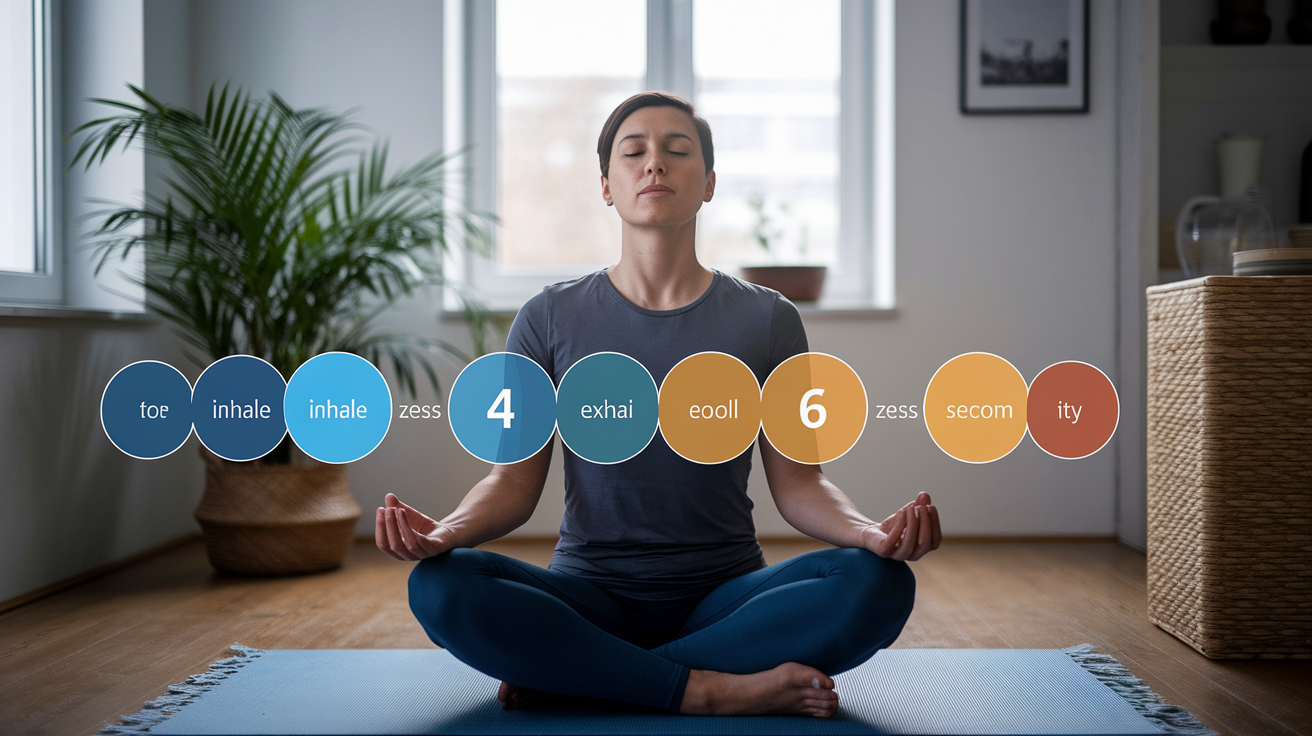
When you wake up in the middle of an anxiety attack, your first instinct might be to fight it, ignore it, or try to force yourself to “just get up.” That usually makes it worse. The better move is to acknowledge what’s happening, out loud or silently, and then give your nervous system something concrete to do. Naming the feeling, even just saying “I’m having an anxiety attack,” can reduce its intensity because it shifts your brain out of pure reaction mode and into observation.
Your breath is the fastest tool you have. Try the 4-6 breathing pattern. Breathe in slowly through your nose for 4 seconds, then breathe out through your mouth for 6 seconds. The longer exhale signals your parasympathetic nervous system to start calming down. You don’t need to do this perfectly. Just aim for a slower, longer out-breath than in-breath, and repeat it for a minute or two. If counting feels too hard in the moment, just focus on making each exhale a little longer than the one before.
Morning panic first-aid sequence:
- Sit up slowly and place both feet flat on the floor
- Say out loud or silently, “This is anxiety, and it will pass”
- Take 3 slow breaths using the 4-6 pattern (in for 4, out for 6)
- Name 5 things you can see in the room (a lamp, the edge of a blanket, a doorknob, the ceiling, your hand)
- Drink a full glass of water, sipping it slowly and noticing the temperature
- Stretch your arms overhead gently, roll your shoulders back, and take one more deep breath before standing
Short Recovery Steps After a Morning Anxiety Attack

Once the immediate panic has passed, your body’s still running a little hot. You might feel shaky, foggy, or emotionally raw. This is normal. Your nervous system just went through a false alarm, and it needs a few minutes to reset. Instead of jumping straight into your day, give yourself a short recovery window. Sit on the edge of your bed, drink some water, and let your heart rate come all the way down before you move into your routine.
Writing down what you felt, even just a few bullet points, can help you spot patterns over time. Did you wake up after a bad dream? Did you go to bed stressed? Did you skip dinner or have caffeine late? Tracking these details isn’t about blaming yourself. It’s about gathering useful information so you can start to see what makes morning attacks more or less likely. Reaching out to someone, even a quick text to a friend or partner, can also lower the lingering stress and remind you that you’re not alone in it.
Quick recovery checklist:
- Jot down what you felt and any possible triggers (1 to 2 minutes)
- Text or call someone you trust, even just to say “rough morning”
- Eat something light and balanced (toast with peanut butter, yogurt, a banana) to stabilize blood sugar
- Allow yourself a slower start if possible. Skip the rush and ease into the day at your own pace
Lifestyle Changes to Prevent Another Anxiety Attack in the Morning

Long-term prevention is about giving your nervous system fewer reasons to spike in the morning. Consistent sleep is one of the most powerful levers you have. Going to bed and waking up at roughly the same time every day, even on weekends, helps regulate cortisol and keeps your body from feeling constantly off-balance. A calm bedtime routine also signals to your brain that it’s safe to wind down. That might look like reading for 10 minutes, doing gentle stretches, or listening to a short guided meditation. Avoid screens for at least 2 hours before bed if you can. The blue light and content both keep your brain too alert to settle.
What you eat and drink also affects your morning mood more than most people realize. Skipping meals, overdoing caffeine, or loading up on sugar can all destabilize your blood sugar and make anxiety worse. Prioritize whole foods, plenty of water throughout the day, and a balanced breakfast soon after waking. Nutrients like vitamin D, B vitamins, magnesium, selenium, and omega-3 fats have all been linked to lower anxiety levels. You don’t need supplements right away, but eating foods rich in those nutrients (leafy greens, nuts, seeds, fish, eggs) is a solid start.
Movement matters, even in small doses. A 10-minute walk in the morning can help burn off some of that cortisol and reset your mood before the day gets heavy. It doesn’t need to be intense. Just getting outside, breathing fresh air, and moving your body sends a signal that you’re safe and the day is manageable.
Night-Before Preparation
One of the simplest ways to reduce morning anxiety is to make decisions the night before. Lay out your clothes, prep breakfast, pack your bag, and write down your top 3 tasks for the next day. When you wake up, your brain has fewer decisions to make and fewer opportunities to spiral into “what if” thinking. This small act of control can lower your baseline stress and make mornings feel less chaotic, even if an anxiety attack still shows up.
| Strategy | Benefit | Time Needed |
|---|---|---|
| Consistent sleep schedule | Regulates cortisol and reduces morning spikes | Ongoing habit |
| 10-minute morning walk | Burns cortisol, improves mood and focus | 10 minutes daily |
| Night-before prep (clothes, breakfast, tasks) | Reduces decision fatigue and morning chaos | 5 to 10 minutes before bed |
How Therapy Helps With Morning Anxiety Attacks
Therapy isn’t just for people in crisis. If morning anxiety attacks are happening regularly, interfering with your ability to function, or leaving you drained before your day even starts, working with a therapist can help you understand why they’re happening and how to change the patterns that fuel them. Cognitive Behavioral Therapy, or CBT, is one of the most studied and effective approaches for anxiety. It helps you identify the specific thoughts and beliefs that trigger panic, teaches you how to challenge and reshape those thoughts, and builds concrete coping skills you can use in the moment and over time.
Other evidence-based approaches include Acceptance and Commitment Therapy (ACT), which focuses on making room for uncomfortable feelings without letting them control your behavior, and Dialectical Behavioral Therapy (DBT), which teaches emotional regulation and distress tolerance skills. If your morning anxiety is tied to past trauma, trauma-focused therapy can address the root cause. If it shows up as part of a larger pattern of worry, you might be dealing with Generalized Anxiety Disorder, which affects nearly 7 million adults in the U.S. each year and is about twice as common in women. These are treatable conditions, and therapy gives you a structured way to work through them.
Even a few sessions can make a difference. Therapy isn’t about “fixing” you. It’s about giving you tools, perspective, and a plan that fits your life. If lifestyle changes alone aren’t enough, a therapist can help you figure out what else might be contributing, whether that’s unprocessed stress, a thought pattern you’ve carried for years, or a need for additional support like medication or group therapy.
When a Morning Anxiety Attack Means You Should Seek Medical Help

Most morning anxiety attacks aren’t medical emergencies, but some situations do require professional evaluation or immediate care. If your attacks are happening several times a week, lasting longer than they used to, or making it hard to get to work, take care of responsibilities, or maintain relationships, it’s time to talk to a mental health professional or your primary care provider. Persistent morning anxiety can be a sign of an underlying anxiety disorder, panic disorder, or health-related anxiety that won’t resolve on its own with breathing exercises and better sleep.
You should also seek help if your anxiety is disrupting your sleep to the point where you’re barely functioning, if you’re avoiding normal activities because you’re afraid of triggering another attack, or if you’re starting to feel hopeless or overwhelmed by the pattern. These aren’t signs of weakness. They’re signs that your nervous system needs more support than self-care alone can provide, and that’s okay.
Red-flag symptoms that require immediate medical attention:
- Severe chest pain or pressure that doesn’t ease with breathing or rest
- Extreme shortness of breath or feeling like you can’t get air
- Suicidal thoughts or urges to harm yourself
If you’re in crisis, call the National Suicide Prevention Lifeline at 1-800-273-8255, call 800-950-NAMI, or text “NAMI” to 741741. These lines are staffed 24/7 and can connect you with immediate support.
Final Words
You wake up with a pounding heart, shallow breathing, and a flood of worst-case thoughts. That morning surge often comes from the cortisol awakening response, poor sleep, and leftover stress from the day before.
This post ran through common signs, typical triggers, quick breathing and grounding steps, short recovery moves, lifestyle changes, and when therapy or medical care can help. Track timing and what eases you.
With small steps like slow breathing, a light snack, and a simple plan, you can reduce the chance of another anxiety attack in morning and start your day steadier.
FAQ
Q: Why am I getting anxiety attacks only in the morning / as soon as I wake up / why does anxiety spike in the morning?
A: Morning anxiety attacks happen because the body’s natural cortisol spike at wake-up can amplify stress, plus poor sleep, unresolved worries from the day, and early phone/news exposure can trigger panic-like symptoms.
Q: How to stop morning anxiety attacks?
A: To stop morning anxiety attacks, try inhale 4–exhale 6 breathing, 5-4-3-2-1 grounding, drink water, eat a light snack, limit morning caffeine, plan the night before, track triggers, and see a clinician if frequent or severe.
Comments are closed