What if your anxiety feels like a medical emergency?
Sudden anxiety can arrive out of nowhere as a pounding heart, chest tightness, trouble breathing, dizziness, or the sense something terrible will happen.
That overlap with real medical problems makes it hard to know what to do.
This guide breaks it down plainly: the immediate red flags that need emergency care, the signs that deserve same-day evaluation, and simple first steps and tracking tips you can use right away to help your clinician and calm yourself.
Immediate Thresholds for Getting Help with Sudden Anxiety
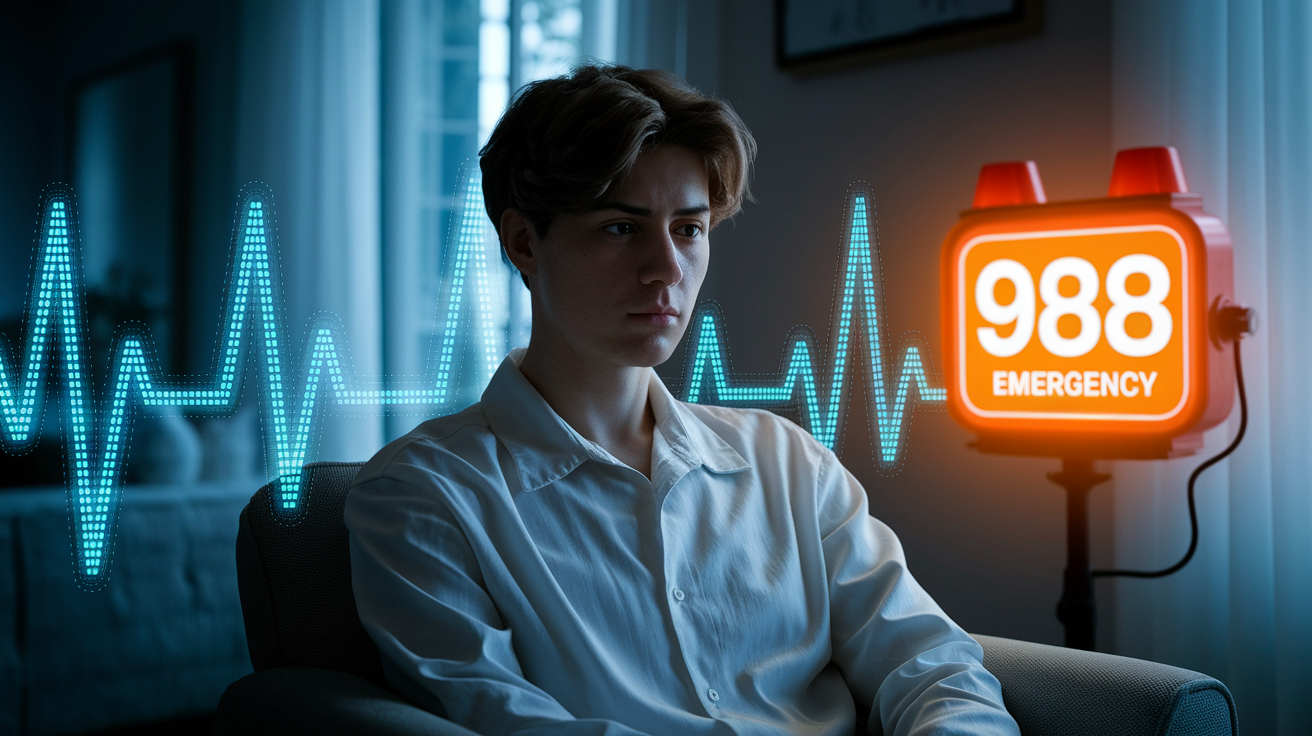
Sudden anxiety shows up as an overwhelming wave of fear, dread, or physical discomfort that feels more intense than typical stress. You might get a racing heart, chest tightness, shortness of breath, dizziness, sweating, shaking, nausea, or this sense that something terrible is about to happen. Sometimes these episodes arrive without warning and without an obvious trigger. When symptoms are severe, unfamiliar, or come with high-risk physical signs, you need evaluation right away because some symptoms look identical to serious medical conditions.
Here’s the thing: a racing heart at 100 to 150 beats per minute can happen during a panic attack. But it can also signal a heart rhythm problem. Chest tightness might ease with deep breathing if it’s anxiety, or it could be the start of a heart attack. Because of that overlap, certain symptoms require calling 911 or going to an emergency room immediately. Call 988 (the Suicide and Crisis Lifeline) if you’re thinking about suicide, have a plan, or feel you’re in danger of hurting yourself. That line is staffed 24/7 by trained crisis counselors.
Call 911 or go to the nearest emergency room right away if you experience any of these:
- Chest pain that feels crushing, squeezing, or radiates to your left arm, jaw, or back
- Severe shortness of breath that doesn’t improve with rest or slow breathing
- Fainting, near fainting, loss of consciousness, or collapse
- Seizure or sudden severe confusion
- New neurological symptoms such as slurred speech, weakness on one side of your body, or a sudden severe headache unlike any you’ve had before
- Active intent to harm yourself or others
If your symptoms are new, feel different from prior anxiety episodes, or are more severe than anything you’ve experienced before, treat them as urgent until a clinician can rule out medical causes. Anxiety episodes often last 5 to 20 minutes and begin to ease with grounding or breathing techniques. Medical emergencies usually worsen or persist regardless of what you do.
Recognizing Sudden Anxiety Symptoms Versus Medical Emergencies
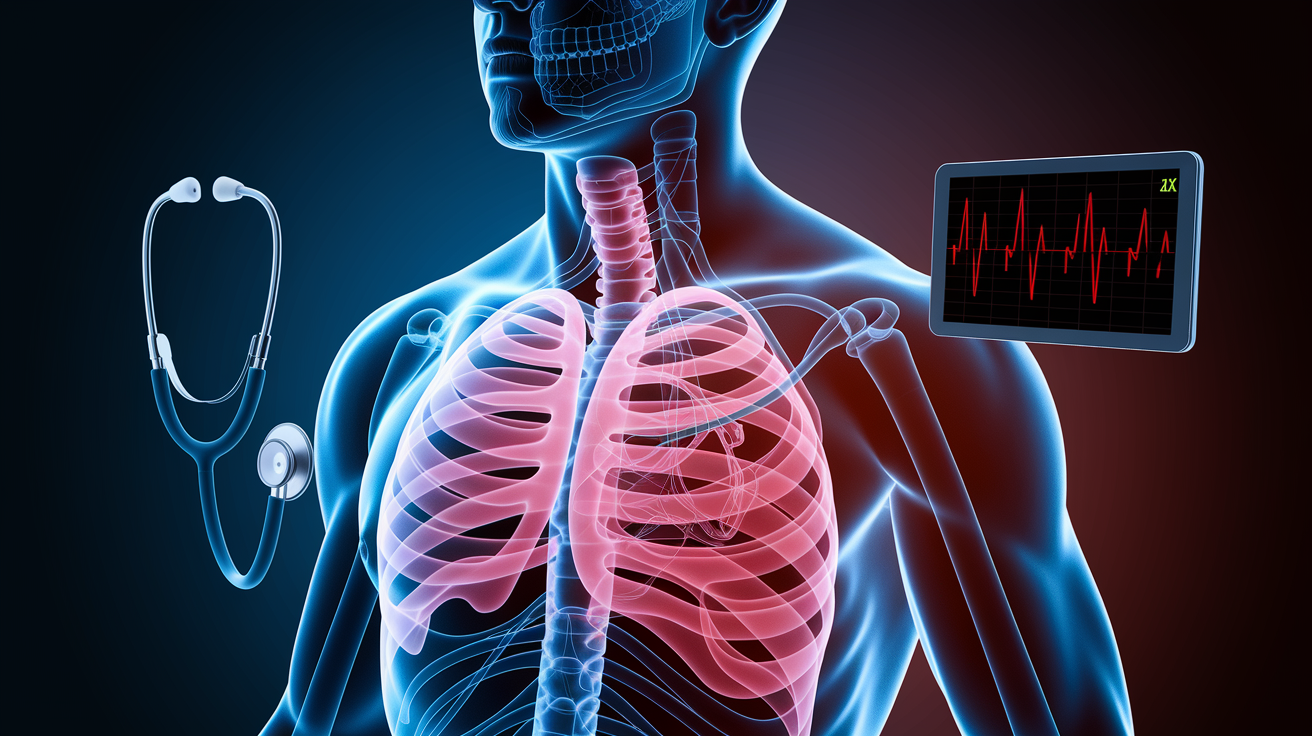
Anxiety and medical emergencies can present with identical symptoms, so pattern recognition helps narrow down the cause. Sudden anxiety often arrives in response to a trigger. An argument, work deadline, crowded space, unexpected news, or even caffeine on an empty stomach. It tends to peak quickly and then gradually ease, especially if you move to a calmer environment, practice slow breathing, or use grounding techniques. If symptoms improve with relaxation or shift around (chest tightness moves to your stomach, then to your throat), that pattern suggests anxiety. Cardiac or respiratory emergencies usually follow exertion, worsen over time, and don’t respond to calming strategies.
Chest pain from anxiety is often sharp, stabbing, or feels like pressure across your chest. It usually eases within minutes or improves when you focus on slow exhales. Heart attack pain is more commonly described as crushing or squeezing, centered under the breastbone, and radiates to your left arm, jaw, or back. The 2021 American Heart Association and American College of Cardiology guidelines highlight that substernal pressure with radiation is high risk and requires immediate evaluation. Breathing trouble from anxiety involves hyperventilation. Fast, shallow breaths that make you feel short of air even though your airways are open. You might feel tingling in your fingers, dizziness, or lightheadedness. Asthma or a pulmonary embolism causes true airway obstruction or oxygen deprivation and worsens with activity. Neurological red flags include sudden weakness, vision changes, slurred speech, or severe confusion that doesn’t clear up. Anxiety can cause brain fog or difficulty concentrating, but it doesn’t cause stroke-like symptoms.
| Symptom | Likely Anxiety Pattern | Medical Emergency Indicators |
|---|---|---|
| Chest pain | Sharp or pressure like, improves with rest or breathing exercises, shifts location, eases within 5 to 20 minutes | Crushing or squeezing, radiates to left arm/jaw/back, worsens with exertion, lasts longer than 10 minutes, accompanied by sweating or nausea |
| Breathing trouble | Fast shallow breaths, “air hunger” feeling, improves with slow exhales, no true obstruction, tingling or dizziness from hyperventilation | Worsens with movement, bluish lips or fingers, wheezing, unable to speak in full sentences, history of asthma or lung disease |
| Neurological changes | Brain fog, difficulty concentrating, feeling “spaced out,” resolves as anxiety eases | Sudden weakness on one side, slurred speech, vision loss, severe headache unlike prior headaches, confusion that doesn’t clear, seizure activity |
When Sudden Anxiety Requires Urgent Professional Evaluation (Same Day or 24 to 72 Hours)
Not every episode of sudden anxiety is a 911 call, but many warrant professional evaluation within the same day or within 24 to 72 hours. This middle tier applies when symptoms are new, worsening, persistent, or disruptive to daily functioning but not immediately life threatening. Same day evaluation is appropriate if anxiety is preventing you from eating, sleeping, working, or caring for yourself. A 24 to 72 hour window is reasonable if symptoms are troubling but manageable, such as recurring heart palpitations without severe shortness of breath, ongoing nausea or digestive upset that mimics food poisoning, or persistent insomnia lasting more than a couple of weeks.
Seek prompt evaluation if anxiety shows up without an obvious trigger, especially if it’s a new pattern for you. Persistent worry that interferes with concentration, decision making, or self care warrants a conversation with a primary care provider or mental health clinician. Cognitive changes such as frequent forgetfulness, new confusion, or difficulty tracking conversations should be evaluated, as they can signal an underlying medical issue or severe anxiety disorder. Ongoing physical symptoms (headaches, muscle tension, repeated vomiting, significant appetite or weight changes) deserve medical attention even if you suspect anxiety is the cause. Many facilities offer 24/7 access to mental health professionals and free or no cost confidential assessments, which can expedite evaluation when symptoms are escalating.
Outpatient psychiatric or therapy referral is appropriate when anxiety episodes are recurring, when self care strategies aren’t enough, or when anxiety is starting to shape your daily decisions. If you’re avoiding places, people, or activities because of anxiety, or if you’re using alcohol or other substances to manage symptoms, that’s a signal to reach out. Mental health treatment works best when started early, before patterns become entrenched.
Seek professional evaluation within 24 to 72 hours if you notice any of these:
- Recurring panic attacks or sudden anxiety episodes that are increasing in frequency or intensity
- Sleep disruption lasting more than several weeks, with daytime exhaustion or impaired functioning
- Ongoing heart palpitations, chest tightness, or digestive symptoms that are new or unexplained
- Persistent worry that prevents you from completing routine tasks, maintaining relationships, or enjoying daily activities
- Using substances (alcohol, cannabis, stimulants, prescription drugs not as directed) to cope with anxiety symptoms
Understanding Physical Symptoms That Can Accompany Sudden Anxiety
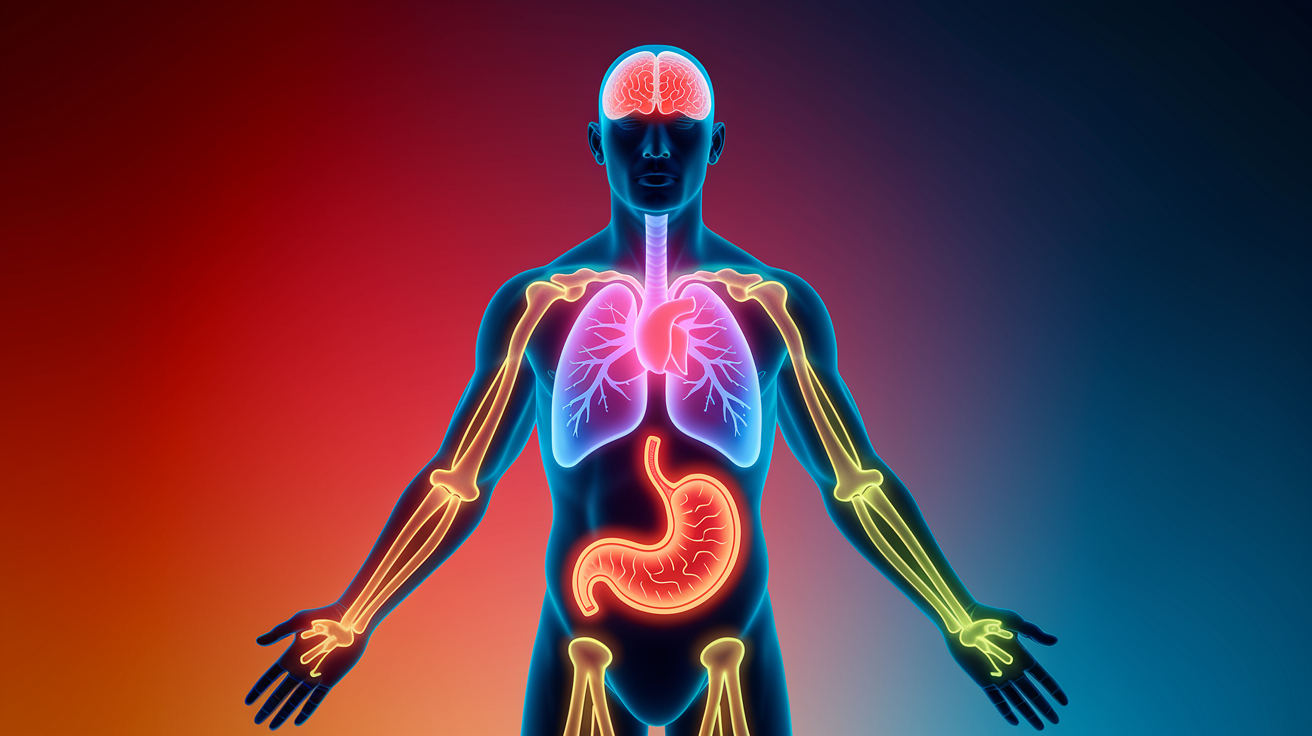
Sudden anxiety triggers your body’s fight or flight response, a survival mechanism that floods your system with adrenaline and cortisol. Your heart rate spikes (often into the 100 to 150 beats per minute range) to pump more blood to your muscles. Your breathing quickens to take in more oxygen. Blood vessels constrict in some areas and dilate in others, which can cause dizziness, tingling, or a feeling of being overheated. Your digestive system slows or shuts down temporarily, leading to nausea, stomach cramps, or urgent bowel movements. All of this happens within seconds and can feel overwhelming, especially if you’re not expecting it. The physical intensity of sudden anxiety is real and measurable, not imagined.
Common symptom clusters include cardiovascular sensations (pounding heart, palpitations, chest tightness, fluttering feeling), respiratory changes (rapid breathing, shortness of breath, throat tightness, feeling like you can’t get enough air), gastrointestinal distress (nausea, cramping, diarrhea, dry mouth), and neurological sensations (dizziness, lightheadedness, tingling in your hands or face, feeling detached or unreal). Muscle tension can show up as headaches, jaw clenching, shoulder tightness, or widespread aching similar to fibromyalgia. If symptoms begin to ease with slow breathing, grounding techniques, or moving to a calmer environment, that response suggests anxiety rather than an organic medical illness. Medical emergencies typically persist or worsen regardless of your coping efforts.
High-Risk Situations: Sudden Anxiety Triggered by Substances, Medication Changes, or Medical Issues

Sudden anxiety doesn’t always start in your mind. It can be triggered or worsened by substance use, withdrawal, medication changes, or underlying medical conditions. Stimulants such as caffeine, amphetamines, or cocaine can directly cause anxiety symptoms, including rapid heart rate, sweating, agitation, and panic. Alcohol withdrawal is a medical emergency that can include severe anxiety, tremors, confusion, hallucinations, and seizures, usually beginning 6 to 24 hours after your last drink. Opioid or benzodiazepine withdrawal also causes intense anxiety, along with physical symptoms that require medical supervision. If sudden anxiety appears during or after substance use or withdrawal, seek evaluation immediately. Some facilities offer detox assessments as a first step and provide integrated care for co-occurring mental health and substance use concerns.
Medication changes can also precipitate sudden anxiety. Starting or stopping antidepressants, benzodiazepines, beta blockers, or corticosteroids can trigger rebound anxiety or withdrawal symptoms. Over the counter medications and supplements (decongestants, weight loss products, high dose caffeine pills) can mimic or worsen anxiety. Medical conditions such as hyperthyroidism, hypoglycemia, cardiac arrhythmias, respiratory illness, anemia, and certain neurological disorders can all present with anxiety like symptoms. If you have a known medical condition and sudden anxiety appears or worsens, contact your provider to rule out a flare, complication, or medication side effect.
Seek prompt medical evaluation if sudden anxiety occurs in any of these scenarios:
- During or within 24 to 48 hours of stopping alcohol, benzodiazepines, or opioids
- After starting a new medication or supplement, or after a recent dose change
- Alongside new or worsening symptoms such as rapid weight loss, heat intolerance, tremor, or palpitations (possible thyroid dysfunction)
- In the context of known heart disease, diabetes, respiratory illness, or other chronic conditions that could be contributing
Sudden Anxiety in Children, Teens, Older Adults, and Postpartum Individuals
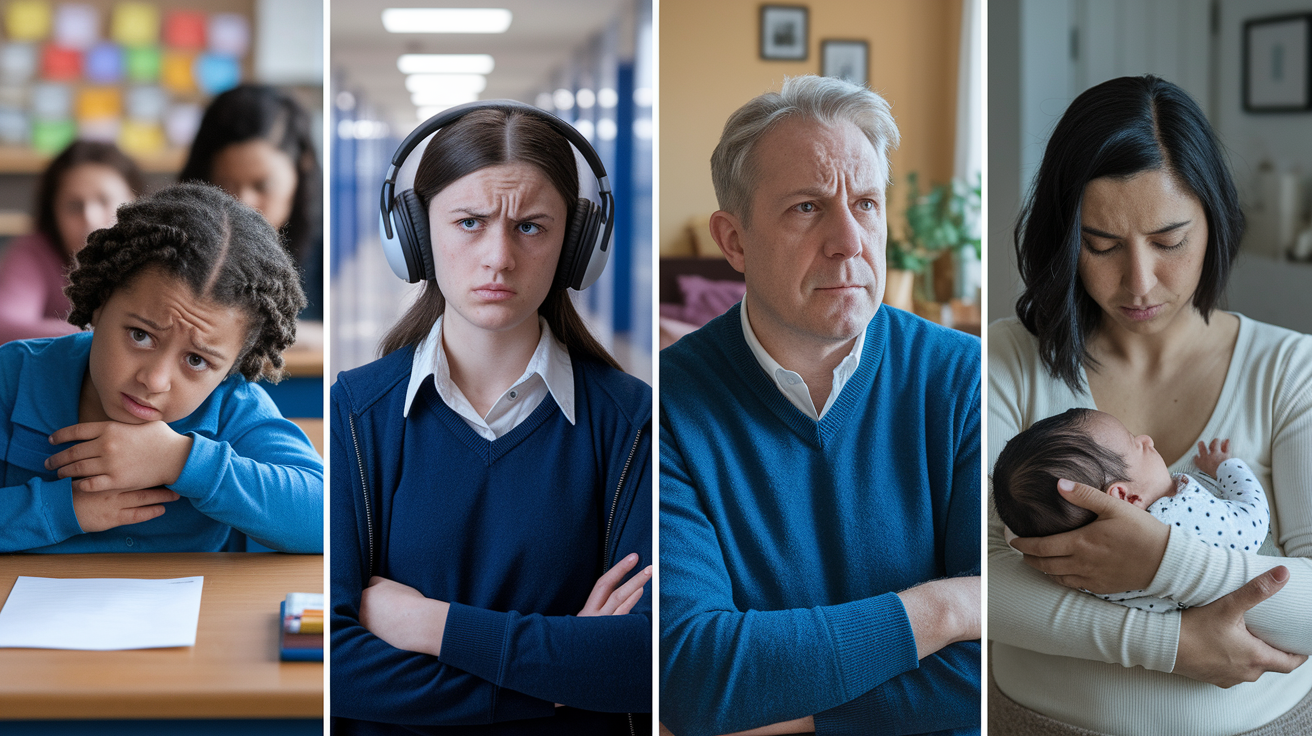
Sudden anxiety presents differently across age groups and life stages. Certain populations require adapted evaluation thresholds. In children ages 5 to 12, sudden anxiety often shows up as behavioral disruption. Crying, clinging, refusal to go to school or separate from caregivers, stomachaches, or headaches without a medical cause. A child who suddenly can’t self regulate, becomes aggressive, or retreats into silence may be experiencing overwhelming anxiety. Any mention of not wanting to be alive, even if vague, warrants immediate evaluation. Programs exist specifically for children in this age range, offering assessment and age appropriate treatment.
In teens ages 13 to 17, sudden anxiety can look like panic attacks, social withdrawal, school refusal, self harm, or substance experimentation. Adolescents may describe feeling “crazy,” detached from reality, or convinced something is physically wrong with them. They may avoid previously enjoyed activities or relationships. Sudden academic decline, sleep disruption, or increased irritability can all signal anxiety that needs attention. Teens are at higher risk for suicidal ideation during acute anxiety episodes, so any mention of self harm or suicidal thoughts requires same day crisis evaluation.
Older adults may show sudden anxiety as confusion, agitation, memory problems, or physical complaints such as chest pain or dizziness. Anxiety in older adults is often tied to medication interactions, medical illness, cognitive decline, or loss and grief. Because cognitive symptoms can overlap with dementia or delirium, sudden anxiety in an older adult should prompt medical evaluation to rule out infection, metabolic disturbance, stroke, or medication toxicity. Postpartum individuals are at elevated risk for sudden anxiety due to hormonal shifts, sleep deprivation, and the stress of new parenthood. Postpartum anxiety can include intrusive thoughts, hypervigilance about the baby’s safety, panic attacks, or physical symptoms such as chest pain and shortness of breath. Any sudden anxiety during pregnancy or within the first year postpartum warrants a call to an obstetrician or mental health provider, as untreated anxiety can affect both parent and baby.
Four high risk population specific red flags that require immediate attention:
- A child or teen who mentions not wanting to live, self harm, or feelings of hopelessness. Call 988 or seek emergency evaluation.
- An older adult with new confusion, disorientation, or sudden personality change alongside anxiety symptoms. Seek same day medical evaluation to rule out delirium or stroke.
- A postpartum individual with intrusive thoughts about harming the baby, severe insomnia despite exhaustion, or inability to bond or care for the infant. Contact an obstetrician or mental health crisis line immediately.
- Any individual in a high risk group who shows sudden withdrawal, inability to care for themselves, or talk of suicide. Treat as a mental health emergency.
What to Do in the Moment: Immediate Coping Strategies for Sudden Anxiety
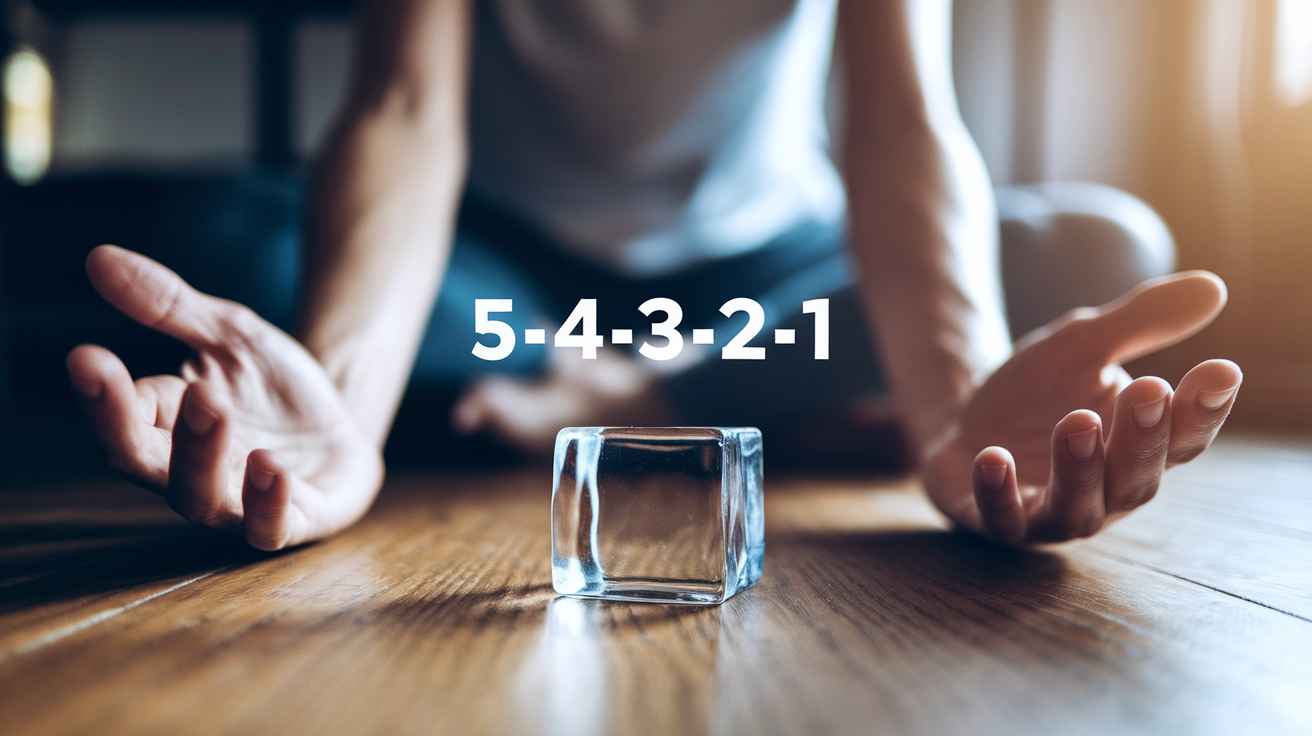
When sudden anxiety hits, the goal is to signal safety to your nervous system and reduce the intensity of the fight or flight response. Grounding techniques help anchor you in the present moment and interrupt the spiral of catastrophic thoughts. One effective method is the 5-4-3-2-1 sensory exercise: name 5 things you can see, 4 things you can touch, 3 things you can hear, 2 things you can smell, and 1 thing you can taste. This pulls your attention out of internal panic and back into your environment. Breathing exercises are another powerful tool. Try diaphragmatic breathing. Breathe in slowly through your nose for a count of 4, hold for 4, exhale slowly through your mouth for 6 to 8. The longer exhale activates the parasympathetic nervous system and slows your heart rate.
Five immediate coping steps to try during a sudden anxiety episode:
- Move to a safe, quiet space if possible. Step outside, sit in your car, go to a restroom, or find a corner away from crowds.
- Practice slow, deep belly breathing with a focus on making your exhale longer than your inhale.
- Use grounding techniques such as holding an ice cube, pressing your feet firmly into the floor, or naming objects around you.
- Avoid using alcohol, cannabis, or other substances to calm down, as they can worsen rebound anxiety or create new risks.
- Time the episode and note what you were doing, thinking, or feeling before it started. This information is useful for clinicians.
If grounding and breathing reduce your symptoms within 10 to 20 minutes, that pattern strongly suggests anxiety rather than a medical emergency. If symptoms persist, worsen, or include chest pain radiating to your arm, severe shortness of breath, or confusion, seek medical help immediately. Improvement with self soothing is reassuring. Lack of improvement is a signal to escalate care.
Professional Treatment Options When Sudden Anxiety Becomes Recurring

When sudden anxiety episodes become frequent, intense, or disabling, professional treatment offers evidence based relief. Cognitive Behavioral Therapy (CBT) is a first line treatment for anxiety disorders and panic disorder. CBT helps you identify and challenge distorted thoughts, test out feared situations in controlled ways, and build coping skills that reduce the frequency and intensity of episodes. Exposure therapy, a specific type of CBT, is especially effective for panic disorder. It involves gradually facing feared sensations or situations in a safe, structured way until they lose their power. Therapy is typically recommended as a starting point, either alone or combined with medication.
Medication options include SSRIs (selective serotonin reuptake inhibitors) and SNRIs (serotonin norepinephrine reuptake inhibitors), which are considered first line pharmacological treatments for anxiety. They take several weeks to reach full effect but can significantly reduce baseline anxiety and the frequency of panic attacks. Benzodiazepines such as lorazepam or alprazolam work quickly and can be helpful in acute crises, but they carry a risk of dependence and are generally recommended only for short term use. Other options include buspirone (a non addictive anti anxiety medication), beta blockers (which reduce physical symptoms such as rapid heart rate), and occasionally antihistamines for mild situational anxiety. A psychiatrist, psychiatric nurse practitioner, or primary care provider can help determine which medication, if any, is appropriate based on your history and symptom pattern.
For individuals with severe, recurring, or functionally impairing anxiety, structured programs offer intensive support. Inpatient psychiatric care provides 24 hour supervision and stabilization for acute crises, including suicidal ideation, severe panic, or inability to care for yourself. Partial Hospitalization Programs (PHP) offer daily therapeutic support (typically 5 to 6 hours a day, 5 days a week) while you continue to live at home. Intensive Outpatient Programs (IOP) provide 3 to 4 hours of therapy several days per week, allowing you to maintain work or school. Many programs include integrated care for dual diagnosis, meaning treatment for both mental health and substance use concerns. Free or no cost confidential assessments are available through some facilities, with mental health professionals available 24/7. For example, one facility offering these services is located at 1351 Ontario Road, Green Bay, WI 54311, and can be reached at (888) 464-1498. Grounding techniques taught in therapy can be practiced daily to prevent escalation and manage symptoms between sessions.
| Treatment Type | When It’s Used | Key Considerations |
|---|---|---|
| Cognitive Behavioral Therapy (CBT) and Exposure Therapy | First line treatment for panic disorder, generalized anxiety, and recurring sudden anxiety episodes | Evidence based, teaches lasting skills, no medication side effects; requires consistent attendance and practice between sessions |
| SSRIs and SNRIs | Moderate to severe anxiety, especially when therapy alone is insufficient or symptoms are disabling | Takes 4 to 6 weeks for full effect; can cause initial side effects (nausea, sleep changes); requires ongoing monitoring |
| Benzodiazepines | Short term relief during acute crises or while waiting for SSRIs to take effect | Works quickly but carries risk of dependence, tolerance, and withdrawal; not recommended for long term use |
| Inpatient, PHP, or IOP | Severe, recurring anxiety with functional impairment, suicidal ideation, self harm risk, or co-occurring substance use | Provides structured, intensive support with daily or near daily therapy; includes safety monitoring and medication management; programs available for children (5 to 12), teens (13 to 17), adults, and older adults |
Creating a Crisis Plan for Future Episodes of Sudden Anxiety
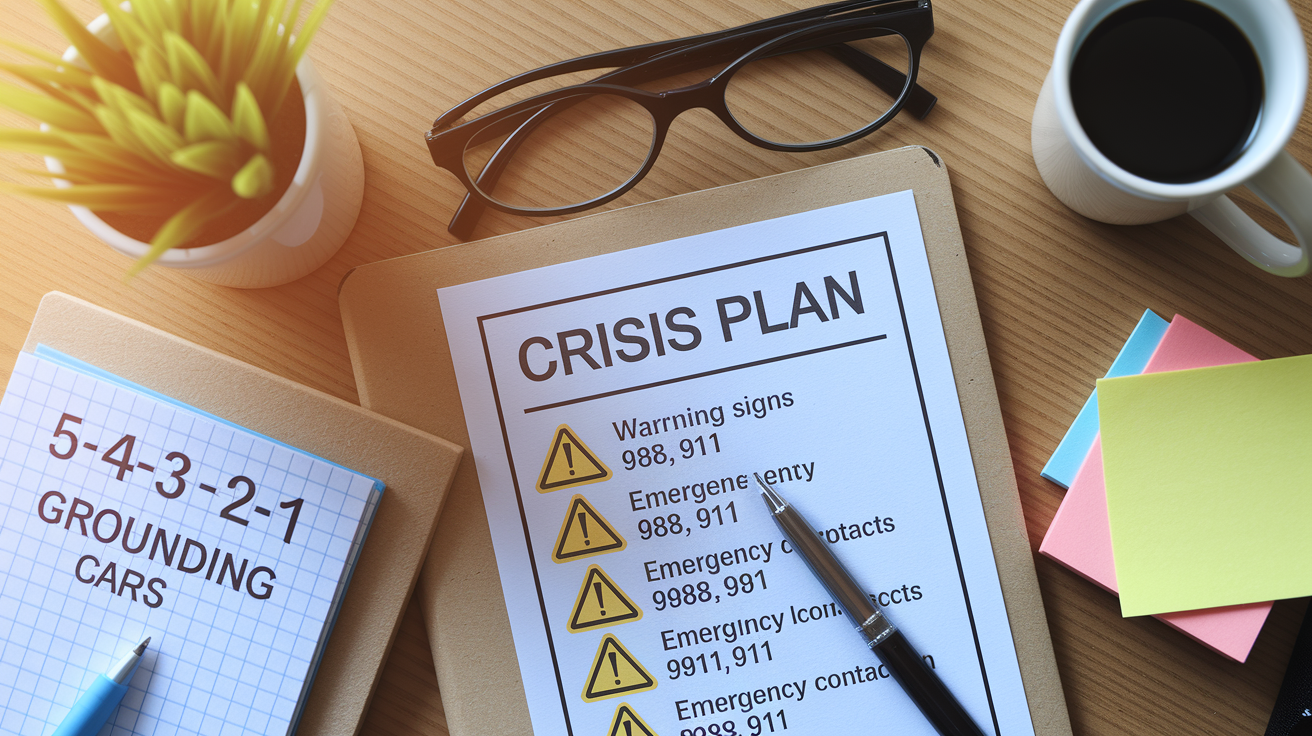
A crisis plan is a written guide you create in advance so you and others know what to do when anxiety spikes. It includes your early warning signs, a list of coping strategies that work for you, emergency contact numbers, and clear steps for when to seek professional help. Having this plan ready reduces decision making during a crisis, when thinking clearly is hardest. The plan should list physical and emotional signals that your anxiety is escalating, such as chest tightness, racing thoughts, difficulty concentrating, or the urge to flee. It should name grounding or breathing techniques you’ve practiced, safe places you can go, and people you can call. Include the 988 Suicide and Crisis Lifeline, the Crisis Text Line (text HOME to 741741), your therapist’s contact information, and the number of a trusted friend or family member who knows how to support you.
Five essential elements to include in your crisis plan:
- Warning signs. List physical symptoms (racing heart, dizziness) and emotional cues (feeling trapped, overwhelming dread) that signal an episode is starting.
- Emergency contacts. Include 988 for crisis, 911 for medical emergencies, your therapist or psychiatrist, a trusted friend or family member, and any facility offering 24/7 assessments.
- Grounding tools. Write down specific techniques you’ve practiced, such as the 5-4-3-2-1 exercise, diaphragmatic breathing, or progressive muscle relaxation.
- Safe places. Identify calm environments you can move to quickly, such as a quiet room, a park, your car, or a trusted friend’s home.
- Steps for seeking help. Outline when to use self care, when to call your therapist, when to go to urgent care, and when to call 911 or 988.
Use your crisis plan during episodes to guide your actions, and review it with your therapist or primary care provider so they can refine it based on your history and risk factors. Update the plan as you learn which strategies work best and as your support network or treatment team changes. If you notice that sudden anxiety episodes are becoming more frequent or severe despite using your plan, schedule a follow up appointment within 24 to 72 hours to reassess your treatment and safety needs.
Final Words
When sudden anxiety hits, this guide put safety first: how to spot urgent signs, how to tell anxiety from medical problems, and when to call 911 or 988.
It covered same-day evaluation markers, simple grounding and breathing steps to try now, plus treatment options and a crisis plan to reduce repeat episodes.
If you’re still unsure, tracking timing, triggers, severity, and what helps will make appointments more useful. Knowing when to seek help for sudden anxiety helps you stay safer and get the right care sooner, and you don’t have to do it alone.
FAQ
Q: How to stop feeling anxious for no reason?
A: To stop feeling anxious for no reason, use grounding (5-4-3-2-1), slow diaphragmatic breathing, drink water, move gently, note patterns, and seek help if it’s frequent, worsening, or disabling.
Q: At what point should I get help for anxiety?
A: You should get help for anxiety when symptoms are severe, new, or disrupt daily life; call 911 for chest pain, severe breathing trouble, fainting, or seizure, and call 988 for suicidal thoughts or imminent self-harm.
Q: What are 5 warning signs of anxiety?
A: Five warning signs of anxiety are persistent excessive worry, repeated panic attacks or intense fear, sleep or appetite changes, avoidance or declining daily function, and frequent physical symptoms like heart racing or dizziness.
Q: How to stop an anxiety attack?
A: To stop an anxiety attack, try grounding (name five things you see), slow belly breathing (longer exhales), sit down, sip water, tense then relax muscles, and get emergency care if symptoms are worsening or uncontrollable.
Comments are closed