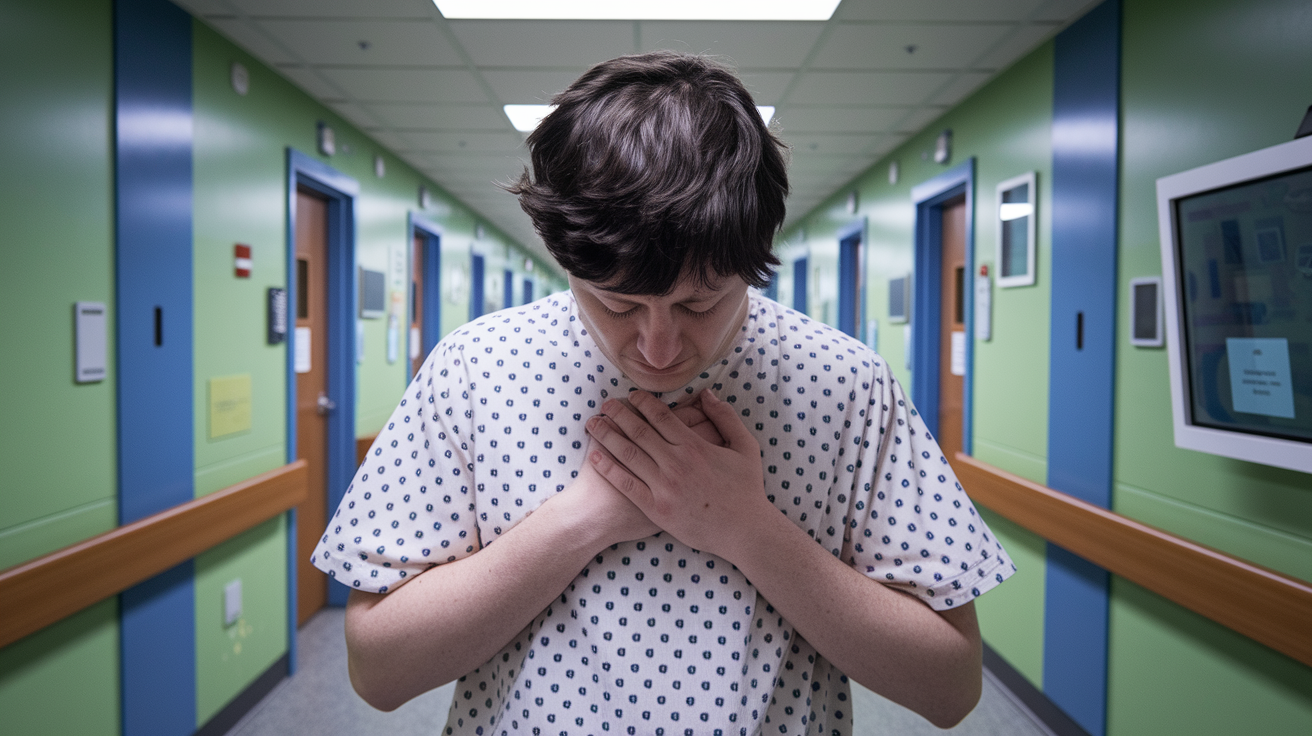
Could sudden chest pain be panic, or your heart warning you?
They can feel almost identical: tight chest, racing heart, short breath.
That makes the moment terrifying and confusing.
But a few practical clues, like how fast the pain peaks, whether it spreads, and what else you feel, can steer you.
Read on for quick signs to watch, simple steps to try now, what to track for clinicians, and when to get emergency care.
Panic Attack vs Heart Attack: The Fastest Way to Tell the Difference

Sudden chest pain, racing heart, shortness of breath. It hits fast and feels terrifying. Both panic attacks and heart attacks share a bunch of the same symptoms, which makes figuring out what’s happening in the moment really hard. But there’s good news: a few differences can help you sort it out, especially if you know what to look for.
Panic attacks usually peak within 5 to 10 minutes. The chest pain feels sharp or tight, and it might shift when you breathe differently. You’ll probably feel intense fear or like you’re losing control. Heart attacks cause steady, pressure-like chest pain that hangs around longer. It doesn’t ease up when you try to calm down. Often spreads to your jaw or arm. Gets worse with activity.
| Panic Attack | Heart Attack |
|---|---|
| Rapid onset, peaks within 5–10 minutes | Gradual or sudden onset, lasts more than a few minutes and worsens |
| Sharp, stabbing, or localized chest tightness | Heavy, crushing, squeezing pressure in the center of the chest |
| Hyperventilation, air hunger, rapid shallow breathing | Shortness of breath without obvious hyperventilation pattern |
| Pain stays in chest, does not radiate | Pain spreads to left arm, jaw, neck, back, or upper abdomen |
| Usually resolves within 20–30 minutes, rarely longer | Lasts more than 20–30 minutes, often continuous or progressive |
| Can occur at rest or during stress, often no clear physical trigger | Often occurs during physical exertion or early morning, may happen at rest |
| Nausea possible but less common; cold, clammy sweat less typical | Profuse sweating, nausea, vomiting, lightheadedness common |
| May improve with slow breathing, grounding, or calming techniques | Does not improve with relaxation or breathing exercises |
Here’s the simplest way to think about it: panic-attack chest pain tends to be sharp, changes with your breathing, peaks fast, eases when you calm down. Heart-attack chest pain feels heavy. Doesn’t shift when you breathe. Lasts longer. Often comes with sweating, nausea, or pain moving to your arm or jaw.
If your symptoms last more than 10 to 15 minutes, get worse instead of better, involve any pain moving somewhere else, or you have heart risk factors like diabetes, high blood pressure, smoking, or you’re over 45? Treat it like a possible heart attack. Get emergency help. When you’re not sure, always choose the safer path and call for help.
Red-Flag Symptoms That Require Immediate Emergency Care
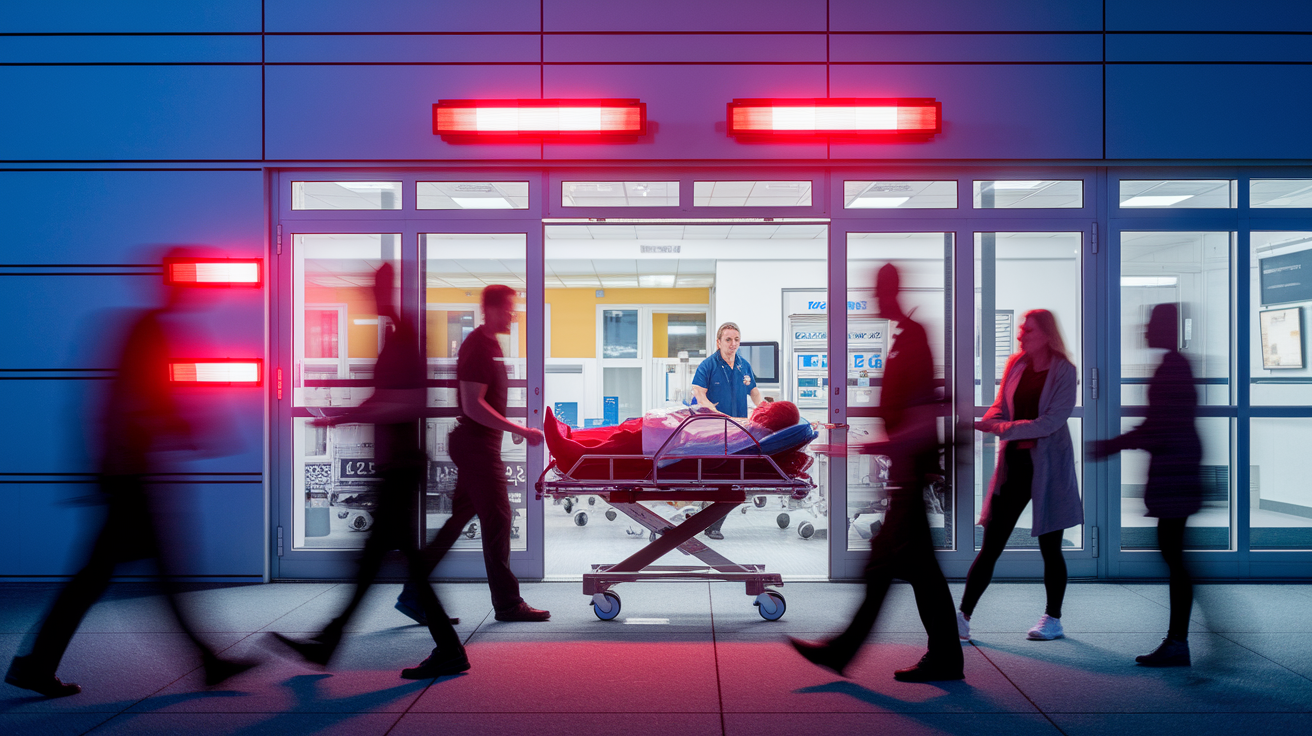
Some symptoms shouldn’t be waited out. If any of these show up, call 911 right away. Don’t try to drive yourself to the hospital.
Urgent warning signs that need emergency services now:
- Chest pain or pressure lasting more than 5 minutes or keeps coming back
- Pain or discomfort spreading to your left arm, both arms, jaw, neck, back, or upper stomach
- Sudden, severe shortness of breath, especially with chest pain or you can’t catch your breath
- Profuse sweating with chest pain, nausea, or lightheadedness
- Fainting, near-fainting, sudden weakness, or feeling like you might pass out
- New or different chest pain if you’re over 40, have heart risk factors (diabetes, high blood pressure, high cholesterol, smoking history, obesity), or a history of heart disease
Women and older adults sometimes have atypical heart-attack symptoms. They don’t always get classic crushing chest pain. You might feel unusual fatigue, persistent nausea, back pain, or just a sense that something’s very wrong.
These less obvious signs are still serious. They need immediate evaluation. If symptoms are new, severe, or different from past panic attacks, or if you simply can’t shake the worry that this might be your heart, treat it like an emergency. Uncertainty is a reason to get help, not a reason to wait.
Symptoms Unique to Panic Attacks
Panic attacks bring sensations that rarely show up with heart attacks. One of the most telling signs is hyperventilation. That rapid, shallow breathing makes you feel like you can’t get enough air even though you’re breathing fast. This often leads to tingling or numbness around your mouth, fingers, or toes. Side effect of breathing off too much carbon dioxide too quickly.
Another hallmark? Derealization or depersonalization. The strange feeling that the world around you isn’t quite real or that you’re watching yourself from the outside. You might also feel intense fear or a sense of impending doom that’s out of proportion to what’s happening. Trembling, shaking, or the sensation that you’re choking or being smothered. These emotional and perceptual symptoms are common in panic but very rare in cardiac events.
Panic-attack chest pain behaves differently too. Often sharp or stabbing. Can move around. May get worse when you take a deep breath or press on your chest. The pain can feel intense, but it typically peaks within a few minutes and starts to fade once your breathing slows and your nervous system settles.
Most panic attacks resolve within 20 to 30 minutes, though the shaky, worn-out feeling can linger longer. If you have a history of panic disorder and the symptoms match past episodes, at-home calming strategies can help. Slow diaphragmatic breathing works well. Inhale for 4 seconds, exhale for 6 to 8 seconds. Grounding techniques can help bring things down.
What to Do If You’re Not Sure What You’re Experiencing

If you can’t tell whether you’re having a panic attack or a heart attack, the safest move is to treat it like a cardiac emergency until you know otherwise.
Here’s what to do:
Stop what you’re doing. Sit or lie down somewhere safe. Do not drive yourself anywhere if you’re experiencing chest pain, dizziness, or shortness of breath.
Call 911 if chest pain lasts more than 5 minutes, spreads to your arm or jaw, or comes with sweating, nausea, or fainting. Don’t wait to see if it gets better.
Try slow breathing only if you strongly suspect panic and have a history of panic attacks. Breathe in slowly for 4 seconds, then exhale for 6 to 8 seconds. If symptoms don’t start to ease within 5 to 10 minutes, call for help.
Track what’s happening. Note the time symptoms started, what you were doing, how the pain feels (sharp, crushing, tight), where it’s located, and whether it moves or changes. This information helps medical teams assess you quickly.
Avoid trying to diagnose yourself or convince yourself it’s “just anxiety” if symptoms are new, severe, or different from past experiences.
Medical evaluation is the only reliable way to rule out a heart attack. Emergency departments have tools like EKGs and cardiac blood tests that can confirm or rule out heart damage within minutes to hours. Even if it turns out to be a panic attack, getting checked gives you clarity and safety.
The cost of a false alarm is far lower than the cost of waiting too long when your heart’s involved. If you have any doubt, make the call.
Why Panic Attacks and Heart Attacks Feel Similar
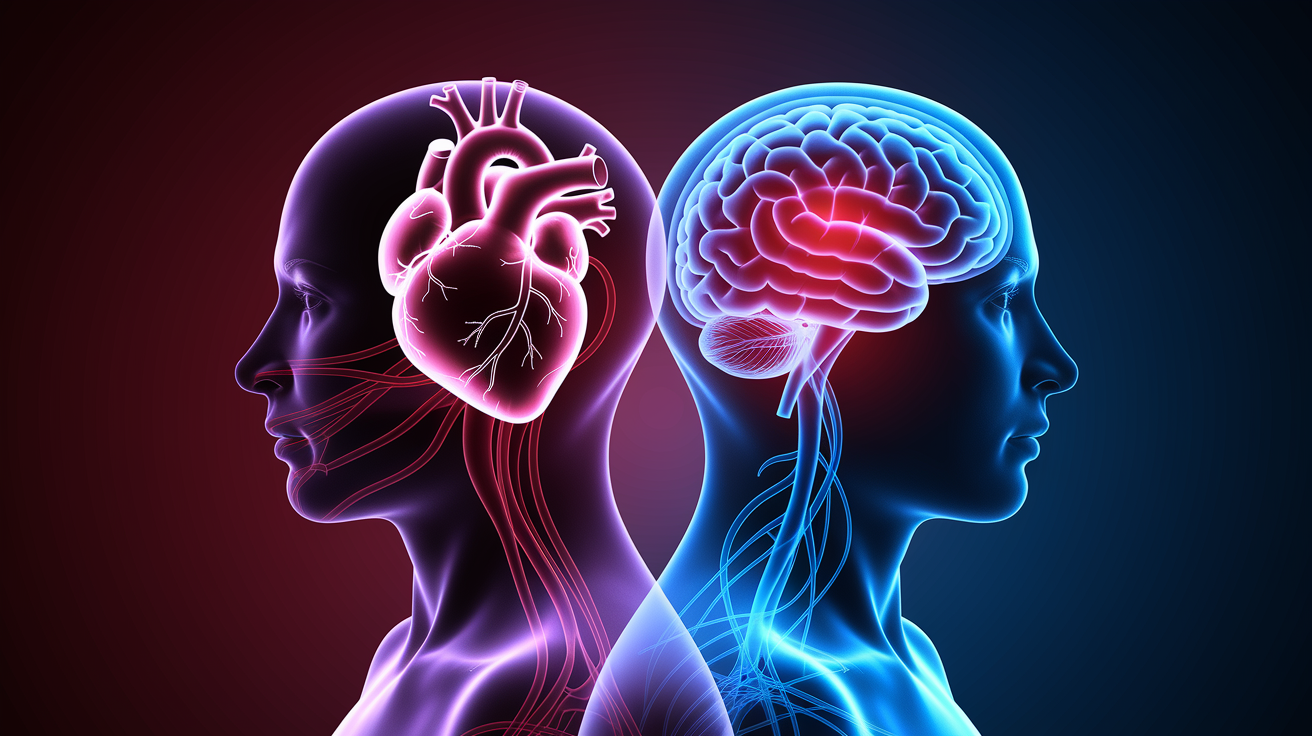
Both panic attacks and heart attacks activate your autonomic nervous system. The control center managing heart rate, breathing, and stress responses. When that system ramps up, whether from fear or from reduced blood flow to the heart, the physical sensations can look and feel nearly identical. Chest tightness, pounding heart, sweating, shortness of breath.
In a panic attack, your brain perceives a threat (real or not) and floods your system with adrenaline and cortisol. Your heart speeds up. Breathing quickens. Blood vessels tighten. Chest muscles can tense. All of this creates real, intense physical sensations even though there’s no damage to your heart.
In a heart attack, reduced blood flow to part of the heart muscle triggers pain signals and a similar stress-hormone surge as your body tries to compensate for the emergency.
The overlap happens because both conditions use some of the same physiological pathways. Stress hormones cause chest pressure, rapid pulse, and breathlessness whether the trigger is fear or blocked coronary arteries. That’s why even trained clinicians can’t always tell the difference without testing.
If your chest hurts and your heart is racing, your body is sending an alarm. Sorting out the true cause requires time, context, and often an EKG or blood work. The confusion is common, expected, and exactly why taking symptoms seriously and getting evaluated quickly is the right move every time.
Final Words
Panic attacks hit fast, peak within minutes, often feel sharp, change with breathing, and can ease with slow breaths.
Heart attacks usually feel like pressure, may spread to the jaw or left arm, worsen with activity, and don’t ease with calming.
If pain is crushing, lasts more than five minutes, or comes with sweating, faintness, or dizziness, call emergency services. Rest, avoid exertion, and don’t guess. Track timing, triggers, severity, and what helps.
If you’re still sorting sudden panic attack vs heart attack symptoms, get medical help when unsure. It’s the safest next step, and you’ll feel more certain.
FAQ
Q: Can anxiety mimic a heart attack?
A: Anxiety can mimic a heart attack by causing chest pain, shortness of breath, sweating, dizziness, and palpitations. If you’re unsure or pain is crushing or lasts over five minutes, call emergency services.
Q: How high can your heart rate go when you have a panic attack?
A: Your heart rate during a panic attack often climbs to 100–140 beats per minute and can be higher in some people. Seek urgent care if it stays very high, causes fainting, or severe chest pressure.
Q: What is the test for cardiac anxiety?
A: There is no single test for cardiac anxiety; doctors use heart tests (ECG, blood tests, echocardiogram, stress test) to rule out heart disease, plus questionnaires and a clinical exam to assess anxiety.
Q: What does an anxiety attack feel like in your chest?
A: An anxiety attack in the chest feels like tightness, stabbing or pressure, a racing heart, and breathlessness. It often changes with breathing and peaks within about 10 minutes; calming techniques may help.
Comments are closed