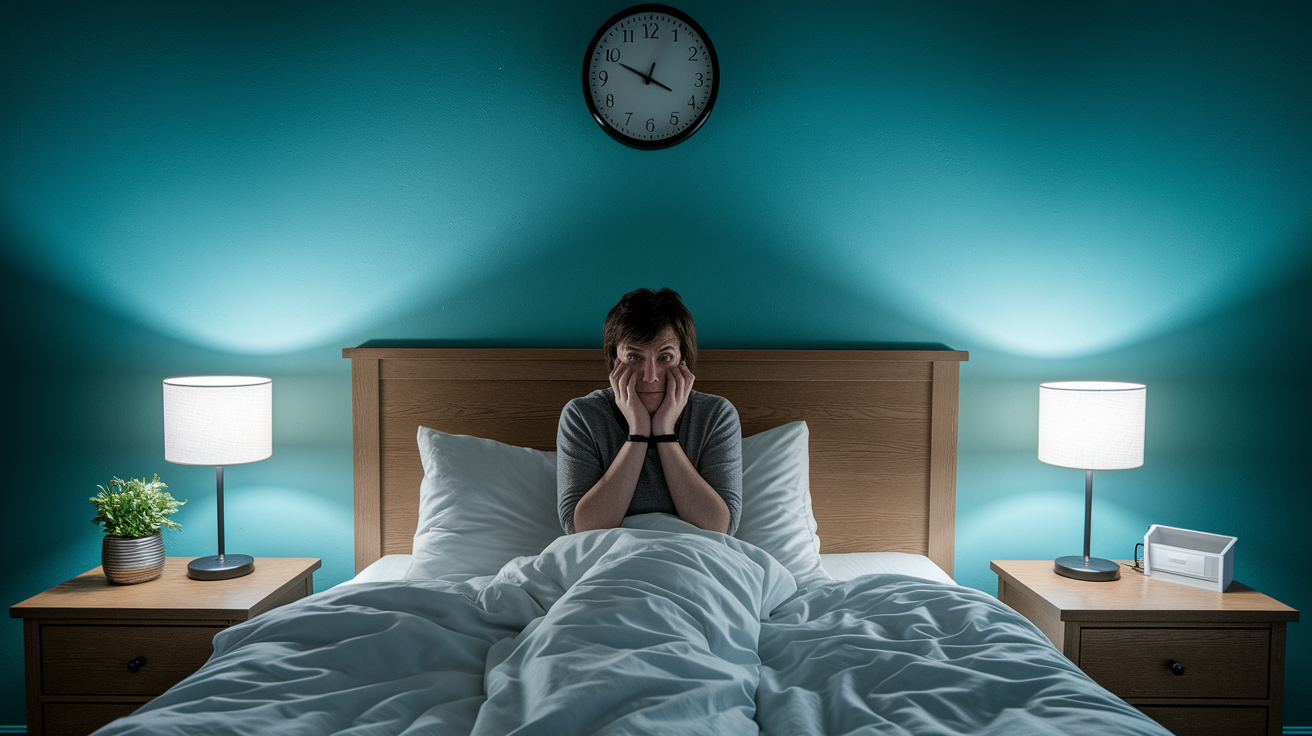
Ever wake up with a sudden wave of fear that feels like it came from nowhere?
You’re not alone.
Nighttime anxiety often happens because your body finally processes stress when the world goes quiet.
In this post we explain the main causes, evening cortisol spikes, sleep-stage jolts, low blood sugar, breathing or airway pauses, and evening habits like coffee or alcohol, and offer practical, low-risk steps to try tonight, what to track for your clinician, and clear signs it’s time to seek care.
Why You Get Anxiety Attacks at Night (The Core Reasons)
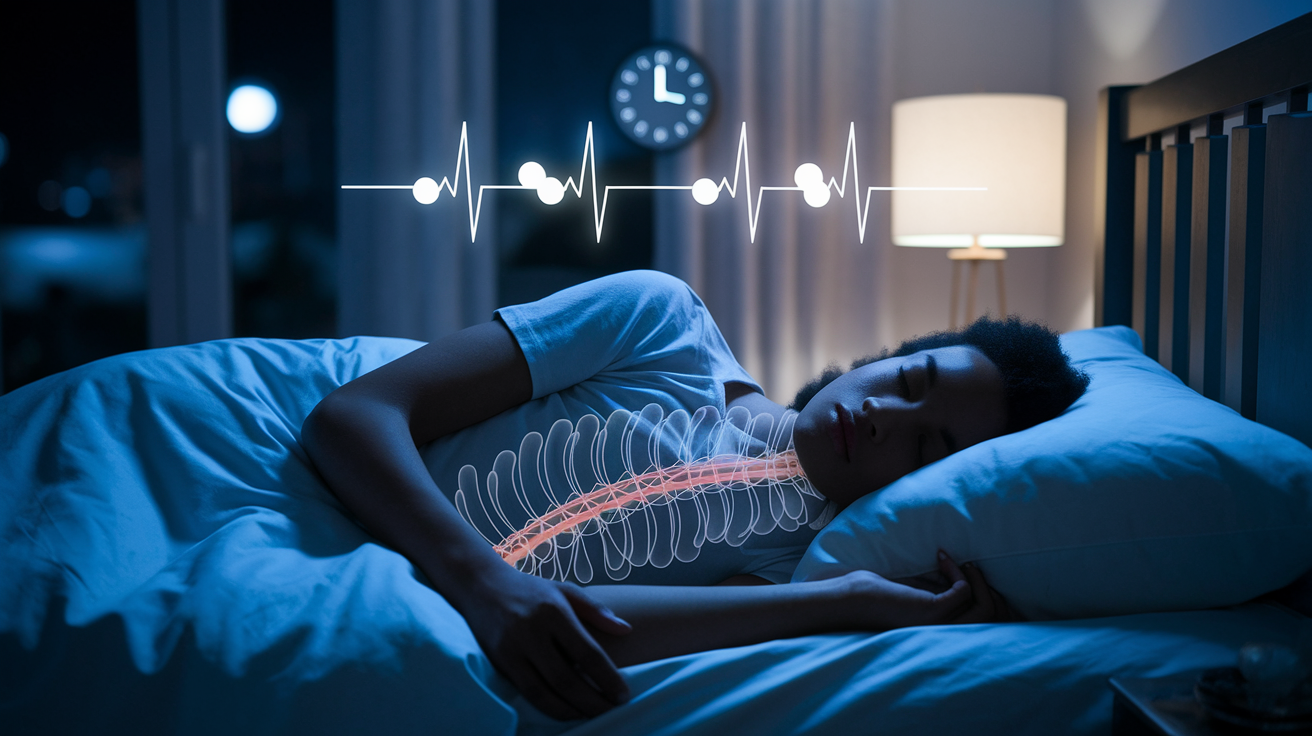
Nighttime anxiety usually comes down to what your nervous system’s been holding onto all day and what your brain finally processes once things go quiet. During daylight hours, distractions keep you moving. But at night? No meetings, no tasks, no noise. Your autonomic nervous system can shift into overdrive without you even noticing. The sympathetic branch, the one running your fight-or-flight response, stays activated when stress hasn’t been worked through. Bedtime becomes the moment it all surfaces. Your heart races. Your chest tightens. You wake up suddenly with a wave of fear that seems to come from nowhere.
Cortisol, your stress hormone, follows a natural rhythm throughout the day. It’s supposed to peak in the morning and drop at night, easing you into sleep. But chronic stress and an overactive HPA axis (the system regulating cortisol release) can flip that pattern completely. Evening cortisol spikes mess with your ability to fall asleep and can trigger anxiety symptoms right when you’re trying to wind down.
Sleep-stage transitions add another layer. Moving between non-REM stages or into REM can briefly destabilize your nervous system, especially if you’ve got heightened sleep reactivity. That shift can feel like a jolt. Sudden alertness, rapid breathing, or a sense of dread, all happening while you’re lying still.
Common reasons nighttime anxiety shows up:
- Autonomic dysregulation – your sympathetic nervous system stays activated instead of downshifting at night
- Cortisol variability – elevated evening cortisol from chronic stress disrupts your natural sleep-wake rhythm
- Incomplete stress processing – unresolved tension and emotional buildup from the day surface when distractions fade
- Sleep-cycle transitions – shifting between NREM stages or into REM can trigger brief arousal and panic-like sensations
- Hypervigilance – heightened sensitivity to internal sensations (heartbeat, breathing) amplifies perceived threat at night
- Blood sugar dips – low glucose during the night can trigger adrenaline release, mimicking or worsening anxiety symptoms
Nighttime anxiety often feels more intense simply because the conditions amplify it. Your environment’s quiet. Your body’s still. Your attention narrows inward. Small sensations, like a slightly elevated heart rate or shallow breathing, become louder without the buffer of daytime activity. That focus can spiral quickly into panic, especially if you’re already primed by stress, past trauma, or poor sleep.
Biological and Hormonal Mechanisms Behind Nighttime Anxiety
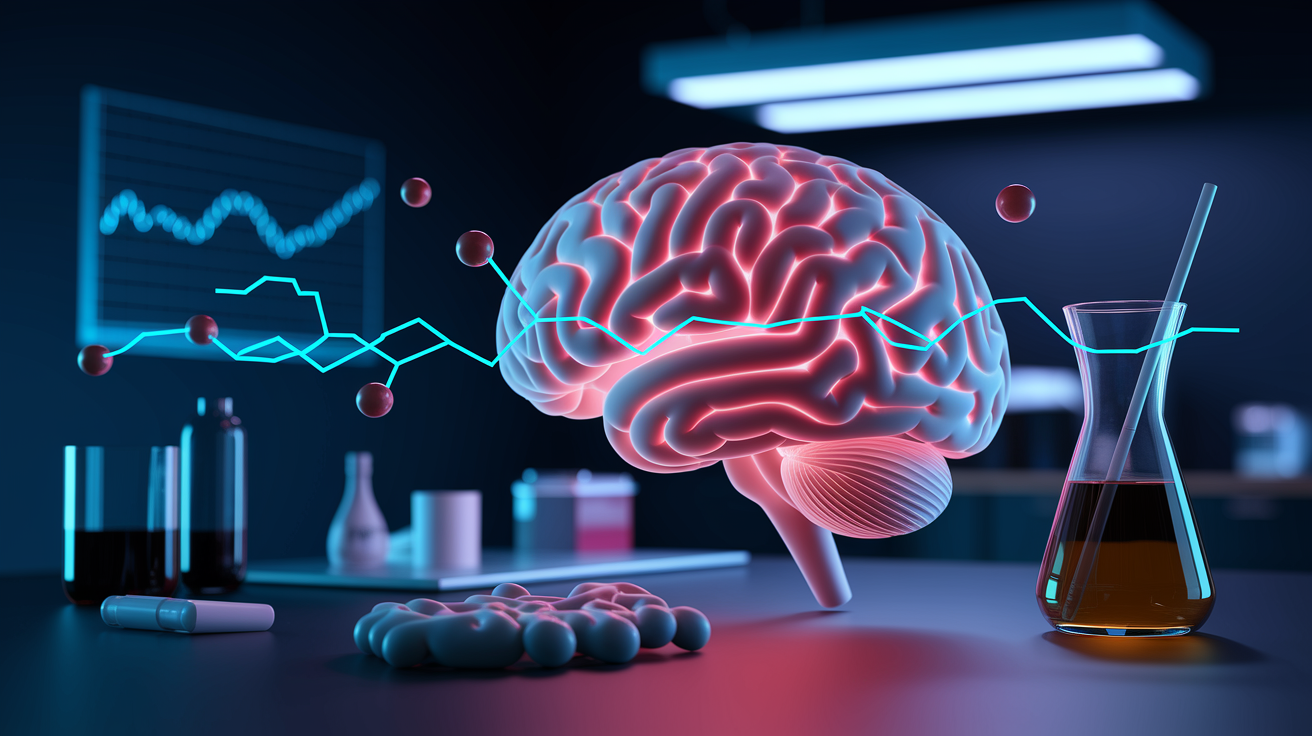
Cortisol’s meant to follow a predictable curve. High when you wake, low when you sleep. Chronic stress throws that curve off. An overactive HPA axis keeps pumping cortisol into the evening, blocking the natural wind-down and keeping you wired. Even if you feel tired, elevated cortisol signals your body to stay alert. That makes it harder to relax and easier to tip into anxiety.
Low blood sugar’s another trigger. If you haven’t eaten in hours or if your glucose regulation’s unstable, your body releases adrenaline to raise blood sugar. That adrenaline surge can feel identical to a panic attack. Racing heart, sweating, shaky hands. Even though the cause is metabolic, not psychological.
Sleep cycles also matter. Your brain moves through distinct stages (N1, N2, N3, and REM) multiple times a night. Transitions between these stages require small shifts in autonomic tone, breathing, and muscle activity. For people with sensitive nervous systems or high sleep reactivity, those shifts can register as a threat. You might wake abruptly during a transition from N2 into N3 or while entering REM, feeling disoriented and panicked without any nightmare or external trigger. It’s not that something bad is happening. It’s that your body’s overreacting to a normal physiological change.
| Mechanism | Effect on Anxiety |
|---|---|
| Elevated evening cortisol | Keeps the body alert, blocks natural sleep onset, and sustains stress response into the night |
| Low blood glucose | Triggers adrenaline release, mimicking panic symptoms like rapid heart rate and trembling |
| Sleep-stage transitions | Brief autonomic instability during shifts between NREM and REM can feel like sudden arousal or fear |
| Adrenaline spikes | Can occur in response to metabolic stress, sleep apnea events, or heightened baseline arousal |
Psychological Patterns That Trigger Anxiety at Night
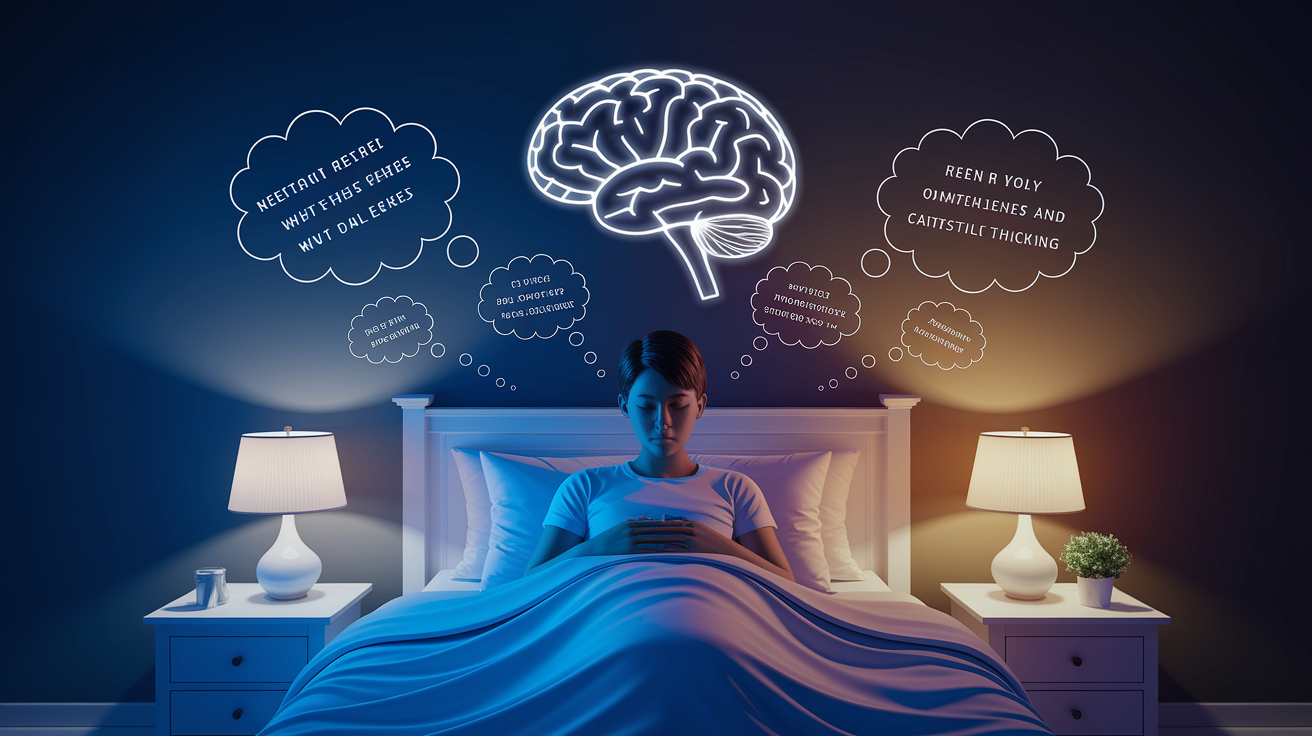
When the world goes quiet, your mind doesn’t. Rumination thrives when there’s no distraction. During the day, you might be too busy to process stress, worry, or unfinished emotional business. At night, those thoughts queue up and demand attention. What felt manageable at 2 PM can feel catastrophic at 2 AM. This isn’t melodrama. It’s how the brain works when external stimuli drop and internal focus sharpens.
Anxiety disorders make this worse. If you’re already prone to worry, nighttime becomes the most vulnerable window. Your mind can spiral quickly from a single thought into a cascade of worst-case scenarios.
Anticipatory anxiety also builds throughout the day. You might spend hours knowing that bedtime’s coming, which means you’ll be alone with your thoughts, your body, and whatever discomfort might show up. That dread becomes its own trigger. By the time you lie down, your nervous system’s already primed. Even if you’re physically tired, your mind’s too activated to let go. The effort to fall asleep turns into a low-grade panic loop.
Common nighttime thought patterns that fuel anxiety:
- Catastrophizing about health, work, relationships, or future events. “What if something is seriously wrong”
- Ruminating on past mistakes or conversations. “I shouldn’t have said that” or “They probably think I’m incompetent”
- Hyperawareness of body sensations. Focusing on heartbeat, breathing, or muscle tension until it feels threatening
- Fear of not being able to fall asleep. “If I don’t sleep tonight, tomorrow will be a disaster”
- Replaying unresolved stress from the day without any outlet or solution
Medical Conditions That Can Cause Nighttime Anxiety
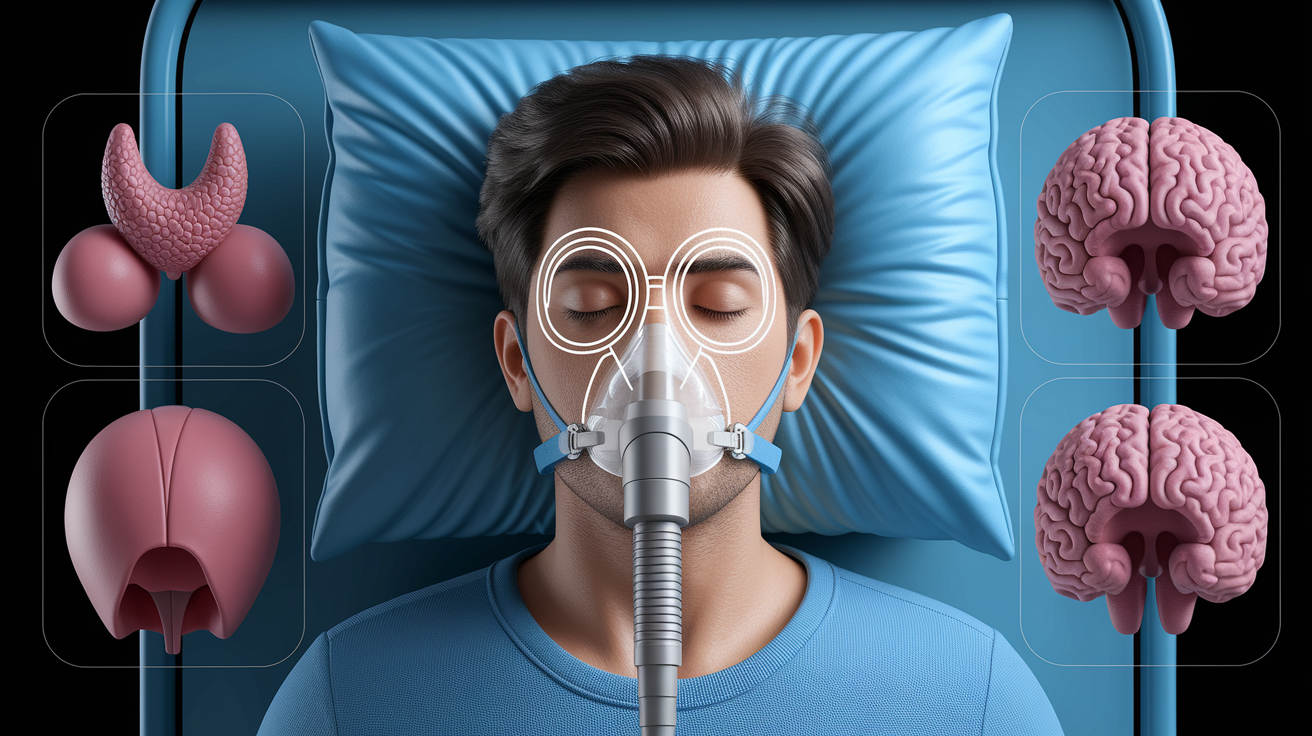
Sleep apnea’s one of the most commonly overlooked medical contributors to nighttime anxiety. When your airway narrows or collapses during sleep, oxygen levels drop and carbon dioxide builds up. Your brain registers this as a survival threat and jolts you awake, often with a gasp, racing heart, and a wave of panic. You might not remember waking up, but the pattern repeats, fragmenting your sleep and keeping your nervous system on edge all night. Over time, this creates a chronic state of nighttime hyperarousal that can feel indistinguishable from anxiety disorder, even though the root cause is respiratory.
Hyperthyroidism and other thyroid imbalances also drive nighttime anxiety. An overactive thyroid ramps up your metabolism, increases heart rate, and floods your system with adrenaline-like effects. Symptoms often worsen at night when you’re lying still and more aware of your heartbeat or internal sensations. If nighttime anxiety appeared suddenly or alongside weight changes, heat intolerance, or fatigue, thyroid function’s worth checking.
PTSD frequently shows up at night. Trauma can rewire the brain’s fear centers (particularly the amygdala and insula), making the nervous system hypervigilant even during rest. An estimated 70 to 90 percent of people with PTSD report regular sleep disturbances, including nightmares, nocturnal panic, and abrupt awakenings with intense fear. REM sleep, when most vivid dreaming occurs, can trigger intrusive memories or emotional flashbacks. The line between dreaming and waking blurs. The body responds as if the trauma is happening again, right now.
Lifestyle and Environmental Triggers for Nighttime Anxiety
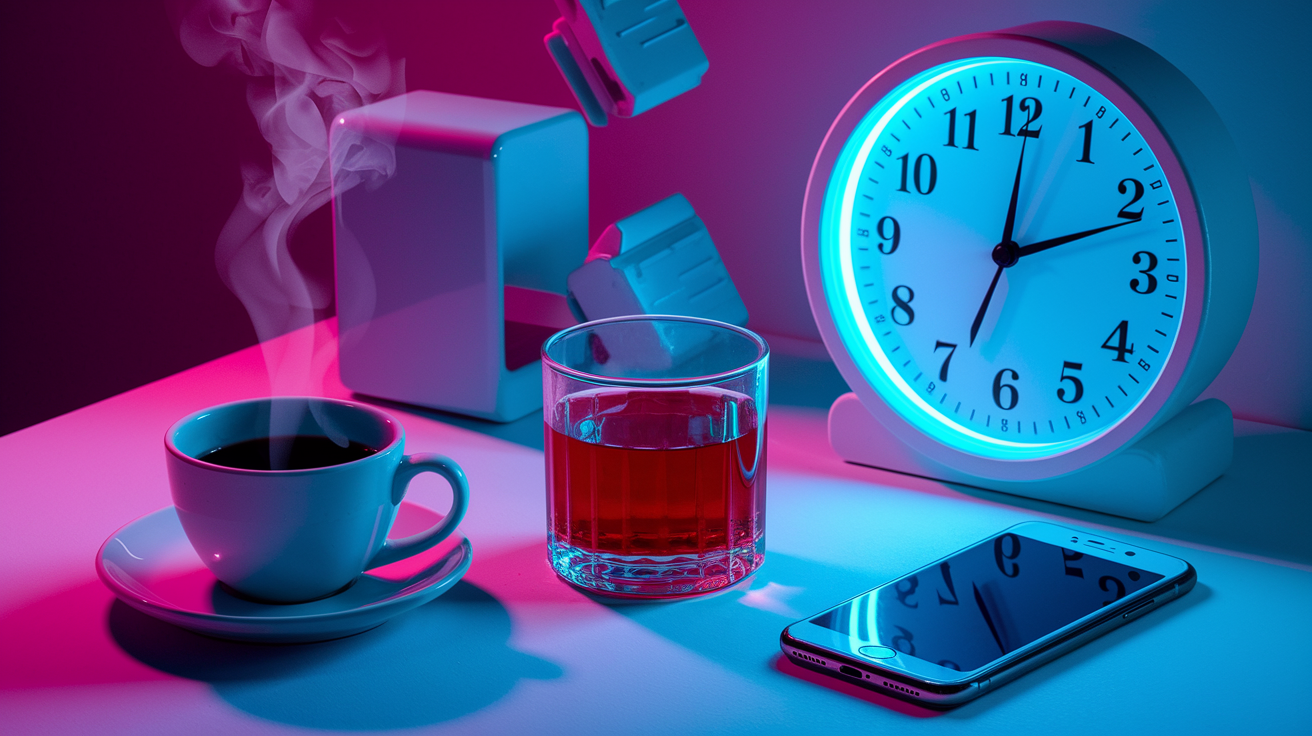
Caffeine has a half-life of about five to six hours, which means an afternoon coffee can still be circulating in your system at bedtime. It blocks adenosine (the chemical that builds up throughout the day to make you feel sleepy) and keeps your brain alert when it should be winding down. Even if you feel like you’ve “built a tolerance,” caffeine still disrupts sleep architecture and can trigger or worsen nighttime anxiety, especially in people who are already sensitive.
Alcohol might make you feel drowsy initially, but it fragments sleep later in the night. It suppresses REM sleep during the first half of the night, then causes a rebound effect in the second half. More awakenings, lighter sleep, and increased autonomic arousal. That’s when anxiety spikes.
Blue light from screens suppresses melatonin production and signals your brain to stay awake. Scrolling before bed might feel relaxing, but it primes your nervous system for alertness instead of rest. Makes it harder to fall asleep and easier to wake up anxious.
Common lifestyle habits that increase nighttime anxiety risk:
- Caffeine intake after 2 PM – even moderate amounts can delay sleep onset and increase arousal during the night
- Alcohol use close to bedtime – disrupts REM sleep and causes middle-of-the-night awakenings with heightened anxiety
- Evening screen time – blue light exposure suppresses melatonin and keeps the brain in an alert state
- Irregular sleep schedule – shifting bedtimes and wake times destabilize circadian rhythm and cortisol patterns
- Late or heavy meals – digestion and blood-sugar swings can trigger autonomic activation and discomfort during the night
When Nighttime Anxiety Signals the Need for Professional Help
Frequent nocturnal panic attacks, especially if they happen more than once or twice a week, may point to panic disorder, an underlying medical condition, or chronic sleep disturbance that won’t resolve on its own. If nighttime anxiety’s severe enough to make you avoid going to bed, dread the evening, or feel unsafe lying down, that’s a signal. The pattern can worsen over time without intervention, building into a self-reinforcing loop of anticipatory fear, fragmented sleep, and daytime impairment.
You should also seek evaluation if nighttime anxiety’s affecting your ability to function during the day. If you’re too exhausted to work, too irritable to manage relationships, or too foggy to concentrate. If symptoms appeared suddenly alongside other changes (unexplained weight loss, persistent rapid heart rate, new digestive issues, or worsening mood), a medical workup can rule out thyroid problems, sleep apnea, or other contributors that need targeted treatment.
Red-flag symptoms that warrant professional assessment:
- Waking up gasping for air, choking, or with a pounding heart multiple times per week
- Nighttime anxiety that disrupts work, relationships, or daily responsibilities
- Intrusive thoughts, nightmares, or hypervigilance tied to past trauma
- Suicidal thoughts or feelings of hopelessness that emerge or worsen at night
Final Words
Waking up panicked or with a racing heart is upsetting. This post dove into the likely drivers — nervous system surges, cortisol and blood sugar shifts, sleep‑stage changes, daytime rumination, medical contributors, and evening habits that make it worse.
You also got simple steps to try now: steady breathing, a light snack if you suspect low blood sugar, cut late caffeine, and note patterns.
Keeping a short log of sudden anxiety at night causes and what helps makes clinic visits clearer. Small, steady changes often bring real relief.
FAQ
Q: Why do I feel anxious for no reason at night?
A: Feeling anxious for no reason at night often comes from your nervous system staying revved when distractions stop—stress buildup, cortisol spikes, low blood sugar, or sleep‑stage shifts. Try slow breathing, a light snack, and tracking.
Q: What are nocturnal panic attacks?
A: Nocturnal panic attacks are panic episodes that wake you from sleep with intense fear, racing heart, chest tightness, or dizziness. They often happen during sleep transitions; see a clinician if they recur or disrupt sleep.
Q: How to stop anxiety at night?
A: To stop anxiety at night, ground yourself with 4–6 slow exhales, get up and move briefly, have a small balanced snack, limit screens before bed, and use a calming routine; seek help if it’s frequent.
Q: Why do I wake up at 3am when I’m anxious?
A: Waking at 3am when you’re anxious can reflect a cortisol spike, sleep‑stage transition, or low blood sugar that jolts you awake; try a small snack, breathing, and note timing—see a clinician if it keeps happening.
Comments are closed