
Is that sudden chest tightness anxiety or a heart problem?
It’s the big, scary question when your chest clamps down, and the right choice could be a quick home fix or a trip to the ER.
Anxiety affects over 40 million U.S. adults and often peaks within 10 to 30 minutes.
Heart attacks happen more than 800,000 times a year and usually do not just fade away.
This post shows the patterns that point to anxiety versus heart causes, simple low-risk steps to try now, what to track, and when to get urgent care.
Immediate Guidance for Sudden Chest Tightness and How to Tell Anxiety from a Heart Problem

When your chest suddenly gets tight, you’re stuck with one big question: do I need to go to the ER, or can I handle this at home? Over 40 million adults in the U.S. deal with anxiety attacks, and most of them peak around 10 minutes before they start fading by the 30-minute mark. Heart attacks? More than 800,000 cases a year in the U.S., and the symptoms stick around or get worse instead of going away.
The difference is in the pattern. Anxiety chest tightness usually feels sharp and stays on the chest wall. It shows up during or after something stressful and gets better when you calm down or start breathing slowly. Heart attack discomfort gets described as heavy, crushing, squeezing. It can move into your jaw, left arm, neck, back, or shoulders. Heart symptoms don’t vanish just because you took some deep breaths or someone told you it’s probably fine.
Emergency red flags: chest pain lasting more than a few minutes, discomfort spreading to other areas, cold sweats, feeling lightheaded, nausea, or sudden shortness of breath that feels different from your usual anxiety stuff. If you notice any of that, call 911 instead of waiting to see what happens. When you’re not sure, get checked. It’s always safer.
| Symptom Pattern | More Likely Anxiety | More Likely Heart Problem |
|---|---|---|
| Onset and duration | Sudden, peaks in ~10 minutes, resolves within ~30 minutes | Gradual or sudden, persists or worsens over time |
| Pain quality | Sharp, stabbing, localized to chest | Heavy, crushing, squeezing, or burning |
| Radiation | Stays in chest | Spreads to jaw, neck, back, arms, or shoulders |
| Associated symptoms | Sense of dread, rapid heartbeat, hyperventilation | Cold sweats, nausea/vomiting, lightheadedness, weakness |
| Triggers | Acute stress, performance situations, specific events | Physical exertion, rest (if unstable angina), or no clear trigger |
Clinical Mechanisms Behind Different Types of Chest Tightness
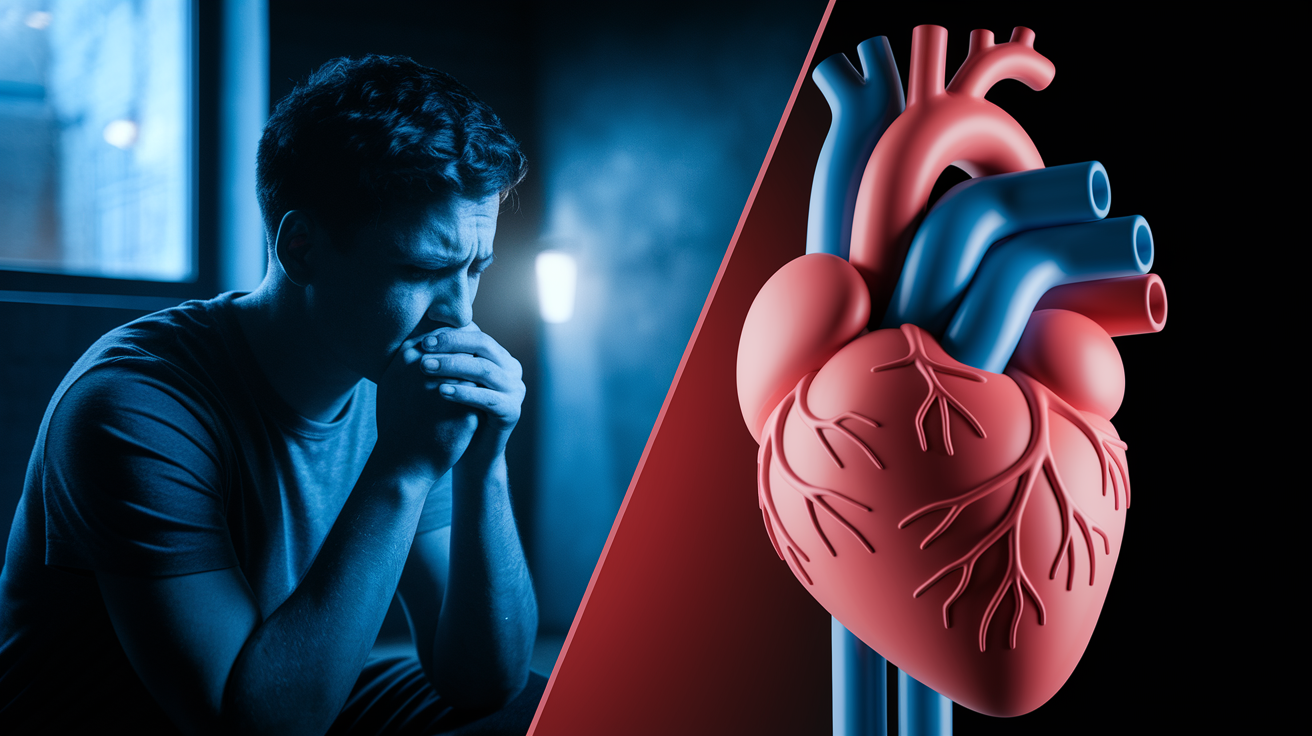
Not all chest tightness comes from the same place. When you hyperventilate during an anxiety episode, you’re taking rapid shallow breaths that mess with the oxygen and carbon dioxide balance in your bloodstream. You can end up feeling lightheaded. At the same time, your chest wall muscles tense up and create that band-like tightness or constriction that has nothing to do with your actual heart muscle.
Heart tightness works differently. When the heart muscle isn’t getting enough oxygen, either because a coronary artery is narrowing or blocked, or because the heart’s working harder than its blood supply can support, you feel pressure or squeezing. This ischemic discomfort tends to build when you’re active, when the heart needs more oxygen. It might ease when you rest and oxygen demand drops.
Women are more likely than men to have atypical cardiac symptoms. Instead of that classic crushing chest pain, women might report fatigue that feels out of proportion, nausea, back pain, or just a vague sense that something’s off. These can look like anxiety or digestive issues at first, which is why tracking patterns and changes in how you normally feel matters more than ticking off a rigid list of expected symptoms.
Causes Behind Sudden Chest Tightness: Anxiety Mechanisms vs Cardiac Origins
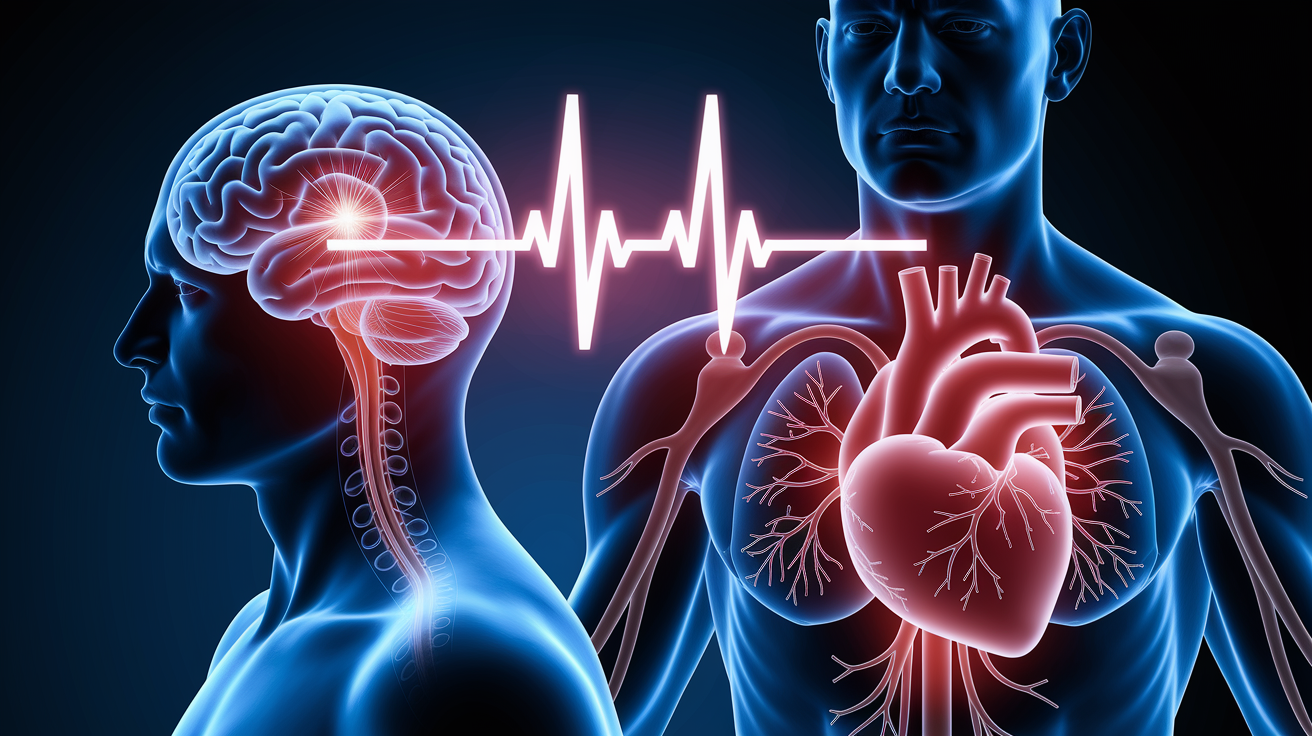
Anxiety chest tightness starts with a surge of adrenaline and cortisol. Your body spots a threat, real or not, and kicks off a fight-or-flight response. Heart rate climbs, blood pressure goes up, breathing speeds up, and blood vessels can temporarily narrow. The combination creates that constricting feeling in your chest, and it can be scary. But it’s not caused by blocked coronary arteries or damaged heart muscle.
Heart attacks happen when blood flow in one or more coronary arteries gets blocked, usually because an atherosclerotic plaque ruptured. When that blockage cuts off oxygen, the heart muscle starts getting injured. Angina is chest discomfort from reduced oxygen without full blockage. It follows a similar path but reverses when the oxygen supply improves, like when you stop exertion or take prescribed nitroglycerin.
Common contributors:
Acute stress response. Adrenaline gets released, causing rapid heartbeat, blood vessel constriction, and chest wall tension.
Hyperventilation. Fast shallow breathing lowers carbon dioxide levels and can produce dizziness, tingling, and chest tightness.
Chronic high blood pressure. Forces the heart to work harder over time, raising risk of angina and heart attack.
Atherosclerotic plaque buildup. Narrows coronary arteries and restricts blood flow, especially during exertion.
Stress cardiomyopathy. Acute severe stress can temporarily weaken the heart muscle, mimicking heart attack symptoms even when coronary arteries are clear.
Emergency Red Flags for Chest Tightness That Require Immediate Care

Certain patterns tell you to call 911 instead of waiting for an outpatient appointment. These don’t guarantee a heart attack, but they signal high enough risk that immediate evaluation is the smart move.
Chest pain or pressure lasting more than a few minutes or coming and going in waves over an hour is concerning. So is discomfort that radiates beyond the chest, to your jaw, neck, back, left arm, or shoulders. Other urgent signs include sudden shortness of breath that feels different from your usual anxiety pattern, cold sweats that soak through your shirt, feeling lightheaded or nearly fainting, nausea or vomiting that comes with chest discomfort, and any new chest symptoms during physical activity if you have known heart disease or cardiac risk factors.
Red flags:
Chest pain lasting more than a few minutes or recurring over an hour
Radiating discomfort to jaw, neck, back, arms, or shoulders
Cold sweats
Lightheadedness, fainting, or near syncope
Nausea or vomiting with chest tightness
Sudden severe shortness of breath not explained by previous anxiety episodes
New exertional chest pain. You used to walk a mile without trouble but now feel chest tightness after three blocks
If your usual panic attack pattern changes, episodes become more frequent, last longer, or feel different, that shift needs medical assessment. A change in your baseline is often more important than the symptom itself.
Diagnostic Tests Used to Evaluate Sudden Chest Tightness in Emergency and Outpatient Settings
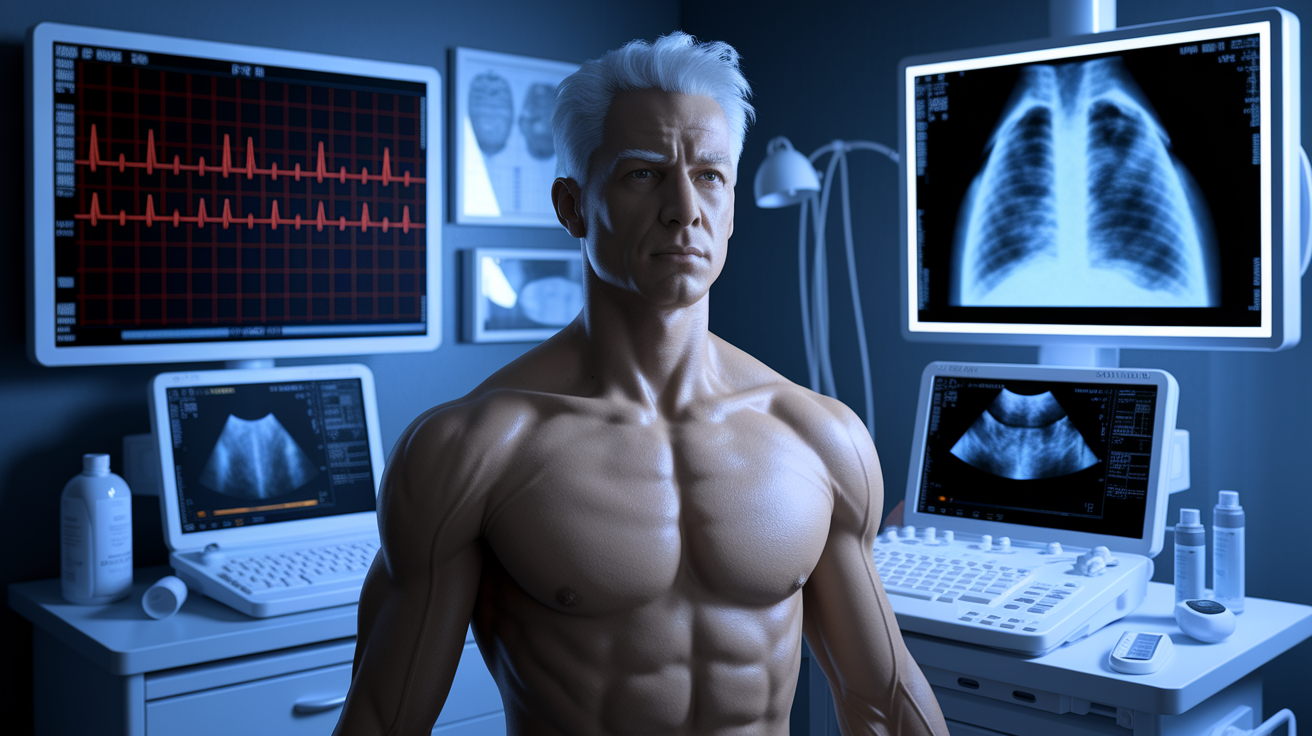
When you show up at an emergency department or urgent care clinic with chest tightness, clinicians will quickly figure out whether your heart is the source. The first step is usually a 12-lead electrocardiogram, which records the heart’s electrical activity and can detect ischemia, injury, or abnormal rhythms within minutes. Blood tests measuring cardiac troponin and other cardiac enzymes follow. Troponin levels rise when heart muscle gets damaged, and serial measurements taken over several hours help confirm or rule out a heart attack.
A chest X-ray evaluates the lungs, the size and shape of the heart, and other structures in the chest cavity. An echocardiogram uses ultrasound to visualize how well the heart muscle is contracting and can detect wall-motion abnormalities that suggest reduced blood flow. If initial tests are inconclusive and symptoms suggest exertional angina, a stress test, either exercise-based or pharmacologic, may be ordered to see how the heart responds to increased workload. Ambulatory monitoring with a Holter monitor or event recorder can capture rhythm disturbances over 24 to 48 hours or longer.
| Test | What It Detects | When It’s Used |
|---|---|---|
| 12-lead ECG | Ischemia, infarction, arrhythmias | Immediate first test in emergency or urgent evaluation |
| Cardiac troponin blood test | Myocardial injury or infarction | Serial measurements over hours to confirm or rule out heart attack |
| Chest X-ray | Lung pathology, heart size, other chest structures | To assess non-cardiac causes like pneumonia or pneumothorax |
| Echocardiogram | Heart function, wall motion, valve abnormalities | When ECG or troponin suggests cardiac involvement |
| Stress test | Exertional ischemia | When symptoms occur during activity and initial tests are normal |
| Holter or ambulatory ECG | Intermittent arrhythmias | When palpitations or chest tightness is episodic and not captured on resting ECG |
How Anxiety-Induced Chest Tightness Works and Why It Can Feel Like a Heart Problem
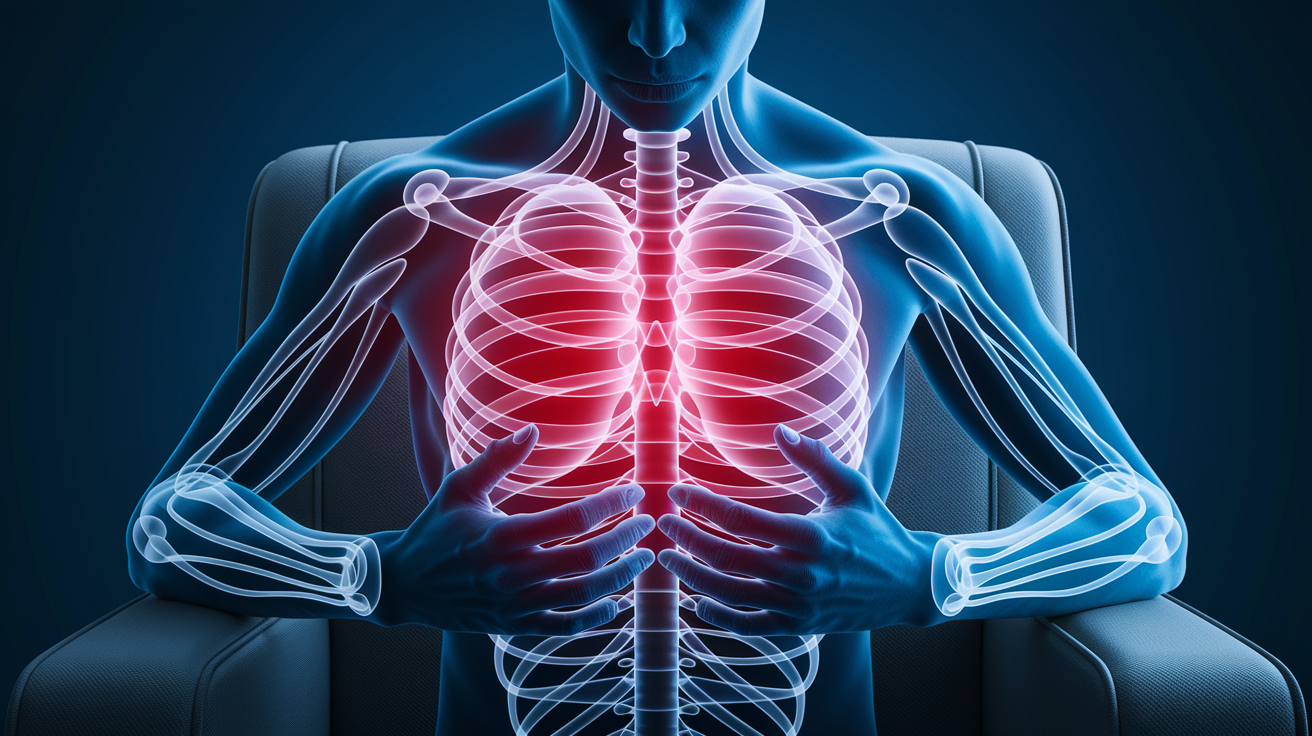
When your brain senses a threat, whether it’s an upcoming deadline, a crowded room, or a memory that triggers fear, it activates the sympathetic nervous system. Adrenaline floods your bloodstream, your heart rate jumps, your breathing quickens, and muscles throughout your chest wall contract. That muscular tension combined with rapid shallow breathing creates a tight, constricted sensation that can feel alarmingly similar to heart discomfort.
The sense of dread or impending doom that often comes with an anxiety attack amplifies the physical symptoms. You might feel your heart pounding, notice sharp stabs of pain in your chest, become dizzy from hyperventilation, or experience tingling in your fingers and around your mouth. These symptoms usually peak within about 10 minutes and then start fading. Most people feel significantly better within 30 minutes, though some residual shakiness or fatigue can hang around for an hour.
Common anxiety triggers:
Acute stress from work deadlines, financial pressure, or interpersonal conflict
Performance or social situations like public speaking or crowded events
Caffeine overconsumption, especially on an empty stomach
Skipped meals or low blood sugar
Chronic health worries or recent exposure to health news that feels personally relevant
Heart-Related Chest Tightness: Angina, Heart Attack, and Other Cardiac Causes
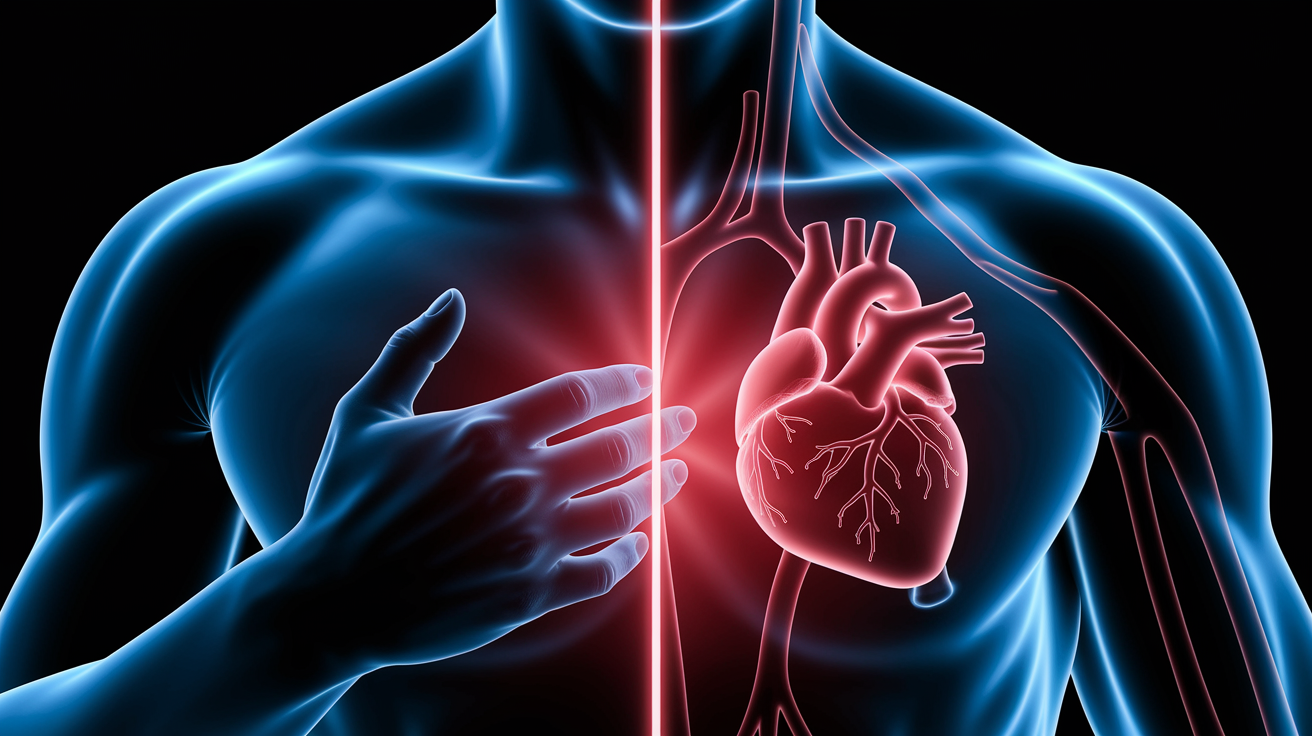
Angina is the term for chest discomfort caused by reduced oxygen delivery to the heart muscle, usually during exertion or stress when the heart needs more blood flow than narrowed coronary arteries can supply. The sensation typically gets described as pressure, squeezing, or heaviness in the center of the chest. It often shows up when you climb stairs, walk briskly, or exert yourself in cold weather, and it improves within a few minutes of rest. If you have stable angina, the pattern is predictable. Same triggers, same relief with rest.
A heart attack happens when a coronary artery becomes completely blocked, cutting off oxygen to a section of heart muscle. The discomfort doesn’t go away with rest. It might start gradually or suddenly, and it often gets worse over time. You might feel crushing pressure, a burning sensation, or a heavy weight on your chest. The pain can radiate to your left arm, jaw, neck, back, or shoulders. Cold sweats, nausea, lightheadedness, and shortness of breath are common accompanying symptoms.
Women are more likely to experience atypical presentations. Instead of classic chest pressure, women might report unusual fatigue, nausea, vomiting, back pain, or a vague sense of illness that doesn’t fit an obvious category. These symptoms can be easy to dismiss as anxiety or indigestion, which is why any change in your usual pattern or new discomfort during exertion should prompt evaluation. Arrhythmias, abnormal heart rhythms, can also present with chest tightness, palpitations, and dizziness, though they’re less likely to cause the radiating pain typical of ischemia.
Non-Cardiac Medical Causes of Sudden Chest Tightness Beyond Anxiety
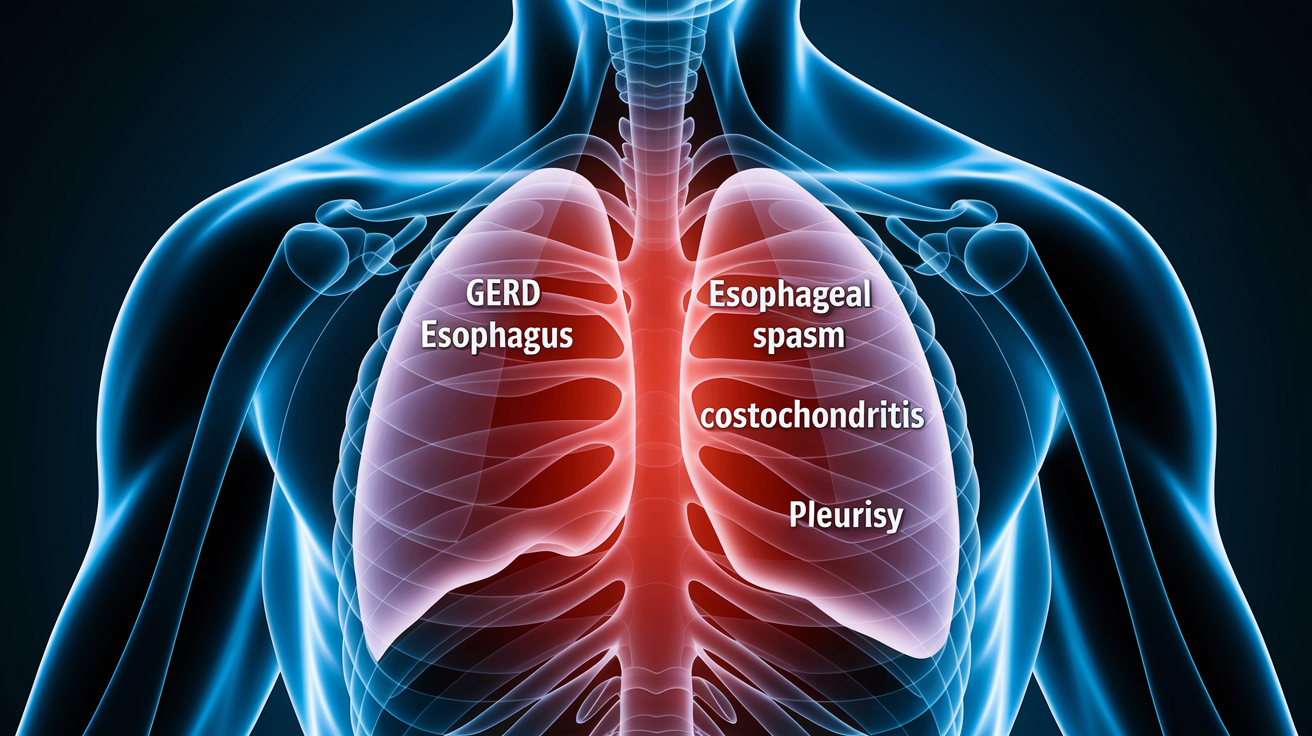
Gastroesophageal reflux disease can produce burning chest discomfort that mimics heart pain. Stomach acid backs up into the esophagus, creating a sensation of pressure or burning behind the breastbone that might get worse after meals or when lying down. Esophageal spasm, sudden intense contractions of the esophagus, can feel nearly identical to a heart attack, with sharp squeezing pain that comes and goes in episodes.
Costochondritis is inflammation of the cartilage connecting your ribs to your breastbone. The pain is sharp and localized, and it gets worse when you press on the affected area, take a deep breath, or move your torso. Pleurisy, inflammation of the lining around the lungs, causes sharp chest pain that intensifies with breathing or coughing. Both can produce significant discomfort but aren’t life-threatening.
Pulmonary embolism and pneumothorax are medical emergencies. A pulmonary embolism is a blood clot that travels to the lungs and blocks blood flow, causing sudden chest pain, shortness of breath, rapid heart rate, and sometimes coughing up blood. A pneumothorax is a collapsed lung, which can happen spontaneously or after chest trauma, and presents with sudden sharp chest pain and difficulty breathing. Both require immediate emergency care.
Non-cardiac causes to consider:
GERD or acid reflux
Esophageal spasm
Costochondritis
Pleurisy
Pulmonary embolism or pneumothorax
A Quick Symptom-Tracking Checklist for Episodes of Chest Tightness

When chest tightness becomes a recurring thing, documenting the details of each episode gives your clinician useful information to identify patterns and narrow down causes. A simple written log or notes app on your phone works well.
Track the date and time the tightness started and how long it lasted. Rate the severity on a scale of 0 to 10. Note what you were doing when it began. Sitting at your desk, climbing stairs, lying down after a meal, driving in traffic. Write down any associated symptoms like sweating, nausea, dizziness, shortness of breath, or palpitations. Record what made it better or worse. Rest, breathing exercises, movement, eating, lying down. Note whether the discomfort stayed in one spot or radiated elsewhere. Log any recent triggers like caffeine intake, skipped meals, alcohol, poor sleep, or stressful events.
What to track:
Date and time of onset
Duration of the episode
Severity rated 0 to 10
What you were doing when it started
Associated symptoms: sweating, nausea, dizziness, shortness of breath, palpitations
What made it better or worse: rest, breathing, movement, eating
Pain location and whether it radiated
Recent triggers: caffeine, alcohol, poor sleep, stress, skipped meals
What Happens After a Chest Tightness Evaluation: Follow-Up, Risk Reduction, and Next Steps

A negative cardiac workup in the emergency department often provides immediate relief, and that reassurance itself can reduce health anxiety. If initial tests rule out a heart attack but don’t fully explain your symptoms, your clinician might recommend outpatient follow-up with a cardiologist for stress testing, ambulatory rhythm monitoring, or coronary imaging. If anxiety is the likely cause, referral to a mental health clinician for cognitive behavioral therapy or medication evaluation could be the next step.
Lifestyle changes reduce the likelihood of recurrent symptoms regardless of the underlying cause. If you smoke, quitting is the single most effective way to lower cardiac risk. Controlling blood pressure, cholesterol, and blood sugar through diet, exercise, and medication when needed protects both heart health and overall resilience to stress. Regular physical activity, even 20 to 30 minutes of brisk walking most days, strengthens the cardiovascular system and helps regulate the nervous system.
Stress management isn’t optional if anxiety chest tightness is part of your pattern. Breathing exercises that emphasize a longer exhale than inhale can shift your body out of fight-or-flight mode. Mindfulness practices, regular outdoor time, stretching, and activities that calm your nervous system all help reduce the frequency and intensity of anxiety episodes. If caffeine or alcohol seems to trigger symptoms, reducing or eliminating them is a straightforward intervention that often makes a noticeable difference.
Final Words
In the action, this post walked you through how to tell anxiety-related tightness from heart causes: symptom patterns, what’s happening in the body, common triggers, the tests you might see, red flags, tracking tips, and follow-up steps.
If you have heavy pressure, spreading pain, fainting, or sweating, seek immediate care. For quick, milder episodes, try slow exhale breathing, sit up, hydrate, and note timing.
A short log helps your clinician decide whether this was sudden chest tightness anxiety or heart problem, and that clarity often lowers worry and points to sensible next steps.
FAQ
Q: How do you know if you have anxiety or heart problems?
A: How you tell anxiety from a heart problem is by timing and symptoms: anxiety usually causes sharp, short tightness tied to breathing or panic, while heart problems cause heavy, longer pain, radiation, sweating, or nausea—seek urgent care for those.
Q: Can anxiety feel tight in the chest?
A: Anxiety can feel tight in the chest as a sharp or bandlike squeeze often linked to fast breathing, panic, or muscle tension, typically peaking within minutes and easing within about 30 minutes.
Q: How to tell if chest pain is muscular or heart related?
A: How you tell muscular chest pain from heart-related pain is that muscular pain is sharp, worsens with touch, movement, or deep breaths; heart pain is deeper, linked to exertion, not tender to touch, and may radiate or cause sweating.
Q: Can anxiety mimic heart failure?
A: Anxiety can mimic some heart failure symptoms like breathlessness or tightness, but heart failure usually shows persistent shortness of breath, swelling, or fatigue—get medical evaluation if symptoms are new, severe, or worsening.
Comments are closed