
What if your sharp neck tension isn’t just bad posture?
It can feel sudden and scary, one moment fine, the next a stabbing pinch when you turn, reach, or wake up.
Most causes are muscle overload, a pinched nerve, awkward sleep, or stress-related tightness, and each needs a different first step.
This post breaks down common triggers, simple things to try now, what to track for your clinician, and clear signs that you should seek urgent care.
Top Causes of Sudden Sharp Neck Pain
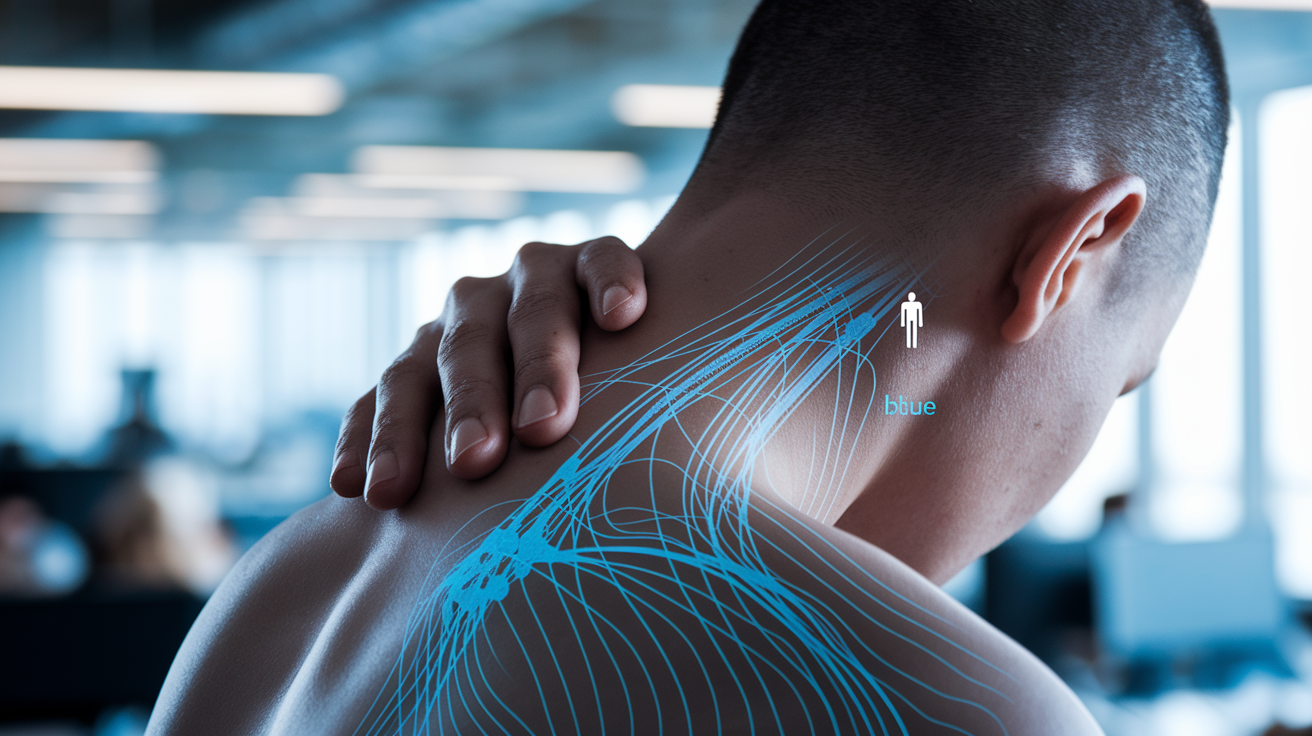
Most sharp neck tension happens when muscles, nerves, or joints react to strain, position, or impact. The pain can show up while you’re reaching for something, waking up, or just turning your head during a normal workday.
The triggers range from minor muscle overload to acute nerve compression. Recognizing the pattern helps you sort out what happened and what to try first.
Muscle strain from sudden movement. Lifting, twisting, or reaching without warning can overload neck muscles and create sharp, stabbing discomfort that usually eases within a few days.
Pinched nerve in the cervical spine. Compression of a nerve root can cause sharp, shooting pain that radiates into the shoulder or arm, often with tingling or weakness.
Poor posture and muscle overload. Forward head posture from screens keeps muscles under constant tension until they spasm or ache sharply.
Acute torticollis from muscle spasms. The neck locks to one side with sudden, severe stiffness and pain, usually triggered by a minor movement or overnight position change.
Awkward sleeping position. Waking with a stiff, painful neck often means your head was twisted or poorly supported for hours.
Whiplash from rapid head movement. A car collision, fall, or contact sport can snap the head forward and back, straining muscles, tendons, and ligaments.
Stress-related muscular tension. Chronic stress keeps shoulder and neck muscles tight, and a final stressor can tip them into sharp spasm or knot.
Less Common but Serious Causes of Sharp Neck Pain

A small number of sudden neck pain episodes signal infection, structural instability, or inflammatory disease. Meningitis, an infection of the membranes around the brain and spinal cord, typically combines severe neck stiffness with high fever, headache, and sometimes confusion. This combination demands immediate emergency evaluation.
Cervical spine instability, whether from trauma or degenerative ligament failure, can allow abnormal vertebral movement that pinches nerves or the spinal cord itself. Sharp pain with certain head positions is common.
Infections localized to the cervical spine (such as discitis or osteomyelitis), autoimmune inflammatory conditions, and rare vascular events can also present as acute neck pain. These causes are uncommon but important to catch early because delayed treatment increases the risk of permanent damage. A provider will watch for fever, progressive neurologic symptoms, unexplained weight loss, or pain that worsens despite rest and simple care.
Symptom Patterns That Help Identify the Cause
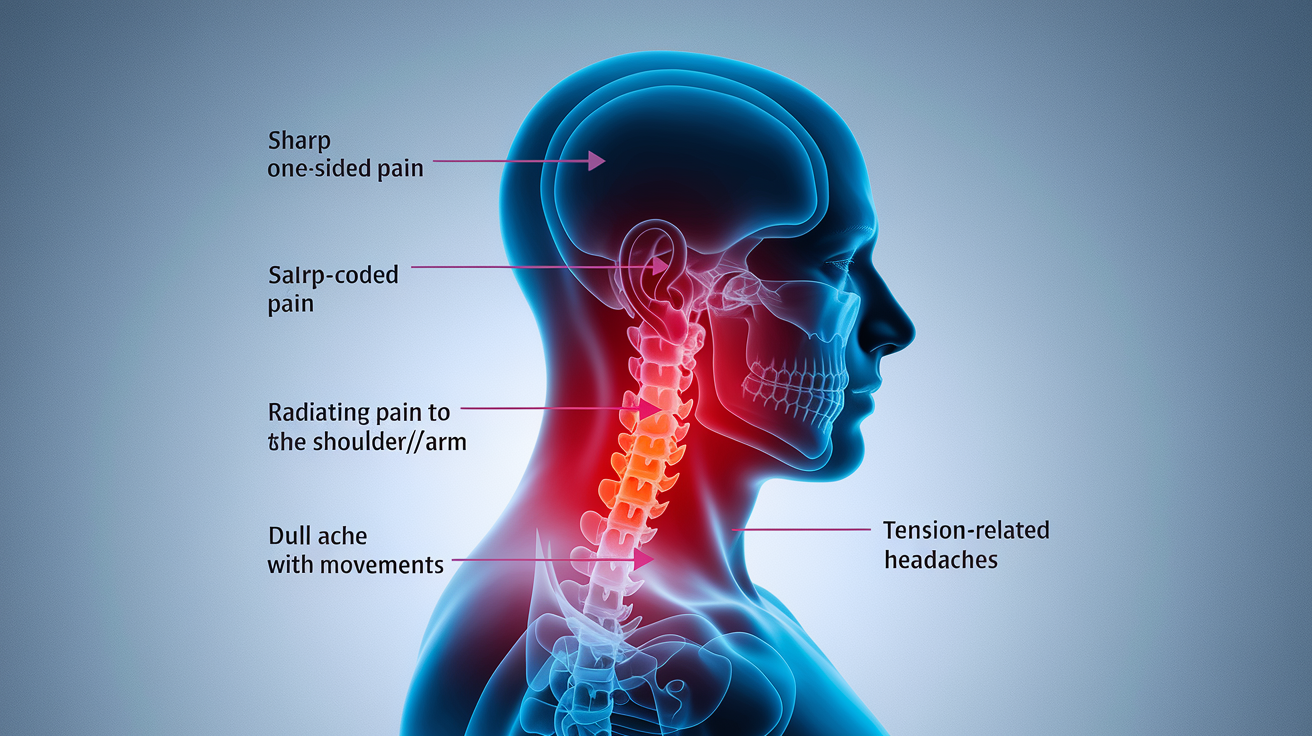
The location, quality, and associated sensations of your neck pain can narrow the list of likely triggers. Tracking these patterns makes it easier to describe what’s happening during a medical visit.
Sharp, stabbing pain on one side with locked rotation suggests acute torticollis or severe muscle spasm.
Radiating pain into the shoulder or arm with tingling or numbness points toward a pinched cervical nerve root or herniated disc.
Dull ache that becomes sharp with certain movements often indicates muscle strain or early degenerative joint irritation.
Headache at the base of the skull with neck tightness may signal tension headache or muscle overload from posture.
Severe stiffness plus fever and headache raises concern for meningitis or another serious infection requiring urgent care.
When Sharp Neck Pain Requires Medical Attention

Most sudden neck pain resolves with rest, gentle stretching, and basic self-care within a few days to two weeks. But certain symptoms signal that something deeper or more urgent is happening and shouldn’t be managed at home alone.
Seek prompt evaluation if you develop numbness, tingling, or weakness radiating into your arms or hands. Same goes for losing coordination or balance, noticing a high fever alongside the neck stiffness, or experiencing a severe headache that feels different from your usual pattern.
Recent significant trauma, such as a car crash, fall from height, or direct blow to the head or neck, warrants immediate assessment even if pain seems mild at first. Whiplash and cervical spine injuries can have delayed symptom onset.
If sharp neck pain worsens rapidly over hours, doesn’t improve at all after two to three days of home measures, or returns repeatedly without clear cause, schedule an appointment. You’ll want to rule out structural problems, nerve compression, or inflammatory conditions that benefit from early intervention.
Prevention Tips to Reduce Sudden Neck Pain Episodes

Small, consistent habits can lower the frequency and intensity of neck pain flare-ups. Start by adjusting your workspace so your computer screen sits at eye level and your chair supports the natural curve of your lower back. This reduces forward head drift throughout the day.
Take micro-breaks every 30 to 60 minutes. Stand, roll your shoulders back, tilt your head gently side to side, and let your neck muscles reset.
Strengthen neck and upper back muscles. Simple chin tucks, shoulder blade squeezes, and resistance band rows build endurance against postural strain.
Choose a supportive pillow and sleep position. Your pillow should keep your head aligned with your spine, whether you sleep on your back or side. Avoid stomach sleeping when possible.
Warm up before physical tasks or sports. Gentle neck circles, arm swings, and dynamic stretches prepare muscles for sudden loads or impacts.
Manage stress with downshift practices. Slow breathing, short walks, progressive muscle relaxation, or a few minutes of stretching can interrupt the tension cycle before it locks into your neck.
Final Words
If a sudden, sharp tug or stabbing in your neck shows up, start by checking the simple, common causes: muscle strain from a quick move, poor posture, an awkward night’s sleep, or stress-related tightness. These often improve with rest, gentle stretches, and heat or ice.
Watch for warning signs—pain that radiates to an arm, weakness, fever, or severe headache needs prompt care.
Knowing typical sharp neck tension causes helps you stay calm and take the right next steps toward feeling better.
FAQ
Q: What causes extreme neck tension?
A: Extreme neck tension is commonly caused by muscle strain from poor posture, long screen time, stress-related clenching, awkward sleep positions, or sudden movement; less often from nerve irritation or spine problems.
Q: What are the 5 D’s for neck pain?
A: The 5 D’s for neck pain are dizziness, double vision, trouble speaking (dysarthria), trouble swallowing (dysphagia), and sudden loss of balance or fainting—warning signs that need prompt evaluation.
Q: Why am I getting sharp stabbing pains in my neck?
A: Sharp stabbing pains in the neck are often from a pinched nerve, a sudden muscle spasm (acute torticollis), whiplash-type injury, or joint arthritis irritating nearby nerves.
Q: What disease starts with neck pain?
A: Diseases starting with neck pain include common issues like muscle strain or nerve compression; less commonly, serious conditions such as meningitis or spinal infection can begin with neck pain, especially with fever or neurological signs.
Comments are closed