
Think eight hours should be enough, so why do you still wake up feeling wiped out?
You’re not imagining it.
The main issue is often sleep quality, not how long you stayed in bed.
Tiny wake-ups, late caffeine, a too-warm room, hormones, or conditions like sleep apnea can steal the deep sleep your body needs to restore you.
Keep reading to learn simple, low-risk steps to try, what patterns to track, and when to check in with a clinician.
Key Reasons You Still Feel Tired After a Full Night’s Sleep
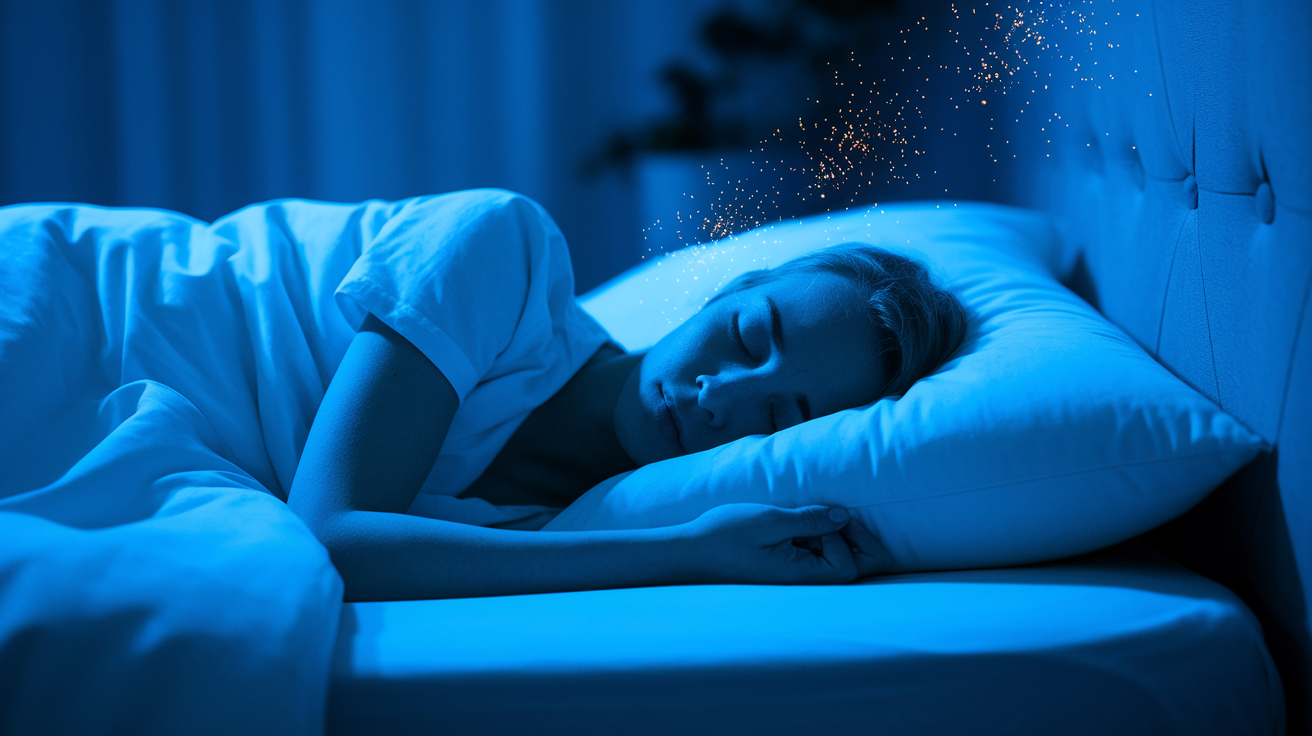
You clock eight hours and still wake up exhausted. The problem isn’t how long you slept. It’s what happened while you were asleep.
Sleep quality is usually the culprit. Fragmented sleep cuts into the deep and REM stages your body actually needs to recover. You might not remember waking up, but those micro-arousals yank you out of restorative sleep and dump you back into lighter stages. Deep sleep is when your muscles repair, your immune system strengthens, and stress hormones reset. REM is where emotional processing and memory consolidation happen. Spend most of the night skimming the surface and you’ll wake up feeling like you barely rested at all.
Lifestyle factors mess with sleep just as much. Late caffeine, heavy dinners, scrolling before bed, alcohol, or a sleep schedule that changes every few days can all chip away at how rested you feel. Medical conditions like sleep apnea, hypothyroidism, anemia, and chronic insomnia leave people tired no matter how much time they spend in bed.
Common reasons you wake up tired:
- Fragmented or interrupted sleep reducing restorative stages
- Sleep disorders like sleep apnea or insomnia
- Poor sleep hygiene (late caffeine, screens before bed, irregular schedule)
- Environmental issues (too warm, too bright, too noisy)
- Hormonal shifts or medical conditions (thyroid problems, anemia, blood sugar swings)
- Stress, anxiety, or unresolved physical discomfort during the night
How Sleep Quality Issues Lead to Morning Fatigue

Your body cycles through different sleep stages multiple times each night. Light sleep, deep sleep, REM sleep. Deep sleep is where physical restoration happens: muscles repair, immune function strengthens, growth hormone gets released. REM sleep handles emotional processing, memory consolidation, brain detox. If those stages get cut short or interrupted, you wake up feeling unrefreshed even if you technically slept “enough” hours.
Fragmentation is one of the biggest sleep quality killers. Micro-arousals, brief moments where your brain partially wakes, can happen dozens of times a night. You won’t remember them. But they pull you out of deep or REM sleep and restart the cycle from the beginning. Over time, you end up spending most of the night in lighter, less restorative stages.
Circadian rhythm misalignment also plays a role. If your internal clock is out of sync with your actual sleep schedule, say you’re a natural night owl forced to wake at 6 a.m., you might be trying to wake during a low point in your alertness cycle. That mismatch makes mornings feel harder, no matter how long you slept.
Common Sleep Disruptors
Noise is a major trigger for fragmented sleep. Even sounds you don’t consciously hear, a partner’s snoring, street traffic, a neighbor’s door, can cause micro-arousals that reduce deep sleep time. Stress and anxiety keep your nervous system on alert. That makes it harder to drop into deeper stages and easier to wake up repeatedly.
Late caffeine is another common issue. Caffeine has a half-life of about six to eight hours. An afternoon coffee can still be blocking adenosine receptors, your body’s “time to sleep” signal, well into the night. Inconsistent sleep timing throws off your circadian rhythm. Going to bed and waking up at wildly different times makes it harder for your body to predict when it should feel alert or sleepy.
Lifestyle Habits That Contribute to Waking Up Tired
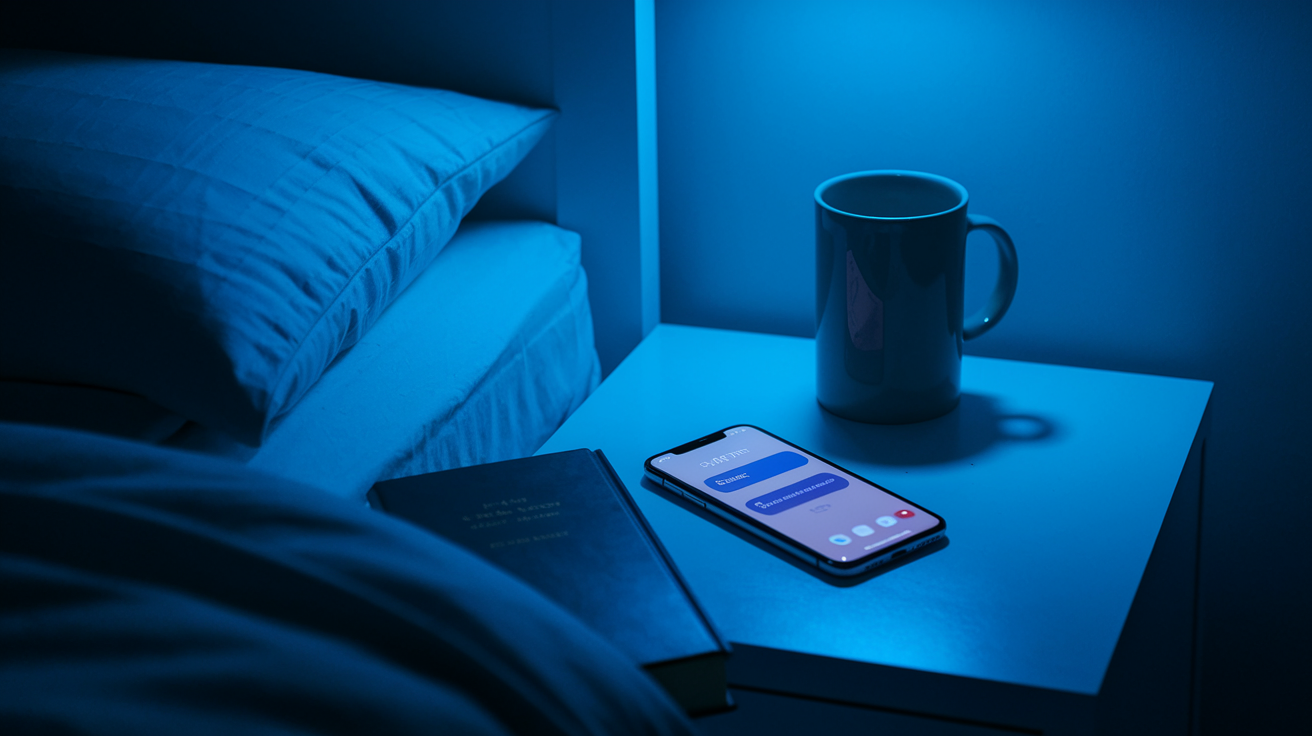
What you do during the day, especially in the hours before bed, directly affects how you feel when you wake up. Late, heavy meals force your digestive system to work overtime while you’re trying to sleep. This can fragment rest and trigger discomfort or reflux. Eating a big dinner or snacking close to bedtime keeps your core temperature elevated and pulls blood flow toward your gut. Both interfere with deep sleep.
Excessive caffeine, even earlier in the day, builds tolerance and creates a dependency cycle. You need more to feel awake. When it wears off, the adenosine “debt” floods back in, leaving you groggier than before. Blue light from screens suppresses melatonin production, the hormone that signals it’s time to sleep. Scrolling on your phone or watching TV right before bed delays sleep onset and reduces total sleep quality.
Inconsistent sleep schedules confuse your circadian rhythm. Sleeping in on weekends or staying up late a few nights a week makes it harder for your body to settle into a reliable wake-sleep pattern. Mornings feel harder even after a theoretically “full” night.
Common lifestyle triggers for morning fatigue:
- Caffeine after 2 p.m. or in high amounts throughout the day
- Alcohol within three hours of bedtime (disrupts deep sleep and causes nighttime waking)
- Screen use within an hour of bed (blue light suppresses melatonin)
- Heavy or late meals that keep digestion active during sleep
Medical Conditions Linked to Persistent Morning Fatigue

Sleep apnea is one of the most common, and most overlooked, causes of waking up tired. In sleep apnea, your airway repeatedly collapses or gets blocked during the night. This causes brief drops in oxygen and forces your brain to partially wake you up to restart breathing. You might not remember these events. But they fragment your sleep and prevent you from reaching deep, restorative stages. Common signs include loud snoring, gasping or choking sounds, and excessive daytime sleepiness.
Hypothyroidism slows down your metabolism and affects nearly every system in your body, including sleep regulation. When your thyroid isn’t producing enough hormone, you can feel persistently fatigued, sluggish in the morning, and unable to feel rested no matter how much you sleep. Other signs include unexplained weight gain, feeling cold all the time, dry skin, and brain fog.
Anemia reduces the oxygen-carrying capacity of your blood. Your tissues, including your brain, don’t get the fuel they need to function well. This can show up as persistent tiredness, pale skin, dizziness, weakness, and trouble concentrating. Anemia is especially common in people with heavy menstrual bleeding, poor iron absorption, or certain chronic conditions. Even mild anemia can leave you dragging in the mornings.
Chronic insomnia, difficulty falling asleep, staying asleep, or waking too early, prevents you from getting adequate recovery time. Insomnia often comes with anxiety, racing thoughts, or physical tension that keeps your nervous system activated at night. Over time, poor sleep compounds stress and creates a cycle where worry about sleep makes sleep harder to get.
Environmental Factors That Affect How Rested You Feel
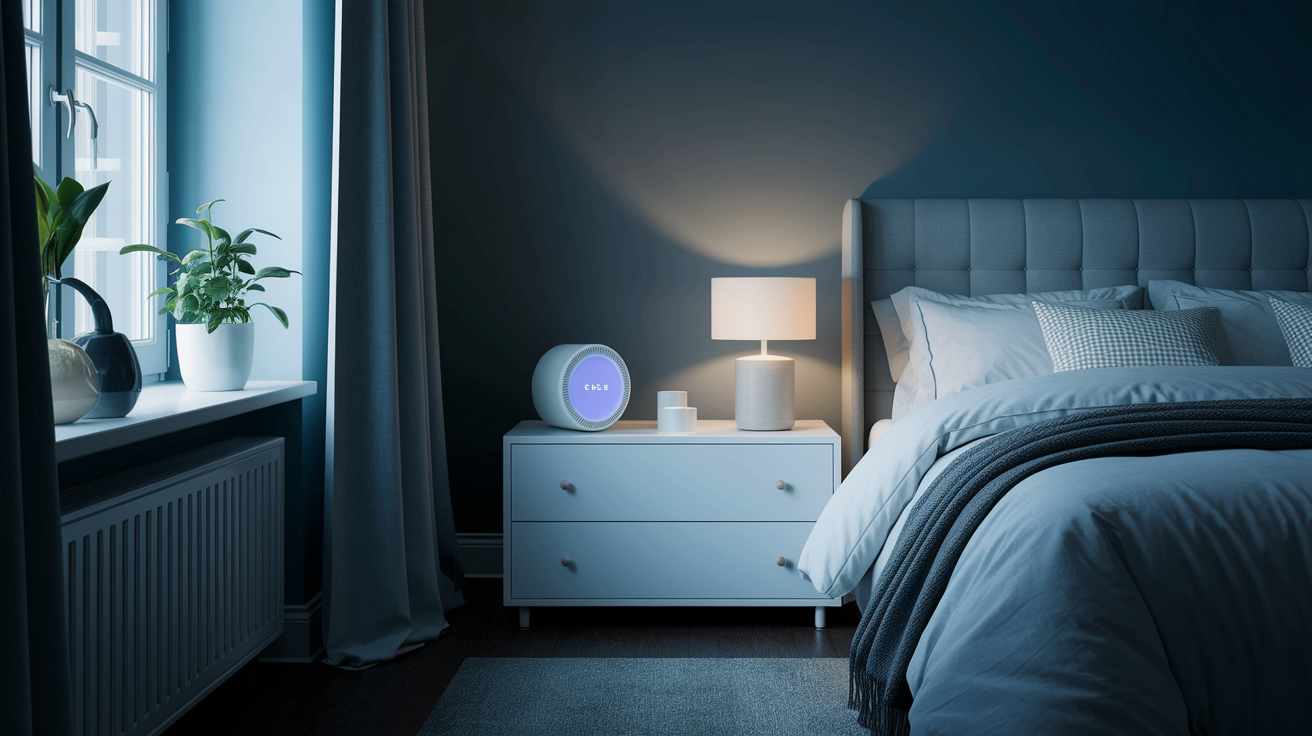
Your bedroom environment has a direct effect on sleep depth and how restored you feel when you wake up. Temperature is one of the biggest factors. Your core body temperature needs to drop slightly to initiate and maintain deep sleep. The ideal sleep environment is cool, about 60 to 67°F. A room that’s too warm keeps your body from cooling down properly. This can cause restless, fragmented sleep and more time spent in lighter stages.
Noise raises stress hormones like cortisol, even when you don’t consciously wake up. Persistent or unpredictable sounds, traffic, a snoring partner, a neighbor’s TV, trigger micro-arousals that pull you out of deep sleep. Over time, this chips away at restoration and leaves you feeling tired in the morning.
Light exposure, especially in the middle of the night or early morning, suppresses melatonin and signals your brain that it’s time to wake up. Even small amounts of light from streetlights, electronics, or a phone screen can interfere with sleep quality. Darkness is a key environmental cue that helps your body stay in sleep mode and cycle through restorative stages without interruption.
Practical Steps to Improve Morning Energy

Consistency is one of the most effective tools for feeling more rested. Going to bed and waking up at the same time every day, even on weekends, strengthens your circadian rhythm and makes it easier for your body to predict when it should feel sleepy and when it should feel alert. Over time, this reduces morning grogginess and helps you wake up feeling more naturally ready.
Limiting screen time before bed gives your melatonin production a chance to ramp up naturally. Aim to put away phones, laptops, and tablets at least 30 to 60 minutes before you want to fall asleep. If you need to use a device, consider blue light blocking glasses or activating a night mode filter. Morning light exposure, ideally within the first hour of waking, helps anchor your circadian rhythm and boosts alertness. Step outside for a few minutes, open the blinds, or sit near a window while you have breakfast.
Practical steps to feel more rested in the morning:
- Set a consistent bedtime and wake time, even on weekends.
- Stop caffeine by early afternoon (2 p.m. is a reasonable cutoff).
- Avoid alcohol within three hours of bedtime to protect deep sleep.
- Keep your bedroom cool (60 to 67°F), dark, and quiet. Use blackout curtains, a fan, or a white noise machine if needed.
- Get bright light exposure in the first hour after waking to strengthen your wake-sleep cycle.
When Morning Fatigue Requires Medical Evaluation

If you’ve been waking up tired for more than two to three weeks despite improving your sleep habits, it’s worth checking in with a primary care provider. Persistent fatigue can be a sign of an underlying sleep disorder, hormonal imbalance, or other medical condition that needs diagnosis and treatment. Don’t wait for it to resolve on its own if it’s affecting your daily function, mood, or safety.
Red flags that suggest a medical cause include loud snoring, gasping or pauses in breathing during sleep, unintentional weight changes, feeling cold or overheated all the time, heavy or irregular menstrual bleeding, persistent brain fog, or mood changes like increased anxiety or low mood. If you notice any of these patterns alongside morning fatigue, bring them up with your clinician. Simple tests, like a complete blood count to check for anemia or thyroid function tests, can often point toward a treatable cause. A referral to a sleep specialist may be appropriate if a sleep disorder is suspected.
Final Words
You just ran through the main reasons morning fatigue happens: poor sleep stages, daily habits, medical issues, and your bedroom setup.
Try simple, low-risk fixes first — steady wake time, fewer screens before bed, watch late caffeine, cooler darker room, and short daytime movement. Track when it happens, how long it lasts, and what helps.
If you’re wondering why am I so tired in the morning after sleeping all night, tracking plus small changes often reveal the cause. If it persists or you hit red flags, check in with a clinician. Small steps add up.
FAQ
Q: Why am I so tired in the morning after a full night’s sleep?
A: You’re tired in the morning after a full night’s sleep because hours don’t equal restorative sleep—fragmented sleep, sleep apnea, circadian mismatch, late caffeine, stress, or undiagnosed medical issues can leave you unrefreshed.
Q: What is the 3:2:1 rule for sleeping?
A: The 3:2:1 rule for sleeping is a simple bedtime guide: stop large meals three hours before bed, avoid alcohol two hours before, and switch off screens one hour before sleep to support falling asleep.
Q: What does ADHD fatigue feel like?
A: ADHD fatigue feels like mental exhaustion with a “wired but tired” quality—racing thoughts that drain you, trouble starting or sustaining tasks, variable alertness, and poor focus despite rest.
Q: What are four warning signs of fatigue?
A: Four warning signs of fatigue are persistent daytime sleepiness, trouble concentrating or remembering, mood shifts like irritability or low motivation, and reduced physical coordination or slower reactions.
Comments are closed