
Could that stubborn acne, sudden tiredness, or an irregular period be your hormones trying to get your attention?
These early signs often show up as small, annoying shifts—mood swings, sleep that never feels restorative, unexpected weight changes, or more hair in the shower—but they add up.
If two or more persist for a few weeks, it’s worth paying attention.
You’re not imagining it.
This post will show what to watch, simple low-risk steps to try now, what to track for your doctor, and when to get help.
Key Early Symptoms Women Commonly Notice First
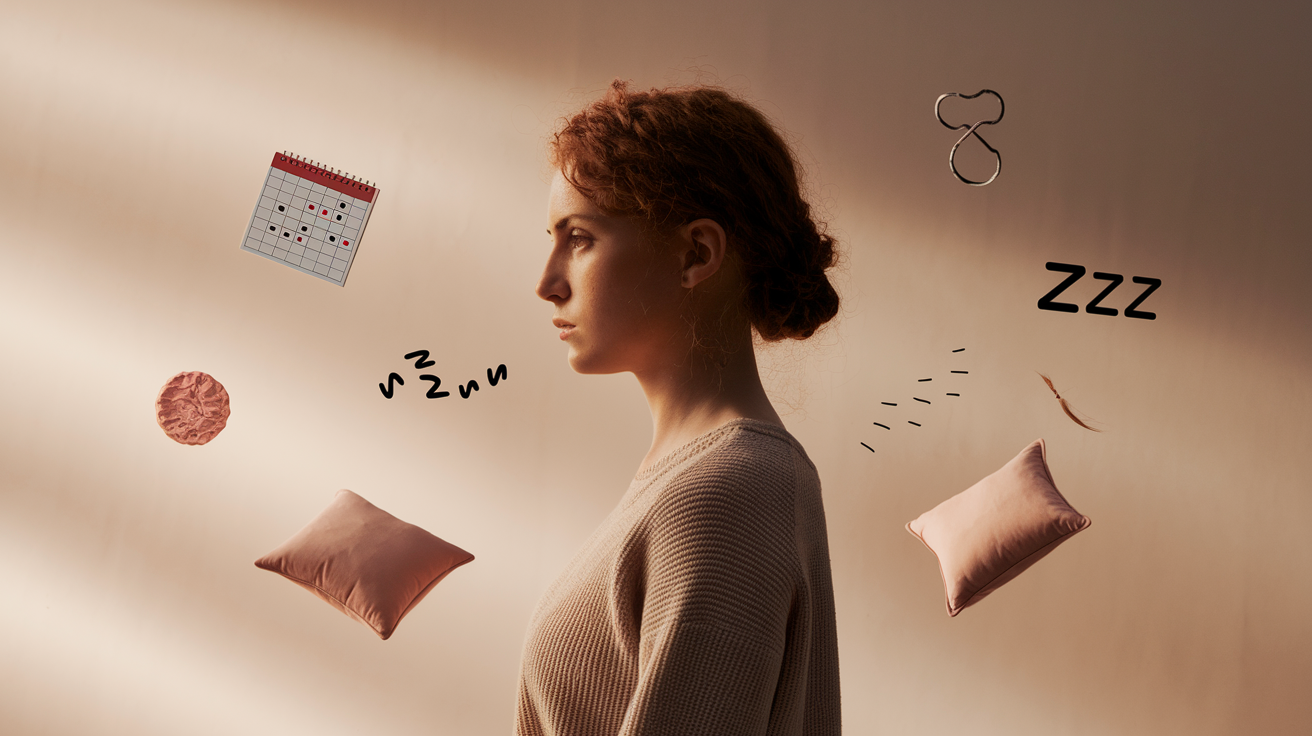
Hormonal imbalances don’t usually show up with one big red flag. They creep in as a bunch of small, annoying changes that feel off but not quite serious enough to worry about yet.
The most common early signs? Irregular periods, unexpected weight shifts, mood swings, fatigue that won’t quit, adult acne making a comeback, thinning hair, and sleep that just doesn’t feel restorative. These things tend to build slowly and blend right into the chaos of everyday life, which is why a lot of women shrug them off for months before realizing there’s a pattern. But here’s the thing: subtle symptoms don’t usually stay subtle if the underlying issue keeps brewing.
Here’s what tends to pop up first:
- Irregular periods – showing up early, late, or skipping out entirely
- Mood swings or irritability – crying over nothing, snapping at people, feeling anxious without a clear trigger
- Sudden weight changes – pounds creeping on or falling off even when your habits haven’t changed
- Persistent fatigue – you’re sleeping fine but still feel wiped
- Sleep problems – can’t fall asleep, can’t stay asleep, or you wake up feeling like you never rested
- Skin changes – breakouts, oiliness, acne you thought you left behind in high school
- Hair thinning or shedding – way more hair in the shower drain or on your pillow than usual
If two or more of these stick around for a few weeks and won’t budge, your body’s probably trying to tell you something.
Why These Early Symptoms Occur
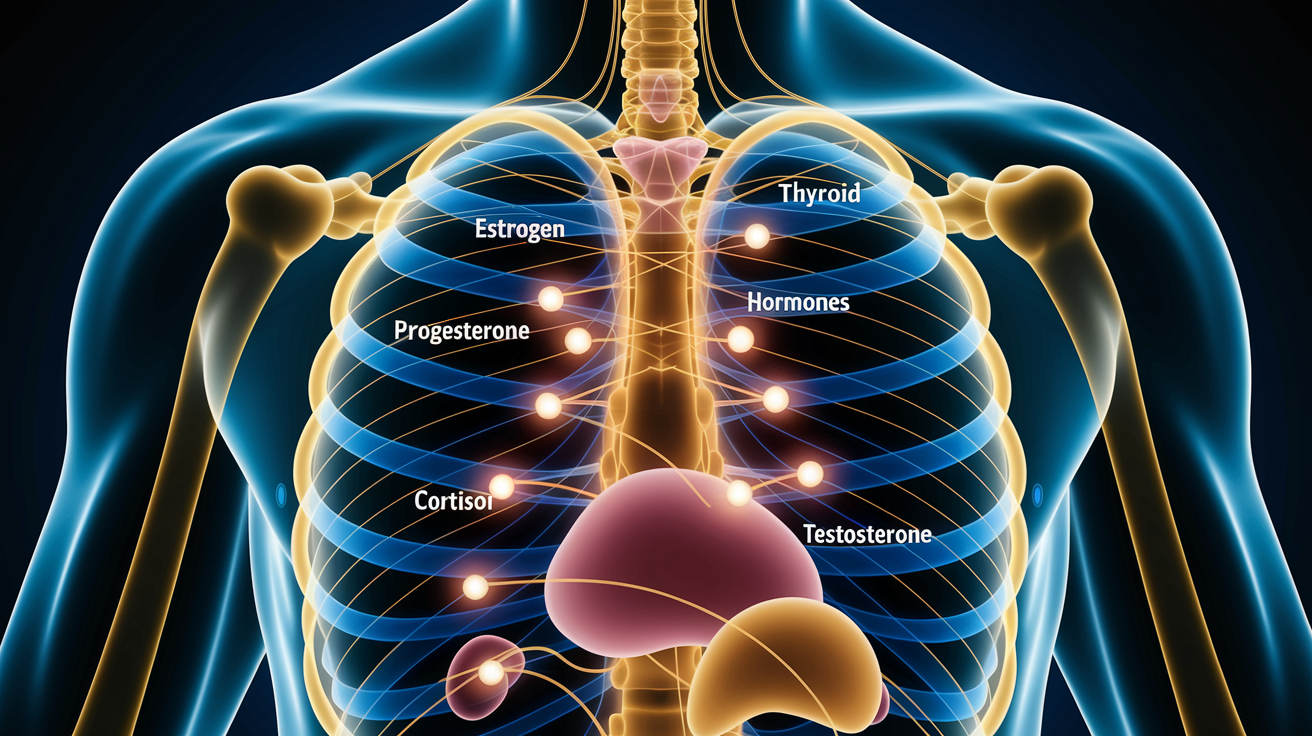
Hormones are basically your body’s internal messaging system. They control energy, mood, metabolism, reproduction, all of it. When estrogen, progesterone, testosterone, thyroid hormones, or cortisol get thrown off balance, that messaging network starts glitching. Even small shifts can create noticeable problems because these hormones don’t work solo. They’re constantly coordinating with each other.
A dip in estrogen can mess with your cycle, your mood, and your sleep all at once. Low thyroid slows everything down, which shows up as weight gain and constant exhaustion. Too much cortisol from ongoing stress wrecks your sleep and can trigger inflammation that surfaces as acne or hair loss. Testosterone issues, whether too high or too low, affect your skin, your libido, how your body holds weight. The symptoms feel scattered, but they’re all connected to the same root problem: disrupted hormone signals affecting multiple systems at the same time.
Distinguishing Normal Hormonal Shifts From Concerning Imbalance
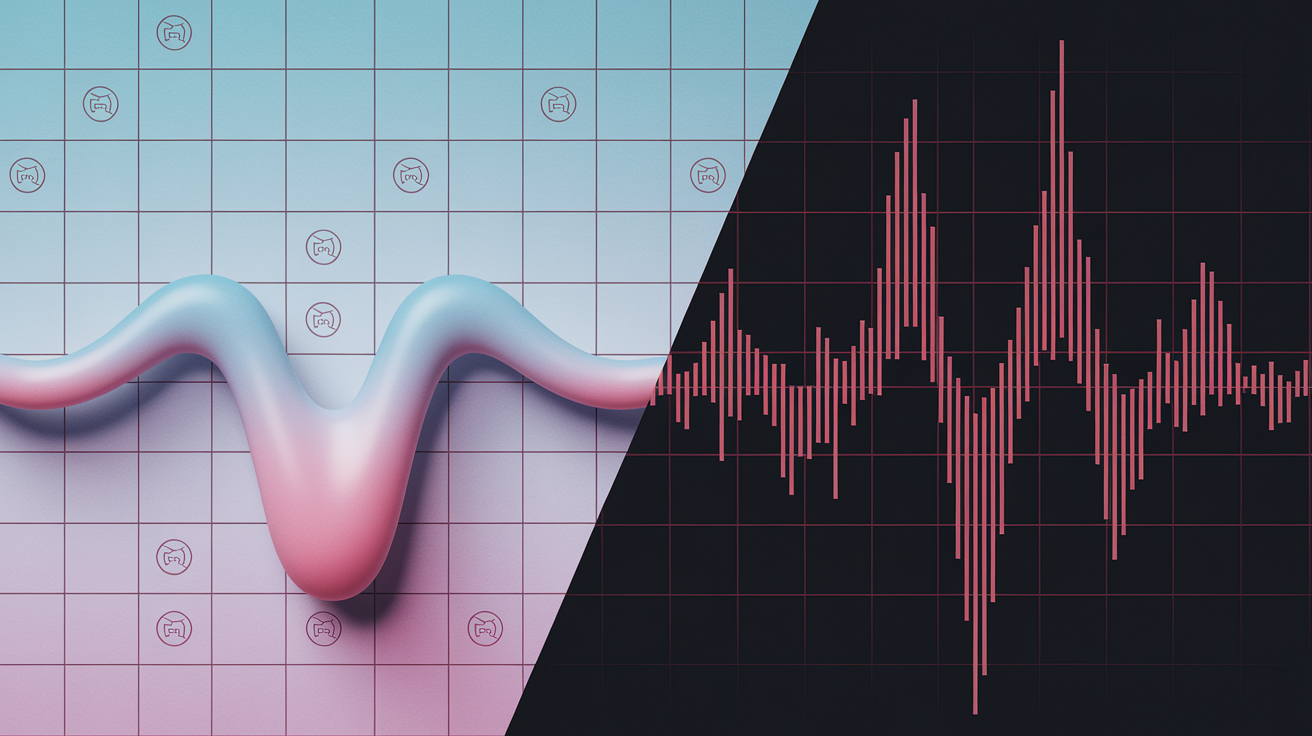
Your hormones shift throughout your cycle naturally. Some mood variation, mild bloating, temporary fatigue? That’s normal. The difference is how long it lasts and how much it messes with your life. Normal cycle-related stuff follows a pattern, clears up within a few days, and doesn’t wreck your ability to function. Imbalance symptoms hang around, get worse over time, or show up unpredictably.
Here’s what to watch for:
- Symptoms lasting most of the month instead of just a few predictable premenstrual days
- Getting worse over two or three cycles in a row
- Interfering with work, relationships, or daily life because of how you feel physically or emotionally
If your symptoms used to follow a clear cycle pattern and now they’re random, more intense, or constant, that’s worth paying attention to. Same goes if you’ve never dealt with this stuff before and suddenly it’s all happening at once.
When Early Symptoms Mean You Should See a Healthcare Provider

If symptoms stick around for more than two or three cycles and they’re getting in the way of sleep, work, or just feeling like yourself, it’s time to talk to someone. You don’t have to wait until things are unbearable. Catching this stuff early usually means simpler fixes.
Get help sooner if you’re dealing with heavy bleeding that soaks through pads or tampons fast, sudden weight changes of 10 pounds or more, new or severe anxiety or depression, noticeable hair loss in patches, or hot flashes before 40. These patterns suggest something’s actually off and needs testing. Common tests include thyroid panels (TSH, T3, T4), reproductive hormone checks (estrogen, progesterone, testosterone), and metabolic screenings when needed. Testing early helps pin down what’s going on and what to do about it.
Factors That Increase the Likelihood of Early Hormonal Imbalance
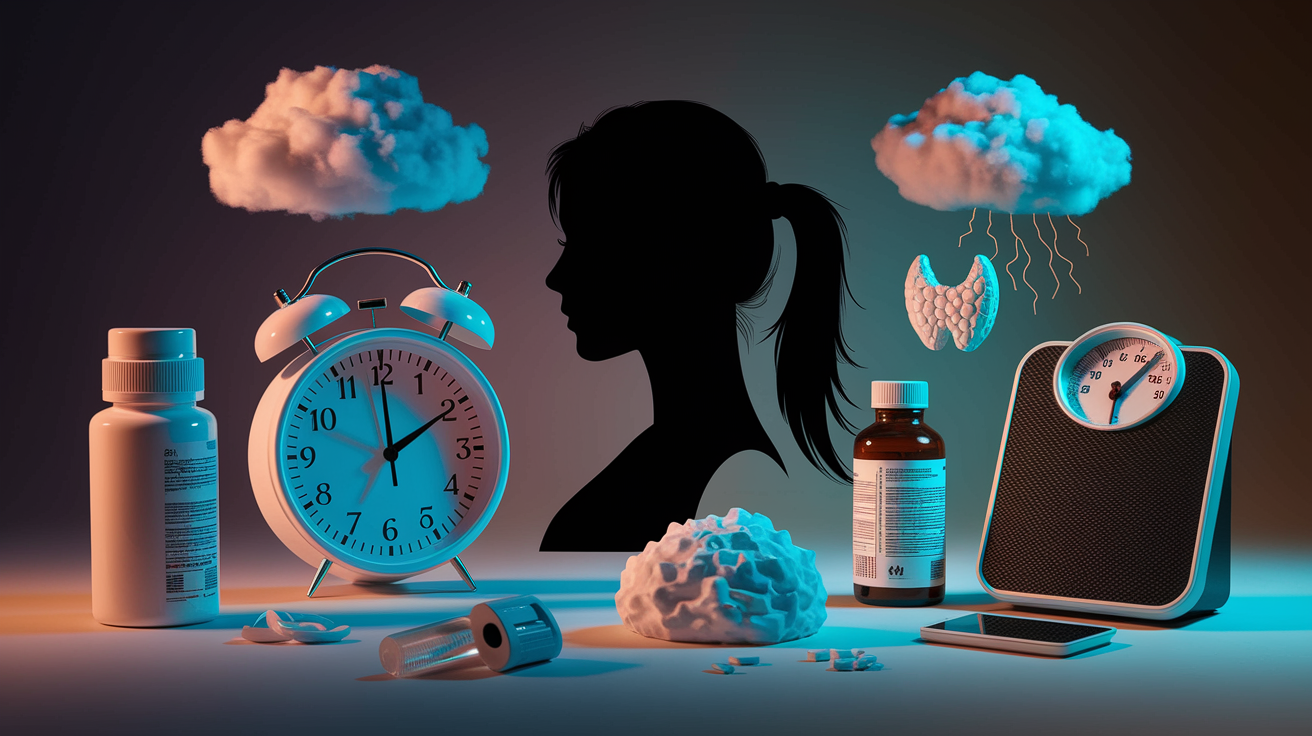
Some women are just more likely to run into hormonal issues because of life stage, health history, or daily habits. Knowing your risk factors helps you spot early symptoms faster.
Perimenopause is a big one. Usually starts in your 40s when your ovaries start dialing down hormone production. Chronic stress jacks up cortisol, which can suppress reproductive hormones and mess with thyroid function. Thyroid disorders, especially hypothyroidism and autoimmune thyroid issues, are more common in women and often look a lot like other hormonal problems. Sudden weight loss, restrictive eating, or overtraining can shut down normal hormone production, especially estrogen and progesterone. Certain meds, like hormonal birth control, corticosteroids, and some antidepressants, can also shift hormone levels.
Common risk factors:
- Chronic stress or crappy sleep
- Perimenopause or family history of early menopause
- Thyroid disease or autoimmune conditions
- Rapid weight loss, very low body fat, or intense training
- Hormonal contraceptives or other meds that affect your endocrine system
How Tracking Symptoms Helps Identify Imbalance Early
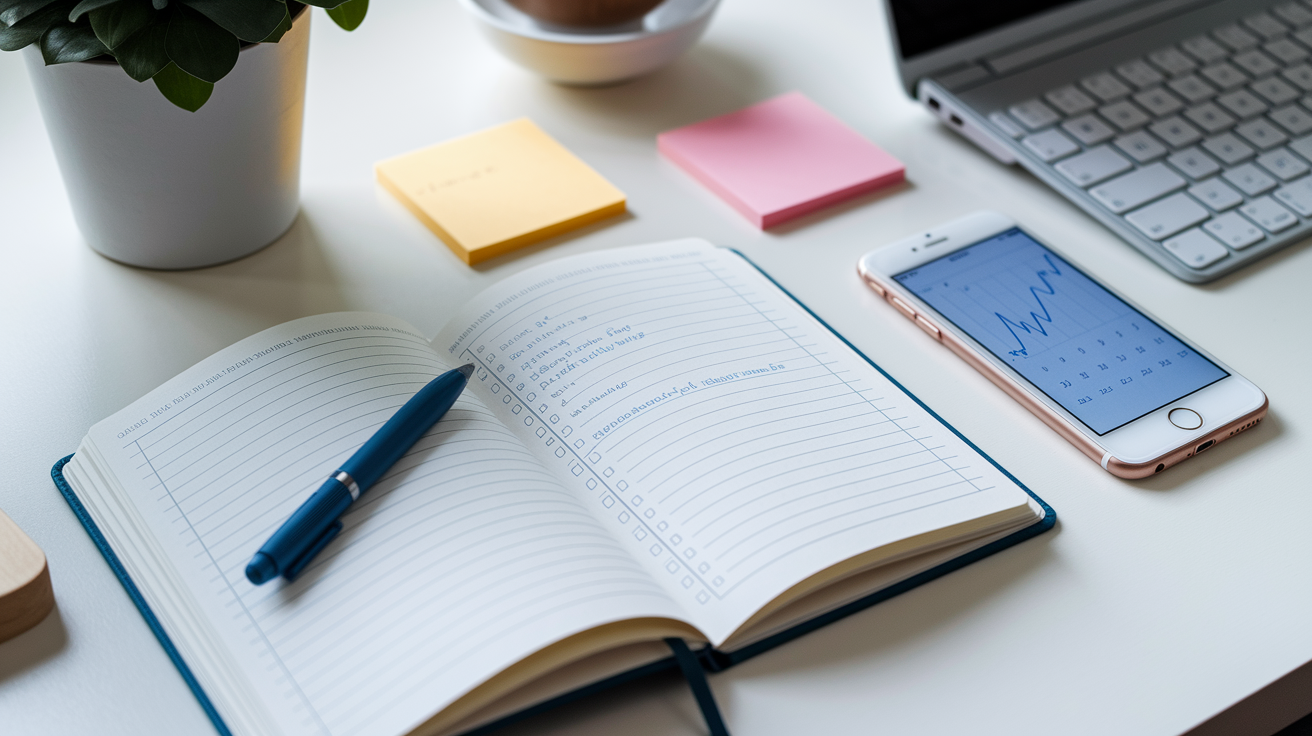
When symptoms feel vague or all over the place, tracking them over time shows you patterns you’d miss otherwise. Writing down when things happen, how bad they are, and what else is going on in your cycle or life helps you figure out if it’s just random bad luck or an actual trend. Plus, it gives your doctor real data to work with instead of vague complaints.
Start simple. Note the first day of each period, how long and heavy the bleeding is, any spotting between cycles. Track mood, energy, sleep quality, and physical stuff like bloating, breast tenderness, acne, or hair shedding every day or every few days. Rate how intense symptoms are on a 0 to 10 scale so you can see if things are getting worse. Also jot down possible triggers: stressful events, diet or exercise changes, caffeine or alcohol, new meds or supplements. After a couple cycles, you’ll usually start seeing patterns. Maybe symptoms cluster around certain cycle phases, get worse with specific triggers, or just persist no matter what.
Final Words
Noticing irregular periods, mood swings, sudden weight changes, persistent fatigue, skin or hair changes, or trouble sleeping? This piece listed common early symptoms, why hormone shifts cause them, and how to spot when changes are more than normal.
We covered when to see a clinician, risk factors like stress or perimenopause, and how tracking cycles, mood, sleep, and symptoms helps. Bring notes to appointments.
If you see patterns, try simple self-care, track what changes, and speak with your clinician. Catching early signs of hormonal imbalance in women can lead to clearer answers and better care.
FAQ
Q: What are the first signs of hormonal imbalance?
A: The first signs of hormonal imbalance are irregular periods, mood swings, sudden weight change, persistent fatigue, skin breakouts, hair thinning, and sleep trouble; they often start subtly and come and go.
Q: How do I fix my hormonal imbalance?
A: To fix a hormonal imbalance, try sleep consistency, balanced meals with protein and fiber, steady activity, stress reduction, reduce excess caffeine, and see a clinician for testing and targeted treatment if symptoms persist.
Q: What are the 11 signs your hormones are out of whack?
A: The 11 signs your hormones are out of whack include irregular periods, mood swings, sudden weight change, fatigue, sleep problems, acne, hair loss, low libido, brain fog, hot flashes, and heavy PMS.
Q: How do I know if I’m hormonally imbalanced?
A: You know you may be hormonally imbalanced if symptoms like irregular cycles, persistent mood or sleep problems, fatigue or weight shifts last more than 2–3 cycles, worsen, or disrupt daily life.
Comments are closed