Can sitting quietly and watching your breath really cut anxiety, or is that just self-help hype?
Large reviews and randomized trials say it helps: mindfulness programs produce modest but meaningful reductions in anxiety symptoms, often after consistent practice across 4 to 8 weeks.
That means many people see clinically useful drops on measures like the GAD-7, though not everyone gets the same benefit.
In this post I’ll summarize the science, explain how mindfulness changes the brain and body, and offer practical, low-risk steps to try.
Scientific Evidence on Mindfulness Meditation for Anxiety Reduction

Multiple large reviews published between 2014 and 2022 confirm that mindfulness meditation produces measurable reductions in anxiety symptoms. A 2014 meta-analysis in JAMA Internal Medicine examined 47 randomized controlled trials with 3,515 participants, reporting small to moderate anxiety improvements. Later reviews from 2016 through 2020, pooling 30 to 50 RCTs each, consistently report standardized effect sizes (Hedges’ g) ranging from 0.30 to 0.50 when comparing mindfulness programs with waitlist controls or usual care. These numbers mean mindfulness produces meaningful but modest anxiety reduction. Not elimination.
Randomized controlled trials using the GAD-7 (Generalized Anxiety Disorder scale) show group-level score reductions of 4 to 7 points after completing 8-week MBSR (Mindfulness-Based Stress Reduction) programs. Since a 4-point drop on the GAD-7 represents clinically meaningful improvement, these trial findings suggest significant benefit for a subset of participants. Studies using other validated anxiety scales, including the Beck Anxiety Inventory and State-Trait Anxiety Inventory, report 20 to 40% decreases in subjective anxiety scores from baseline to post-treatment. The magnitude of change varies. Some people experience large improvements and others see little or no effect.
Effect sizes are smaller when mindfulness is compared with other active treatments rather than passive controls. Head-to-head studies comparing mindfulness programs with relaxation training, stress-education courses, or cognitive-behavioral therapy typically report effect-size differences in the range of 0.1 to 0.3. This pattern suggests mindfulness works, but not necessarily better than other structured approaches.
Key quantified outcomes from the evidence base:
- Effect sizes versus no treatment or waitlist controls cluster around g = 0.30 to 0.50
- GAD-7 score reductions of 4 to 7 points reported across multiple 8-week MBSR trials
- Approximately 20 to 40% group-average decreases in subjective anxiety questionnaire scores
- Effects remain measurable at 3 to 12 month follow-up when daily practice continues
How Mindfulness Meditation Influences Anxiety Pathways
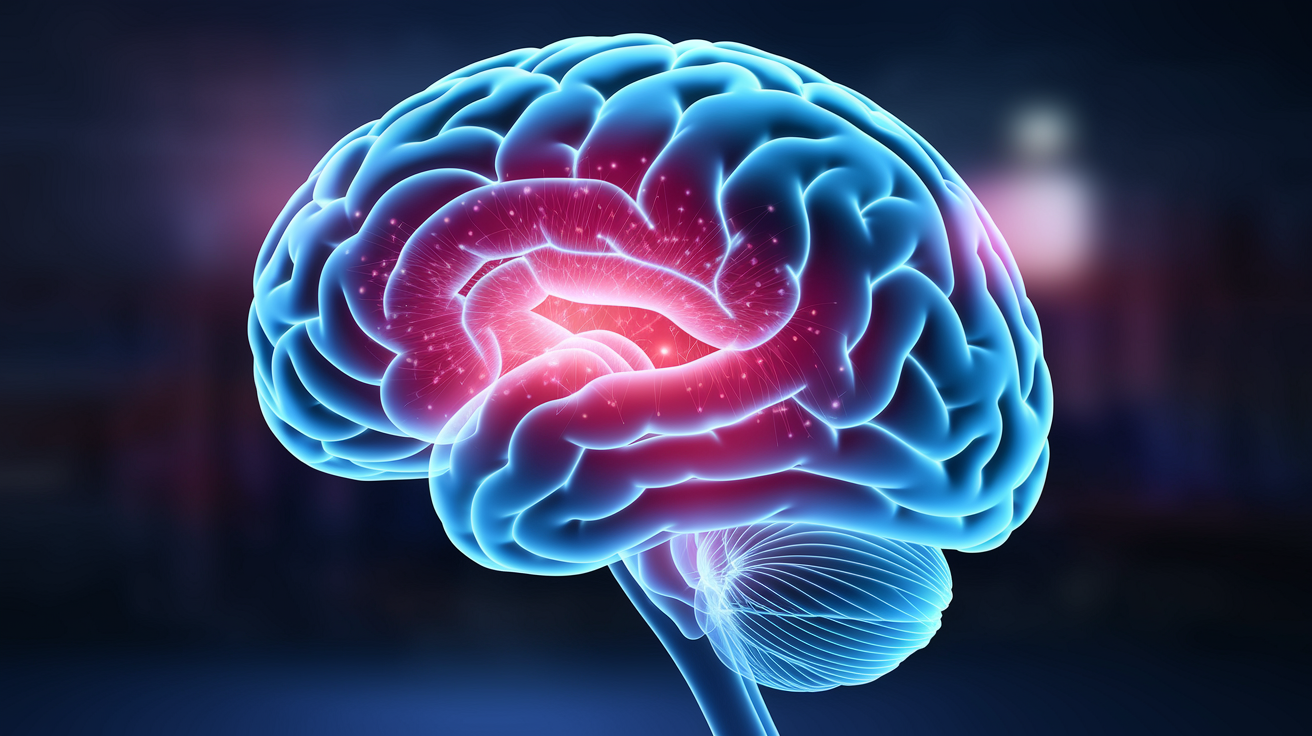
Mindfulness meditation reduces anxiety through several overlapping brain and psychological mechanisms. Functional MRI studies show that regular meditation practice decreases amygdala reactivity, the brain region responsible for threat detection and the fight-or-flight response. At the same time, mindfulness strengthens prefrontal cortex regulation, the part of the brain that helps evaluate and manage emotional reactions. This shift creates better top-down control over anxiety responses, allowing you to notice anxious feelings without automatically reacting to them.
On the psychological side, mindfulness interrupts rumination and chronic worry cycles. Instead of getting pulled into repetitive anxious thoughts about the past or future, mindfulness training teaches you to recognize thoughts as mental events passing through awareness. Research shows this skill reduces the amount of time people spend stuck in worry loops and lowers the intensity of catastrophic thinking patterns. Mindfulness also builds up emotional regulation networks by helping you stay present with uncomfortable physical sensations and feelings. Over time, this reduces the body’s stress-response activation.
Neural Regulation Pathways
Brain imaging studies reveal that 8 weeks of mindfulness practice increases connectivity between the prefrontal cortex and the amygdala, which improves your ability to evaluate threats more accurately and calm false alarms. Regular meditators show thicker gray matter in brain regions associated with emotional regulation and self-awareness. They also show decreased activity in the default mode network, the brain system linked to self-referential worry and rumination. These structural and functional changes help explain why mindfulness produces lasting anxiety reduction rather than just temporary distraction.
Anxiety Symptoms Most Improved by Mindfulness Practice
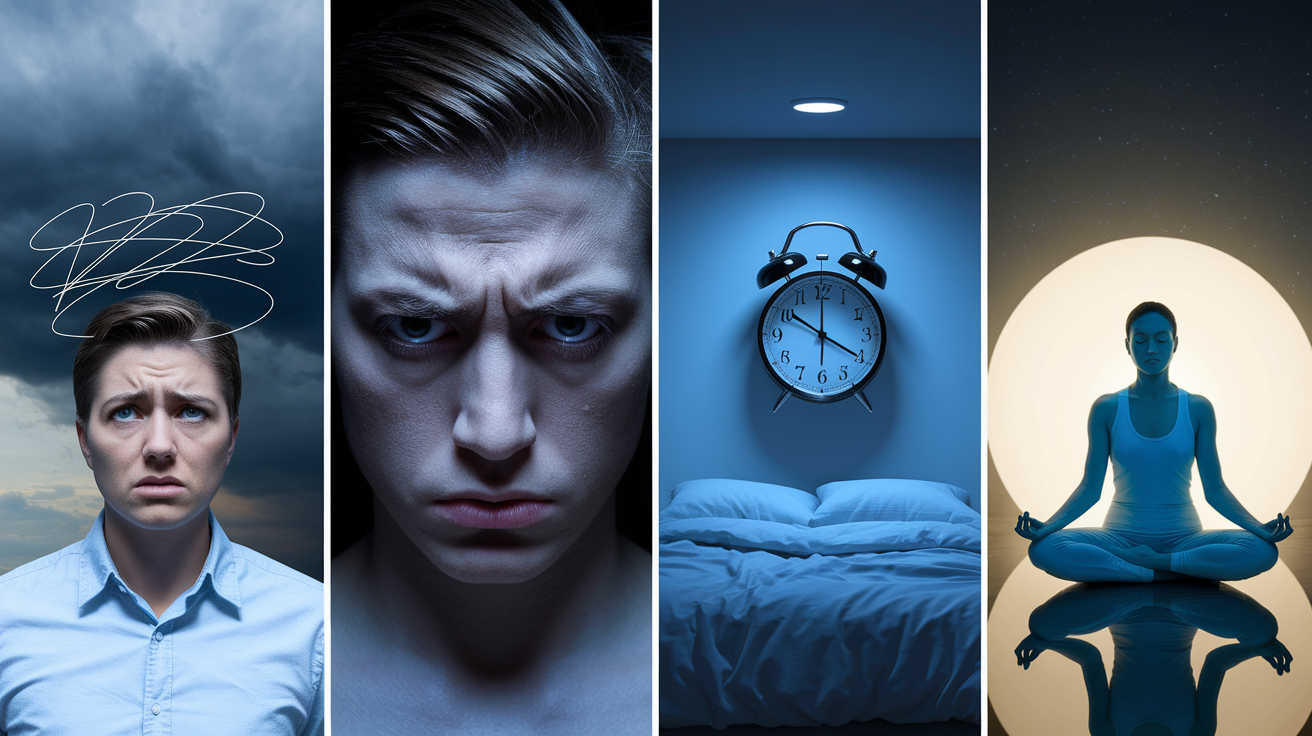
Mindfulness meditation shows the strongest and most consistent effects on excessive worry, the hallmark symptom of generalized anxiety. Multiple randomized trials report 20 to 40% reductions in subjective worry scores, with participants describing less time spent caught in anxious thought spirals and better ability to disengage from repetitive what-if thinking. This improvement appears across different anxiety diagnoses, not just generalized anxiety disorder.
Physiological tension symptoms also respond well to mindfulness training. Studies document measurable decreases in muscle tension, heart-rate variability linked to stress arousal, and the frequency of tension headaches. People often report feeling less physically tight or braced, and better able to notice and release bodily tension as it starts to build. Sleep disturbances related to anxiety improve in many trials. Participants fall asleep faster and experience fewer middle-of-the-night worry sessions that disrupt rest.
Restlessness and the feeling of being keyed up or on edge show moderate improvement in clinical trials. Mindfulness appears to help people tolerate the uncomfortable physical sensations of anxiety without needing to move, distract, or escape. The practice also reduces the intensity and frequency of intrusive anxious thoughts, though this effect varies more across individuals than the worry and tension reductions.
Specific anxiety symptoms most consistently reduced in research studies:
- Excessive worry and rumination about future events
- Physiological tension (muscle tightness, racing heart, shallow breathing)
- Sleep-onset difficulties and anxiety-related insomnia
- Restlessness and the sensation of being on edge
- Intrusive anxious thoughts and mental loops
Evidence-Based Mindfulness Practice Protocols for Reducing Anxiety
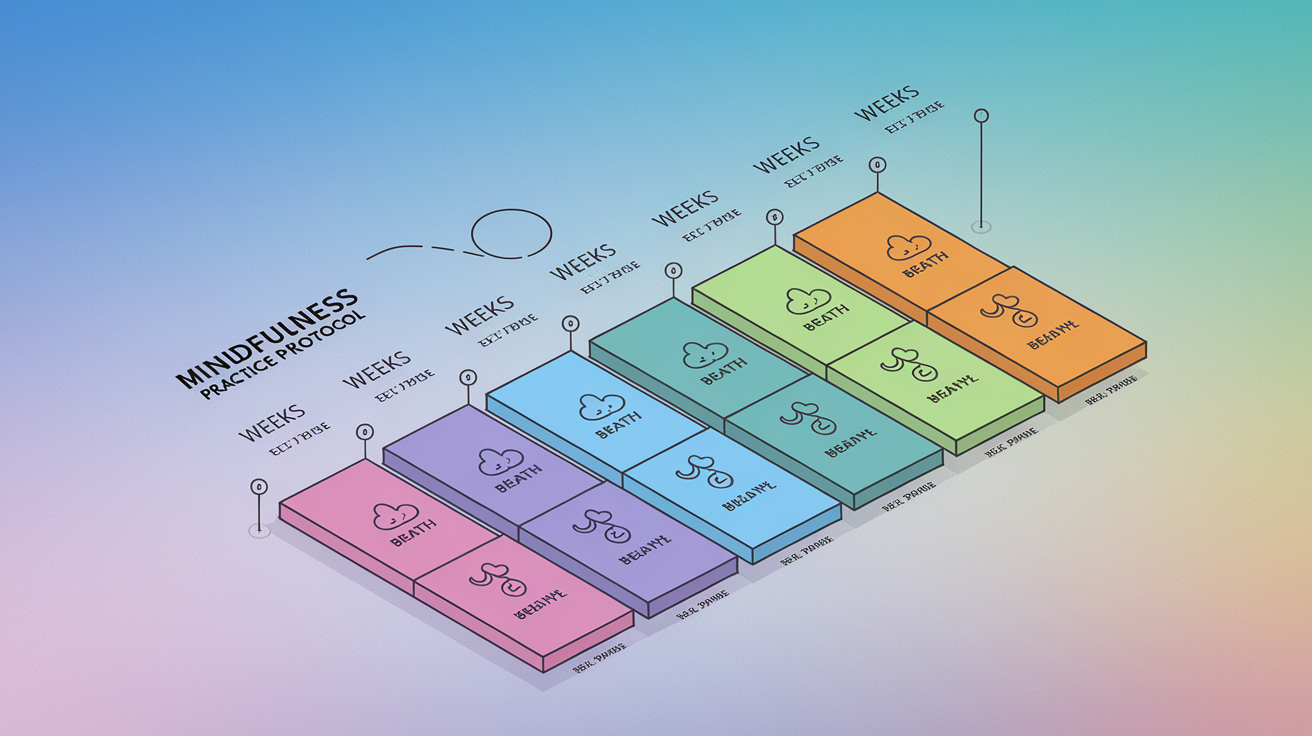
The most-researched mindfulness protocol for anxiety is the 8-week MBSR program, which includes weekly group sessions lasting 2 to 2.5 hours, one full-day retreat, and home practice assignments of 30 to 45 minutes daily. Trials using this format report the effect sizes described earlier. The daily practice typically combines breath-focused meditation, body-scan exercises, and mindful movement such as gentle yoga or walking meditation. Consistency matters more than session length in these studies. Regular 20-minute practices produce better results than occasional hour-long sessions.
MBCT (Mindfulness-Based Cognitive Therapy) follows a similar 8-week structure with slightly shorter recommended home practice of 30 to 45 minutes daily and no full-day retreat in some versions. This program was originally designed to prevent depressive relapse but also shows anxiety-reduction effects. Both MBSR and MBCT emphasize present-moment awareness, non-judgmental observation of thoughts and feelings, and acceptance of uncomfortable internal experiences rather than suppression or avoidance.
Shorter or modified protocols also produce measurable anxiety reduction, though with smaller average effect sizes. Programs lasting 4 to 6 weeks or using daily practices of 10 to 20 minutes show improvements in multiple studies, making mindfulness accessible for people who can’t commit to the full MBSR structure. App-based and online mindfulness courses deliver similar practices with greater flexibility. Several randomized trials report statistically significant anxiety reductions using these formats.
Research-supported practice elements include breath awareness as an anchor for attention, body-scan exercises to develop awareness of physical sensations, and brief informal mindfulness moments integrated into daily activities like eating, walking, or washing dishes. Studies suggest that practicing at the same time each day and in a consistent quiet location improves adherence and outcomes.
Research-supported weekly practice structure:
- Days 1 to 14: 10 to 15 minutes of daily guided breath-awareness meditation, 5 to 6 days per week
- Days 15 to 28: Increase to 20 minutes daily, add body-scan practice 3 times per week
- Days 29 to 42: 20 to 30 minutes daily formal practice, mix breath focus and body scan, begin informal mindfulness during one daily activity
- Days 43 to 56: Maintain 30 minutes daily, add mindful movement or walking meditation twice weekly, continue informal practice
- Track anxiety using GAD-7 or similar scale at baseline, week 4, and week 8
- Reassess practice plan at 8 weeks. Continue daily practice to maintain benefits and prevent symptom return.
Mindfulness Meditation Compared to Other Anxiety Treatments
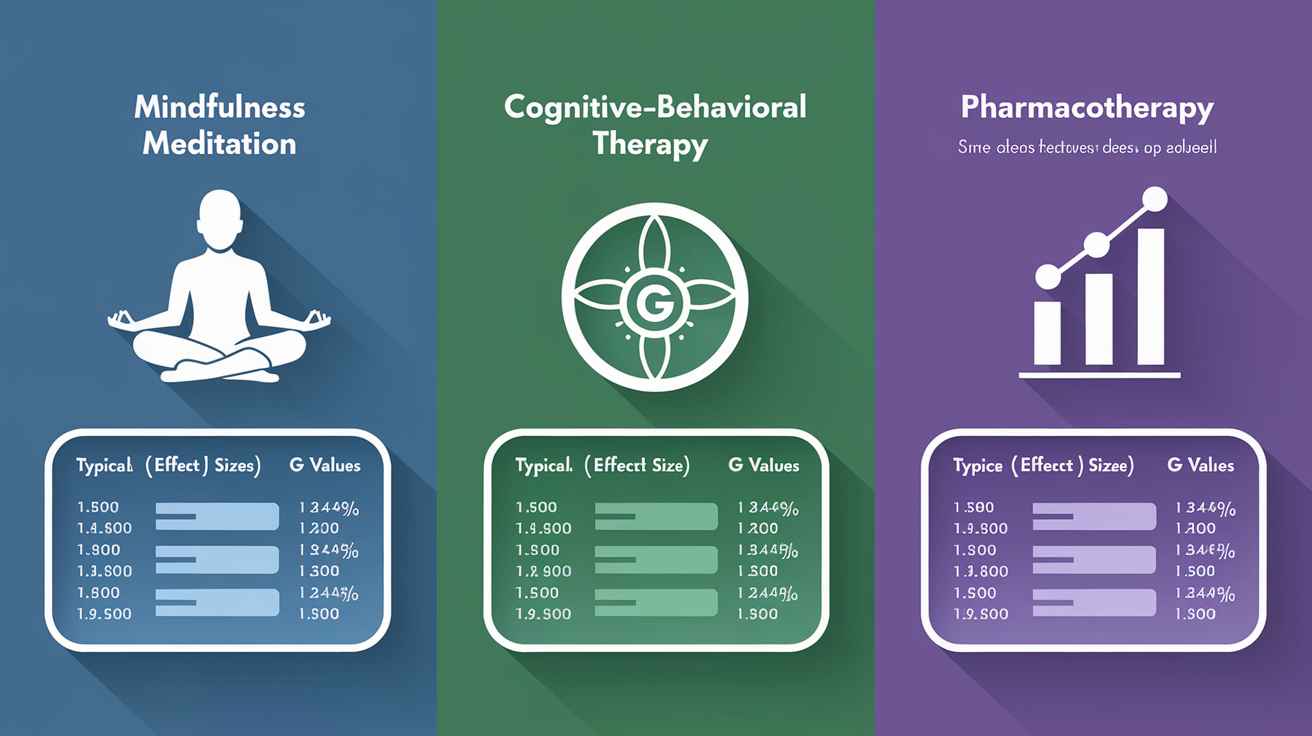
Cognitive-behavioral therapy generally produces larger short-term anxiety reductions than mindfulness in head-to-head trials, with typical CBT effect sizes around g = 0.70 or higher for specific anxiety disorders like panic disorder and social anxiety. CBT targets disorder-specific thought patterns and avoidance behaviors directly, which leads to faster symptom relief for many people. But mindfulness shows comparable long-term maintenance benefits. Several studies suggest that combining CBT with mindfulness training improves relapse prevention after initial treatment ends.
Pharmacotherapy offers the fastest acute anxiety reduction, particularly SSRIs, SNRIs, and benzodiazepines for short-term relief. Medication can suppress symptoms within days to weeks, while mindfulness typically requires 4 to 8 weeks of consistent practice before measurable improvement appears. The trade-off is that medications carry side-effect risks including sexual dysfunction, weight changes, withdrawal difficulties, and dependency concerns with benzodiazepines. Mindfulness produces low rates of adverse events, though a small minority of practitioners experience transient increases in distress or emotional discomfort.
Research suggests mindfulness works best as an add-on to evidence-based treatments for moderate to severe anxiety disorders rather than as a standalone first-line intervention. For mild anxiety or for people who prefer non-medication options, mindfulness is a reasonable primary approach. Multiple trials show that adding mindfulness to ongoing CBT or medication improves outcomes and reduces relapse rates compared with single-treatment approaches.
| Treatment | Typical Effect Size | Time to Benefits | Key Advantages |
|---|---|---|---|
| Mindfulness Meditation | g = 0.30–0.50 | 4–8 weeks | Low adverse events, supports long-term maintenance, teaches self-regulation skills |
| Cognitive-Behavioral Therapy | g = 0.70+ | 6–12 weeks | Disorder-specific targeting, strong evidence base, faster symptom reduction |
| Pharmacotherapy (SSRIs/SNRIs) | g = 0.50–0.80 | 2–6 weeks | Rapid symptom suppression, effective for moderate-severe cases, established dosing |
Practical Implementation Strategies for Daily Life

Start with a realistic practice commitment you can sustain rather than an ambitious schedule you’ll abandon. Research on habit formation shows that short daily sessions of 10 minutes build consistency better than sporadic longer practices. Pair your meditation with an existing routine, such as right after brushing your teeth in the morning or before your evening meal, to create an environmental cue that triggers the habit. Set up a specific quiet spot in your home with a chair or cushion designated for practice. This reduces decision friction and strengthens the association between that space and meditation.
Track your anxiety symptoms using a simple weekly GAD-7 score or a 0 to 10 daily anxiety rating to monitor progress objectively. Many people underestimate improvement without concrete measurements. Tracking helps you decide whether to continue, adjust, or add other treatments after 6 to 8 weeks. If you miss a practice session, restart the next day without self-criticism. Studies show this improves long-term adherence compared with all-or-nothing thinking that leads to giving up after one lapse.
Practical strategies to support daily mindfulness practice:
- Choose the same time each day for formal practice and protect that time like a medical appointment
- Use a meditation app or timer with a gentle alarm to remove the need to check the clock during sessions
- Start with guided audio meditations for the first 4 to 6 weeks, then transition to silent practice as you build confidence
- Practice informal mindfulness during one routine daily activity like showering, walking to your car, or drinking morning coffee
- Join an 8-week MBSR or MBCT group course if available in your area to increase accountability and learn proper technique
Final Words
In the action, the science shows mindfulness meditation delivers small-to-moderate anxiety reductions, with the clearest gains seen in structured 8-week programs and steady daily practice.
Key trials report effect sizes around 0.3–0.5 and 20–40% drops in worry. It seems to quiet the amygdala, strengthen prefrontal control, and cut down rumination.
If you’re asking does mindfulness meditation reduce anxiety symptoms, the evidence says it often can with regular practice — a low-risk step that may help you feel steadier.
FAQ
Q: Does mindfulness meditation reduce anxiety?
A: Mindfulness meditation reduces anxiety: meta-analyses (2014–2022) show small-to-moderate effects (g = 0.30–0.50) across studies with 500–2,000+ participants, with RCTs reporting GAD-7 score drops after 8-week MBSR programs.
Q: Which anxiety symptoms improve most with mindfulness practice?
A: The anxiety symptoms that improve most with mindfulness are excessive worry, restlessness, physical tension, and sleep problems, with several RCTs reporting 20–40% reductions in subjective worry.
Q: How does mindfulness meditation change the brain and mind to reduce anxiety?
A: Mindfulness meditation reduces amygdala reactivity, strengthens prefrontal regulation of emotion, lowers rumination and worry cycles, and enhances neural networks involved in emotional regulation and top-down control.
Q: What is an evidence-based mindfulness protocol for reducing anxiety?
A: An evidence-based protocol is an 8-week MBSR-style program with daily 30–45 minute practice, using breath-focused meditation and body scans, where consistency over intensity predicts better anxiety outcomes.
Q: How does mindfulness compare to CBT and medication for anxiety?
A: Mindfulness shows smaller short-term effects than CBT (CBT g ≈ 0.70+), is slower than medication to act, but offers comparable long-term maintenance; combining approaches can improve relapse prevention.
Q: How quickly should I expect to feel better after starting mindfulness?
A: You may notice some benefits within a few weeks, but most trials show clearer, reliable anxiety reductions after completing an 8-week program; brief daily practice speeds engagement and adherence.
Q: How can I fit mindfulness into daily life so it helps anxiety?
A: To fit mindfulness into daily life, start with 10–30 minutes a day, pair practice with an existing habit, use breath or body-scan exercises, set a cue, and track consistency for two months.
Q: When should I see a clinician instead of relying on mindfulness alone?
A: See a clinician if anxiety is severe, worsening, causing thoughts of harming yourself or others, interfering with daily function, or not improving after consistent practice and tracking. Bring your symptom notes.
Comments are closed