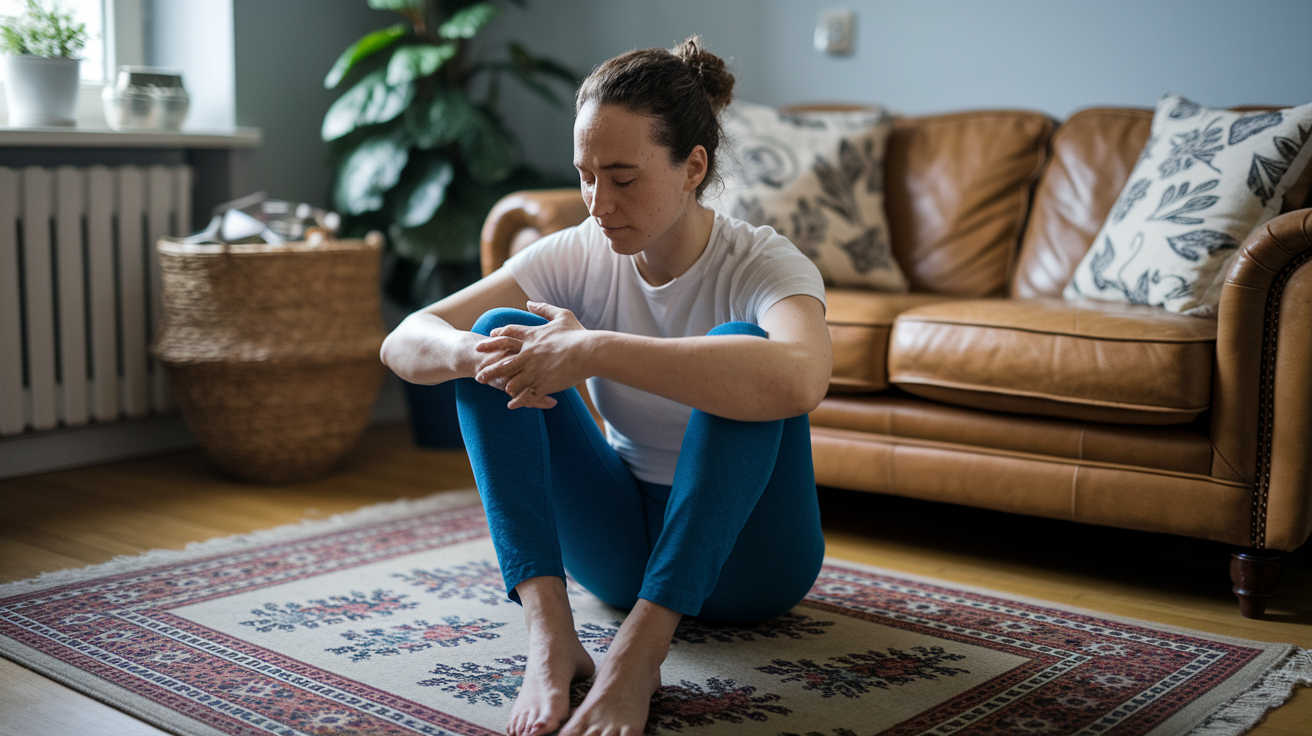
Could this be an anxiety episode right now?
If your heart’s racing, your breathing feels short, or things seem foggy and unreal, you might be in one.
This can feel scary, but it usually peaks in 10 to 20 minutes and then starts easing.
Read on to learn clear signs to watch for, simple grounding steps you can try immediately, what to track for a clinician, and when you should get checked out.
Key Indicators You May Be Experiencing an Anxiety Episode
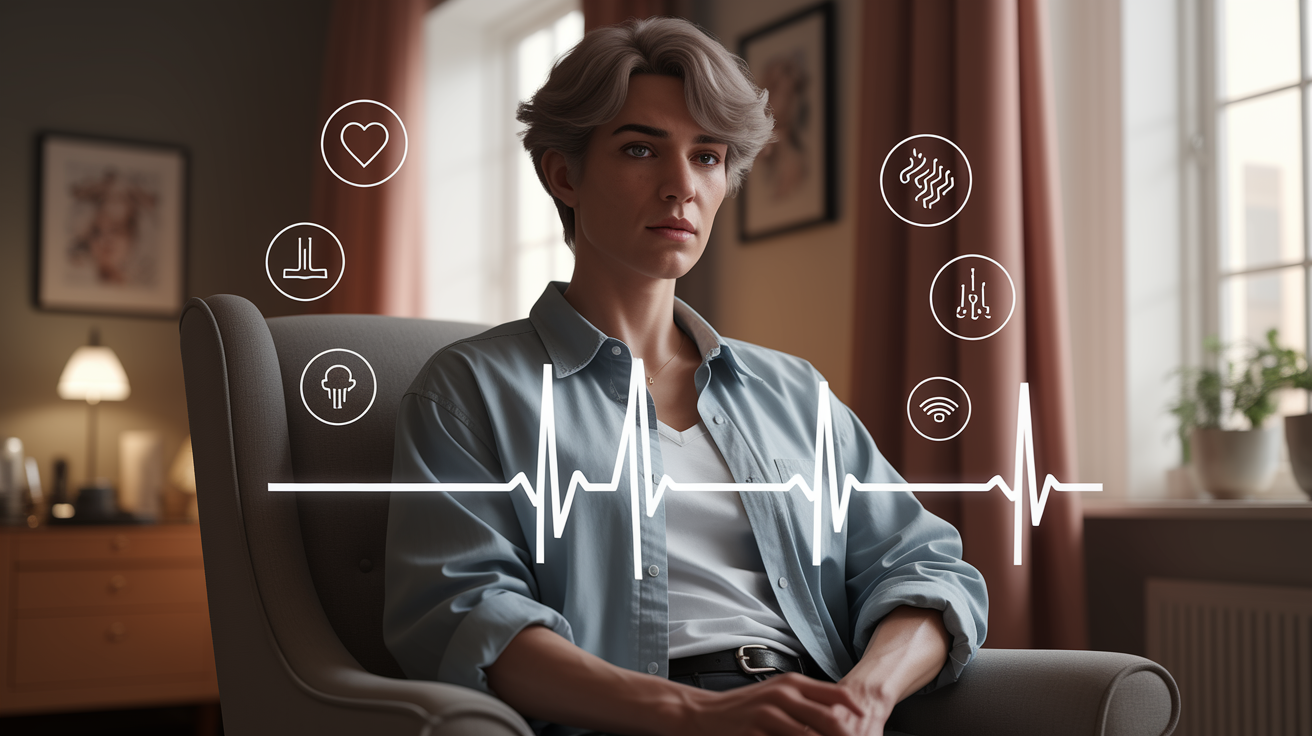
Catching the signs early helps you react faster and tone things down before they peak. Most anxiety episodes max out somewhere between 10 and 20 minutes. In the moment, it feels huge. But it’s temporary.
You might be having an anxiety episode right now if you’re noticing:
- Your heart’s pounding or racing, maybe with tightness or fluttering in your chest
- You can’t quite catch a full breath, or breathing feels shallow
- You’re dizzy, lightheaded, or just feel off balance
- Your hands, legs, or jaw are shaking or locked up tight
- You’re sweating, your hands are cold, or you’re getting hit with waves of heat or chills
- Your stomach’s flipping or there’s that sinking feeling in your gut
- Things around you feel foggy, distant, or not quite real
- There’s this sharp fear or dread that doesn’t match what’s actually happening
- Your mind won’t stop spinning through “what if” scenarios
- You can’t focus on anything except how bad you feel
- You’re scared you’re losing it, or that something awful’s about to go down
- You need to move, leave, do something
Physical stuff usually shows up first. Then your brain kicks in trying to figure out why your body’s freaking out. The whole thing typically peaks around 10 minutes in, then starts backing off. Some people feel wiped or shaky afterward. Knowing that pattern can stop you from piling worry about the duration on top of everything else.
Quick Grounding Techniques to Steady Yourself
Grounding pulls you out of the thought spiral and back into what’s actually happening right now. It works by giving your nervous system something concrete to do instead of spinning.
Five things you can try immediately:
- Slow it down. Breathe in through your nose for 4, hold for 2, out through your mouth for 6. Do that for at least a minute.
- 5-4-3-2-1. Name 5 things you see, 4 you can touch, 3 you hear, 2 you smell, 1 you taste. Out loud works better.
- Let go of the tension. Drop your shoulders. Unclench your jaw. Relax your fists. Scan for tight spots and soften them on purpose.
- Move a little. Stand, stretch, walk a few steps, shake out your hands. Just discharge some of that energy.
- Name it. Say “This is anxiety. It’s going to pass. I’m safe.” Calling it what it is takes some of the punch out.
Start with breathing if your heart’s going wild or you feel breathless. Try 5-4-3-2-1 if your thoughts won’t stop or you feel detached. Muscle release helps when your shoulders or neck are locked. Movement works when you’re restless or wired. The reassurance statement? Use it anytime, especially if fear’s running the show.
Distinguishing Anxiety Episodes From Other Conditions
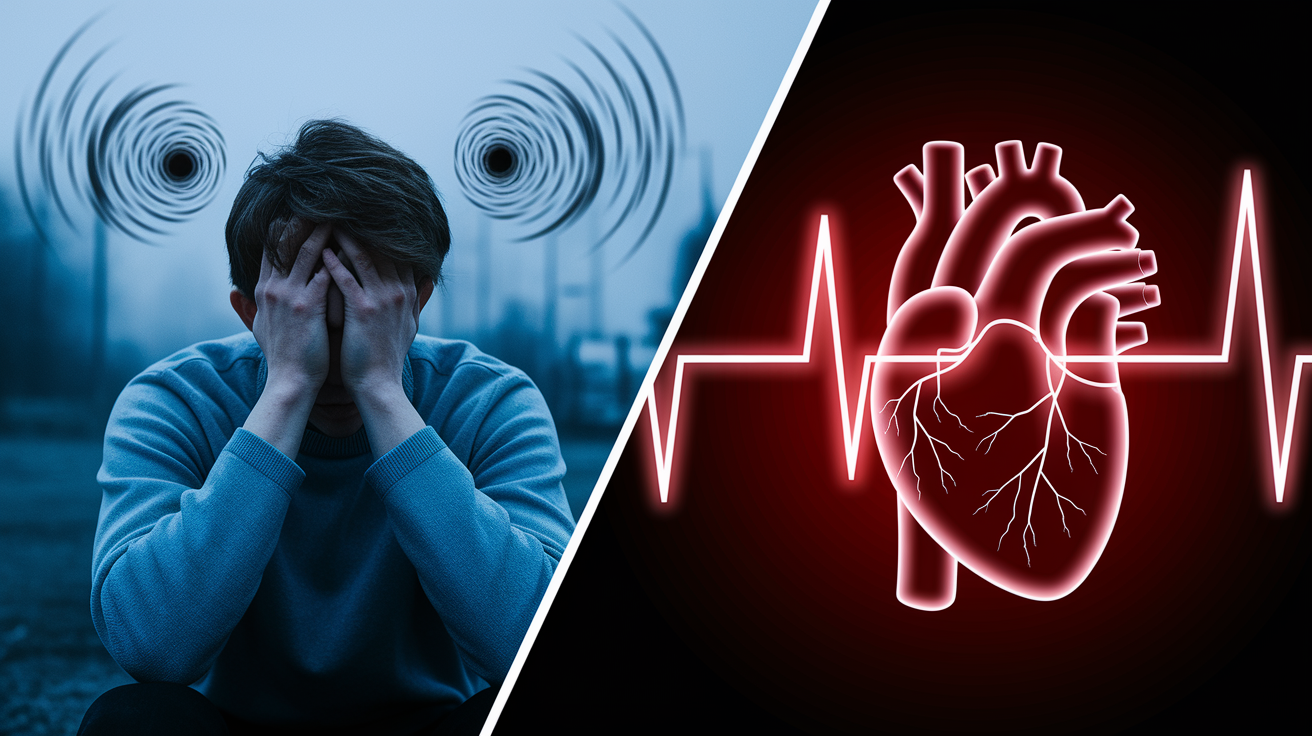
Anxiety episodes and panic attacks overlap, but panic hits harder and faster. Panic usually peaks within minutes and comes with this sense of immediate danger, even when nothing’s wrong. Anxiety tends to build more slowly and often connects to something you’re worried about. Panic can feel like it came out of nowhere. Both suck, but knowing which one you’re dealing with helps you pick the right response and explain it clearly if you end up talking to a doctor.
How anxiety chest stuff differs from heart problems:
- Heart pain usually feels heavy, squeezing, or shoots to your arm, jaw, or back. Anxiety chest pain tends to be sharp, tight, or fluttery.
- Cardiac symptoms get worse with effort and ease up when you rest. Anxiety can spike when you’re sitting still or just thinking.
- Anxiety symptoms shift with your thoughts and often respond to grounding. Heart issues stay steady or get worse.
- Anxiety comes with racing thoughts, fear of losing control, or that unreal feeling. Heart events don’t.
- Heart problems might show up as jaw pain, weird fatigue, or nausea during exertion. Anxiety doesn’t usually do that.
- Anxiety eases once the episode fades. Heart stuff sticks around or worsens until you get treatment.
If you’re not sure, or if this feels different from your usual pattern, especially if you’ve got heart risk factors or the chest pain’s severe and won’t respond to calming down, get it checked. Don’t sit there wondering.
When an Anxiety Episode Requires Professional Support

If episodes keep happening, last longer, or start controlling what you do and don’t do, that’s your signal. Occasional anxiety is just life. But when it starts messing with work, relationships, sleep, or how safe you feel, getting help makes a real difference.
Reach out if:
- Episodes are frequent, random, or happen without a clear reason
- You’re dodging places, people, or activities because you’re afraid of another episode
- Anxiety’s cutting into your ability to work, go to school, or keep up relationships
- Symptoms won’t let up, even between episodes, or they’re just exhausting
- You’re constantly worrying about when the next one’s coming
- Anxiety’s mixing with depression, substance use, or thoughts of hurting yourself
A primary care doctor can check your symptoms, rule out medical stuff, and send you to a mental health pro if you need it. Psychologists and psychiatrists specialize in this and offer things like cognitive behavioral therapy or medication. Most people improve with a mix of therapy and self-care. About 60% of people treated for anxiety disorders see major symptom reduction. Getting evaluated early gives you more options and keeps anxiety from shrinking your world.
Helpful Resources and Support Options
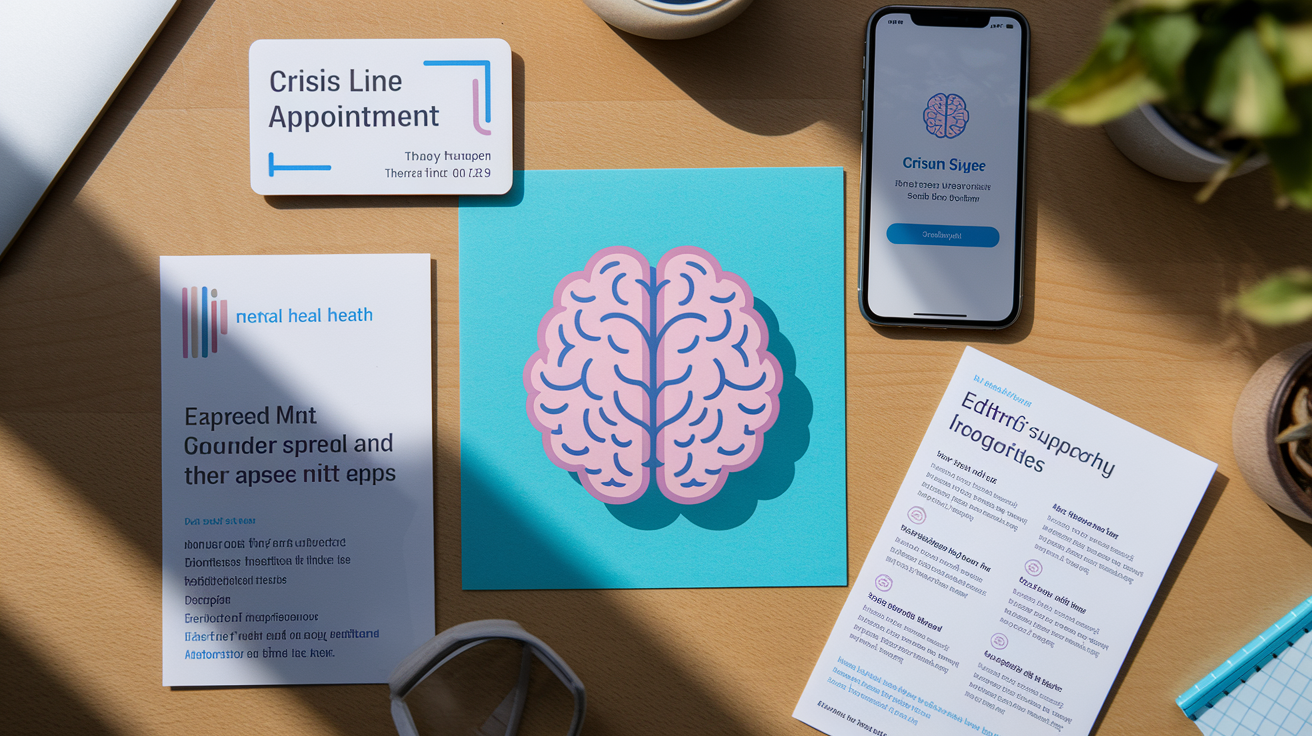
You don’t have to white-knuckle this alone. There are tools, people, and services that can give you structure and backup while you figure out how to dial things down.
Types of resources worth considering:
- Crisis lines for immediate, confidential help when you’re overwhelmed or scared
- Therapy like in-person or virtual counseling, cognitive behavioral therapy, or more intensive programs if things are severe
- Apps and tracking tools that let you log symptoms, spot patterns, and practice grounding or breathing
- Support groups where you can connect with people who get it and swap strategies
If episodes are rare and manageable, a tracking app or self-help workbook might be enough to start. For more persistent stuff, booking time with a therapist or psychiatrist makes sense. And if an episode feels totally unmanageable or you’re in crisis, call a helpline or get emergency help. Don’t wait.
Final Words
When your heart races and you feel dizzy, this post laid out the main physical and mental signs to watch for and offered quick grounding steps you can use right away.
We also covered how to tell anxiety from other conditions, when symptoms suggest reaching out for help, and simple resources to try next.
If you’re tracking signs you are having an anxiety episode, note timing, triggers, severity, and what helps so you can share it with a clinician. You can learn to manage these moments and get the right support.
FAQ
Q: What is an anxiety attack like?
A: An anxiety attack feels like a sudden rush of intense fear with a fast heartbeat, shortness of breath, chest tightness, trembling, dizziness, and a strong sense of dread or unreality.
Q: Does anxiety make you feel like you’re going crazy?
A: Anxiety can make you feel like you’re going crazy by causing intense fear, loss of control, racing thoughts, and feelings of unreality, but these sensations are common, temporary, and often respond to grounding.
Q: How long does an anxiety attack last?
A: An anxiety attack usually peaks in 10 to 20 minutes. Most people feel the worst for 20 to 30 minutes, though leftover anxiety can last hours and varies between people.
Q: How do you treat anxiety attacks?
A: Anxiety attacks are treated with quick grounding and breathing, sitting and sipping water, muscle relaxation, and avoiding triggers; longer-term options include therapy, sleep and caffeine changes, and sometimes medication with clinician guidance.
Comments are closed