
Can your stomach feel like a balloon right after eating?
This can feel scary, and you’re not imagining it.
There are simple, low-risk tricks that often ease bloating in minutes, like moving gently, certain body positions, warm sips, and a brief breathing practice.
In this post you’ll get fast, practical steps to try right away, what to watch for, and a short tracking plan to bring to an appointment if it keeps returning.
Okay, here’s the helpful, quick version.
Quickest Ways to Relieve Bloating Right Now (Within Minutes)
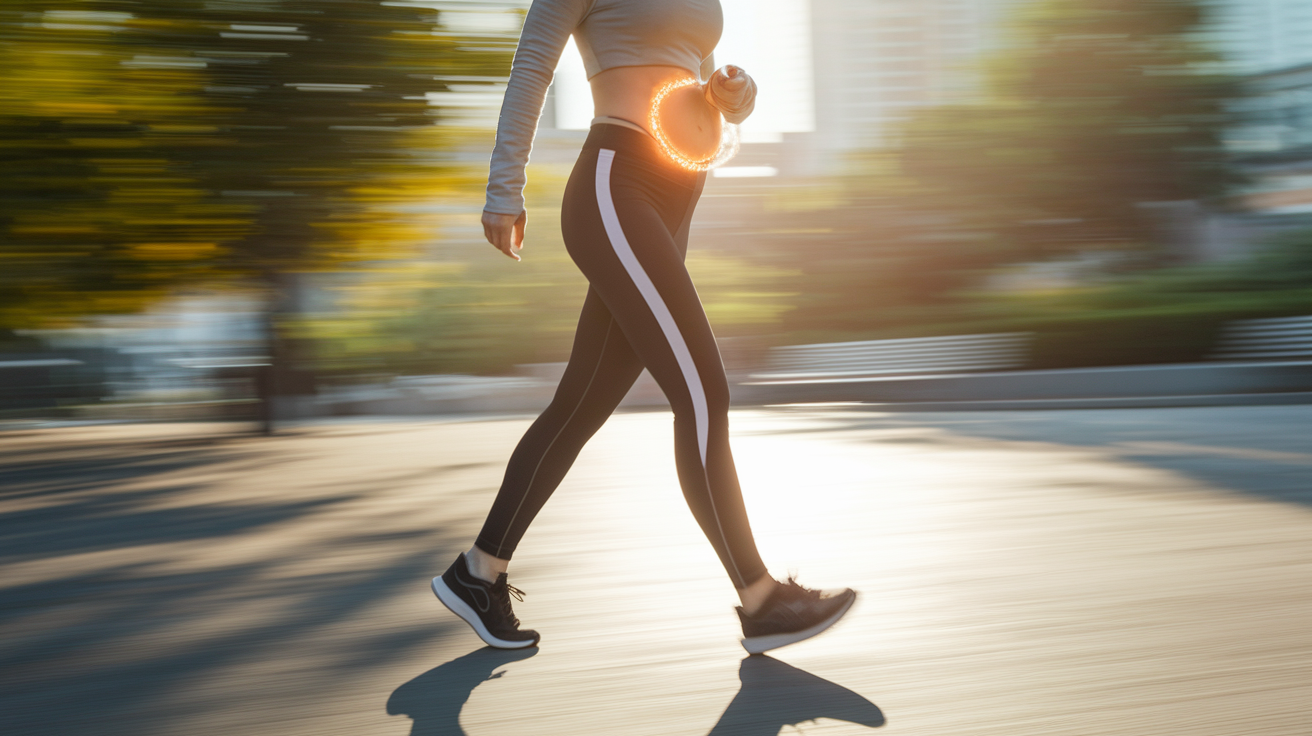
Bloating right after eating happens when gas builds up in your digestive tract or when food moves slower than it should. Sometimes your stomach just stretches from how much you ate, and sometimes air you swallowed gets stuck. That tight, full feeling? It’s your body telling you there’s pressure in your gut, and if you’re like most people, you want it gone.
Moving your body helps gas actually move instead of sitting there making you miserable. When you walk or stretch, you’re nudging your digestive system along. The motion gets your intestinal muscles contracting the way they’re supposed to, pushing those gas pockets toward an exit. Even 10 minutes can make you feel lighter.
Body positions matter too. Gravity and basic anatomy affect how fast gas can escape. Lying on your left side lines up your stomach and colon so gas can move out easier. Certain stretches open space in your belly and relax the muscles around your intestines, which helps release trapped air.
Here are six things you can try right now:
Walking 10 to 15 minutes. A brisk pace works. You’re trying to get your intestines moving so gas can pass.
Knee to chest stretch. Lie flat, pull one knee up, hold it for a minute, then switch. This compresses your colon gently and can release what’s stuck.
Cat cow stretch. Get on your hands and knees, then arch and round your spine slowly for 10 or 15 cycles. It massages your organs and relaxes things.
Left side lying for 5 minutes. Just rest there. Gravity does the work.
Gentle belly massage. Use your fingertips to make slow circles on your stomach, going clockwise. Follow where your colon actually sits. Do this for a minute or two.
Warm water, sipped slowly. About 150 to 200 mL. Not hot, just warm. It relaxes your digestive tract without adding bubbles or sugar.
Effective Home Remedies and Over the Counter Options
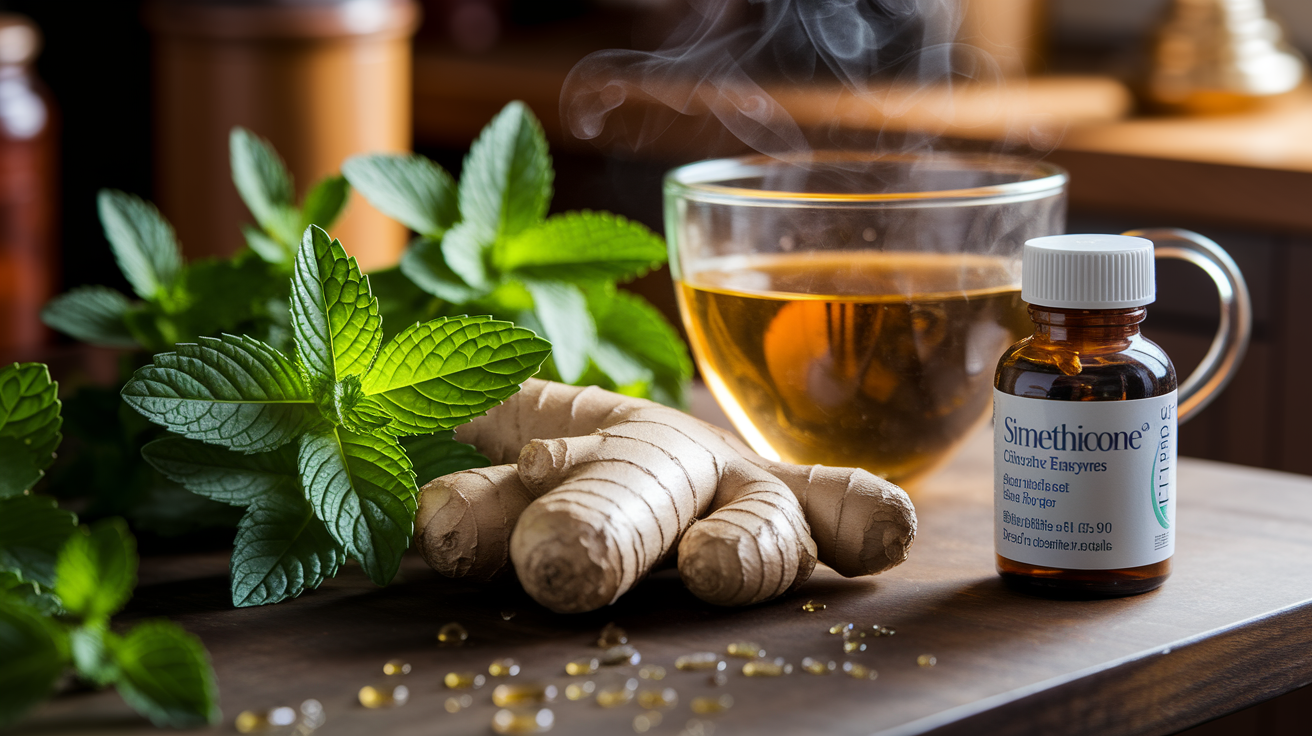
Peppermint and ginger work because they relax muscles in your digestive tract or speed up how fast your stomach empties. Peppermint has menthol, which acts like a mild antispasmodic on your intestines. Less cramping, easier gas movement. Ginger has gingerols that get your stomach moving, so food and gas don’t just sit there. Steep a cup of either tea for 5 to 10 minutes and you’ll probably feel better in 15 to 30 minutes.
Over the counter stuff like simethicone (Gas-X, for example) and digestive enzymes help when bloating comes from gas bubbles or foods you can’t break down completely. Simethicone splits big gas pockets into smaller ones that pass easier, usually in 30 to 60 minutes. Digestive enzymes like lactase for dairy or alpha-galactosidase for beans help your body deal with tricky carbs before they ferment and make gas. Take them right before or during a meal for best results.
Be careful with peppermint if you get acid reflux. It can relax the valve between your stomach and esophagus and make heartburn worse. Skip ginger in large amounts if you’re on blood thinners. And if you’re pregnant, breastfeeding, or on other meds, check with someone who knows your health before adding supplements or herbs.
Here’s what works and how:
Peppermint tea, 1 cup steeped 5 to 10 minutes. Relaxes your intestines. You’ll feel it in 15 to 30 minutes. Don’t use it if reflux is an issue.
Ginger tea, 1 cup with fresh ginger, steeped 5 to 10 minutes. Speeds up your stomach. Relief in 20 to 45 minutes. Watch it if you’re on anticoagulants.
Simethicone, 40 mg tablets, 1 or 2 after meals. Breaks up gas bubbles. Works in 30 to 60 minutes. Follow what the package says.
Digestive enzyme supplements like lactase or alpha-galactosidase. Take before eating. Stops gas from forming in the first place. Match them to whatever foods trigger you.
Fennel tea, 1 cup steeped 5 to 10 minutes. May cut down on gas production and calm your gut. Gentle, not many side effects.
Breathing Techniques and Relaxation Methods to Ease Digestive Pressure
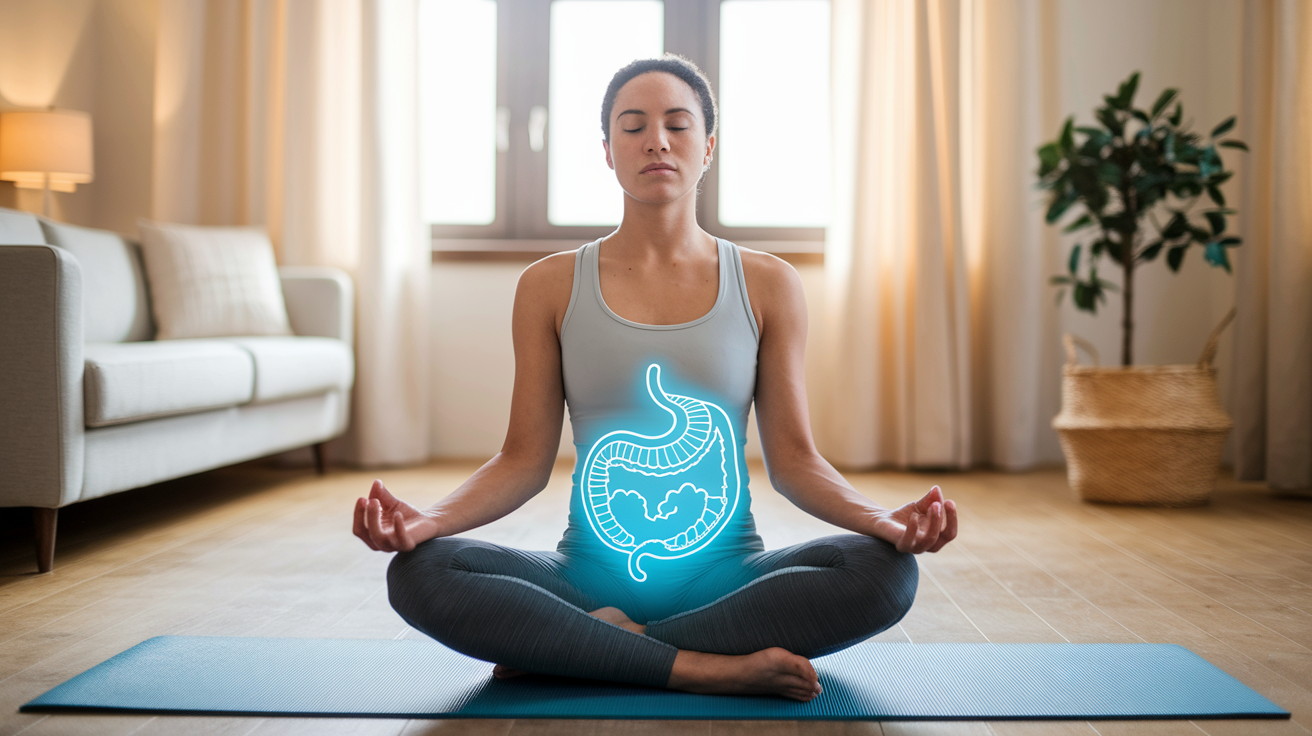
Stress slows everything down by switching on your sympathetic nervous system, the fight or flight part. When you’re tense or eating too fast, your body pulls energy away from your gut. Food and gas just sit there. Bloating builds. Shallow breathing when you’re stressed or distracted makes you swallow more air without noticing, which adds to that stretched out feeling.
Deep, slow breathing flips you into parasympathetic mode. That’s rest and digest. Diaphragmatic breathing, where you breathe into your belly instead of your chest, wakes up the vagus nerve and gets your intestines contracting smoothly again. It also loosens up your abdominal muscles, giving your organs room to work and let gas out.
Step by Step Diaphragmatic Breathing
Step 1: Sit or lie down somewhere comfortable. Put one hand on your chest, the other on your belly.
Step 2: Breathe in slowly through your nose for four counts. Let your belly rise. Your chest should stay mostly still.
Step 3: Hold for two counts.
Step 4: Breathe out slowly through your mouth for six counts. Feel your belly drop.
Repeat for a minute or two. You should notice your stomach softening and that tight feeling easing up.
Eating Habits and Food Choices That Prevent Post Meal Bloating
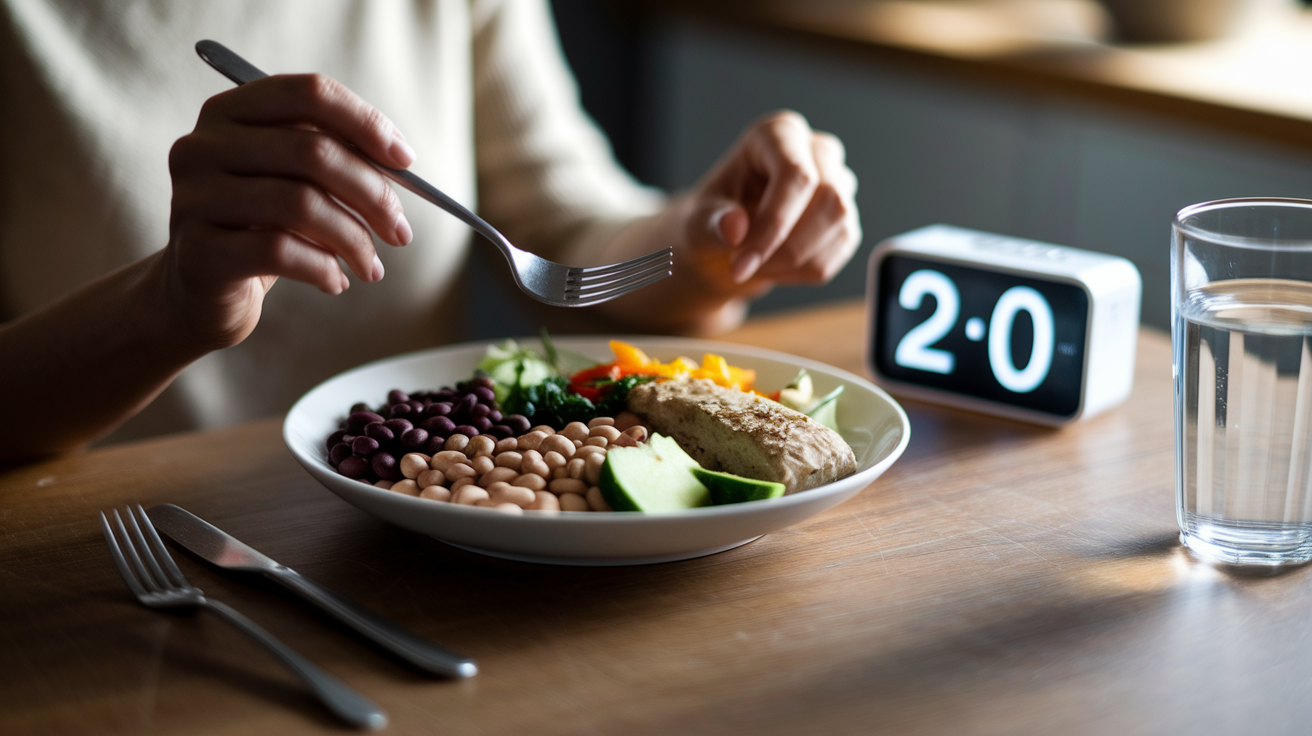
How fast you eat changes how much air you swallow. When you rush or talk while chewing, you gulp down extra air with your food. That air either comes back up or heads into your intestines as bloating. Chew each bite 20 to 30 times and take at least 20 minutes to finish. Your body gets time to register fullness and you trap less air.
Certain foods make gas because they’ve got carbohydrates your small intestine can’t fully break down. They go to your colon where bacteria ferment them and release gas. Beans, lentils, onions, garlic, broccoli, cabbage, Brussels sprouts, apples. These are the usual suspects. Carbonated drinks dump carbon dioxide straight into your stomach, which either burps back out or moves into your intestines and builds pressure. Sugar alcohols like sorbitol and xylitol in sugar free gum and candy don’t get absorbed well and ferment in your colon too.
Hydration and sodium matter because too much salt makes your body hang onto water. You feel puffy and tight, especially around your stomach. Drink about 1.5 to 2 liters a day to keep digestion moving and avoid constipation, which causes a lot of bloating. Warm water or herbal tea after meals can be easier on you than cold drinks, which might slow your stomach down.
| Food/Behavior | Effect on Bloating | Suggested Adjustment |
|---|---|---|
| Eating too quickly | Swallowing excess air increases gas in the stomach and intestines | Chew 20 to 30 times per bite; take at least 20 minutes per meal |
| Carbonated beverages | Introduce CO₂ gas directly into the digestive tract | Switch to still water, herbal tea, or diluted juice |
| High fiber foods (beans, whole grains) | Fermentation by gut bacteria produces gas | Introduce fiber slowly over 2 to 4 weeks; soak beans before cooking |
| High sodium meals | Water retention adds abdominal fullness and puffiness | Limit processed foods; aim for under 2,300 mg sodium per day |
| Dairy (if lactose intolerant) | Undigested lactose ferments in the colon, producing gas and bloating | Try lactose free dairy or plant based alternatives; consider lactase enzyme |
When Bloating After Eating Signals a More Serious Issue

Occasional bloating after a big meal or something gassy is normal and usually goes away in a few hours. Chronic bloating is different. That’s when you feel bloated most days, or when it happens even with small, plain meals and nothing you try helps. If it’s showing up more than once a week for several weeks, or getting worse over time, that’s a pattern you should talk to someone about.
Persistent bloating can connect to things like irritable bowel syndrome, small intestinal bacterial overgrowth, lactose intolerance, celiac disease, or gastroparesis (when your stomach empties too slowly). These mess with how your body digests food or how bacteria interact with carbs you can’t digest. A medical workup might include a lactose hydrogen breath test, celiac blood work, imaging, or endoscopy to figure out what’s going on and how to treat it.
Watch for these and get medical care if you notice:
Severe abdominal pain that doesn’t ease when you move, change position, or take something over the counter. Especially if it’s sharp or getting worse.
Unintentional weight loss. More than 5% of your body weight over six months without trying to lose anything.
Repeated vomiting lasting more than 24 hours. This might mean something’s blocked or your motility’s seriously off.
Bloody stools or black, tarry stools. Could be bleeding somewhere in your digestive tract.
Fever above 101°F (38.3°C) along with bloating and belly pain. Might point to infection or inflammation.
Final Words
Start with the quickest fixes: walk 10–15 minutes, try knee‑to‑chest or cat‑cow stretches, lie on your left side, and sip warm water. These can ease pressure within minutes.
If it lasts, try herbal options or an OTC like simethicone and use diaphragmatic breathing. Track meals, foods, pace, and other symptoms so you can spot patterns and know when to see a clinician.
If you want a simple plan for how to relieve bloating after eating, combine the quick moves, breathing, and one safe remedy, then tweak your eating habits. Small changes often help.
FAQ
Q: What reduces bloating immediately and how do I quickly debloat after a meal?
A: Reducing bloating immediately involves gentle movement and simple comfort measures. Try a 10–15 minute walk, warm water sips, gentle abdominal massage or a knee‑to‑chest stretch; OTC simethicone may help within minutes.
Q: How do I stop bloating after everything I eat?
A: Stopping bloating after every meal starts with tracking patterns, slowing your eating, reducing carbonated drinks and common high‑FODMAP triggers, trying digestive enzymes if helpful, and checking with a clinician about intolerances or IBS.
Q: What drink removes gas from the stomach?
A: A drink that helps remove stomach gas is warm peppermint or ginger tea; warm water sips can relax digestion. Avoid carbonated beverages, which usually add more gas.
Comments are closed