
Caffeine can feel like a shortcut, but for people with chronic fatigue it often makes mornings worse.
If you wake up heavy, foggy, or wired-tired, you’re not imagining it.
This short guide offers clear, gentle morning steps that raise alertness without stimulants: quick light exposure, targeted hydration, 3 to 5 minutes of very gentle movement, calming breath work, and a small, protein-rich bite.
You’ll get exact things to try in the first 30 minutes, simple tracking prompts to bring to your clinician, and safety notes so you don’t overdo it.
Immediate Morning Actions to Boost Energy Without Caffeine

Caffeine blocks adenosine receptors and dumps adrenaline into your system. That’s why you feel alert. But it’s a trick, not a fix. It doesn’t touch the actual fatigue or energy production issues underneath, especially if you’re dealing with chronic fatigue syndrome, fibromyalgia, autoimmune disease, or sleep disorders. And it can make things worse. You stress an already overstimulated nervous system, wreck fragile sleep, and crash hard in the afternoon. Then the cycle deepens.
Better to work with your body instead of forcing it awake.
Here’s what to do in your first 30 minutes:
Open curtains or step outside within 5 minutes of waking. Natural light tells your brain it’s daytime. It starts regulating your circadian rhythm. Even if it’s cloudy, aim for 5 to 10 minutes of exposure.
Drink 8 to 12 ounces of water within 10 minutes. You’re mildly dehydrated from sleeping. That’s part of why you’re groggy. Plain water works. Or add a pinch of sea salt and a squeeze of lemon for electrolytes.
Do 3 to 5 minutes of slow, gentle stretching or joint mobility. Move your neck, shoulders, wrists, hips, ankles. You’re just increasing blood flow and oxygen without triggering post-exertional malaise.
Practice slow, deep breathing for 2 minutes. Inhale through your nose for 4 counts, exhale through your mouth for 6. This activates your parasympathetic nervous system and dials down morning anxiety.
Eat a small, protein-rich breakfast within 30 to 60 minutes. Pair protein with a complex carb to keep blood sugar steady. Examples: eggs with whole grain toast, Greek yogurt with berries, smoothie with protein powder and oats.
Pace your next activity block. Do one light task (getting dressed, tidying a surface), then rest while seated. This keeps you from burning through your energy before the day even starts.
This sequence supports your body’s natural wake up process. Light boosts cortisol at the right time, hydration restores what you lost overnight, and gentle movement improves circulation without draining you. You start the day within your energy envelope instead of blowing past it.
Hydration Strategies for Sustained Morning Energy

Losing just 1 to 2% of your body water makes fatigue worse, slows your brain, and makes simple tasks feel harder. You lose fluid overnight through breathing and skin. If you’ve got chronic fatigue, you’re probably already behind when you wake up.
When you’re dehydrated, blood volume drops a little. Your heart works harder to deliver oxygen and nutrients. That registers as tiredness and brain fog.
Chronic fatigue can mess with your autonomic nervous system, making it harder to regulate blood pressure and fluid balance. Starting the day with intentional hydration supports circulation, helps prevent dizziness when you stand, and primes your digestive system to absorb nutrients from breakfast.
Electrolyte options that are safe for chronic fatigue:
Plain water with a pinch of sea salt and lemon juice. You get sodium, a bit of potassium, and some vitamin C.
Coconut water. Naturally rich in potassium and magnesium. Go for unsweetened.
Electrolyte powder or tablets. Look for low sugar or sugar free options with sodium, potassium, and magnesium. Avoid anything with stimulants.
Herbal tea with a pinch of sea salt. Warm fluids can be easier in the morning. Ginger or peppermint tea with a tiny amount of salt helps hydration and digestion.
Drink your first 8 to 12 ounces within 10 to 15 minutes of waking, before breakfast. Room temperature or slightly warm fluids are easier on your stomach than ice cold water, especially if you deal with reflux or sensitivity. Aim for 2 to 4 cups by mid-morning, working toward daily targets of about 9 cups for women and 13 cups for men. Adjust for your needs and activity level.
Gentle Movement Techniques to Increase Circulation

Movement doesn’t mean exercise. For people with chronic fatigue, the goal in the morning is gentle activation. Just enough to increase blood flow and oxygen without crossing into overexertion or post-exertional malaise.
When you’ve been lying down for hours, blood pools and circulation slows. Gentle joint mobility and stretching help redistribute that blood, wake up your muscles and connective tissue, and signal to your nervous system that it’s time to shift from sleep mode to light activity. Slow, controlled movement also promotes deeper breathing, which increases oxygen and can reduce morning stiffness or achiness.
A 5 minute gentle mobility routine:
Neck rolls. Sit or stand comfortably. Slowly roll your head in a half circle from shoulder to shoulder, then reverse. Do 3 to 5 rolls each direction.
Shoulder shrugs and circles. Lift your shoulders toward your ears, hold for a breath, then release. Roll your shoulders backward in slow circles 5 times, then forward 5 times.
Seated or standing side bends. Reach one arm overhead and gently lean to the opposite side. Feel a stretch along your ribs and waist. Hold for 2 to 3 breaths, then switch sides. Repeat twice per side.
Ankle circles and calf raises. Lift one foot slightly off the ground and rotate your ankle slowly in circles, 5 times each direction. If standing, do a few slow calf raises (lifting your heels off the ground) to engage your lower legs and improve venous return from your feet.
This kind of movement increases circulation without spiking your heart rate or depleting energy stores. Better circulation means more oxygen and glucose reach your brain and muscles. That translates to improved alertness and less of that heavy, sluggish feeling. It also helps prevent dizziness when standing by encouraging blood flow back toward your heart and head.
Keep the pace slow, stay within a comfortable range of motion, and stop if you feel lightheaded or more tired.
Light Exposure and Circadian Support

Bright light exposure within the first 30 minutes of waking is one of the most evidence backed, non pharmaceutical ways to improve morning alertness and support your circadian rhythm. Light, especially blue spectrum light from sunlight, signals your brain’s internal clock to suppress melatonin and trigger a gentle rise in cortisol. That’s the hormone that helps you feel awake and ready to engage. For people with chronic fatigue, whose circadian rhythms and cortisol patterns are often disrupted, this morning light cue can help stabilize the wake-sleep cycle over time.
Aim for 5 to 10 minutes of natural sunlight as soon as possible after waking. Step outside, stand near an open window, or sit on a porch. You don’t need direct sunlight on your skin. The light entering your eyes is what matters. Even on overcast days, outdoor light is significantly brighter than indoor lighting and provides enough intensity to trigger the circadian response.
If you live somewhere with limited morning daylight or have mobility constraints, a 10,000 lux light therapy box used for about 20 to 30 minutes at your breakfast table can work as an indoor alternative. Position the light box at eye level, about 16 to 24 inches away, and let the light reach your eyes indirectly. You don’t need to stare at it. Light therapy is commonly used for seasonal affective disorder but also helps regulate sleep-wake cycles in chronic fatigue and other conditions involving circadian dysfunction.
Safety notes: if you have a history of bipolar disorder or macular degeneration, or if you take medications that increase light sensitivity (certain antibiotics, some psychiatric medications), consult your healthcare provider before starting light therapy. Avoid light therapy late in the day, as it can interfere with nighttime sleep. And don’t replace light exposure with screen time. Phone and computer screens don’t provide the intensity or spectrum needed for circadian regulation, and early morning screen use can increase mental stimulation and stress rather than calm, grounded wakefulness.
Targeted Nutrition Timing for Morning Stability

Eating a small, balanced breakfast within 30 to 60 minutes of waking helps stabilize blood sugar, provides fuel for your brain and muscles, and prevents the mid-morning energy dip that can worsen chronic fatigue. Skipping breakfast or waiting too long to eat can lead to low blood glucose, which your body experiences as fatigue, difficulty concentrating, shakiness, or irritability.
Protein is especially important. It slows the absorption of carbohydrates, reduces blood sugar spikes and crashes, and provides amino acids needed for neurotransmitter production (like dopamine and serotonin, which support mood and motivation). Pairing protein with complex carbohydrates gives you steady energy without the sharp rise and fall you get from sugary or refined carb breakfasts.
Five nutrient combinations that support morning energy in chronic fatigue:
Scrambled eggs with whole grain toast and avocado. Provides protein, healthy fats, fiber, and B vitamins.
Greek yogurt with berries, a handful of walnuts, and a drizzle of honey. Combines protein, antioxidants, omega-3s, and a small amount of natural sugar for palatability.
Smoothie with protein powder, spinach, banana, oat milk, and a tablespoon of nut butter. Easy to digest, nutrient dense, and customizable. Aim for about 20 grams of protein.
Oatmeal made with milk (or fortified plant milk), topped with sliced almonds and cinnamon. Complex carbs plus protein and magnesium to support muscle and nerve function.
Turkey or chicken sausage with sautéed vegetables and a small portion of roasted sweet potato. Savory option with lean protein, fiber, and slow digesting carbs.
Blood sugar regulation is key. When you eat refined carbs or sugar alone (like a pastry, juice, or sugary cereal), your blood glucose spikes quickly, triggering a surge of insulin that then drops your blood sugar below baseline. That leads to an energy crash and often increased cravings. Protein and fiber slow that process, keeping blood sugar in a more stable range.
For people with chronic fatigue, this stability reduces the metabolic stress of blood sugar swings and helps preserve limited energy reserves. If a full breakfast feels overwhelming or triggers nausea, start smaller. Half a portion, a protein-rich snack, or even a few bites of something nutrient dense. Build up as tolerated.
Pacing and Energy Management Techniques

Pacing is the practice of balancing activity and rest to stay within your available energy and avoid triggering post-exertional malaise. That’s the worsening of fatigue and other symptoms that can follow even minor overexertion. In chronic fatigue syndrome, fibromyalgia, and other conditions, your energy reserves are smaller and slower to replenish than in a healthy baseline. Pushing past your limit can lead to crashes that last hours, days, or longer.
The “energy envelope” concept describes the idea that you have a daily energy budget. Staying within that envelope means planning activities, rest breaks, and intensity levels so you don’t overdraw. Mornings are especially important because how you start the day sets the tone and the energy trajectory for the hours ahead.
Four pacing strategies tailored to mornings:
Time block your first tasks with built-in rest. Plan 20 to 30 minutes of light activity (showering, getting dressed, preparing breakfast) followed by 10 to 15 minutes of seated or lying down rest. This rhythm prevents the common mistake of doing everything in one push and then collapsing.
Prioritize one or two essential morning actions, and let the rest wait. Decide the night before what your non-negotiables are (for example, hydration and breakfast) and give yourself permission to defer less urgent tasks. This reduces decision fatigue and conserves energy.
Use a “stoplight” self-check every 15 to 20 minutes. Pause and notice: green light means you feel steady and can continue, yellow light means you’re starting to feel more tired, achy, or foggy and should scale back or rest soon, red light means stop now and rest before symptoms worsen. Acting on yellow prevents red.
Break tasks into smaller steps and rest between them. Instead of “make breakfast,” try “get ingredients out” (rest), “cook eggs” (rest), “plate food” (rest). It sounds inefficient, but it prevents the energy drain and symptom flare that come from pushing through.
Pacing isn’t about being lazy or giving in to fatigue. It’s about working with your body’s current capacity so you can sustain function over time and, gradually, build tolerance for more activity. Many people with chronic fatigue find that consistent pacing reduces the frequency and severity of crashes and leads to small, steady improvements in baseline energy.
Improving Sleep Quality to Reduce Morning Fatigue
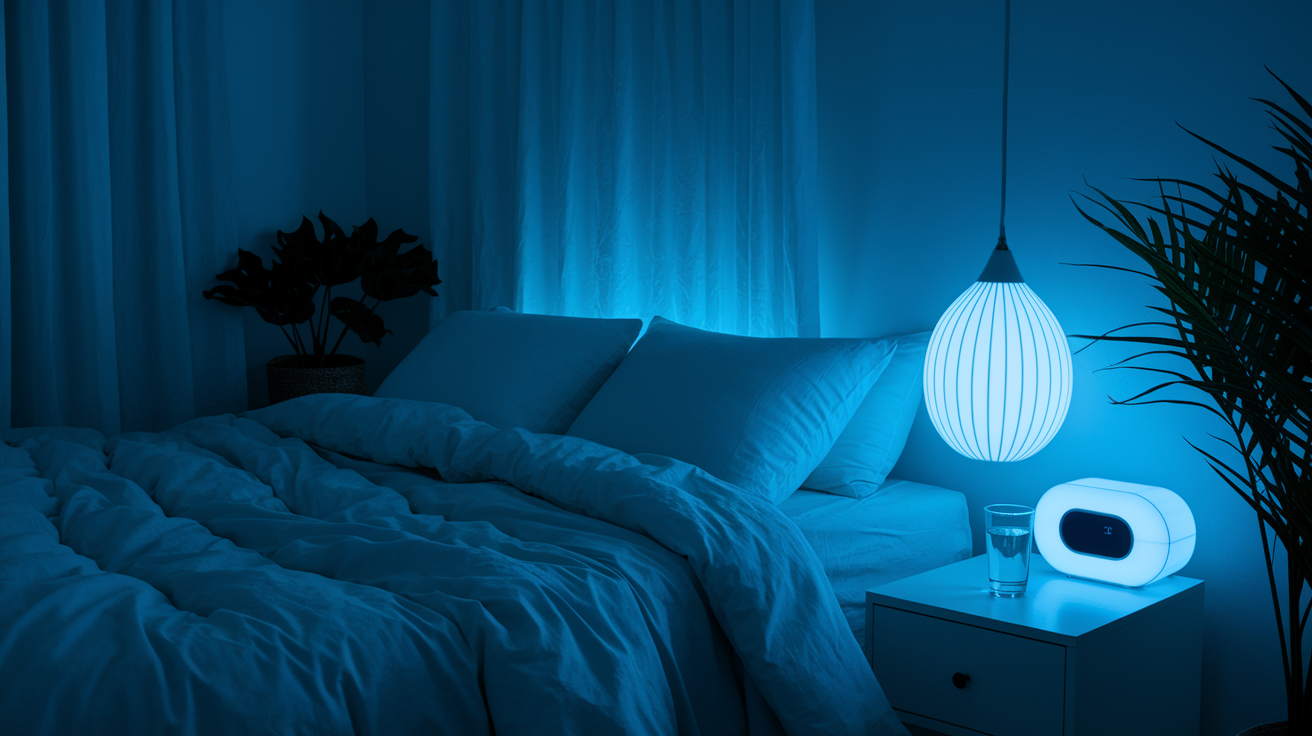
Chronic fatigue often involves non-restorative sleep. You may sleep for a full night but still wake feeling unrefreshed, heavy, or like you haven’t slept at all. This happens when sleep architecture is disrupted: less time in deep sleep stages, frequent awakenings, or autonomic nervous system dysregulation that keeps your body in a state of low-level alert even while you’re asleep. Improving sleep quality won’t fix chronic fatigue overnight, but it’s one of the most impactful levers you have for reducing morning exhaustion.
Circadian regulation is the foundation. Going to bed and waking up at the same time every day (yes, including weekends) helps stabilize your internal clock and makes it easier to fall asleep and wake naturally. Pair this with morning bright light exposure to anchor your wake time, and dim lighting in the evening to signal that sleep is approaching. Avoid screens for 30 to 60 minutes before bed, as blue light from phones, tablets, and computers suppresses melatonin production and delays sleep onset.
Environmental factors matter more than most people realize. Your bedroom should be dark (use blackout curtains or an eye mask if needed), quiet (consider a white noise machine or earplugs if you’re sensitive to sound), and cool. Around 65 to 68°F is ideal for most people, as a slight drop in core body temperature promotes deeper sleep. If night sweats or temperature regulation issues are part of your chronic fatigue picture, experiment with moisture wicking sheets and layered blankets you can adjust.
Nighttime habits that reduce next-day fatigue:
Avoid caffeine after midday, as it has a half-life of about 5 to 6 hours and can disrupt sleep even if you don’t feel wired at bedtime.
Limit alcohol, which may help you fall asleep initially but fragments sleep later in the night and reduces deep sleep.
Eat your last meal 2 to 3 hours before bed to avoid reflux or digestive discomfort, and keep it moderate in size. Large or heavy meals close to bedtime can interfere with sleep quality.
If you wake frequently to urinate, try tapering fluid intake in the hour or two before bed. But don’t restrict fluids during the day, as dehydration worsens fatigue.
Consider a simple wind down routine: 10 to 15 minutes of gentle stretching, a warm bath or shower, a few minutes of reading, or a short breathing or meditation practice. The routine itself becomes a cue to your nervous system that it’s safe to shift into rest mode.
Supplements and Non-Caffeine Aids for Energy Support

Supplements can play a supportive role in managing chronic fatigue, especially if testing has identified specific deficiencies or if standard lifestyle changes aren’t enough. But people with chronic fatigue are often more sensitive to supplements than the general population. Some formulas that are marketed as “energy boosters” contain stimulants or high doses of B vitamins that can cause jitteriness, sleep disruption, or worsening of symptoms in sensitive individuals.
Always start low, go slow, and consult your healthcare provider before adding new supplements, especially if you’re on prescription medications or have other health conditions.
Safety considerations first:
If you have a known nutrient deficiency (low iron, vitamin B12, vitamin D, magnesium), targeted supplementation under medical supervision is appropriate and can make a meaningful difference in energy. But if your levels are normal, adding more of these nutrients often won’t help and can sometimes cause side effects.
Some adaptogens and herbal supplements can interact with medications for thyroid conditions, blood pressure, or mood disorders.
Pregnancy and breastfeeding require extra caution. Many supplements lack safety data in these populations.
If you have a history of cardiac arrhythmias or high blood pressure, avoid stimulatory supplements and check with your provider before trying adaptogens.
Five supplement options with chronic fatigue specific notes:
Vitamin B12 (500 to 1,000 mcg sublingual or oral). Supports energy production at the cellular level. Especially helpful if you have confirmed B12 deficiency, absorption issues, or follow a vegan diet. Common forms: methylcobalamin or cyanocobalamin.
Vitamin D (1,000 to 2,000 IU daily). Low vitamin D is common in chronic fatigue and correlates with increased fatigue and muscle weakness. Dosing should be guided by blood levels (serum 25(OH)D).
Magnesium (200 to 400 mg daily). Involved in over 300 enzymatic reactions, including ATP production. Can help with muscle tension, restless legs, and sleep quality. Forms like magnesium glycinate are better tolerated and less likely to cause diarrhea than magnesium oxide.
CoQ10 (100 to 200 mg daily). A compound that supports mitochondrial energy production. Some small studies suggest benefit in chronic fatigue, though evidence is mixed. Generally well tolerated.
Adaptogens (Rhodiola rosea extract 100 to 200 mg daily, maca powder 1 to 3 g daily, ashwagandha). Herbs traditionally used to help the body adapt to stress and support steady energy. Effects are subtle and develop over weeks. Some people report improved stamina and mental clarity, others notice no change or find them too stimulating.
To evaluate your own sensitivity, introduce one supplement at a time, wait at least one to two weeks before adding another, and track how you feel. Energy level, sleep quality, mood, any new symptoms. If something makes you feel worse (more wired, more anxious, more tired, digestive upset, headache), stop it.
Not every supplement that works for others will work for you. The goal is to find what supports your system without adding new stress or side effects.
Final Words
Start your morning with a short, gentle routine: drink 250 to 500 ml of water, get 5 to 10 minutes of bright light, do 5 minutes of slow movement, and eat a small protein-rich bite. These steps wake your body without stimulants.
This post covered hydration, light timing, gentle exercise, breakfast choices, pacing, sleep tips, and cautious supplement options. Small, practical moves you can try today.
For a clear plan on how to boost morning energy without caffeine for chronic fatigue, track what helps and adjust slowly. You can make mornings steadier and more manageable.
FAQ
Q: How to deal with chronic fatigue without caffeine?
A: Dealing with chronic fatigue without caffeine means pacing your morning: hydrate within 10 minutes, get 5–10 minutes bright light, do gentle movement, eat a small protein snack, and avoid early overexertion.
Q: What to drink in the morning for energy without caffeine?
A: Drinks for morning energy without caffeine are 250–500 ml water on waking, a low‑sugar electrolyte drink, room‑temperature water with lemon, or a small protein smoothie to help steady blood sugar.
Comments are closed