
Could that sudden, knife-like neck pain be your anxiety acting up?
This can feel alarming, but it’s common: stress kicks on your body’s alarm system and makes neck and shoulder muscles clamp down.
When muscles stay tightened, blood flow drops, waste builds up, and sensations can turn sharp or stabbing.
Here’s a clear, practical guide to why stress makes your neck hurt, how to spot anxiety patterns, and what low-risk steps to try now to ease the pain and track what’s helping.
How Anxiety Triggers Sharp Neck Tension and Pain
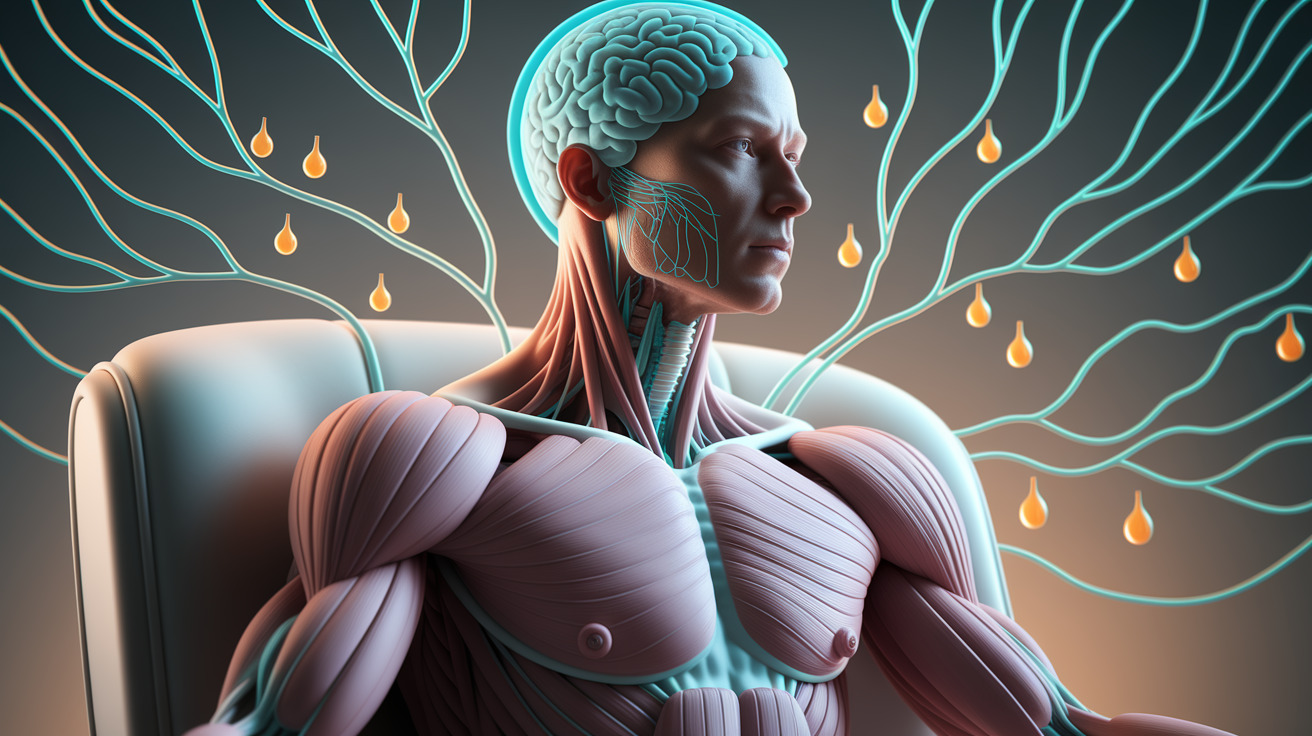
Your body’s alarm system doesn’t just ring in your mind. It rings in your muscles too.
When anxiety hits, your sympathetic nervous system fires up alongside your HPA axis, dumping adrenaline and cortisol straight into your bloodstream. This surge was built for quick bursts of physical action, like sprinting away from danger or fighting off a threat. But modern life doesn’t work that way. You’re not running from predators. You’re sitting in traffic, staring at your inbox, or lying awake at 2 a.m. worrying about something you can’t control. So that hormonal jolt keeps your muscles cranked up for hours, sometimes days, without relief.
The neck, upper back, and shoulders catch the worst of it. Sharp neck tension isn’t some vague stress side effect. It’s a real, automatic defense response that can produce sudden stabbing pain, persistent tightness, or a deep ache that rises and falls with your stress level instead of following any predictable nerve pattern.
Three muscles do most of the heavy lifting here: the trapezius, levator scapulae, and sternocleidomastoid. When they contract under stress and stay contracted, blood flow drops and metabolic waste piles up. That combo can create sensations that feel like a knife point or a relentless, grinding ache. The trapezius runs from the base of your skull down to your mid-back and out to your shoulders, and it reflexively tightens the second your brain senses threat. The levator scapulae connects your cervical spine to your shoulder blade and often creates a hot spot of sharp pain right near the top of the blade when it’s chronically locked. The sternocleidomastoid, which runs along the front and side of your neck, can send referred pain to your head, jaw, or even behind your eye when it’s overworked.
But there’s another layer. Anxiety changes how you perceive sensation. When your nervous system is on high alert, your brain turns up the volume on every signal your body sends. Normal muscle tension starts to feel sharper, more alarming. You’re not imagining it. You’re experiencing real muscle contraction through a more sensitive lens. Pain signals trigger worry, worry triggers more guarding, and the whole loop stays active. Cortisol keeps flowing, your sympathetic system stays fired up, and the cycle feeds itself.
Advanced Physiological Factors That Intensify Anxiety-Related Neck Tension

Chronic anxiety doesn’t just tighten your muscles temporarily. It rewires them.
Repeated stress episodes create what are called micro-guarding cycles. These are tiny, reflexive muscle contractions that happen below your conscious awareness all day long. Over time, they produce chronic hypertonicity, which is a fancy way of saying your muscles never fully relax. That sustained contraction chokes off blood flow, cuts down oxygen delivery, and lets metabolic waste build up in muscle fibers. Eventually, trigger points form. These are small, hyperirritable knots that produce localized tenderness and often refer sharp pain somewhere else entirely. In the neck, the most common sites are the upper trapezius and levator scapulae.
Your nervous system adapts too. Chronic anxiety messes with proprioception, which is your body’s sense of muscle length, joint position, and movement. Your brain starts misreading normal resting tone as inadequate, so it keeps prompting low-level contraction. At the same time, something called central pain sensitization lowers the threshold for what your nervous system interprets as painful. The muscles aren’t just tight. They’re being held tight by a feedback loop between muscle receptors and your central nervous system. That’s why it’s so hard to voluntarily relax, even when you’re consciously trying to drop your shoulders or soften your neck.
Here’s what happens in specific muscles:
- Trapezius (upper fibers): Gets hypertonic and develops trigger points that send pain to your temple, the base of your skull, and your jaw. Often mimics tension headaches.
- Levator scapulae: Forms trigger points near the top corner of your shoulder blade that produce sharp, localized pain and stiffness when you turn your head.
- Sternocleidomastoid: Develops trigger points that refer pain to your forehead, behind your eye, and your ear. Sometimes gets confused with sinus or ear problems.
- Suboccipital muscles: These small muscles at the base of your skull get chronically shortened and tender, contributing to occipital headaches and that “locked neck” feeling.
Symptom Patterns That Suggest Anxiety-Related Neck Pain
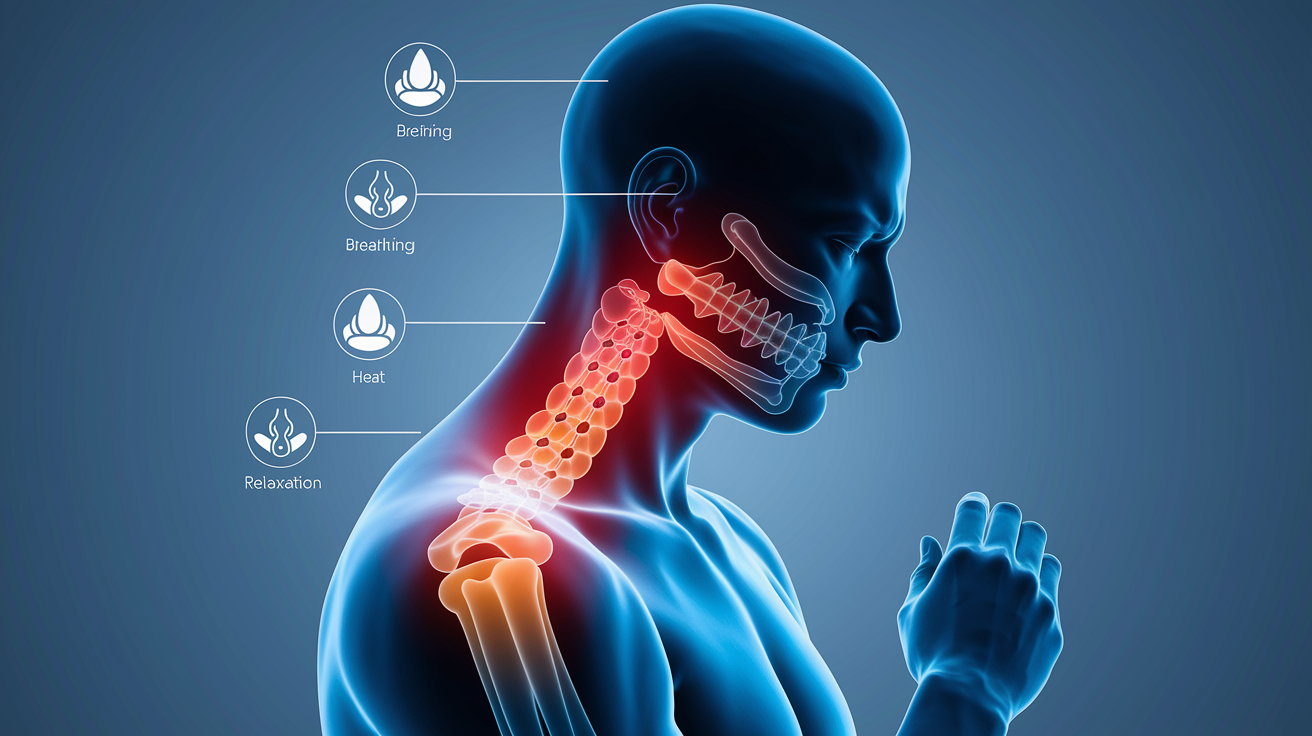
Anxiety-driven neck discomfort has a signature. It’s different from structural injury or nerve damage.
The pain typically shifts throughout the day. It spikes during stressful moments, like right before a tough conversation, during a work deadline, or late at night when you’re lying in bed worrying. It eases when you feel calmer or when something distracts you. The pain is usually bilateral or diffuse rather than sharp and one-sided, following a single nerve root. You might notice it moves around slightly from day to day. And it often responds fast to things like slow breathing or a hot shower.
Associated symptoms cluster together too. Jaw clenching, tension headaches, upper back tightness, trouble falling asleep, and that sensation that your neck is “frozen” or “locked” all show up in the same pattern.
Sharp stabbing neck pain can also appear during panic episodes. Panic attack neck pain often includes sudden, intense muscle spasms that come on within seconds, along with rapid heartbeat, shortness of breath, and a fear that something is seriously wrong. These episodes feel like a medical emergency, but they usually peak within 10 minutes and then gradually ease. The muscle contractions are real. They’re triggered by a surge of adrenaline. But they typically resolve without lasting damage. Between panic episodes, you might notice baseline tightness that never fully goes away.
Here’s what anxiety-related neck pain typically looks like:
- Pain intensity that rises and falls with stress or worry rather than with specific movements or positions.
- Bilateral or diffuse discomfort instead of sharp, one-sided pain that follows a dermatome.
- Relief with relaxation techniques like breathing exercises, stretching, or heat, often within minutes to hours.
- Associated symptoms including jaw tension, tension headaches, sleep disturbance, and a sense of muscle “locking.”
- Absence of objective neurological deficits. No true weakness, numbness, or reflex changes on exam.
- Pain that improves when stressors are reduced or attention is redirected, and worsens during periods of worry or hypervigilance.
But certain red flags require prompt medical evaluation. New severe neck pain after trauma, fever with neck stiffness, progressive weakness or numbness radiating down an arm, loss of bowel or bladder control, or pain that’s unrelenting and worsening despite 1 to 2 weeks of consistent self-care all warrant a visit to your primary care provider or emergency department. These signs suggest structural injury, infection, or neurological compromise that won’t improve with anxiety management alone.
Understanding the Stress–Tension Cycle Behind Neck Pain
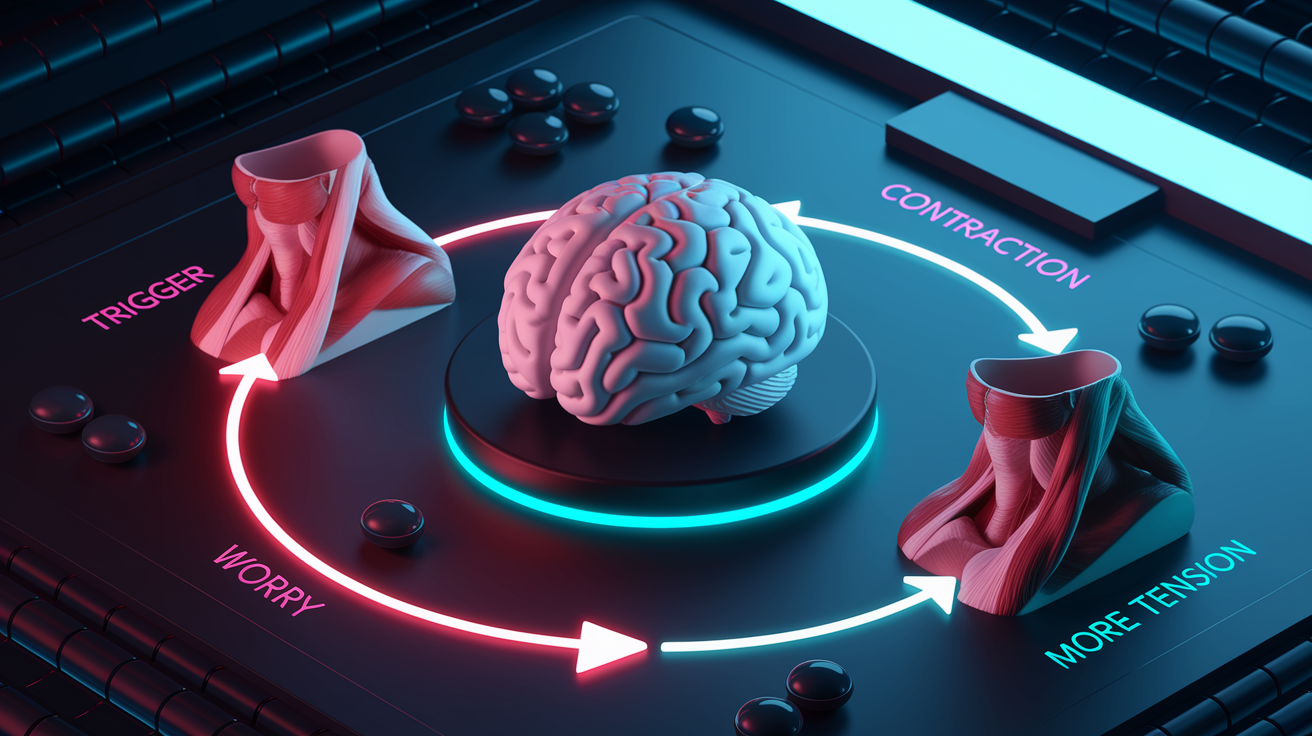
The connection between stress and physical tension isn’t a one-way street. It’s a loop.
When you feel anxious, your brain signals your muscles to tighten as a protective response. That guarding creates discomfort or pain in your neck and shoulders, which then becomes a new source of worry. You start thinking, “Why does my neck hurt so much? Is something wrong?” That worry reactivates your sympathetic nervous system, releasing more adrenaline and cortisol, which keeps your muscles contracted. The tension feeds the anxiety. The anxiety feeds the tension. And the cycle spins without an obvious off switch.
Over time, this creates a state where your baseline muscle tone never fully returns to normal, even when external stressors ease.
Pain catastrophizing makes it worse. That’s the tendency to ruminate on pain, magnify its threat, and feel helpless to control it. When you focus intensely on the sharp sensation, your nervous system interprets that focus as a signal that the pain is dangerous. So it lowers your pain threshold and amplifies the signal. The more you monitor your neck for signs of tension, the more tension you perceive, and the more your body responds by maintaining high muscle tone.
Breaking the cycle requires addressing both the physical muscle contraction and the cognitive and emotional patterns that keep it active.
The Cycle Step-by-Step
- Trigger: An anxious thought or external stressor activates your sympathetic nervous system.
- Muscle Response: Neck and shoulder muscles contract reflexively, increasing tone and restricting blood flow.
- Pain Signal: Sustained contraction and metabolic buildup create discomfort or sharp pain, which draws your attention.
- Worry Amplification: You notice the pain, worry about its meaning, and your nervous system stays activated, preventing muscle relaxation and restarting the loop.
Immediate Relief Techniques for Sharp Anxiety-Linked Neck Tension

When sharp tension hits, your first goal is to interrupt the sympathetic surge and let your muscles release.
These techniques are low-risk, require no equipment, and can produce noticeable relief within minutes. Use them as soon as you notice the first signs of tightness or after a stressful moment. Repeat them throughout the day to prevent buildup.
Start with your breath. Diaphragmatic breathing works by activating the parasympathetic nervous system, which directly opposes the stress response. Aim for 4 to 6 breaths per minute. Inhale slowly through your nose for about 4 to 5 seconds, letting your belly rise. Then exhale through your mouth for 6 to 8 seconds, letting your shoulders drop. Practice this for 5 to 10 minutes, two to three times per day.
If you’re in the middle of a sharp episode, try box breathing: inhale for 4 seconds, hold for 4 seconds, exhale for 4 seconds, hold for 4 seconds. Repeat for 4 to 8 cycles. This structured pattern gives your mind something concrete to focus on and quickly lowers your heart rate and muscle tone.
- Diaphragmatic breathing: 4 to 6 breaths per minute for 5 to 10 minutes, two to three times daily. Focus on belly rise and a long, slow exhale.
- Box breathing: 4-second inhale, 4-second hold, 4-second exhale, 4-second hold. Repeat for 4 to 8 cycles when you feel a sudden spike in tension.
- Lateral neck stretch: Gently tilt your head toward one shoulder, hold for 20 to 30 seconds, repeat 3 times per side, twice daily. Keep your opposite shoulder relaxed and down.
- Upper trapezius stretch: Sit tall, reach one arm behind your back, tilt your head away from that side, and hold for 20 to 30 seconds. Repeat 3 times per side, twice daily.
- Heat therapy: Apply a warm towel, heating pad, or take a hot shower for 10 to 20 minutes to relax tight muscles and increase local blood flow.
- Cold therapy: Use an ice pack wrapped in a towel for 10 to 15 minutes during acute sharp flare-ups to reduce local inflammation and numb sharp pain.
Rapid Calming Protocol
When you need fast relief in under 2 minutes, combine breath and posture.
Sit or stand with your spine neutral, shoulders down and back. Close your eyes or soften your gaze. Inhale slowly for 4 seconds, then exhale slowly for 6 seconds. Repeat for 1 minute. Then gently roll your shoulders back three times, tilt your head side to side once in each direction, and take one final deep breath. This micro-reset interrupts the tension cycle and can be done at your desk, in your car, or before bed.
Medium-Term Strategies to Reduce Recurrence of Anxiety-Related Neck Pain

Immediate techniques provide relief. But lasting change requires addressing the patterns that keep tension high.
Consistent physical activity is one of the most effective tools. Regular exercise works by lowering baseline cortisol levels, improving circulation to muscles, and building strength that makes your neck and shoulders less vulnerable to stress-induced guarding. Aim for 150 minutes per week of moderate aerobic activity like brisk walking, cycling, or swimming, plus two weekly sessions of strength or mobility work focused on the neck, upper back, and shoulders. Strengthening the deep neck flexors and scapular stabilizers creates a muscular foundation that resists chronic tension. Gentle yoga, Pilates, or targeted physical therapy exercises are all reasonable options.
Posture and ergonomics matter more than you might think. Prolonged forward head position, which is super common during phone scrolling or computer work, places sustained load on the levator scapulae and upper trapezius. That creates a mechanical stressor that compounds the chemical stress response. Posture correction includes setting your screen at eye level, taking a 30-second posture break every 30 minutes, and keeping your ears over your shoulders rather than forward. Limit recreational phone use, especially late at night, and use voice input or larger screens when possible. Sleep position also plays a role. Try a supportive pillow that keeps your neck neutral, avoid sleeping on your stomach, and maintain a consistent sleep schedule to reduce overall stress load.
Behavioral and mind-body approaches target the nervous system directly. Mindfulness techniques include daily body scans, where you spend 10 to 20 minutes slowly moving your attention through each body region, noticing tension without judgment, and consciously releasing it. Mindfulness-based stress reduction programs typically run 8 weeks and teach you to observe anxious thoughts and physical sensations without reacting, which weakens the catastrophizing loop.
CBT for chronic pain and anxiety is even more structured. Evidence shows that 8 to 12 weeks of therapy can reduce both anxiety symptoms and associated muscle pain. A therapist can help you identify thought patterns that amplify pain, teach you graded exposure to feared movements, and build coping skills that lower your baseline stress response.
| Strategy | Recommended Dosage | Benefit |
|---|---|---|
| Aerobic exercise | 150 minutes per week, moderate intensity | Lowers baseline cortisol, improves circulation, reduces muscle guarding |
| Strength and mobility work | 2 sessions per week, focus on neck, upper back, shoulders | Builds structural resilience, prevents chronic hypertonicity |
| Daily mindfulness or breathing practice | 10 to 20 minutes per day | Retrains nervous system, reduces pain amplification, improves body awareness |
| Cognitive behavioral therapy | 8 to 12 weekly sessions | Breaks catastrophizing loop, teaches coping skills, reduces anxiety-driven tension |
When Neck Pain Needs Medical Attention Despite Anxiety

Most sharp neck tension from anxiety responds well to self-care and behavioral strategies. But certain warning signs require prompt evaluation.
If your pain began suddenly after a fall, car accident, or other trauma, seek care immediately. Whiplash and cervical spine injury need imaging and clinical assessment. Fever combined with neck stiffness, especially if you have difficulty touching your chin to your chest, can signal meningitis or other serious infection and warrants emergency evaluation. Progressive neurological symptoms like weakness, numbness, or tingling that spreads down your arm, loss of coordination, or changes in bowel or bladder control suggest spinal cord or nerve root compression that won’t resolve with relaxation techniques alone.
Even without red flags, persistent or worsening pain deserves medical attention. If you’ve followed consistent self-care strategies like breathing exercises, stretches, heat, and activity modification for 1 to 2 weeks and your pain remains severe or is interfering with work, sleep, or daily function, schedule a visit with your primary care provider. They can assess for underlying structural causes like herniated discs, arthritis, or myofascial trigger points that may benefit from physical therapy, medications, or imaging. Imaging isn’t routinely needed for anxiety-related neck pain, but it becomes appropriate when red flags or severe deficits are present.
- New severe neck pain immediately following trauma, fall, or motor vehicle accident.
- Fever combined with neck stiffness, difficulty touching chin to chest, or positive signs of meningismus.
- Progressive weakness, numbness, or tingling radiating down one or both arms, or loss of grip strength.
- Changes in bowel or bladder control, coordination problems, or difficulty walking.
- Pain that is unrelenting, worsening despite 1 to 2 weeks of consistent self-care, or significantly interfering with daily life and sleep.
A Practical 7-Day Plan to Ease Sharp Anxiety-Linked Neck Tension
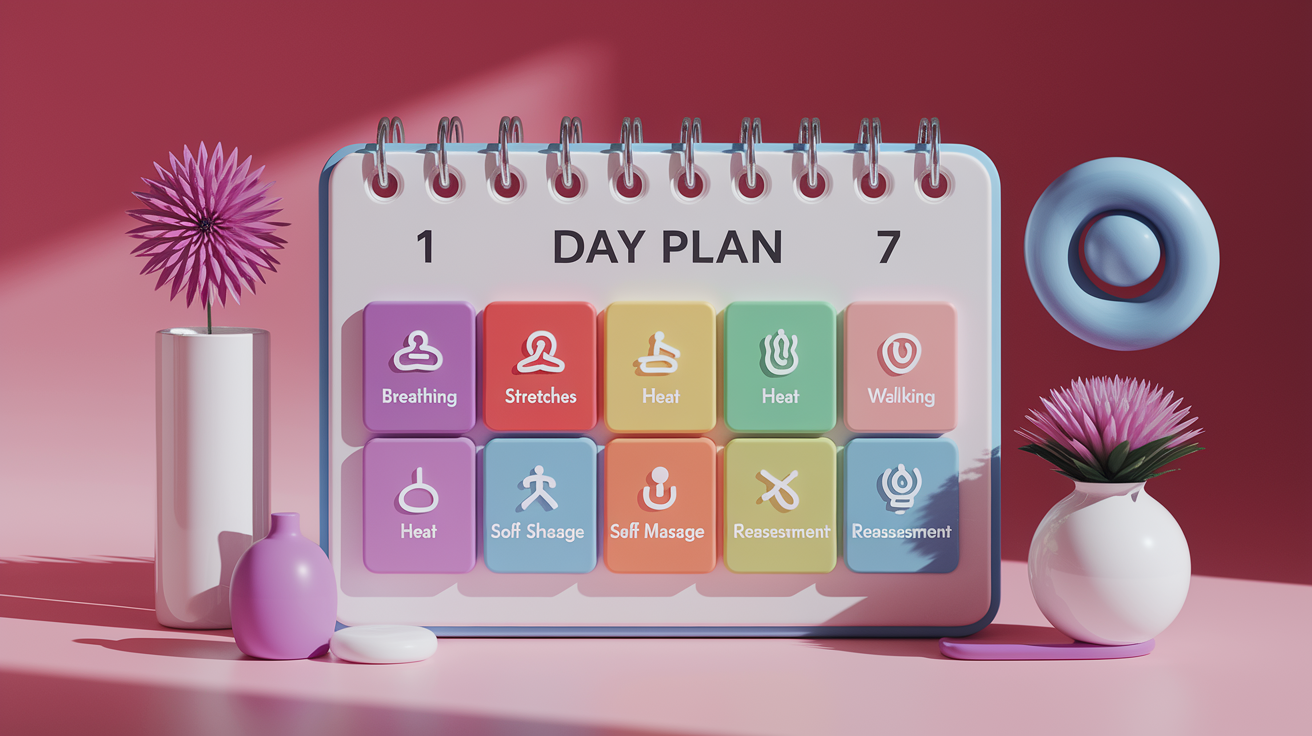
A structured plan helps you move from reactive symptom management to proactive tension reduction.
This 7-day template combines gentle neck exercises, self-massage techniques, heat therapy, and breathing retraining. Follow it consistently for one week, then reassess. If you notice meaningful improvement, continue for another week and consider adding medium-term strategies. If pain persists or worsens, seek professional evaluation.
Each day includes a morning routine, midday check-in, and evening wind-down. The goal is to create a rhythm that interrupts the stress-tension cycle before it builds. You can adjust timing to fit your schedule, but consistency matters more than perfection. Track your pain level on a 0-to-10 scale at the start and end of the week to measure progress objectively.
| Day | Key Action | Time/Duration |
|---|---|---|
| Day 1 | Diaphragmatic breathing (2 sessions) + lateral neck stretches (2 sessions, 3 reps per side, 20–30 seconds) + heat 10–20 minutes evening | Breathing: 10 min morning, 10 min evening; Stretches: 5 min midday, 5 min evening; Heat: 15 min |
| Day 2 | Diaphragmatic breathing (2 sessions) + upper trapezius stretches + 30-minute walk + progressive muscle relaxation | Breathing: 10 min morning, 10 min evening; Walk: 30 min; PMR: 10 min before bed |
| Day 3 | Diaphragmatic breathing (2 sessions) + self-massage of upper traps and levator scapulae (5 min each side) + heat 10–20 minutes | Breathing: 10 min morning, 10 min evening; Massage: 10 min midday; Heat: 15 min evening |
| Day 4 | Diaphragmatic breathing (2 sessions) + lateral and upper trap stretches + 30-minute walk + progressive muscle relaxation | Breathing: 10 min morning, 10 min evening; Stretches: 10 min midday; Walk: 30 min; PMR: 10 min before bed |
| Day 5 | Diaphragmatic breathing (2 sessions) + box breathing practice (3 rounds, 4–8 cycles each) + 30-minute walk + heat 10–20 minutes | Breathing: 10 min morning, 10 min evening; Box breathing: 5 min midday; Walk: 30 min; Heat: 15 min |
| Day 6 | Diaphragmatic breathing (2 sessions) + full stretching routine (lateral, upper trap, suboccipital) + progressive muscle relaxation | Breathing: 10 min morning, 10 min evening; Stretches: 15 min midday; PMR: 10 min before bed |
| Day 7 | Diaphragmatic breathing (2 sessions) + 30-minute walk + self-massage + heat 10–20 minutes + reassess pain level | Breathing: 10 min morning, 10 min evening; Walk: 30 min; Massage: 10 min; Heat: 15 min; Reassessment: 5 min |
Final Words
You felt a sudden, sharp tightness in your neck as worry rose, and that’s the stress response tightening the neck muscles.
This piece explained how the sympathetic nervous system and stress system (HPA axis) make trapezius, levator scapulae, and sternocleidomastoid hold tension, how trigger points and altered sensing keep it going, and simple immediate steps, medium-term strategies, a 7-day plan, and clear red flags.
Try breathing, gentle stretches, heat or ice, and the tracking prompts. The sharp neck tension and anxiety connection is real, often manageable, and worth small steps toward relief.
FAQ
Q: Can anxiety make your neck tight?
A: Anxiety can make your neck tight by triggering the stress response, which keeps neck muscles like the trapezius and levator scapulae clenched; it’s common and often eases with breathing, movement, or relaxation.
Q: How long can anxiety muscle tension last?
A: Anxiety-related muscle tension can last minutes to months depending on stress, sleep, and habits; short episodes often resolve quickly, while chronic tension may persist without behavior changes or targeted treatment.
Q: How to release stress in the neck / How to reduce muscle tension from anxiety?
A: To release neck stress and reduce anxiety-related muscle tension, try diaphragmatic breathing, gentle neck stretches, heat for 10–20 minutes, ice for sharp flares, short walks, and regular posture breaks.
Comments are closed