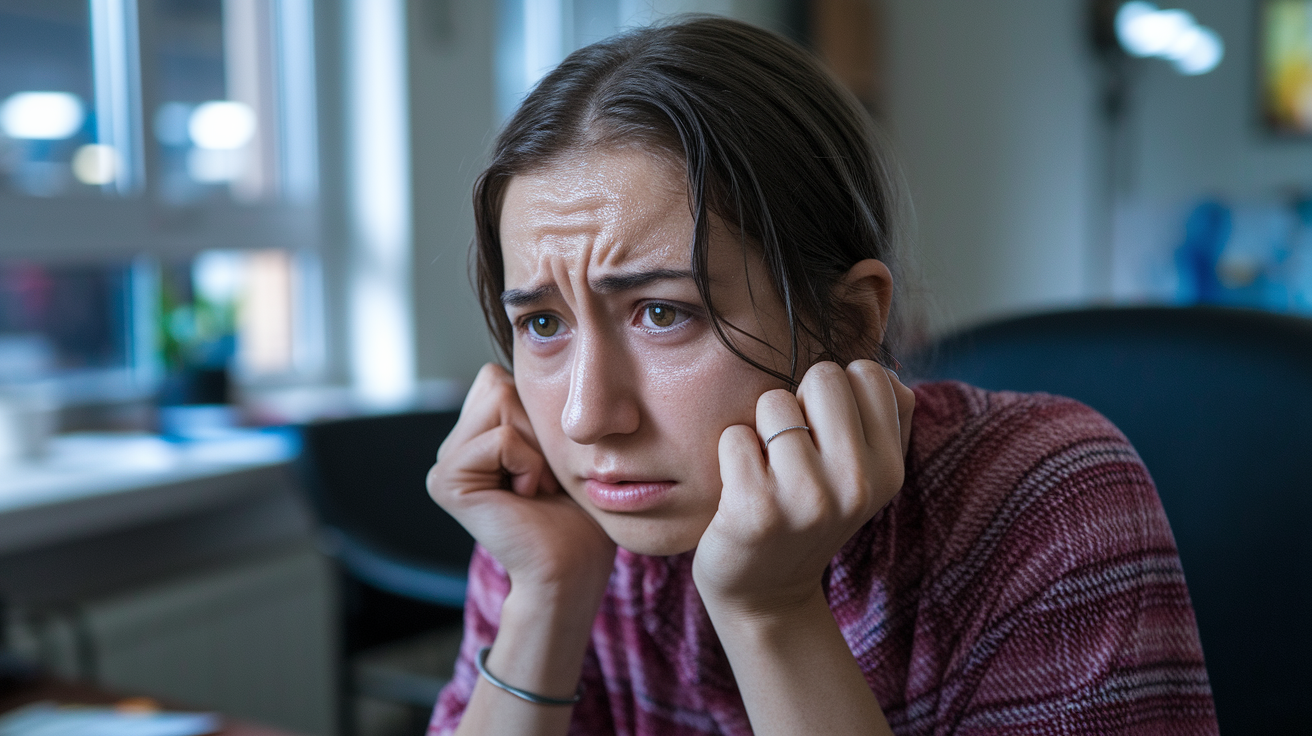
Do cold sweats mean something dangerous, or is anxiety to blame?
You’re not imagining it—waking up clammy or breaking into a cold sweat while your heart races feels scary.
It happens because your nervous system mistakes stress for danger and floods your body with adrenaline.
In this post you’ll learn what cold sweats feel like, common triggers, quick low-risk ways to stop an episode now, what to track for a clinician, and the exact warning signs that need urgent care.
Simple, practical steps ahead.
Understanding Why Anxiety Triggers Cold Sweats
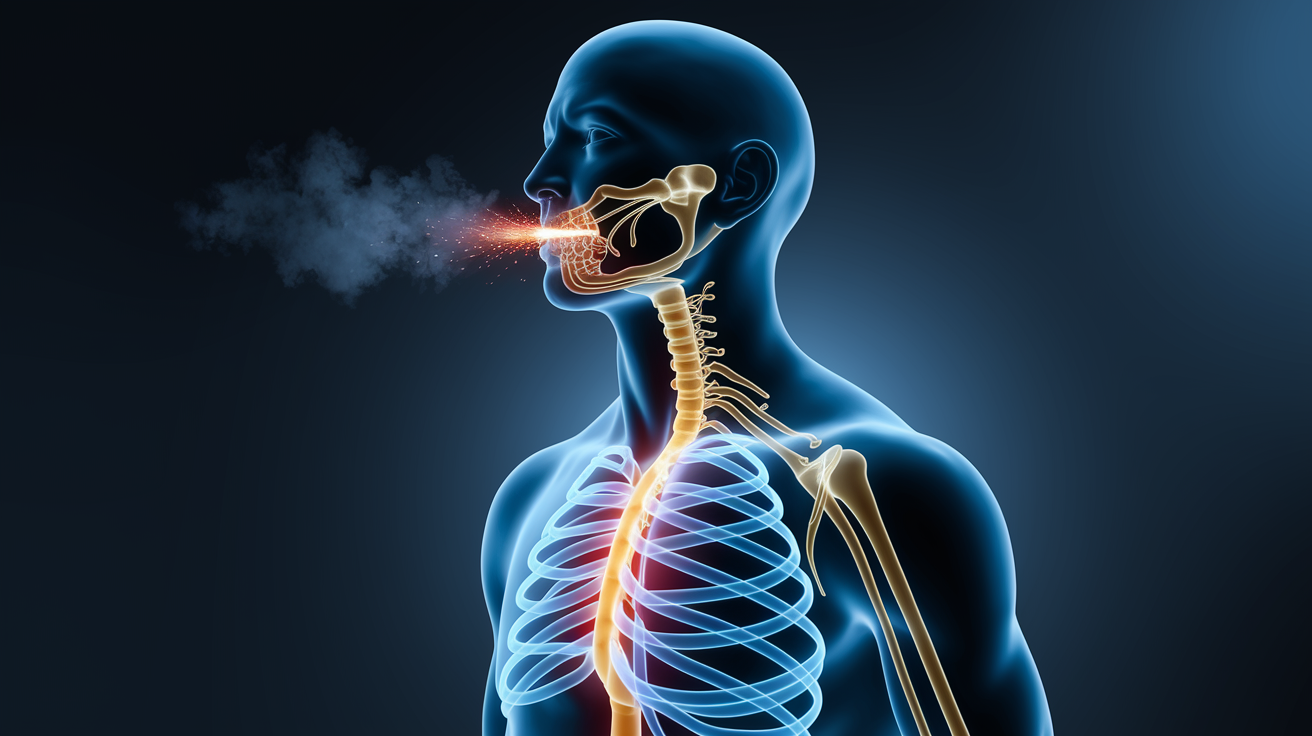
Anxiety cold sweats are uncomfortable, but they’re not rare. Your body sees a threat (real or not) and kicks the autonomic nervous system into gear. That starts a chain reaction of physical changes meant to keep you safe. Cold sweats are part of that response, even when they feel scary.
The autonomic nervous system splits into two parts: sympathetic (fight or flight) and parasympathetic (rest and digest). When anxiety hits, the sympathetic side takes over. Adrenaline floods in. That rush tells your sweat glands to start working, getting ready for you to run or defend yourself. But if you’re just sitting there or lying in bed instead of moving, the sweat feels cold and clammy. The heat from action never shows up.
During panic attacks, fight or flight can spiral out of control. Your heart pounds. Breathing gets fast and shallow. You might feel dizzy or short of breath, and cold sweats show up right alongside everything else. That mix of racing heart, quick breathing, and cold skin makes the whole thing more frightening. Which then makes the sweating worse. It feeds itself.
Common triggers include:
Sudden fear response. An unexpected scare or perceived danger that flips the adrenaline switch instantly.
Intrusive thoughts. Repetitive worries or catastrophic thinking that keeps your sympathetic system running hot.
Nighttime anxiety. Waking up in the dark with racing thoughts, often soaked in sweat and feeling panicked.
Stress buildup. Daily pressures piling up until your nervous system finally tips into high alert.
Panic cycle escalation. Noticing the sweat, worrying about it, then triggering even more adrenaline and more sweat.
Symptom Patterns and How Anxiety Cold Sweats Typically Feel
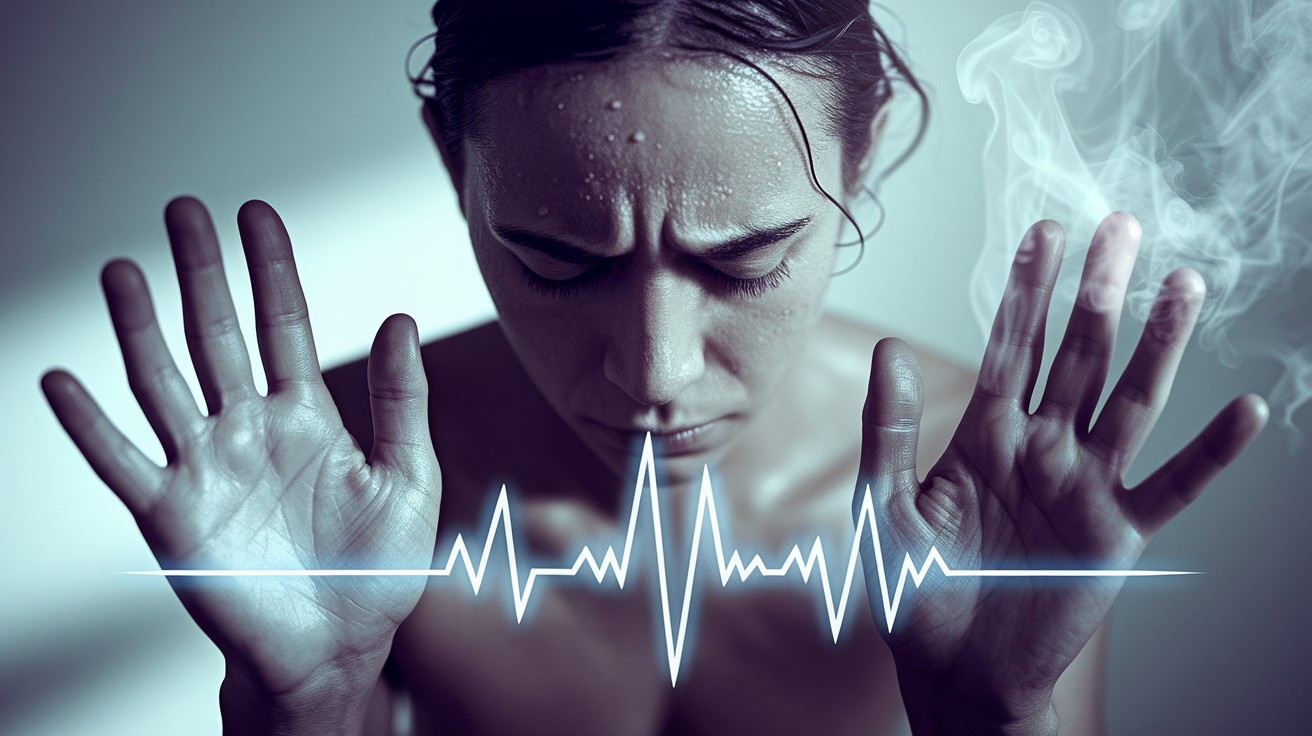
Cold sweats don’t usually show up alone. They’re part of a cluster that includes rapid or pounding heartbeat, shallow breathing, trembling hands, and a tight or pressured feeling in your chest. The sweating itself can feel sudden and intense. It might soak through your clothes or wake you from sleep. You’ll often notice it on your forehead, neck, palms, and torso. Your skin feels cool to the touch even while your heart races.
Beyond the sweating, you might feel nausea or a churning stomach. Tingling or numbness in your hands or fingers. Dizziness. An unsettling sense that your body’s out of control. Some people describe waves of chills followed by brief warmth, or feeling detached from their surroundings. Sleep gets disrupted, either trouble falling asleep from worry or waking repeatedly during the night drenched in sweat.
Six symptoms that commonly tag along with anxiety cold sweats:
Chest pressure or tightness. A squeezing sensation that can feel like a weight on your ribs.
Palpitations. Awareness of your heartbeat, often described as skipping, fluttering, or pounding.
Shaking or tremors. Visible trembling in your hands, fingers, or legs.
Nausea. Queasiness or a sick feeling in your stomach, sometimes bad enough to make you vomit.
Dizziness or lightheadedness. Feeling unsteady, faint, or like the room’s spinning.
Chills alternating with warmth. Cold sweats followed by sudden hot flashes or flushing.
Nighttime Anxiety Cold Sweats and Why They Feel Worse at Night
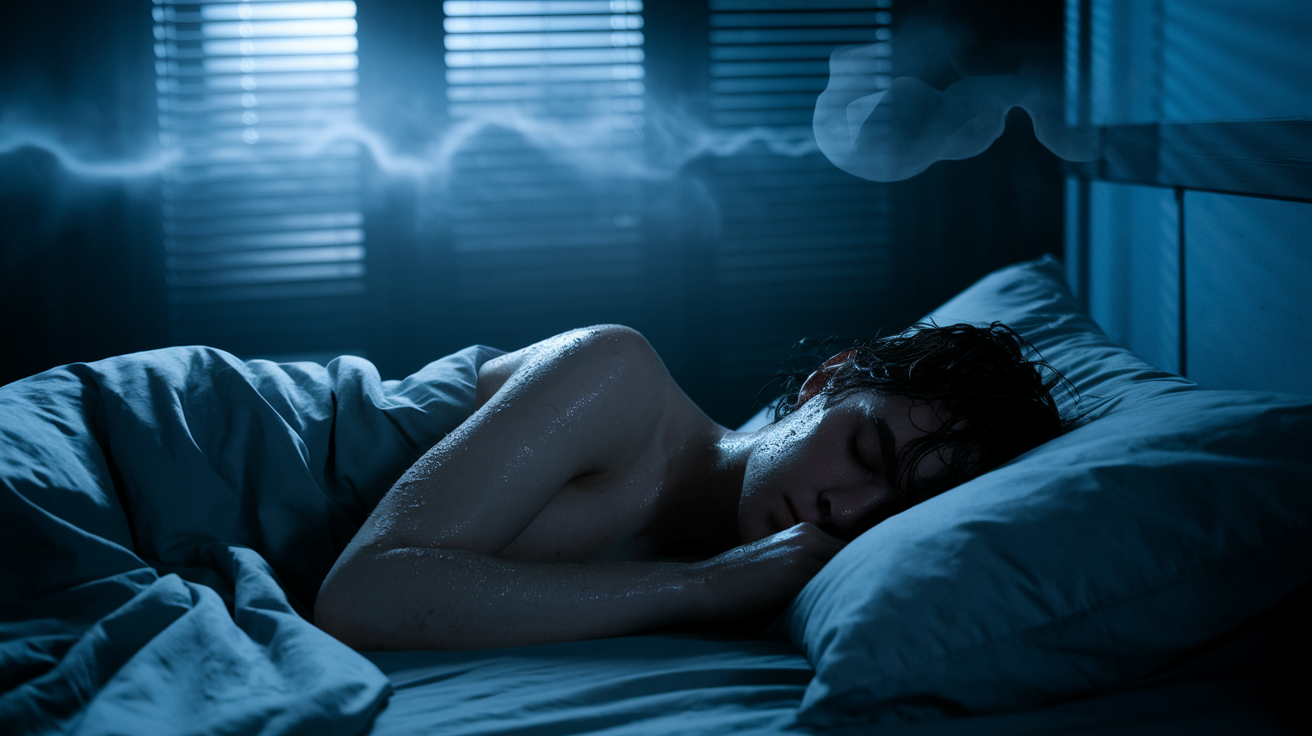
Night sweats mess with sleep in a way daytime cold sweats don’t. Waking up drenched at 2 a.m. makes your mind race to find a reason, which triggers more anxiety and more sweating. The combo of broken sleep, fear of falling back asleep, and worrying about “why this keeps happening” creates a loop that feeds itself. Over time, you might start dreading bedtime. That raises your baseline anxiety and makes the sweats more likely to come back.
Several things can make nighttime anxiety cold sweats more frequent. Nightmares and vivid dreams can activate fight or flight during REM sleep. Traumatic stress or PTSD often shows up as night sweats because your nervous system stays on high alert even during rest. Hormonal changes, especially during perimenopause or menopause, can trigger both hot flashes and night sweats that overlap with anxiety. Certain meds, including some antidepressants, opioids, and hormone therapies, are known to cause or worsen sweating at night. The sweating often starts within the first few weeks of a new medication.
Your body temperature naturally dips and shifts during the night as part of your sleep cycle. When anxiety fires up the sympathetic nervous system during one of those temperature transitions, the contrast between internal heat (from adrenaline) and external coolness (from sweat evaporation) can make the episode feel more intense. The cold, clammy sensation gets amplified because you’re lying still under blankets instead of moving around, so the moisture just sits on your skin.
Quick Relief Strategies to Stop Anxiety Cold Sweats in the Moment
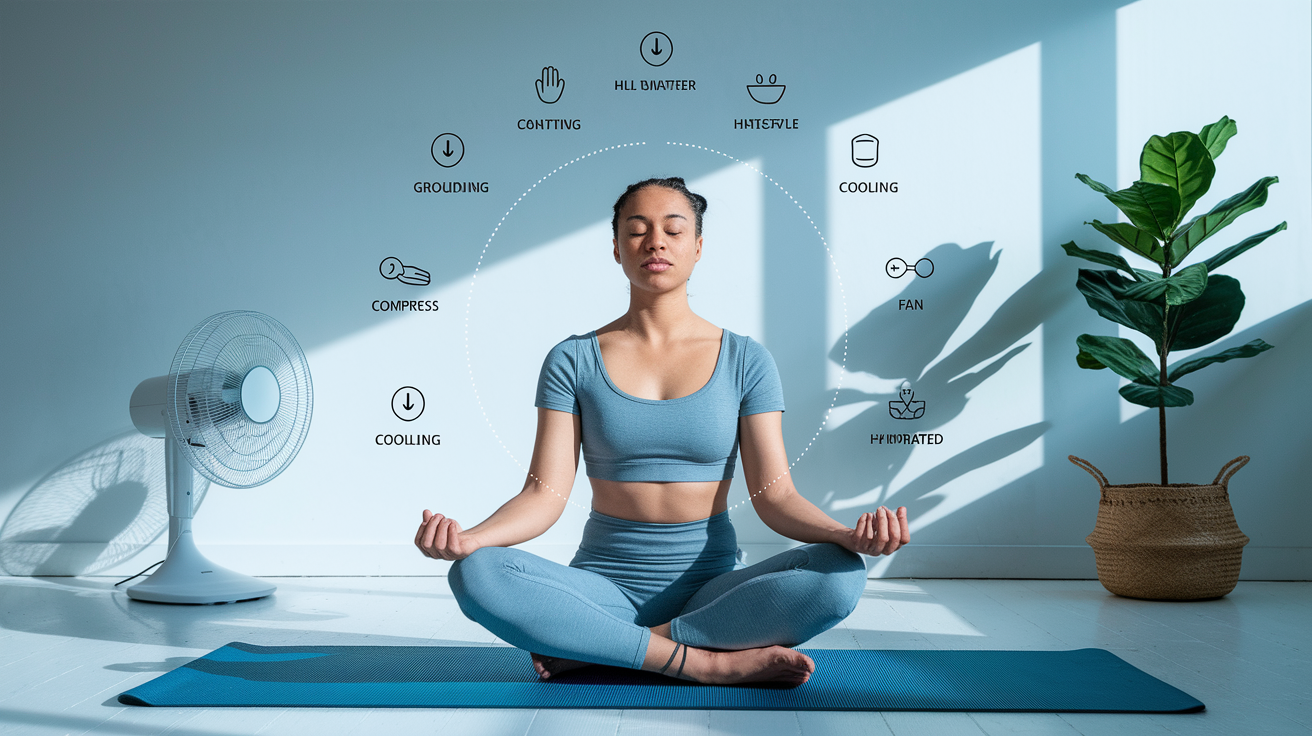
When cold sweats hit, you want to interrupt the panic cycle and calm your autonomic nervous system. These strategies are low risk, practical, and give you something to do instead of spiraling into worry.
Breathing for Panic Recovery
Slow, controlled breathing is one of the fastest ways to signal safety to your nervous system. Try a simple 4 second pattern: breathe in slowly through your nose for 4 seconds, hold gently for 4 seconds, then exhale slowly through your mouth for 4 seconds. Repeat until your heart rate starts to slow. This helps prevent hyperventilation, which can make sweating and dizziness worse. Keep your shoulders relaxed and let your belly expand with each inhale.
Grounding and Distraction
Grounding techniques pull your attention away from the panic and into the present moment. Try the 5-4-3-2-1 method: name 5 things you can see, 4 you can touch, 3 you can hear, 2 you can smell, and 1 you can taste. Journaling can help too. Write down what triggered the episode, what you’re feeling, and what patterns you notice. This breaks the rumination loop. Watching a familiar, calming TV show or listening to a favorite podcast can provide enough distraction to let your nervous system settle.
Physical Cooling Techniques
Apply a cold compress or damp washcloth to your neck, forehead, or armpits. Don’t place ice directly on your skin. Open a window or turn on a fan to get some airflow going. If you can, walk around for a few minutes. This helps your body use the sweat for its intended purpose and normalizes your temperature. Changing into dry clothes or switching to lighter bedding can make a big difference in how you feel physically, which can reduce the urge to panic about the symptom itself.
Five immediate actions to try during an episode:
Slow your breathing using a 4 second inhale, hold, and exhale pattern.
Walk around briefly to air dry sweat and improve circulation.
Change into dry clothes or adjust bedding to reduce discomfort.
Apply a cool compress to your neck or wrists.
Distract yourself with a low effort, neutral activity like a podcast or simple game.
Mistakes That Accidentally Make Anxiety Cold Sweats Worse

The more you fear the symptom, the more adrenaline your body releases, and the more likely you are to sweat. Trying to force the sweating to stop or hyper focusing on every sensation can keep your sympathetic nervous system activated. It’s like telling yourself not to think about a pink elephant. The effort itself creates the result you’re trying to avoid.
Rumination makes the cycle stick. If you spend the day replaying last night’s episode or worrying about whether it’ll happen again tonight, you’re keeping your baseline anxiety elevated. That primes your nervous system to react more quickly the next time a trigger appears. The sweat becomes a problem not just because it’s uncomfortable, but because of the story you tell yourself about what it means.
Four common mistakes that increase cold sweats:
Over monitoring symptoms. Constantly checking your body for signs of sweat, which increases anxiety and keeps you on high alert.
Suppressing bodily sensations. Trying to force yourself not to sweat or to “control” your nervous system through sheer willpower.
Catastrophizing. Jumping to worst case conclusions like “something is seriously wrong with me” or “this will never get better.”
Avoiding sleep. Staying up late or resisting rest because you’re afraid of waking up drenched, which increases fatigue and anxiety the next day.
When Anxiety Cold Sweats Might Signal a Medical Issue

Most of the time, cold sweats triggered by anxiety aren’t dangerous. But certain warning signs need urgent medical attention. If you get cold sweats along with chest pain, pressure, or tightness that radiates to your jaw, shoulder, or arm, call emergency services immediately. Same goes if you feel faint, lose consciousness, have severe difficulty breathing, or experience sudden confusion or slurred speech. These can be signs of a heart attack, stroke, or other serious event.
Cold sweats with a high fever, especially with chills, rapid heartbeat, and confusion, can indicate sepsis or a severe infection. Sepsis is a medical emergency. Unlike anxiety related sweats, infection related sweats usually come with other clear signs of illness: persistent fever, localized pain, redness, swelling, or feeling extremely unwell. If your cold sweats are new, severe, and paired with these symptoms, get care right away.
You should see a doctor (not urgently, but soon) if your cold sweats are frequent, wake you repeatedly at night, or come with unexplained weight loss or gain, persistent fatigue, new or worsening pain, or anxiety that disrupts your ability to work, sleep, or function day to day. A thorough medical evaluation can rule out hormonal imbalances, medication side effects, sleep disorders, or other underlying conditions. Recurrent night sweats that soak your sheets or require you to change clothes multiple times are worth talking to your clinician about, even if you suspect anxiety is the cause.
Long Term Anxiety Treatments That Reduce Cold Sweats Over Time
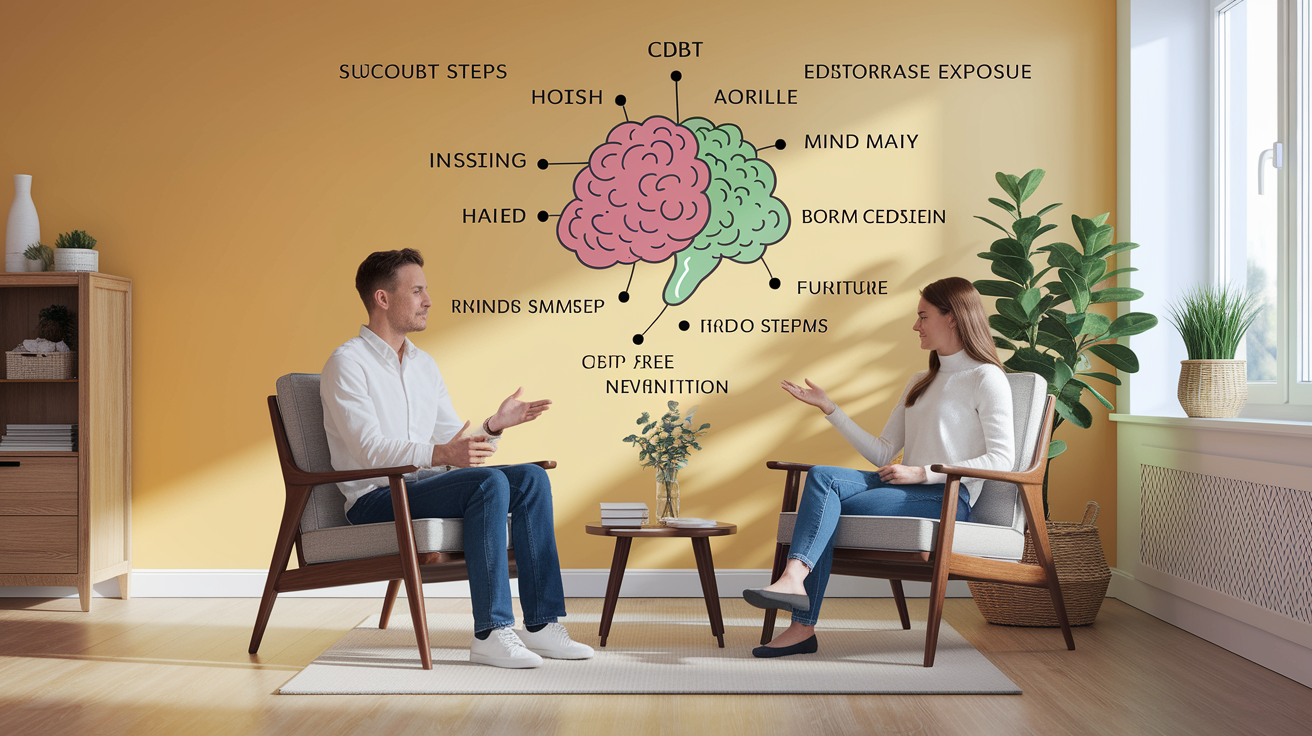
Psychotherapy is one of the most effective long term strategies for reducing anxiety and the physical symptoms that come with it. Cognitive behavioral therapy (CBT) helps you identify and change thought patterns that fuel panic and sweating. Exposure therapy gradually desensitizes you to the sensations and situations that trigger cold sweats, reducing the intensity of your body’s response over time. Psychodynamic therapy explores the deeper “why” behind your anxiety, which can be helpful if your symptoms are tied to past experiences or unresolved stress. All three have strong evidence for reducing panic symptoms, including sweating.
Medications can also play a role, especially when anxiety is severe or persistent. Selective serotonin reuptake inhibitors (SSRIs) are commonly prescribed and can reduce overall anxiety, though some people experience increased sweating as a side effect, especially in the first few weeks. Tricyclic antidepressants and monoamine oxidase inhibitors (MAOIs) are older options with their own side effect profiles. Benzodiazepines can provide fast relief during acute panic but are typically used short term due to dependence risk. Beta blockers can reduce physical symptoms like rapid heartbeat and trembling, which may indirectly reduce sweating. A prescriber can help you weigh benefits, side effects, and timing.
Lifestyle changes support both therapy and medication by lowering your baseline stress and improving your body’s ability to regulate itself. Regular physical activity (even 20 minutes of walking) helps burn off excess adrenaline and improves sleep. Good sleep hygiene (consistent bedtime, cool room, limited screen time before bed) reduces nighttime anxiety and sweating. Staying hydrated, limiting caffeine and alcohol, and building social support all contribute to a calmer nervous system. These aren’t quick fixes, but they add up over weeks and months.
| Treatment Type | Primary Benefit | Notes |
|---|---|---|
| Cognitive Behavioral Therapy (CBT) | Changes thinking patterns that trigger panic and sweating | Strong evidence; usually 8–16 sessions; teaches skills you can use independently |
| SSRIs (e.g., sertraline, escitalopram) | Reduces overall anxiety and panic frequency | Can cause sweating as a side effect in some people; takes 4–6 weeks to see full benefit |
| Benzodiazepines (e.g., lorazepam, clonazepam) | Fast relief during acute panic episodes | Risk of dependence; typically used short term or as needed under close supervision |
| Beta Blockers (e.g., propranolol) | Reduces physical symptoms like rapid heartbeat and trembling | Can help break the panic sweat cycle; does not treat underlying anxiety thoughts |
| Exercise and Sleep Hygiene | Lowers baseline stress and improves autonomic regulation | Low risk; works best when consistent over time; complements therapy and medication |
Final Words
If a cold, clammy sweat comes on while your heart races, you’re not alone. This post showed how the fight-or-flight system and adrenaline can trigger cold sweats, what other symptoms usually tag along, and why nights can feel worse.
You also got quick steps to calm an episode, common mistakes that make sweating worse, when to seek care, and long-term options that lower panic over time.
Try slow breathing, a cool compress, and tracking triggers. With small, steady steps, anxiety cold sweats often get easier to manage.
FAQ
Q: How to stop anxiety sweats?
A: To stop anxiety sweats, use slow, controlled breathing (try a 4-second pattern), cool your skin with a damp cloth or fan, move briefly outdoors, and ground with simple sensory focus to break the panic.
Q: What is the #1 worst habit for anxiety?
A: The #1 worst habit for anxiety is repeatedly focusing on and worrying about your symptoms (rumination), which feeds adrenaline, increases sweating and panic, and keeps the anxiety cycle going.
Q: What are 5 signs you have anxiety?
A: Five common signs you have anxiety are persistent worry, a racing heart, cold or clammy sweating, trembling or upset stomach, and sleep trouble like difficulty falling or distressing dreams.
Q: How long do anxiety chills last?
A: Anxiety chills usually last minutes to about an hour, often matching a short panic spike; they fade as adrenaline drops, though frequent or prolonged episodes should be tracked and discussed with a clinician.
Comments are closed