Could that tight chest or constant “what if” in your head be anxiety, not just stress?
You’re not imagining it. Anxiety often shows up as real physical sensations (chest tightness, dizziness, stomach upset) and as emotional or thinking patterns that won’t let go.
This guide lays out the most common physical, emotional, and behavioral warning signs, simple low-risk steps to try now, what to track, and when to seek urgent care.
It’s written so you can spot patterns fast, calm down safely, and bring clear notes to your clinician if you need to.
Identifying the Most Common Anxiety Symptoms (Clear Recognition Guide)
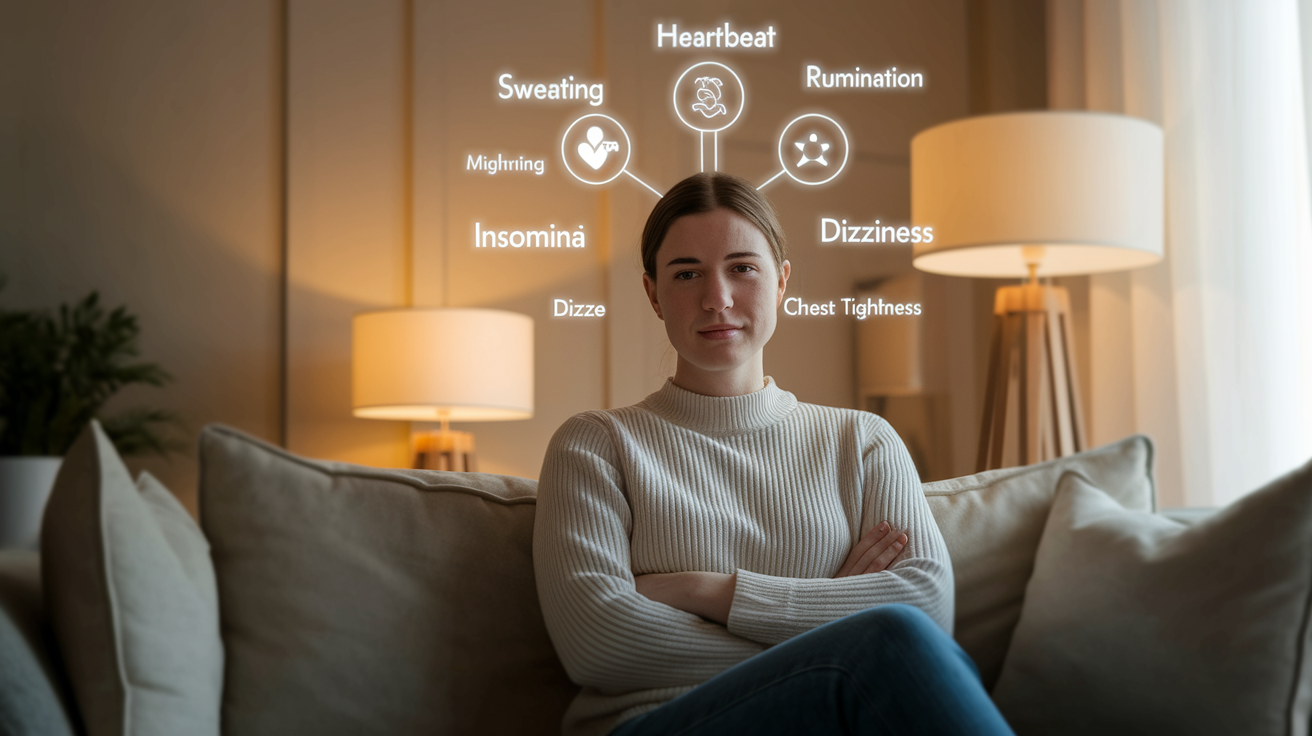
Anxiety doesn’t arrive in one neat package. It shows up physically, emotionally, mentally, and in what you do (or avoid doing). Physical symptoms catch people off guard most often. Chest tightness, shaking hands, nausea, dizziness. They feel like a medical crisis, not a stress response. Emotional symptoms include persistent unease, irritability, or the nagging sense that something terrible’s about to happen even when there’s no clear reason. Cognitive symptoms are the mental loops: your brain won’t stop replaying the same worry, building worst-case scenarios, or making it impossible to focus on anything else.
Behavioral symptoms? Restlessness, pacing, dodging certain places or situations, or using substances to numb the discomfort. These patterns creep in slowly, so you might not notice until they’re already messing with your daily routine.
Common anxiety symptoms include:
- Uneasy feeling, panic, or sense of danger
- Trouble sleeping
- Can’t stay calm or still
- Cold, sweaty, or tingling hands or feet
- Trouble breathing (shortness of breath or faster than normal breathing)
- Increased heart rate
- Dry mouth
- Dizziness or feeling weak
- Can’t stop thinking about a problem (rumination)
- Unable to concentrate
- Strong fear of objects or places (phobic response)
Panic attacks are different. They’re sudden, they peak in about 10 minutes, and they usually bring shortness of breath, racing heart, sweating, and nausea. One or two panic attacks during a stressful stretch can happen to anyone. Repeated, unexplained panic attacks that leave you constantly worried about the next one? That’s more likely panic disorder than everyday stress.
Occasional unpleasant anxiety is normal. Persistent anxiety that messes with work, relationships, sleep, or daily tasks, or feels way too big for the actual situation, may point to an anxiety disorder and deserves a closer look.
Physical Anxiety Symptoms and How They Affect the Body
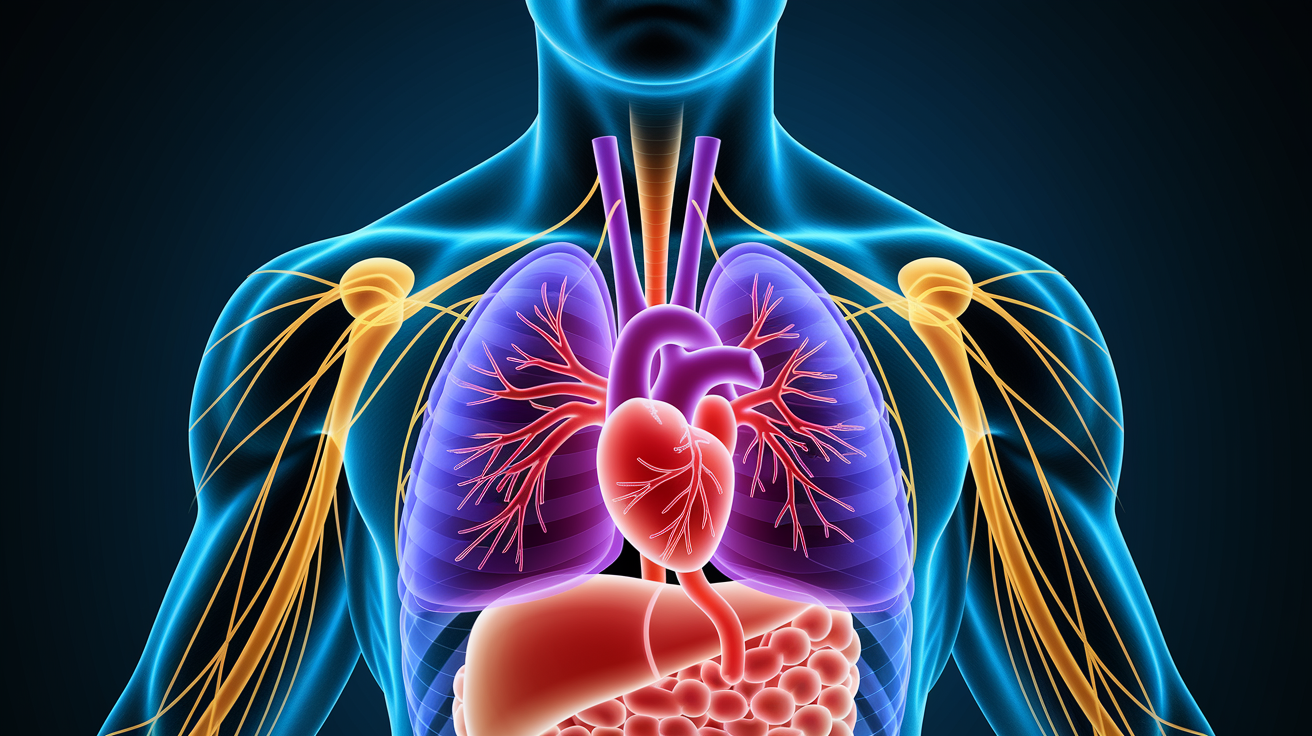
When your nervous system picks up a threat (real or not), it flips the fight or flight switch. Adrenaline and cortisol surge, heart rate climbs, blood shifts away from digestion toward muscles, breathing quickens. That system evolved to help you escape danger. But when anxiety’s chronic, your body stays in threat mode even when you’re sitting at your desk or lying in bed.
The result? A cascade of physical symptoms that can look a lot like other medical problems. Plenty of people end up in urgent care convinced something’s seriously wrong with their heart, lungs, or digestive system, only to learn the root cause is anxiety. That doesn’t make the symptoms imaginary. The sensations are real and uncomfortable, driven by actual changes in heart rate, muscle tension, and gut activity.
Six physical signs that show up even when emotional worry isn’t obvious:
- Digestive issues and GI upset. Nausea, diarrhea, stomach cramping, or IBS-like symptoms that flare during stressful periods.
- Headaches and tension-related facial or jaw pain. Often from clenching your jaw, grinding teeth, or holding tension in the neck and shoulders.
- Muscle tension, aches, and unexplained soreness. Tight shoulders, sore back, or general body discomfort without a clear physical cause.
- Shortness of breath, chest tightness, palpitations, and dizziness. The cardiovascular and respiratory shifts of fight or flight can feel like a heart attack or asthma.
- Sleep problems and persistent fatigue despite rest. Difficulty falling asleep, waking frequently, or feeling exhausted even after a full night because your nervous system never fully downshifts.
- Autonomic symptoms like sweating, chills, flushing, or frequent urination. The autonomic nervous system controls functions you don’t consciously direct, and anxiety throws those automatic processes off balance.
These symptoms cluster because they all stem from the same underlying system: a nervous system stuck in overdrive, preparing for a threat that isn’t actually there.
Emotional and Cognitive Anxiety Symptoms That Often Get Overlooked
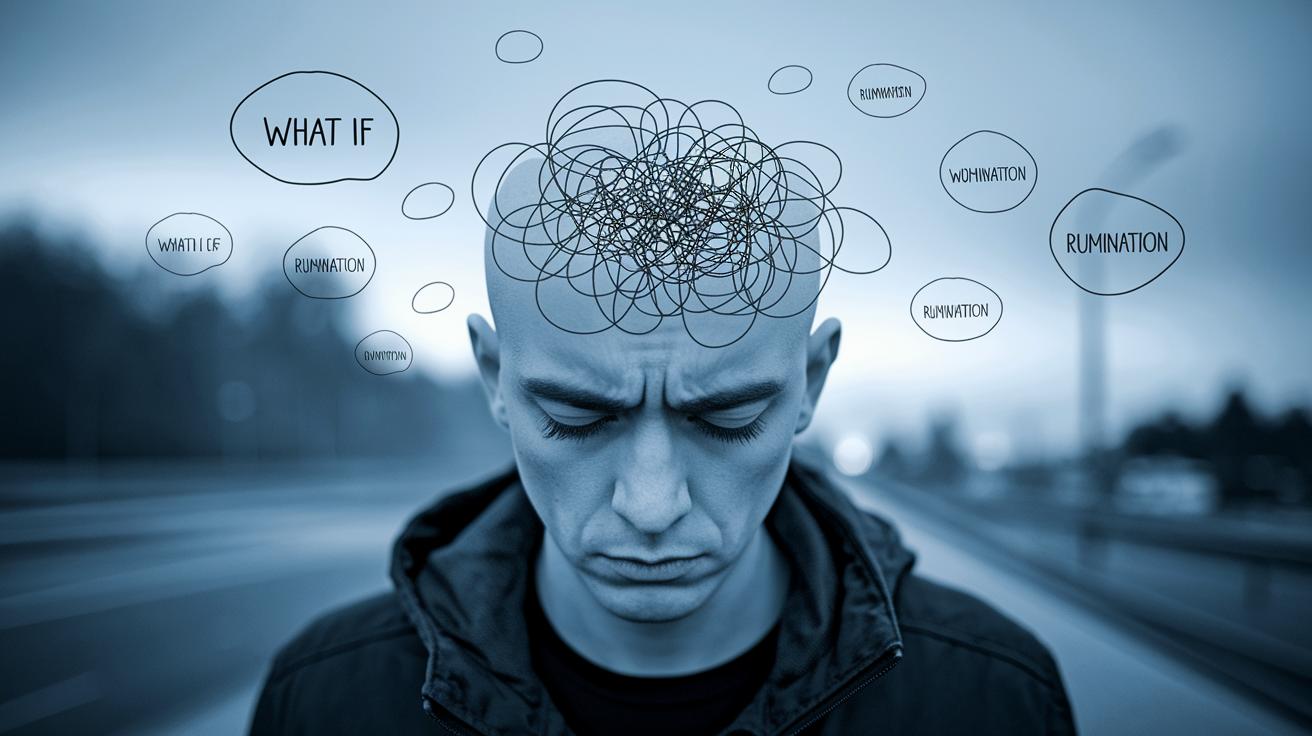
Emotional and cognitive symptoms often arrive before the physical ones become obvious, but they’re easier to brush off as “just stress” or personality quirks. Excessive worry is the hallmark. Persistent, nagging concern about work, health, relationships, money. The worry feels hard to control. It’s not always catastrophic. Sometimes it’s just a low-grade hum of “what if” scenarios running in the background all day.
Rumination is the cognitive loop: replaying past mistakes, mentally rehearsing conversations that haven’t happened, analyzing every social interaction for signs you said something wrong. This mental churn makes concentration difficult. You might find yourself rereading the same email three times or zoning out mid-conversation because your internal monologue won’t pause. Irritability and a sense of impending doom often come along for the ride. Small frustrations feel unbearable, and there’s this vague dread that something terrible’s about to happen even when everything is objectively fine.
In generalized anxiety disorder, these cognitive and emotional patterns show up most days for months. In stress-related anxiety, they spike during high-pressure periods and ease when the stressor resolves. The difference? Persistence and control. If you can’t “turn off” the worry even when you want to, or if it feels way too big for the actual situation, that’s a signal the emotional and cognitive symptoms have crossed into clinical territory.
Behavioral Anxiety Symptoms and Everyday Patterns People Miss
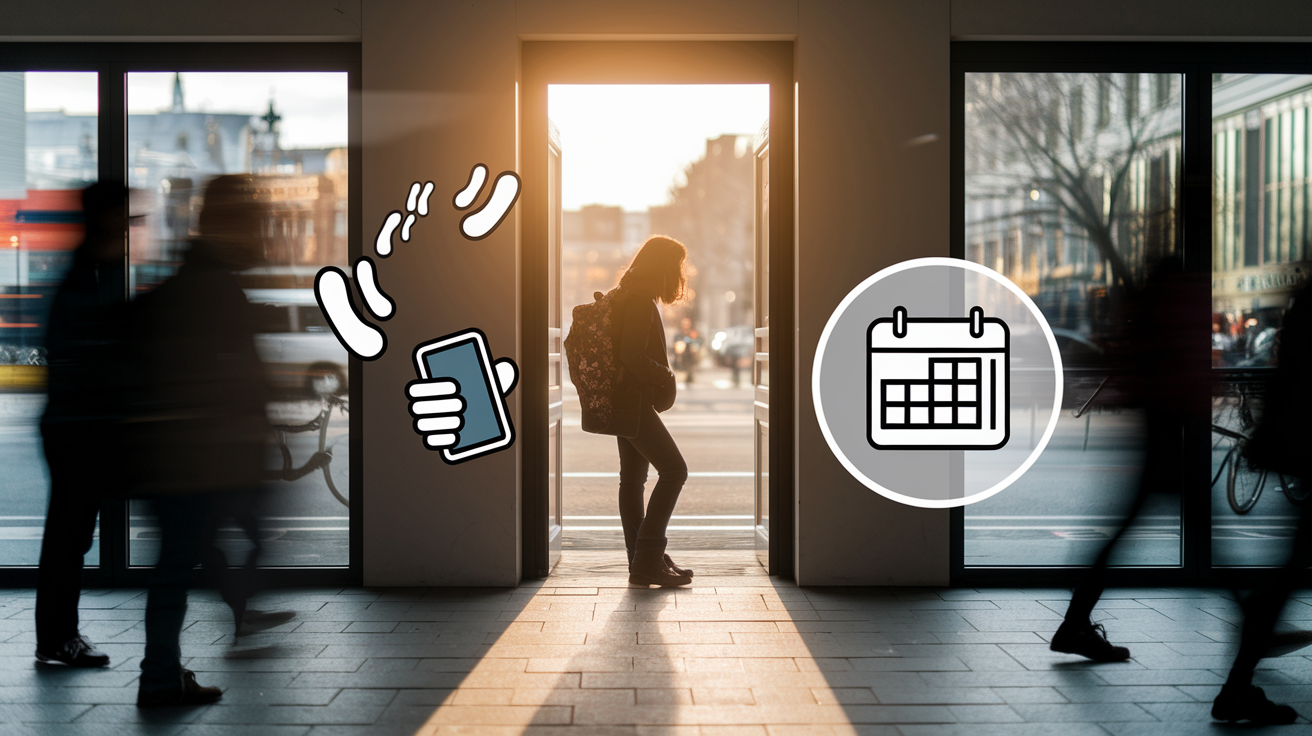
Behavioral symptoms are what anxiety pushes you to do, usually to reduce discomfort in the short term, even though they often make anxiety worse over time. Avoidance is the most common: skipping social events, calling in sick to dodge a meeting, taking the long route to avoid a specific bridge or elevator. Each avoidance teaches your brain that the situation is genuinely dangerous, which strengthens the anxiety loop.
Restlessness and hypervigilance show up as pacing, fidgeting, scanning the room for exits, or constantly checking your phone for bad news. Compulsive behaviors (like repeatedly checking that the door’s locked, rereading texts to confirm tone, or seeking reassurance from others multiple times a day) offer temporary relief but reinforce the cycle. Social withdrawal is another pattern: declining invitations, isolating to avoid judgment or overwhelm, or numbing out with substances or screen time.
Common behavioral signs of anxiety include:
- Avoiding places, people, or activities that trigger discomfort
- Pacing, fidgeting, or inability to sit still
- Compulsively checking (locks, messages, calendar, health symptoms)
- Seeking frequent reassurance from friends, partners, or clinicians
- Using alcohol, cannabis, or other substances to calm the nervous system
Avoidance feels like self-care in the moment, but it blocks exposure learning, the process by which your brain realizes the feared situation is manageable. Over time, avoidance shrinks your world and increases long-term anxiety because you never get evidence that contradicts the fear.
Comparing Normal Stress vs Anxiety Symptoms (Quick Differentiation)
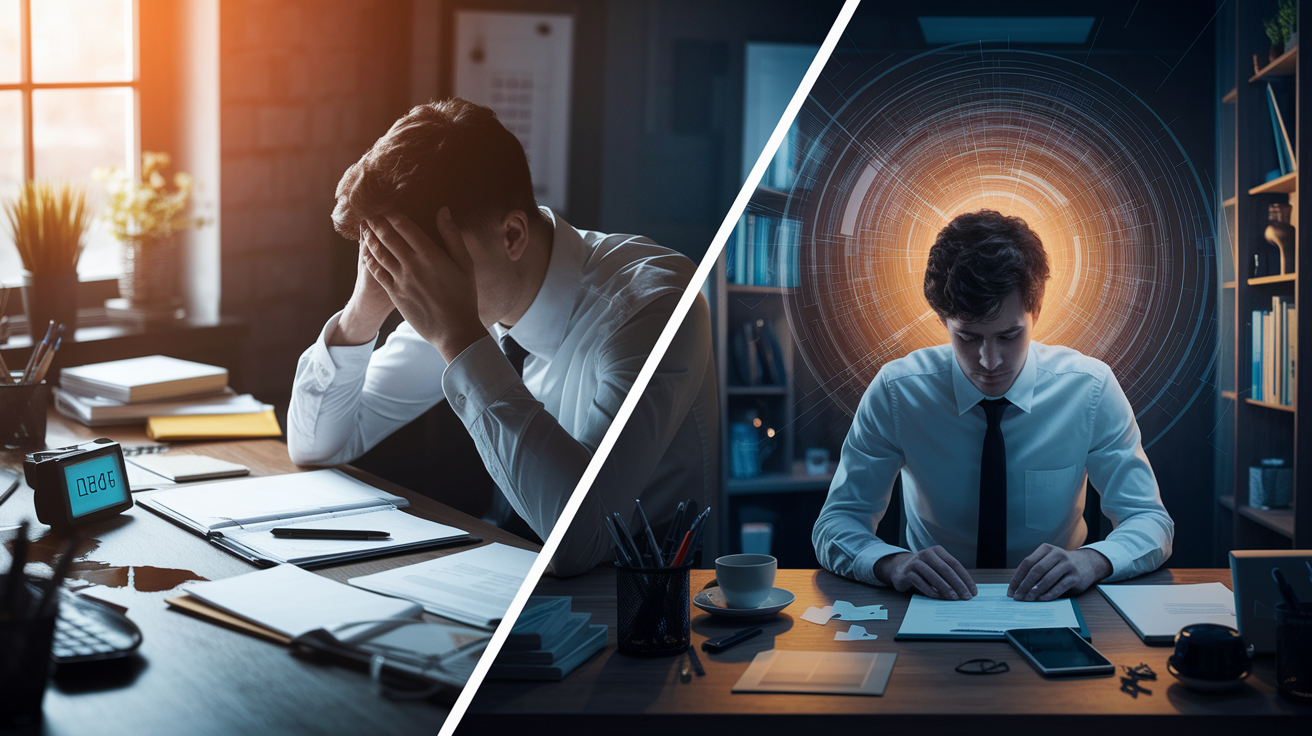
Normal stress and clinical anxiety share many of the same symptoms (racing heart, trouble sleeping, difficulty concentrating), but they differ in duration, pattern, and impact. Stress is situational: it spikes before a deadline, during a conflict, or after bad news, and it usually eases once the situation resolves or you adapt. Anxiety disorders involve symptoms that persist even when life is relatively calm, or reactions that are way out of proportion to the actual risk in the situation.
The following table highlights key differences:
| Sign | Normal Stress | Anxiety Disorder |
|---|---|---|
| Situational triggers | Tied to specific events (exam, presentation, conflict); resolves when event passes | Persistent worry across multiple situations or vague dread without clear trigger |
| Duration | Days to a few weeks; improves as stressor ends | Weeks to months; persists or worsens over time |
| Physical intensity | Mild to moderate discomfort; manageable with rest or distraction | Multi-system symptoms (cardio, GI, neuro) that feel uncontrollable |
| Level of interference | Minimal impact on daily function; can still work, socialize, sleep reasonably well | Significant impairment in work, relationships, self-care, or quality of life |
Three screening questions to help distinguish normal stress from an anxiety disorder: Does anxiety interfere with important life activities (work, school, relationships, self-care)? How severe and persistent is the anxiety? Is it exhausting, demoralizing, or present most days? Is the anxiety out of proportion to the actual risk, and do you feel unable to control or shut off the worry? If you answer yes to multiple questions, the pattern suggests clinical anxiety rather than typical stress.
Anxiety Disorders and Their Symptom Patterns
Anxiety disorders share overlapping symptoms but differ in what triggers the anxiety, how long it lasts, and the specific behavioral patterns that develop. Recognizing these patterns helps clarify whether you’re dealing with generalized worry, panic episodes, social fears, or trauma-related anxiety. Almost one in three adults will experience an anxiety disorder at some point in their life. The most common types (generalized anxiety disorder, panic disorder, social anxiety disorder, PTSD, and phobias) each have distinct symptom signatures.
Generalized Anxiety Disorder (GAD)
GAD involves excessive worry about multiple areas of life (health, work, finances, relationships) occurring more days than not for at least six months. The worry feels difficult to control and is often accompanied by physical symptoms like muscle tension, fatigue, irritability, sleep disruption, and trouble concentrating. Unlike panic disorder, GAD doesn’t involve sudden intense episodes. Instead, it’s a persistent hum of worry and physiological arousal that rarely fully shuts off.
Panic Disorder
Panic disorder is defined by recurrent, unexpected panic attacks: sudden surges of intense fear or discomfort that peak within minutes. A panic attack typically includes at least four symptoms from this cluster: palpitations, sweating, trembling, shortness of breath, chest pain, nausea, dizziness, chills or heat, numbness, derealization (feeling detached from reality), or fear of dying or losing control. After the attacks, people often develop persistent concern about having another attack or change their behavior to avoid triggers. This fear cycle lasts at least one month.
Social Anxiety Disorder
Social anxiety disorder centers on intense fear of social situations where you might be judged, embarrassed, or scrutinized. The fear is way too big for the actual threat and leads to avoidance of everyday interactions: meetings, phone calls, eating in public, or small talk. Physical symptoms (blushing, sweating, trembling voice) can intensify the self-consciousness and create a feedback loop of fear and avoidance.
Specific phobias involve focused, disproportionate fear of a particular object or situation (flying, heights, needles, certain animals) that causes immediate anxiety and avoidance. PTSD involves trauma-triggered symptoms including intrusive memories, hypervigilance, avoidance, and heightened startle response, often with a clear link to a past traumatic event. Each disorder responds well to targeted treatment (exposure therapy for phobias and social anxiety, trauma-focused therapy for PTSD) when symptoms are accurately identified.
Symptom Severity Levels and How to Gauge Your Own Experience
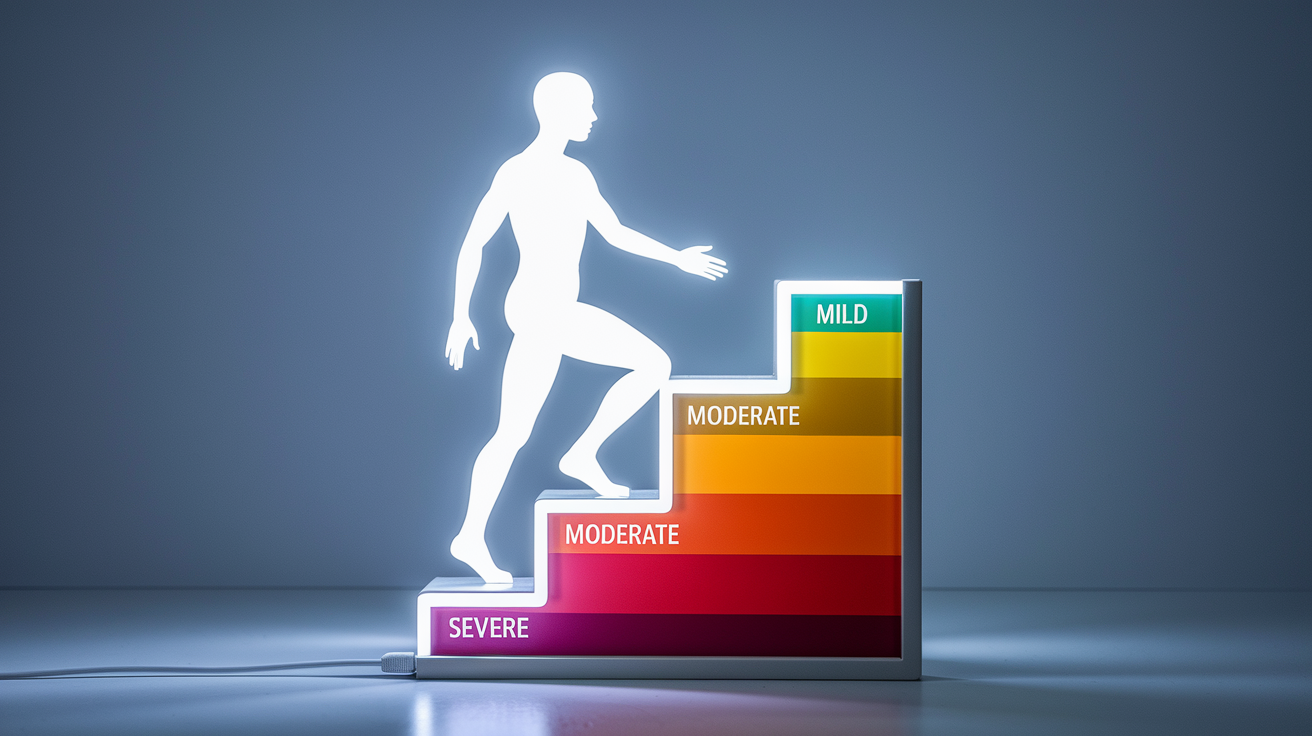
Anxiety symptoms exist on a spectrum, and understanding where your experience falls helps guide next steps. Mild symptoms are present but manageable. You notice worry, occasional physical discomfort, or sleep disruption, but you can still complete daily tasks and maintain relationships without significant strain. Moderate symptoms create noticeable interference: you miss work or social events, rely on avoidance to get through the day, or experience frequent physical symptoms (headaches, GI upset, fatigue) that affect productivity and mood. Severe symptoms cause substantial impairment. You might struggle to leave the house, experience frequent panic attacks, suffer from near-constant worry, or notice marked changes in sleep, appetite, or weight.
Three levels of functional impact to consider:
- Mild: symptoms are uncomfortable but don’t stop you from working, maintaining relationships, or caring for yourself; interference is minimal.
- Moderate: symptoms interfere with at least one major life area (work performance declines, relationships strain, self-care suffers); you use avoidance or substances to cope.
- Severe: symptoms prevent you from functioning in multiple areas; daily tasks feel overwhelming, panic attacks are frequent, or you’re experiencing suicidal thoughts or complete withdrawal.
The GAD-7 is a simple screening tool that assigns severity scores: a score of 5 indicates mild anxiety, 10 indicates moderate, and 15 or higher indicates severe anxiety. Higher scores correlate with greater need for clinical evaluation and treatment. If you score in the moderate or severe range, or if symptoms persist for more than a few weeks and interfere with daily life, professional assessment is the next reasonable step.
When Anxiety Symptoms Signal You Should Seek Professional Care

Certain anxiety symptoms require immediate evaluation, while others warrant a scheduled appointment with a clinician. If you experience any of the following, seek emergency care or call 911:
- Chest pain with difficulty breathing or shortness of breath
- Fainting or near-fainting with rapid heartbeat
- Severe, sudden confusion or neurological changes
- Intense suicidal thoughts or plans to harm yourself or others
- Dangerously rapid heartbeat (subjectively feels out of control) with no prior diagnosis
- Severe weight loss, inability to eat, or signs of medical crisis
Schedule an appointment with a health care provider if symptoms persist for more than two to four weeks and cause noticeable impairment in work, school, relationships, or self-care. For suspected generalized anxiety disorder, look for a pattern of excessive worry occurring most days for at least six months. For panic disorder, recurrent unexpected panic attacks plus ongoing fear of future attacks lasting at least one month are the threshold. If you’re avoiding places, people, or activities due to fear, or if substance use has increased to manage anxiety, those are additional signals to seek evaluation.
The diagnostic process is straightforward. There’s no lab test for anxiety disorders. Clinicians diagnose based on a clinical interview, your symptom history, and the pattern of symptoms over time. Your provider may run tests to rule out medical conditions that mimic anxiety (thyroid disorders, heart arrhythmias, anemia, or medication side effects) and may refer you to a psychiatrist or psychologist for further assessment using validated tools and a more detailed evaluation.
Evidence-Based Ways to Manage Anxiety Symptoms (Therapy, Medications, Lifestyle)

The most effective treatments for anxiety disorders are cognitive behavioral therapy (CBT), medications (primarily antidepressants), or a combination of both. Many people benefit from either CBT or medication alone, and combined treatment often produces better results than either approach by itself. Treatment is tailored to symptom severity, disorder type, and personal preference.
Self-care and behavioral strategies complement clinical treatment. Meditation, yoga, Tai Chi, and regular aerobic exercise lower baseline stress response and improve nervous system regulation. These practices don’t replace therapy or medication when symptoms are moderate to severe, but they’re low-risk, accessible tools that support overall resilience.
Cognitive Behavioral Therapy for Anxiety
CBT focuses on present symptoms rather than childhood history. It teaches you to identify patterns of thinking and behavior that maintain anxiety, then practice changing those patterns through structured exercises. Core components include thought records (tracking and testing anxious predictions), exposure (gradual, tolerable contact with avoided situations), and behavioral experiments (trying new responses and observing the outcome).
Exposure is particularly effective for phobias, panic disorder, and social anxiety. The principle is simple: avoidance feeds anxiety because your brain never learns the feared situation is manageable. Gradual exposure in small, tolerable steps allows your brain to update its threat assessment. Over time, the anxiety response weakens because you’ve accumulated evidence that contradicts the fear.
Medication Options for Anxiety
Antidepressants (primarily selective serotonin reuptake inhibitors or SSRIs, and serotonin-norepinephrine reuptake inhibitors or SNRIs) are commonly prescribed for anxiety disorders and can be as effective (or more effective) for anxiety as they are for depression. These medications typically take a few weeks to show benefit and are taken daily to maintain steady symptom control.
Benzodiazepines are frequently prescribed for acute panic attacks because they work quickly, but they’re not recommended for generalized anxiety disorder due to high risk of tolerance and dependence. Short-term use for specific situations (flying, medical procedures) may be appropriate, but long-term daily use often leads to rebound anxiety and withdrawal symptoms that worsen the overall picture.
Lifestyle strategies that support anxiety management:
- Meditation and mindfulness practices: 10 to 20 minutes daily of guided meditation or body-scan exercises to downregulate the nervous system.
- Regular aerobic exercise: 20 to 30 minutes most days, which reduces cortisol and improves mood regulation.
- Sleep hygiene: consistent bedtime, reduced screen time before sleep, and addressing insomnia early to prevent symptom escalation.
- Limiting caffeine and alcohol: both can trigger or worsen physical anxiety symptoms, especially palpitations, jitteriness, and disrupted sleep.
Self-Assessment Tools and Symptom Tracking for Clarity

Tracking your symptoms creates a clear, data-driven picture to bring to a clinician and helps you spot patterns you might otherwise miss. Start by noting frequency (how many times per day or days per week symptoms occur), duration (how long each episode lasts, in minutes or hours), and triggers (situations, foods, sleep disruption, hormonal phases, or stressors that precede symptoms). Also track functional impact: count missed work or school days, note relationship strain, and quantify changes in sleep (hours per night), appetite, or substance use.
Five practical tracking items to monitor over one to two weeks:
- Symptom frequency: number of anxious episodes or panic attacks per day or week.
- Episode duration: average length of each episode (5 minutes, 1 hour, all day).
- Triggers and patterns: what happened before symptoms started (skipped meal, caffeine, conflict, hormonal cycle, poor sleep).
- Physical symptoms: which of the 11 common symptoms appeared (heart rate, GI upset, dizziness, trembling, etc.).
- Functional interference: how symptoms affected work, relationships, self-care, or daily tasks (quantify missed days, avoided activities).
Complete a GAD-7 screening and note your score. Bring both the score and your symptom log to your appointment. This information helps clinicians assess severity, rule in or out specific disorders, and tailor treatment recommendations. If you notice escalating severity, new symptoms, or interference that’s worsening week to week, don’t wait for a scheduled appointment. Contact your provider sooner for guidance and safety planning.
Final Words
You now have a clear map of how anxiety shows up — the common physical signs, mental patterns, behavioral changes, and how panic or specific disorders can look.
Try tracking timing, triggers, and severity; use low-risk self-care (sleep, hydration, breathing) and share your notes with a clinician. Watch for red flags and get help if symptoms are severe or lasting.
If your anxiety symptoms are frequent, intense, or getting in the way, bringing a short record to an appointment often speeds useful answers. Small, steady steps can make a real difference.
FAQ
Q: How to stop anxiety thoughts?
A: Stopping anxiety thoughts starts with noticing and naming them, then using quick tools: 5-4-3 grounding, slow exhale breathing (count 4–6), brief distraction, or schedule a 10-minute worry time; seek help if persistent.
Q: Can anxiety make you feel sick?
A: Anxiety can make you feel sick by triggering the body’s stress response, causing nausea, tummy upset, dizziness, sweating, or a fast heart rate; calming breathing, sipping water, and a small snack often help.
Q: What to do when you feel anxiety?
A: When you feel anxiety, try a short sequence: name the feeling, 5-4-3-2-1 grounding, slow 4–6 second exhale breaths, move or stretch, drink water; get urgent care if you have chest pain or fainting.
Comments are closed