
Think a sudden anxiety attack lasts for hours? Most panic attacks run 5 to 20 minutes and often peak around the 10-minute mark, even though inside one it can feel endless.
You’re not imagining the racing heart, tight chest, or dizzy, detached feeling, and those are common with a clear pattern.
This post lays out the usual timeline, the typical physical symptoms, simple low-risk things to try right away, what to track for your clinician, and the clear signs that mean you should get medical attention.
Duration of Sudden Anxiety Attacks and What to Expect
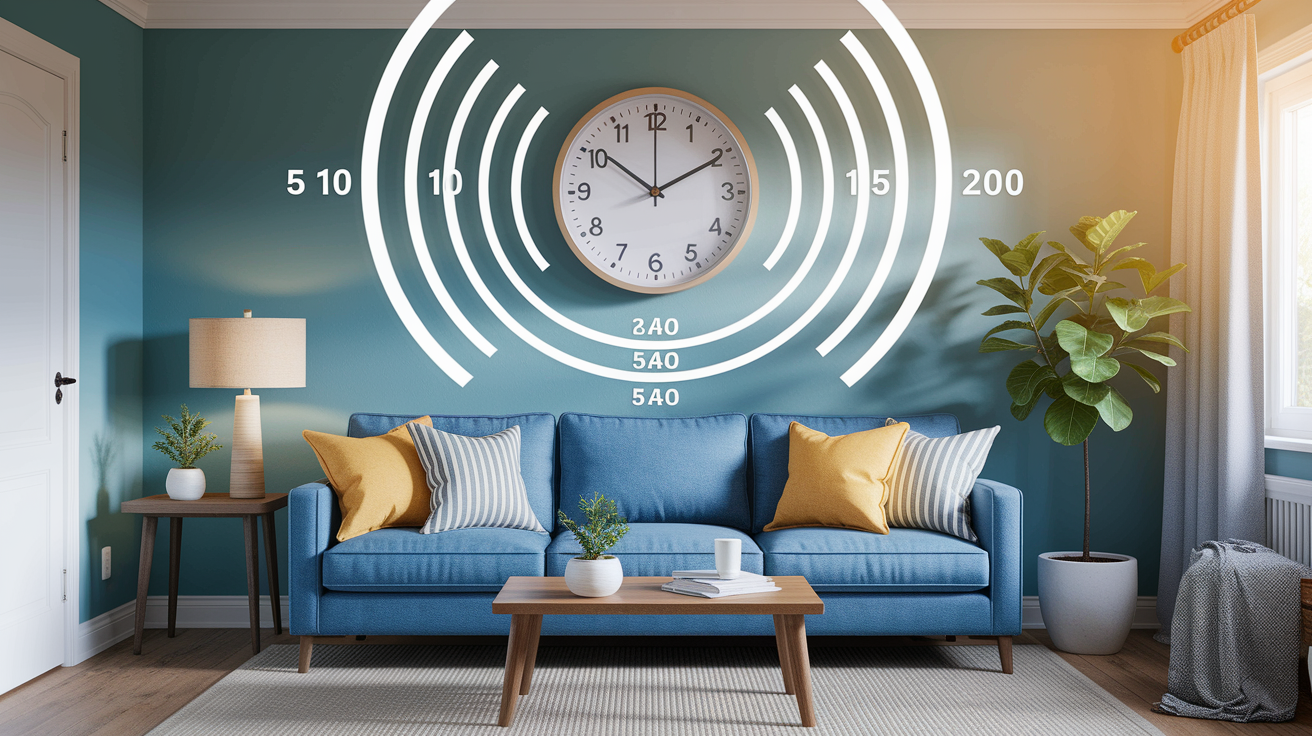
Most panic attacks run about 5 to 20 minutes. Symptoms usually hit their worst around the 10-minute mark. That’s pretty consistent across most people, though when you’re inside one, it can feel like forever.
The attack doesn’t just stop. It fades. Your body starts calming down, and symptoms taper off over the next several minutes.
You’ll probably notice a fast rush of physical stuff: racing heart, tight chest, trouble catching your breath, dizziness, sweating. And with it comes intense fear or this sense that something’s seriously wrong. Everything surges fast, sits at the peak for a bit, then eases back down. Even after the main part passes, you might feel shaky or drained for up to an hour.
Panic attacks end on their own because your nervous system can’t keep running that hot. It burns through what it’s got and naturally pulls back toward normal. Knowing there’s a built-in shutoff can help when you’re stuck in the middle of one.
Onset speed: Symptoms show up fast, sometimes within seconds.
Peak intensity: Usually worst around 10 minutes in.
Decline phase: Physical sensations ease off over the next 5 to 10 minutes.
Lingering effects: Mild shakiness, tiredness, or leftover worry can hang around for 30 to 60 minutes.
Key Symptoms of Sudden Anxiety Attacks
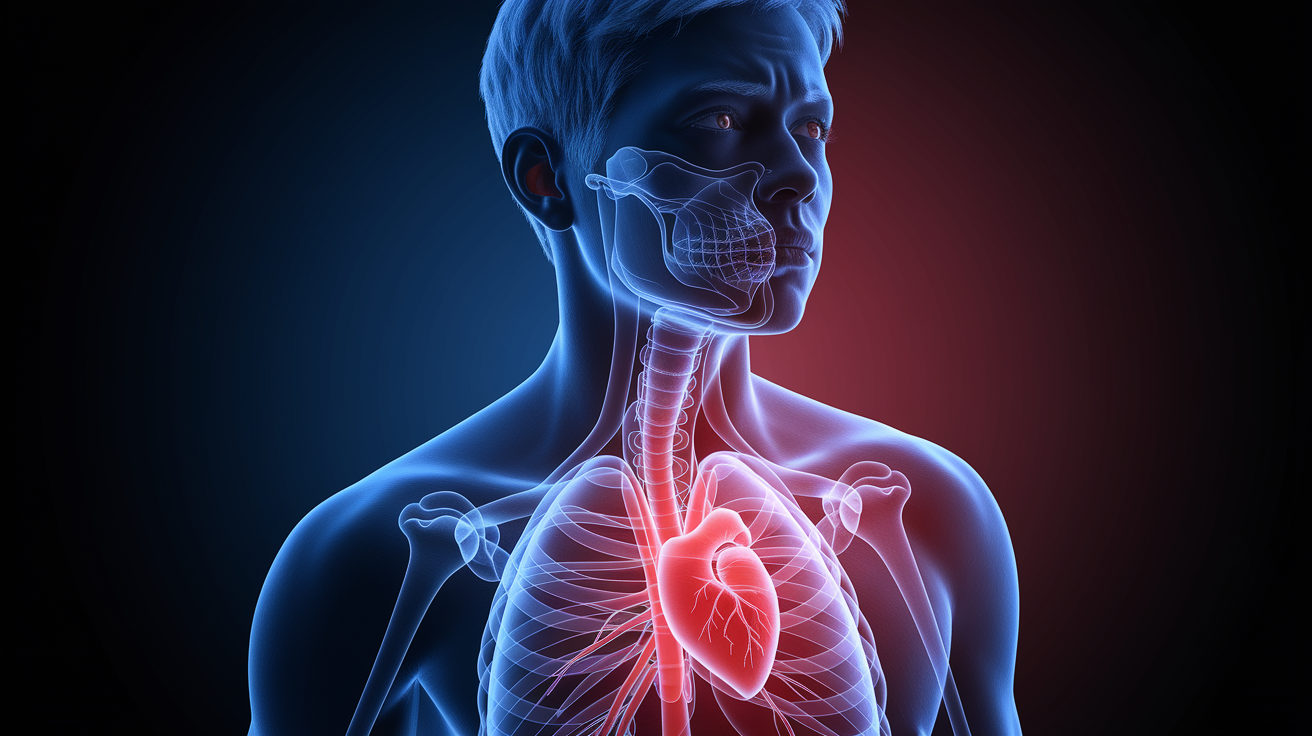
These are the classic signs that mark a panic attack. Recognizing them can help you name what’s happening when your body suddenly shifts into high alert.
Your fight-or-flight response kicks in and floods you with adrenaline. Heart rate jumps, breathing speeds up, muscles tense. When there’s no actual threat, all that activation just shows up as intense, uncomfortable sensations.
Racing or pounding heart
Chest tightness or pain
Shortness of breath, like you can’t pull in enough air
Trembling or shaking
Dizziness or lightheadedness
Sweating or chills
Nausea or stomach discomfort
Numbness or tingling, often in your hands or face
Feeling detached from yourself or what’s around you
Intense fear of dying, losing control, or “going crazy”
Phases of a Sudden Anxiety Attack
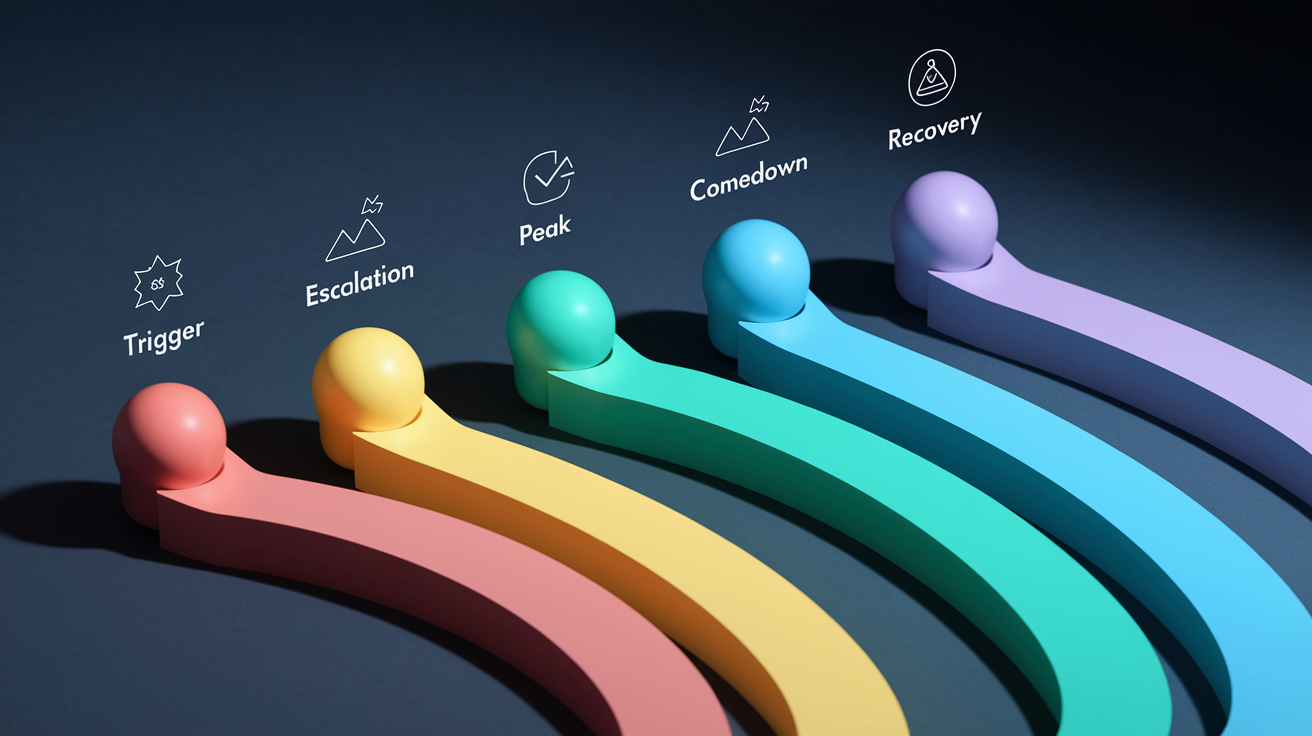
Knowing how a panic attack usually unfolds can make it feel less chaotic. When you’ve got a sense of what comes next, it’s easier to stay grounded.
Trigger or surge: A sudden wave of fear or physical sensation hits. Sometimes there’s a clear reason. Other times it feels random.
Escalation: Symptoms ramp up fast. Your heart races, breathing quickens, muscles tense. This is usually the scariest stretch because everything’s intensifying.
Peak: Around the 10-minute mark, symptoms hit their hardest. Fear, discomfort, and the urge to escape are all at their strongest.
Comedown: Things start easing. Breathing slows, heart rate drops, the panic starts lifting. This phase can take 5 to 10 minutes.
Recovery: The main wave is over, but you might feel shaky or wiped out for the next hour. Some people worry another attack is coming soon.
Effective Techniques to Manage a Sudden Anxiety Attack
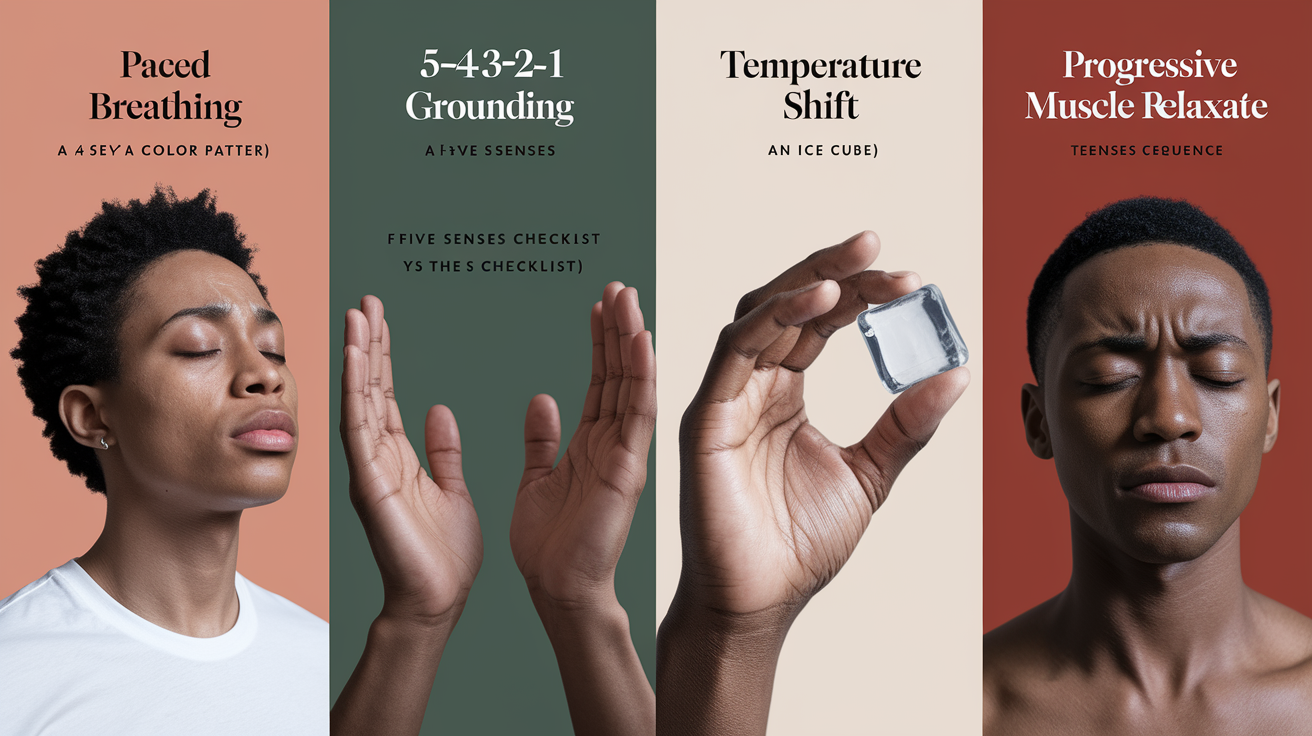
These strategies can interrupt the panic loop and help bring you back toward calm. They won’t fix everything instantly, but they can shorten the attack and soften its edge.
Paced breathing: Slow your breath to tell your nervous system you’re safe. Breathe in through your nose for 4 counts, pause, then breathe out through your mouth for 6. Repeat for a few minutes. Longer exhales activate your body’s calming response.
5-4-3-2-1 grounding: Name 5 things you see, 4 you can touch, 3 you hear, 2 you smell, and 1 you taste. This pulls your focus out of panic and into the present moment.
Temperature shift: Grab an ice cube, splash cold water on your face, or step outside into cool air. A sudden change in temperature engages your dive reflex, which slows your heart and interrupts the panic.
Progressive muscle relaxation: Tense and release one muscle group at a time, starting with your hands or feet. It gives your body something else to do and helps release built-up tension.
Each method works a little differently. Breathing slows your heart, grounding shifts your attention, temperature changes reset things physically, muscle relaxation discharges tension. No single trick works for everyone, so try a few and see what clicks.
The goal isn’t to do it perfectly. It’s just to give your system a little push in the right direction while the attack runs its course.
When a Sudden Anxiety Attack May Require Medical Attention

You should get checked out when your panic pattern changes or when symptoms don’t feel like your usual experience. Most attacks resolve on their own, but some signs need professional eyes.
Chest pain that lasts longer than usual or spreads to your arm, jaw, or back
Fainting or near-fainting
Symptoms that feel different from past attacks
Recurring attacks that mess with work, relationships, or daily life
Constant worry or avoidance between attacks
If you’re having panic attacks regularly, especially if you’re always afraid of the next one or avoiding places because of them, you might meet criteria for panic disorder. Therapy, medication, or both can bring the frequency and intensity down over time.
Differences Between Panic Attacks and Other Conditions
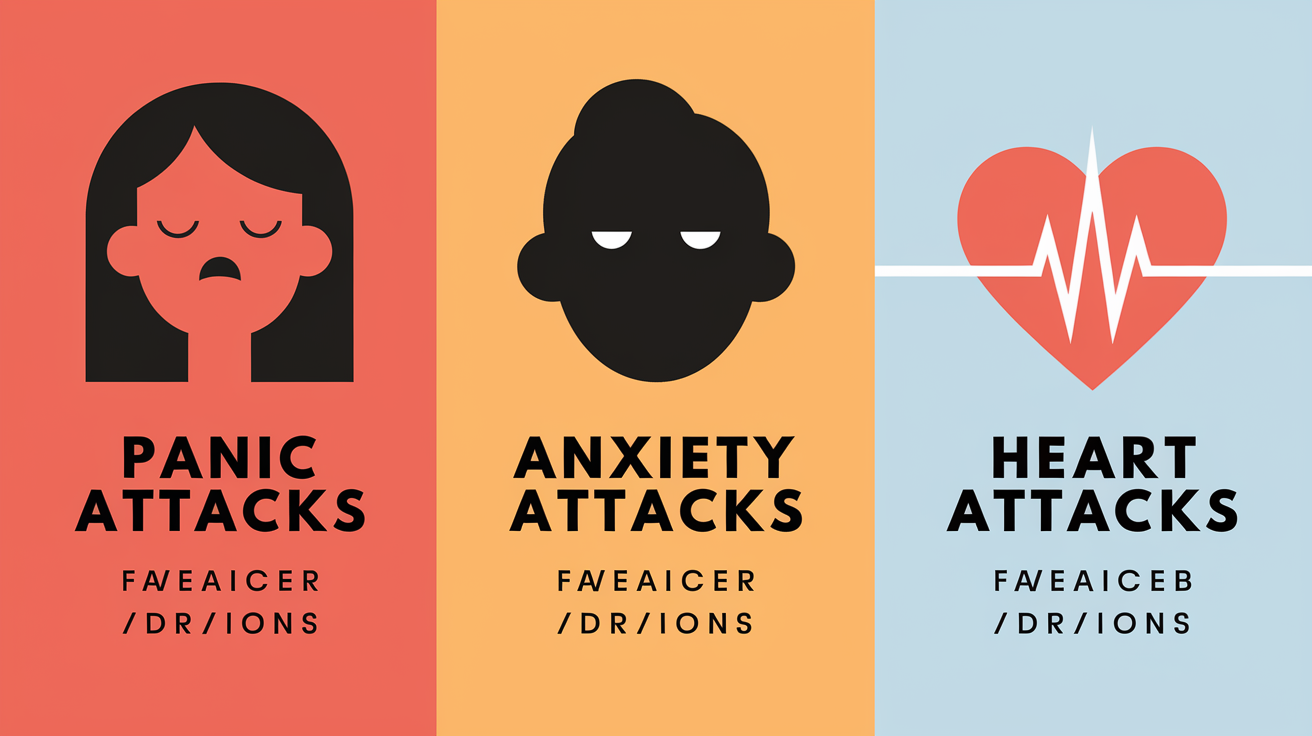
Panic attacks can look a lot like serious medical problems, which is why knowing the difference matters. Heart attacks typically bring chest pressure or pain that spreads to your arm, jaw, or back. You might sweat in a way that’s not connected to fear, feel nauseated, or have a sense of indigestion. The pain usually sticks around or gets worse instead of peaking and fading in 20 minutes. If you’re not sure, get checked. Better to rule out something cardiac than assume it’s just panic.
Anxiety attacks and panic attacks get used interchangeably, but they’re not quite the same thing. Anxiety attacks build slowly in response to stress and can last hours or even days. Panic attacks come on fast, peak within minutes, and often don’t have a clear trigger. Panic is sharper and shorter. Anxiety is less intense but sticks around longer.
| Condition | Key Features | Typical Duration |
|---|---|---|
| Panic Attack | Sudden onset, intense fear, rapid heartbeat, chest tightness, peaks within minutes, resolves on its own | 5–20 minutes |
| Anxiety Attack | Gradual buildup, linked to stress or worry, less physically intense, can persist or recur | Hours to days |
| Heart Attack | Chest pressure that spreads, sweating unrelated to fear, nausea, pain in arm or jaw, symptoms persist or worsen | Ongoing until treated |
Final Words
In the action, sudden anxiety attacks commonly peak around 10 minutes and typically last 5–20 minutes. Intense sensations usually ease gradually, though some anxiety can linger up to an hour.
The post covered common sensations, the five phases, quick grounding and breathing tools, and clear red flags that should prompt evaluation.
If you’re tracking sudden anxiety attacks duration and what to expect, note timing, triggers, severity (0–10), and what helps. Small, steady steps often make a real difference.
FAQ
Q: What does severe anxiety feel like?
A: Severe anxiety feels like intense, overwhelming fear with strong physical sensations, such as heart racing, shortness of breath, dizziness, shaking, and a sense of losing control or impending doom, making clear thinking hard.
Q: Should I let a panic attack happen?
A: Letting a panic attack happen is usually safe; use low-risk coping like paced breathing or grounding to ride it out, and get immediate care if you have new or severe chest pain, fainting, or worsening symptoms.
Q: How to calm a panic attack?
A: To calm a panic attack, try slow paced breathing (longer exhales), the 5-4-3-2-1 grounding method, progressive muscle relaxation, or a cool splash on your face to shift your nervous system.
Q: How to sit with anxiety?
A: To sit with anxiety, notice and name sensations, breathe into them without fighting, use grounding or gentle movement, and track triggers and duration so you can spot patterns and discuss them with a clinician.
Comments are closed