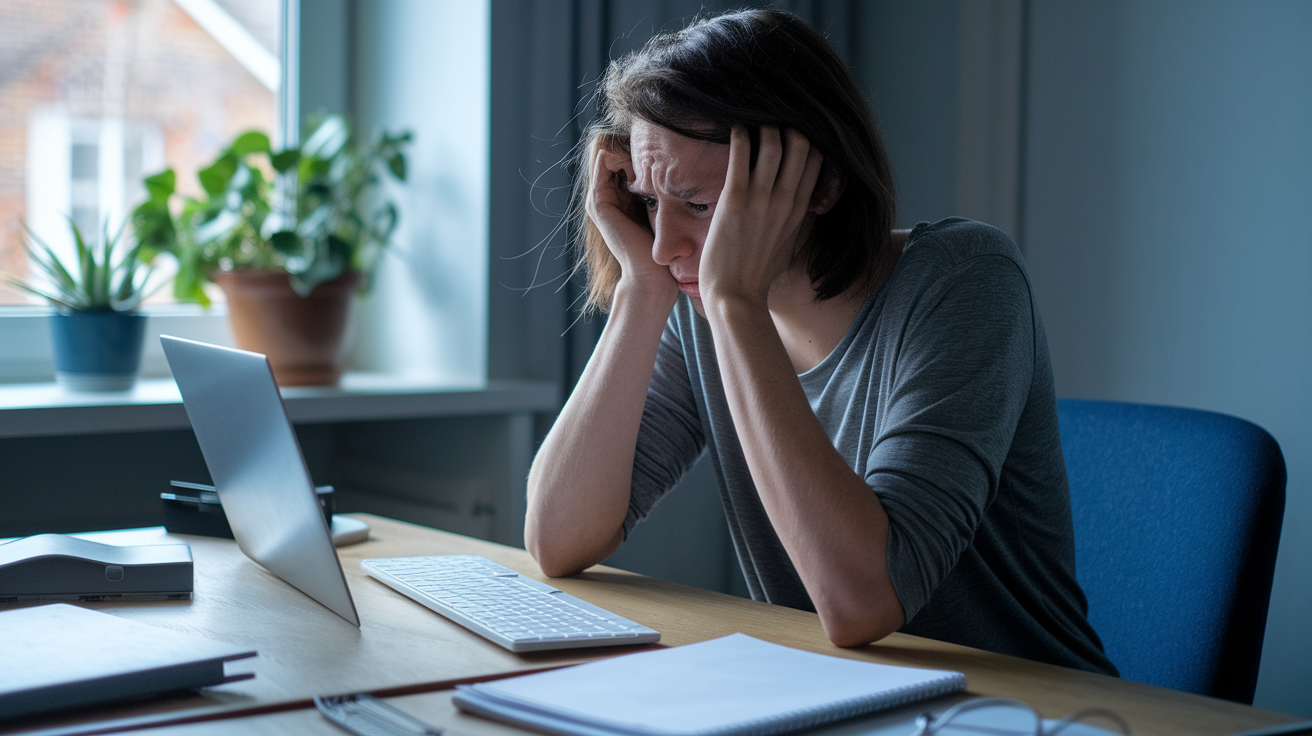
Ever break into a sweat for no reason, your heart racing, and wonder if it’s anxiety or something more serious?
You’re not imagining it.
Sudden anxiety with sweating can come from panic attacks, blood sugar dips, thyroid changes, dehydration, or hormone shifts.
This post explains how your body flips the alarm and gives simple, safe steps you can try right away.
Try paced breathing, quick cooling, grounding, and sipping water to calm both the mind and the body.
It also flags when to seek medical help.
Key Reasons for Sudden Anxiety with Sweating
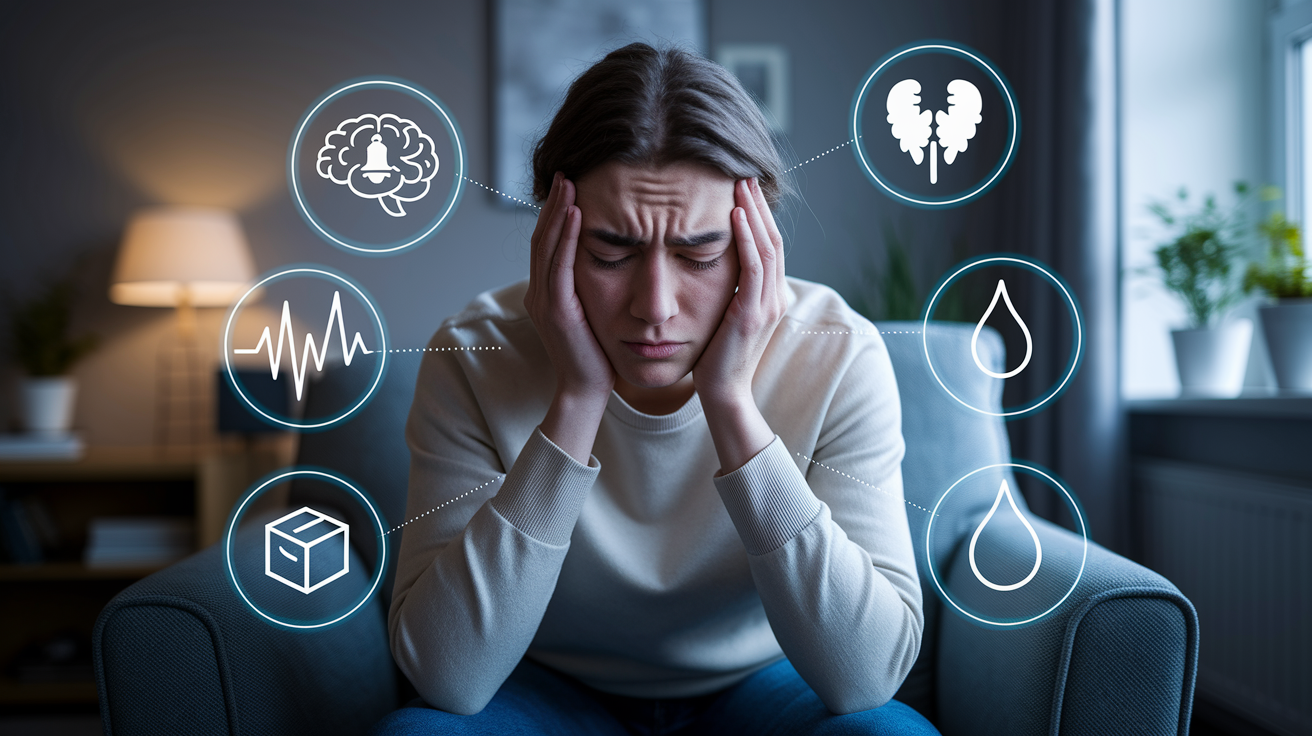
Panic attacks are usually the main culprit when sudden anxiety and sweating show up together. They can hit without warning and dump adrenaline into your system in seconds. Acute stress does the same thing. Getting bad news, facing a confrontation, or running into an unexpected threat can all flip that switch.
Emotional triggers matter too. Public speaking, social pressure, or just anticipatory worry before something important can all fire up sweating alongside racing thoughts and a pounding heart.
Physical and hormonal factors play a bigger role than most people realize. When your thyroid is overactive, it speeds up your metabolism and can either mimic anxiety symptoms or make them worse, including excessive sweating. Blood sugar drops, especially after skipping meals or following intense exercise, can trigger shakiness, confusion, and profuse sweating that feels exactly like an anxiety episode. Dehydration messes with your body’s ability to regulate temperature, which makes both anxiety sensations and sweating worse. Hormonal shifts during menopause, pregnancy, or the luteal phase of your cycle can lower the threshold for stress-triggered sweating.
When your brain senses a threat (real or imagined), it activates the sympathetic nervous system and kicks off the fight-or-flight response. This releases adrenaline and cortisol, which speed up your heart, dilate your pupils, and tell sweat glands to cool the body down in preparation for physical exertion. You might be sitting still, but your body reacts like you need to run or defend yourself.
Primary causes of sudden anxiety with sweating:
- Panic attacks or acute anxiety episodes
- Stress spikes from unexpected emotional or situational triggers
- Thyroid dysfunction or metabolic imbalances
- Blood sugar fluctuations or dehydration
- Hormonal changes related to menstruation, pregnancy, or menopause
Differentiating Anxiety Sweating from Other Conditions

Sweating triggered by anxiety often shows up with other telltale symptoms: rapid heartbeat, shortness of breath, dizziness, and a sense of impending doom. But conditions like hyperthyroidism, infections with fever, cardiac events, and menopausal hot flashes can produce sweating that looks nearly identical. Palpitations and lightheadedness can accompany both anxiety and heart rhythm problems, which makes it tough to identify the true source without further evaluation.
Red flags that suggest a medical cause instead of anxiety include sweating that happens primarily at night without obvious environmental heat, sudden onset of profuse sweating in someone with no prior anxiety history, sweating with chest pain or pressure, fainting, severe shortness of breath, or an irregular or very slow heartbeat. New sweating that lines up with unintentional weight loss, persistent fever, or extreme fatigue needs prompt medical attention. If sweating happens only on one side of your body or comes with confusion or slurred speech, seek emergency care immediately.
To help figure out whether your sweating is anxiety-related, ask yourself a few questions. Does the sweating line up with worry, fear, or a specific stressor? Does it ease once you calm down or remove yourself from the triggering situation? Do you notice other anxiety symptoms like racing thoughts or muscle tension at the same time? If the answers are yes and there aren’t alarming physical signs, anxiety is a reasonable explanation. But persistent or worsening symptoms should still be discussed with a clinician to rule out overlapping or alternative causes.
Immediate Techniques to Reduce Anxiety and Sweating
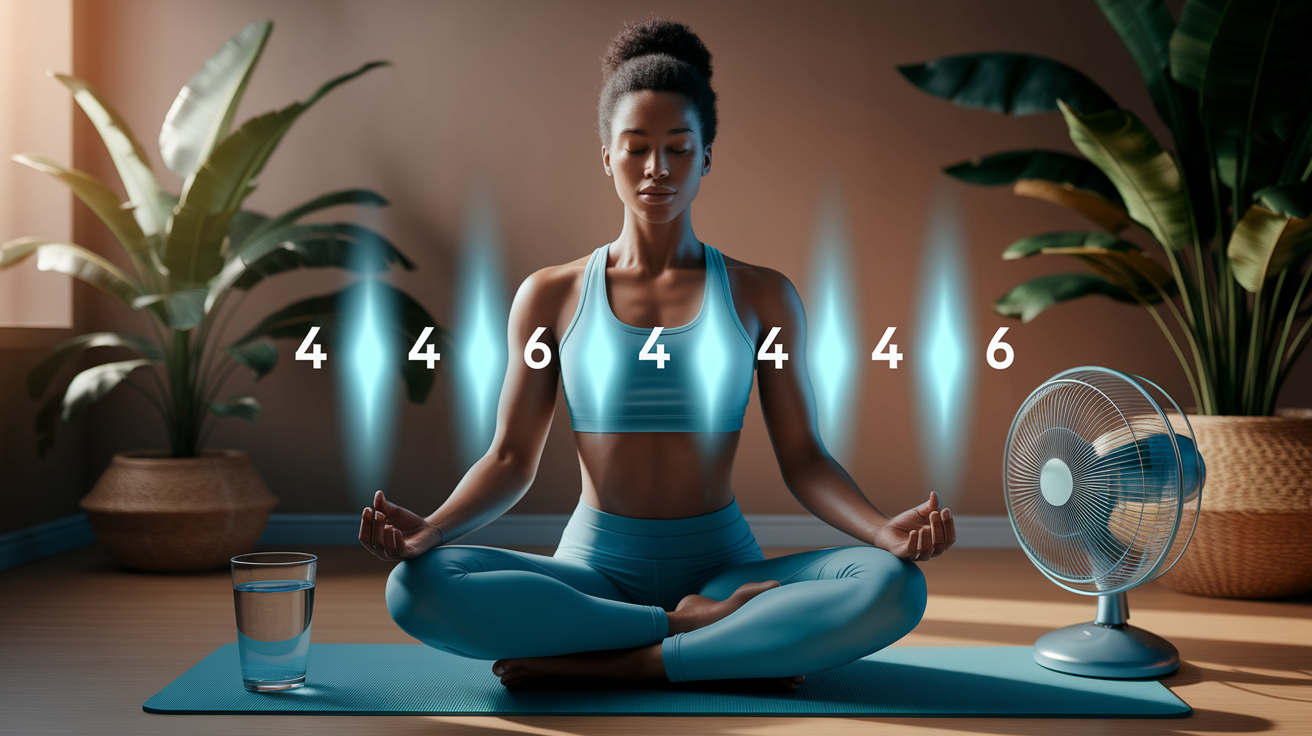
When sudden anxiety and sweating hit, a few quick actions can help your nervous system downshift and reduce both the mental and physical symptoms.
Slow your breathing with paced exhalation. Inhale slowly through your nose for 4 seconds, hold for 4 seconds, then exhale through your mouth for 6 to 8 seconds. Repeat this pattern for 2 to 3 minutes. A longer exhale activates the parasympathetic nervous system and signals safety to your body.
Use the 5-4-3-2-1 grounding technique. Name 5 things you can see, 4 things you can touch, 3 things you can hear, 2 things you can smell, and 1 thing you can taste. This pulls attention away from internal panic and anchors you in the present moment.
Cool your body down. Remove a layer of clothing, splash cool water on your wrists and neck, or hold a cold water bottle against your forehead. Lowering your skin temperature can interrupt the sweating response and help you feel more in control.
Hydrate slowly. Sip cool water to replace what you’re losing through sweat and to give your hands something to do. Dehydration can worsen both anxiety and sweating, so steady fluid intake helps stabilize your system.
Relax your muscles progressively. Tense and then release each muscle group, starting with your feet and moving up to your shoulders and jaw. This reduces physical tension and helps break the feedback loop between muscle tightness and anxiety.
Sit down and lean forward slightly. This position can ease the feeling of breathlessness and reduce the urge to hyperventilate, which often makes sweating and panic worse.
These techniques work because they directly counteract the physiological changes triggered by the fight-or-flight response. Controlled breathing slows your heart rate and lowers circulating adrenaline. Grounding interrupts the mental spiral that fuels panic. Cooling and hydration address the physical discomfort that keeps the stress response active. Together, they help your body recognize that the perceived threat has passed and it’s safe to stand down.
Long‑Term Strategies to Prevent Recurring Anxiety and Sweating

Lifestyle changes form the foundation of long-term anxiety reduction. Regular aerobic exercise (aiming for at least 150 minutes per week) lowers baseline cortisol levels and improves your body’s ability to recover from stress. Consistent sleep of 7 to 9 hours per night stabilizes mood and reduces the likelihood of overreacting to daily stressors. Cutting back on caffeine and alcohol also makes a measurable difference, since both substances can amplify heart rate variability and lower the threshold for anxiety-triggered sweating. Eating balanced meals at regular intervals prevents blood sugar swings that can mimic or worsen anxiety episodes.
Therapeutic approaches like cognitive behavioral therapy teach you to identify and reframe the thought patterns that trigger anxiety. Exposure-based techniques gradually reduce the intensity of panic responses by helping your brain learn that feared situations are manageable. Mindfulness practices (such as daily meditation, body scans, or yoga) train your nervous system to stay calmer under pressure and reduce the frequency of sudden anxiety spikes. Many people find that even 10 minutes of intentional breathing or mindfulness each day leads to noticeable improvement over weeks.
Physiological regulation strategies include tracking your patterns to identify specific triggers, such as skipping meals, poor sleep the night before, or hormonal timing. Once you know your patterns, you can plan ahead. Eat a snack before a stressful meeting, prioritize sleep during high-stress weeks, or practice grounding exercises proactively rather than waiting for panic to arrive. Building a routine that includes movement, rest, and stress outlets creates resilience and makes it less likely that sudden anxiety will escalate into sweating and full-body panic.
When Sudden Anxiety and Sweating Require Medical Attention

Seek immediate emergency care if your sweating comes with chest pain or pressure, severe shortness of breath, fainting, confusion, slurred speech, or a heartbeat that feels dangerously fast, slow, or irregular. These symptoms can signal a cardiac event, stroke, severe hypoglycemia, or another urgent medical condition that requires rapid evaluation and treatment. Call emergency services rather than waiting or trying to drive yourself.
Even without life-threatening symptoms, persistent or worsening anxiety and sweating warrant a clinical visit. If episodes happen frequently, interfere with daily life, occur without clear triggers, or are getting worse over time despite self-help efforts, see your primary care provider or a mental health clinician. Chronic anxiety may require therapy, medication, or both, and ruling out underlying conditions (such as thyroid disease, diabetes, medication side effects, or hormonal imbalances) is an important part of finding the right treatment. If night sweats are frequent and unexplained, or if you experience new-onset sweating along with unintentional weight changes, persistent fever, or extreme fatigue, a thorough medical workup is necessary to ensure nothing else is contributing to your symptoms.
Final Words
You read the clear reasons sudden anxiety with sweating happens — panic attacks, acute stress spikes, and physical causes like thyroid changes, low blood sugar, or dehydration. You also saw how adrenaline and the fight-or-flight system trigger sweating.
You learned fast fixes to try now (slow breathing, grounding, cooling, hydrate) and longer-term steps like better sleep, regular movement, and therapy.
Keep a short log of timing, triggers, and what helps. This short guide on sudden anxiety and sweating causes and relief is meant to help you feel calmer and more in control.
FAQ
Q: Can anxiety make feet sweat?
A: Anxiety can make your feet sweat. Stress and panic trigger the body’s fight-or-flight response, releasing adrenaline that activates sweat glands, often causing clammy or visibly sweaty feet during anxious moments.
Q: Why do I feel anxious and sweaty for no reason?
A: Feeling anxious and sweaty for no clear reason can happen when your nervous system activates without an obvious trigger. Common causes include panic attacks, low blood sugar, hormone shifts, caffeine, dehydration, or hidden stress.
Q: How to calm down anxiety sweats and control sweating naturally?
A: To calm anxiety sweats and control sweating naturally, try slow deep breathing, sip water, cool skin with a fan, loosen layers, do grounding or muscle relaxation, reduce caffeine, and keep regular sleep and exercise.
Comments are closed