
Did you expect feeling calm after quitting alcohol, but instead got sudden, intense anxiety?
You’re not imagining it.
When you stop drinking, your brain that had adjusted to alcohol’s calming effects has to rebalance, and that rebound often shows up as a racing heart, sleepless nights, and sharp worry.
This week-by-week timeline explains what usually happens each hour and week, suggests simple, low-risk steps you can try now, and points out the red flags when it’s time to get medical help.
Why Anxiety Spikes When You Stop Drinking
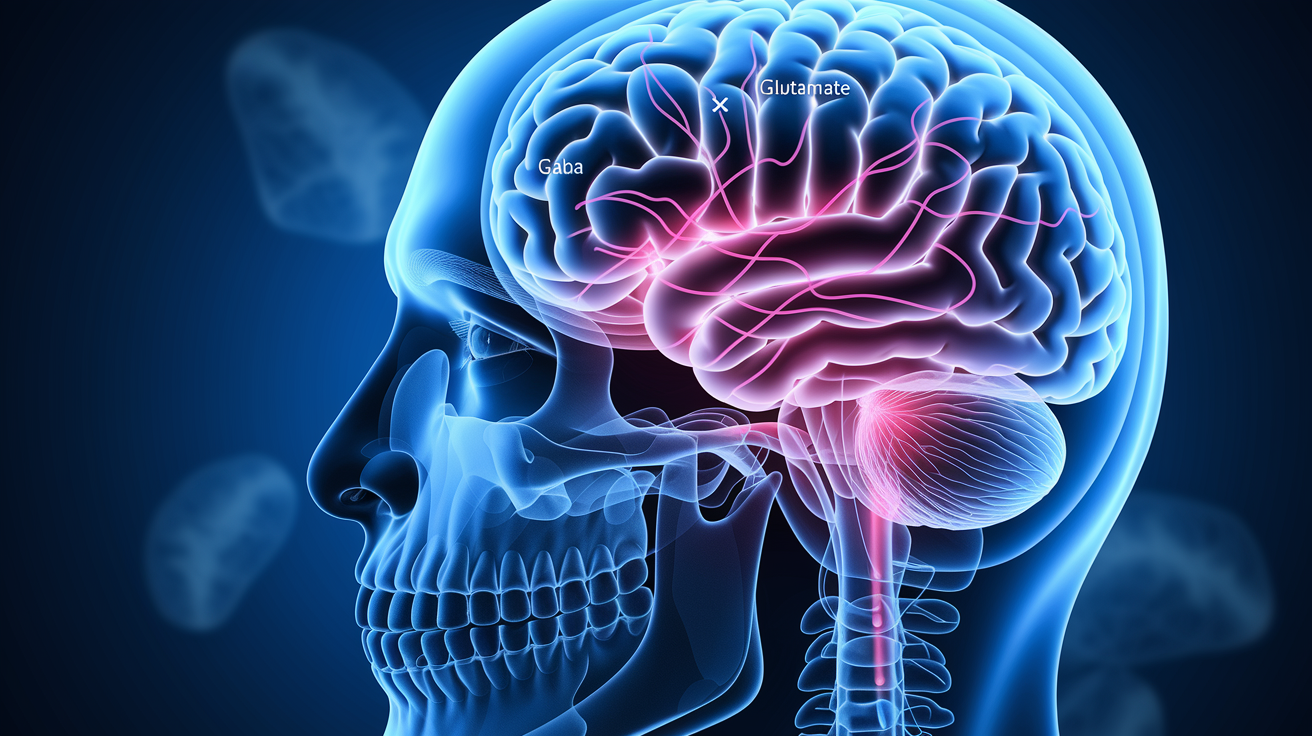
Your brain spent weeks, months, maybe years adapting to alcohol. When you stop, it has to readjust in real time. That process is messy.
Alcohol is a central nervous system depressant. It slows things down by boosting GABA, a neurotransmitter that helps you feel calm, and suppressing glutamate, which revs up nerve activity. Drink regularly and your brain compensates by dialing down GABA production and ramping up glutamate to keep things balanced.
Remove the alcohol suddenly? Your brain’s stuck in overdrive. Too much excitatory activity, not enough calming signals. The result: anxiety, racing thoughts, pounding heart, restlessness, sometimes full-blown panic. Your nervous system’s on high alert, like a smoke alarm that won’t turn off.
This rebound disrupts dopamine, serotonin, and norepinephrine pathways too. Dopamine dips leave you feeling flat and unmotivated. Serotonin imbalances mess with mood regulation. Norepinephrine surges drive that wired, jittery feeling and keep your heart rate up. The amygdala (your brain’s threat-detection center) becomes more reactive. Everyday stressors can feel overwhelming.
This isn’t weakness. It’s neurochemistry.
What Alcohol Withdrawal Feels Like
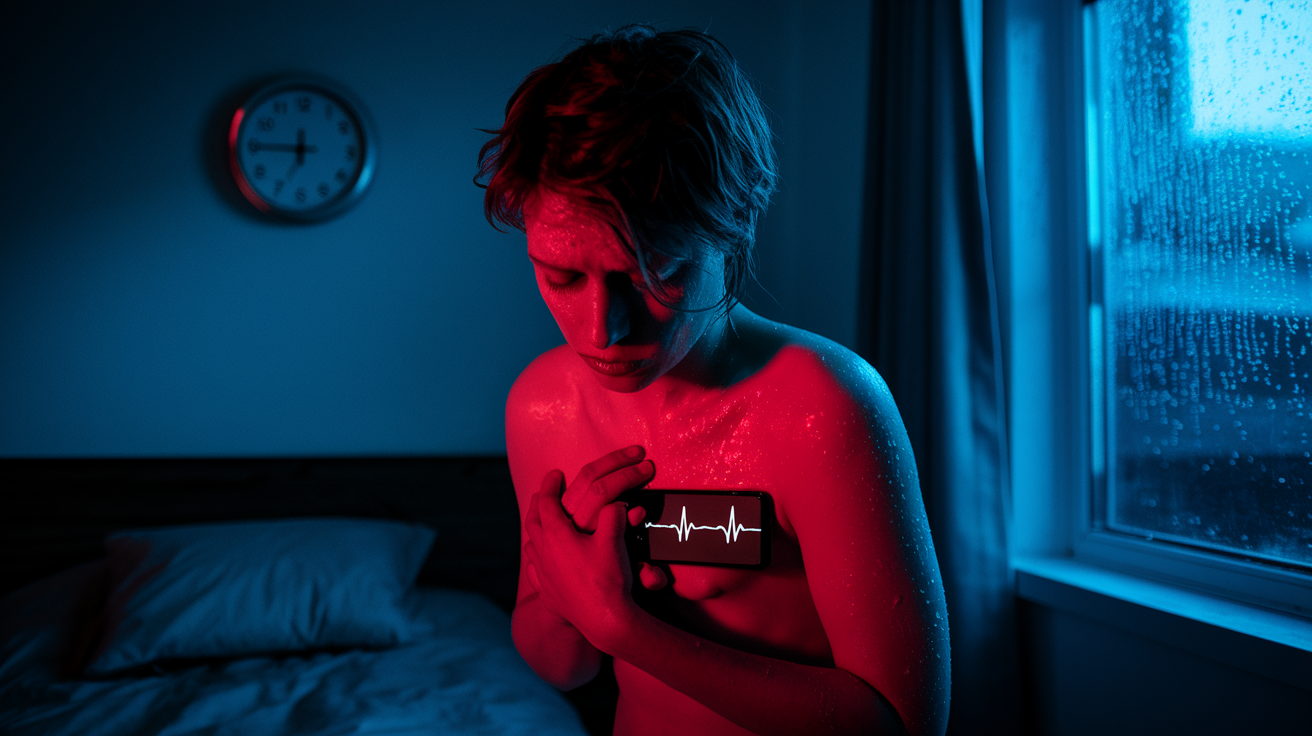
Physical symptoms hit first. Trembling hands, sweating that soaks your shirt, a heart that feels like it’s skipping or pounding. Nausea that makes eating nearly impossible. Headaches that throb behind your eyes. Sleep becomes elusive even when you’re exhausted.
Emotional symptoms often feel worse. Persistent worry loops in your head. Small decisions feel enormous. You might feel tightness in your chest that won’t ease, a sense of impending doom with no clear cause, or sudden waves of panic that make it hard to breathe. Social interactions feel overwhelming. Concentration crumbles.
Some people experience heightened sensitivity to light, sound, or touch. Others describe feeling disconnected or foggy. Irritability is common. You might snap at people you care about or feel frustrated by things that never used to bother you.
In severe cases, visual or tactile hallucinations can occur. Some people see shadows or movement in their peripheral vision. Others feel crawling sensations on their skin. Confusion or disorientation are red flags that need immediate medical attention.
The First 6 to 12 Hours: Early Signals
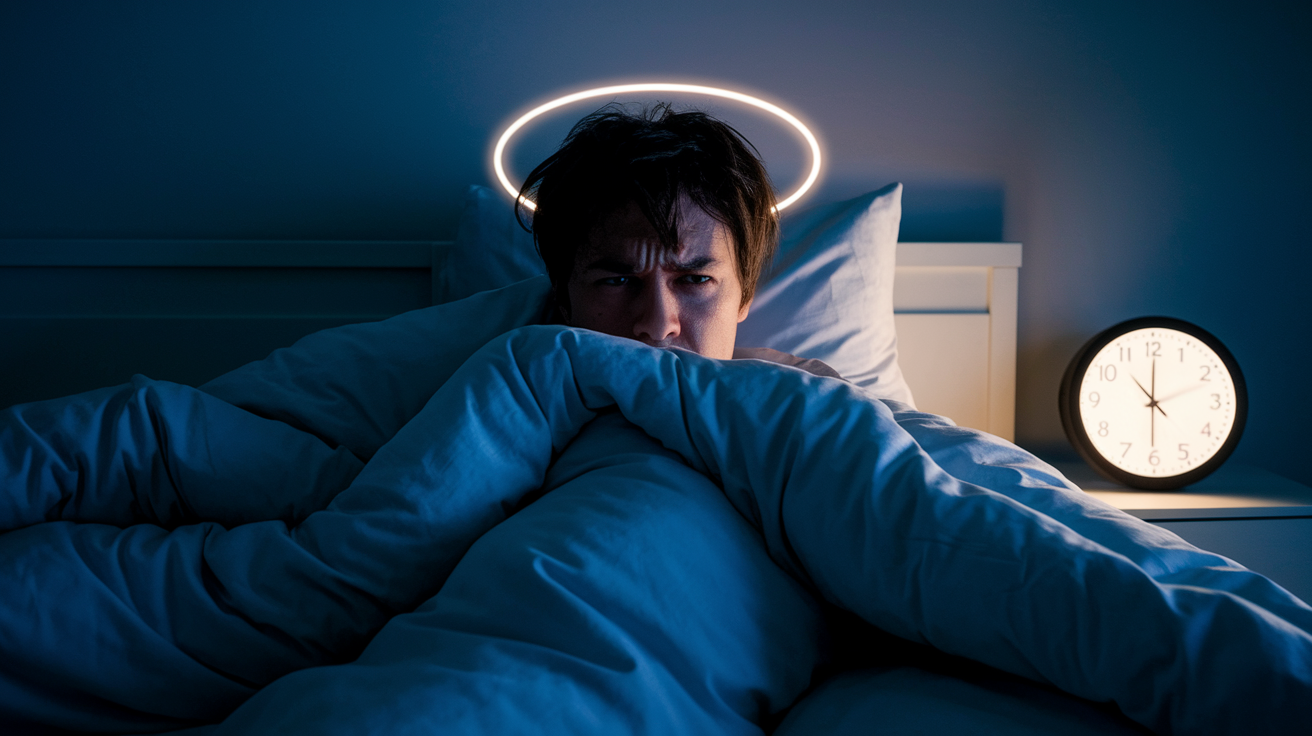
This is when your body first registers the absence of alcohol. For many people, the initial signs are mild but noticeable.
You might feel a low-level restlessness, like you can’t quite settle. Your heart rate ticks up slightly. Your hands might start to tremble when you hold a phone or a cup. Sleep becomes difficult even if you’re tired. Mild anxiety creeps in, often with stomach discomfort or a general sense of unease.
Some people feel irritable or emotionally raw. Small annoyances feel bigger. You might notice increased sweating, especially at night, or a vague sense that something is off.
This stage is usually manageable at home for people who drank moderately. Hydration matters. Eating something gentle on the stomach (crackers, toast, bananas) can stabilize blood sugar. Resting in a quiet space reduces sensory overload.
If your drinking was heavy or long-term, this early window is when you should consider medical supervision. The next 24 to 72 hours carry higher risk.
12 to 24 Hours: Symptoms Build
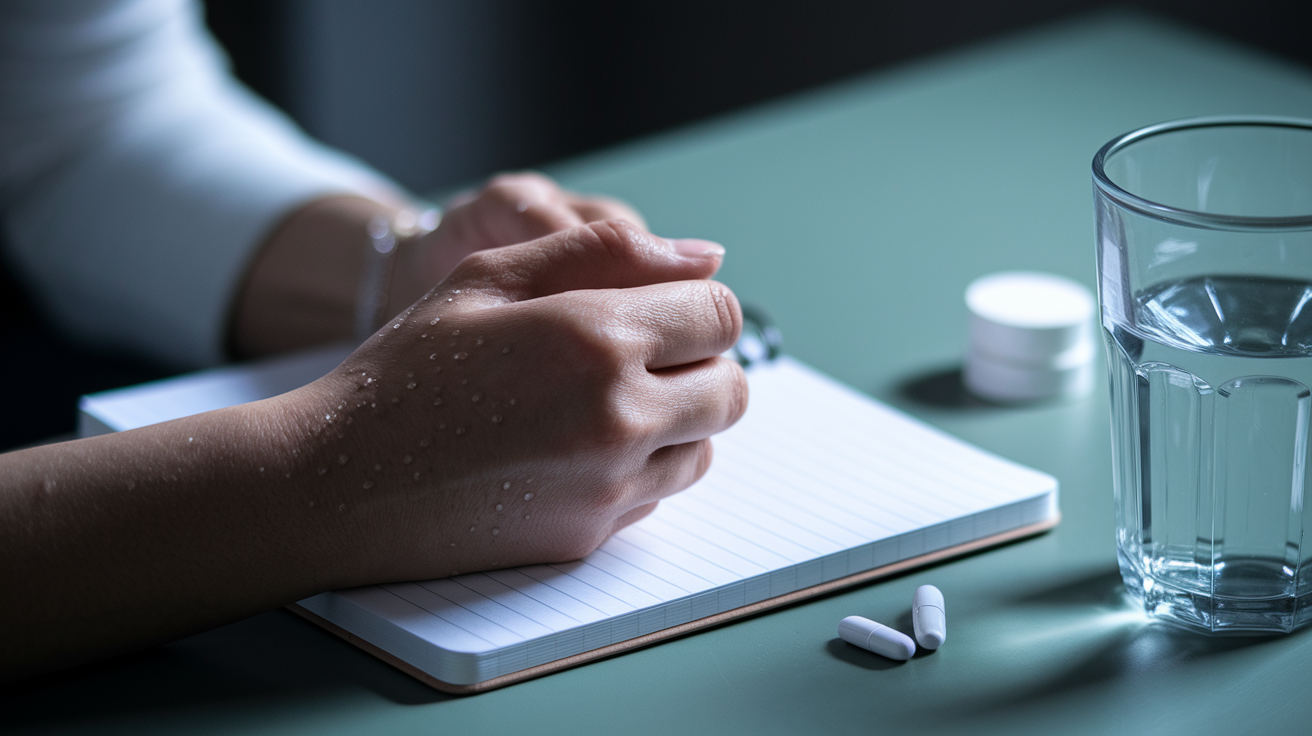
Restlessness intensifies. Anxiety shifts from background noise to something harder to ignore. Your heart might race without exertion. Nausea can make eating difficult. Sleep remains disrupted, and when you do drift off, you might wake frequently or have vivid, unsettling dreams.
Emotional volatility increases. You might feel tearful, angry, or deeply anxious without a clear trigger. Concentration suffers. Tasks that normally take five minutes feel exhausting.
Sweating continues, often in waves. Some people experience mild tremors that are visible when they try to write or type. Headaches may worsen. A sense of dread or hypervigilance is common. You feel on edge, scanning for threats that aren’t there.
This is a critical time to check in with someone. Let a friend or family member know what you’re going through. If you live alone, set up regular check-ins by text or phone.
Keep your environment calm and low-stimulus. Dim lighting, comfortable temperature, minimal noise. Sip water or electrolyte drinks. If you can eat, choose bland, easy-to-digest foods.
Watch for worsening symptoms. If your heart rate stays very high, if confusion sets in, or if you start to feel seriously unwell, seek medical help.
24 to 72 Hours: The Peak
This is when withdrawal symptoms typically hit their hardest. Anxiety can become severe and unrelenting. Your heart pounds. Sweating soaks through clothes. Tremors become more pronounced. Sleep is nearly impossible, and when you do sleep, dreams are vivid, strange, or frightening.
Panic attacks are more likely during this window. You might feel like you can’t catch your breath, experience chest tightness, or have an overwhelming sense that something terrible is about to happen. These episodes can last several minutes and leave you exhausted.
Some people experience intense cravings. Your brain is screaming for the substance that used to calm it down. Intrusive thoughts about drinking can feel relentless.
In a subset of people (especially those with a long history of heavy drinking), this is the highest-risk window for seizures. Seizures can occur without warning and require emergency medical care. Delirium tremens (DTs), though rare, most commonly appears between 48 and 96 hours after the last drink. DTs include severe confusion, hallucinations, high fever, rapid heart rate, and profound agitation. It’s a medical emergency.
If you’re at risk for severe withdrawal, you shouldn’t be going through this at home. Medically supervised detox provides monitoring, medication to ease symptoms and prevent complications, and immediate intervention if things escalate.
For those experiencing moderate withdrawal, this is the time to double down on support. Stay in contact with someone who can check on you. Rest as much as possible. Hydrate. Avoid caffeine and sugar, which can worsen jitteriness. Use grounding techniques (slow breathing, naming objects in the room, gentle movement) to manage acute anxiety.
Days 4 to 7: The Slow Drizzle

Acute intensity usually begins to ease, but you’re far from feeling normal. Anxiety may still spike, especially in the evening or when you’re alone. Fatigue becomes more noticeable. You might feel physically drained even after minimal activity.
Mood dips are common. Some people describe feeling flat, unmotivated, or mildly depressed. Sleep improves slightly but remains fragmented. You might fall asleep more easily but wake up multiple times or too early.
Appetite starts to return, though food may still not taste right. Digestive discomfort (bloating, irregular bowel movements) can linger. Mild headaches or body aches may persist.
Emotionally, you might feel vulnerable or raw. Small stressors can still provoke outsized reactions. Patience with yourself is critical here.
This is also when cravings can resurface, not from physical need but from habit and emotional discomfort. Your brain remembers that alcohol used to “fix” these feelings. Recognizing this pattern helps you interrupt it.
Gentle movement (walking, stretching, light yoga) can help regulate your nervous system. Sunlight exposure, even for 10 minutes, supports circadian rhythm and mood. Continue hydrating and eating regular meals.
If symptoms aren’t improving or are worsening, reach out to a healthcare provider. Persistent high anxiety, inability to sleep for multiple nights, or worsening mood all warrant professional input.
Week 2 and Beyond: Clearer but Not Clear
By the second week, many people notice a shift. Cognitive fog starts to lift. Concentration improves. Sleep becomes more restorative. Physical symptoms (tremors, sweating, nausea) usually fade.
Anxiety often decreases in intensity and frequency, but it doesn’t vanish. You might still have days or moments when it flares, especially in response to stress, lack of sleep, or reminders of drinking. These episodes tend to be shorter and more manageable than in the first week.
Mood can remain unstable. Some days feel lighter, others heavy. Emotional regulation is still rebuilding. You might cry more easily or feel irritable without clear cause.
Cravings shift. The urgent, physical pull of early withdrawal gives way to situational or emotional triggers. Seeing a favorite bar, having a rough day at work, attending a social event where others are drinking. These moments require active coping strategies.
This is when structured support becomes most valuable. Therapy (especially Cognitive Behavioral Therapy or Dialectical Behavior Therapy) can help you identify thought patterns that drive anxiety and build skills to manage them. Group therapy or peer support (like AA or SMART Recovery) provides connection and accountability.
Establishing routines supports recovery. Regular sleep and wake times, consistent meals, daily movement, and time in nature all help stabilize mood and reduce anxiety. These aren’t optional extras. They’re part of the healing process.
Continue tracking what helps and what doesn’t. Notice patterns: Does anxiety spike after poor sleep? After skipping meals? After too much caffeine? Use that information to adjust.
Post-Acute Withdrawal Syndrome (PAWS): The Long Tail
For some people, anxiety and other symptoms persist or reappear weeks or months after stopping alcohol. This is called Post-Acute Withdrawal Syndrome, or PAWS.
PAWS symptoms include intermittent anxiety, mood swings, sleep disturbances, irritability, fatigue, difficulty concentrating, and low motivation. They come and go in waves, often triggered by stress, illness, or life changes. The unpredictability can be frustrating and demoralizing.
PAWS commonly lasts 3 to 12 months, though in some cases symptoms continue for up to 24 months. The good news? Symptoms gradually decrease in frequency and intensity over time. Recovery isn’t linear, but the overall trend is improvement.
Why does PAWS happen? Your brain is still rebalancing neurotransmitter production and receptor sensitivity. Healing from chronic alcohol exposure takes time. Longer than acute withdrawal. Pathways related to stress response, reward, and emotional regulation are slowly recalibrating.
Managing PAWS requires patience and ongoing support. Therapy remains important. Mindfulness-based stress reduction (MBSR) and other mindfulness practices help you observe anxiety without reacting to it. Regular exercise (at least 30 minutes most days) supports neurotransmitter balance and mood. Sleep hygiene is non-negotiable.
Nutrition matters more than you might think. A diet rich in fruits, vegetables, whole grains, lean protein, and healthy fats provides the building blocks for neurotransmitter production. Omega-3 fatty acids (from fish, walnuts, flaxseed) support brain health. Limiting caffeine and sugar reduces blood-sugar swings and jitteriness.
If PAWS symptoms significantly interfere with daily life, talk to a clinician. Short-term medication may be appropriate for some people. Adjustments to therapy or support level can also help.
Why Baseline Anxiety Makes Everything Harder
If you had anxiety before you started drinking, quitting often brings it roaring back. Sometimes louder than before.
Many people with generalized anxiety disorder, panic disorder, or social anxiety use alcohol to self-medicate. It works in the short term, dulling the edge and making social situations feel easier. Over time, though, alcohol worsens anxiety. It disrupts sleep, destabilizes mood, and increases physical symptoms like heart palpitations and sweating. It also prevents you from learning healthier coping skills.
When you stop drinking, you’re left facing the original anxiety without your usual crutch, plus withdrawal-related anxiety on top of it. It’s a double burden.
If you suspect you have an underlying anxiety disorder, assessment and treatment are critical. Therapy (especially CBT, which targets anxious thought patterns) has strong evidence for anxiety disorders. Exposure-based therapies help with panic and social anxiety. EMDR can address trauma-related anxiety.
Medication may be appropriate for some people. SSRIs, SNRIs, or other options can be discussed with a psychiatrist or primary care provider. Short-term anti-anxiety medications are sometimes used during early recovery under close supervision, though they carry their own risks and aren’t a long-term solution.
Co-occurring disorders are common. Depression, PTSD, ADHD, and other conditions often appear alongside alcohol use and anxiety. Treating the whole picture improves outcomes.
Why Managing Anxiety Supports Long-Term Sobriety
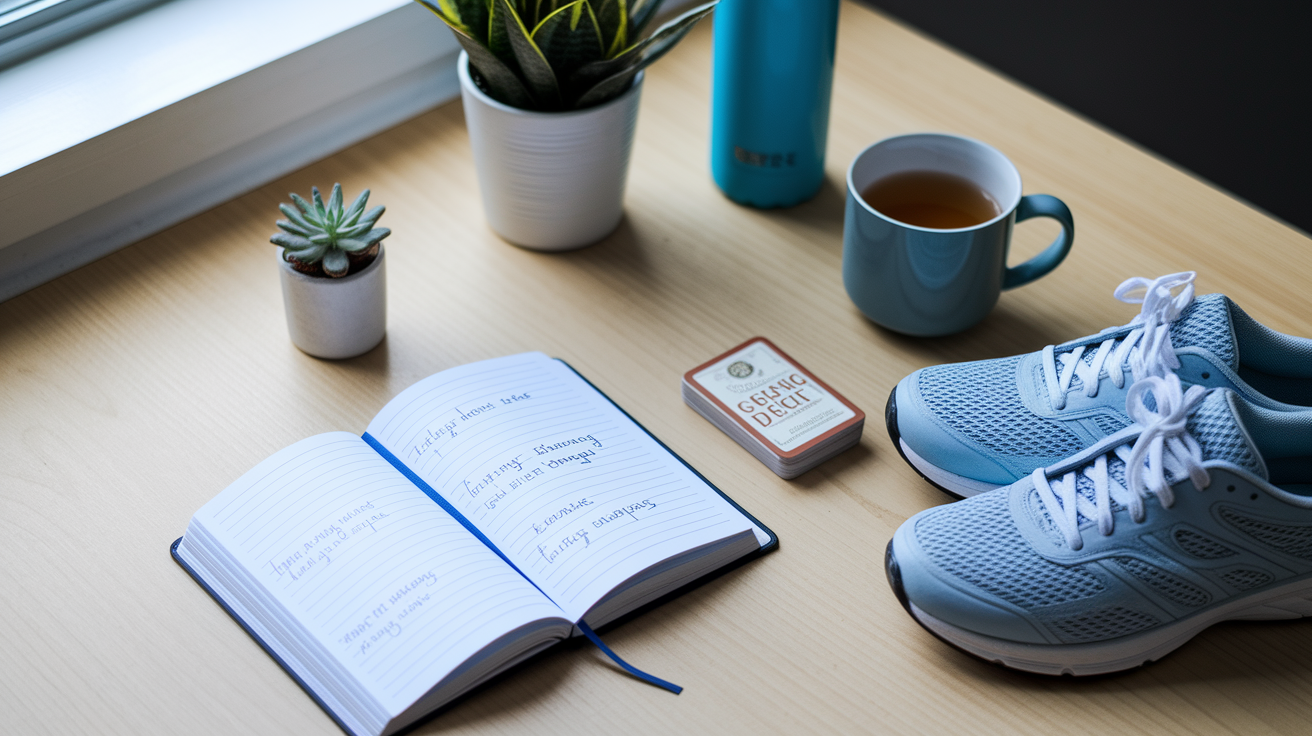
Anxiety is one of the most common triggers for relapse. When discomfort becomes unbearable and relief feels impossible, the urge to drink resurfaces.
Managing anxiety isn’t a side project. It’s central to staying sober. When you have tools to handle anxiety, cravings lose their power. You’re less likely to reach for alcohol when stress hits.
This means building a toolkit of strategies and supports: therapy, peer connection, routines, movement, sleep, nutrition, mindfulness, and sometimes medication. It also means addressing underlying issues (trauma, relationship problems, work stress, chronic pain) that drive anxiety and drinking.
Recovery isn’t just about not drinking. It’s about learning to live in your body and mind without numbing out.
Evidence-Based Therapies That Help
Cognitive Behavioral Therapy (CBT) is the gold standard for anxiety and alcohol use. It teaches you to identify distorted thinking patterns (catastrophizing, black-and-white thinking, mind reading) and replace them with more balanced, realistic thoughts. CBT also includes behavioral experiments and exposure to situations you’ve been avoiding. It’s structured, time-limited, and highly effective.
Dialectical Behavior Therapy (DBT) was originally developed for borderline personality disorder but works well for anyone struggling with intense emotions, impulsivity, and self-destructive behaviors. DBT teaches four skill sets: mindfulness, distress tolerance, emotion regulation, and interpersonal effectiveness. It’s especially helpful when anxiety is paired with emotional volatility or a history of using alcohol to cope with overwhelming feelings.
Mindfulness-Based Stress Reduction (MBSR) trains you to observe thoughts, sensations, and emotions without judgment or reaction. Regular practice reduces overall anxiety, improves emotional regulation, and helps you ride out cravings without acting on them. MBSR typically involves guided meditation, body scans, and gentle movement.
Eye Movement Desensitization and Reprocessing (EMDR) is an evidence-based therapy for trauma. If your drinking and anxiety are rooted in past trauma (abuse, loss, violence, neglect), EMDR can help process those memories so they no longer trigger the same intensity of distress.
Acceptance and Commitment Therapy (ACT) teaches psychological flexibility: accepting difficult thoughts and feelings rather than fighting them, and taking action aligned with your values even when discomfort is present. ACT is particularly helpful for people who feel stuck in a cycle of avoidance.
Therapy works best when it’s consistent. Weekly sessions during early recovery provide structure and accountability. Over time, you can taper to biweekly or monthly check-ins.
Medication: When and Why
Medication isn’t for everyone, but it can be a lifeline for some.
During medically supervised detox, medications like benzodiazepines (e.g., lorazepam, diazepam) are sometimes used short-term to reduce withdrawal symptoms, prevent seizures, and ease anxiety. These are carefully dosed and tapered under medical supervision. Long-term benzodiazepine use carries risks (including dependence), so they’re not a solution beyond the acute phase.
For ongoing anxiety after detox, SSRIs (selective serotonin reuptake inhibitors) like sertraline or escitalopram are commonly prescribed. They take several weeks to work but can significantly reduce baseline anxiety. SNRIs (serotonin-norepinephrine reuptake inhibitors) like venlafaxine are another option.
Buspirone is a non-addictive anti-anxiety medication that can help some people, though it also takes time to build effect.
Hydroxyzine, an antihistamine with anti-anxiety properties, is sometimes used short-term for situational anxiety.
Beta-blockers like propranolol can reduce physical anxiety symptoms (rapid heart rate, tremor, sweating) without affecting the mind. They’re helpful for performance or social anxiety.
Some people benefit from medications that support sobriety directly, like naltrexone (reduces cravings and blocks the rewarding effects of alcohol) or acamprosate (helps stabilize brain chemistry post-detox).
Medication discussions should happen with a psychiatrist or addiction-trained physician. Be honest about your history, symptoms, and concerns. Medications are most effective when combined with therapy and lifestyle changes, not used in isolation.
Practical Coping Strategies You Can Start Today
Mindfulness and meditation: Start with 5 minutes a day. Use a guided app like Insight Timer, Headspace, or Calm. Focus on your breath. When your mind wanders (and it will), gently bring it back. This practice builds the skill of observing anxiety without getting swept away by it.
Exercise: Aim for at least 30 minutes of moderate activity most days. Walking, cycling, swimming, dancing, or weight training all help. Exercise reduces anxiety by burning off stress hormones, boosting endorphins, and improving sleep. Consistency matters more than intensity.
Nutrition: Prioritize whole foods (fruits, vegetables, whole grains, lean proteins like chicken, fish, beans, and healthy fats from avocado, nuts, olive oil). Stay hydrated. Limit caffeine, which can increase jitteriness and mimic anxiety symptoms. Avoid sugary snacks that cause blood-sugar crashes. Eat regular meals to keep energy stable.
Sleep hygiene: Go to bed and wake up at the same time every day, even on weekends. Keep your bedroom cool, dark, and quiet. Avoid screens for an hour before bed. If your mind races, try a body scan meditation or progressive muscle relaxation. If sleep problems persist beyond the first few weeks, talk to a provider.
Peer support: Attend a support group. AA, SMART Recovery, Refuge Recovery, or another option. Hearing others’ stories reduces isolation and shame. Sharing your own experience reinforces commitment. Find a group that feels right. If the first one doesn’t fit, try another.
Accountability partner: Choose someone you trust (a friend, family member, sponsor, or therapist) and check in regularly. Knowing someone is tracking your progress and cheering you on makes a difference.
Trigger tracking: Notice when anxiety spikes. Is it after poor sleep? Skipping meals? Conflict at work? Certain people or places? Write it down. Patterns become visible over time, and you can start to plan around or address them.
Distraction and grounding: When anxiety surges, distract yourself with a simple task (folding laundry, washing dishes, organizing a drawer). Use grounding techniques: name five things you see, four things you can touch, three things you hear, two things you smell, one thing you taste. This interrupts the anxiety spiral and brings you back to the present.
Red Flags: When to Get Urgent Help
Some symptoms require immediate medical attention. Don’t wait.
Seizures: Any seizure during or after alcohol withdrawal is a medical emergency. Call 911.
Severe confusion or disorientation: If you can’t remember where you are, what day it is, or you’re seeing or hearing things that aren’t there, seek emergency care.
Hallucinations: Visual (seeing things), tactile (feeling things on your skin), or auditory (hearing voices) hallucinations can signal delirium tremens. This is life-threatening.
High fever: A fever above 101°F (38.3°C) during withdrawal is concerning.
Chest pain or very rapid heart rate: If your heart is pounding uncontrollably or you have chest pain, go to the ER.
Severe, uncontrollable vomiting or signs of dehydration: Inability to keep down fluids, dizziness when standing, very dark urine, or confusion from dehydration all require medical evaluation.
Suicidal thoughts: If you’re thinking about harming yourself, call 988 (Suicide and Crisis Lifeline in the U.S.) or go to the nearest emergency room.
If you have a history of heavy, long-term drinking, medically supervised detox is the safest option. Trying to detox alone at home increases the risk of complications.
Realistic Recovery Expectations
Expect the worst of acute anxiety in the first 24 to 72 hours. Most people see noticeable improvement by the end of the first week, though fatigue and emotional instability can linger.
By weeks 2 to 4, cognitive fog lifts, sleep improves, and anxiety becomes more manageable. Triggers still provoke episodes, but they’re shorter and less intense.
Within 1 to 6 months, your brain is well into the rebalancing process. Neurotransmitter production stabilizes. Cravings decrease. Anxiety often reaches a much lower baseline. Some people will experience PAWS during this time (intermittent anxiety, mood swings, sleep disturbance), which can last 3 to 12 months or longer.
Recovery timelines vary. Factors that affect how long symptoms last include:
| Factor | Impact on Timeline |
|---|---|
| Duration and severity of drinking | Longer, heavier use typically means longer withdrawal and PAWS |
| Pre-existing anxiety or mental health conditions | Can extend and intensify symptoms |
| Quality of support system | Strong support improves outcomes and speeds recovery |
| Access to therapy and medical care | Professional treatment reduces symptom severity and relapse risk |
| Physical health and nutrition | Better overall health supports faster brain healing |
| Sleep quality | Restorative sleep accelerates recovery; poor sleep prolongs symptoms |
Recovery isn’t a straight line. Some days will feel better than others. Setbacks (a bad night of sleep, a stressful event, a wave of PAWS) don’t erase progress. They’re part of the process.
Combining therapy, lifestyle changes, peer support, and medical care when needed gives you the best chance of managing anxiety and staying sober long-term.
Final Words
You learned what sudden anxiety can feel like after stopping alcohol, common non-scary reasons it shows up, and the patterns that matter most.
We covered simple, low-risk steps to try now — steady meals, hydration, sleep, gentle movement, paced breathing — plus what to track before you see a clinician.
Keep a short log of timing, triggers, and what helps. That makes appointments more useful.
If you’re tracking a sudden anxiety after quitting alcohol timeline, note the details and share them with your clinician — many people steady out with time and support.
FAQ
Q: How long does anxiety last after you quit drinking alcohol?
A: Anxiety after quitting alcohol typically lasts from a few days to many months. Acute withdrawal often peaks in 24–72 hours and eases within a week, while PAWS can cause intermittent anxiety for months.
Q: Is anxiety a withdrawal symptom?
A: Anxiety is a common withdrawal symptom from alcohol. It can show up during acute withdrawal and as part of PAWS, feeling like worry, restlessness, or panic. Seek help if symptoms are severe or stop you functioning.
Q: How long does it take to get rid of alcohol anxiety?
A: Getting rid of alcohol-related anxiety varies widely. Some improve in days to weeks; others need months of recovery, therapy, better sleep, regular movement, and sometimes medication. See a clinician if it persists.
Q: What is PAWS post-acute withdrawal syndrome?
A: PAWS (post-acute withdrawal syndrome) is lingering symptoms after the first withdrawal phase. It commonly includes anxiety, sleep problems, mood swings, low stress tolerance, and cravings that can come and go for months.
Comments are closed