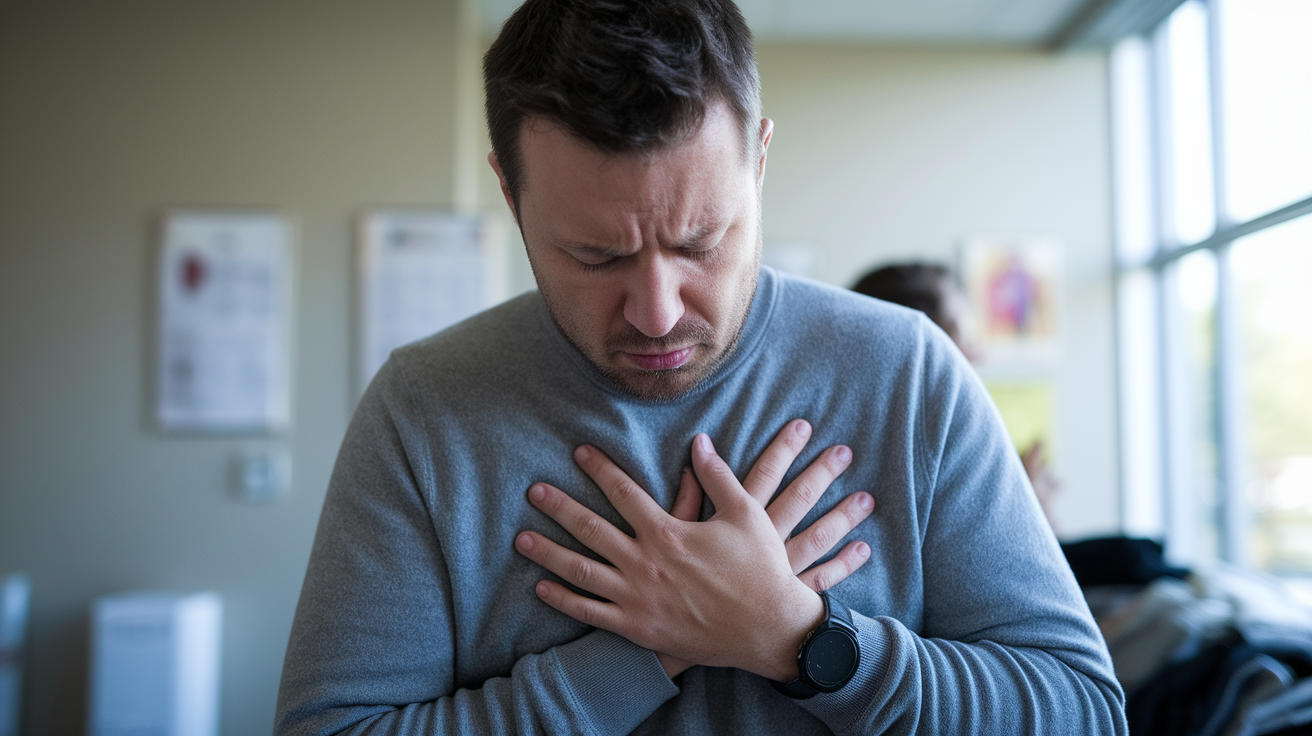
Think a sudden racing heart is always just anxiety?
Sometimes it’s true, but other times it’s a medical emergency.
When chest pain, fainting, severe breathlessness, or very fast or oddly irregular beats show up, you need help now.
You’re not imagining it.
This short guide lays out the clear red flags that mean call emergency services, quick checks and calming steps you can try in the moment, and when to seek urgent but non-emergency medical evaluation.
You’ll leave knowing what to watch for and what to do next.
Immediate Emergency Warning Signs for Sudden Anxiety and Palpitations
When your heart’s pounding and your chest feels tight, figuring out whether it’s panic or something more dangerous can feel impossible. Some symptom combinations need immediate help because they can mean a heart attack, stroke, or rhythm problem that’s truly life threatening. Even if you’re not sure, these signs mean you shouldn’t wait to see if things calm down on their own.
Your body usually gives clear signals when the problem’s urgent. Severe symptoms that show up suddenly, especially if you’ve never felt them before, should always be taken seriously.
Call 911 now if you’ve got sudden anxiety or palpitations with any of these:
- Chest pain or pressure that feels heavy, squeezing, or spreading to your arm, neck, jaw, or back, especially with sweating, nausea, or fainting
- Severe shortness of breath or you can’t speak in full sentences
- Loss of consciousness, fainting, near fainting, or sudden collapse
- Heart rate over 150 beats per minute with severe lightheadedness, chest pain, or fainting, or a heart rate under 40 with symptoms
- Sudden weakness, numbness on one side of your body, slurred speech, confusion, or vision changes (possible stroke)
- Seizure, bluish lips or face, or shock signs like cold clammy skin and rapid weak pulse
- Palpitations that feel extremely irregular, like pausing or skipping, and they’ve been going on for more than 20 to 30 minutes
Even without those severe warnings, you still need urgent medical evaluation if your palpitations are ongoing right now and won’t stop, if your resting heart rate’s staying above 100 to 120, or if you have a strong sense that something’s very wrong and getting worse.
Quick Triage Guide for Sudden Anxiety and Palpitations
Before anything else, check the emergency warning signs above. If you’ve got any of them, call 911. If you don’t, you can use the pattern and timing of your symptoms to figure out your next step.
Anxiety related palpitations usually follow a recognizable arc. They tend to start quickly after a stressor, peak within about 5 to 10 minutes, and then ease as you calm down. If slow breathing, sitting quietly, or removing yourself from a tense situation makes your heart rate come down within 10 to 20 minutes, and you feel better afterward, you’re likely dealing with anxiety. Heart rhythm problems, on the other hand, often come on without an obvious trigger. They may feel erratic or irregular instead of just fast, and can persist for 20 to 30 minutes or longer without calming down.
Check these non-emergency but important details:
- How long have your palpitations been going on? Episodes under 5 to 20 minutes that resolve with rest are usually lower risk.
- Is this the first time, or have you had similar episodes before? New palpitations need evaluation.
- What were you doing when it started? Panic often follows stress. Heart issues can appear during rest or sleep.
- Is your heart rate over 100 while you’re sitting still? That’s worth checking, even if you feel okay.
- Are the palpitations getting more frequent, lasting longer, or feeling different from past episodes?
Distinguishing Sudden Anxiety Palpitations from Heart Rhythm Problems
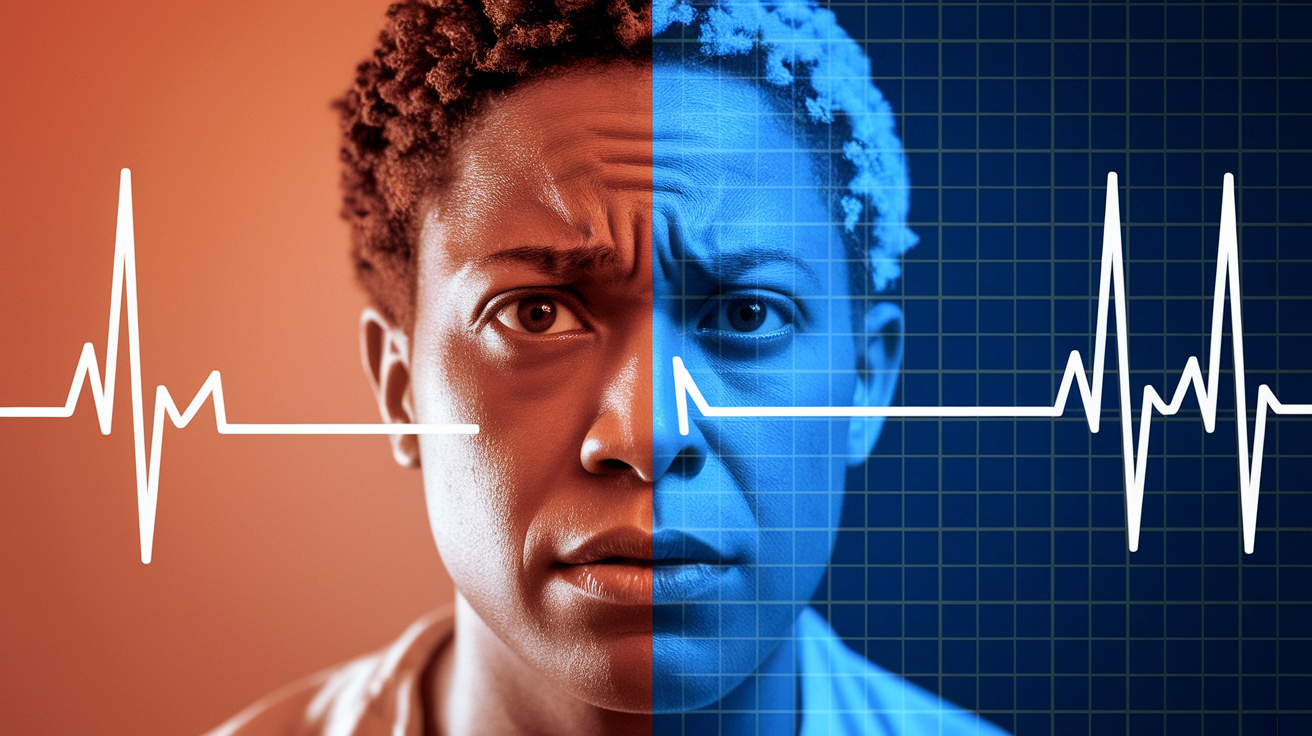
Anxiety and heart rhythm issues can feel surprisingly similar, which is why even experienced clinicians don’t rely on symptoms alone. The key is to look at timing, triggers, how your heart feels, and how quickly things resolve.
Anxiety driven palpitations usually show up during or right after a stressful moment: a tense meeting, a health worry, caffeine on an empty stomach, or a sleepless night. They feel like your heart’s pounding hard and fast, but in a regular rhythm. Slow, deep breathing often helps. The episode peaks quickly, usually within 5 to 10 minutes, and then starts to fade as your nervous system calms down. You might feel shaky, short of breath, or lightheaded, but these sensations improve together as your heart rate drops.
Indicators That Favor Anxiety
When palpitations are tied to a clear emotional or physical trigger, when they settle down with calming techniques like diaphragmatic breathing or grounding exercises, and when they don’t happen during sleep or while you’re completely relaxed, anxiety’s more likely. You’ll often notice other panic symptoms at the same time: trembling, sweating, a sense of dread, tingling in your hands, or chest tightness that doesn’t feel like pressure or squeezing. The pattern’s predictable, the heart rate’s fast but steady, and your symptoms respond to what you do to calm yourself.
Indicators That Favor a Cardiac Cause
Heart rhythm problems can start without warning, sometimes waking you from sleep or appearing while you’re sitting quietly. The rhythm may feel irregular, like your heart’s skipping, fluttering, pausing, or beating in an uneven pattern instead of just racing. Episodes can last 20 to 30 minutes or much longer without improving, even if you try to relax. If you’ve had similar episodes before and they’re getting more frequent, longer, or more intense, that shift matters. Palpitations that come on during physical exertion and don’t ease quickly when you stop are also a concern.
When Anxiety and Heart Symptoms Overlap
Some people with panic disorder also have benign extra heartbeats (PACs or PVCs), and some people with real arrhythmias feel intense anxiety during episodes. Hormonal shifts, dehydration, and caffeine can trigger both anxiety and irregular rhythms. When the picture’s mixed, the safest move is to get an evaluation so a clinician can look at your heart’s electrical activity and rule out anything that needs treatment.
Why Red Flag Symptoms Are Dangerous: Physiological Explanations
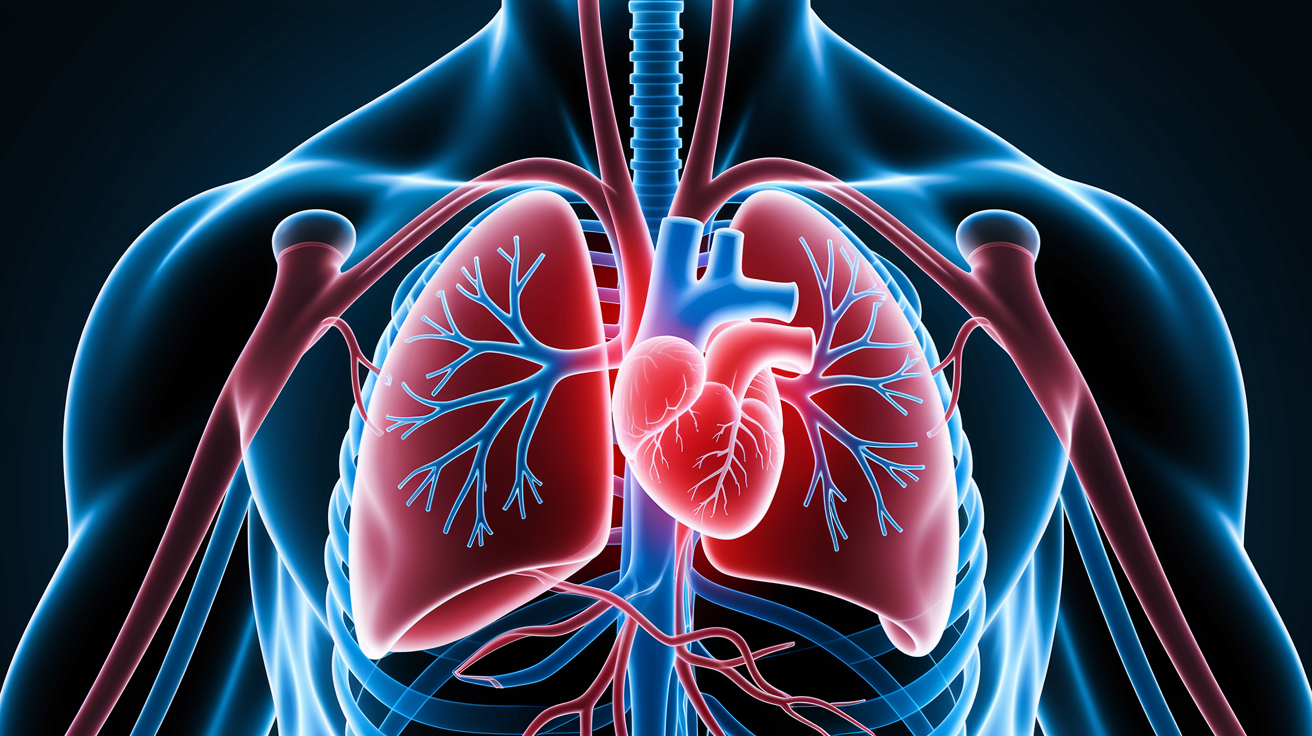
Chest pain that radiates, severe shortness of breath, and fainting aren’t just scary. They signal that your heart or brain may not be getting enough oxygen. When the heart beats in a dangerously fast or chaotic rhythm, the chambers don’t have time to fill properly between beats. That means less blood, and therefore less oxygen, is pumped out to your body with each contraction. Your brain’s especially sensitive to drops in blood flow, which is why very rapid heart rates or unstable rhythms can cause lightheadedness, confusion, or fainting.
Chest pressure or pain that spreads to your arm, jaw, or back can mean that part of your heart muscle isn’t getting enough blood, a situation that can lead to permanent damage if not treated quickly. Severe shortness of breath or the inability to speak in full sentences may indicate that your lungs aren’t moving oxygen efficiently, your heart isn’t pumping well enough to keep up with your body’s needs, or both. When blood pressure drops below 90 systolic, your organs aren’t being perfused adequately, and that can progress to shock.
Irregular rhythms, especially atrial fibrillation, increase the risk of stroke because blood can pool in the heart’s upper chambers and form clots. If a clot breaks free and travels to the brain, it can block an artery and cause sudden weakness, slurred speech, or vision loss. That’s why new neurological symptoms alongside palpitations are always treated as a medical emergency. Very high heart rates, often 150 to 160 beats per minute or more, are unsustainable. The heart muscle itself needs oxygen, and when it’s beating that fast for too long, it can’t keep up. That’s why persistent, extremely rapid rhythms require immediate intervention, sometimes with medications or electrical cardioversion.
Persistent, Recurrent, or New Onset Palpitations: When Medical Evaluation Is Needed

Not every palpitation warrants a 911 call, but that doesn’t mean you should ignore symptoms that keep coming back, last longer than usual, or show up for the first time, especially if you’re over 50 or have other health conditions.
Here’s when to schedule medical care, even without emergency signs:
- You’ve got new palpitations that are brief and resolve on their own, but you’ve never had them before. Schedule a primary care visit within 48 to 72 hours.
- Your palpitations are happening more than once a week, lasting longer than 5 to 10 minutes, or increasing in intensity or frequency. Contact your doctor within 24 to 48 hours.
- You’ve had palpitations evaluated before and they’ve changed in pattern, duration, or severity. Schedule an urgent appointment or go to urgent care within 24 hours.
- You’ve got a history of heart disease, prior arrhythmia, a pacemaker or defibrillator, or a family history of sudden cardiac death. Any new palpitations should be evaluated within 48 hours or sooner.
- You’ve had an abnormal ECG, your clinician’s referred you to cardiology, or you’ve been told you need a Holter monitor or event recorder. Follow up within 1 to 2 weeks, or sooner if symptoms worsen.
Age matters. If you’re over 50 and you start having palpitations for the first time, the likelihood of an underlying heart rhythm issue or structural problem is higher, so evaluation should happen sooner. During pregnancy, palpitations are common because of increased blood volume and hormonal changes, but new or severe palpitations, especially with chest pain, severe shortness of breath, or fainting, still require urgent evaluation. Palpitations that wake you from sleep or happen at night without an obvious trigger may point to atrial fibrillation or another arrhythmia and should be brought to your doctor’s attention.
How to Assess Heart Rate, Breathing, and Severity During an Episode of Anxiety and Palpitations
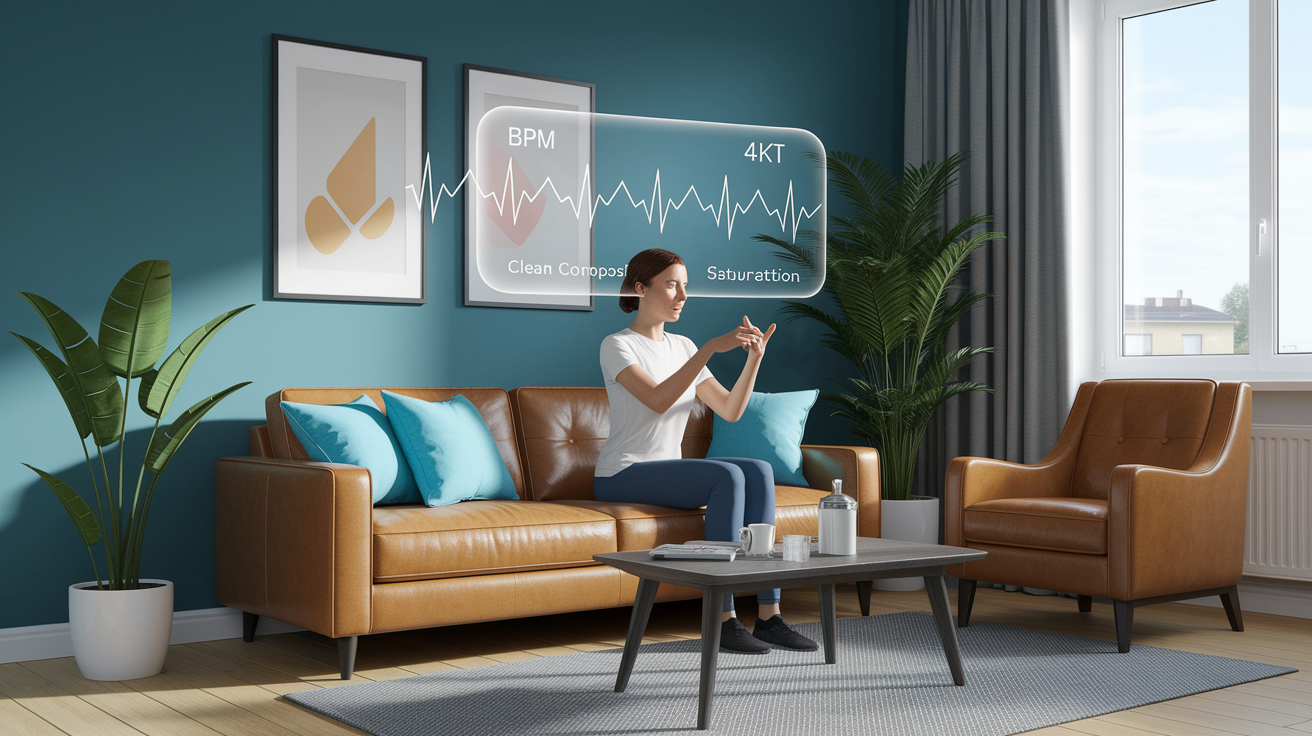
If you’re in the middle of an episode and you’re not sure whether to call for help, checking your pulse and breathing can give you useful information. Sit down in a safe place. Find your pulse on the inside of your wrist, just below the base of your thumb, or on the side of your neck next to your windpipe. Count the beats for 15 seconds, then multiply by four to get your heart rate per minute. Notice whether the rhythm feels regular or if it’s skipping, pausing, or chaotic.
Pay attention to your breathing. Can you speak a full sentence without gasping for air? Are you able to take slow, deep breaths, or does it feel like you can’t get enough air no matter what you do? If you’ve got a pulse oximeter at home, check your oxygen level. Anything above 95 percent is usually reassuring. If you have a home blood pressure cuff, take a reading. Low blood pressure or very high blood pressure with symptoms can be a sign that you need urgent care.
| Metric | Safe Range | Concerning | Emergency |
|---|---|---|---|
| Resting Heart Rate | 60–100 bpm | 100–120 bpm at rest | >150 bpm with symptoms or <40 bpm with symptoms |
| Systolic Blood Pressure | 90–140 mmHg | 140–180 mmHg | <90 mmHg or >180 mmHg with severe symptoms |
| Oxygen Saturation | 95–100% | 90–94% | <90% |
| Breathing Effort | Easy, full sentences | Short sentences, mild effort | Cannot speak, gasping, unable to breathe deeply |
Immediate Self Management for Sudden Anxiety and Palpitations When No Red Flags Are Present
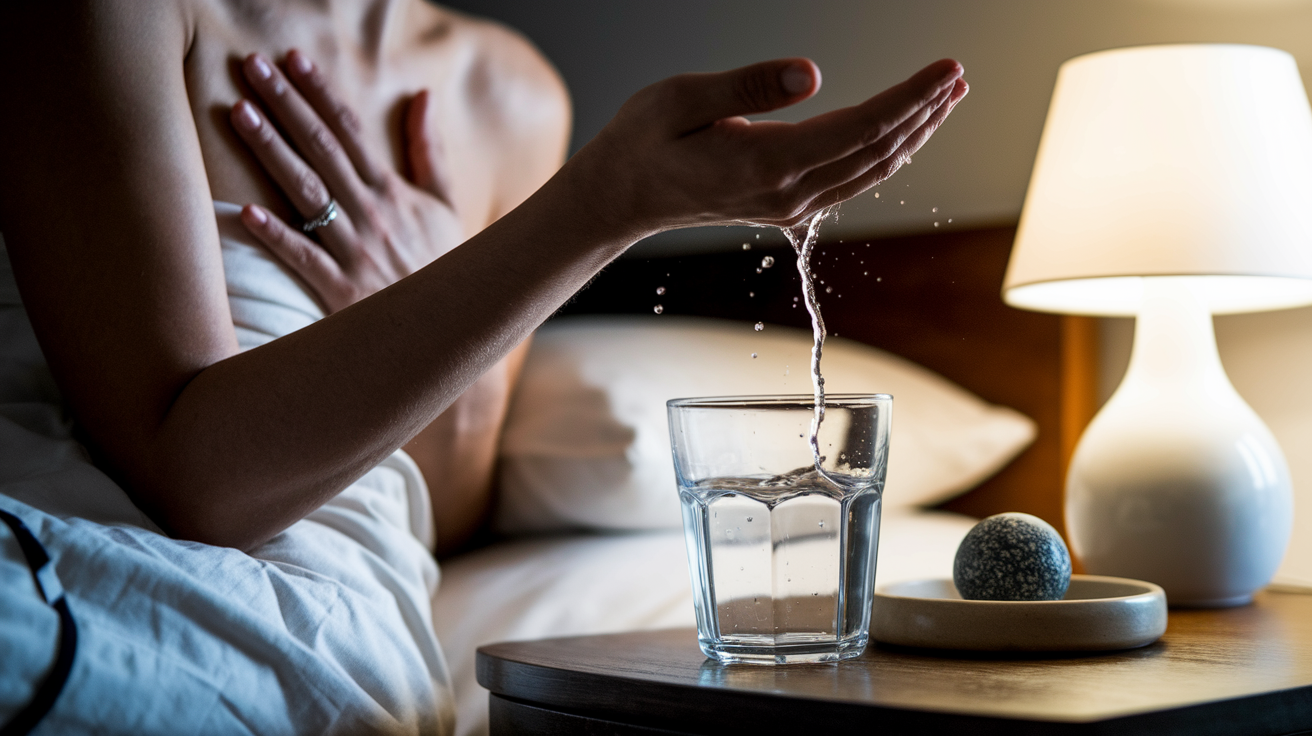
If you’ve ruled out emergency warning signs and you’re confident this is anxiety or panic, there are safe, effective things you can do right now to help your body calm down. These techniques work by shifting your nervous system out of fight or flight mode and into a calmer state. They won’t fix a dangerous heart rhythm, which is why you only use them after you’ve checked for red flags.
Try these steps in order:
- Stop what you’re doing and sit or lie down in a safe, quiet place.
- Start diaphragmatic breathing: breathe in slowly through your nose for a count of 4, hold for a count of 4, then exhale slowly through your mouth for a count of 6 to 8. Repeat for 5 to 10 minutes.
- Loosen any tight clothing around your chest, neck, or waist.
- Sip cool water slowly. Dehydration and low blood sugar can make palpitations worse.
- Ground yourself by naming five things you can see, four you can touch, three you can hear, two you can smell, and one you can taste.
- Avoid caffeine, nicotine, alcohol, energy drinks, and any stimulant drugs or supplements.
- If you’ve got a pulse oximeter or fitness tracker, check your heart rate every few minutes to see if it’s coming down.
- Use progressive muscle relaxation: tense and then release each muscle group, starting with your toes and moving up to your face.
Vagal maneuvers are techniques that stimulate the vagus nerve and can sometimes stop certain types of rapid heart rhythms, especially supraventricular tachycardia. The Valsalva maneuver is one example: take a deep breath, then bear down and strain as if you’re trying to have a bowel movement, holding that pressure for 10 to 15 seconds before releasing. Another option is to splash very cold water on your face or hold your breath and blow against a closed mouth and nose for 10 to 15 seconds. These techniques are generally safe for healthy people, but they shouldn’t replace emergency care if you’ve got severe symptoms, and they shouldn’t be used if you have a history of stroke, heart attack, or certain arrhythmias unless a clinician’s told you it’s okay.
Diagnostic Tests Used to Evaluate Palpitations and Sudden Anxiety Symptoms
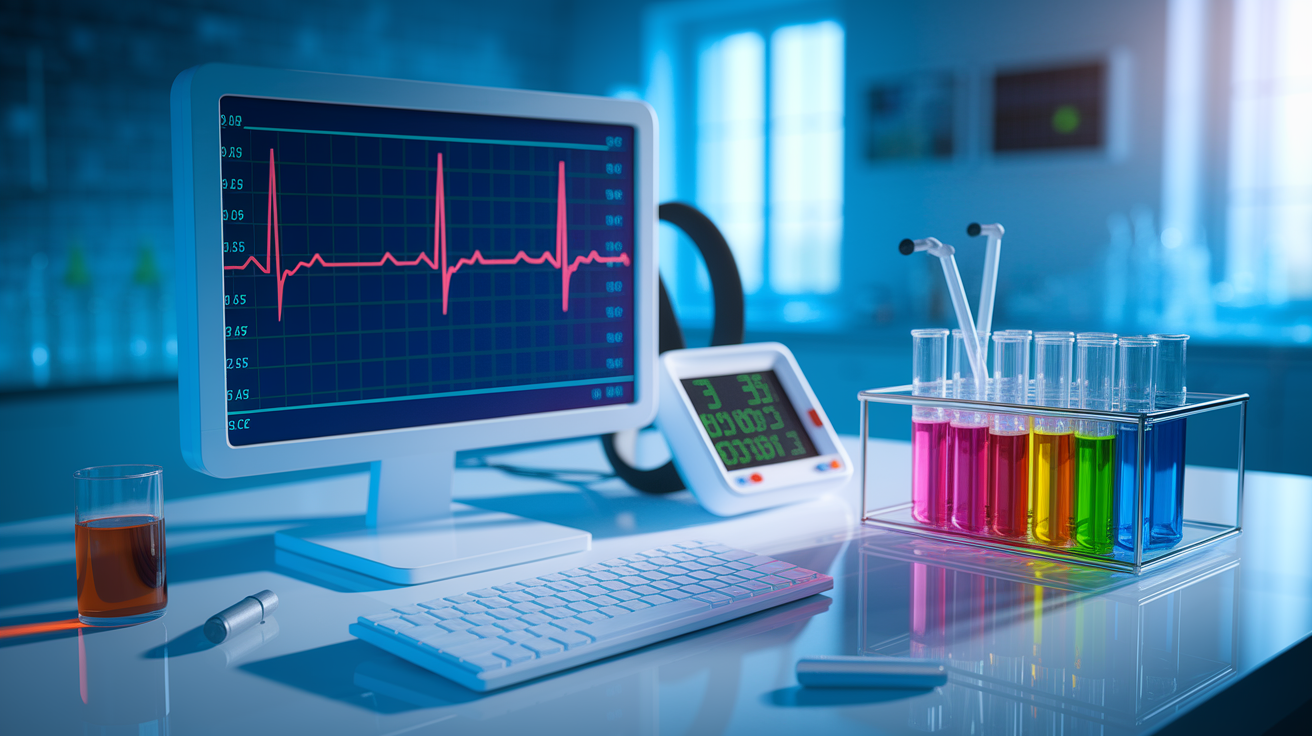
When you see a doctor for palpitations, the first thing they’ll usually do is an electrocardiogram, or ECG. This test records your heart’s electrical activity for about 10 seconds while you’re lying still. It can catch rhythm problems if they’re happening at that exact moment, and it can also show signs of past heart damage, conduction delays, or other structural issues. An ECG is quick, painless, and often done right in the office or emergency department.
If your palpitations come and go, a single ECG might be normal. That’s where ambulatory monitoring comes in. A Holter monitor is a portable device you wear for 24 to 48 hours while it continuously records your heart rhythm. You go about your normal day and press a button whenever you feel symptoms. The cardiologist can then match your symptoms to what your heart was doing at that moment. For less frequent episodes, you might get an event monitor or patch monitor that you wear for 7 to 30 days, or even longer. You activate it when you feel palpitations, and it saves a recording of that event.
Blood tests are used to check for common reversible causes. Your clinician may order a basic metabolic panel to check electrolytes like potassium and magnesium, a complete blood count to look for anemia, and thyroid stimulating hormone to rule out hyperthyroidism, which can cause a fast heart rate and palpitations. If you’ve got chest pain or other concerning symptoms, they may check troponin levels, a marker that rises when heart muscle is damaged. Troponin’s typically measured at presentation and then repeated 3 to 6 hours later if there’s concern for a heart attack. An echocardiogram is an ultrasound of the heart that shows the structure and function of the chambers and valves. It’s often ordered within a few days to a week if your ECG is abnormal, if you have a heart murmur, or if there’s concern about heart failure or valve disease.
| Test | What It Checks | Typical Timing |
|---|---|---|
| 12-Lead ECG | Heart rhythm, conduction, signs of ischemia or past damage | Immediate in ED or clinic |
| Holter Monitor | Continuous rhythm recording for 24–48 hours | Within days for frequent symptoms |
| Event / Patch Monitor | Intermittent rhythm recording over 7–90 days | For infrequent episodes |
| Blood Tests (Electrolytes, TSH, CBC) | Reversible causes: low potassium, hyperthyroidism, anemia | Same day or outpatient within 48–72 hours |
| Echocardiogram | Heart structure, valve function, ejection fraction | Within days to 1–2 weeks if indicated |
Lifestyle Triggers and Everyday Factors That Can Cause Sudden Anxiety and Palpitations
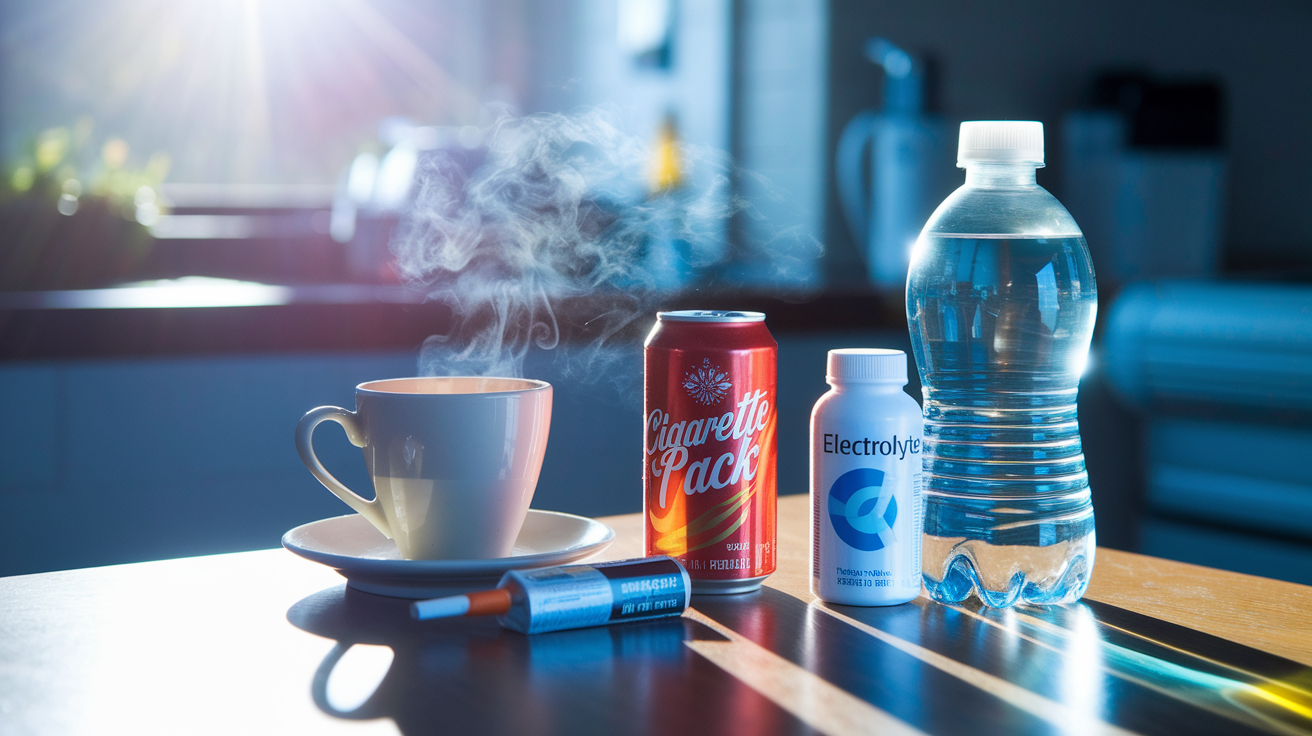
Many palpitations are triggered by things you can identify and adjust. Caffeine’s one of the most common culprits. Coffee, energy drinks, pre workout supplements, and even some teas and sodas can raise your heart rate and make you feel jittery, especially if you drink them on an empty stomach or later in the day. Nicotine from cigarettes or vaping has a similar effect, as do illicit stimulants like cocaine and amphetamines. Alcohol can trigger palpitations too, particularly binge drinking or heavy use, which can lead to a condition called holiday heart syndrome.
Dehydration and electrolyte imbalances, especially low potassium or magnesium, can interfere with your heart’s electrical signals. Hormonal fluctuations during your menstrual cycle, pregnancy, or perimenopause can increase palpitations, as can an overactive thyroid. Chronic stress keeps your body in a heightened state of arousal, flooding your system with adrenaline and cortisol, which can make your heart more reactive. Poor sleep or sleep deprivation amplifies all of these effects.
Common lifestyle triggers to reduce or track:
- Caffeine intake, especially after noon or on an empty stomach
- Nicotine and recreational stimulant use
- Alcohol, particularly binge drinking
- Skipping meals, low blood sugar, or severe calorie restriction
- Dehydration and inadequate electrolyte intake
Preparing for a Medical Visit After Episodes of Sudden Anxiety with Palpitations

When you see your doctor or a cardiologist, the more specific information you can give them, the easier it’ll be for them to figure out what’s going on. A detailed symptom diary is one of the most helpful things you can bring. Clinicians use this information to decide which tests to order, how quickly to escalate care, and whether your symptoms fit a pattern that suggests a particular diagnosis.
Before your appointment, write down as much as you can remember about each episode.
Bring the following information:
- Date, time, and duration of each episode (minutes or hours)
- What you were doing when it started (resting, exercising, stressed, asleep)
- How your heart felt (fast and regular, fast and irregular, skipping, pounding, fluttering)
- Your heart rate if you measured it, and whether you used a device like a smartwatch or pulse oximeter
- Any other symptoms that happened at the same time (chest pain, shortness of breath, dizziness, sweating, nausea, fainting)
- Recent caffeine, alcohol, medication changes, supplements, or stressors, and a list of all current medications including over the counter drugs
If you’ve got data from a wearable device like an Apple Watch, Fitbit, or Kardia, bring screenshots or printouts. Many of these devices can detect irregular rhythms and save tracings that your clinician can review. If your palpitations are happening more than a few times a week, worsening in intensity, or not responding to lifestyle changes, mention that clearly. Frequency and pattern changes help your doctor decide whether you need a Holter monitor, referral to cardiology, or more urgent testing.
Long Term Support, Prevention Strategies, and When Specialist Care Is Needed
If your palpitations are driven by anxiety or panic, working with a therapist trained in cognitive behavioral therapy can be very effective. CBT helps you identify triggers, challenge catastrophic thoughts, and build coping skills that reduce the intensity and frequency of panic attacks. Many people also benefit from stress reduction practices like mindfulness meditation, yoga, regular physical activity, and consistent sleep routines. These aren’t quick fixes, but they can shift your baseline nervous system tone over time.
If testing shows that you’ve got a heart rhythm problem, or if your palpitations are frequent, severe, or associated with structural heart disease, your primary care doctor may refer you to a cardiologist or an electrophysiologist, a specialist who focuses on the heart’s electrical system. Referral’s especially common if you have a family history of sudden cardiac death, if you’ve had episodes of syncope, if your ECG or Holter shows concerning findings, or if you have known conditions like heart failure or coronary artery disease.
Prevention strategies that often help reduce sudden anxiety and palpitations:
- Limit caffeine to the morning, and track how much you’re consuming (including hidden sources like soda, chocolate, and supplements)
- Maintain consistent sleep and meal schedules to stabilize blood sugar and cortisol rhythms
- Stay hydrated and consider tracking electrolyte intake, especially if you exercise heavily or sweat a lot
- Practice daily breathing exercises or short mindfulness breaks to keep your nervous system regulated
- Reduce alcohol intake and avoid binge drinking
- Work with a mental health professional if anxiety or panic is a recurring pattern, and consider developing a written action plan for when episodes occur
Final Words
You now have the emergency red flags, a quick triage guide, ways to tell panic from an arrhythmia, how to check your pulse and breathing, safe self-help steps, testing options, common triggers, and what to bring to appointments.
Try the breathing and grounding tools if no red flags, note symptom timing and heart rate, and share that log with your clinician if things don’t settle.
Keep a simple record so you and your healthcare team can decide sudden anxiety and palpitations when to seek help. You’ll feel more prepared and less alone.
FAQ
Q: How to relax with heart palpitations?
A: The way to relax with heart palpitations is to sit, slow diaphragmatic breaths (inhale 4, hold 4, exhale 6–8), sip water, avoid stimulants, and use grounding for 5–10 minutes.
Q: When to worry about heart palpitations and anxiety? At what point should you go to the ER for heart palpitations? What is the red flag for palpitations?
A: You should worry and go to the ER for palpitations with chest pain radiating, severe shortness of breath, fainting or collapse, sudden weakness or speech trouble, irregular rhythm, heart rate >100 at rest (especially >150–160), or palpitations lasting >20–30 minutes.
Comments are closed