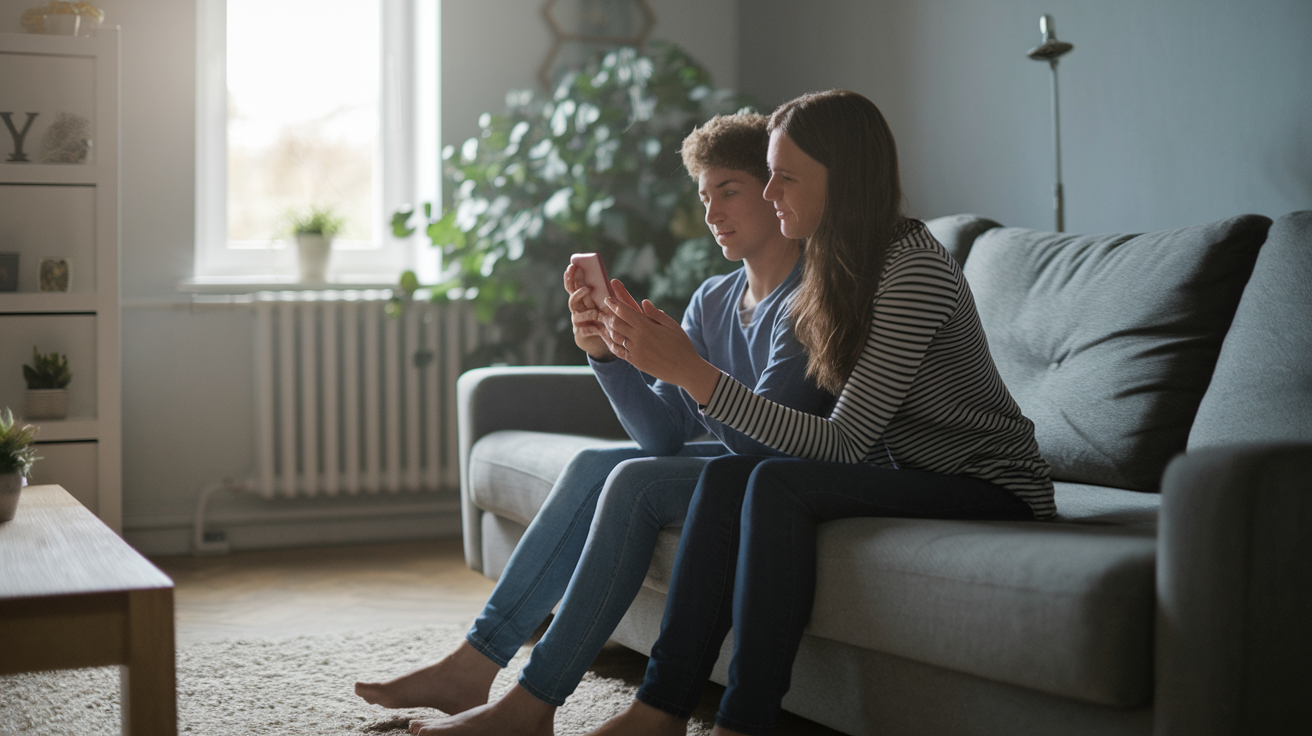
What if one moment your teen is fine and the next they’re clutching their chest, dizzy, or suddenly withdrawn?
Sudden anxiety can arrive out of nowhere, feel terrifying, and leave both of you shaken.
How you act in the first 20 to 30 minutes often matters more than any clever solution.
This post gives calm, practical steps to use immediately, what to do over the next 24 to 72 hours, what to track for a clinician, and clear signs that need urgent care.
You’ll learn short phrases, simple grounding and breathing prompts, and a plan to lower the room’s temperature.
Immediate Guidance for Parents Responding to Sudden Anxiety in Teens
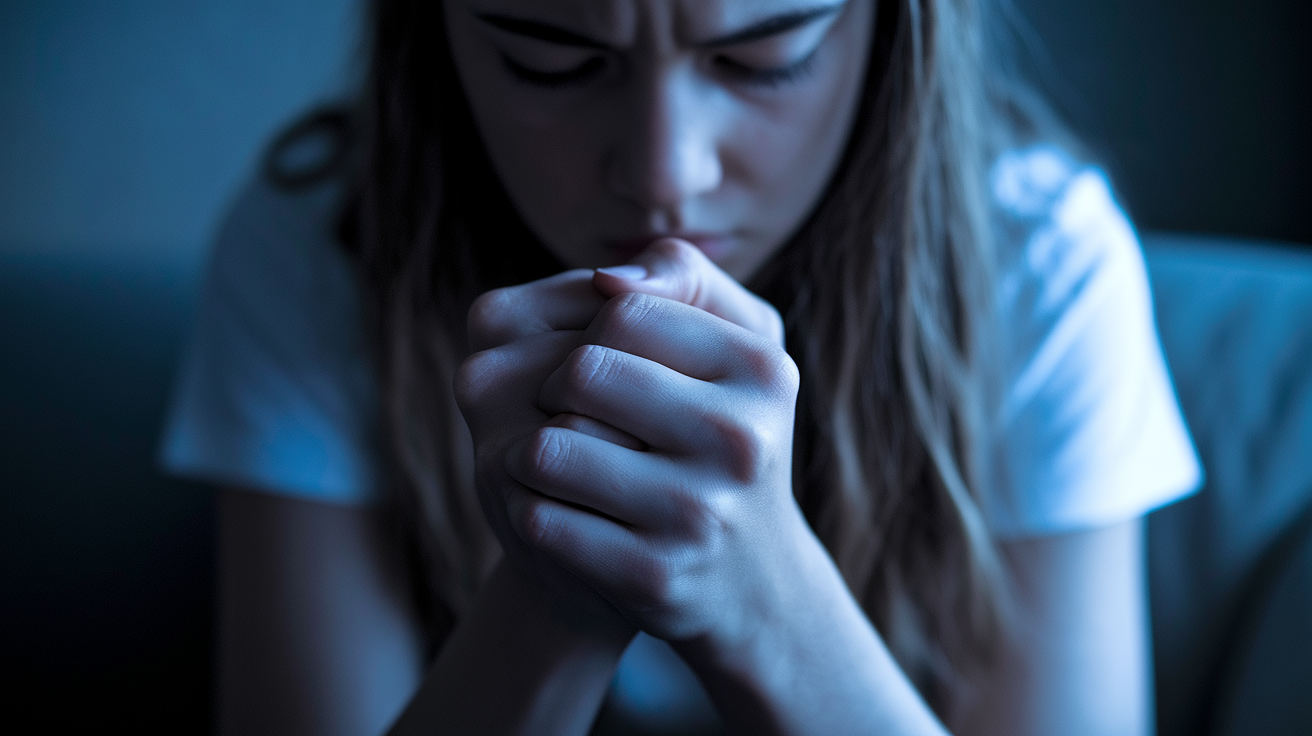
Sudden anxiety shows up without warning. Your teen might go from fine to irritable, tense, or completely withdrawn in minutes. Or they’ll tell you their chest feels tight, they’re dizzy, and something’s terribly wrong. These spikes happen during homework, at sleepovers, before school, in the middle of an ordinary afternoon. The physical surge? It’s real, uncomfortable, and scary.
Most sudden anxiety episodes, panic attacks included, spike hard but drop off within 20 to 30 minutes. What you say and how you stay calm during that window matters more than any quick fix. A grounded parent helps a revved nervous system start to settle. When you respond with steady reassurance instead of panic, you’re teaching your teen that the sensation is uncomfortable but not dangerous.
Your first job is to lower the temperature. In the room and in your voice. Frantic questions, urgent problem solving, visible worry? All of that can amplify their fear. Stay near, speak in short sentences, remind them gently that this will pass. Simple guidance in those first few minutes stabilizes everything and reduces the chance that anxiety snowballs into panic about the panic.
Immediate actions to take right now:
- Stay physically calm and keep your voice low and steady.
- Validate what they feel without dismissing it: “This feels scary, and you’re okay.”
- Remove or reduce overwhelming stuff. Turn off screens, move to a quieter room, dim bright lights.
- Guide slow breaths without forcing it: “Let’s breathe together for a minute.”
- Reassure them that the feeling will ease soon and that you’re staying right here.
Key Signs of Teen Anxiety Parents Should Watch For

Anxiety doesn’t always announce itself clearly. Teens experiencing it may look irritable, tired, or checked out rather than visibly panicked. They might complain of stomachaches before a test, skip social plans they used to enjoy, snap at small frustrations. These patterns often develop slowly. But sometimes they appear suddenly after a specific stress or seem to come out of nowhere.
Early recognition matters. When you spot shifts in mood, body, or behavior, you can respond before symptoms intensify or start messing with school, friendships, and daily functioning. The goal isn’t to diagnose. It’s to notice patterns that suggest your teen needs help settling their nervous system or processing what’s happening.
Common signs to watch for:
- Irritability, tension, or emotional outbursts over small things
- Persistent worry that’s hard to turn off or redirect
- Trouble concentrating, especially on homework or tasks that used to come easily
- Avoiding school, social events, or activities they previously enjoyed
- Physical complaints like headaches, stomachaches, fatigue, or muscle tension
- Changes in sleep. Trouble falling asleep, waking frequently, or sleeping way more than usual.
- Changes in appetite. Eating much less or noticeably more.
- Withdrawal from family or friends, spending more time alone in their room
Common Triggers Behind Sudden Anxiety in Adolescents
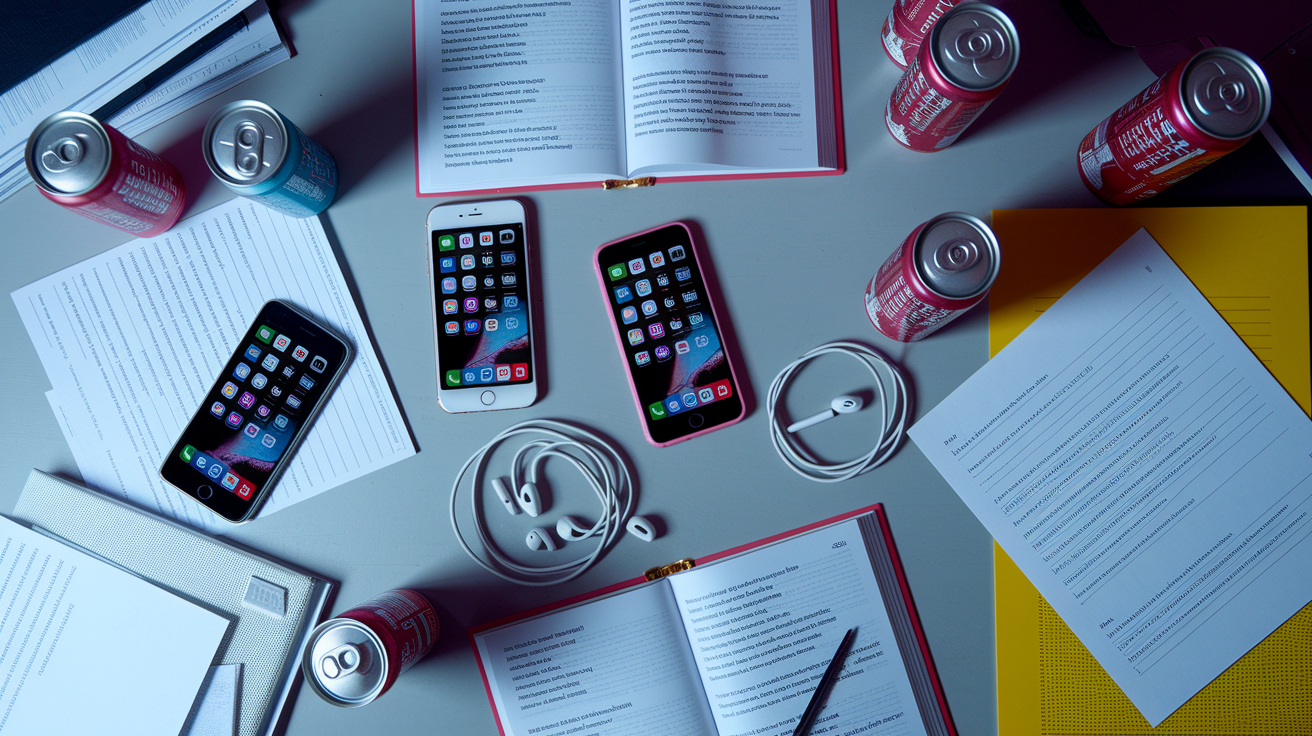
Sudden spikes often have triggers, even when the reaction feels disproportionate. School transitions, upcoming exams, college application deadlines, friend conflicts. A single incident can ignite a larger stress response if your teen’s nervous system is already sensitized by chronic pressure or worry. Being called on in class, seeing a test grade, overhearing a conversation, witnessing an argument.
Social pressures and digital exposure add layers of stress that earlier generations didn’t navigate. Teens compare themselves constantly to filtered images, curated posts, highlight reels. They encounter alarming news, online arguments, exclusion from group chats, cyberbullying at any hour. Research shows that teens who use social media more than three hours per day face greater risk of mental health problems. The digital environment can accelerate worry, disrupt sleep, and create a feedback loop where scrolling increases anxiety, which leads to more scrolling for distraction.
Biological and developmental factors also contribute. Adolescence brings hormonal shifts, brain development changes, increased sensitivity to social evaluation. Some teens experience anxiety spikes during specific phases of their menstrual cycle, after disrupted sleep, following caffeine on an empty stomach, or during periods of rapid growth. Tracking when episodes occur and what happened in the hours or days before can help you and your teen identify patterns worth addressing or discussing with a clinician.
What Parents Should Do During the First 24–72 Hours of Sudden Anxiety

After the immediate episode settles, your teen may feel drained, embarrassed, or uncertain about what just happened. The next one to three days set the tone for whether they feel safe bringing up worry again or whether they begin to hide symptoms to avoid another tense moment.
Steps to take over the next 24 to 72 hours:
- Check in gently without interrogating. Ask how they’re feeling today, not “Are you still anxious.”
- Keep daily routines predictable and low pressure: regular meals, consistent bedtimes, familiar structure. It helps a nervous system reset.
- Offer quiet outlets for expression. Journaling, drawing, listening to music, a short walk. Without forcing conversation.
- Monitor for additional episodes or worsening symptoms, noting timing, triggers, and what seems to help.
- Reassure them that one episode doesn’t mean something is permanently wrong, and remind them you’re here to figure this out together.
- Avoid overloading the next few days with intense discussions, big decisions, or added activities while they recover emotional bandwidth.
This window is also when you model healthy coping. If your teen sees you handling your own stress with a short walk, a few deep breaths, or a brief break from your phone, they learn that managing discomfort is normal and doable. Don’t make a sudden crisis plan or schedule five appointments in a panic. Give it a few days to see if symptoms ease with stability, rest, and reassurance. If patterns continue or worsen, you’ll have better information to bring to a professional.
Step‑by‑Step Calming Techniques for Teen Anxiety Episodes

Teaching your teen a few simple techniques they can use independently gives them a sense of control during future episodes. Practice these together when everyone’s calm so they become familiar tools, not new stress.
Grounding (5‑4‑3‑2‑1)
Guide your teen to name five things they can see, four things they can touch, three things they can hear, two things they can smell, and one thing they can taste. This pulls attention away from internal panic and anchors it in the present environment. Works quickly and can be done silently or out loud.
Diaphragmatic Breathing
Ask your teen to breathe in slowly through their nose for a count of four, hold gently for a count of two, then breathe out through their mouth for a count of six. Longer exhales signal the nervous system to downshift. Do this together for five cycles. Don’t force deep breaths if it feels uncomfortable. Gentle, slow pacing is enough.
Mindfulness Body Scan
Have your teen sit or lie down and bring attention slowly from their toes to the top of their head, noticing tension without trying to fix it. This three to ten minute practice helps them observe physical sensations without adding a story of danger. Apps or short YouTube videos can guide this if verbal instruction feels awkward.
Journaling Prompts
Offer a notebook and simple prompts: “What am I worried about right now,” “What’s one thing I know for sure,” or “What’s the worst that could happen, and what’s more likely.” Writing externalizes worry and often reveals that fears are bigger in the mind than on paper. One page is enough.
Communication Strategies Parents Can Use to Support an Anxious Teen

How you talk to your teen about anxiety shapes whether they open up or shut down. Teens are quick to detect dismissiveness, impatience, or hidden panic beneath reassurance. They respond better to calm curiosity than to urgent problem solving or cheerful minimizing. Your goal is to communicate that you see them, you’re not scared of their feelings, and you’re willing to sit with discomfort long enough to understand what’s happening.
Use open ended questions that give your teen room to share at their own pace. Instead of “Are you okay,” try “What’s been on your mind today” or “How’s your body feeling right now.” Listen more than you talk. Reflect back what you hear without immediately offering advice: “It sounds like that moment in class felt really overwhelming” or “You’re saying this happens more at night.” Validation doesn’t mean agreement or approval. It means acknowledging that the feeling is real and makes sense given what your teen is experiencing.
Avoid phrases that accidentally shut down conversation. Don’t say “There’s nothing to worry about,” “You’re fine,” “Just relax,” or “Other kids have it worse.” These responses, even when well intended, send the message that the teen’s perception is wrong or that you’re uncomfortable with their distress. Model imperfection by sharing your own struggles appropriately: “I felt anxious before that work meeting today, so I took a walk first.” This normalizes discomfort without making it about you.
Validation phrases to practice:
- “That sounds really hard.”
- “I’m glad you told me.”
- “It makes sense that you’d feel that way.”
- “We’ll figure this out together.”
Lifestyle Factors That Influence Teen Anxiety Levels

Anxiety doesn’t exist in a vacuum. Sleep disruption, irregular eating, high caffeine intake, lack of movement, constant digital stimulation. All of it makes a sensitized nervous system harder to regulate. These factors don’t cause anxiety disorders, but they raise baseline stress and lower the threshold for episodes. Small, consistent changes in daily routines often reduce symptom frequency and intensity more than teens or parents expect.
Sleep is foundational. Teens need eight to ten hours per night, but late night screens, homework pressure, and social scrolling often cut that short. Poor sleep increases irritability, lowers emotional regulation, amplifies anxious thoughts. Encourage a consistent bedtime, a phone free wind down hour, and a dark, cool room. If your teen resists, start with one small shift. Charging the phone outside the bedroom or pushing bedtime fifteen minutes earlier.
| Factor | Why It Matters | What Parents Can Do |
|---|---|---|
| Sleep | Poor sleep lowers stress tolerance and increases anxious thoughts | Set a consistent bedtime, remove screens an hour before sleep, keep the room dark and cool |
| Physical Activity | Movement releases tension and boosts mood regulating brain chemicals | Encourage short daily walks, team sports, yoga, or solo activities like biking or skating |
| Screen Time and Social Media | High use (over 3 hours daily) increases mental health risk and disrupts sleep | Set daily limits, track usage together, schedule screen free hours, model balanced use |
When Sudden Anxiety Requires Professional Support

Most teens experience worry and occasional stress. That’s normal. Professional help becomes necessary when anxiety interferes with daily life, persists despite home strategies, or includes severe physical or emotional symptoms. Early intervention prevents anxiety from hardening into a chronic pattern or developing into a diagnosable disorder like Panic Disorder, which involves repeated attacks and persistent fear of future episodes.
Red flags that indicate it’s time to consult a mental health professional:
- Your teen is skipping school regularly or refusing to go because of anxiety
- Panic episodes are happening multiple times per week or increasing in frequency
- Social withdrawal is significant. They’ve stopped seeing friends, quit activities, or isolate in their room most of the time.
- Daily functioning is impaired. Trouble completing homework, maintaining hygiene, or participating in family life.
- Physical symptoms are severe or worsening. Chest pain, dizziness, nausea, or hyperventilation.
- Your teen mentions self harm, has engaged in self injury, or expresses suicidal thoughts
- Symptoms have persisted for more than two weeks despite reassurance, routine changes, and calming strategies
Evidence based treatments for teen anxiety include Cognitive Behavioral Therapy (CBT), which helps teens identify and challenge distorted thoughts and practice facing feared situations gradually. Exposure Therapy, often part of CBT, involves systematic desensitization to anxiety triggers. Dialectical Behavior Therapy (DBT) teaches emotional regulation and distress tolerance skills. Family Therapy involves parents in treatment to improve communication and reduce household stress. Medication support, typically SSRIs, may be recommended when symptoms are severe or when therapy alone isn’t sufficient. A psychologist or licensed therapist with expertise in adolescent anxiety can assess your teen and recommend an appropriate treatment plan.
Treatment Settings for Ongoing Teen Anxiety Support
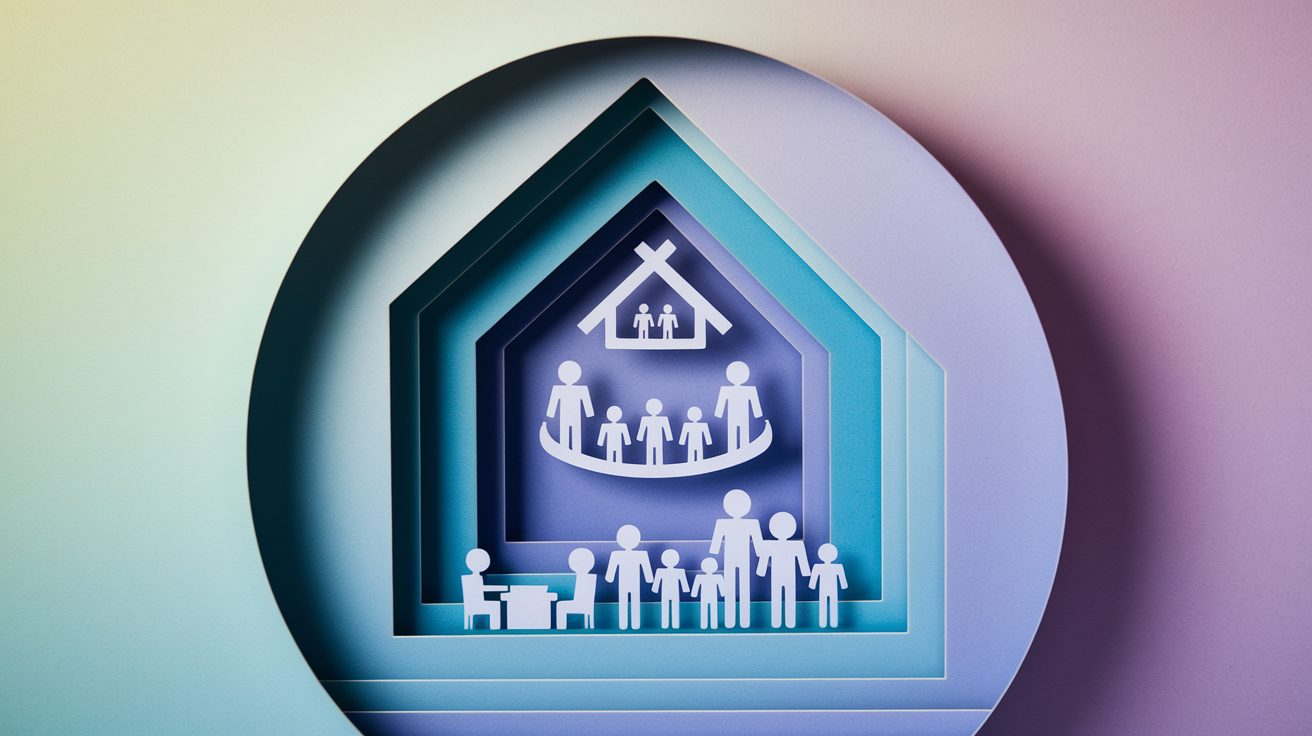
Treatment intensity depends on symptom severity and functional impairment. Most teens with new onset anxiety begin with outpatient therapy. Weekly or biweekly sessions with a therapist who specializes in anxiety disorders. Outpatient care allows your teen to stay at home, attend school, and practice skills in their real environment while receiving guided support.
When symptoms are more severe or outpatient therapy isn’t providing enough structure, Intensive Outpatient Programs (IOP) offer multiple sessions per week, often including group therapy, skill building workshops, and family sessions. These programs provide more contact hours without requiring your teen to leave home overnight. Residential treatment is appropriate when anxiety has become disabling, when safety concerns like self harm or suicidal ideation are present, or when co occurring conditions require 24 hour support. Residential programs typically serve specific age ranges (teen programs for ages 12 to 17 and emerging adult programs for ages 18 to 20) and offer intensive therapeutic intervention, skill development, and medical oversight in a structured setting.
Available levels of care:
- Outpatient Therapy: weekly or biweekly individual or family sessions for mild to moderate symptoms
- Intensive Outpatient Programs (IOP): multiple weekly sessions with group and family components for moderate to severe symptoms
- Residential Treatment: 24 hour care with intensive therapy, psychiatric support, and skill building for severe, disabling anxiety or safety concerns
Long‑Term Recovery and Supporting Your Teen’s Progress

Recovery from sudden anxiety isn’t linear. Some days will be better than others. Progress often looks like fewer episodes, shorter duration, quicker recovery, or your teen using a calming technique without prompting. Celebrate these small wins. They matter more than you think.
Consistent routines support long term stability. Predictable sleep and wake times, regular family meals, scheduled downtime. All of it helps keep a sensitized nervous system regulated. Encourage your teen to practice breathing, grounding, or mindfulness even on calm days so these skills become automatic. Problem solving practice (breaking big worries into smaller steps) builds confidence and reduces the sense of overwhelm. Gradual exposure to avoided situations, done at a pace your teen can tolerate, prevents anxiety from shrinking their world.
Relapse planning is part of sustainable recovery. Talk with your teen about early warning signs. Sleep changes, irritability, physical tension. So they can recognize when stress is building before it becomes an episode. Create a simple plan together: who they can talk to, which techniques to use first, and when to ask for help. Therapy, if your teen is engaged in it, provides ongoing skill refinement and a safe space to process setbacks. Family involvement in treatment improves outcomes, so stay engaged, attend sessions when invited, and continue modeling healthy coping at home.
Parental Self‑Care While Supporting an Anxious Teen
Supporting a teen through sudden anxiety is stressful. Your own nervous system absorbs the tension, and chronic worry about your child takes a toll. You can’t pour from an empty cup, and your teen will mirror your stress levels more than your words. Taking care of your own mental health isn’t selfish. It’s a necessary part of helping your teen stabilize.
Parent support groups and workshops designed for families of anxious teens provide practical strategies and reduce isolation. Connecting with other parents who understand what you’re navigating reminds you that you’re not alone and that recovery is possible. Setting boundaries around your own rest, work, and relationships protects your capacity to stay present. If you notice yourself becoming irritable, losing sleep, or feeling constant dread, talk to a therapist yourself. Modeling that adults also seek help when they need it teaches your teen that mental health care is normal and effective.
Simple self care practices to maintain:
- Schedule short breaks during the day for yourself. A walk, a few minutes outside, or time away from your phone.
- Connect with a friend or support group to share what you’re experiencing without judgment.
- Set a boundary around one area of life that you protect from worry. Reading, exercise, a hobby, or time with your partner.
Final Words
When sudden anxiety hits, act calmly and simply: stabilize the moment, validate feelings, and use a quick grounding or breathing practice.
This post gave short-term fixes, signs to watch for, likely triggers, a 24–72‑hour plan, step-by-step calming techniques, communication tips, lifestyle supports, and when to seek professional help.
Keep a log of timing, triggers, and what helps so you have useful details for a clinician. For a quick script to remember, sudden anxiety in teenagers what parents should do, stay calm, validate, track, and reach out if it keeps happening.
With steady steps, most teens improve.
FAQ
Q: How can a parent help a teenager with anxiety?
A: A parent can help a teenager with anxiety by staying calm, validating their fear, offering a quiet safe space, guiding a short grounding exercise, reducing immediate pressure, and tracking patterns for follow-up care.
Q: What not to say to someone with anxiety?
A: Not to say to someone with anxiety are dismissive phrases like “calm down”, “it’s nothing”, or “just relax”. Instead, validate feelings, ask how you can help, and offer steady presence.
Q: What is the 3-3-3 rule for anxiety children?
A: The 3-3-3 rule for anxious children is a quick grounding technique: name 3 things you see, name 3 things you can touch, then take 3 slow breaths to reconnect to the present.
Q: What is the #1 worst habit for anxiety?
A: The number one worst habit for anxiety is avoidance, dodging feared situations reduces immediate distress but strengthens anxiety over time; gradual, supported exposure or problem-focused steps usually help break that cycle.
Comments are closed