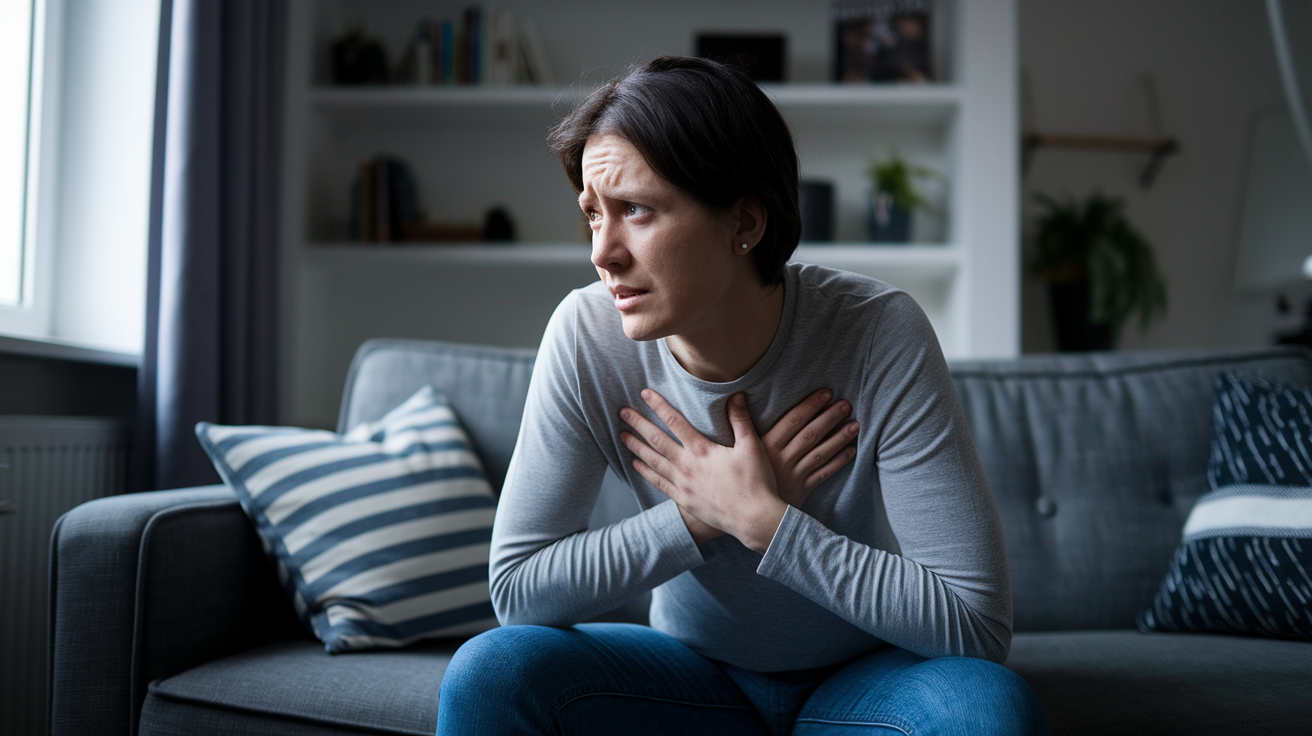
Ever had an anxiety attack that seems to come out of nowhere?
You’re not imagining it. It can feel terrifying and confusing.
Most sudden attacks aren’t magic. They’re usually the result of a mix of things: a fast stress response, shifts in hormones or brain chemicals, lifestyle triggers like caffeine or low blood sugar, or an undiagnosed medical issue.
This post breaks down those causes, gives low-risk steps you can try now, shows what to track, and tells you when to get help.
Why Anxiety Attacks Happen Out of Nowhere: Immediate Medical Explanation
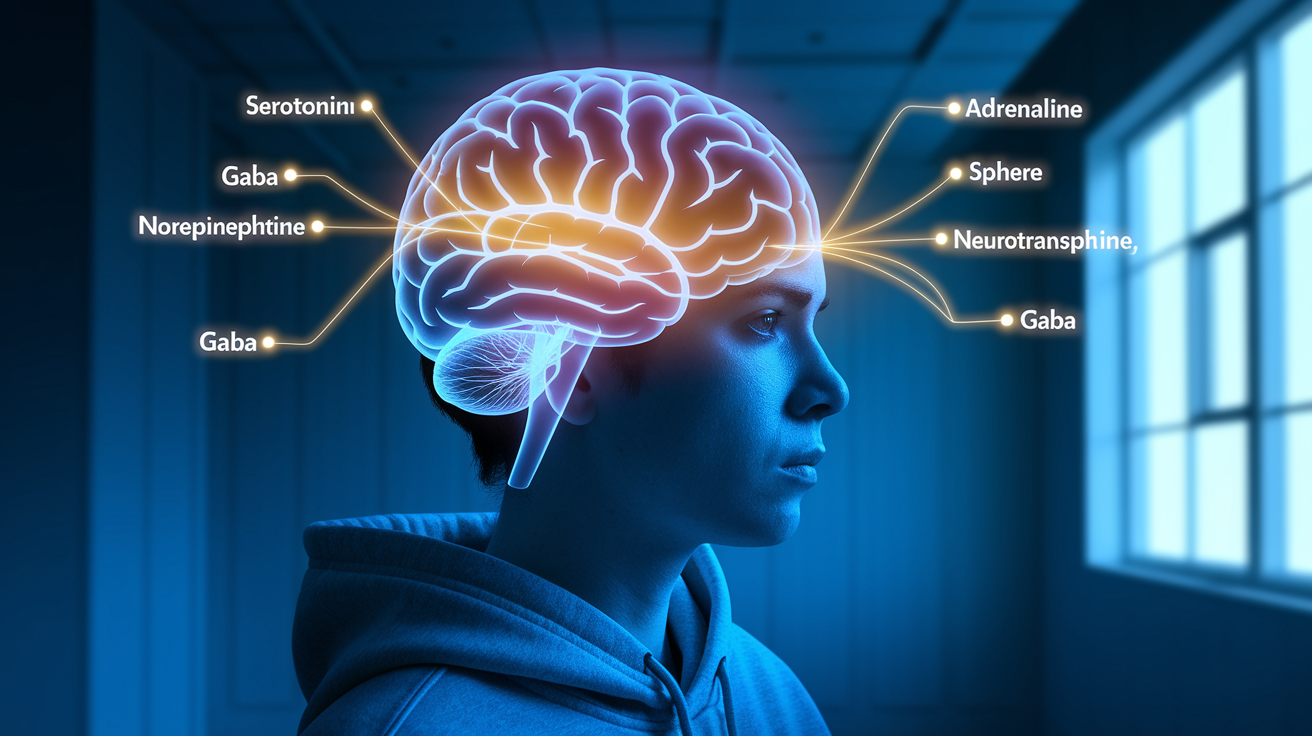
Sudden anxiety attacks feel like they come from nowhere, but there’s usually a thread you can trace back even when you don’t see it happening. Your brain’s running this constant background check for threats, juggling hormones, keeping stress in check. When something shifts that balance—a spike of adrenaline, a hormone swing, a nervous system already running hot—the attack can ignite before you’ve figured out what set it off.
The causes follow patterns. Some are biological. Neurotransmitter imbalances, a stress response that fires too fast. Others sit in the psychological space: unresolved trauma, chronic worry building pressure where you can’t see it. Then there’s lifestyle stuff. Caffeine on an empty stomach, sleep you didn’t get, blood sugar bottoming out. And sometimes it’s medical. Thyroid trouble or a heart rhythm glitch that either mimics the symptoms or kicks them off directly.
Quick breakdown of what’s behind unexpected anxiety attacks:
- Biological factors: Brain chemical imbalances (serotonin, norepinephrine, GABA), overactive stress hormones like cortisol, or an autonomic nervous system that’s too sensitive.
- Hormonal shifts: Thyroid issues, menstrual cycle changes, perimenopause, pregnancy, postpartum swings.
- Psychological triggers: Buried stress, past trauma, catastrophic thinking, subconscious emotional buildup.
- Lifestyle contributors: Too much caffeine, bad sleep, alcohol (or stopping alcohol), low blood sugar, dehydration.
- Medical conditions: Heart rhythm problems, hyperthyroidism, anemia, inner ear disorders, breathing issues.
- Substance and medication effects: Stimulants like amphetamines or pseudoephedrine, albuterol, withdrawal from alcohol or sedatives, medication side effects.
Biological Factors Behind Sudden Anxiety Episodes
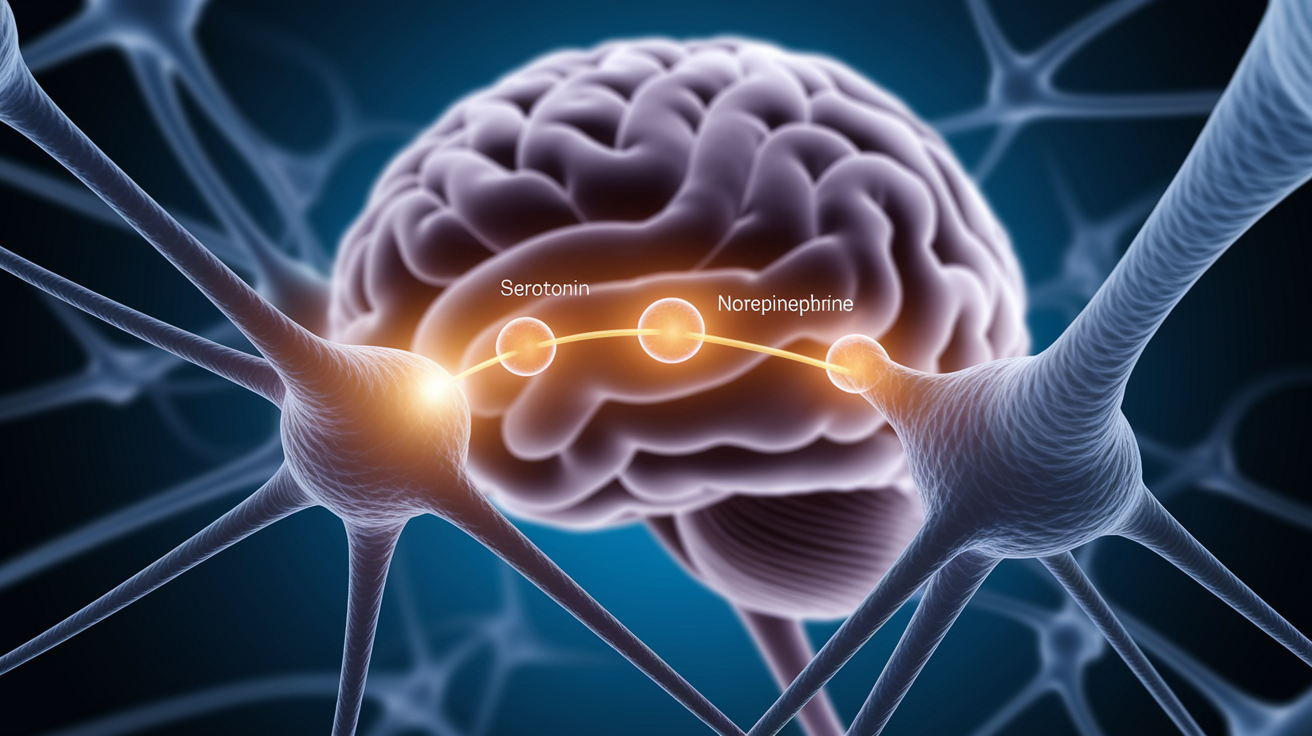
Your brain operates on chemical signals. When the balance tips, anxiety can surge without anything obvious happening on the outside. Three neurotransmitters—serotonin, norepinephrine, GABA—help regulate mood and how you respond to fear. Low serotonin or high norepinephrine can make your brain read neutral signals as threats. That kicks off a cascade: racing heart, tight chest, shallow breathing. Feels like an emergency when there isn’t one. GABA works like a brake pedal. When GABA activity’s weak, that brake doesn’t catch, and fear responses escalate fast.
Cortisol’s your main stress hormone. A hyperactive HPA axis (the system managing stress response) can flood you with cortisol and adrenaline, especially if chronic stress has been piling up or you’ve got genetic vulnerability. Small stressors trigger outsized reactions when the system’s already primed. Hormonal shifts outside the HPA axis matter too. Hyperthyroidism produces anxiety symptoms. Reproductive hormones fluctuate during menstrual cycles, perimenopause (roughly 40 to 55), postpartum (especially first three months). All of these can trigger sudden episodes.
Genetics play a part. Heritability estimates for panic and anxiety disorders sit around 30 to 40 percent. If a close family member’s had similar attacks, your risk goes up. Doesn’t mean it’s guaranteed, but your nervous system might be wired to react harder to stress.
Common biological triggers:
- Chronic HPA axis activation from prolonged stress
- Low serotonin or dysregulated norepinephrine
- Weak GABA inhibition, reducing your brain’s ability to calm fear
- Hormonal fluctuations tied to cycles, pregnancy, postpartum, menopause
Psychological and Emotional Triggers of Unexpected Anxiety

Anxiety doesn’t always make an announcement. Sometimes it’s building quietly. Unresolved stress from a conversation that didn’t go well, a deadline you’re not actively thinking about, a low-grade feeling that something’s off. When that pressure hits a threshold, it surfaces as a sudden attack even when you felt fine a minute ago.
Trauma and past adverse experiences raise your nervous system’s baseline sensitivity. Major loss, a frightening medical event, childhood adversity, ongoing interpersonal stress. Your body stays in heightened vigilance. That vigilance can trigger sudden anxiety when something (a smell, a sound, a bodily sensation) unconsciously reminds your system of past danger. You don’t make the connection yourself.
Catastrophic thinking patterns feed into this. If you interpret physical sensations as signs of serious illness—palpitations as a heart attack, dizziness as a stroke—that misinterpretation escalates into a full attack within minutes. Common in health anxiety. Makes attacks feel like they appear from nowhere when really they start with a fleeting body signal you didn’t consciously notice.
Chronic worry and hypervigilance create a feedback loop. When you’re constantly scanning for signs something’s wrong, your nervous system stays revved. The threshold for triggering an attack drops. Over time, even minor stressors or neutral signals can tip you into sudden, intense anxiety.
Lifestyle Factors That Can Spark Sudden Anxiety Attacks
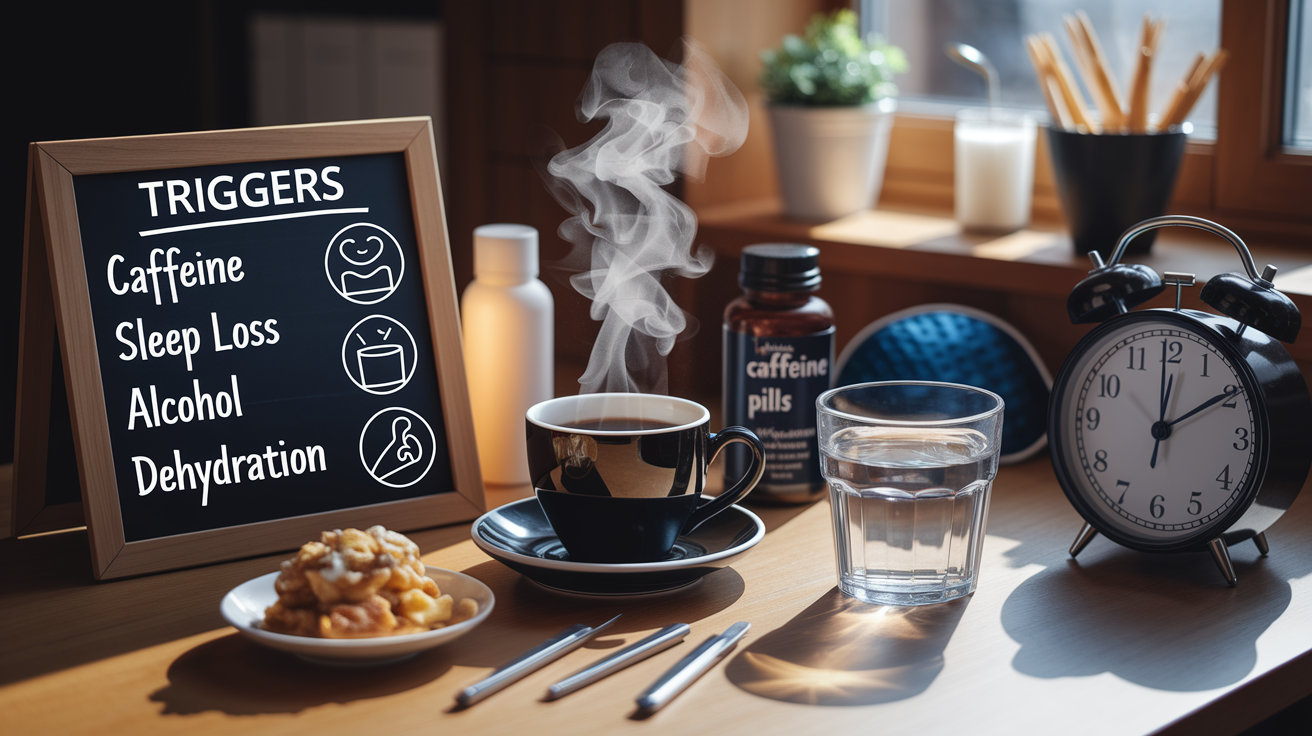
Caffeine’s one of the most common triggers, and people underestimate it. For many, doses above 200 to 300 milligrams (about two to three cups of brewed coffee) provoke heart palpitations, jitteriness, a sense of impending doom. Especially on an empty stomach or when you’re already stressed. If you’re sensitive, even smaller amounts can set off symptoms that feel like an anxiety attack.
Other lifestyle contributors:
- Sleep deprivation: Under six hours per night increases anxiety reactivity, lowers your nervous system’s ability to regulate stress.
- Low blood sugar: When glucose drops below 70 mg/dL, your body releases adrenaline to correct it. That can trigger palpitations, sweating, sudden anxiety.
- Alcohol: Intoxication can mimic anxiety symptoms. Withdrawal (often starting 6 to 48 hours after your last drink) can cause panic-like episodes.
- Nicotine and stimulants: Both raise heart rate and arousal, making sudden anxiety more likely if you’re already prone to attacks.
- Dehydration: Even mild dehydration causes dizziness and lightheadedness, which your brain may read as a threat.
Most of these are dose related. If you notice attacks cluster after late-night caffeine, poor sleep, or skipped meals, tracking those patterns helps you identify what’s tipping things. Small adjustments (cutting caffeine after noon, aiming for seven to nine hours of sleep, eating regular meals) often reduce how often sudden episodes happen.
Underlying Medical Conditions That Can Resemble or Trigger Anxiety Attacks
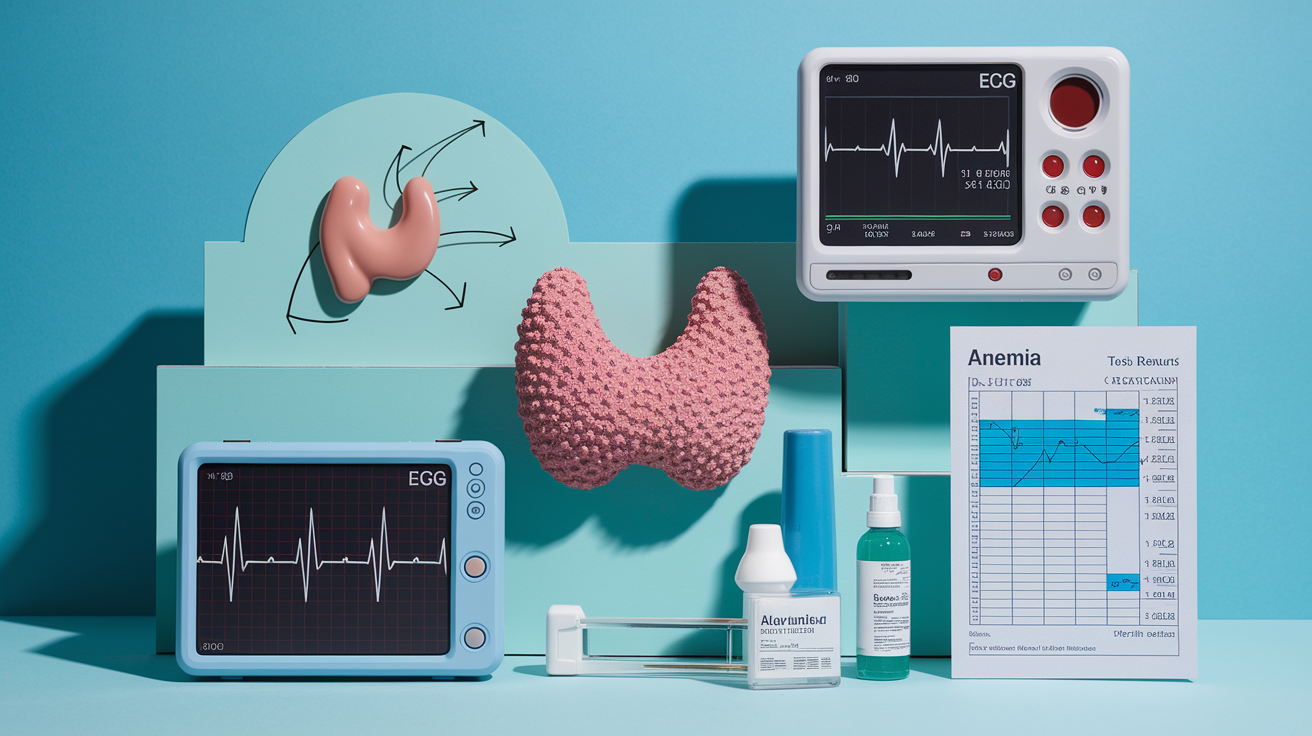
Sometimes what feels like sudden anxiety is actually a medical condition producing physical symptoms your brain interprets as danger. Hyperthyroidism, for example, floods your system with excess thyroid hormone. Speeds up your heart rate, causes tremors, creates a wired, jittery feeling that closely mimics panic. A simple TSH and free T4 blood test can identify this. Treatment usually resolves the anxiety-like symptoms.
Cardiac arrhythmias (irregular heart rhythms like supraventricular tachycardia) can cause sudden palpitations, chest tightness, lightheadedness that feel identical to a panic attack. If you’re experiencing fainting, severe chest pain, or palpitations that don’t resolve quickly, an ECG and possibly a Holter monitor can help rule out a heart rhythm issue. Anemia (especially when hemoglobin drops below 10 g/dL) reduces oxygen delivery to tissues. Causes fatigue, dizziness, a racing heart that triggers secondary anxiety.
Respiratory and vestibular conditions also overlap with anxiety symptoms. Asthma or COPD exacerbations produce sudden shortness of breath and air hunger, which can provoke panic. Vestibular disorders (problems with your inner ear balance system) cause dizziness and a sense of unreality your brain may read as a threat, sparking an anxiety attack even though the root cause is neurological, not psychological.
| Condition | How It Triggers Sudden Anxiety |
|---|---|
| Hyperthyroidism | Excess thyroid hormone increases heart rate, tremor, and arousal, mimicking panic symptoms. |
| Cardiac arrhythmias | Irregular heartbeats cause palpitations and chest discomfort that trigger fear and secondary anxiety. |
| Anemia | Low hemoglobin reduces oxygen delivery, causing fatigue, dizziness, and compensatory tachycardia. |
| Asthma/COPD exacerbation | Sudden shortness of breath and air hunger activate fear responses and hyperventilation. |
| Vestibular disorders | Inner ear dysfunction causes dizziness and derealization, which the brain interprets as danger. |
Panic Attacks vs Anxiety Attacks: Key Differences
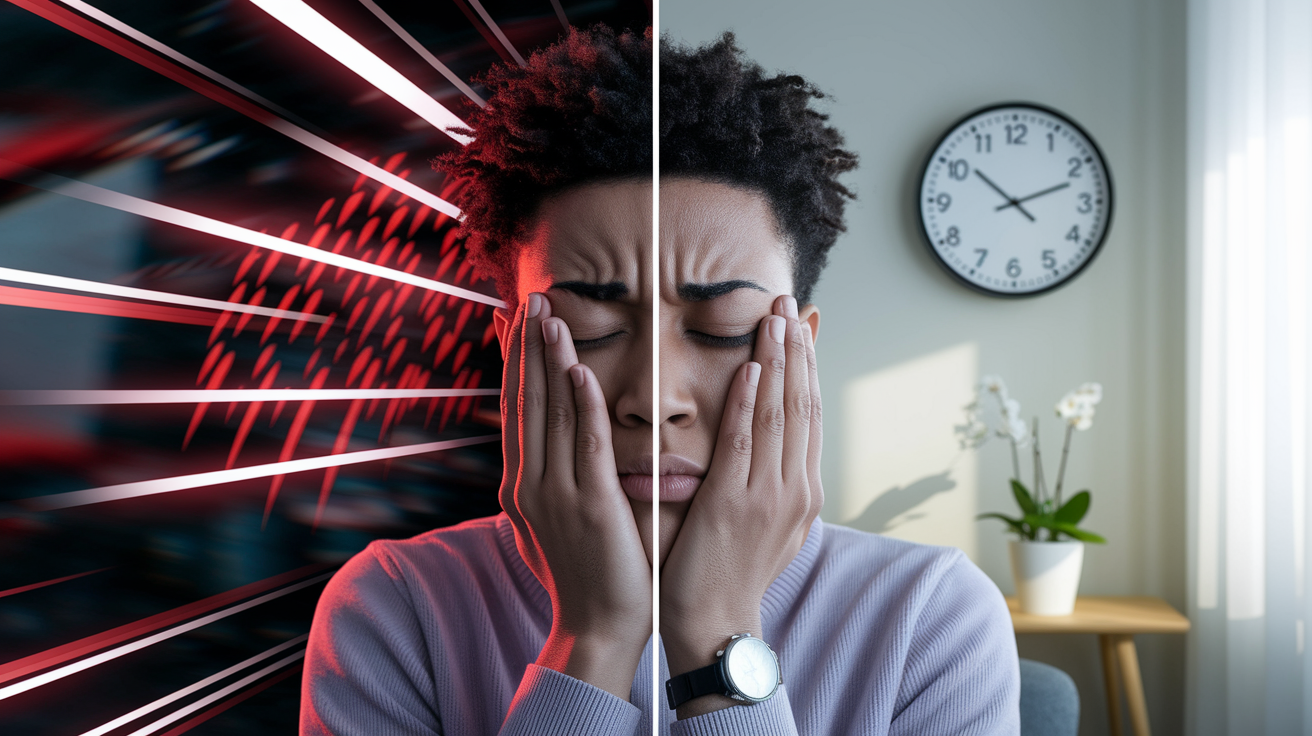
Panic attacks and anxiety attacks get used interchangeably, but they’re not quite the same. A panic attack is an abrupt surge of intense fear that peaks within about 10 minutes. Typically includes at least four of a set list of physical symptoms: heart pounding, sweating, trembling, shortness of breath, chest pain, nausea, dizziness, chills, numbness, and a sense of losing control or dying. They often come without an obvious trigger. Can feel like they strike out of nowhere.
Anxiety attacks are usually more gradual. They build over minutes to hours. Often tied to ongoing worry or a specific stressor (an upcoming deadline, a difficult conversation, health concerns). The physical symptoms tend to be less intense and more tied to muscle tension, restlessness, a sense of dread rather than sudden terror. Anxiety attacks can last much longer, sometimes lingering for hours or even days. Panic attacks typically resolve within 20 to 60 minutes even if residual unease hangs around afterward.
Key differences:
- Onset: Panic attacks are abrupt and peak rapidly. Anxiety attacks build gradually.
- Intensity: Panic attacks are usually much more intense and overwhelming.
- Duration: Panic attacks often resolve in under an hour. Anxiety attacks can persist longer.
- Trigger clarity: Panic attacks often occur without a clear trigger. Anxiety attacks are usually tied to a known stressor.
- Physical symptoms: Panic attacks commonly include palpitations, chest pain, dizziness. Anxiety attacks center more on muscle tension and restlessness.
- Fear quality: Panic attacks involve acute terror and fear of dying or losing control. Anxiety attacks involve chronic worry and a sense of unease.
Common Symptoms of Sudden Anxiety Attacks

Sudden anxiety attacks produce a range of physical and psychological symptoms that can feel overwhelming in the moment. Your heart may pound or race. Breathing becomes rapid and shallow. You may feel lightheaded or dizzy. Chest tightness is common and can be alarming, especially when it mimics cardiac symptoms. Sweating, trembling, nausea often accompany the episode. Some people report a sense of unreality (feeling detached from their body or surroundings) or an intense fear that something terrible is about to happen.
Most common symptoms:
- Racing or pounding heart (palpitations)
- Shortness of breath or a choking sensation
- Dizziness or lightheadedness
- Chest tightness or discomfort
- Sweating or chills
- Trembling or shaking
- Nausea or stomach upset
- A sense of impending doom or fear of dying
When Sudden Anxiety Attacks Require Medical Help

Most anxiety attacks, while distressing, aren’t medically dangerous. But certain situations require prompt professional evaluation to rule out serious conditions. If you’re experiencing severe chest pain (especially if it radiates to your arm, jaw, or back), sudden shortness of breath that doesn’t improve, fainting or near-fainting, or sudden neurological symptoms like weakness, slurred speech, or vision changes, call emergency services immediately. These signs can indicate a heart attack, pulmonary embolism, stroke, or other urgent medical issue that needs immediate care.
You should also seek professional help if:
- This is your first attack and you’re unsure what’s happening.
- Attacks are happening frequently (two or more per week) or getting worse over time.
- You’re avoiding activities, places, or situations because you fear another attack.
- Attacks are impairing your ability to work, socialize, or handle daily responsibilities.
- You’re experiencing suicidal thoughts or hopelessness related to your symptoms.
Final Words
Heart racing, breath quick, a sudden wash of fear — that’s what a sudden anxiety attack can feel like.
We covered immediate medical explanations, biological triggers, emotional and lifestyle contributors, medical conditions that can mimic attacks, how panic and anxiety differ, common symptoms, and clear red flags for when to seek care.
Track timing, triggers, and what helps. sudden anxiety attacks causes can be many, and small, low-risk steps often help while you gather answers. You’re not alone—there are clear next steps and help available.
FAQ
Q: What does an anxiety attack feel like?
A: An anxiety attack feels like a sudden rush of fear with a racing heart, shortness of breath, dizziness, sweating, trembling, chest tightness, and a strong sense that something bad is about to happen.
Q: How to calm down an anxiety attack?
A: To calm down an anxiety attack, breathe slowly with longer exhales, ground yourself by naming five things you see, sip water, and sit. If chest pain or worsening symptoms occur, seek medical help.
Q: Why did I start getting anxiety attacks out of nowhere?
A: You may start getting anxiety attacks out of nowhere because of adrenaline surges, hormonal shifts, unresolved stress or trauma, caffeine, poor sleep, or an underlying medical issue. Track patterns and check with your clinician if frequent.
Q: What’s the difference between a panic attack and an anxiety attack?
A: The difference between a panic attack and an anxiety attack is speed and trigger: panic peaks within minutes, often without a clear trigger and intense physical symptoms, while anxiety attacks build more slowly from ongoing worry or stress.
Comments are closed