
Could picturing a calm beach really ease years of daily pain?
Guided imagery, simple mental pictures combined with slow breathing, may do exactly that by shifting attention and calming your nervous system.
For many people with chronic pain it’s a low-risk, non-drug tool that often lowers how intense pain feels, reduces tension, and improves sleep and function when used regularly.
This post explains how it works, what to try today, and when to ask for medical help.
How Guided Imagery Helps Manage Chronic Pain (Quick Overview)

Guided imagery is a mind-body technique that uses directed, multisensory mental pictures to shift your attention, calm your nervous system, and change how your brain reads pain signals. You focus on a peaceful or healing mental scene, often while breathing slowly and releasing muscle tension, to interrupt the stress-pain cycle. It works by engaging your brain’s sensory and emotional networks in ways that lower arousal and pull focus away from the hurt.
For people dealing with chronic pain, this technique offers a low-risk, non-drug option that tackles both the physical and emotional sides of pain. Chronic pain activates stress pathways that amplify discomfort, tighten muscles, and make everything harder to handle. Guided imagery targets those pathways by triggering your parasympathetic “rest and repair” response. That lowers heart rate, loosens tension, and decreases your body’s production of cortisol and other stress hormones.
The main effects you can expect:
- Attention shifts away from pain signals, making them feel less urgent
- Lower sympathetic nervous system activity and less muscle guarding
- Less catastrophizing and fear-based pain amplification
- Better sleep, mood, and daily function over time
Guided imagery works best when you practice it regularly. Usually 10 to 20 minutes daily or several times a week. It’s most effective as part of a broader pain management plan. It won’t replace medical treatment, physical therapy, or medication when those are needed, but it strengthens your ability to self-regulate pain responses and builds resilience between flare-ups. A lot of people notice a calming effect within one session. Sustained reductions in average pain and interference typically show up after two to eight weeks of consistent practice.
What Guided Imagery Is and How It Works
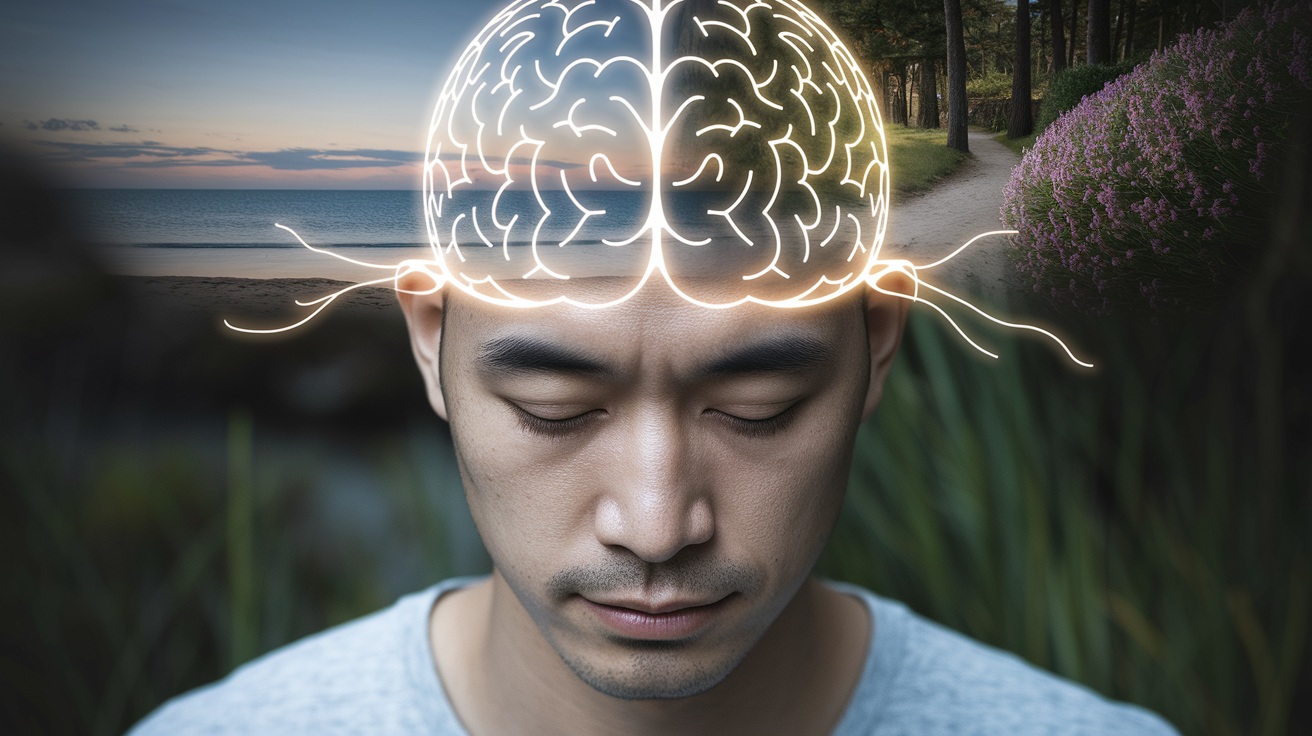
Guided imagery is a structured relaxation practice where you mentally construct a vivid, calming scene and immerse yourself in its sensory details. Sights, sounds, textures, temperatures, even smells. A narrator, recording, or your own inner voice guides you step by step through the scene, prompting you to notice specific elements: the warmth of sunlight on your skin, the sound of waves, the feel of cool sand under your feet, the scent of pine trees. This sensory immersion occupies your brain’s attention networks and activates regions tied to emotion regulation and body awareness, which reduces the bandwidth available for processing pain signals.
The technique works because your brain responds to imagined experiences in ways that overlap with real sensory input. When you visualize warmth spreading through tense muscles, your body may release that tension. When you picture a peaceful environment, your heart rate and breathing slow, stress hormones drop, and your nervous system shifts from a defensive “fight or flight” state into a calmer, more receptive mode. Over time, regular practice teaches your body to activate this relaxation response more quickly and reliably. That improves pain tolerance and reduces the intensity of flare-ups.
A typical guided imagery session looks like this:
- Find a quiet, comfortable place where you can sit or lie down without interruption
- Close your eyes, take three to five slow, deep breaths, and let your body settle
- Start constructing a mental scene: a beach, forest path, garden, or any place that feels safe and calm
- Add sensory details one by one. What you see, hear, feel, smell, and even taste
- Spend several minutes exploring the scene, noticing how your body responds as you immerse yourself in the imagery
Sessions can last anywhere from five to thirty minutes. Beginners often start with five to ten minutes using a recorded script or app, then gradually extend the time and reduce reliance on external prompts as the skill develops.
Mechanisms Behind Guided Imagery’s Pain‑Reducing Effects
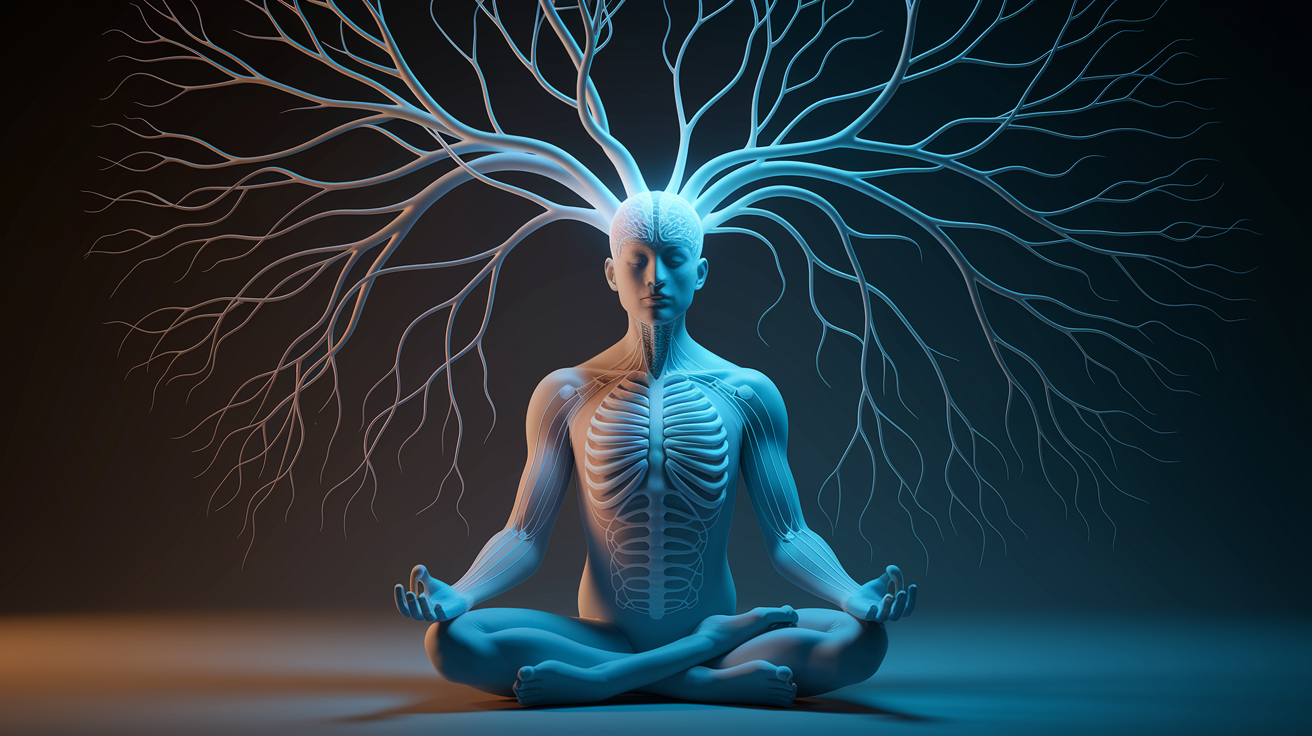
Guided imagery reduces chronic pain through overlapping biological, neurological, and psychological pathways. On the autonomic level, focused visualization activates your parasympathetic nervous system, which counteracts the stress-driven sympathetic response that often sustains chronic pain. This shift lowers heart rate, decreases blood pressure, slows breathing, and reduces the release of cortisol and adrenaline. Lower cortisol and reduced sympathetic tone mean less inflammation, less muscle guarding, and fewer pain-amplifying signals circulating through your body.
On the cognitive and emotional level, guided imagery interrupts catastrophizing and fear-based pain responses. Chronic pain often trains your brain to interpret harmless sensations as threatening, which magnifies discomfort and triggers protective tension. By redirecting attention to pleasant, neutral, or healing images, guided imagery reduces the emotional charge attached to pain and lowers your brain’s threat assessment. Studies show that people who practice guided imagery report decreased anxiety, improved self-efficacy, and a greater sense of control over their symptoms. All of which correlate with reduced pain intensity and interference.
The technique also influences how your body releases endogenous pain-relieving chemicals. Research using neuroimaging and pharmacologic challenges has shown that mental imagery can increase signaling in the brain’s endogenous opioid and cannabinoid systems. These are natural pain-modulating networks that work similarly to prescription pain medications but without external drugs. The effect is modest compared to pharmaceutical interventions, but it’s measurable, safe, and accessible to most people.
Neurological Influence on Pain Perception
Guided imagery alters activity in brain regions tied to sensory processing, emotion regulation, and pain perception. Functional MRI studies show that visualization tasks activate the prefrontal cortex (involved in attention and executive control), the anterior cingulate cortex (which processes the emotional component of pain), and the insula (which integrates sensory and emotional information). When these regions are engaged in constructing and maintaining a mental image, they compete with pain-processing circuits for limited attentional resources. That reduces the subjective intensity of pain.
Your brain has a harder time focusing on pain when it’s busy building a detailed mental scene. Over time, repeated practice strengthens these competing neural pathways, making the pain-dampening effect more automatic and durable.
Evidence‑Based Benefits of Guided Imagery for Chronic Pain

Randomized controlled trials and systematic reviews support guided imagery as an effective adjunct for chronic pain management, with small-to-moderate effect sizes across multiple conditions. Research consistently shows improvements in pain intensity, functional ability, sleep quality, and emotional well-being when guided imagery is practiced regularly over four to twelve weeks. The technique isn’t a standalone cure, but it provides measurable, clinically meaningful relief for many participants, particularly when combined with other behavioral and physical therapies.
One frequently cited area of evidence is cancer-related pain, where guided imagery has been shown to significantly reduce both pain intensity and anxiety in patients undergoing treatment or recovery. Trials in fibromyalgia populations report reductions in pain, fatigue, and depression when imagery is paired with relaxation or cognitive-behavioral components. Studies in chronic low-back pain, osteoarthritis, and postoperative pain settings have documented shorter pain duration, lower analgesic use, and faster return to daily activities among people who used guided imagery alongside standard care. A 2019 international review found that approximately half of women with endometriosis report using mental imagery as a coping tool, and emerging clinical reports suggest that guided imagery reduces pelvic pain intensity and improves tolerance of medical procedures in this population.
| Study Focus | Key Result | Condition Studied |
|---|---|---|
| Cancer-related pain | Significant reduction in pain intensity and anxiety | Cancer patients undergoing treatment |
| Fibromyalgia symptoms | Reductions in pain, fatigue, and depression over 6–12 weeks | Fibromyalgia |
| Chronic low-back pain | Modest improvements in pain and function when part of multimodal care | Chronic low-back pain |
| Postoperative pain | Shorter pain duration, lower medication use, faster recovery | Surgical recovery populations |
Limitations in the evidence base include variability across trials in session length, script content, and outcome measures, which makes pooled estimates less precise. Long-term durability beyond six to twelve months is less well-studied. Head-to-head comparisons with other established interventions like cognitive-behavioral therapy or mindfulness-based stress reduction remain limited. But the consistency of small-to-moderate benefits across diverse pain conditions and the low risk profile make guided imagery a reasonable, evidence-supported option for people seeking non-drug pain relief.
Types of Chronic Pain Guided Imagery Helps Address
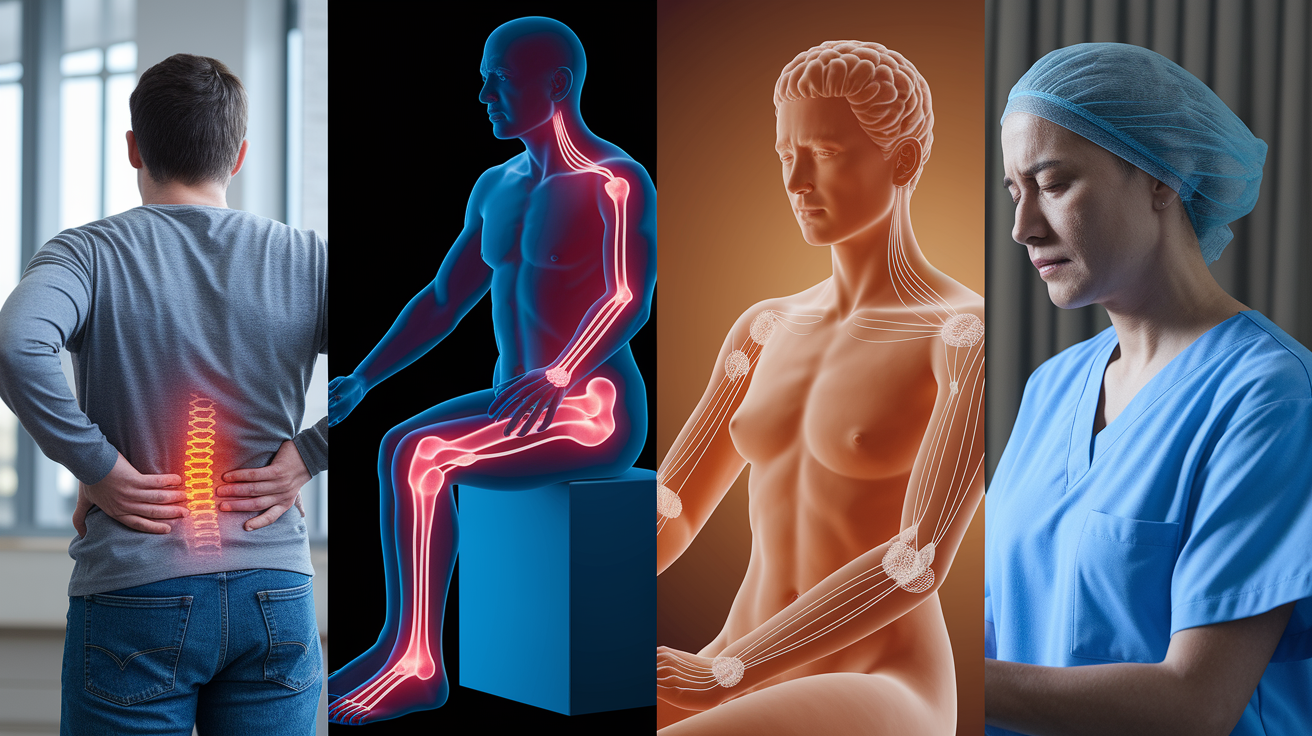
Guided imagery is supported by research and clinical experience across a range of chronic pain conditions, particularly those with significant stress, tension, or inflammatory components. Musculoskeletal pain (chronic low-back pain, neck pain, and osteoarthritis) responds well because imagery can reduce protective muscle guarding and lower stress-driven inflammation. Fibromyalgia, a condition marked by widespread pain and central sensitization, shows measurable improvement in pain intensity, sleep quality, and mood when guided imagery is practiced regularly as part of a broader self-management program.
Neuropathic pain conditions, such as diabetic neuropathy or post-surgical nerve pain, present a more complex picture. Evidence is still emerging, but some pilot studies and clinical reports suggest that tailored imagery (particularly graded motor imagery approaches that help retrain pain pathways) may offer benefit when combined with physical therapy and medication management. Inflammatory and autoimmune pain, including rheumatoid arthritis and inflammatory bowel disease-related pain, also show responsiveness, likely because imagery lowers systemic stress and dampens the neuroimmune feedback loops that sustain inflammation.
Guided imagery has been used effectively in the following pain categories:
- Chronic musculoskeletal pain (low back, neck, shoulder, osteoarthritis)
- Fibromyalgia and widespread pain syndromes
- Cancer-related pain and treatment side effects
- Postoperative and post-injury pain during rehabilitation
- Chronic pelvic pain, including endometriosis and interstitial cystitis
- Tension-type and migraine headaches with stress or muscle-tension triggers
The technique is broadly adaptable, making it suitable for people with overlapping pain conditions or those who find that stress and emotion significantly influence their symptom intensity. It’s not condition-specific in the way that a medication or surgical intervention might be, which means it can serve as a flexible, low-risk tool across multiple diagnoses and pain types.
How Guided Imagery Compares to Other Non‑Drug Pain Management Techniques

Guided imagery sits within a family of mind-body and relaxation-based interventions that includes progressive muscle relaxation, diaphragmatic breathing, mindfulness meditation, and cognitive-behavioral therapy. All of these approaches share the goal of reducing pain-related distress and improving self-regulation, but they differ in structure, focus, and the sensory or cognitive pathways they engage. Guided imagery is more visualization-driven and narrative than mindfulness, which emphasizes open, non-judgmental awareness of present-moment sensations. It’s more immersive and sensory than progressive muscle relaxation, which focuses on systematic tension and release of muscle groups without a guiding mental scene.
In head-to-head comparisons, guided imagery typically produces similar short-term reductions in pain intensity and anxiety as other relaxation techniques, with effect sizes in the small-to-moderate range. It may be particularly helpful for people who find it easier to focus on a story or scene than on their breath or bodily sensations. It works well when combined with breathing exercises or muscle relaxation cues. Cognitive-behavioral therapy, which addresses thoughts and behaviors that maintain pain, often incorporates guided imagery as one tool among several, rather than as a standalone intervention.
Key distinctions:
- Guided imagery uses directed mental scenes and sensory immersion, while mindfulness encourages open awareness without a specific focus object
- Progressive muscle relaxation targets physical tension release without requiring visualization
- Cognitive-behavioral therapy restructures pain-related thoughts and behaviors, sometimes using imagery as a supporting technique rather than the primary method
Most experts recommend trying multiple approaches and combining the ones that fit best with your preferences and pain triggers. Guided imagery is a strong choice if you respond well to storytelling, prefer structured guidance, or find that vivid mental pictures help you disconnect from pain more effectively than abstract breathing or body-scan practices.
Practical Steps to Start Using Guided Imagery for Chronic Pain

Starting a guided imagery practice is straightforward and requires no special equipment beyond a quiet space and, optionally, a recording or app to guide you through the first few sessions. Most people begin with five to ten minutes daily, using a prerecorded script and headphones to minimize distractions. Consistency matters more than session length. A short daily practice will produce better results than occasional longer sessions.
To build a simple guided imagery routine:
- Choose a quiet, comfortable location where you won’t be interrupted for ten to twenty minutes
- Sit in a supportive chair or lie down in a comfortable position, loosen any tight clothing, and turn off phone notifications
- Close your eyes and take three to five slow, deep breaths, allowing your body to settle and your heart rate to slow
- Begin constructing a mental scene. Pick a place that feels peaceful, safe, and calming, such as a beach, forest, garden, or quiet room
- Add sensory details one layer at a time: what you see (colors, light, movement), what you hear (waves, birds, wind), what you feel (warmth, cool breeze, soft surfaces), and any scents or tastes that fit the scene
- Stay with the image for five to fifteen minutes, gently returning your focus to the scene whenever your mind wanders
- When the session is complete, take a few deep breaths, open your eyes slowly, and notice how your body feels before returning to your day
As you build familiarity with the technique, track your pain levels using a simple 0-to-10 numeric rating scale before and after each session. Note any patterns in what scenes, times of day, or session lengths work best. If you find that your pain intensity drops by even one or two points after a session, that’s a meaningful signal that the practice is helping. Adjust the imagery to match your needs: if muscle tension is a primary issue, add warmth or flowing-water images. If anxiety amplifies your pain, emphasize safety cues like enclosed spaces or gentle sounds. Over time, you may be able to shorten the session or practice without a recording, using the technique as a quick reset during pain flares or stressful moments.
Final Words
Use guided imagery now to shift pain, a short visualization that calms your nervous system and lowers stress-driven pain.
You read what it is, how it alters brain and body responses, and what research shows about less pain, better sleep, and improved function. We also covered the pain types it helps, how it differs from meditation and breathing, and simple 5-10 minute steps with tracking tips.
If you want a low-risk tool, note the benefits of guided imagery for chronic pain: try short sessions, track what changes, and share notes with your clinician. Small, steady practice often brings clearer days.
FAQ
Q: What is guided imagery and how does it work?
A: Guided imagery is a visualization technique where a narrator leads you through calming scenes to change muscle tension, heart rate, and stress reactions, helping your body and mind relax and alter pain signals.
Q: How does guided imagery help manage chronic pain?
A: Guided imagery helps manage chronic pain by calming the nervous system, lowering stress-related pain responses, interrupting pain signals, and improving coping so daily activities feel easier and less painful.
Q: What benefits can I expect from guided imagery for chronic pain?
A: Guided imagery can reduce reported pain severity, improve sleep, lower stress and anxiety, and increase function and coping—benefits often build with regular practice over weeks.
Q: Which types of chronic pain respond well to guided imagery?
A: Guided imagery often helps musculoskeletal pain, neuropathic pain, tension-related pain, inflammatory conditions, arthritis, fibromyalgia, and chronic low‑back pain by reducing nervous system reactivity.
Q: How do I start using guided imagery for my chronic pain?
A: Start guided imagery by finding a quiet spot, using a 5–10 minute narrated audio, sitting or lying comfortably, focusing on sensory details, and practicing daily or most days.
Q: How long and how often should I practice to see results?
A: Practicing guided imagery 5–20 minutes daily or at least several times a week is common; many people notice gradual improvement in weeks, with more consistent practice giving better results.
Q: How does guided imagery compare with meditation or breathing exercises?
A: Guided imagery is more structured and visualization-driven than meditation; it complements breathing and relaxation techniques and can be easier for beginners who prefer a clear narrative to follow.
Q: Are there risks or who should avoid guided imagery, and when should I get medical help?
A: Guided imagery is low risk for most, but it can unsettle people with trauma or dissociation—check with a clinician first; get prompt care for new severe pain, numbness, weakness, high fever, or sudden worrying symptoms.
Q: How should I track my guided imagery progress to share with a clinician?
A: Track session timing and duration, pain severity (0–10), triggers, what helps, sleep quality, and activity changes; bring a brief trend note or chart to your appointment for a focused conversation.
Comments are closed