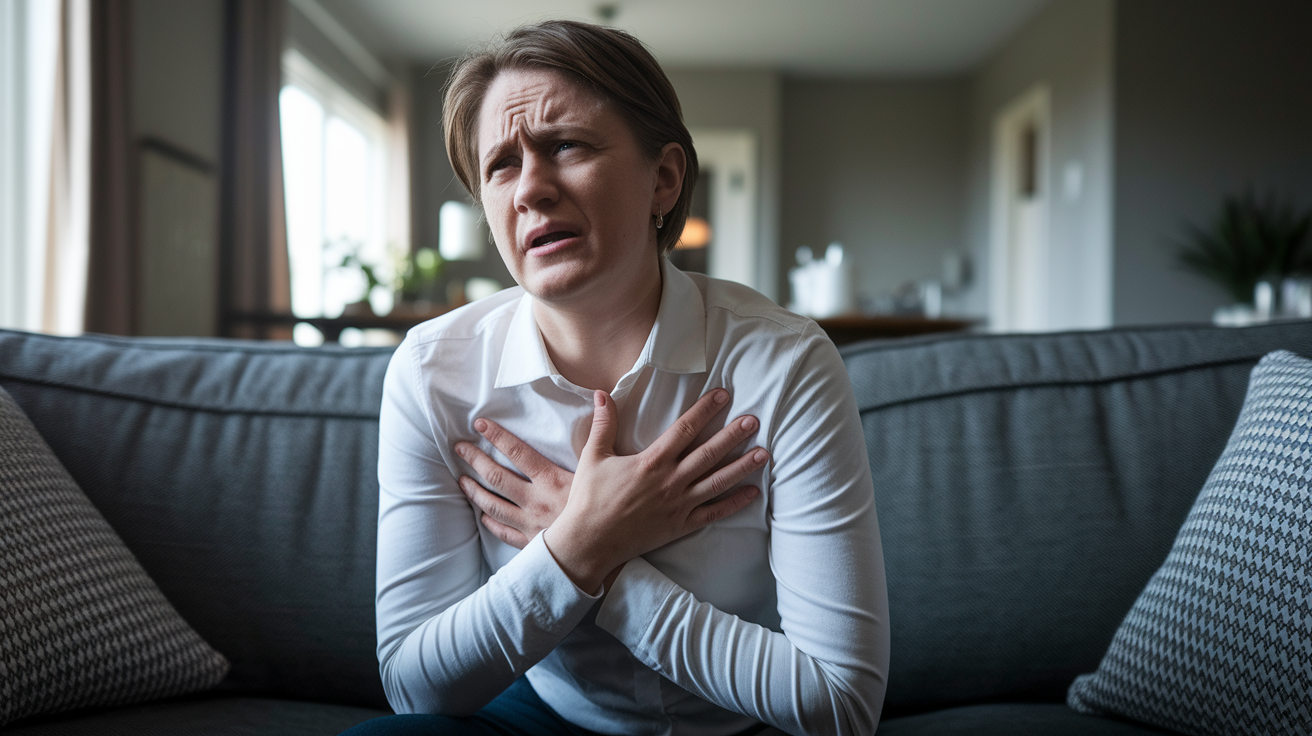
Ever had a wave of anxiety hit you for no reason at all?
It feels like your chest tightens, your heart races, and you can’t point to a trigger.
You’re not imagining it and you aren’t broken.
Often your body has been collecting small stresses—poor sleep, skipped meals, caffeine, or leftover tension—and one day the alarm goes off without an obvious cause.
This post will show what those sudden spikes often mean, common physical and mental patterns behind them, simple things to try now, and what to track before you talk to a clinician.
Understanding Why Anxiety Can Arise Unexpectedly
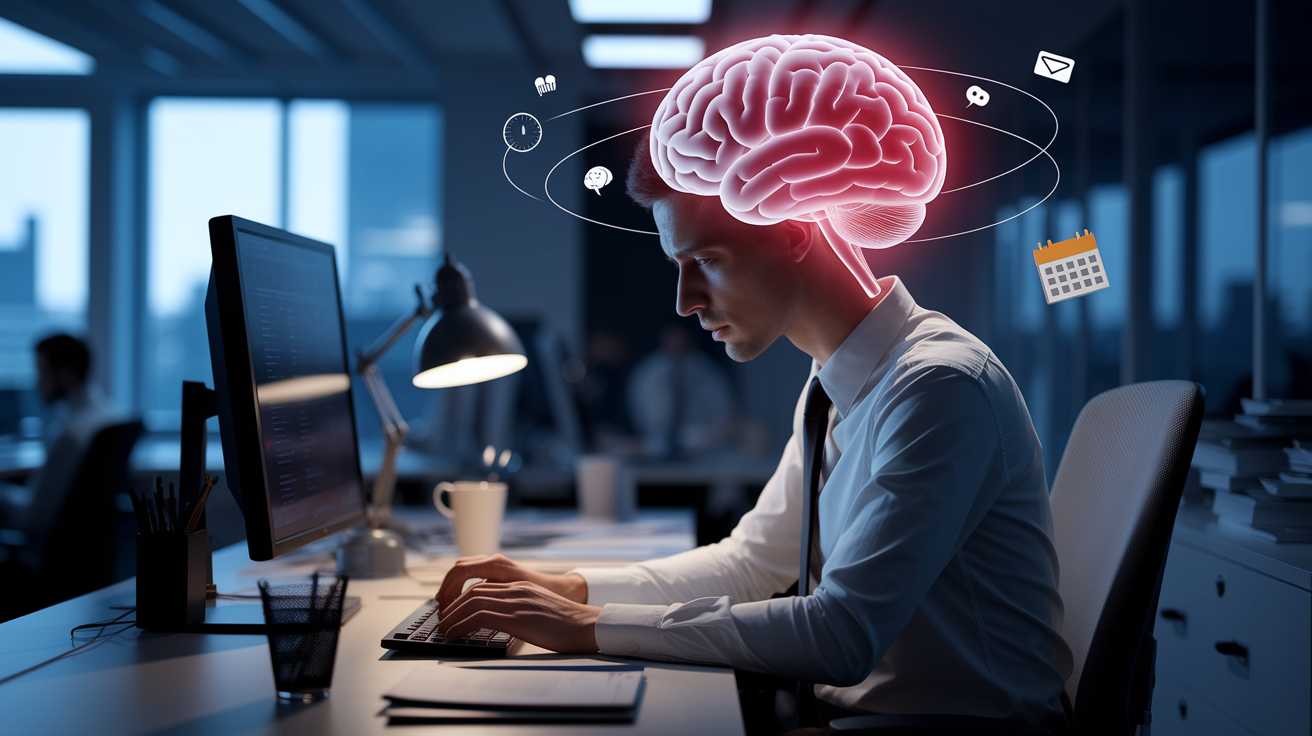
Sudden anxiety without an obvious trigger happens way more often than most people think. And it doesn’t mean you’re broken. Your body’s been keeping track of stress even when you haven’t been paying attention. Those small tensions, little worries, half-finished conversations, the constant rushing between tasks, a few nights of okay-ish sleep? They pile up quietly. Sometimes over days. Sometimes weeks. Then one random morning while you’re at your desk or lying in bed at night, the anxiety just… arrives.
Your brain’s alarm system (the amygdala) doesn’t always wait for you to spot the trigger. It reacts to stuff you’re not even conscious of: a quick smell that reminds you of something stressful, a phrase someone used that echoes the past, even the way you’re sitting if your body links that position to tension. Hormones mess with things too. Cortisol and adrenaline go up and down all day, and sometimes they spike for no outside reason. Especially if your system’s been running high for a while. Monthly hormonal shifts, perimenopausal changes, even how much daylight you’re getting can change your baseline anxiety threshold.
Then there’s autonomic nervous system dysregulation. The sympathetic branch powers your fight-or-flight response, and it can misfire or get way too sensitive after long stretches of stress or repeated anxiety episodes. When that happens, your body can crank out sudden anxiety sensations (racing heart, shallow breathing, tightness, dizziness) even when you’re just sitting there doing nothing unusual. The feeling’s real. The mechanism is physical. And the good news? You can understand it and manage it.
Physiological Mechanisms Behind Abrupt Anxiety
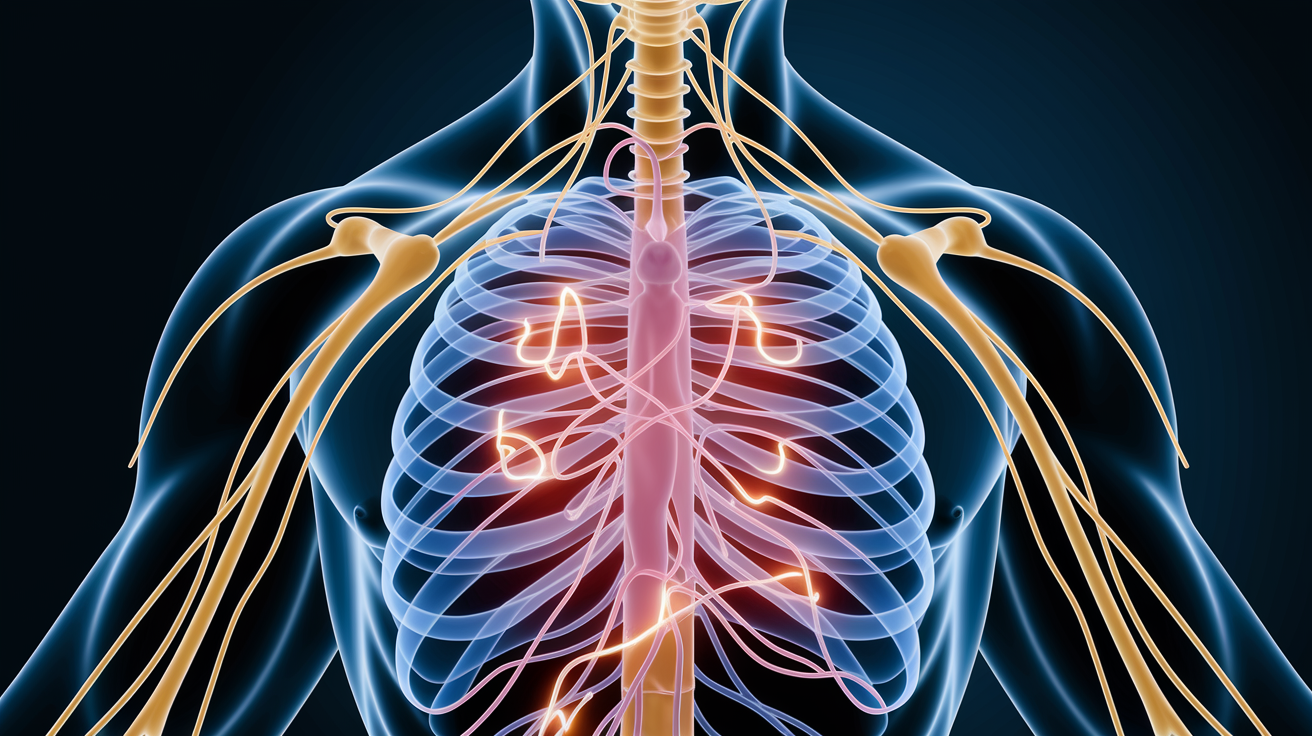
Your nervous system’s fight-or-flight mode can flip on out of nowhere when the sympathetic branch gets hypervigilant. Chronic low-level stress teaches the system to stay on alert, which lowers the bar for activation. Once it’s sensitized, it’ll interpret totally neutral signals (a shift in heart rate, a tiny digestive twinge) as danger. Then comes the cascade: adrenaline dumps, heart speeds up, cortisol surges, breathing gets shallow. All within seconds.
Hormone patterns shape how anxiety shows up throughout your day. Cortisol naturally peaks in the morning and drops at night, but stress, bad sleep, or eating at weird times can flatten or spike that curve unpredictably. Adrenaline spikes when there’s a perceived threat, sure. But also when your blood sugar drops, when you have caffeine, or even when you’re dehydrated. When blood glucose falls suddenly (often mid-morning or late afternoon if you skipped a meal or ate something unbalanced), your body releases adrenaline to pull stored energy. That adrenaline rush feels exactly like anxiety.
Thyroid imbalances, especially hyperthyroidism, keep your metabolism and heart rate cranked up. That creates a baseline that feels anxious even when you’re resting. Perimenopause and menstrual cycle shifts can amplify your sensitivity to all of these mechanisms.
Common physiological triggers for sudden anxiety:
- Blood sugar drop after skipping food or eating high-sugar stuff without protein or fat
- Cortisol spike from piled-up stress, bad sleep, or inconsistent wake times
- Caffeine sensitivity, especially on an empty stomach or after cutting back for a bit
- Heart rhythm changes like skipped beats or quick palpitations, which your body reads as danger
- Thyroid shifts, including subclinical hyperthyroidism or fluctuations tied to your cycle or life stage
Psychological Factors That Cause Anxiety Without Noticeable Triggers
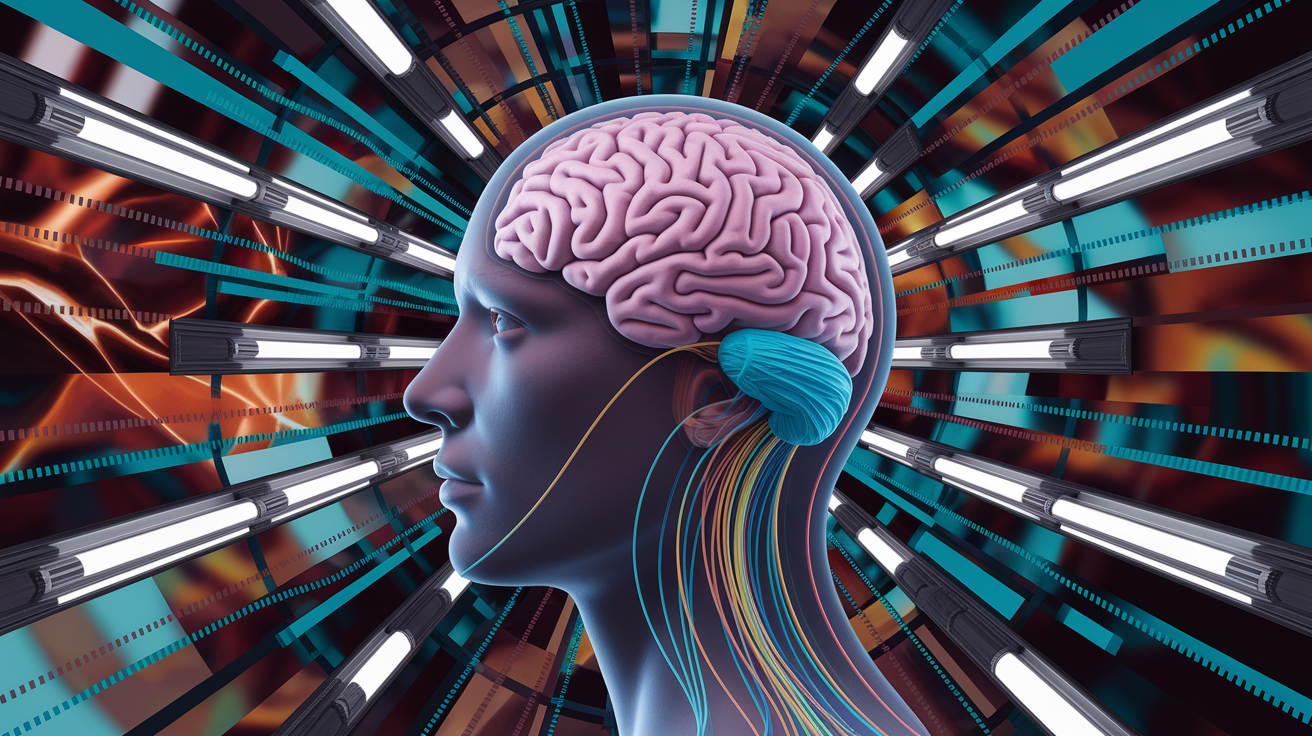
Your conscious mind only catches part of what’s happening. Subconscious processing runs nonstop, scanning for patterns, associations, unresolved concerns. Intrusive thoughts you never fully notice can still fire up the amygdala. A quick mental image. A half-formed worry. A flash of something unpleasant. These can trigger your body’s anxiety response before you even realize a thought happened.
Stress stacks up below the surface. When you brush off small tensions during the day (awkward interaction, tight deadline, task you didn’t finish), they don’t just vanish. They pile up. Your body keeps processing them in the background, and when the total load crosses some invisible line, anxiety shows up suddenly. Often during a quiet moment when you finally slow down. That’s why anxiety can hit hardest at night, on weekends, or during a pause when nothing “stressful” is actually going on.
Your brain also learns through conditioning. If you had panic or high anxiety in a certain setting, sensory cues from similar places can trigger the response without you making the connection. The smell of a coffee shop. Traffic sounds. Fluorescent lights. The feeling of sitting still. These can all get linked to anxiety through repeated pairings. The association lives in implicit memory, so you feel anxious “for no reason” when the real reason is a learned pattern your conscious mind didn’t catch.
Medical Conditions That May Lead to Sudden Anxiety

Physical health stuff can create sensations that feel identical to anxiety. Or they can lower your nervous system’s threshold and make real anxiety way more likely. Worth checking with a doctor if sudden anxiety is new, happening a lot, or showing up with other unexplained symptoms.
Medical conditions that commonly mimic or trigger sudden anxiety:
- Hyperthyroidism or subclinical thyroid overactivity, keeping metabolism and heart rate elevated
- Heart arrhythmias or palpitations, including benign premature beats that create a danger sensation
- Vitamin B12 deficiency or anemia, both reducing oxygen delivery and causing fatigue, dizziness, nervous system irritability
- Vestibular disorders or inner-ear imbalances producing lightheadedness, dizziness, or spatial disorientation
- Gastrointestinal stuff like reflux, irritable bowel syndrome, or food sensitivities creating physical discomfort your body reads as threat
- Blood sugar dysregulation, including reactive hypoglycemia or early insulin resistance
A lot of these are treatable or manageable once you figure out what’s going on. Basic workup (thyroid panel, complete blood count, metabolic panel, B12 level) can rule out or confirm several. If your anxiety episodes come with chest pain, fainting, sudden severe shortness of breath, or neurological symptoms, get immediate medical evaluation to rule out urgent cardiac or neurological issues.
Immediate Coping Strategies for Sudden Anxiety

When anxiety hits suddenly, your goal is to interrupt the sympathetic surge and signal safety to your nervous system. Regulated breathing is one of the fastest tools you’ve got. The 4-7-8 pattern works well: inhale through your nose for 4 counts, hold for 7, exhale slowly through your mouth for 8. The long exhale activates the vagus nerve and shifts you toward parasympathetic (rest-and-digest) mode. Repeat 4 to 6 cycles. You’re not trying to force calm. You’re teaching your body the threat signal was a false alarm.
Grounding techniques pull attention out of the anxious mental loop and anchor you in what’s actually happening right now. The 5-4-3-2-1 method is simple: name 5 things you see, 4 things you can physically touch, 3 things you hear, 2 things you smell (or can imagine smelling), and 1 thing you taste or would like to taste. This redirects brain resources away from the amygdala and toward sensory-processing regions, which lowers activation.
Physical reset techniques work by changing your body state directly. Cold water on your face or holding an ice cube for 20 to 30 seconds stimulates the vagus nerve and can slow heart rate within seconds. A short walk, even 5 minutes, metabolizes the adrenaline surge. Progressive muscle relaxation (tensing and releasing muscle groups from your feet to your head) disrupts the tension feedback loop keeping the anxiety cycle running.
Evidence-based immediate coping methods:
- 4-7-8 breathing: inhale 4 seconds, hold 7, exhale 8. Repeat 4 to 6 times to activate the parasympathetic brake
- 5-4-3-2-1 grounding: name 5 things you see, 4 you touch, 3 you hear, 2 you smell, 1 you taste
- Cold-water vagal reset: splash cold water on your face or hold ice for 20 to 30 seconds to slow heart rate
- Cognitive reframing prompt: say out loud or silently, “This feeling is temporary. My body is reacting to a false alarm. I’m safe right now.”
Lifestyle Adjustments That Reduce Unexplained Anxiety Episodes

Consistent sleep is one of the most powerful anxiety stabilizers you can control. Aim for 7 to 9 hours per night, ideally with a regular bedtime and wake time even on weekends. Sleep deprivation messes with cortisol rhythms, lowers your stress threshold, and amps up the amygdala’s reactivity. When you sleep well, your nervous system resets overnight and your body can tell the difference between real threats and background noise more reliably.
Balanced meals at regular intervals prevent blood sugar swings that trigger adrenaline surges. Include protein, fat, and fiber with each meal to slow glucose absorption. Skipping meals or eating only quick carbs sets up that mid-morning or afternoon crash that feels exactly like sudden anxiety.
Limiting stimulants makes a measurable difference. Caffeine sensitivity varies, but if you’re getting unexplained anxiety, try cutting back to under 200 milligrams per day (roughly two 8-ounce cups of coffee) or eliminate it for a few weeks to see if episodes decrease. Alcohol disrupts sleep architecture and can cause rebound anxiety as it metabolizes, so minimize use and don’t drink to manage stress.
Regular movement, even moderate stuff like 20 to 30 minutes of walking most days, regulates the autonomic nervous system and reduces baseline cortisol. Exercise metabolizes stress hormones in real time and builds resilience over the long term, so your body bounces back to baseline faster after a spike.
When Sudden Anxiety Signals the Need for Professional Help

If anxiety episodes are happening more than once or twice a week, lasting longer, or messing with your ability to work, sleep, or handle daily routines, it’s time to talk to a clinician. Persistent, worsening, or recurrent sudden anxiety might point to an underlying anxiety disorder (like panic disorder or generalized anxiety disorder), or it could signal a medical issue that needs evaluation. Don’t wait for it to become unbearable. Early assessment leads to faster relief and often stops the pattern from getting entrenched.
Seek medical evaluation right away if sudden anxiety comes with chest pain, fainting, loss of consciousness, severe shortness of breath, slurred speech, or one-sided weakness. These symptoms can overlap with cardiac, neurological, or endocrine emergencies. Even if anxiety is the root cause, ruling out other conditions gives you clarity and a treatment path. A primary-care provider can order basic labs (thyroid panel, metabolic panel, B12) and refer you to a mental-health specialist if needed. Therapy, particularly cognitive-behavioral approaches, and medication when appropriate can make sudden anxiety manageable or resolve it completely.
Final Words
in the action, we explained how the body and mind can spark anxiety out of the blue — stress build-up, hormone shifts, nervous system ups and downs, plus some medical causes.
We also covered fast coping tools, daily habits that lower the odds, and simple things to track so you can spot patterns and talk to a clinician.
If you’re facing sudden anxiety without trigger, try the breathing, grounding, and tracking steps here, and reach out if it keeps happening. Small changes often help, and calmer moments are possible.
FAQ
Q: Why do I get anxiety without a trigger or suddenly out of nowhere?
A: You get anxiety without a trigger or suddenly out of nowhere when built-up stress, hormone shifts, blood sugar dips, or an overactive nervous system create sudden anxious feelings even in calm moments; grounding helps.
Q: What is an anxiety flare-up?
A: An anxiety flare-up is a sudden rise in anxious feelings—racing heart, breathlessness, tight chest, or intense worry—that can last minutes to hours and often follows stress, fatigue, or physical triggers.
Q: How to identify triggers for anxiety?
A: To identify triggers for anxiety, track timing, food, sleep, caffeine, recent stress, activity, and severity (0–10); note associated symptoms and look for repeating patterns across days or weeks.
Comments are closed