
Ever feel like your cycle and mood are acting like strangers in your own body?
You’re not imagining it.
In early perimenopause, estrogen starts swinging up and down while progesterone (the hormone that helps you sleep and calms nerves) slowly drops.
Estrogen spikes can cause heavy periods, breast tenderness, and sudden mood shifts.
Lower progesterone often brings anxiety and middle-of-the-night waking.
This post explains the common symptoms, what usually triggers them, simple low-risk things to try today, what to track, and when to check in with a clinician.
What Hormonal Changes Happen First in Perimenopause?

The earliest hormonal shift in perimenopause isn’t a simple, steady decline. Estrogen starts swinging wildly. Some weeks it climbs higher than normal, then drops sharply in others. This erratic pattern creates unpredictable changes before any real decrease in overall estrogen happens. Most women first notice their cycle length gets inconsistent. One month it’s 24 days, the next 35. Those estrogen swings mess with ovulation timing. Your body’s still trying to maintain fertility, so hormone signals turn chaotic as ovaries respond less predictably.
Progesterone starts declining earlier and more steadily than estrogen. Since progesterone only shows up after ovulation, and ovulation becomes sporadic during early perimenopause, levels drop more consistently cycle to cycle. Progesterone calms the nervous system and supports deep sleep, so when it falls you might notice anxiety or restless nights before any menstrual changes appear.
These two patterns together create the first noticeable symptoms. Estrogen spikes and surges paired with steady progesterone loss. The estrogen swings can trigger mood shifts, breast tenderness, and unpredictable bleeding. Falling progesterone messes with sleep, amps up irritability, and can cause heavier or longer periods (progesterone normally helps thin the uterine lining). These early symptoms often show up months or even a year or two before hot flashes or other later signs.
Common first symptoms tied to these early hormonal shifts:
- Cycle length changes: periods arrive earlier or later than expected, sometimes swinging between short and long cycles within a few months
- Breast tenderness or swelling in the week before your period, often more pronounced than in your 30s
- New or worsening PMS: mood swings, irritability, or tearfulness that feel more intense or last longer than they used to
- Sleep problems: trouble falling asleep, waking frequently during the night, or waking too early and unable to get back to sleep
- Anxiety or feeling “on edge” without a clear external cause, especially in the luteal phase (second half) of your cycle
- Heavier or longer periods: bleeding that lasts more than seven days or requires more frequent pad or tampon changes than in the past
Estrogen Changes Throughout Perimenopause

Estrogen’s pattern across perimenopause is volatility followed by gradual depletion. In the early years, estrogen can spike higher than it ever did in your 20s or 30s, triggering heavy menstrual bleeding, bloating, breast pain, and intense mood swings. These surges happen because the brain’s signaling system (specifically follicle-stimulating hormone, or FSH) tries harder to jumpstart ovulation. The ovaries sometimes respond by releasing a big burst of estrogen before ovulation finally occurs. You might have a month of feeling almost “estrogen-drunk.” Wired, emotional, retaining water. Then a sharp drop leaves you exhausted, foggy, or low.
As perimenopause moves into the middle and late stages, those estrogen surges become less common and the overall trend tilts downward. Lower baseline estrogen eventually triggers the hallmark vasomotor symptoms: hot flashes and night sweats. It also brings vaginal dryness, thinning skin, joint aches, and changes in bone density. During this phase, you might notice the symptoms shift from chaotic (unpredictable bleeding, mood swings) to more consistently low-estrogen driven (persistent dryness, flashes, trouble concentrating). The transition from high-fluctuation to low-stable estrogen can take several years. Many women experience overlapping symptom types as their body adjusts to each new hormonal baseline.
Progesterone Decline and Its Symptom Patterns

Progesterone is often the first hormone to fall consistently during perimenopause. Its decline follows a more predictable downward slope than estrogen’s roller coaster. Because progesterone only gets made after ovulation, and ovulatory cycles become less frequent or weaker as perimenopause begins, your body produces less of it month after month. This steady drop can start quietly. You might not connect new sleep trouble or background anxiety to a hormone shift.
Low progesterone shows up most clearly in emotional and neurological symptoms. Progesterone has a calming, sedative-like effect on the brain (it converts to allopregnanolone, a compound that supports GABA receptors). When levels fall, anxiety can spike, especially at night. You may lie awake with racing thoughts, feel more irritable during the day, or notice that small stressors feel harder to manage. Progesterone also opposes estrogen’s stimulating effects on the uterine lining, so when it drops, periods can become heavier or last longer even if estrogen levels aren’t especially high.
Sleep disruption tied to low progesterone often looks like middle-of-the-night waking. Falling asleep is fine, but you wake at 2 or 3 a.m. and can’t settle back down. Unlike hot-flash-related night waking (which usually involves sudden sweating and flushing), progesterone-related waking feels more like your mind just turns on. You may also notice that your usual stress management strategies stop working as well. Or you feel more emotionally reactive in the second half of your cycle when progesterone should normally be highest but is now lower than it used to be.
Common Symptoms of Perimenopause and Their Hormonal Causes
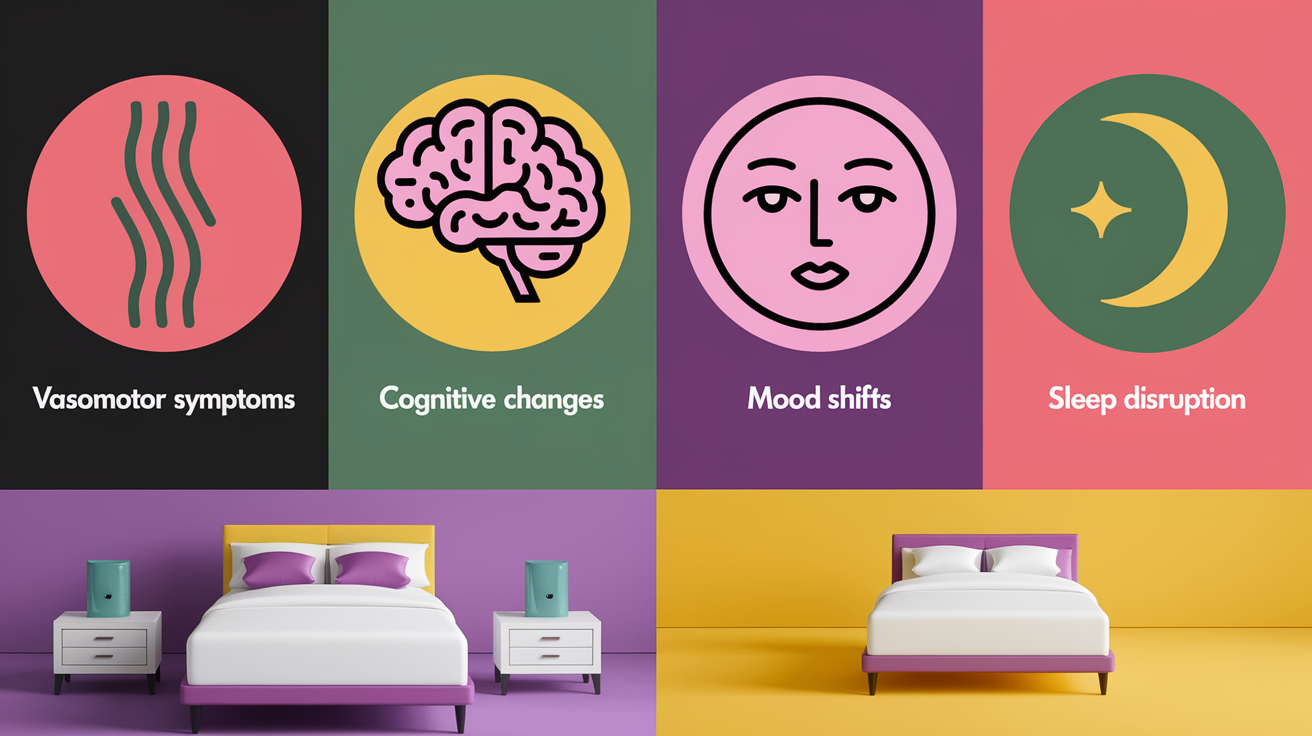
Perimenopause symptoms vary widely, but nearly all trace back to fluctuating estrogen, declining progesterone, or both hormones acting together in unpredictable ways. Below are the most commonly reported symptom categories and the hormonal patterns behind them:
Vasomotor symptoms (hot flashes and night sweats): Caused by falling estrogen levels, which destabilize the brain’s temperature regulation center in the hypothalamus. The body suddenly perceives that it’s overheating and triggers sweating and flushing to cool down, even when the room temperature hasn’t changed.
Cognitive changes (brain fog, forgetfulness, trouble concentrating): Estrogen supports neurotransmitter function and blood flow in the brain, so fluctuating or low estrogen can cause lapses in memory, slower word recall, and difficulty focusing. These changes are often temporary and improve after menopause.
Mood symptoms (irritability, anxiety, crying spells, low mood): Estrogen and progesterone both influence serotonin, dopamine, and GABA pathways in the brain. Erratic estrogen can create mood swings. Low progesterone reduces the brain’s natural calming signals and increases anxiety. Some women experience their first episodes of depression during perimenopause.
Sleep disruption (insomnia, night waking, nonrestorative sleep): Low progesterone reduces sedative effects. Night sweats from low estrogen wake you suddenly. Anxiety from hormone swings can make it hard to fall or stay asleep. Poor sleep then worsens mood, energy, and cognitive function, creating a compounding effect.
Menstrual changes (irregular cycles, heavy bleeding, skipped periods, spotting): Estrogen spikes thicken the uterine lining and can cause very heavy periods. Low progesterone fails to stabilize the lining, leading to breakthrough bleeding or prolonged flow. Cycle length becomes unpredictable as ovulation timing shifts.
Sexual and vaginal symptoms (low libido, vaginal dryness, discomfort during sex): Falling estrogen thins vaginal tissue and reduces natural lubrication, which can make intercourse painful. Testosterone (also produced by the ovaries) may decline as well, contributing to reduced sexual desire. Mood and sleep problems can further dampen libido.
Physical and metabolic changes (weight gain, especially around the abdomen, joint aches, fatigue): Lower estrogen affects how the body stores fat, shifting deposits from hips and thighs to the belly. Estrogen also supports joint health and energy regulation, so its decline can cause stiffness, muscle aches, and persistent tiredness even after adequate rest.
Perimenopause Timeline: What to Expect Year by Year

Perimenopause doesn’t follow a fixed script, but most women move through recognizable stages over several years. Early perimenopause often begins in the early to mid-40s (sometimes late 30s) and is marked by subtle cycle changes and new or worsening PMS-type symptoms. Hormone levels are still relatively high overall, but the swings become more pronounced. You might go months feeling normal, then have a string of difficult cycles with heavy bleeding, mood swings, or sleep trouble. This phase can last one to three years before more obvious changes appear.
Mid to late perimenopause is when symptoms become more frequent and intense. Cycles start to lengthen noticeably. Gaps of 60, 90, or more days between periods. Hot flashes, night sweats, and persistent sleep problems often emerge or worsen. Estrogen levels trend lower overall, though occasional spikes still happen. This phase typically lasts two to four years and ends when you reach your final menstrual period. Some women move through it quickly. Others experience a longer, more gradual transition with symptoms that wax and wane unpredictably.
Menopause is officially reached 12 months after your last menstrual period. The perimenopausal transition is complete at that point, though some symptoms (especially vasomotor symptoms and vaginal dryness) may continue into the postmenopausal years if not managed. Tracking your cycle patterns and symptoms over time helps you and your clinician identify which stage you’re in and adjust support as needed.
| Stage | Hormone Pattern | Most Common Symptoms |
|---|---|---|
| Early perimenopause | Estrogen swings high and low; progesterone begins steady decline; cycles still mostly regular but may shorten or lengthen slightly | Cycle changes, heavier or longer periods, new or worse PMS, sleep disruption, breast tenderness, irritability |
| Mid perimenopause | Estrogen spikes become less frequent; overall estrogen starts to decline; progesterone consistently low; cycles become irregular with longer gaps | Hot flashes begin or worsen, night sweats, persistent sleep trouble, mood swings, brain fog, skipped periods, vaginal dryness starting |
| Late perimenopause | Estrogen levels mostly low with rare surges; progesterone near zero; periods very infrequent (60+ days apart) | Frequent hot flashes and night sweats, ongoing sleep problems, low libido, vaginal dryness, joint aches, fatigue, weight gain around abdomen |
| Final menstrual period (menopause marker) | 12 consecutive months without a period; estrogen and progesterone remain consistently low; FSH elevated | Transition complete; vasomotor and vaginal symptoms may persist; risk for bone loss and cardiovascular changes increases without intervention |
When to See a Doctor About Perimenopause Symptoms

Most perimenopause symptoms are uncomfortable but not dangerous. Many women manage them with lifestyle adjustments and self-care. But certain patterns or severity levels warrant a conversation with a clinician. Ideally an OB-GYN, family medicine provider, or menopause specialist. If your symptoms interfere with work, relationships, sleep, or daily functioning, that alone is reason enough to seek evaluation and discuss treatment options. You don’t need to wait until symptoms become unbearable.
Specific red-flag symptoms that should prompt medical attention:
- Bleeding heavy enough to soak through a pad or tampon in one hour for several consecutive hours, or any period lasting longer than seven days
- Bleeding between periods that’s new, persistent, or very heavy, especially if you’re over 45 or have gone several months without a period
- Severe mood symptoms such as persistent depression, hopelessness, or thoughts of self-harm. Perimenopause can trigger or worsen clinical depression and anxiety, both of which respond to treatment
- New or worsening physical symptoms that could have other causes, such as severe fatigue (which may indicate anemia from heavy bleeding, thyroid problems, or other conditions), unexplained weight changes, or persistent pelvic pain
- Symptoms that don’t improve with initial lifestyle changes, or symptoms that suddenly worsen after a period of stability. Hormone levels can shift unpredictably, and clinicians can run tests, rule out other conditions, and offer targeted treatment including hormone therapy or other medications
Final Words
If your periods are shifting, sleep is spotty, or moods swing, those are often the first signs — driven by estrogen’s ups and downs and a steady drop in progesterone.
This piece walked through early hormone changes, what symptoms they cause, the typical timeline, and when to see a clinician.
Track timing, severity, triggers, and what helps. Bring that short log to a clinician if symptoms are heavy or interrupting life.
Keeping a simple note about perimenopause hormone shift symptoms to expect can help you feel calmer and more prepared.
FAQ
Q: How do I know if my hormones are shifting?
A: You know your hormones are shifting when you notice new patterns like changes in period timing or flow, mood swings, sleep trouble, hot flashes, breast tenderness, or altered libido. Track timing and triggers to be sure.
Q: What are the 4 phases of perimenopause?
A: The four phases of perimenopause are early perimenopause, mid perimenopause, late perimenopause, and the final menstrual period, the point marked by 12 consecutive months without a period.
Q: What hormone changes first in perimenopause?
A: Progesterone usually falls first in perimenopause, declining steadily. Estrogen becomes unpredictable with early surges and drops before a later overall decline, causing irregular cycles and early symptoms.
Q: What are the symptoms of perimenopause estrogen surge?
A: An estrogen surge in perimenopause can cause heavier bleeding, short cycles, mood swings, breast tenderness, bloating, and increased anxiety or irritability. Symptoms often vary day to day with cycle timing.
Comments are closed