
Ever get a sharp, grabbing jolt in your neck when you turn your head?
It’s common, and usually comes from irritated muscles, small neck joints, or a pinched nerve, often after too much screen time, a bad pillow, or a sudden twist.
This post explains the most likely causes, simple low-risk steps you can try now to calm the pain, what to watch and track, and clear signs that need faster medical attention.
Read on to find relief without panic.
Immediate Explanation of Sharp Neck Tension When Moving the Head
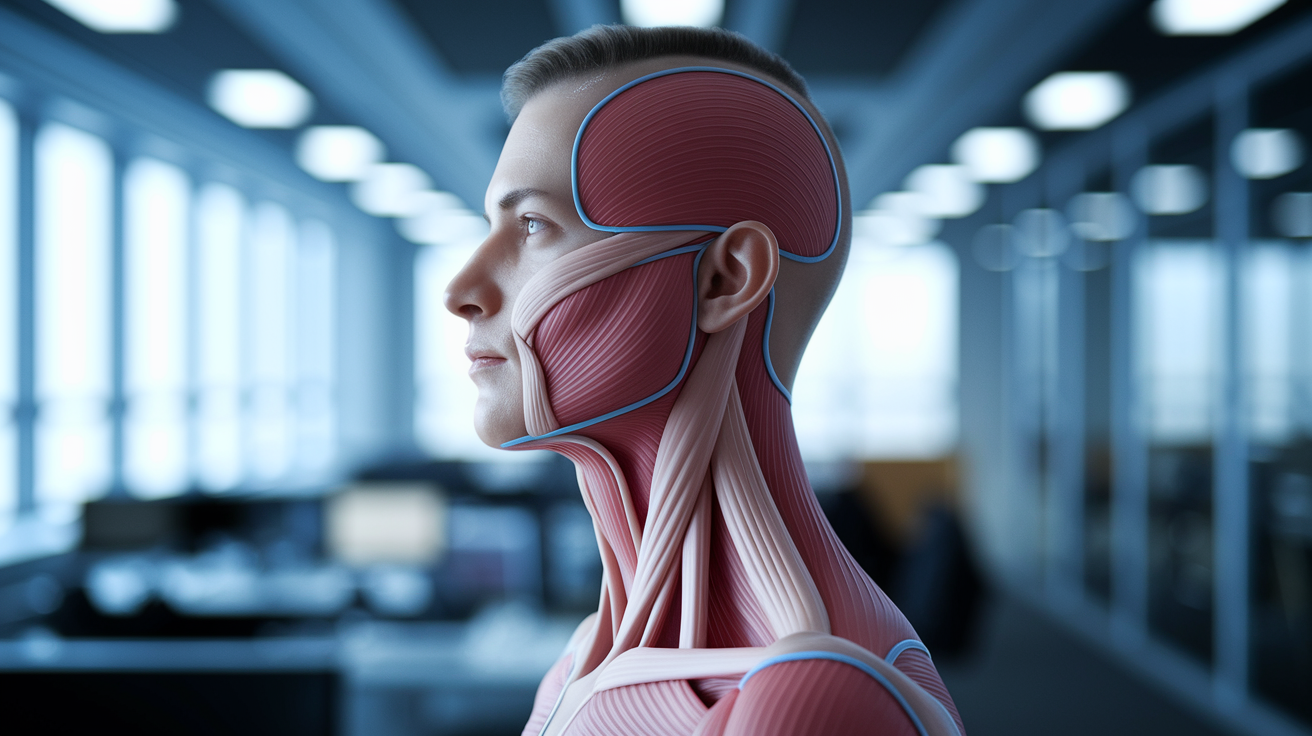
Sharp neck tension when you turn or tilt your head usually comes from irritation in the muscles, joints, or nerves of your cervical spine. Your neck’s built for rotation and flexibility, but it’s also vulnerable to strain. Especially when you hold your head forward for long stretches, sleep weird, or twist suddenly. When something in the neck gets inflamed, compressed, or tight, moving your head can trigger a quick jolt of pain or a deep, pinching sensation that makes you stop mid-motion.
Most of the time, this kind of sharp tension comes from muscle strain or stiffness in the small joints between your neck bones (called facet joints). These structures get overworked when you spend hours at a screen, drive with your head tilted forward, or turn your neck repeatedly without rest. The pain can feel localized, like a knot or a tight band. Or it can be more diffuse and achy. If the pain shoots down your shoulder or arm, or if you notice numbness or tingling, that can point to nerve involvement. Different issue. Needs closer attention.
Less common but more serious causes include whiplash from a car accident, a pinched nerve from a herniated disc, or an infection that makes the neck stiff and painful. Sharp neck tension after trauma, or tension that comes with fever, weakness, or coordination problems, should always be evaluated quickly. Here are the most likely causes when sharp neck pain flares with head movement:
- Muscle strain from overuse, poor posture, or sudden movement
- Facet joint irritation causing sharp, localized pain with rotation
- Pinched nerve in the cervical spine, often with radiating symptoms
- Whiplash or trauma-related injury, even if the accident happened weeks ago
- Inflammatory conditions or infection, which may cause fever or systemic symptoms
Detailed Breakdown of Common Causes

The neck is a stack of seven small bones (vertebrae) cushioned by discs, held together by ligaments, and moved by dozens of muscles. Between each vertebra sit small facet joints that guide rotation and bending. Nerves branch out from the spinal cord at each level, traveling to the shoulders, arms, and head. When any of these structures become irritated, compressed, or fatigued, you can feel sharp tension with certain movements. The trick is figuring out which layer is causing the trouble.
Muscle Strain
Muscle strain is the most common reason for sharp neck tension when moving your head. It happens when the muscles that support and rotate your neck (like the trapezius, levator scapula, or scalenes) are overworked, overstretched, or held in one position for too long. You might wake up with a stiff neck after sleeping on your stomach. Or you might notice the pain building slowly after a long day of screen time. The discomfort’s usually dull and achy at rest, but it can turn sharp and grabbing when you turn your head in a certain direction. The muscles feel tight to the touch, and you might notice knots or tender spots along the side or back of your neck.
Cervical Joint Irritation
The facet joints in your neck are small, paired joints that sit behind the vertebrae and allow your head to rotate and tilt. When these joints become inflamed or compressed (often from repetitive movement, poor posture, or age-related wear), they can produce sharp, localized pain that feels deep inside the neck. This pain often flares when you turn your head toward the painful side, as if something’s pinching or blocking the movement. The sensation can be mechanical, like a hinge that’s stuck or rusty. Facet pain doesn’t usually radiate down the arm, but it can refer upward into the base of the skull or outward toward the shoulder blade.
Pinched Nerve
A pinched nerve (cervical radiculopathy) happens when a nerve root exiting the spinal cord gets compressed by a herniated disc, bone spur, or swelling. The pain’s often sharp, burning, or electric, and it typically radiates from the neck down into the shoulder, arm, or hand. You might also notice numbness, tingling, or weakness in specific fingers, depending on which nerve’s affected. Pinched nerve pain can worsen with certain head positions (like looking up or turning to one side), coughing, or sneezing. This isn’t just muscle tightness. It’s a structural issue that often requires imaging and medical evaluation, especially if symptoms persist or worsen.
Posture-Related Tension
Prolonged forward head posture, common in people who work at desks or look down at phones for hours, puts extra load on the neck muscles and joints. For every inch your head moves forward from neutral, the effective weight on your neck increases. Over time, this chronic load causes the muscles at the back and sides of the neck to stay contracted, leading to stiffness and sharp tension when you try to move your head through its full range. The pain’s often worse at the end of the day, and it can be accompanied by headaches that start at the base of the skull. Correcting posture and taking breaks can often reduce this type of tension within days.
How to Tell the Difference Between Minor and Serious Neck Pain

Minor neck pain from muscle strain or joint stiffness usually improves with rest, gentle movement, and basic self-care. You might feel sore and restricted for a few days, but the pain begins to ease as you adjust your posture, apply heat, and move through gentle stretches. The discomfort’s typically limited to the neck and maybe the upper shoulders, and it doesn’t come with numbness, weakness, or coordination problems. If you can still turn your head partway, if the pain’s manageable with over-the-counter medication, and if you’re sleeping and functioning reasonably well, you’re likely dealing with something that’ll resolve on its own or with conservative treatment.
Serious neck pain, on the other hand, often involves additional symptoms that suggest nerve compression, spinal cord involvement, or systemic illness. If the pain started suddenly after a fall or car accident, if it’s accompanied by weakness in your arms or hands, or if you notice new tingling, numbness, or clumsiness, those are signs that something more than muscle strain is happening. Pain that wakes you at night, pain that doesn’t improve at all after a week of rest and self-care, or pain that keeps getting worse should prompt a call to a clinician.
Ask yourself a few questions to help clarify the situation. Can you turn your head at least halfway in each direction, even if it hurts? Do you have full strength and sensation in your arms and hands? Did the pain come on gradually, or did it start after a specific injury? Are you able to sleep, work, and move through your day with some modifications, or is the pain completely stopping you? If the answers lean toward gradual onset, manageable discomfort, and no neurological changes, you’re probably safe to try home care and monitor for improvement. If the answers point to sudden onset, severe limitation, or new neurological symptoms, it’s time to get evaluated.
Red Flags That Require Urgent Medical Evaluation

Certain symptoms signal that neck pain isn’t just a minor strain and needs immediate attention. These red flags can indicate nerve compression, spinal cord injury, infection, or vascular problems that require urgent imaging or intervention. If you ignore them, you risk permanent damage or missing a condition that could worsen quickly.
Go to the emergency department or call emergency services if you experience any of the following:
- Sudden, severe neck pain after a fall, car accident, or forceful impact to the head or neck
- New or worsening weakness, numbness, or tingling radiating into both arms or legs
- Loss of coordination, difficulty walking, or clumsiness that wasn’t present before
- Difficulty breathing, swallowing, or speaking
- Fever along with severe neck stiffness and confusion, which can suggest meningitis
- New loss of bowel or bladder control
These symptoms can indicate spinal cord compression, serious structural injury, or infection. Don’t wait to see if they improve. Prompt evaluation can prevent permanent neurological damage and guide appropriate treatment. Even if the pain itself is tolerable, the presence of these associated symptoms changes the urgency entirely.
Fast Relief Methods You Can Try at Home

When sharp neck tension strikes, a few simple steps can often reduce discomfort and restore some range of motion within hours to days. The goal is to calm inflammation, relax tight muscles, and give your neck the support it needs to heal without making things worse.
Try these low-risk relief strategies:
- Apply moist heat for 15 to 20 minutes, 2 to 3 times per day, after the first 48 to 72 hours or for chronic stiffness to relax muscles and increase blood flow
- Use a cold pack for 15 to 20 minutes every 2 to 3 hours during the first 48 to 72 hours if the pain is sharp and recent, to reduce inflammation
- Perform slow, gentle neck rotations and side-bending stretches 2 to 4 times per day, staying within a pain-free range, to maintain mobility and prevent stiffness from setting in
- Rest from aggravating activities (like heavy lifting, prolonged screen time, or repetitive head turns) for a couple of days, but avoid strict immobilization or lying flat for long periods
- Adjust your workstation so your screen is at eye level, your keyboard is close enough to avoid reaching, and your chair supports your lower back to reduce forward head posture
- Consider over-the-counter NSAIDs or acetaminophen per label dosing to manage pain and inflammation, following product guidance or checking with a clinician if you have any health conditions
- Practice gentle range-of-motion exercises like slow chin tucks and shoulder blade squeezes to keep the neck moving and reduce compensatory tension in the upper back
Timing matters. Heat works best for dull, achy muscle pain or chronic tightness. Ice is better for sharp, recent pain or suspected joint inflammation. If you’re not sure, start with ice for the first couple of days, then switch to heat as the sharp edge comes off. Stretch when your muscles are warm, such as after a shower or heat application, and stop any movement that increases pain. The idea is to encourage gentle motion without forcing it.
Most people notice some improvement within the first few days if the cause is muscle strain or minor joint irritation. If the pain’s not budging at all after a week of consistent home care, or if it’s getting worse, that’s a sign to check in with a clinician and consider imaging or hands-on treatment.
Prevention Strategies to Avoid Recurring Neck Tension
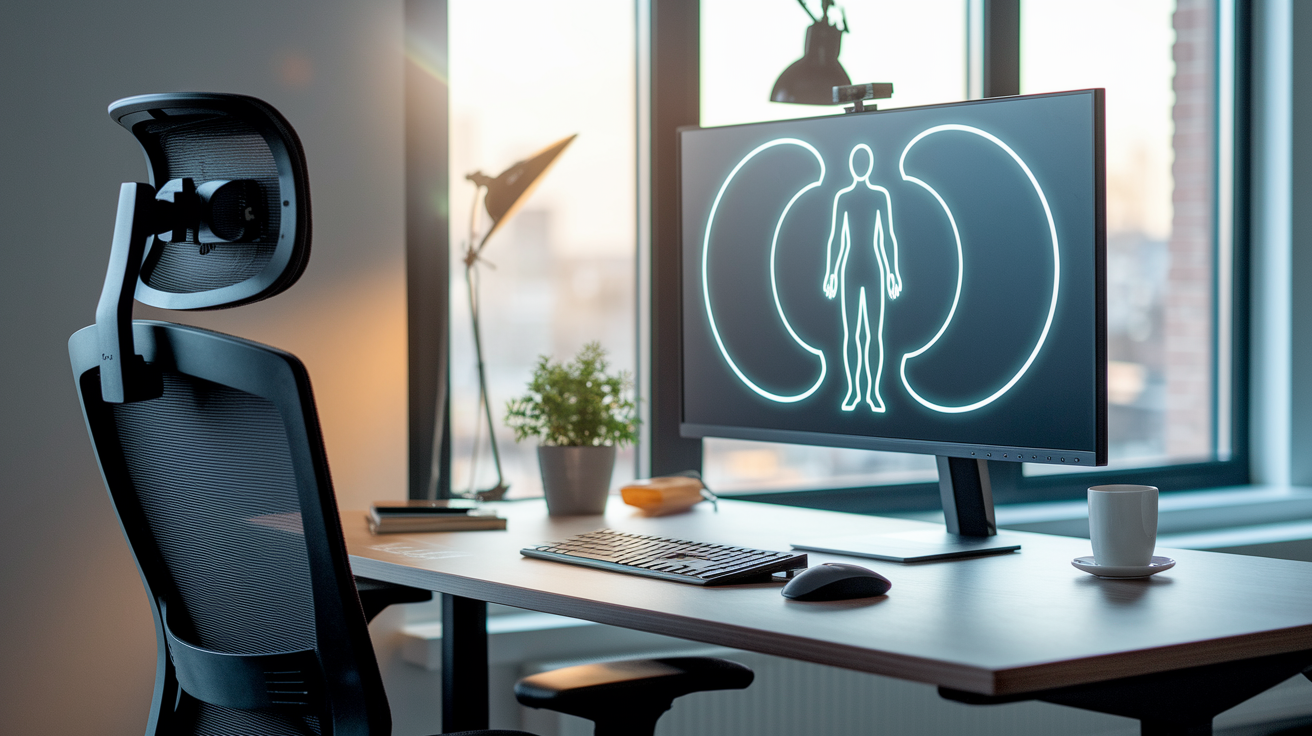
Preventing sharp neck tension is mostly about changing the habits and environments that overload your neck in the first place. Small adjustments to how you sit, sleep, and move can reduce the chance of another episode and help you catch early warning signs before they turn into full-blown pain.
Start with your workspace. Keep your monitor at or slightly below eye level so you’re not looking down or craning your neck forward. Position your keyboard and mouse close enough that your elbows stay near your sides and your shoulders stay relaxed. Use a chair with good lumbar support and adjust the height so your feet are flat on the floor. Take short breaks every 20 to 30 minutes to stand, roll your shoulders, and gently move your neck through its range of motion. These microbreaks interrupt the static load that builds up when you hold one position for too long.
Sleep posture matters too. Use a pillow that keeps your neck in a neutral position, whether you sleep on your back or side. Avoid stomach sleeping, which forces your neck into prolonged rotation. A cervical or contour pillow can help maintain alignment, especially if you wake up stiff regularly. Aim for 7 to 9 hours of sleep, and try to go to bed and wake up at consistent times to support overall recovery.
Strengthen the muscles that support your neck and upper back. Simple exercises like chin tucks, where you gently pull your head back to align it over your shoulders, and shoulder blade squeezes, where you draw your shoulder blades together, can build stability and endurance. Doing these a few times per week, along with general upper-body strengthening, reduces the load on passive structures like ligaments and joints. Stay active overall. Regular movement, whether it’s walking, swimming, or yoga, keeps your muscles and joints flexible and reduces the tendency to stiffen up during long periods of sitting or screen time.
Final Words
In the action: we explained common reasons for sharp, movement-linked neck pain, such as muscle strain, joint irritation, pinched nerves, posture, or sleep position. We also showed how to tell minor stiffness from warning signs.
Try quick relief: heat or cold, gentle stretches, short rests, and ergonomic tweaks. Also practice regular movement and better sleep posture.
Most people improve in days. Track patterns and see a clinician if symptoms persist, worsen, or come with numbness, weakness, fever, or severe pain. Note when your sharp neck tension when moving head happens. That helps your clinician and eases your mind.
FAQ
Q: Why do I get a sharp pain in my head when I move my neck?
A: Sharp head pain when moving your neck or tightness on turning usually comes from strained muscles, irritated neck joints, or a pinched nerve. Try brief rest and gentle motion; see a clinician for numbness or weakness.
Q: What is a red flag for a cervicogenic headache?
A: A red flag for a cervicogenic headache is severe head pain tied to neck movement plus neurological signs (numbness, weakness), fever, confusion, or recent trauma—seek urgent medical evaluation.
Q: Why does my neck tense up when I turn my head?
A: Neck tensing when you turn your head is usually your muscles guarding against pain from overload, poor posture, or joint irritation; gentle stretching, posture fixes, and heat often help, but check persistent cases.
Q: What does stroke neck pain feel like?
A: Stroke-related neck pain often appears suddenly, may be one-sided or severe, and usually comes with weakness, numbness, slurred speech, vision changes, or balance loss—call emergency services immediately.
Comments are closed