
What if your morning grogginess isn’t about sleep—it’s about water?
You lose moisture all night just by breathing and temperature shifts, and even small fluid loss can make you feel slow, foggy, and heavy.
This piece explains, in plain steps, how mild overnight dehydration causes that cloudy feeling and what to do the minute you wake up.
You’ll get simple daily strategies—what to drink, when to drink, quick routines you can actually stick to—and easy tracking tips so you know when to check in with a clinician.
How Dehydration Causes Morning Fatigue and What to Do Immediately
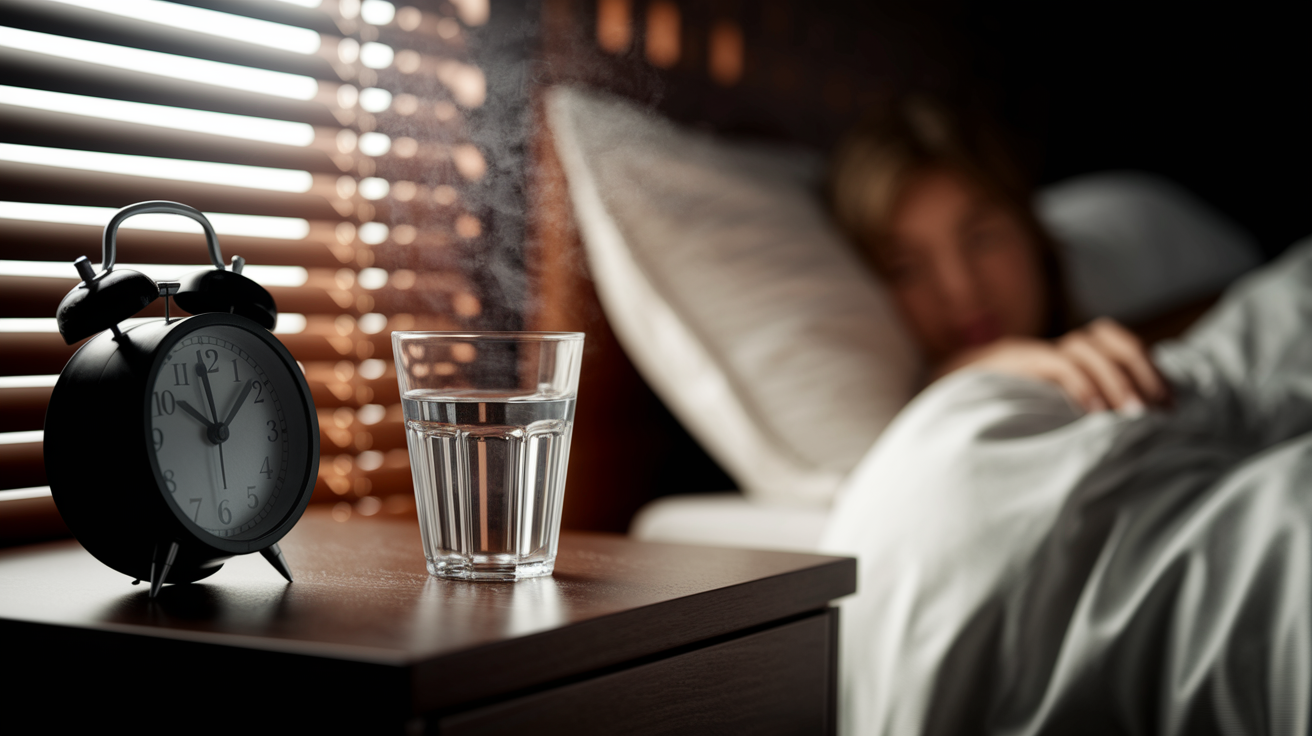
Your body’s losing water all night, even when you’re completely still. Every breath releases moisture, and you’re sweating lightly as your temperature adjusts through different sleep stages. Six to eight hours later, you’ve lost a few hundred milliliters. Your blood volume drops, and you wake up mildly dehydrated.
Less fluid in your bloodstream means your heart’s pumping harder to get oxygen and nutrients to your brain and muscles. Losing just 1–2% of total body water can dull your alertness, slow your reactions, and make easy tasks feel harder. If you’re waking up groggy after what should’ve been enough sleep, mild overnight dehydration is often the reason. And it’s fixable.
Here’s what to do the second you wake up:
Drink 250–350 ml of water within 15 minutes. Keep a filled glass or bottle on your nightstand. Make it the first thing you reach for, before your phone or the coffee maker.
Use room‑temperature or slightly cool water. Cold water can feel tough to drink first thing. Room temp goes down easier.
Sip steadily over two to five minutes. You don’t need to chug. Just finish the glass before you move into your usual routine.
Follow up with another 200–300 ml in the next hour. Pair it with breakfast or getting dressed so it becomes automatic.
Physiological Reasons Dehydration Impacts Morning Energy

When overnight fluid loss shrinks your plasma volume, your circulatory system compensates by tightening blood vessels slightly. That reduces oxygen delivery to your brain. Even a small dip in oxygen slows the production of adenosine triphosphate (ATP), the molecule that powers your cells. Lower ATP means more fatigue, weaker focus, and that cloudy feeling you can’t shake. Your neurons also fire less efficiently when extracellular fluid and electrolyte concentrations shift.
Electrolytes like sodium and potassium maintain the voltage gradients nerves and muscles use to communicate. Mild dehydration messes with these gradients. Muscle contractions get sluggish, nerve signals slow down. That’s why even light dehydration makes you feel physically heavy and mentally slower. Headaches and lightheadedness show up because reduced blood volume lowers the pressure pushing blood into your brain.
The upside? Rehydration reverses this fast. Drinking water restores plasma volume, rebalances electrolytes, and kicks ATP production back up within 15 to 30 minutes. A lot of people notice sharper thinking and less fog before they’ve finished their first cup of coffee.
How Much Water You Actually Need for Steady Morning Energy
Daily hydration targets sit around 2.7 liters for women and 3.7 liters for men. That includes everything: beverages, soups, water-rich foods like fruits and vegetables. Hitting these consistently lowers the chance you’ll wake up dehydrated and dragging.
If tracking those totals feels like a lot, the classic “8 × 8” guideline works as a minimum. Eight 8‑ounce glasses, about 1.9 liters. Assumes you’re also eating a balanced diet with foods that contain water. Active people, anyone in hot climates, or if you’re exercising regularly? You’ll need more. Add 250–500 ml for every 30 minutes of moderate to hard activity or heavy sweating.
| Amount | Who It Applies To | Notes |
|---|---|---|
| 2.7 liters/day | Women (general population) | Includes all beverages and food moisture; adjust up for activity, heat, illness |
| 3.7 liters/day | Men (general population) | Includes all beverages and food moisture; adjust up for activity, heat, illness |
| 1.9 liters/day | Simplified “8 × 8” baseline for adults | Eight 8‑ounce glasses; assumes diet also includes water‑rich foods |
| +250–500 ml per 30 min exercise | Active individuals, heavy sweaters | Add fluids with electrolytes if sweating heavily or exercising longer than one hour |
Signs You Are Waking Up Dehydrated
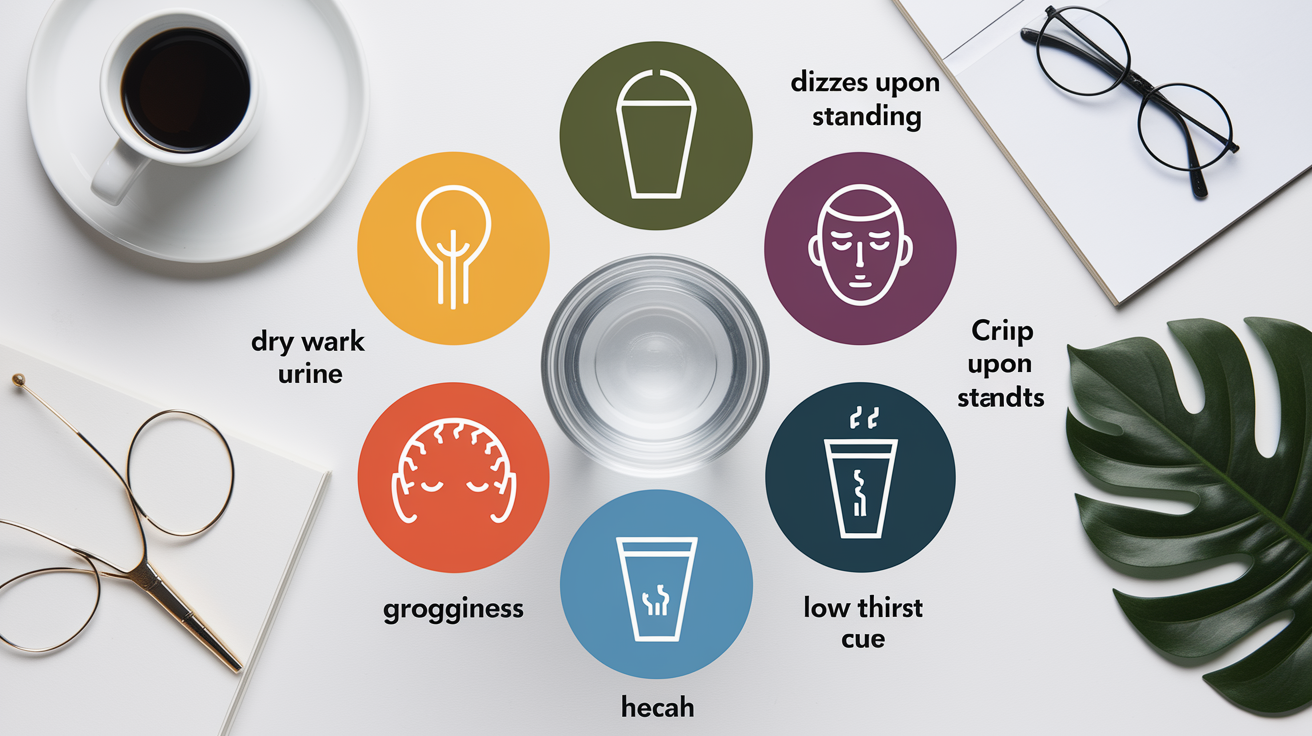
One simple check: notice how you feel in the first few minutes after waking. Dehydration leaves signals before you’ve had breakfast or coffee.
Watch for these:
Dark yellow or amber urine on your first bathroom visit. Pale straw or light yellow is what you’re aiming for. Anything darker means concentrated urine from low fluid volume.
Dry or sticky mouth and lips. If your mouth feels uncomfortably dry despite overnight saliva production, you need fluids.
Lightheadedness or mild dizziness when standing. Reduced plasma volume can drop your blood pressure briefly when you get out of bed.
Headache or a dull, heavy feeling in your head. Dehydration headaches often ease within 30 minutes of drinking water.
Persistent grogginess despite adequate sleep. You slept seven to eight hours but still feel foggy and slow? Hydration might be the missing piece.
Low or no thirst sensation. Some people lose sensitivity to thirst overnight. No thirst doesn’t mean you’re hydrated.
Timing Your Hydration for Better Morning Energy

Hydration works better when it’s spread across the day, not crammed into a few big gulps. Drinking steadily from morning through late afternoon keeps your plasma volume stable and cuts down the risk of overnight deficits. Don’t wait until you feel thirsty. Most people are already mildly dehydrated by the time thirst kicks in.
Evening hydration is a balancing act. You want enough fluid to prevent overnight dehydration, but not so much you’re waking up multiple times to pee. A practical target is sipping 200–300 ml in the hour or two before bed if you feel thirsty. Avoid drinking more than that in the 30 to 60 minutes right before sleep. If you’re already waking up to use the bathroom a lot, cap late‑evening intake at 150–200 ml and shift more hydration into the late afternoon.
Pre‑hydrating for the next morning means finishing dinner with adequate fluids and keeping a small glass of water at bedside if needed. Have a filled 250–500 ml bottle on your nightstand so rehydration is the first thing you do when the alarm goes off. Before you scroll, stretch, or start the coffee. That immediate intake jump‑starts circulation and helps reverse the mild volume deficit you built up overnight.
A Practical Daily Hydration Routine to Reduce Morning Fatigue
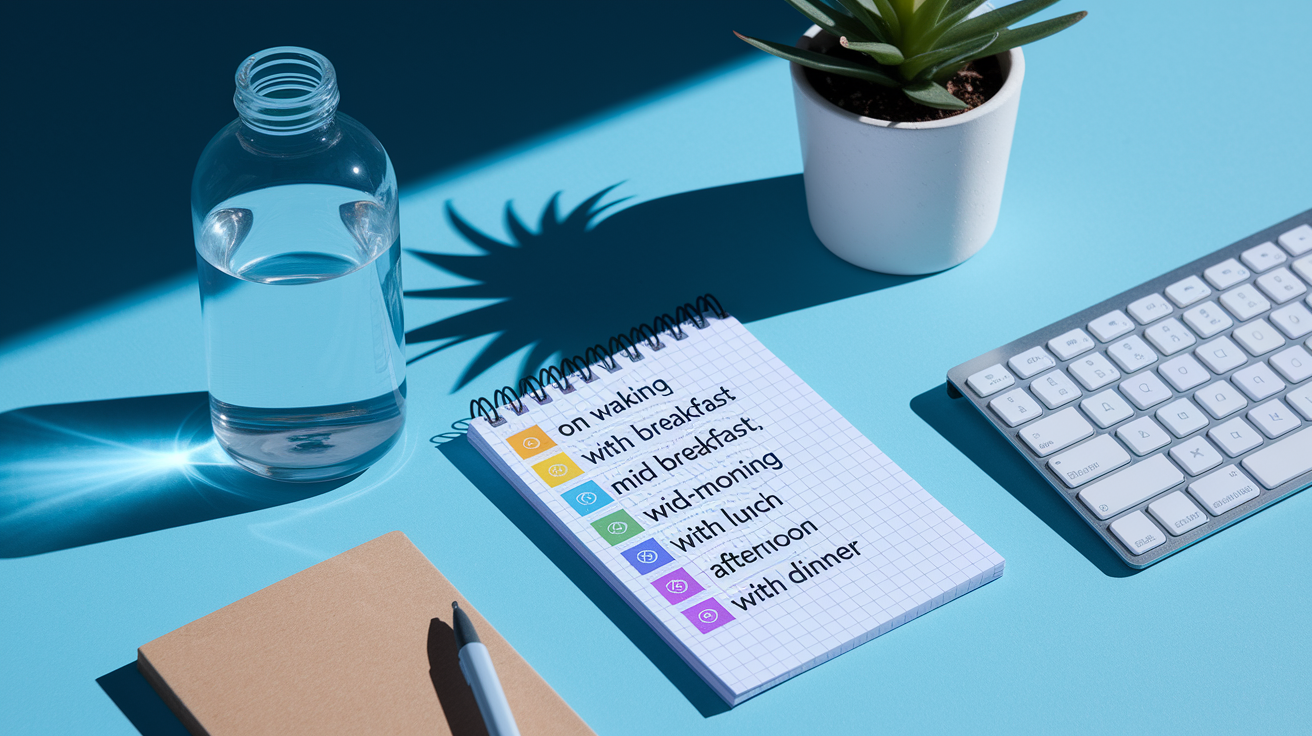
A structured hydration plan removes guesswork and builds the habit into what you’re already doing. Here’s a step‑by‑step daily schedule that hits typical fluid targets and puts morning rehydration first:
On waking: Drink 300–350 ml of water within 15 minutes. Keep it on your nightstand or in the bathroom so it’s ready before anything else.
With breakfast: Add another 250 ml. Pair it with your meal or your first cup of coffee to make it automatic.
Mid‑morning (around 10–11 a.m.): Drink 250–300 ml. Set a phone reminder or use a reusable bottle with time markers.
With lunch: Drink 300 ml alongside your meal. This supports digestion and keeps midday energy steady.
Afternoon (around 3–4 p.m.): Add 250–350 ml. This is when a lot of people hit an energy dip, and hydration can help smooth it out.
With dinner and early evening: Drink 300–400 ml total, finishing the larger portion at least one hour before bed. Sip lightly in the final hour if thirsty, keeping intake under 200 ml to reduce nighttime bathroom trips.
This routine totals roughly 1.9–2.1 liters from beverages alone. Add another 0.5–1.0 liter from water‑rich foods like fruits, vegetables, yogurt, and soups, and most adults will meet or exceed general daily targets. Adjust the volumes upward if you exercise, spend time in heat, or sweat heavily at work. Use a marked water bottle, a tracking app, or simple tally marks to stay consistent for the first week while the routine becomes second nature.
Final Words
Drink 250–350 ml of water as soon as you wake. That small step can boost alertness and start replacing overnight fluid loss.
This post explained why dehydration lowers blood volume and shifts minerals your nerves and muscles need, how mild fluid loss hurts focus and energy, how much to aim for, signs to watch for, and timing tips to avoid late‑night drinks.
Follow the role of hydration and morning fatigue practical tips above: sip on waking, space fluids, and pair drinks with habits. Small, consistent moves often add up.
FAQ
Q: Why does dehydration cause morning fatigue?
A: Dehydration causes morning fatigue by lowering blood plasma and electrolytes overnight, which reduces oxygen and fuel delivery to the brain and muscles; drinking 250–350 ml water on waking often restores alertness.
Q: How does my body lose water overnight?
A: Your body loses water overnight mainly through breathing and sweating, plus small urine output; you can lose several hundred milliliters while asleep, enough to make you feel tired and sluggish in the morning.
Q: How does mild dehydration affect the brain and muscles?
A: Mild dehydration (about 1–2% body water loss) affects the brain and muscles by shrinking plasma volume, impairing focus, causing headaches, and disrupting electrolytes that help nerves and muscles work efficiently.
Q: How much water do I need each day to prevent morning tiredness?
A: You need roughly 2.7 liters per day for women and 3.7 liters for men from food and drinks; spreading intake across the day helps prevent morning dehydration and related fatigue.
Q: What should I drink right after waking to feel more alert?
A: Drinking 250–350 ml plain water right after waking usually helps immediate alertness; add a small electrolyte drink or pinch of salt only if you were sweating heavily or did intense evening exercise.
Q: What are common signs I’m waking up dehydrated?
A: Waking dehydrated commonly shows as dry mouth, dark urine, lightheadedness, headache, poor concentration, or sluggish limbs—these signs suggest you should sip water and rehydrate.
Q: When should I avoid drinking a lot right before bed?
A: You should avoid large drinks right before bed because they can disrupt sleep with bathroom trips; instead space fluids through the late afternoon and have only a small 100–200 ml sip if needed at night.
Q: How should I time hydration through the day for better mornings?
A: Time hydration by sipping steadily from morning to evening, prioritizing late-afternoon intake for overnight balance, and avoiding big late-night drinks to reduce morning fluid loss and fatigue.
Q: What simple daily hydration routine can reduce morning fatigue?
A: Try this routine: 250–350 ml on waking, water with meals, small sips mid-morning and mid-afternoon, focused late-afternoon hydration, and modest evening fluids—adjust for activity, heat, and your schedule.
Q: When should I see a clinician about morning fatigue linked to dehydration?
A: See a clinician if morning fatigue is severe or persistent despite rehydration, or if it comes with fainting, rapid heart rate, high fever, very dark urine, severe dizziness, or confusion—seek prompt care.
Comments are closed