
What if your morning tiredness is a warning sign, not just a bad night?
Most of us wake up groggy sometimes.
But certain morning symptoms—chest pressure, waking gasping, sudden weakness, lightheadedness, or a wild heartbeat—can mean a serious heart, lung, or brain problem.
This article names those red flags, shows low-risk first steps, and tells you exactly when to get medical help.
No panic. Clear actions.
You’ll also learn what to track and what to tell your doctor.
Serious Warning Signs Your Morning Fatigue Isn’t Normal

Most people wake up groggy sometimes. But certain morning symptoms cross into dangerous territory. Chest discomfort when you wake up, trouble catching your breath while still in bed, or a racing heartbeat before you even sit up can point to serious heart or lung trouble that needs urgent care. Severe headaches that wake you or start the second you open your eyes, especially with confusion or difficulty moving part of your body, may signal a neurological emergency.
Sudden dizziness when you stand, vision changes, or feeling like you might pass out before your feet hit the floor are red flags. Your body’s struggling with circulation, blood pressure, or blood sugar. Waking with nausea and vomiting, unexplained sweating, or a sense of impending doom can show up with cardiac events or dangerous metabolic shifts. If your morning fatigue comes bundled with any of these, it’s not just a bad night of sleep.
Your body uses the morning as a stress test. Hormone levels shift, blood pressure rises, and your cardiovascular system ramps up after hours of rest. If that ramp up reveals a system under strain, the symptoms show up early and loud.
Here are the most urgent warning signs that need immediate medical evaluation:
- Chest pain, pressure, or tightness, especially if it spreads to your arm, jaw, or back
- Severe shortness of breath at rest or difficulty taking a full breath
- Sudden weakness, numbness, or paralysis on one side of your body or face
- Confusion, slurred speech, or sudden difficulty understanding or forming words
- Loss of consciousness, fainting, or near fainting episodes when waking or standing
- Rapid or irregular heartbeat that feels chaotic, fluttering, or pounding without exertion
Distinguishing Normal Morning Tiredness From Concerning Symptoms

Feeling tired in the morning after a short night, a late work shift, or a rough week is common. It usually clears up with better sleep. Normal tiredness improves noticeably after a full night of rest, a weekend catch up, or a vacation. It doesn’t typically interfere with your ability to get through the day once you’re up and moving.
Concerning fatigue is different. It persists even when you sleep 7 to 9 hours. It doesn’t lift after coffee, breakfast, or your usual morning routine. You wake feeling as exhausted as when you went to bed. Sometimes worse. This type often comes with other symptoms like body aches, difficulty concentrating, mood changes, or physical limitations you didn’t have before.
When morning fatigue lasts longer than two weeks despite improving your sleep habits, hydration, and eating, it moves into the category that deserves medical attention. If it’s paired with pain, breathing trouble, swelling, dizziness, or neurological changes, it’s crossed into red flag territory.
Quick comparison:
Normal tiredness: improves with rest, linked to identifiable causes like late nights or stress, resolves within days, no additional worrying symptoms
Red flag fatigue: persists despite adequate sleep, worsens over weeks, accompanied by chest pain, shortness of breath, confusion, or unexplained weight changes
Normal morning grogginess: clears within 20 to 30 minutes of waking, responds to movement and hydration
Concerning morning exhaustion: feels crushing or disabling, doesn’t improve as the day goes on, prevents normal activity
Morning Red Flags Linked to Sleep Apnea

Obstructive sleep apnea interrupts your breathing dozens or even hundreds of times each night. It starves your brain and heart of oxygen while you sleep. You may not remember waking, but your body does. The damage accumulates. People with untreated sleep apnea often wake with a pounding headache caused by elevated carbon dioxide levels in the blood. They may have a dry mouth or sore throat from breathing through their mouth all night, and they feel profoundly unrested despite spending eight or nine hours in bed.
Gasping awake, choking sensations, or a partner reporting that you stop breathing during sleep are classic signs. But many people with sleep apnea don’t realize they’re gasping. They just know they wake up feeling terrible.
Morning fatigue from sleep apnea is relentless. It doesn’t improve with more time in bed. In fact, longer sleep often means more apnea events and worse oxygen drops, leaving you feeling heavier and more fatigued. You may also notice trouble concentrating, memory lapses, irritability, and falling asleep unintentionally during quiet activities like watching TV or sitting in traffic.
Untreated sleep apnea increases your risk for high blood pressure, stroke, heart attack, and irregular heartbeat patterns. If your neck circumference is greater than 17 inches for men or 16 inches for women, if you snore loudly enough to be heard through a closed door, or if you score 3 or higher on a STOP-Bang screening questionnaire, sleep apnea is a likely contributor to your morning fatigue.
A sleep study measuring your Apnea Hypopnea Index can confirm the diagnosis. An AHI of 15 or more events per hour is moderate sleep apnea. An AHI of 30 or higher is severe and requires prompt treatment, typically with CPAP therapy. Most people notice improvement in energy within weeks.
Cardiovascular Related Morning Fatigue Concerns

Your cardiovascular system works hardest in the early morning hours. Blood pressure and heart rate naturally rise as your body prepares to wake, driven by a surge in cortisol and adrenaline. If your heart or blood vessels are already under strain from disease, blockages, or irregular rhythms, this morning surge can push the system past its limit. That’s why heart attacks and strokes occur more frequently between 6 a.m. and noon than at any other time of day.
Morning chest pressure, tightness, or discomfort that feels like a weight on your chest is never normal. Even if it eases after you get up and move around. Shortness of breath while lying flat or waking up gasping for air can signal heart failure, where fluid backs up into the lungs because the heart can’t pump efficiently.
Swelling in your ankles, legs, or abdomen that worsens overnight and is most noticeable in the morning is another red flag for heart or kidney dysfunction. An irregular or racing heartbeat upon waking, especially if paired with lightheadedness or sweating, may indicate rhythm problems that require immediate evaluation.
Extreme fatigue that makes it hard to get out of bed, paired with any of these cardiovascular symptoms, should trigger an urgent call to your doctor or a trip to the emergency department. Don’t wait to see if it passes. Early intervention can prevent permanent heart damage, stroke, or sudden cardiac events.
Thyroid Imbalance and Hormonal Red Flags in the Morning
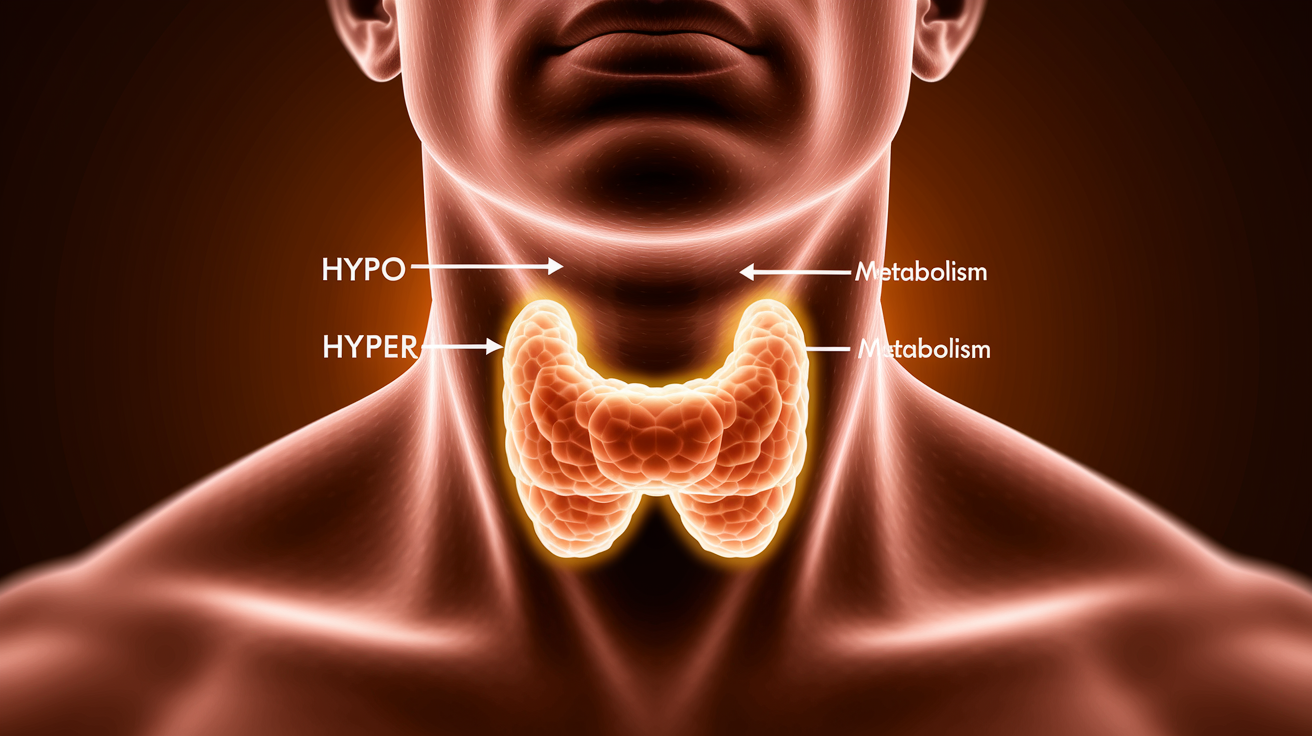
Your thyroid gland controls your metabolic rate. When it underperforms, everything slows down. Hypothyroidism often shows up as crushing morning fatigue that doesn’t improve no matter how much sleep you get. You may feel cold even in a warm room, notice unexplained weight gain despite eating normally, and struggle with brain fog or memory lapses that are worst in the morning.
Low thyroid function also causes muscle aches, joint stiffness, constipation, dry skin, and thinning hair. Many people describe feeling like they’re moving through molasses when they first wake up. The fatigue can be so profound that getting dressed or making breakfast feels overwhelming.
A simple blood test measuring TSH and free T4 can reveal whether your thyroid is the problem. A TSH level above 4.0 mIU/L suggests hypothyroidism, though symptoms can appear even at levels in the upper normal range.
Hyperthyroidism, or an overactive thyroid, can also cause morning fatigue. But it presents differently. You may wake feeling jittery, anxious, or with a racing heart. Heat intolerance, unexplained weight loss, tremors, and difficulty staying asleep are common. Either thyroid imbalance can disrupt your energy and quality of life. Both are treatable once identified.
Key thyroid related morning symptoms include:
- Persistent exhaustion despite 7 to 9 hours of sleep, paired with cold intolerance or unexplained weight changes
- Morning brain fog, difficulty concentrating, or slowed thinking that doesn’t clear after coffee or breakfast
- Muscle weakness, joint stiffness, or body aches that are worst upon waking and improve slightly as the day progresses
Diabetes and Blood Sugar Related Morning Warning Signs

Blood sugar levels naturally fluctuate overnight as your liver releases stored glucose to fuel your body during the fasting state of sleep. If you have diabetes or prediabetes, this process can go wrong in both directions. You might wake with dangerously high or dangerously low blood sugar.
Morning hypoglycemia, or low blood sugar, can cause you to wake feeling shaky, sweaty, dizzy, or nauseated. You may have a rapid heartbeat, blurred vision, confusion, or intense hunger. Severe hypoglycemia can lead to loss of consciousness or seizures.
Morning hyperglycemia, or high blood sugar, often produces different symptoms. You might wake with a dry mouth, extreme thirst, frequent urination during the night, or a headache. Blurred vision, persistent fatigue, and difficulty concentrating are common. Over time, chronically elevated morning blood sugar damages blood vessels, nerves, kidneys, and eyes. If your fasting blood glucose is consistently 126 mg/dL or higher, or your HbA1c is 6.5 percent or above, you meet the diagnostic criteria for diabetes.
Undiagnosed or poorly controlled diabetes can turn morning fatigue into a daily pattern. The fatigue comes from your cells being starved of glucose they can’t use efficiently, even though your bloodstream is full of sugar.
If you’re waking tired along with increased thirst, unexplained weight loss or gain, frequent infections, slow healing cuts, or tingling in your hands and feet, a diabetes screening should be high on your list. A simple fasting glucose test and HbA1c measurement can clarify the picture and guide treatment that often restores energy within weeks to months.
Mental Health Conditions That Can Cause Concerning Morning Fatigue

Depression and anxiety don’t just affect your mood. They reshape your sleep architecture, hormone levels, and energy regulation in ways that often hit hardest in the morning. Many people with major depressive disorder describe waking into a fog of exhaustion, low motivation, and emotional numbness that feels physically heavy. The idea of getting out of bed, showering, or facing the day can feel insurmountable. Not because you’re lazy, but because your brain chemistry is working against you.
Morning is when cortisol should peak to energize you. But in depression, this rhythm is often blunted or shifted. You may also experience early morning awakening, waking at 3 or 4 a.m. and being unable to fall back asleep, which compounds fatigue.
Anxiety often floods the early morning hours with racing thoughts, physical tension, and a revved up nervous system that prevents restorative sleep. You might wake feeling wired and exhausted at the same time, your mind already cataloging everything that could go wrong today.
If your morning fatigue is paired with persistent sadness, loss of interest in things you used to enjoy, feelings of hopelessness, changes in appetite, difficulty concentrating, or thoughts of self harm, a mental health evaluation is critical. Depression and anxiety are medical conditions, not character flaws. They respond well to treatment. Therapy, medication, or a combination of both can restore sleep quality, lift the morning fog, and give you your energy back.
When to Seek Immediate Help vs Routine Medical Evaluation

Some morning symptoms require you to call 911 or get to an emergency department right away. Others are serious enough to schedule a doctor visit within a day or two but aren’t immediately life threatening. Knowing the difference can save your life or prevent a treatable condition from becoming a crisis.
Immediate emergency care is needed any time you experience sudden, severe symptoms that suggest your heart, brain, lungs, or metabolic system is in acute distress. These aren’t “wait and see” situations. Chest pain or pressure, especially if it radiates to your arm, jaw, or back, is a heart attack until proven otherwise. Sudden difficulty breathing, blue lips or fingertips, or oxygen saturation below 92 percent signals a respiratory or cardiac emergency. Confusion, slurred speech, sudden weakness or numbness on one side of your body, or a severe headache unlike any you’ve had before are stroke warning signs.
Routine medical evaluation is appropriate when your symptoms are persistent, progressive, or paired with other red flags but aren’t immediately incapacitating. Fatigue lasting more than two weeks despite good sleep hygiene, unexplained weight changes, recurrent dizziness, or new symptoms like excessive thirst or night sweats should prompt a visit to your primary care doctor within one to two weeks.
Bring a list of all medications, supplements, and over the counter drugs you take, along with a two week sleep diary noting when you go to bed, wake up, and how rested you feel. This information helps your clinician narrow down the cause and order the right tests.
Emergency symptoms requiring immediate care include:
- Chest pain, pressure, or tightness, especially with shortness of breath, sweating, or nausea
- Sudden severe shortness of breath or difficulty breathing at rest
- Loss of consciousness, fainting, or near fainting
- Sudden confusion, slurred speech, severe headache, or weakness on one side of the body
- New or worsening thoughts of self harm or suicide
Final Words
Waking up exhausted despite a full night’s sleep is the action we tracked: the post lays out the most urgent morning symptoms, how to tell normal tiredness from concerning fatigue, and common causes like sleep apnea, heart issues, thyroid problems, blood sugar swings, and mental health.
It also explains when to seek immediate care versus scheduling a routine check, and gives simple tracking steps you can start today.
Keep a short log and share it with your clinician so you’ll know when morning fatigue could signal something serious red flags. You’re not alone, and there are helpful next steps.
FAQ
Q: What are the red flags for fatigue?
A: The red flags for fatigue are sudden chest pain, trouble breathing, fainting or near-fainting, new confusion or weakness, a very fast or irregular heartbeat, severe new headache, or sudden neurological changes—get emergency care.
Q: What are the 5 P’s of fatigue?
A: The 5 P’s of fatigue are poor sleep, physical illness, psychological causes (like depression or anxiety), poor nutrition or energy habits, and pharmacologic causes (medications or substances).
Q: What can cause extreme fatigue in the morning?
A: Extreme morning fatigue can be caused by sleep apnea (gasping or oxygen drops), poor sleep habits, low thyroid, blood sugar swings, depression, medication effects, or alcohol and drug use—track patterns and see a clinician if it continues.
Comments are closed