
Is your morning grogginess just a bad night’s sleep—or a sign of depression?
This matters because they can look the same, but they need different responses: tiredness usually eases with rest, while depression lingers, drains joy, and makes daily tasks feel impossible.
In this post you’ll learn clear, simple signs to tell morning fatigue vs depression, quick low-risk steps to try today, what to track before a visit, and which red flags need urgent care.
Knowing the difference helps you act faster and get the right support.
Key Differences Between Morning Fatigue and Depression Symptoms (Direct Comparison)

Regular morning fatigue is physical tiredness tied to sleep quality, stress, or working too much. Depression is something different. It’s a mood disorder that drains your energy, kills your motivation, and messes with how you function across pretty much every part of your day.
The National Institute of Mental Health says about 21 million U.S. adults and 3.7 million young people go through at least one depressive episode every year. That’s a lot of people. And it’s why you need to know when your morning exhaustion is more than just a bad night.
The DSM‑5‑TR lays out what counts as a major depressive episode: at least 5 out of 9 specific symptoms lasting two weeks or more, and one of those symptoms has to be either depressed mood or anhedonia (losing the ability to feel pleasure). Fatigue by itself doesn’t check that box. Depression creates a whole cluster of changes, emotional and physical and behavioral, that stick around even when you rest or fix your sleep.
Here’s what the two patterns usually look like side by side.
Response to rest: Morning fatigue gets better after a solid night’s sleep, a nap, or a weekend where you actually relax. Depression doesn’t budge. You can sleep all weekend and still wake up feeling like you got hit by a truck.
Mood pattern: Fatigue makes you cranky or short with people. Depression brings this heavy sadness or emptiness that just sits there most of the day, almost every day.
Anhedonia: Can you still enjoy your morning coffee? Your favorite song? Hanging out with someone you like when you’ve got the energy? If yes, that’s probably fatigue. Depression steals the good feelings from stuff that used to matter.
Appetite or weight change: Being tired doesn’t usually mess with your eating. Depression does. You either eat way more or way less, and your weight shifts without you trying.
Cognitive slowing: Depression brings this thick fog where you can’t concentrate, can’t make decisions, can’t remember basic things. It’s worse than just being mentally tired.
Duration longer than 2 weeks: Fatigue that’s linked to something specific, like a deadline or getting over the flu, fades once the trigger’s gone. Depression sticks around for weeks and months, even when things in your life get better.
Functional impairment: Fatigue slows you down. Depression stops you. It makes showering feel impossible. Leaving the house becomes a whole ordeal. Relationships fall apart because you can’t keep up.
Thoughts of self-harm or death: These don’t show up with ordinary tiredness. If you’re having recurring thoughts about death, hurting yourself, or suicide, that’s a red flag that needs professional attention right now.
Understanding Morning Fatigue as a Symptom Pattern

Fatigue is when your body or brain feels completely wiped out, like you’ve been running on fumes for too long. It happens when you’ve pushed too hard, slept too little, or your system’s dealing with illness or stress. But here’s the thing: fatigue responds to rest. Depression doesn’t.
Morning fatigue can come from a bunch of different places. Poor sleep quality because your room’s too loud or too bright. Insomnia where you can’t stay asleep. Sleep apnea, where your breathing keeps stopping and you never actually get deep rest. Chronic stress that keeps your nervous system firing all night. Chronic illness like fibromyalgia or autoimmune stuff. Medications that wreck your sleep or leave you groggy.
When fatigue’s the main issue, fixing the cause usually helps. You clean up your sleep routine, treat the sleep disorder, cut the late-day caffeine, manage the medical condition. And you feel better. That’s the marker: rest and recovery actually work.
Depression Symptoms That Commonly Show Up in the Morning
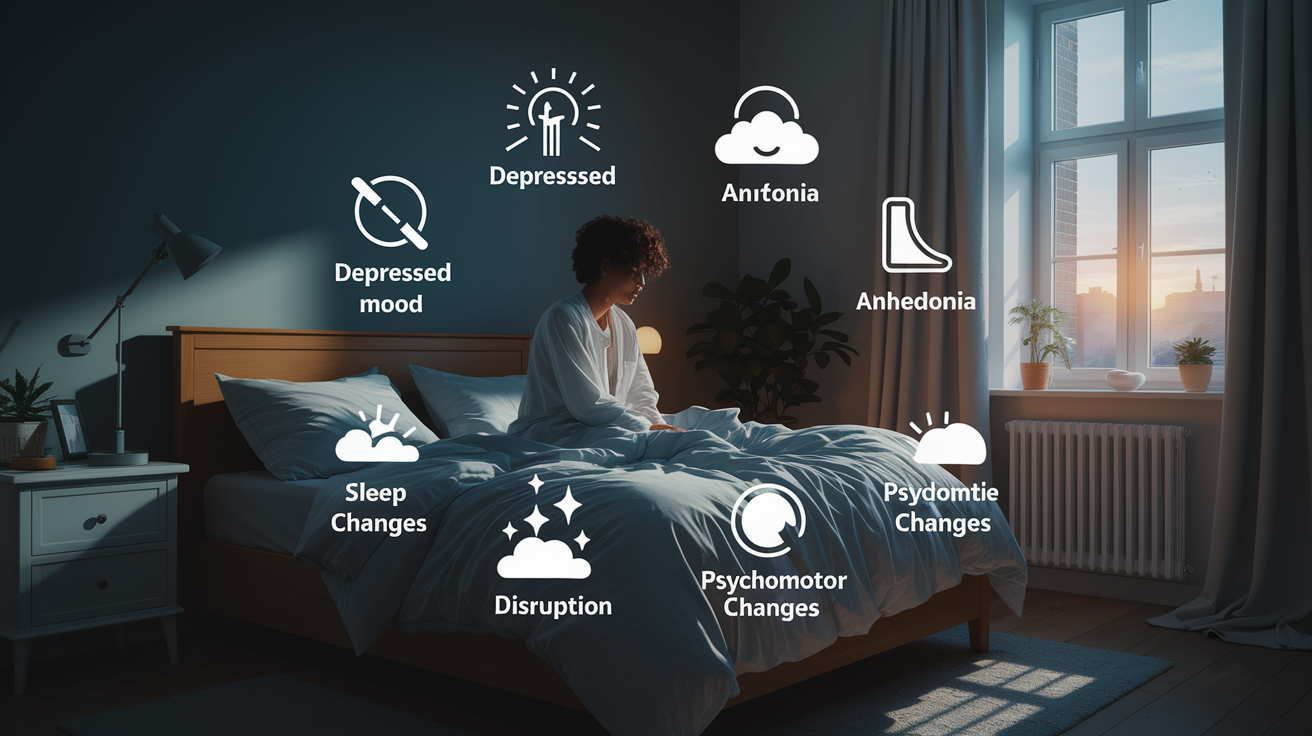
Depression tends to hit hardest first thing in the morning. You open your eyes and the weight’s already there, before you’ve even thought about the day ahead. That early heaviness can look like crushing sadness, not being able to get out of bed, or this feeling that nothing today will be worth it.
The DSM‑5‑TR spells out what a major depressive episode looks like: you need at least 5 of these 9 symptoms in the same two weeks, and one has to be either depressed mood or anhedonia. The list includes depressed mood most of the day, losing interest or pleasure in almost everything, major weight or appetite changes, insomnia or sleeping way too much, moving or talking noticeably slower (or being super restless), fatigue or no energy, feeling worthless or guilty beyond what makes sense, trouble concentrating or deciding anything, and repeated thoughts of death or self-harm.
A 2018 study in CNS Drugs found that over 90% of people with depression report serious tiredness. It’s one of the most common and debilitating parts.
Morning depression often shows up as waking up earlier than you want and not being able to fall back asleep. Lying there while negative thoughts flood in. Feeling physically drained even though you were in bed for hours. No appetite for breakfast, or eating without tasting anything. Not being able to start even tiny tasks like brushing your teeth or picking out clothes. The fatigue comes with this emotional flatness. You don’t feel rested or ready. Facing the day doesn’t just feel hard. It feels impossible.
How Depression Causes Morning Fatigue (Physiological & Behavioral Links)
Depression wrecks your sleep architecture. You might spend enough hours in bed, but the quality’s terrible. Fragmented, shallow, missing the deep restorative stages, or you wake up way too early. So you wake up just as tired as when you went to bed.
Depression also kills motivation and drains the mental fuel you need to actually do anything. Even if your body has some energy left, your brain can’t get it moving.
This turns into a loop. Depression creates fatigue through broken sleep, constant stress activation, and low dopamine and serotonin. That fatigue makes it harder to do the things that might help your mood, like exercising, seeing people, getting sunlight, building structure. Which deepens the depression. Which increases the fatigue.
Antidepressant medications can help a lot of people, but SSRIs and SNRIs sometimes cause sedation or mess with sleep as a side effect, which adds another layer to the morning exhaustion. The fatigue isn’t just being tired. It’s a symptom the disorder produces, and it gets worse the longer you live with it.
Morning Fatigue vs Depression: Quick Visual Comparison Table
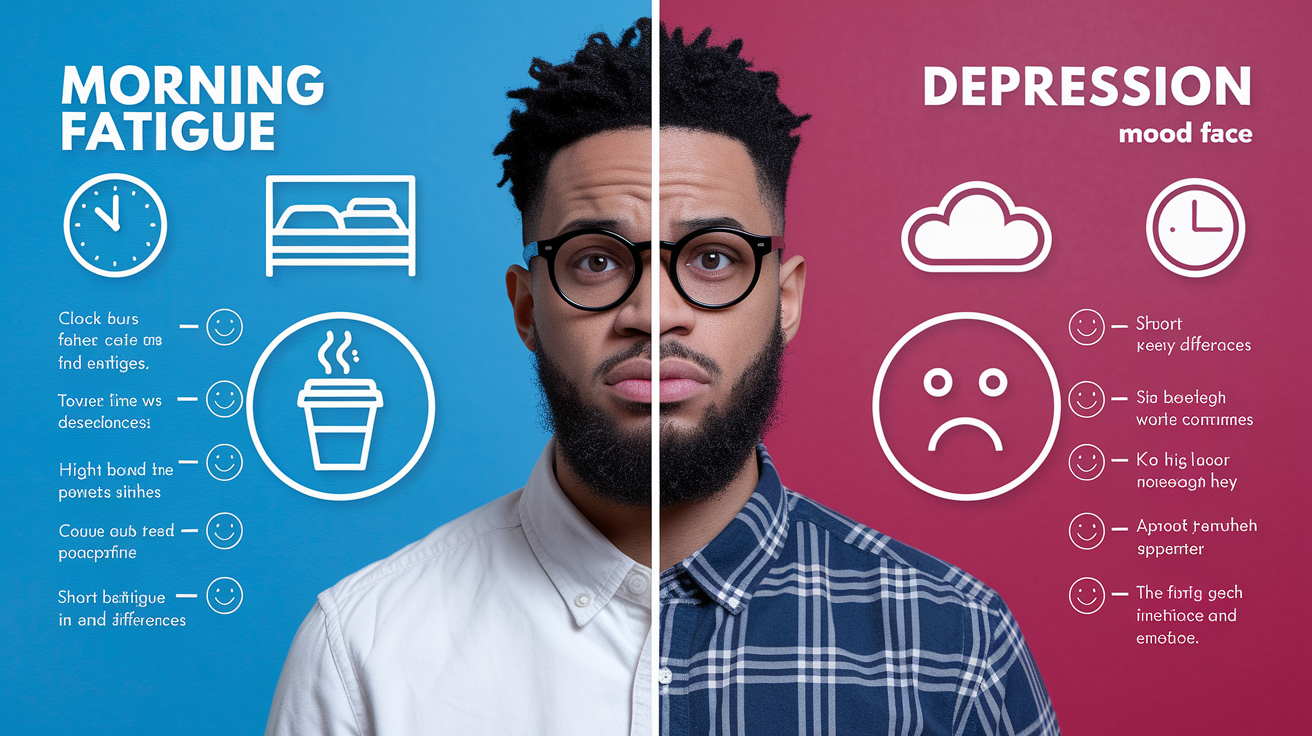
| Symptom Category | Morning Fatigue Pattern | Depression-Related Pattern |
|---|---|---|
| Energy level | Low on waking; usually improves after moving around, coffee, or as the day goes on | Stays low; doesn’t improve during the day, even with rest |
| Mood | Groggy or irritable, but not deeply sad or hopeless | Depressed, empty, or hopeless most of the day, nearly every day |
| Response to sleep | Gets noticeably better after a good night or a nap | Doesn’t improve with extra sleep; sometimes gets worse with oversleeping |
| Concentration & cognition | Mild brain fog that clears as you fully wake up | Can’t focus, decide, or remember things; feels like thinking through mud |
| Appetite & weight | Pretty stable; might skip breakfast because you’re rushed, not because you’ve lost interest | Big increase or decrease in appetite; unintended weight change over weeks |
| Functional impact | Slows you down but doesn’t stop you from handling basic tasks | Makes daily activities hard or impossible; showering, working, socializing all feel out of reach |
When Morning Fatigue Becomes Concerning and May Indicate Depression

If your morning exhaustion’s lasted more than two weeks and other symptoms are piling on, that’s worth paying attention to. Regular fatigue tied to something specific, like a stressful project or recovering from being sick, starts to lift once the trigger’s gone. Depression doesn’t follow that pattern. It stays put and often gets worse, even when things around you improve.
These signs suggest you might be dealing with depression instead of just being tired.
Symptoms have been there for two weeks or longer without getting better. You’re hitting 5 or more of those DSM symptoms in the same stretch (depressed mood, anhedonia, sleep changes, appetite or weight changes, fatigue, worthlessness, concentration trouble, moving or thinking slower, thoughts of death). Your ability to function at work, school, or home has clearly dropped. Stuff that used to be automatic now feels overwhelming or completely impossible.
You’ve lost interest or pleasure in pretty much everything, including things that used to bring you joy. You notice psychomotor changes that other people can see too, like moving or talking slower than normal, or feeling physically restless and unable to sit still. Your sleep pattern’s shifted big time: either you can’t fall asleep or stay asleep, or you’re sleeping way more than usual and still waking up wiped out.
You have recurring thoughts of death, self-harm, or suicide. That’s an urgent red flag. Get professional help immediately.
Self‑Assessment Steps to Tell Morning Fatigue from Depression

Tracking what’s happening over two weeks is the best way to figure out if this is fatigue or depression. Self-assessment won’t diagnose you, but it’ll give you a clearer picture and help you decide if you need to see someone.
Here’s how to approach it.
Track daily symptoms for 14 days. Every evening, write down how you felt in the morning (energy, mood, whether you could get out of bed), how the day went, how you slept the night before, and any other symptoms from that DSM list. Appetite changes, trouble concentrating, feeling worthless, thoughts of self-harm, losing interest in activities.
Record your response to rest. After a full night’s sleep, a nap, or a low-stress weekend, does your morning fatigue get noticeably better? If it does, that points to situational fatigue. If you’re still exhausted no matter how much you sleep, consider depression.
Note whether you can still feel pleasure. When you’ve got the energy, can you enjoy your favorite music, a good meal, time with a friend, a hobby? If yes, fatigue’s more likely. If nothing feels rewarding or interesting anymore, that’s anhedonia.
Assess functional impact. Can you still shower, go to work or school, keep up relationships, handle basic stuff, even if it’s harder than usual? Or has your ability to do these things really dropped off? Big functional impairment is a red flag for depression.
Check for physical and behavioral changes. Weight loss or gain? Big shift in appetite? Moving or speaking noticeably slower? These are concrete markers that help separate depression from fatigue.
Use a validated screening tool. The PHQ-9 is free, widely used, and asks about the 9 DSM symptoms over the past two weeks. Takes a few minutes. Gives you a score that shows symptom severity. Lots of primary care offices and mental health sites offer it.
Professional Evaluation for Persistent Morning Fatigue

If your self-assessment points toward depression, or you’re just not sure and the symptoms are messing with your life, schedule an evaluation with a primary care provider or mental health professional. The goal is to rule out medical causes of fatigue, screen for depression with standardized tools, and figure out the right treatment path.
A primary care visit usually starts with going over your symptoms, medical history, current medications, and lifestyle stuff. Your doctor might order blood work to check for thyroid issues, anemia, vitamin D or B12 deficiency, blood sugar problems, or other things that commonly cause fatigue. They’ll ask about sleep, caffeine and alcohol use, recent illnesses, major stressors.
If medical causes get ruled out or addressed and fatigue’s still there with mood symptoms, your provider will probably give you a depression screening like the PHQ-9 or refer you to a mental health professional.
Mental health evaluation digs deeper into mood, cognition, and how you’re functioning. A therapist or psychiatrist uses the DSM criteria to see if you meet the bar for major depression, looks at how long symptoms have been around, and checks for other issues like anxiety, trauma, or substance use. They’ll talk through treatment options too.
For depression, evidence-based treatments include psychotherapy like cognitive behavioral therapy or interpersonal therapy, medication management with antidepressants overseen by a psychiatrist, or newer stuff like transcranial magnetic stimulation (TMS, FDA-approved since 2008, usually delivered over 4 to 6 weeks) or ketamine therapy for cases that haven’t responded to other treatments.
For fatigue with a medical or behavioral cause, treatment might mean sleep hygiene coaching, addressing an underlying condition, adjusting medications, or stress-reduction work. Both fatigue and depression are treatable. But the treatments are different, which is why getting the right evaluation matters.
Final Words
You now know the core contrast: morning fatigue often follows poor sleep and usually eases with rest. Depression-related mornings combine low mood, loss of interest, and tiredness that doesn’t lift.
The article covered DSM‑5 thresholds (five or more symptoms for two weeks), common causes of morning tiredness, simple tracking steps and the PHQ‑9, plus clear red flags and when to seek help.
If you’re still unsure, track symptoms for two weeks and bring your notes to a clinician. The comparison morning fatigue vs depression how to tell the difference can help that conversation. You’re moving toward clearer answers and better care.
FAQ
Q: What are the 7 symptoms of chronic fatigue syndrome?
A: The seven symptoms of chronic fatigue syndrome are extreme, unexplained fatigue; post-exertional malaise (worse after activity); unrefreshing sleep; cognitive impairment (brain fog); orthostatic symptoms (dizziness); widespread pain; sore throat/lymph node tenderness.
Q: What does autoimmune fatigue feel like?
A: Autoimmune fatigue feels like a deep, persistent exhaustion that rest often doesn’t fix, with heavy limbs, slowed thinking, activity-related flare-ups, and frequently accompanying pain, brain fog, or other autoimmune symptoms.
Q: What are the 5 R’s of depression?
A: The 5 R’s of depression are: Recognize symptoms, Rule out medical causes, Review suicide risk, Refer for appropriate treatment, and Review response with regular follow-up.
Q: What are the 5 P’s of fatigue?
A: The 5 P’s of fatigue are poor sleep, physical illness (infections or chronic disease), psychological causes (stress, mood), pharmaceuticals or substances (meds, alcohol), and poor lifestyle factors (nutrition, overwork).
Comments are closed