
What if your morning exhaustion isn’t just bad sleep but a hormone signal saying something’s off?
Thyroid, cortisol, and the hormonal shift of menopause each change how your body wakes up, so you can sleep eight hours and still feel heavy and foggy.
This can feel scary, and you’re not imagining it.
In this post I’ll explain how low thyroid slows your energy engine, how a flattened or flipped cortisol rhythm steals your wake-up jolt, and how menopause fragments sleep, plus low-risk steps to try and what to track for your clinician.
How Hormonal Imbalances Cause Morning Fatigue

Morning fatigue tied to hormones doesn’t work the same way as regular tiredness from staying up late. When your thyroid hormones drop, your cells start making energy slower. You can sleep eight hours and still feel stuck in low gear. If your cortisol rhythm gets flattened or flipped, you never get that natural morning energy kick. You’re just heavy and slow the second you open your eyes. And when menopause messes with estrogen and progesterone, your sleep turns fragmented and shallow. You wake up feeling like you didn’t rest at all, no matter how long you were in bed.
Thyroid hormones work like your body’s metabolic thermostat. They control how fast your cells turn glucose and oxygen into energy you can actually use. When thyroid output is low, that conversion slows down. You feel it most in the morning, right when your system should be ramping up. Cortisol follows a predictable daily pattern. It climbs sharply within 30 to 45 minutes after you wake. That’s your body’s built-in wake-up call. Chronic stress, adrenal trouble, or bad sleep can blunt that spike. You miss the alertness boost entirely.
Menopause brings different problems. Dropping estrogen and progesterone change how you sleep. They reduce REM and deep sleep phases. Night sweats and hot flashes pull you out of restorative cycles. You might spend plenty of hours in bed but get almost no real rest.
Hormonal morning fatigue is different from lifestyle fatigue in how it shows up and how long it sticks around. A few late nights or a stressful week will clear up with better sleep habits and some recovery time. Hormonal causes don’t budge. They’re there every morning, whether you went to bed early or made your bedroom pitch black. They usually come with other signs too. Unexplained weight changes, mood swings, temperature sensitivity, period irregularities. Spotting that difference is the first step toward testing that matters and treatment that actually works.
Thyroid Dysfunction and Its Role in Morning Exhaustion
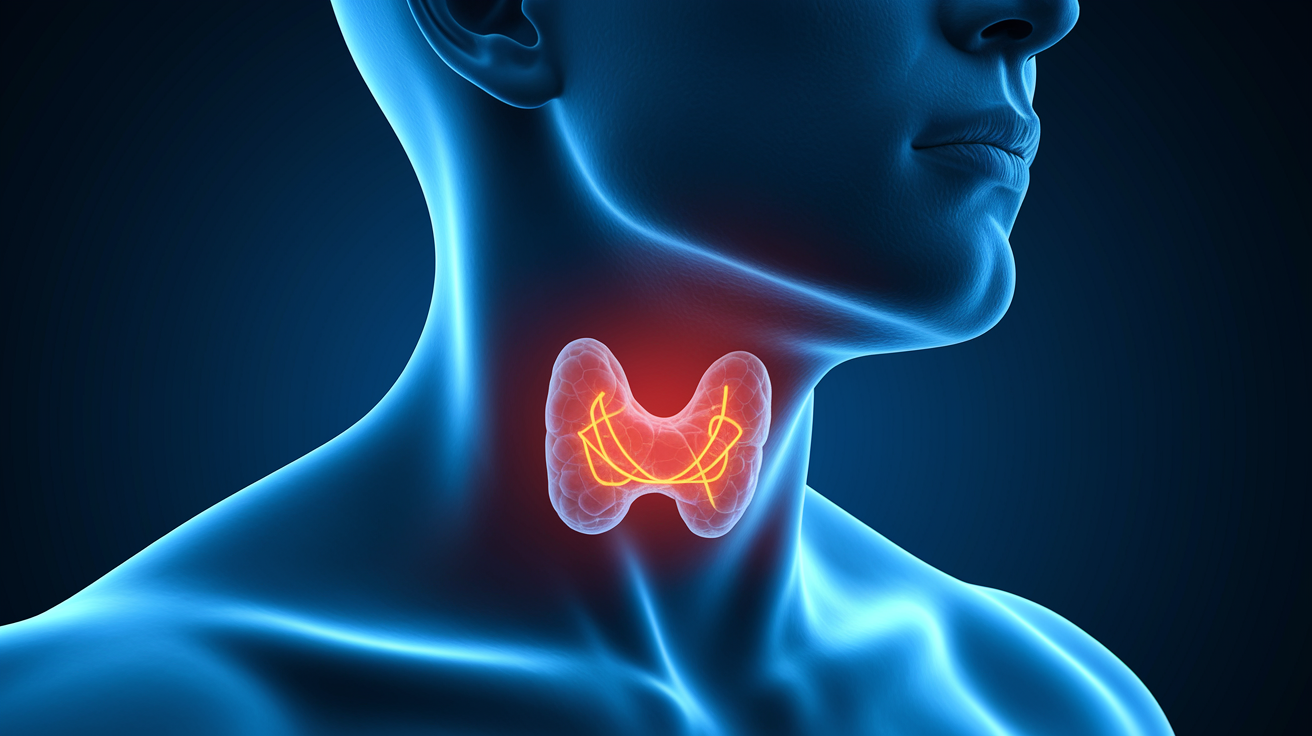
Hypothyroidism slows down your metabolic engine. When your thyroid gland makes too little hormone, cells across your body can’t generate energy efficiently. That inefficiency hits hardest in the morning, when you need momentum to shift from sleep to wakefulness. People with untreated or undertreated hypothyroidism talk about feeling like they’re moving through thick fog. Heavy limbs. A brain that won’t clear, even after a full night’s sleep.
TSH is the pituitary signal that tells your thyroid to produce more hormone. It typically rises when thyroid output drops. A TSH above 2.0 mIU/L might need a closer look if you’ve got persistent fatigue, even if it falls inside the standard lab range.
Subclinical hypothyroidism, where TSH is mildly elevated but free T4 stays normal, can still contribute to morning exhaustion. Free T3 (the active form) might be low even when free T4 looks fine, especially if your body struggles to convert T4 into T3. Some people also develop high reverse T3, an inactive form that blocks thyroid receptors without turning them on. Autoimmune thyroid disease, marked by positive anti-TPO or anti-thyroglobulin antibodies, is common in middle-aged women. It can cause fluctuating symptoms, including pronounced morning fatigue.
Classic morning symptoms of thyroid-related fatigue:
- Waking up exhausted despite enough sleep, with real difficulty getting out of bed
- Feeling cold in the morning, needing extra layers or a hot shower just to function
- Mental fog and slow thinking that hangs on through the first hours of the day
- Muscle stiffness or aches that are worse when you wake up and ease a bit as the day goes on
Cortisol Rhythms and Why Dysregulation Triggers Morning Sluggishness
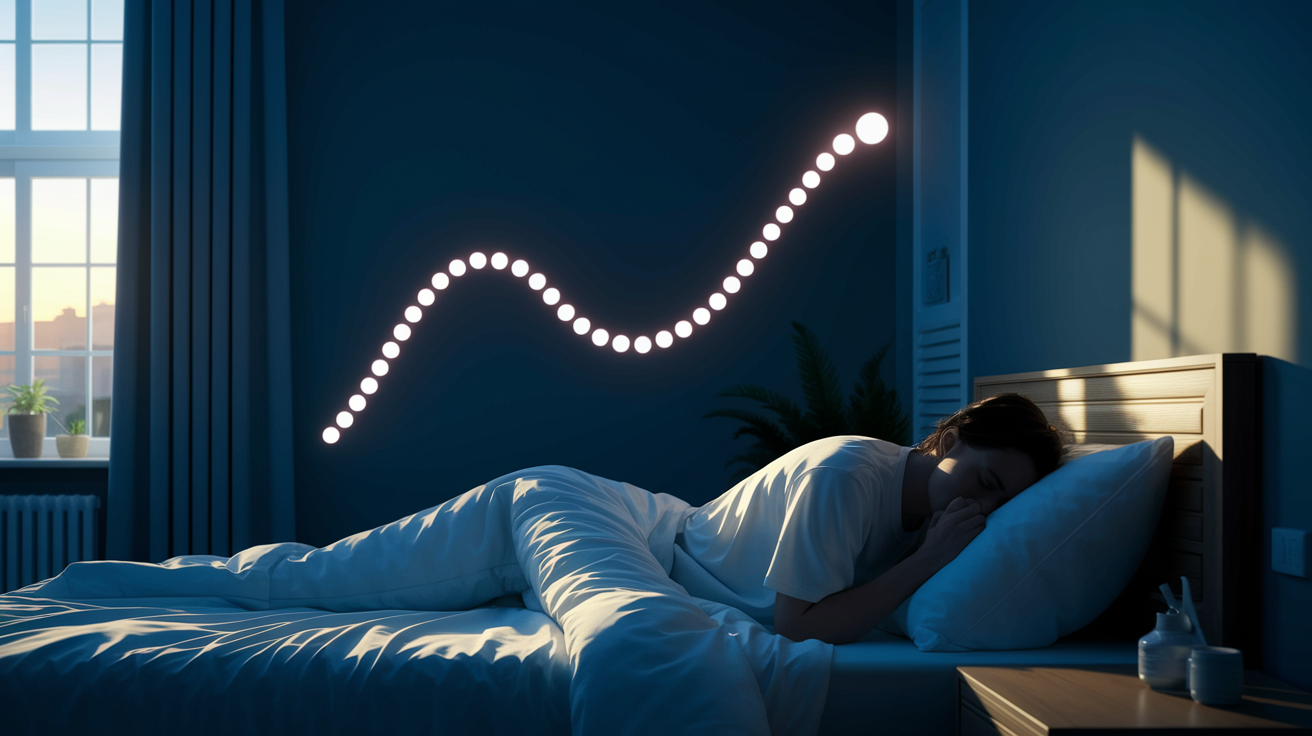
Cortisol is supposed to climb sharply in the first 30 to 45 minutes after you wake up. This surge (called the cortisol awakening response) is your body’s natural alarm system. It raises blood sugar, sharpens focus, and primes your cardiovascular system for the day. When that response gets blunted or disappears, you wake up groggy. Low blood pressure, brain fog, a body that feels like it’s still asleep. Chronic stress, irregular sleep schedules, shift work, and prolonged illness can all flatten the morning cortisol spike.
Some people get the opposite problem. Elevated nighttime cortisol. Instead of tapering in the evening and hitting a low point around midnight, cortisol stays high. It disrupts deep sleep and leaves you restless. You might fall asleep easily but wake frequently or too early. When morning comes, your body hasn’t had a chance to reset. You’re running on a rhythm that never fully rests or fully wakes. Over time, this pattern wears down both sleep quality and daytime alertness.
True adrenal insufficiency (where the adrenal glands produce dangerously low cortisol) is rare but serious. More common is a functional dysregulation, where the HPA axis loses its normal rhythm under sustained stress. Labs might show borderline-low morning cortisol or abnormal salivary cortisol curves. Insufficient rise at wake or elevated levels at bedtime. The result is morning sluggishness that doesn’t respond to caffeine, sleep extension, or willpower.
Menopause-Related Hormonal Shifts and Their Impact on Morning Energy

Estrogen and progesterone do a lot more than regulate menstrual cycles. They influence sleep architecture, body temperature regulation, and how neurotransmitters balance in your brain. As estrogen declines during perimenopause and menopause, REM sleep gets shorter and less restorative. Progesterone (which has a calming, sedative-like effect on the nervous system) also drops. That makes it harder to fall asleep and stay asleep.
Night sweats and hot flashes wake many women multiple times each night. Even if you don’t fully wake, those disruptions pull you out of deep sleep phases. You might spend eight hours in bed but collect only a fraction of the restorative slow-wave and REM sleep your body needs. When morning arrives, you feel unrefreshed, irritable, physically depleted.
Menopause also shifts how your body responds to stress. Without estrogen’s buffering effect on the HPA axis, cortisol rhythms can get more erratic. Sleep deprivation from night sweats further flattens the morning cortisol response, compounding the fatigue. The combination of poor sleep quality, altered stress hormone regulation, and metabolic shifts creates a perfect storm for persistent morning exhaustion that doesn’t improve with typical sleep hygiene fixes alone.
Diagnostic Testing to Identify Hormonal Causes of Morning Fatigue

Testing helps you figure out whether your morning fatigue is driven by thyroid dysfunction, cortisol dysregulation, menopause, or some combination. A targeted panel can reveal patterns that explain why you’re waking up tired despite doing everything “right” with sleep.
| Test Name | What It Detects | Typical Timing |
|---|---|---|
| TSH (thyroid-stimulating hormone) | Primary marker for thyroid function; rises when thyroid output is low | Morning draw, any day |
| Free T4 and Free T3 | Active thyroid hormone levels; low values indicate hypothyroidism or poor conversion | Morning draw, any day |
| Reverse T3 (rT3) | Inactive thyroid metabolite; elevated levels can block thyroid receptors | Morning draw, any day |
| 8 AM serum cortisol or salivary cortisol awakening response (CAR) | Evaluates morning cortisol surge; low values suggest adrenal insufficiency or HPA dysregulation | Immediately upon waking and at 30-minute intervals; serum draw at 8 AM |
| FSH and estradiol | Markers of menopausal transition; FSH rises and estradiol falls as ovarian function declines | Morning draw; day 3 of cycle if still menstruating, any day if irregular/absent periods |
Your provider will typically start with TSH and free T4 to screen for thyroid dysfunction. If TSH is above 2.0 mIU/L or if you’ve got classic hypothyroid symptoms despite a “normal” TSH, adding free T3, reverse T3, and thyroid antibodies can clarify whether you have subclinical disease, conversion issues, or autoimmune thyroid involvement.
For cortisol evaluation, an 8 AM serum cortisol or a salivary cortisol awakening response profile captures the morning surge. Some clinicians also order late-night salivary cortisol or 24-hour urinary free cortisol to assess the full daily rhythm. If you’re perimenopausal or menopausal and dealing with sleep disruption, checking FSH and estradiol can confirm the transition. Clinical diagnosis (12 months without a period) often suffices though.
Timing matters. Morning draws capture peak thyroid and cortisol values. Salivary samples require strict collection times. Immediately upon waking, then 30 and 60 minutes later, plus samples in the afternoon and at bedtime for a complete curve.
Treatment Options for Hormonal Morning Fatigue

Thyroid hormone replacement with levothyroxine is standard treatment for hypothyroidism. Typical starting doses range from 25 to 50 µg per day in older adults or those with cardiac concerns, and up to 1.6 µg per kilogram of body weight per day in younger, otherwise healthy individuals. Most people start noticing improved energy within two to four weeks. Full effects and normalized TSH show up after six to eight weeks. For those with poor T4-to-T3 conversion or persistently low free T3, some providers add a small dose of liothyronine (T3) or prescribe combination thyroid preparations. Subclinical hypothyroidism might improve with low-dose thyroid hormone in selected patients, particularly if symptoms are pronounced and TSH is trending upward.
Cortisol rhythm restoration focuses on sleep timing, stress reduction, and sometimes targeted supplementation. Going to bed and waking at consistent times helps re-train the HPA axis. Techniques like slow breathing, mindfulness, and counseling can calm the sympathetic nervous system and support a healthier cortisol pattern. Supplements such as L-theanine, ashwagandha, and phosphatidylserine are sometimes used to lower elevated evening cortisol and promote restorative sleep. Evidence is mixed though, and dosing should be discussed with a provider. If true adrenal insufficiency is diagnosed, physiologic glucocorticoid replacement under endocrine guidance is essential.
Menopausal hormone therapy can significantly improve sleep quality and morning energy. Transdermal estradiol patches (typically 25 to 100 µg per day) or oral estradiol (0.5 to 1 mg per day), combined with a progestogen if the uterus is present, reduce vasomotor symptoms and restore more stable sleep architecture. Nonhormonal options like low-dose SSRIs, SNRIs, or gabapentin also reduce hot flashes and night sweats. Cognitive behavioral therapy for insomnia (CBT-I) addresses sleep fragmentation directly and often improves morning fatigue even when hormones remain in flux.
Lifestyle strategies that support all three hormonal systems:
- Prioritizing seven to nine hours of sleep with a consistent bedtime and wake time
- Limiting caffeine after early afternoon to protect evening cortisol taper
- Eating balanced meals with protein, healthy fats, and fiber to stabilize blood sugar and support thyroid function
- Engaging in regular moderate exercise, at least 150 minutes per week, plus resistance training twice weekly
- Managing chronic stress through breathing exercises, movement, social connection, or counseling
When to Seek Medical Evaluation for Morning Fatigue

Persistent morning fatigue that lasts more than a few weeks and doesn’t improve with better sleep habits warrants a conversation with your provider. If you’re waking up exhausted every day despite adequate time in bed, if you notice unexplained weight changes, new sensitivity to cold or heat, mood shifts, irregular periods, or other signs that don’t fit a simple lifestyle explanation, it’s time to get tested. Fatigue that interferes with work, relationships, or daily function is never “just stress” or “just getting older.”
Seek care promptly if you experience severe symptoms like chest pain, shortness of breath, fainting, rapid unintentional weight loss or gain of more than 5% in a matter of weeks, or new severe depression or suicidal thoughts. If initial labs show TSH outside the reference range, morning cortisol below 3 µg/dL, or other significant abnormalities, follow up with your provider or ask for a referral to endocrinology. Hormonal causes of morning fatigue are testable, treatable, and often reversible with the right diagnosis and plan.
Final Words
You saw how shifts in thyroid hormones, a blunted morning cortisol rhythm, and menopause-related sleep changes can sap morning energy. The piece walked through the physiology, common patterns, and the tests doctors use.
Try simple next steps now: track when you feel worst, note triggers, improve sleep timing, and mention morning labs to your clinician if symptoms persist. Bring a short symptom log.
That cluster, hormonal causes of morning fatigue thyroid cortisol menopause, can often be identified and improved. Small steps can lead to clearer days ahead.
FAQ
Q: Can perimenopause cause high TSH levels?
A: Perimenopause can slightly change thyroid tests, but a clearly high TSH usually signals an underactive thyroid. Get TSH and free T4 checked, repeat if borderline, and discuss results with your clinician.
Q: What are the best supplements for hormone balance?
A: No single supplement fixes hormones; vitamin D, magnesium, omega-3s, and iron (if low) often help. Ask for lab tests first, and check with your clinician to avoid interactions.
Q: Do I see an endocrinologist for menopause?
A: See an endocrinologist for menopause if you have complex hormone problems, abnormal thyroid or adrenal tests, unexplained lab results, or symptoms that your primary care or gynecologist can’t manage.
Q: Why am I so tired in the morning during menopause?
A: You’re so tired in the morning during menopause because falling estrogen and progesterone fragment sleep, cause night sweats, and alter mood; disrupted sleep plus possible thyroid or cortisol changes reduce morning energy.
Comments are closed