
Could your morning tiredness be more than just a bad night’s sleep?
If you wake up drained and then get lightheaded, your heart races, or your vision narrows the moment you stand, that pattern matters.
This post will cut through the worry and show the key warning signs of orthostatic intolerance (when standing causes lightheadedness, a racing heart, or brain fog), simple home checks to try, and what to track for a clinic visit.
In plain language, here’s how to tell common causes from true red flags, and what to do next.
Morning Fatigue and Orthostatic Intolerance: Key Warning Signs

What It Can Feel Like
You stand up in the morning, before coffee, and your vision narrows. Your heart pounds. The room tilts, your knees go soft, and thinking takes real effort. Sometimes there’s an urgent need to sit back down. Or nausea. Or your legs feel impossibly heavy.
And it’s not just “I got up too fast.” It happens every single morning. Predictably. Lying back down, especially with your legs up, brings almost instant relief.
That’s a clue.
Orthostatic intolerance means your body can’t maintain normal blood flow and pressure when you’re upright. Standing becomes a cardiovascular challenge. Your heart races to keep up. Your brain doesn’t get quite enough blood. Morning fatigue, brain fog, dizziness, even pain—all of it gets worse the second you stand.
If this sounds familiar, you’re not imagining it.
The Core Symptom Cluster to Notice

Orthostatic intolerance doesn’t usually announce itself with one dramatic faint. It builds a recognizable pattern across several symptoms that worsen when you stand and improve when you lie down.
Severe lightheadedness or dizziness that starts within seconds or minutes of standing. The room tilts, you feel like you’re floating, or you might black out.
Rapid or pounding heartbeat without obvious reason. Your heart races while brushing your teeth, standing in the kitchen, walking slowly to another room.
Brain fog that hits hard and fast. You lose your train of thought mid-sentence. Words don’t come. Simple decisions feel impossible. This cognitive crash often happens within the first few minutes of being upright.
Visual changes. Narrowing vision (like tunnel vision), dimming, or brief “greyouts” where your sight fades temporarily.
Nausea that appears or worsens when you stand. Sometimes with a queasy, unsettled stomach or the feeling you might vomit.
Heavy, weak, or “cement” legs. Your legs feel like they can’t hold you, even though there’s no muscle pain or obvious injury.
Near-fainting (presyncope) or actual fainting (syncope). You feel like you’re about to pass out, or you do lose consciousness briefly.
Intense, immediate fatigue. Not the tired you feel after a long day. This is profound, body-wide exhaustion that lands the moment you stand and can last hours or even days after the upright stress.
The hallmark? Positional consistency. If your symptoms reliably improve when you lie flat with your legs elevated, that’s a strong signal blood flow and pressure regulation are involved.
Red Flags That Require Prompt Medical Attention

Most orthostatic symptoms aren’t immediately dangerous. But some patterns and signs mean you should seek medical evaluation quickly.
Recurrent fainting. If you’re losing consciousness more than once, or episodes are becoming more frequent, that’s urgent. Falls can cause injury, and repeated syncope suggests your brain isn’t getting enough blood.
Very low blood pressure readings. If you check your blood pressure at home and see numbers like 80/50 mmHg or lower, especially if you feel dizzy, weak, or confused, contact a clinician.
Chest pain or significant shortness of breath when standing or with mild activity. This can indicate a cardiac issue that needs immediate evaluation.
Sudden or severe headache, vision loss, numbness, weakness on one side, or slurred speech. These are neurological red flags that require emergency assessment.
Sustained very high heart rate. If your heart rate jumps to 120 to 130 beats per minute or higher just from standing still and stays there, and you feel unwell, get checked.
Loss of consciousness with injury, or any episode where you can’t safely get up or move afterward.
When in doubt, check in. Orthostatic intolerance is often manageable with the right support, but dismissing serious warning signs can lead to avoidable harm.
Why This Happens: Common Causes and Subtypes
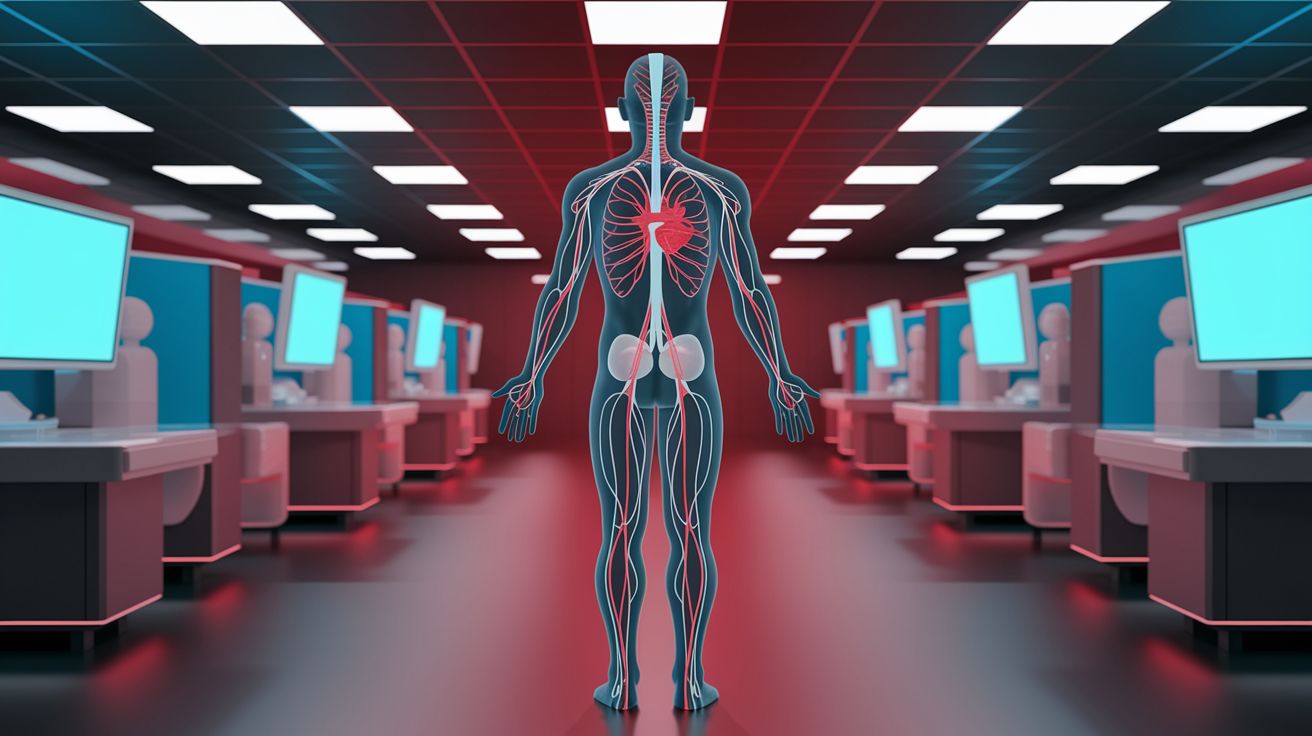
Orthostatic intolerance isn’t one condition. It’s an umbrella term for several related problems that all involve trouble regulating blood flow and heart rate when you’re upright.
Postural Orthostatic Tachycardia Syndrome (POTS) is the most common subtype. In POTS, your heart rate increases by 30 beats per minute or more within 10 minutes of standing (or 40 bpm in teenagers), without a significant drop in blood pressure. Your body is trying to compensate for blood pooling in your legs and abdomen by speeding up your heart. POTS is most common in women aged 15 to 50.
Orthostatic hypotension (OH) means your blood pressure drops significantly when you stand. Usually a fall of at least 20 mmHg systolic or 10 mmHg diastolic within three minutes. Your brain doesn’t get enough pressure to push blood uphill, so you feel dizzy, weak, or faint.
Neurally mediated hypotension (NMH) is a slower, delayed drop in blood pressure that happens after several minutes of standing. It’s driven by miscommunication between your heart and brain.
Orthostatic cerebral hypoperfusion without orthostatic vital sign changes (OCHOS) is a newer recognized pattern. Your heart rate and blood pressure look normal on the monitor, but your brain blood flow still drops significantly. Studies using Doppler ultrasound have found that some people lose 20 to 26% of their brain blood flow when standing, even though their vital signs don’t flag a problem. This can explain why you feel terrible but your doctor says “everything looks fine.”
All of these involve some combination of blood pooling (gravity pulls blood into your legs and abdomen), low total blood volume (you don’t have enough circulating blood to begin with), endothelial dysfunction (the lining of your blood vessels doesn’t tighten and release properly), and broken autonomic regulation (your nervous system can’t adjust fast enough or correctly to position changes).
In many people with chronic conditions like ME/CFS or fibromyalgia, orthostatic intolerance is a core feature, not a side issue. Studies from the early 2000s through 2024 have consistently found that 44% to over 90% of tested patients show some form of dysautonomia or orthostatic intolerance on formal testing.
What Testing Can Show: Objective Measures and Thresholds
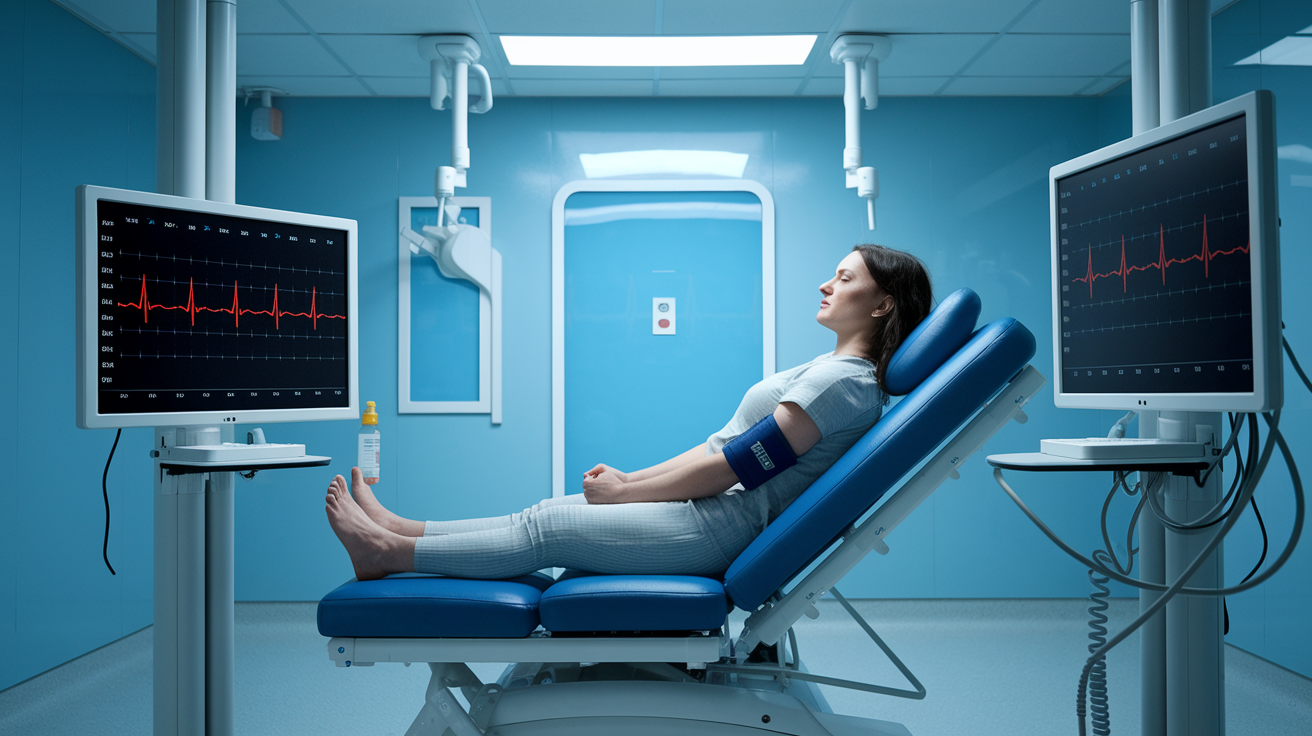
If you and your clinician suspect orthostatic intolerance, testing can confirm it and guide treatment.
The 10-Minute NASA Lean Test is a simple, low-cost option that can be done at home or in a clinic. Here’s how it works:
Lie flat for 10 minutes to establish a baseline. Measure your heart rate and blood pressure while you’re still lying down. Then stand up and lean against a wall with your heels about 6 inches away from the baseboard. Stay there, without moving or shifting weight, for 10 minutes. Measure your heart rate and blood pressure every minute.
If your heart rate rises by 30 beats per minute or more during those 10 minutes, that meets the threshold for POTS in adults. The 10-minute duration is critical. Many quick “stand up for 1 to 3 minutes” checks miss cases because the heart rate hasn’t had time to climb or symptoms haven’t fully developed yet.
Head-Up Tilt Table Test (TTT) is the gold standard. You’re strapped to a table that tilts you to about 70 degrees while monitors track your heart rate, blood pressure, and sometimes brain blood flow using Doppler ultrasound. It’s passive. You’re not supporting your own weight, so it isolates your autonomic nervous system’s response. Tilt tests are more sensitive than the NASA lean, but they’re more exhausting and can trigger post-exertional malaise (PEM) that lasts several days. They’re usually done in cardiology or autonomic specialty clinics.
Doppler ultrasound of brain blood flow (extracranial and transcranial) measures the velocity of blood in your carotid and vertebral arteries and inside your skull. Landmark studies found that healthy people’s brain blood flow drops about 7% during a tilt test, but people with ME/CFS averaged a 26% drop. A 20% reduction is enough to cause presyncope in healthy volunteers. Many patients with orthostatic intolerance routinely experience 25% or greater losses.
Other autonomic tests your clinician might order include heart rate variability (HRV) analysis, baroreflex sensitivity testing, cold-pressor or mental-stress tests, and blood volume measurement to check if you’re hypovolemic (low total circulating blood volume).
A few important notes on testing:
Tilt testing is generally safe but should be done in a supervised setting. Rarely, people can have serious events like brief cardiac arrest during a tilt (corrected by immediately lowering the table and elevating the legs).
The NASA lean test is less sensitive than tilt-table testing but far more practical and accessible.
Normal heart rate and blood pressure readings do not rule out significant brain blood flow problems. If your vitals look fine but you feel terrible when standing, ask about Doppler or extended tilt testing.
Practical Home Monitoring and Self-Assessment

You don’t need expensive equipment or a specialist appointment to start gathering useful information. Simple tracking at home can help you and your clinician see the pattern clearly.
Step one: measure baseline vitals when you first wake up, while you’re still lying flat. Use a home blood pressure monitor or a pulse oximeter with heart rate display. Record your heart rate and blood pressure before you sit up or stand.
Step two: stand up and measure again at 2 minutes, 5 minutes, and 10 minutes. Stand still. Don’t walk around or shift your weight. Lean against a wall if you need support, but try to keep your legs relatively straight and your heels a few inches from the wall.
Step three: log your symptoms at each time point. Use a simple 0 to 10 scale for dizziness, brain fog, nausea, and fatigue. Note any rapid heartbeat, vision changes, or the urge to sit down.
Step four: track patterns and triggers. Does it happen every morning? Is it worse after a hot shower, a large meal, or on warmer days? Does it ease if you drink a big glass of water with a pinch of salt, or if you lie down with your legs elevated above your heart?
Here’s what to look for in your numbers:
| Measurement | Threshold to Note | What It Suggests |
|---|---|---|
| Heart rate increase | ≥30 bpm within 10 minutes (adults) ≥40 bpm (adolescents) |
Possible POTS |
| Systolic blood pressure drop | ≥20 mmHg within 3 minutes | Possible orthostatic hypotension |
| Diastolic blood pressure drop | ≥10 mmHg within 3 minutes | Possible orthostatic hypotension |
| Symptoms with normal vitals | Severe dizziness, brain fog, near-faint with HR/BP unchanged | Possible OCHOS (brain blood flow issue without vital sign changes) |
If you see these thresholds or if your symptom severity is high even when the numbers look okay, share your log with your clinician and ask about formal autonomic testing.
Simple relief measures to try while you’re tracking:
Drink 2 to 3 liters of water daily and aim for 3,000 to 5,000 mg of sodium per day (check with your clinician first, especially if you have high blood pressure or kidney issues). Some people find sipping a glass of water with a teaspoon of salt or drinking V-8 juice helpful in the morning.
Lie down with your legs elevated. Prop your feet up on pillows or lie on your back with your legs up a wall for 10 to 15 minutes. Many people notice quick relief.
Use waist-high medical-grade compression tights or a firm abdominal binder. Knee-high compression socks often aren’t enough because most blood pools in your thighs and abdomen.
Sit or recline whenever possible. Use a shower chair, sit while cooking, and use a reclining desk setup if you work from home.
Keep a simple diary: date, time of day, position (lying/sitting/standing), heart rate, blood pressure, symptom severity, and what helped or made it worse. That record is gold when you’re trying to figure out next steps.
Evidence-Based First-Line Management

Once you know orthostatic intolerance is part of the picture, there are several practical, low-risk steps that often help.
Increase your fluid and salt intake. Studies and clinical experience show that many people with orthostatic intolerance are hypovolemic. They have chronically low blood volume. Drinking at least 2 to 3 liters of water daily and consuming 3,000 to 5,000 mg of sodium per day can help your body retain more fluid and maintain better blood pressure. Individualize this with your clinician’s input, especially if you have heart or kidney conditions.
Use medical-grade compression garments. Waist-high compression tights (20 to 30 mmHg) or a firm abdominal binder can reduce blood pooling in your legs and abdomen. Knee-high socks usually don’t work well because they miss the thighs and splanchnic (gut) circulation, where much of the pooling happens. A 2022 study found that compression improved cardiac output and brain blood flow in people with orthostatic intolerance.
Practice orthostatic pacing. Limit how long you’re upright at one time. Plan your day around shorter standing intervals with rest breaks. Use adaptive equipment like shower chairs, kitchen stools, and portable folding seats. Recline when working. These small adjustments can prevent symptom escalation and reduce post-exertional crashes.
Try countermaneuvers. Crossing your legs tightly when standing, shifting your weight from foot to foot, or doing small calf raises can help push blood back up toward your heart and brain. Elevating one knee above hip level (for example, putting one foot on a low stool) can also reduce pooling.
Choose exercise carefully. Upright, high-intensity, or prolonged standing exercise can make symptoms worse. Favor supine (lying), seated, or water-based activities like recumbent cycling, rowing, swimming, or gentle yoga. Graded, carefully paced exercise can improve autonomic function and vagal tone over time, but it has to be adapted to your current tolerance.
Eat smaller, more frequent meals. Large meals can trigger postprandial hypotension. Blood rushes to your digestive system and away from your brain. Smaller portions and avoiding heavy carbohydrate loads at once can help.
Avoid known triggers. Heat, hot showers, alcohol, and dehydration all make orthostatic intolerance worse. Pay attention to your patterns and plan around them.
A 2022 study on the 10-minute NASA Lean Test found that orthostatic stress itself can trigger post-exertional malaise lasting 2 to 7 days. A 2020 tilt-test study documented immediate worsening of cognitive function after orthostatic challenge. This means testing and pushing through symptoms isn’t harmless. Pacing and support matter.
Medication Options and When to Consider Them

If conservative measures aren’t enough, medications can help. But they need to be tailored to your subtype and started low and slow, because many people with orthostatic intolerance are sensitive to drugs.
Fludrocortisone is a blood-volume expander. It tells your kidneys to hold onto more salt and water, which increases your total blood volume and can raise blood pressure. It’s often a first-line option for orthostatic hypotension.
Midodrine is a peripheral vasoconstrictor. It tightens the small arteries and veins to reduce blood pooling and raise blood pressure. It’s helpful for orthostatic hypotension and some cases of POTS.
Beta-blockers or Ivabradine can slow down a racing heart in POTS, especially the hyperadrenergic subtype where excess adrenaline drives the tachycardia.
Pyridostigmine is a cholinergic agent that may improve communication between nerves and blood vessels and help venous return. Some people tolerate it well. Others find the side effects (digestive upset, sweating) too much.
Medication choice depends heavily on your subtype. POTS with high heart rate needs different drugs than orthostatic hypotension with low blood pressure. OCHOS with normal vitals but severe brain hypoperfusion may need more creative, off-label approaches.
Always work with a clinician who understands dysautonomia. Ideally a cardiologist, autonomic neurologist, or a clinic specializing in POTS and related conditions. Start low, increase slowly, and track your response and side effects carefully.
Building a Care Plan and When to Seek Specialists

Orthostatic intolerance is often a long-term condition that needs a layered, individualized plan. Here’s a practical roadmap:
Start with home tracking. Do the simple at-home heart rate and blood pressure monitoring described earlier. Log symptoms, triggers, and what helps.
Try conservative measures first. Increase fluids and salt, use compression, pace your upright time, and make environmental adjustments. Give these changes at least 2 to 4 weeks to see if they help.
If symptoms are frequent, severe, or not improving, ask your primary care clinician about a 10-minute NASA Lean Test or a referral for tilt-table testing. Share your symptom diary and measurements.
If you have recurrent syncope, very low blood pressure, or symptoms that interfere significantly with work, school, or daily life, request a referral to a specialist. Autonomic neurology, cardiology with a dysautonomia focus, or a dedicated POTS/dysautonomia clinic can offer more detailed testing (including Doppler brain blood flow studies) and tailored medication management.
Consider testing for contributing factors. Low blood volume, small fiber neuropathy, autoimmune markers (in selected cases), nutrient deficiencies (iron, B12, folate), and thyroid or adrenal issues can all worsen orthostatic intolerance. A thorough workup can identify fixable pieces.
Plan for the long term. Management often requires stacking several strategies. Fluids, salt, compression, pacing, and medication under specialist guidance. Expect adjustments as your symptoms and life circumstances change.
Communicate clearly with providers. Bring your tracking data. Explain that your symptoms are positional and measurable, not vague or psychological. Mention the diagnostic threshold for POTS (≥30 bpm heart rate rise in 10 minutes) and ask whether your pattern fits. If your clinician dismisses you because resting vitals look normal, ask about Doppler brain blood flow testing or request a second opinion.
Many people with orthostatic intolerance are misdiagnosed with anxiety, deconditioning, or “just stress” because standard resting vital signs don’t capture the problem. Objective testing, especially prolonged standing tests and brain blood flow measures, validates the mechanical nature of your symptoms and opens the door to real help.
What Recent Research Shows

Understanding of orthostatic intolerance in chronic conditions has advanced significantly in the past decade.
In 2015, the Institute of Medicine elevated orthostatic intolerance to a core diagnostic feature of ME/CFS, recognizing that it’s not a side symptom. It’s central to the condition for many patients.
Studies from 2000 through 2005 found that 44 to 65% of fibromyalgia patients tested positive for dysautonomia on tilt-table testing. A 2005 Italian study (n=32) documented that 44% fainted during the tilt test and showed resting sympathetic overactivity that collapsed under stress.
A 2002 report suggested chronic low blood volume in fibromyalgia patients. 2010 to 2011 studies linked reduced heart rate variability, lower stroke volume, and impaired cardiovascular stress responses to increased pain severity in fibromyalgia.
In 2014, autonomic symptom surveys showed that lightheadedness triggered by upright posture was a frequent complaint in fibromyalgia. A 2015 study from New York found that lower diastolic blood pressure correlated with worse fibromyalgia impact scores, tying cardiovascular function directly to symptom burden.
2017 research associated standing-related baroreflex dysfunction with reduced quality of life and higher symptom impact in fibromyalgia.
Landmark Doppler studies in ME/CFS found that brain blood flow drops an average of 26% during a 70-degree tilt in patients, compared to about 7% in healthy controls. A 20% drop is enough to cause presyncope in healthy people. ME/CFS patients routinely experience 25% or greater reductions.
A 2020 tilt-test study documented immediate cognitive impairment after orthostatic stress. A 2022 study showed that the 10-minute NASA Lean Test itself could trigger post-exertional malaise lasting 2 to 7 days, confirming that orthostatic challenges are not benign in sensitive populations. Another 2022 study found that compression garments improved cardiac output and cerebral blood flow.
Large studies from 2024 and 2025 reported that in more than 90% of tested ME/CFS patients, cardiac output and brain blood flow fall nearly one-for-one when upright, indicating broken cerebral autoregulation. The brain’s normal protective mechanisms aren’t working.
A 2023 review examined the role of sodium balance and endothelial dysfunction in orthostatic symptoms.
These findings collectively show that orthostatic intolerance in chronic conditions is measurable, reproducible, and mechanistically grounded. It’s not “all in your head.” It’s in your blood vessels, your autonomic nerves, and your brain’s blood supply.
Bringing It All Together: What to Do Next
If you wake up exhausted every morning, feel worse the moment you stand, notice your heart racing or your brain shutting down within minutes of being upright, and find relief when you lie back down (especially with your legs elevated), orthostatic intolerance is a strong possibility.
Here’s your practical next-step checklist:
Track your pattern. Measure your heart rate and blood pressure lying down and then at 2, 5, and 10 minutes of standing. Log your symptoms and triggers for at least a week.
Try the low-risk basics. Increase water and salt intake (with your clinician’s okay), use waist-high compression, reduce upright time, and elevate your legs when resting.
Watch for red flags. If you’re fainting repeatedly, have very low blood pressure, experience chest pain or shortness of breath, or develop new neurological symptoms, seek prompt medical care.
Ask your clinician about testing. Request a 10-minute NASA Lean Test or a referral for tilt-table testing if your symptoms are frequent or severe. Share your tracking data.
Consider a specialist referral if you have recurrent syncope, large or symptomatic vital-sign changes, or poor response to conservative measures. Autonomic neurology, cardiology, or a dysautonomia clinic can offer Doppler brain blood flow studies and tailored pharmacotherapy.
Expect a multi-layered plan. Effective management usually combines fluids, salt, compression, pacing, and sometimes medication. It’s rarely one magic fix, but stacking supportive strategies often makes a real difference.
Advocate for objective testing. If your resting vitals look normal but you feel terrible, ask about prolonged standing tests and Doppler measures of brain blood flow. OCHOS (cerebral hypoperfusion without vital-sign changes) is real and measurable.
Morning fatigue plus orthostatic intolerance is not vague or imaginary. It reflects measurable drops in brain blood flow and broken autonomic control. With the right tracking, testing, and support, you can identify what’s happening, validate your experience, and build a practical plan that helps you function better upright.
You’re not making it up. Your body is telling you something specific. Now you know what to listen for.
You read about how it can feel—waking heavy, lightheaded on standing, foggy—and the common, non-scary causes: sleep loss, dehydration, meds, blood pressure shifts, and stress.
Try these low-risk steps now: drink water, eat a small protein snack, stand up slowly, and try longer exhales for two minutes. Track timing, severity (0–10), triggers, and what helps.
Note morning fatigue and orthostatic intolerance what to look for: when it starts, how long it lasts, and any red flags like fainting or chest pain. With simple tracking and a few gentle changes, you’ll have clearer answers and feel more steady.
FAQ
Q: Does orthostatic intolerance cause fatigue?
A: Orthostatic intolerance can cause fatigue by lowering blood flow when you stand, which leaves you tired, lightheaded, and foggy; simple steps like fluids, extra salt, pacing, and a clinician check often help.
Q: What is the 10 20 30 rule for orthostatics?
A: The 10-20-30 rule for orthostatics is a gradual upright-training approach that builds standing tolerance in short, repeated steps; exact timing and progression vary, so use it carefully and ask your clinician or therapist for guidance.
Q: What are the first signs of POTS?
A: The first signs of POTS are lightheadedness or dizziness on standing, a fast or pounding heartbeat, heavy fatigue, brain fog, reduced exercise tolerance, and sometimes fainting—usually improving when you lie down.
Q: What are the 7 symptoms of chronic fatigue syndrome?
A: The 7 symptoms of chronic fatigue syndrome are long-lasting extreme fatigue; post-exertional malaise (worse after activity); unrefreshing sleep; cognitive problems; orthostatic symptoms; widespread muscle or joint pain; and sore throat or swollen lymph nodes.
Comments are closed