
What if you could ease that tight, bloated belly in minutes instead of hours?
Bloating and trapped gas can feel heavy, noisy, and downright scary sometimes.
You’re not imagining it. This is common and often fixable with quick, low-risk steps.
In this post we’ll show simple moves, heat and herbal options, and over-the-counter choices that often bring fast relief.
You’ll also get a short tracking plan to spot patterns and a clear list of when to seek medical care.
Immediate Ways to Ease Bloating and Gas Quickly

Physical position changes and gentle movement often deliver the fastest relief from trapped wind. Walking for 5 to 10 minutes after a meal gets your intestines moving and helps push gas through your digestive tract. That tight, swollen feeling usually eases up within 15 to 60 minutes. Lying on your left side or pulling your knees gently toward your chest can shift trapped air pockets so they move out more easily. These position shifts don’t need any equipment and can help in minutes.
Heat application relaxes the smooth muscle lining your abdomen and reduces spasms that hold gas in place. Place a heating pad, hot water bottle, or even a warm towel on your belly for 10 to 15 minutes. The warmth increases blood flow, loosens tension, and can provide quick comfort while your body works through the excess air. Over the counter medications like Gas-X (simethicone), Pepto Bismol, or Tums target different causes. Simethicone breaks apart gas bubbles so they pass more easily, while antacids neutralize stomach acid that can contribute to bloating when reflux or indigestion is part of what’s happening. These typically work within 30 minutes to a few hours, depending on the cause.
Natural digestive aids offer another layer of immediate relief. Peppermint tea, ginger, chamomile, fennel seeds, warm water with a splash of apple cider vinegar, and light walking after eating all support faster gas movement and muscle relaxation. Quick options you can reach for right now:
- Peppermint tea relaxes stomach muscles and reduces spasms. Steep for 5 minutes and sip slowly.
- Ginger as fresh ginger tea or chewing a small piece reduces inflammation and calms the gut.
- Chamomile tea soothes digestive tension and eases cramping.
- Fennel seeds chewed after a meal (about ½ teaspoon) reduce gas production.
- Warm water stimulates digestion and helps move food through your system.
- Apple cider vinegar mixed (1 tablespoon in warm water before meals) supports digestive enzyme activity.
- Simethicone tablets break gas bubbles into smaller, easier to pass fragments.
- Walking after meals for 10 minutes of gentle movement kickstarts peristalsis and relieves pressure quickly.
Why Fast Natural Remedies Work
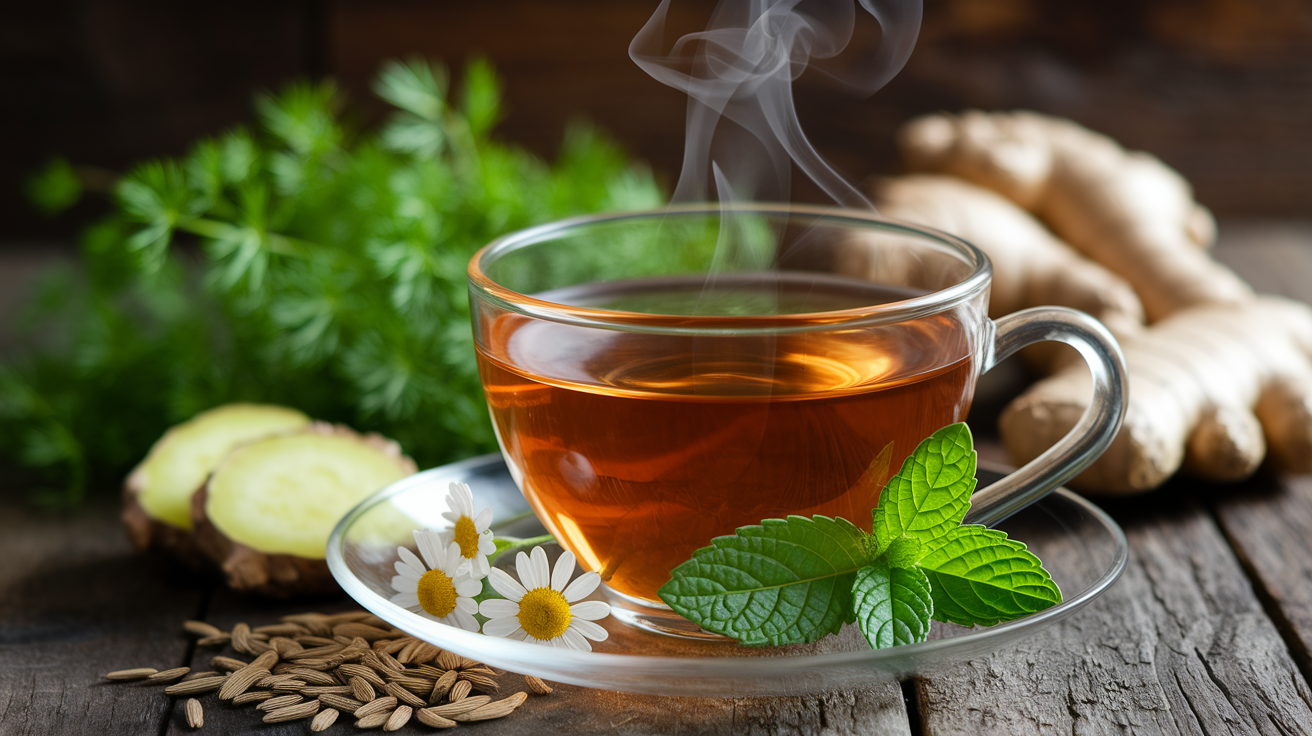
Herbal teas and warming digestive aids work by relaxing the smooth muscle tissue in your stomach and intestines. When these muscles are tense or cramping, they trap gas and slow the normal rhythmic contractions (peristalsis) that move food and air through your digestive tract. Peppermint contains menthol, which acts as a natural antispasmodic. It tells those muscles to loosen up. Ginger works by reducing inflammation in the gut lining and speeding up the emptying of your stomach, which means less time for fermentation and gas buildup.
Warmth from tea, heated water, or a compress increases blood flow to the abdominal area and tells your nervous system to downshift from a tense, clenched state into a more relaxed one. That shift allows trapped pockets of air to move along the natural path toward release.
Fennel seeds and chamomile act on both muscle relaxation and inflammation. Fennel contains anethole, a compound that reduces gut spasms and helps break up gas. Chamomile contains apigenin, which binds to receptors in your digestive tract that calm muscle contractions and reduce pain signals. Apple cider vinegar, when diluted in warm water, may stimulate stomach acid and enzyme production. This helps your body break down food more completely before it reaches the colon, where incomplete digestion leads to fermentation, gas, and that bloated, stretched feeling.
Fast Acting Positions, Movements, and Exercises for Gas Release

Light physical activity is one of the most reliable ways to unstick trapped gas. Movement stimulates the wavelike contractions in your intestines that push air forward. Certain yoga inspired positions create gentle pressure that helps gas pockets shift and exit. Walking, stretching, twisting your torso, and controlled breathing all promote faster gas passage and can bring noticeable relief within 10 to 60 minutes. If you’re dealing with a tight, swollen belly right now, try a short sequence of these movements rather than lying still and waiting.
Quick Movement Steps for Fast Relief
-
Take a 5 to 10 minute walk. Walk at a comfortable pace, letting your arms swing naturally. This gentle jostling stimulates your intestines and encourages gas to move downward.
-
Knees to chest position. Lie on your back on a comfortable surface. Draw one knee toward your chest, hold for 20 to 30 seconds, then switch legs. Repeat 3 to 4 times per side. This compresses your abdomen and shifts gas pockets.
-
Gentle abdominal massage. While lying on your back or sitting, use your fingertips to massage your belly in a clockwise circle (following the path of your colon). Apply light to moderate pressure for 2 to 3 minutes.
-
Seated torso twists. Sit upright in a chair, place your right hand on the outside of your left knee, and gently twist your torso to the left. Hold for 15 seconds, then switch sides. Repeat 3 to 4 times. This wringing motion helps release trapped air.
-
Deep breathing. Sit or lie down, place one hand on your belly, and take slow, deep breaths through your nose, letting your abdomen rise fully. Exhale slowly through your mouth. Repeat for 2 to 3 minutes. This activates your parasympathetic nervous system and relaxes stomach muscles.
Foods and Drinks That Reduce or Worsen Bloating Fast

Some foods and drinks introduce extra air into your system or ferment quickly in your gut, producing gas within 30 minutes to a few hours. Other foods and drinks soothe your digestive tract and help move things along more smoothly. Knowing which is which lets you make quick adjustments when bloating strikes or avoid it in the first place.
Carbonated beverages, sugar alcohols found in sugar free gum and diet products, cruciferous vegetables, and dairy (if you’re lactose intolerant) are the most common rapid triggers. High fat and high sodium foods slow digestion, giving gut bacteria more time to ferment carbohydrates and produce gas. Warm water, herbal teas, and foods like ginger and peppermint support smoother digestion and muscle relaxation.
| Food/Drink | Effect on Bloating |
|---|---|
| Peppermint tea | Relaxes stomach muscles, reduces gas and cramps |
| Ginger (fresh or tea) | Speeds stomach emptying, reduces inflammation and gas |
| Dairy products (milk, cheese, yogurt) | Triggers gas and bloating in people with lactose intolerance |
| Carbonated beverages (soda, seltzer) | Introduces extra gas directly into your digestive tract |
| Cruciferous vegetables (broccoli, cauliflower, Brussels sprouts) | High in fiber and raffinose, ferments quickly and produces gas |
| Artificial sweeteners (sorbitol, xylitol) | Poorly absorbed, ferment in the colon and create gas |
| Salty foods (chips, processed meals) | Causes water retention and slows digestion, worsens bloating |
| High fat foods (fried items, heavy sauces) | Slows stomach emptying, increases fermentation time and gas |
Quick Over the Counter Options for Gas and Bloating Relief
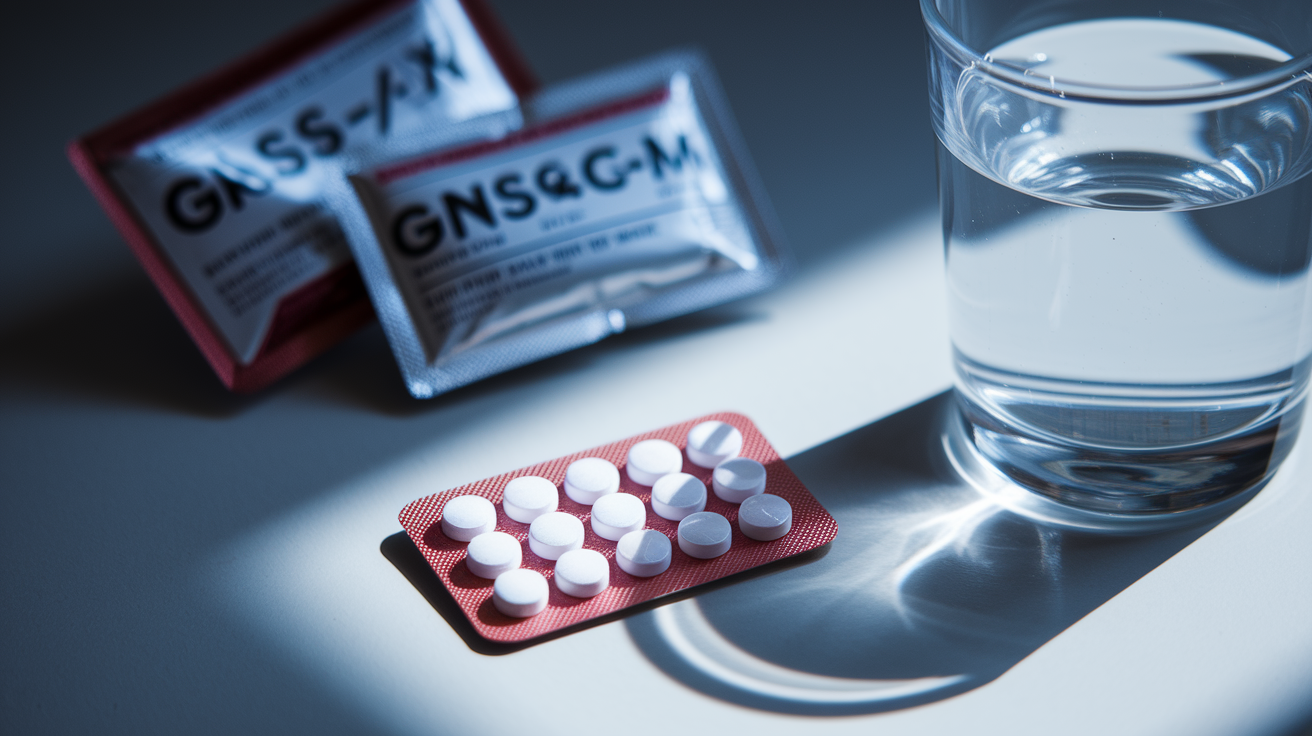
Over the counter medications can provide targeted relief depending on what’s driving your bloating. Simethicone (found in Gas-X and similar products) is an anti foaming agent that breaks large gas bubbles into smaller ones, making them easier to pass or absorb. It doesn’t prevent gas from forming, but it helps your body handle the gas that’s already there. Most people notice improvement within 30 minutes to an hour. Simethicone works best when bloating comes from swallowed air or digestive fermentation.
Antacids like Tums, Pepto Bismol, or Rolaids neutralize stomach acid and can ease bloating when acid reflux or indigestion is part of the picture. They’re less effective if your bloating stems from overeating, food intolerance, or gas produced lower in your intestines. Pepto Bismol also has a mild anti inflammatory effect on the stomach lining, which some people find soothing when bloating comes with nausea or mild cramping.
Digestive enzyme supplements and daily probiotics offer a different angle. Enzymes like lactase (for dairy) or alpha galactosidase (for beans and cruciferous vegetables) help break down specific carbohydrates before they ferment in your colon. Probiotics support a balanced gut microbiome over time, which may reduce the frequency and severity of bloating episodes. These work best as a prevention strategy rather than instant relief. Probiotics typically take a few days to a few weeks to show consistent benefit.
Why Bloating Happens: Common Fast Onset Triggers
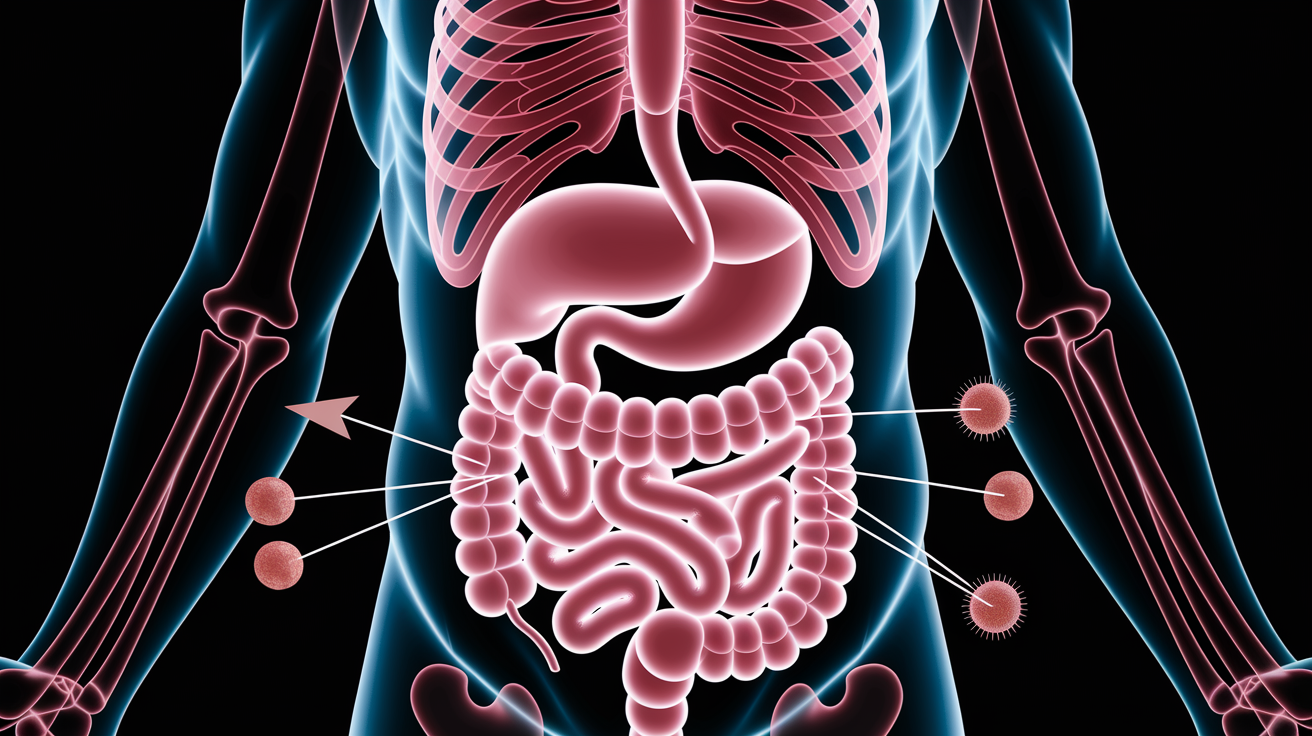
Bloating happens when extra air gets trapped in your digestive tract or when gas builds up from bacterial fermentation in your intestines. Between 10% and 25% of people experience occasional bloating, and the triggers are often tied to how and what you eat in the hours leading up to the discomfort. Eating too quickly forces you to swallow more air with each bite. That air has to go somewhere. It either comes back up as a burp or travels down into your intestines, where it contributes to that tight, swollen feeling. Chewing gum, drinking through a straw, smoking, and talking while eating all increase the amount of air you take in without realizing it.
Excess gas also forms when gut bacteria break down carbohydrates that your small intestine couldn’t fully digest. Foods high in certain fermentable carbohydrates, like beans, onions, garlic, apples, and dairy (if you’re lactose intolerant), reach your colon partially undigested and become fuel for bacteria. The bacteria produce hydrogen, methane, and carbon dioxide as byproducts. That gas stretches your intestines, creating pressure, visible swelling, and discomfort.
Constipation slows everything down, giving bacteria more time to ferment food and produce gas. Hormonal shifts, especially in the week before a period, can also slow digestion and increase water retention, making bloating more likely. Gut microbiome imbalance, where certain bacterial strains overgrow or beneficial strains are depleted, leads to more fermentation and more gas production even from foods that don’t usually bother you. Small intestinal bacterial overgrowth (SIBO), where bacteria that belong in the colon migrate up into the small intestine, can cause rapid, severe bloating within 30 minutes to 2 hours after eating.
Simple Eating and Lifestyle Habits That Prevent Rapid Bloating
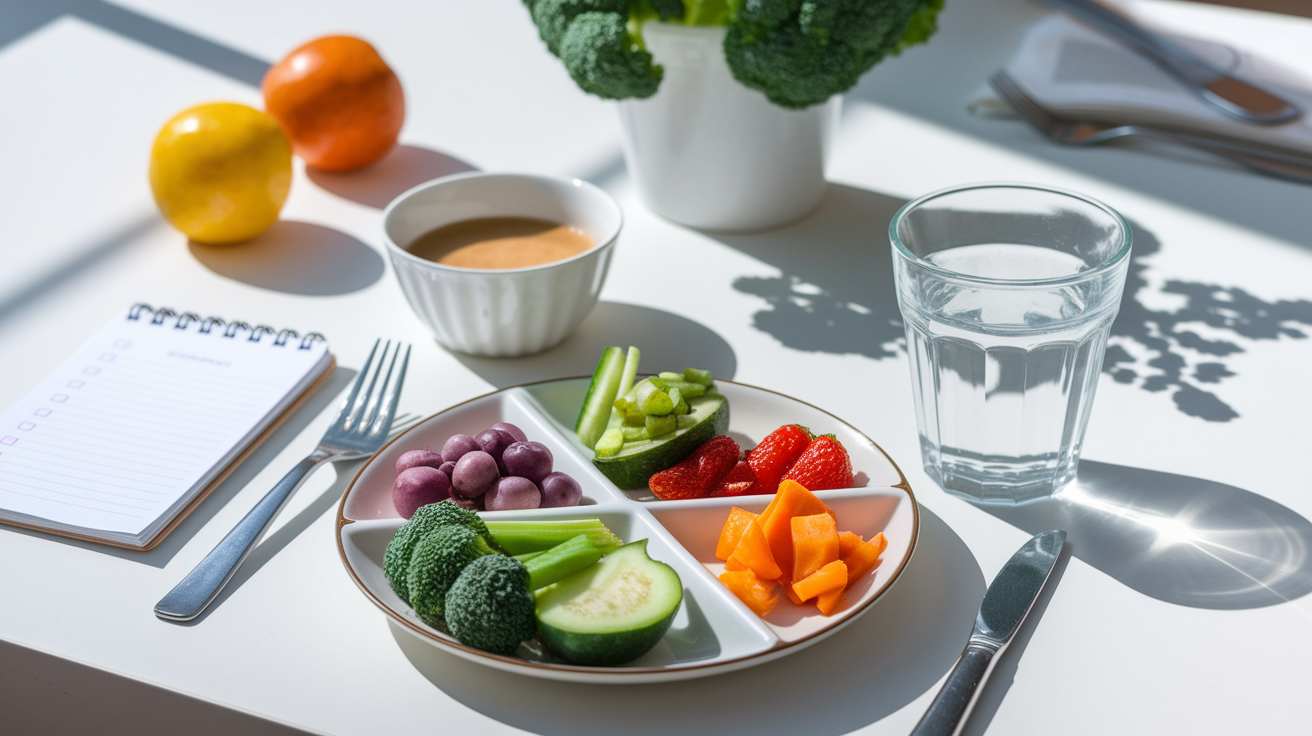
Eating smaller portions more frequently throughout the day (aim for 4 to 5 smaller meals instead of 2 to 3 large ones) reduces the volume of food your stomach has to process at once and lowers the chance of fermentation and gas buildup. Chew each bite thoroughly and eat slowly enough to notice when you’re comfortably full. Slowing down reduces the amount of air you swallow and gives your stomach time to signal your brain before you overeat.
Stay hydrated with plain water throughout the day. Water helps move food through your digestive tract and prevents constipation, which is a common contributor to bloating. High sodium and high fat foods slow digestion and cause your body to retain water, so reducing intake of salty snacks, fried foods, and heavy sauces can lower bloating frequency. Avoid carbonated drinks and sugar free products that contain sugar alcohols like sorbitol and xylitol. These are poorly absorbed and ferment quickly in your colon.
Quick prevention checklist:
- Eat 4 to 5 smaller meals instead of 2 to 3 large ones.
- Chew thoroughly and put your fork down between bites.
- Drink water steadily throughout the day, not all at once with meals.
- Limit salty, fried, and fatty foods that slow digestion.
- Skip carbonated beverages, sugar free gum, and artificial sweeteners.
When Fast Relief Isn’t Enough: Recognizing Chronic or Persistent Bloating

If bloating lasts for several weeks, happens multiple times per week, or doesn’t respond to the fast relief steps and dietary changes outlined here, it may signal an underlying condition that needs professional evaluation. Irritable bowel syndrome (IBS) is one of the most common causes of chronic bloating and often comes with constipation, diarrhea, or alternating between the two. Celiac disease, an immune reaction to gluten, can cause bloating along with diarrhea, fatigue, and weight loss. Small intestinal bacterial overgrowth (SIBO) leads to rapid, severe bloating after eating, along with cramping, gas, and sometimes diarrhea. Gastroesophageal reflux disease (GERD) can cause bloating when stomach acid backs up and irritates your esophagus and stomach lining.
Food intolerances like lactose intolerance or non celiac gluten sensitivity produce bloating because undigested sugars or proteins travel to your colon and ferment. A healthcare provider can help you identify these through elimination trials, breath tests, or bloodwork. If you notice bloating alongside unexplained weight loss, blood in your stool, persistent pain, or bloating that progressively worsens over weeks, seek medical evaluation. These patterns warrant testing to rule out inflammatory bowel disease, ovarian conditions, or other digestive disorders that need targeted treatment beyond at home remedies.
Final Words
You learned quick, practical options to ease bloating and gas: simple movements and positions, heat, fast OTC choices, and natural helpers like peppermint, ginger, and fennel.
Try one or two tactics right away — a short walk, a warm compress, or a soothing tea — and note which one helps and when.
With these low-risk steps you may be able to relieve bloating and gas fast. Track patterns so you know when to check in with a clinician. Small steps often bring real relief.
FAQ
Q: How do I get rid of bloating and gas asap?
A: Getting rid of bloating and gas asap means using quick, safe moves: sit upright, take slow deep breaths, walk 5–10 minutes, do gentle belly massage, sip warm peppermint or ginger tea, apply heat, or try simethicone.
Q: How to debloat your stomach in 2 hours?
A: Debloating your stomach in 2 hours often involves steady steps: walk briskly 20–30 minutes, use a warm compress, sip ginger or peppermint tea, consider simethicone or an antacid, and avoid heavy or gas-producing foods.
Comments are closed