
Got sudden, painful belly gas and need relief now?
This can feel scary and stop you mid-task, and you’re not imagining how urgent it feels.
Here you’ll find the fastest fixes first, things that often work in 5 to 20 minutes like simethicone, a short walk, a heat pad, peppermint tea, abdominal massage, or an OTC antacid, and gentle natural options if you prefer.
I’ll show what to try now, what to track for your doctor, and when to seek care.
Quick Relief for Gas and Bloating (Fastest Methods First)

When gas pain hits, you want relief right now. Most trapped gas eases up within a couple of hours, but waiting that long when you’re doubled over? That’s not happening. The good news: several methods can bring noticeable relief within 5 to 20 minutes. Start with the fastest option and work your way down if the first one doesn’t help.
Physical movement and certain OTC products work quickest because they either break up gas bubbles or physically move them through your system. Heat and herbal remedies take a bit longer, but they can stop cramping and relax your intestines so gas can pass more easily. If you’re at home, try combining a fast method with a gentle one. Like taking simethicone while you walk around the block.
Here are six fast options ranked by how quickly they typically work:
Simethicone (Gas-X, Mylanta Gas) – Works within 5 to 15 minutes by breaking up gas bubbles so they’re easier to pass. Take the dose on the package.
Peppermint tea – Can relax intestinal muscles within 10 to 20 minutes. Steep a tea bag in hot water for 5 minutes and sip slowly.
Heat pad on your abdomen – Reduces cramping within 10 to 15 minutes. Use a heating pad or hot water bottle on low heat directly over the painful area.
Walking or light movement – Gentle activity helps gas move through your intestines. Even 5 to 10 minutes of slow walking can shift trapped bubbles.
Abdominal massage – Use firm, circular strokes along your colon’s path (right side up, across, left side down). Massage for 2 to 3 minutes.
OTC antacids (Alka-Seltzer Anti-Gas) – Can relieve gas linked to acid buildup within 15 to 30 minutes. Follow label directions.
Over-the-Counter Options for Gas Relief

Simethicone is the most common and fastest OTC gas reliever. It works by reducing the surface tension of gas bubbles in your stomach and intestines, which lets smaller bubbles merge into larger ones that are easier to burp or pass. Brand names include Gas-X, Alka-Seltzer Anti-Gas, and Mylanta Gas. Simethicone typically starts working within 5 to 15 minutes and has very few side effects. You can take it as needed, but don’t exceed the daily max listed on the package.
Antacids like Tums or Rolaids help if your gas is linked to acid reflux or heartburn. They neutralize stomach acid, which can reduce bloating and pressure in your upper abdomen. Some antacid products also contain simethicone for dual relief. They usually work within 15 to 30 minutes. If you’re frequently reaching for antacids for gas, it’s worth checking in with a doctor about reflux.
Activated charcoal tablets are another OTC option, though the evidence is mixed. Some people report that charcoal traps gas molecules in the intestines and reduces bloating. Others notice little to no effect. Charcoal can also turn your tongue and stool black, and it might interfere with some medications. If you want to try it, take 500 to 1,000 mg with water at the first sign of gas. Skip it if you’re on prescription medication without asking your doctor first.
Natural and Herbal Remedies
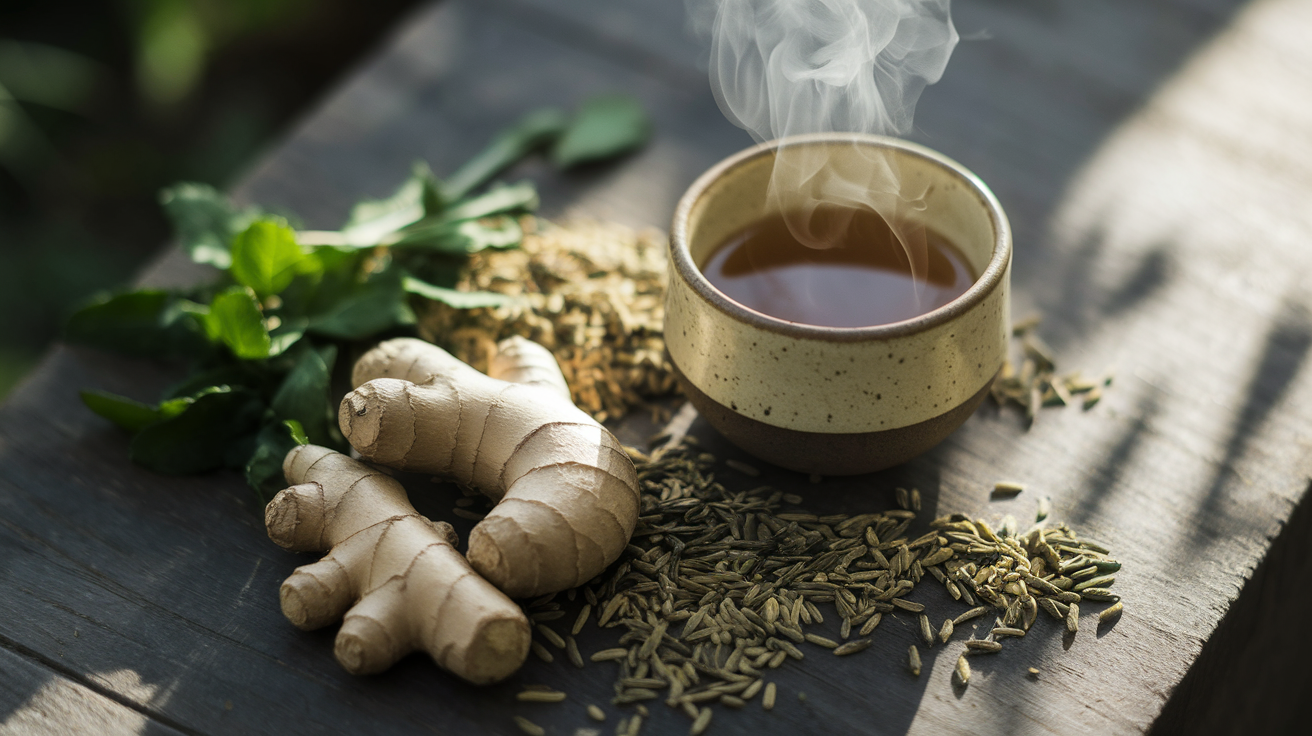
If you prefer natural options or want something gentle to sip, herbal teas and spices have been used for gas relief for centuries. Peppermint tea is one of the most effective. Peppermint contains menthol, which relaxes the smooth muscles in your intestines and can ease cramping and bloating within 10 to 20 minutes. Use a prepared peppermint tea bag or steep fresh leaves in hot water for 5 minutes. Avoid peppermint if you have acid reflux. It can relax the valve between your stomach and esophagus and make heartburn worse.
Ginger and fennel are also commonly used. Ginger speeds up gastric emptying, which means food and gas move out of your stomach faster. You can steep fresh ginger slices in hot water for 10 minutes or use ginger tea bags. Fennel seeds have a mild licorice flavor and are traditionally chewed after meals to prevent gas. You can also steep 1 teaspoon of crushed fennel seeds in a cup of boiling water for 10 minutes. A traditional Persian remedy combines 10 grams ground cumin, 10 grams ground fennel, and 5 grams ground anise steeped in 1 cup boiling water for 20 minutes. Strain and drink warm.
Other herbal options that might help:
Chamomile tea – Calms the digestive tract and reduces inflammation
Cumin water – Mix 1 teaspoon ground cumin into warm water and drink
Caraway seeds – Chew a small pinch or steep in tea
Anise tea – Relaxes intestinal muscles and eases cramping
Physical Techniques to Release Trapped Gas

Movement is one of the simplest and most reliable ways to shift trapped gas. Walking, even at a slow pace, encourages peristalsis (the wave-like muscle contractions that move food and gas through your intestines). You don’t need a long walk. Five to ten minutes around your home or block can be enough to get things moving. If walking feels too uncomfortable, try marching in place or doing gentle side-to-side stretches.
Abdominal massage works by physically encouraging gas to travel along your colon’s natural path. Lie on your back or sit comfortably. Use firm pressure with your fingertips or palm and move in a specific direction: start on your lower right side and stroke upward toward your ribs, then across your upper abdomen from right to left, then down your left side toward your hip. This traces the shape of your large intestine. Massage in slow circles for 2 to 3 minutes. Some people find it helpful to use the “I LOV U” pattern, tracing those letters on their abdomen to follow the bowel’s direction.
Effective Positions for Gas Release
Certain yoga poses and body positions can create gentle pressure that pushes gas out. The knees-to-chest pose is one of the most effective. Lie flat on your back, bend your knees, and hug them toward your chest. You can hold them with your hands or wrap your arms around your shins. Hold for 20 to 30 seconds, release, and repeat two or three times. Some people find it helps to gently rock side to side while holding the position.
Child’s pose is another option. Kneel on the floor, sit back on your heels, and fold forward so your chest rests on or near your thighs. Extend your arms in front of you or rest them alongside your body. This position compresses your abdomen gently and can help release gas within a few minutes. Hold for 30 seconds to 1 minute, then sit up slowly.
A spinal twist can also shift trapped gas. Lie on your back, bend your knees, and let them fall to one side while keeping your shoulders flat on the floor. Turn your head in the opposite direction. Hold for 20 to 30 seconds, then switch sides. The twisting motion can help move gas through different sections of your intestines.
Dietary Triggers and Prevention Strategies
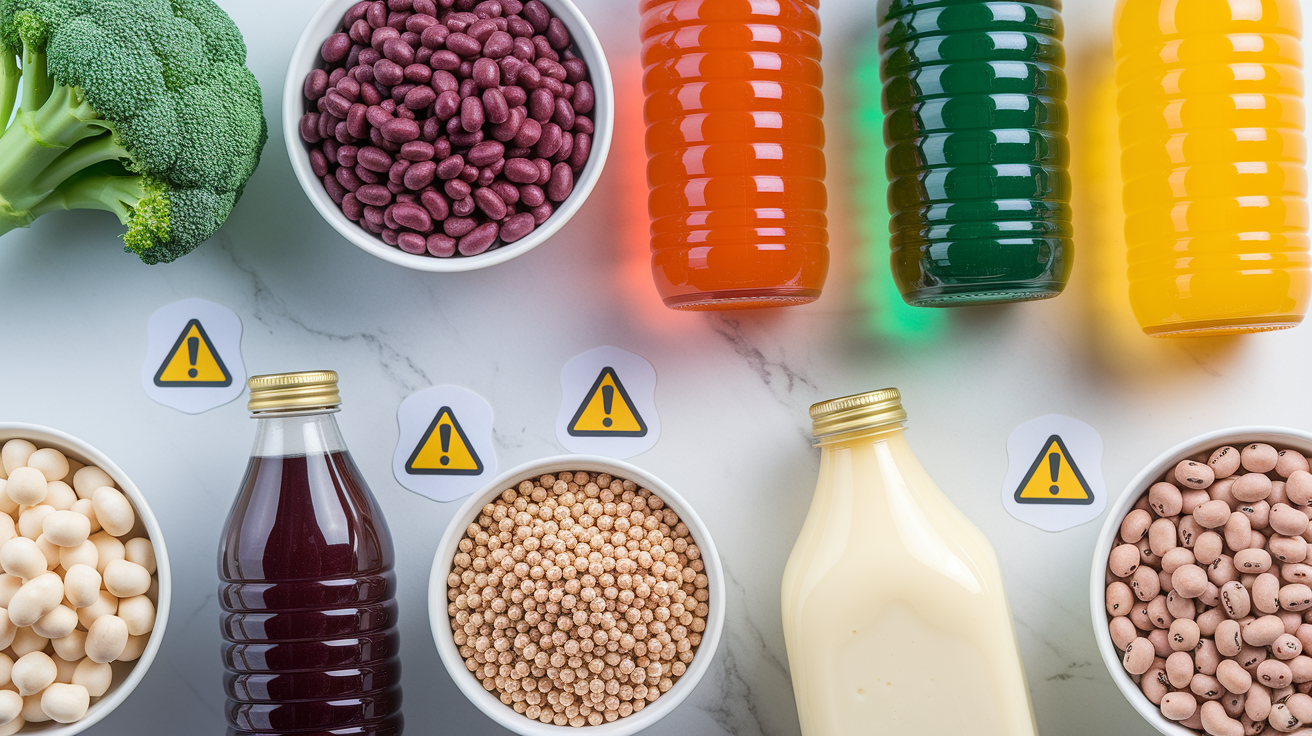
Most gas comes from swallowing air or from foods that your intestines can’t fully break down. Certain carbohydrates (especially ones called FODMAPs) ferment in your colon and produce gas as a byproduct. Beans, lentils, broccoli, cabbage, onions, and garlic are common offenders. Carbonated drinks add gas directly to your stomach. Drinking through a straw or chewing gum increases how much air you swallow.
If you deal with frequent gas, start keeping a simple food diary. Write down what you eat and when symptoms show up. After a week or two, patterns usually become clear. You might notice that gas always follows dairy (possible lactose intolerance), beans, or a big salad with raw vegetables. Once you identify a trigger, try eliminating it for a few days and see if symptoms improve. You don’t have to avoid these foods forever. Sometimes cooking them differently (like soaking beans overnight) or eating smaller portions makes a difference.
Prevention is easier than treatment. Eat slowly and chew thoroughly so you swallow less air. Avoid carbonated beverages, especially if you’re prone to bloating. Drink liquids at room temperature rather than ice-cold or very hot. If you wear dentures, have them checked by your dentist. Poorly fitting dentures can cause you to swallow extra air while eating. Regular physical activity, even a short daily walk, keeps your digestive system moving and reduces the chance of trapped gas.
| Food or Trigger | Why It Causes Gas | Suggested Alternative |
|---|---|---|
| Beans and lentils | Contain oligosaccharides that ferment in the colon | Soak dried beans overnight, rinse well, or try canned beans (rinse thoroughly); use Beano enzyme before eating |
| Broccoli, cabbage, Brussels sprouts | High in fiber and sulfur compounds that produce gas during digestion | Cook thoroughly to break down fibers; try zucchini, carrots, or spinach instead |
| Carbonated drinks (soda, sparkling water) | Add CO₂ gas directly to your stomach | Still water, herbal tea, or flat beverages |
| Dairy products (milk, ice cream, soft cheese) | Lactose can’t be digested if you lack enough lactase enzyme | Lactose-free milk, hard cheeses (lower lactose), or plant-based alternatives; take lactase enzyme (Lactaid, Digest Dairy Plus) before eating |
| Artificial sweeteners (sorbitol, mannitol, xylitol) | Sugar alcohols are poorly absorbed and ferment in the intestines | Small amounts of regular sugar, stevia, or monk fruit sweetener |
When Gas Symptoms Require Medical Attention

Occasional gas and bloating are normal. But if you’re dealing with it multiple times a week, if it’s getting worse, or if it’s paired with other symptoms, it’s time to check in with a doctor. Persistent gas can be a sign of irritable bowel syndrome (IBS), small intestinal bacterial overgrowth (SIBO), lactose or fructose intolerance, celiac disease, or even a partial bowel obstruction. These conditions are manageable once diagnosed, but they won’t improve on their own.
Some symptoms are red flags that need prompt medical evaluation. If trapped gas is severe and doesn’t ease within a couple of hours, or if you notice any of the warning signs below, don’t wait. Sharp pain on the left side can sometimes radiate to your chest and mimic a heart attack. Pain on the right side can feel like appendicitis or gallbladder trouble. It’s always safer to get checked.
See a doctor right away if you have:
Fever above 100.4°F (38°C) along with abdominal pain or bloating
Persistent nausea or vomiting that won’t stop
Blood in your stool or black, tarry stools
Unintentional weight loss over the past few weeks or months
Severe abdominal pain that doesn’t improve with movement, heat, or OTC remedies
Final Words
Reach for fast fixes first: simethicone, peppermint tea, a warm heat pad, a short walk, gentle abdominal massage, or an antacid—these often give quick relief and calm discomfort.
We also covered OTC choices and how they work, herbal supports like ginger and fennel, simple yoga poses to move gas, and diet tips to prevent repeat episodes.
If symptoms are severe or don’t improve, check in with a clinician. For everyday use, these stomach gas relief steps and small habit changes often help. You’re taking sensible steps that add up.
FAQ
Q: How do you flush gas out of your stomach?
A: Flushing gas out of your stomach means helping trapped air move through your gut; try simethicone, peppermint tea, a short walk, warm heat pad or gentle belly massage, and avoid carbonated drinks.
Q: How do you trigger gas release?
A: Triggering gas release uses movement and positions to move air: try knees‑to‑chest, child’s pose, gentle spinal twists, slow deep breaths, walking, or a warm abdominal massage to help gas pass.
Q: How to clear a gas blockage?
A: Clearing a gas blockage starts with simethicone, walking, warm compresses and abdominal massage; if pain is severe, lasts for hours, or you have vomiting, fever, bloody stool, or can’t pass stool, seek urgent medical care.
Comments are closed