
What if most gas pain eases in minutes with simple moves you can try right now?
Gas happens when air gets stuck in your belly or when leftover food is broken down by gut bacteria, creating pockets of pressure that cause sharp cramps, bloating, or a tight, uncomfortable feeling.
Read on for fast, low-risk steps you can try now, including walking, positions, heat, teas, and simethicone, plus what to track for your clinician and which warning signs need prompt care.
Fast-Acting Gas Pain Relief Methods You Can Try Immediately
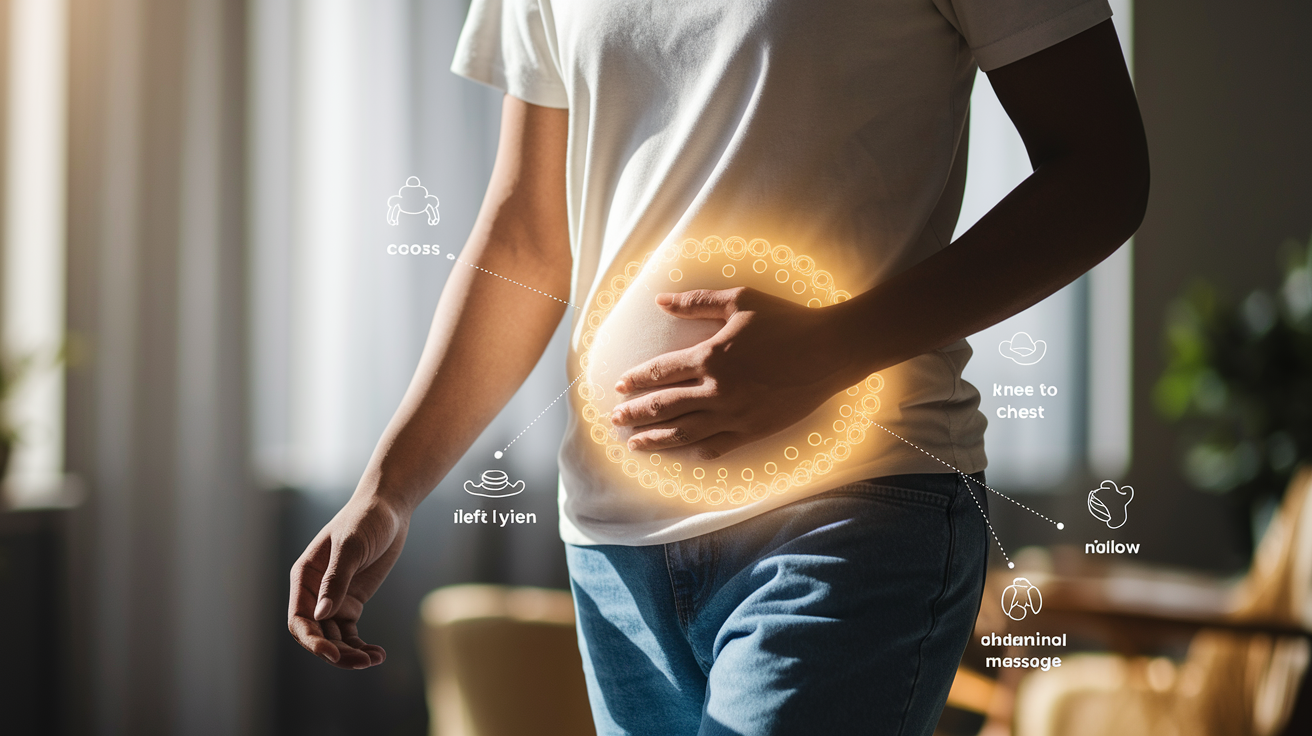
Gas pain shows up when air gets stuck in your digestive tract or when bacteria in your colon break down undigested carbs from your last meal. Either way, you end up with pockets of pressure that stretch your intestines and stomach, causing sharp cramps, bloating, or that tight, uncomfortable feeling across your belly.
Physical movement and position changes work because they help shift gas bubbles through your intestines toward an exit. Walking gets the muscles lining your gut moving (that’s peristalsis), gently pushing trapped air along. Lying on your left side? That’s using your colon’s anatomy to your advantage. Gas often moves more easily when gravity and your body’s natural curves work together. Heat relaxes cramped abdominal muscles and boosts blood flow, which can ease the tension making gas pain worse.
Most people get some relief within 15 to 60 minutes. Simethicone products can work faster, sometimes within minutes, because they break up large gas bubbles into smaller ones that are easier to pass. Movement tends to kick in after 10 to 20 minutes. Heat and massage typically need 15 to 20 minutes to take effect.
- Walk at a comfortable pace for 10 to 20 minutes to encourage gas to move through your digestive tract.
- Lie on your left side for 10 to 15 minutes. This position helps gas travel through the shape of your colon toward the exit.
- Pull one or both knees to your chest while lying on your back and hold for 30 to 60 seconds. Repeat 2 to 3 times to compress and release trapped gas.
- Try Child’s Pose (kneeling with your forehead to the floor and arms extended) for 30 to 90 seconds to gently compress your abdomen.
- Massage your belly in slow clockwise circles for 2 to 3 minutes, starting at your lower right abdomen and moving up, across, and down. This follows the path of your colon.
- Apply a heating pad or warm water bottle to your abdomen for 15 to 20 minutes to relax muscles and reduce cramping.
Herbal and Home Gas Pain Remedies for Soothing Digestive Discomfort
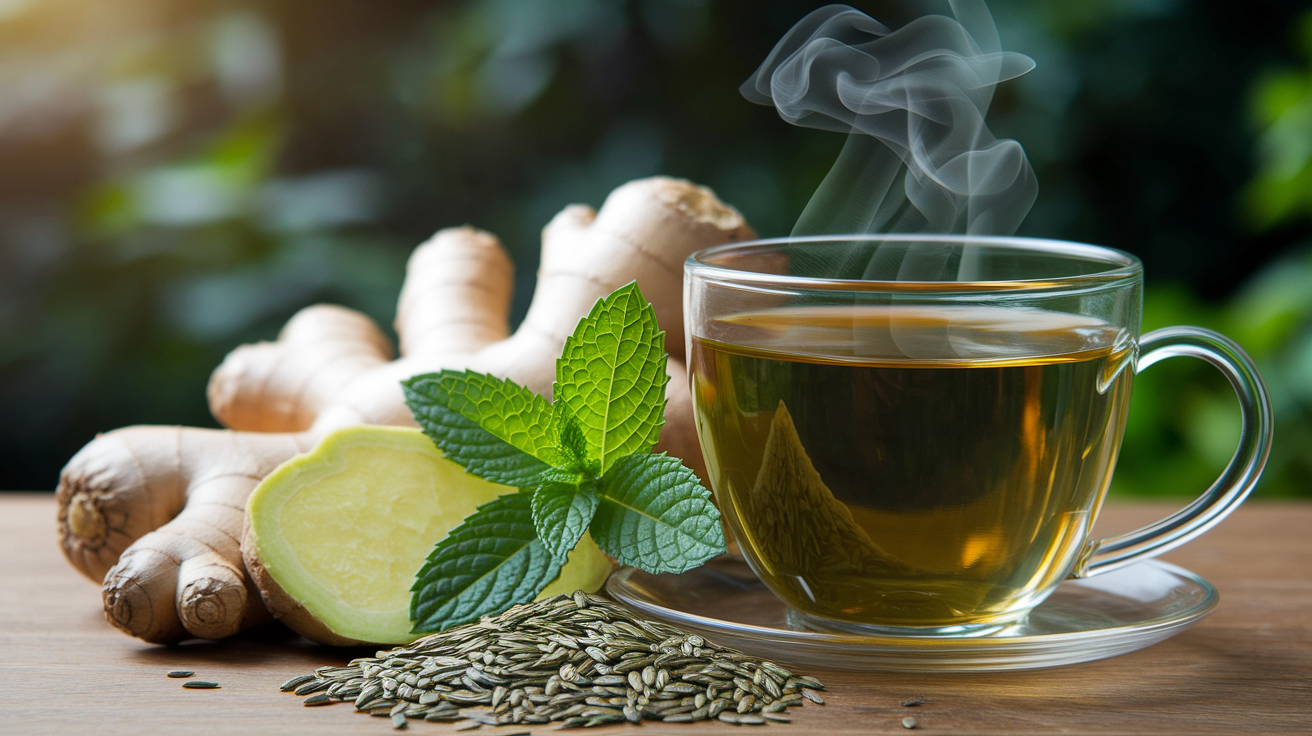
Herbal teas and natural remedies have been used for generations to calm gas and bloating. Many people find real relief within 20 to 60 minutes. Peppermint, ginger, and fennel each work differently. Peppermint relaxes the smooth muscles in your intestines. Ginger speeds up stomach emptying and reduces nausea. Fennel has mild anti-spasmodic effects that can ease cramping and help gas pass more comfortably.
Safety matters with herbal remedies. Peppermint tea or oil can make acid reflux worse for some people, so skip it if you have frequent heartburn or GERD. Activated charcoal can bind to medications and reduce their effectiveness. Always take charcoal at least 2 hours away from any prescription or over-the-counter drugs. If you’re pregnant, breastfeeding, or managing a chronic condition, check with your clinician before starting any new herbal supplement.
| Remedy | Typical Dose | Timing of Relief |
|---|---|---|
| Peppermint tea | 1 tea bag or 1 tsp dried leaves steeped 5 to 10 minutes; 1 to 3 cups/day | 15 to 60 minutes |
| Ginger tea or fresh ginger | 1 to 2 grams fresh or powdered per cup; 1 to 3 times/day | 20 to 60 minutes |
| Fennel seeds | 1 tsp chewed or steeped in 1 cup hot water for 5 to 10 minutes; 1 to 2 cups/day | 20 to 60 minutes |
- Peppermint tea – Steep 1 tea bag or 1 teaspoon of dried peppermint leaves in 8 ounces of hot water for 5 to 10 minutes. Sip slowly up to three times a day. Avoid if you have acid reflux.
- Ginger – Use about 1 inch of fresh ginger root or 1 teaspoon of powdered ginger per cup of tea. You can also chew 1 to 2 grams of fresh ginger or take ginger capsules (250 to 500 mg, 2 to 3 times daily). Ginger helps with motility and reduces nausea-related bloating.
- Fennel seeds – Chew 1 teaspoon of seeds after meals or steep them in 1 cup of hot water for 5 to 10 minutes. Fennel has a mild licorice flavor and can ease cramping.
- Activated charcoal – Common tablet sizes are 250 to 520 mg. Follow the product label for dosing. Charcoal can reduce gas but may interfere with medication absorption. Always space it at least 2 hours away from other pills.
Gas Pain Remedies Using Over-the-Counter Medications and Supplements
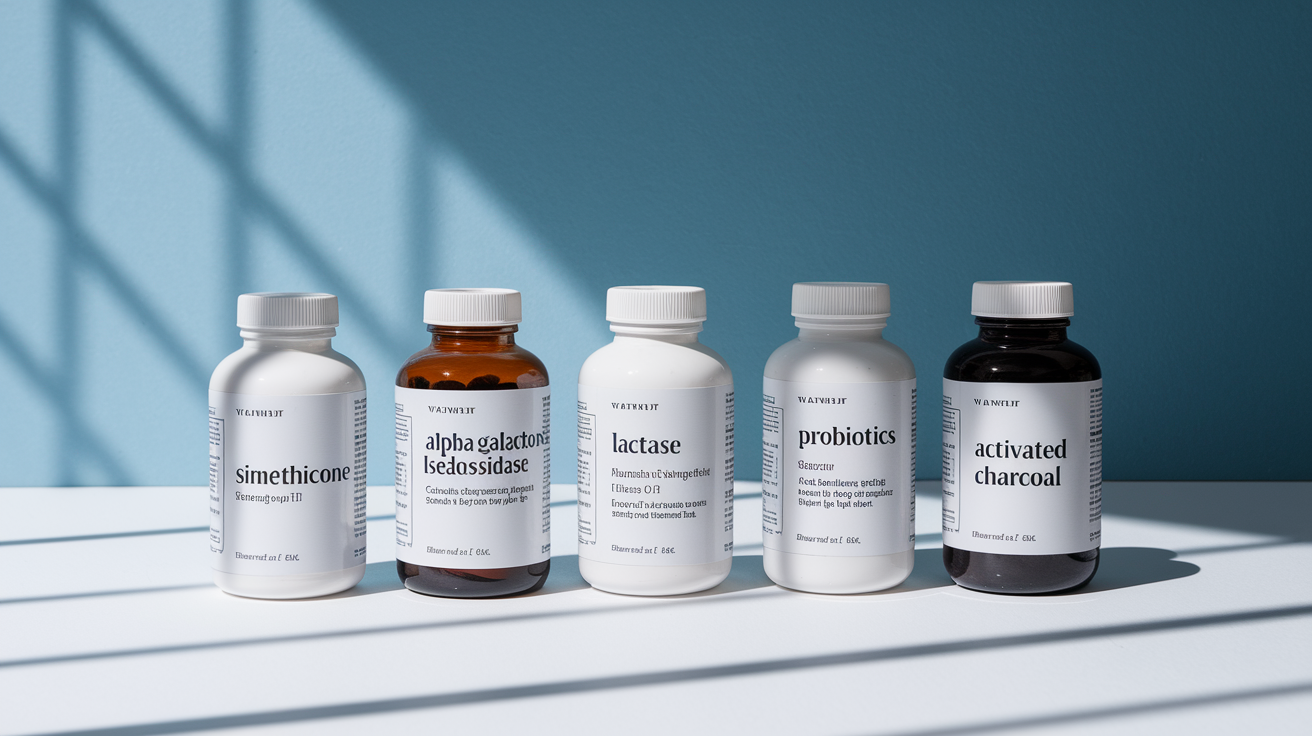
Over-the-counter gas remedies work by different mechanisms, so matching the right product to your symptoms makes a big difference. Simethicone breaks up large gas bubbles into smaller ones that are easier to burp or pass, which is why it often provides relief within minutes. Digestive enzymes like alpha-galactosidase and lactase target specific foods. Beans and cruciferous vegetables for alpha-galactosidase. Dairy for lactase. They only help if you take them right when you eat the trigger food. Probiotics work more slowly, rebuilding the balance of gut bacteria over weeks rather than hours.
Cost and availability matter when you’re building a home remedy kit. Simethicone products typically run $5 to $15 per bottle and are widely available at drugstores and grocery stores. Digestive enzyme supplements (like Beano or lactase tablets) usually cost $8 to $15 depending on the brand and tablet count. Probiotics vary widely, from $10 to $50, based on the number of live organisms (CFU count) and formulation. Activated charcoal is often $10 to $20 per bottle. Always read labels for dosing instructions and check the expiration date.
Bismuth subsalicylate (found in products like Pepto-Bismol) can reduce the odor of gas and provide some relief from discomfort, but it’s not a first-line gas remedy. It’s more useful when gas comes with mild diarrhea or nausea. Antacids that contain simethicone can help with upper abdominal bloating related to reflux, but they won’t address gas lower in your intestines.
- Simethicone (40 to 125 mg chewable) – Take after meals and at bedtime as needed. Relief often begins within minutes. Follow the product label. Many allow up to four doses per day.
- Alpha-galactosidase enzyme – Take 1 tablet with the first bite of gas-producing foods like beans, lentils, broccoli, or cabbage. It works during that meal by breaking down complex carbs your body can’t digest on its own.
- Lactase enzyme – Use 1 to 2 tablets or drops with your first bite or sip of dairy if you’re lactose intolerant. Dosing varies by product, so follow the label instructions.
- Probiotics – Look for strains like Bifidobacterium or Lactobacillus. Typical dosing is 1 to 10 billion CFU per day. You’ll need to take them consistently for 4 to 12 weeks to see whether they help reduce chronic bloating or gas.
- Activated charcoal – Common doses are 500 to 1,000 mg after meals. Evidence is mixed, and charcoal binds to medications. Space it at least 2 hours away from any other pills you take.
Typical Dosing and Safety Considerations
Simethicone is generally safe and works fast because it doesn’t get absorbed into your bloodstream. It just acts mechanically on gas bubbles. You can take it as needed, but don’t exceed the maximum daily dose listed on the package (often 500 mg per day for adults). Digestive enzymes are also low-risk when used as directed, but they only work if you take them with the problem food. Taking lactase an hour after drinking milk won’t help.
Probiotics require patience. Most studies suggest trying a specific strain for at least 4 weeks before deciding if it’s helpful. Start with a lower CFU count (1 to 5 billion) if you’re new to probiotics, then increase gradually to avoid temporary bloating. If you’re on prescription medications, have a weakened immune system, or are pregnant, check with your clinician before starting probiotics or herbal supplements. Activated charcoal should be a last-resort option because of its interaction risks. Never take it within 2 hours of any medication, including birth control, antibiotics, or heart medications.
Gas Pain Prevention Strategies Through Diet and Eating Habits
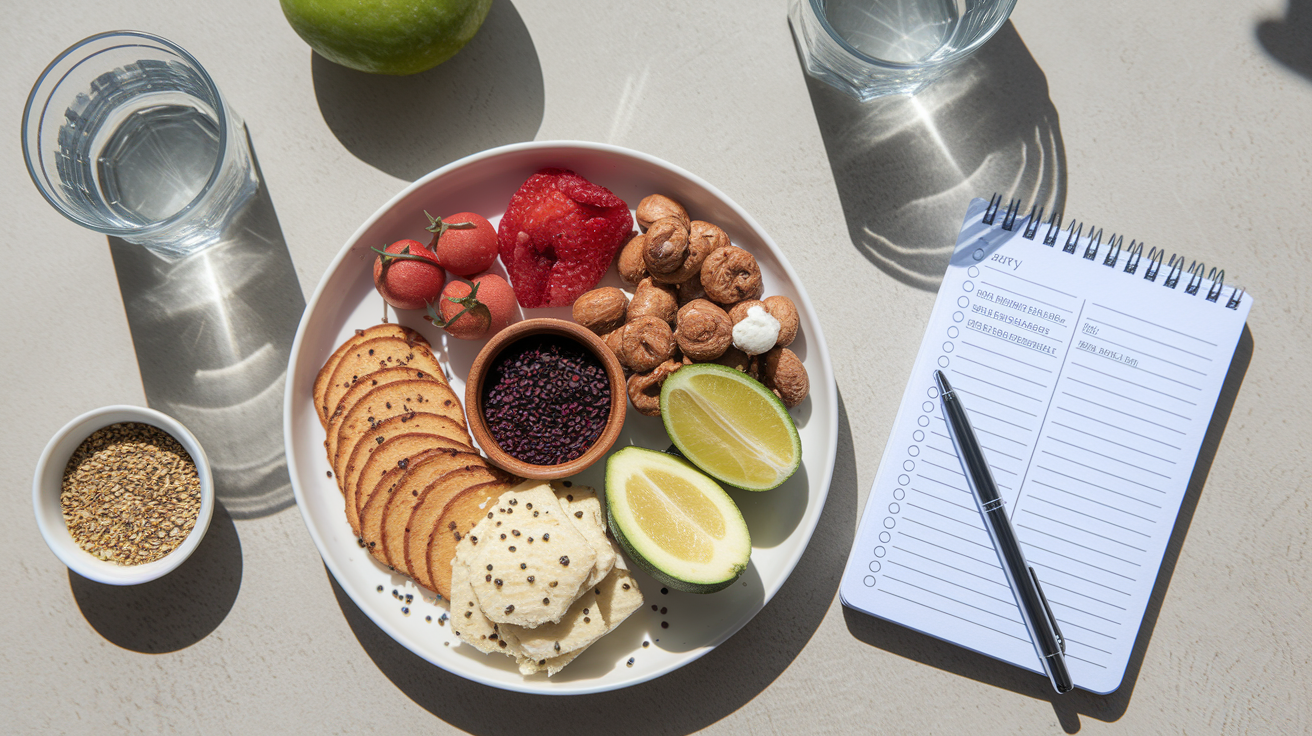
What you eat and how you eat it directly affects how much gas your body produces. High-FODMAP foods contain carbohydrates that your small intestine struggles to break down. We’re talking beans, lentils, onions, garlic, broccoli, cabbage, apples, pears, wheat products, and milk for those who are lactose intolerant. When these carbs reach your colon, bacteria ferment them and create gas as a byproduct. Carbonated drinks add swallowed air on top of that. Artificial sweeteners like sorbitol and xylitol can trigger both gas and diarrhea.
Eating habits matter as much as food choices. When you eat quickly or talk while chewing, you swallow more air, which travels down into your stomach and intestines. Chewing your food thoroughly (aim for 20 to 30 chews per bite) breaks it down into smaller pieces that are easier to digest, which reduces the workload on your gut. Eating 4 to 6 smaller meals instead of 2 large ones keeps your digestive system from getting overwhelmed and producing excess gas in response.
A low-FODMAP elimination trial is one of the most effective ways to identify your personal triggers. You remove high-FODMAP foods for 2 to 6 weeks, then reintroduce them one at a time to see which ones cause symptoms. It takes discipline and planning. But many people find clear patterns that let them eat more comfortably long-term. Keeping a food-and-symptom diary for 2 weeks can reveal patterns even faster. Write down what you ate, portion sizes, and your gas or bloating symptoms on a 0 to 10 scale.
- Limit or avoid common gas triggers like beans, lentils, broccoli, cabbage, onions, garlic, apples, pears, dairy (if lactose intolerant), carbonated drinks, and sugar alcohols found in sugar-free gum and candy.
- Increase fiber gradually if you’re adding more whole grains or vegetables to your diet. Aim for about 5 grams more per week to give your gut time to adjust without triggering excess gas.
- Chew thoroughly and eat slowly. Take 20 to 30 minutes to finish a meal, chew each bite 20 to 30 times, and pause between forkfuls to reduce swallowed air.
- Drink water between bites instead of during bites, and limit yourself to about 1 cup of liquid during meals to avoid diluting digestive enzymes and filling your stomach with extra air.
- Try a structured low-FODMAP elimination for 2 to 6 weeks and then reintroduce foods one at a time to pinpoint which ones trigger your symptoms.
Lifestyle Gas Pain Remedies: Movement, Posture, and Stress Reduction

Regular physical activity improves gut motility, which means your intestines move food and gas along more efficiently. A 10 to 15-minute walk after meals can make a noticeable difference in how quickly bloating resolves. You don’t need intense exercise. Gentle movement is enough to stimulate peristalsis and shift trapped gas pockets toward an exit.
Stress has a direct impact on your digestive system. When you’re anxious or tense, you tend to swallow more air, breathe shallowly, and hold tension in your abdominal muscles. All of which can worsen gas pain. Stress also affects gut motility and can trigger or worsen conditions like IBS, which often includes gas and bloating. Breathing exercises, short meditation sessions, or even stepping away from your desk for a few minutes can calm your nervous system and reduce the physical tension that makes gas more painful.
Three Most Effective Yoga Poses for Gas Relief
Child’s Pose – Kneel on the floor, sit back on your heels, and fold forward with your arms extended in front of you and your forehead resting on the ground. Hold for 30 to 90 seconds. This gentle compression on your abdomen helps move gas through your intestines.
Knees-to-Chest Pose – Lie on your back and pull one or both knees toward your chest, wrapping your arms around your shins. Hold for 30 to 60 seconds, then release and repeat 2 to 3 times. This position compresses your colon and can help release trapped gas.
Bicycle Legs – Lie on your back and slowly pedal your legs in the air as if riding a bicycle. Continue for 30 to 90 seconds, rest, and repeat 2 to 4 times. The movement massages your intestines from the inside and encourages gas to move along.
Understanding Why Gas Pain Happens in the First Place
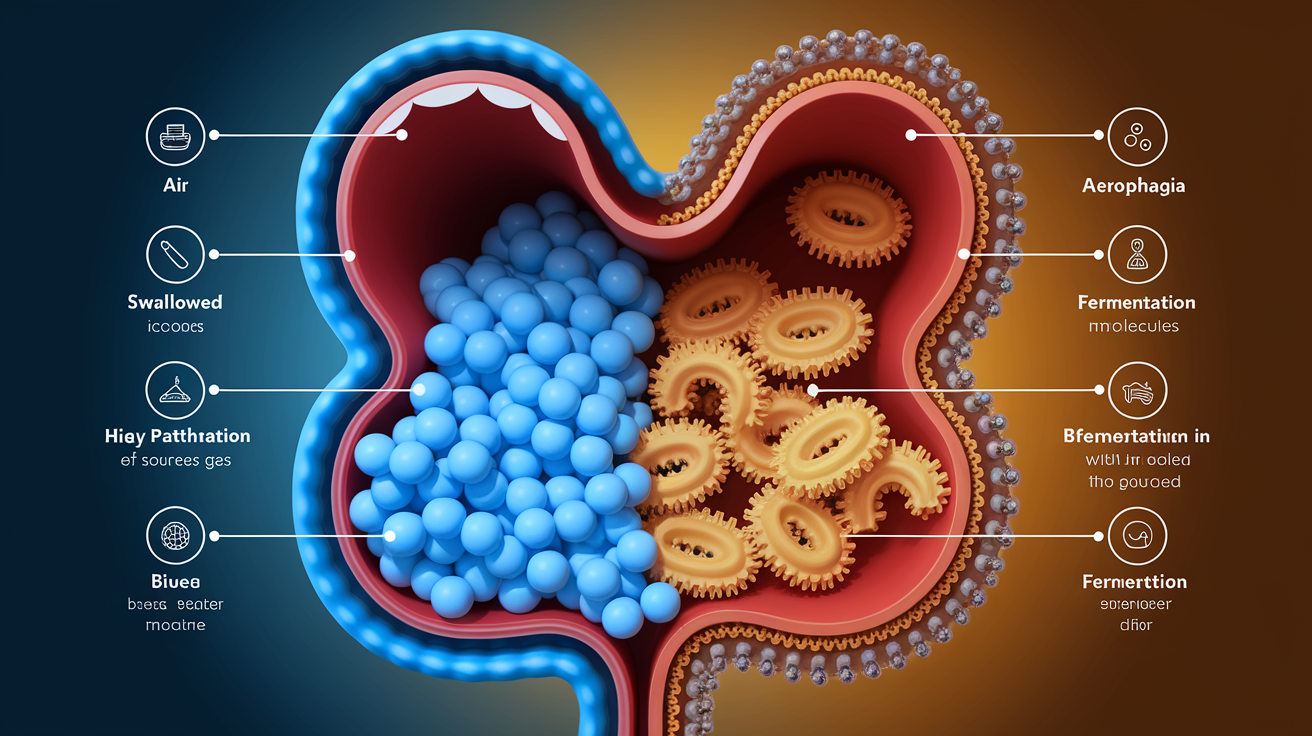
Gas pain comes from two main sources: swallowed air and bacterial fermentation. Every time you eat, drink, talk, or chew gum, you swallow small amounts of air. Most of that air comes back up as burps, but some travels into your intestines. Carbonated drinks, drinking through straws, and eating quickly all increase the amount of air you swallow. The second source is fermentation. When undigested carbohydrates reach your colon, bacteria break them down and produce hydrogen, methane, and carbon dioxide as byproducts.
The timing of gas symptoms gives you clues about the cause. Gas from swallowed air can appear almost immediately, especially if you gulp a carbonated drink or eat too fast. Gas from fermentation typically shows up 30 minutes to several hours after a meal, depending on how quickly food moves through your digestive system and which foods you ate.
Medical conditions can also contribute to gas pain. Irritable bowel syndrome (IBS) changes gut motility and increases sensitivity to normal amounts of gas, making you feel more bloated than someone without IBS. Gastroesophageal reflux disease (GERD) can cause upper abdominal bloating and discomfort that feels like gas. Constipation slows everything down, allowing more fermentation time and gas buildup. Small intestinal bacterial overgrowth (SIBO) means bacteria are fermenting food too early in the digestive process, leading to excessive gas and bloating. Celiac disease damages the lining of your small intestine, reducing your ability to digest certain carbohydrates and increasing gas production.
| Cause | Mechanism | Typical Onset |
|---|---|---|
| Swallowed air (aerophagia) | Air enters stomach and intestines during eating, drinking, talking, or chewing gum; carbonated drinks add extra gas | Immediate to 30 minutes |
| Bacterial fermentation | Colon bacteria ferment undigested carbs (beans, onions, lactose, high-FODMAP foods) and produce hydrogen, methane, CO₂ | 30 minutes to several hours after eating |
| Underlying conditions (IBS, SIBO, GERD, constipation, celiac) | Altered motility, increased sensitivity, early fermentation, or impaired digestion increase gas production or discomfort | Variable; often chronic or recurring pattern |
When Gas Pain Means You Should See a Doctor
Most gas pain is harmless and goes away on its own or with simple home remedies. But some symptoms are red flags that need medical evaluation. Severe, sudden abdominal pain that lasts more than 1 to 2 hours, especially if it’s sharp, stabbing, or getting worse, can signal something more serious than ordinary gas. Think appendicitis, a bowel obstruction, or an ovarian cyst.
Fever combined with abdominal pain is another clear signal to seek care. A temperature above 101°F (38.3°C) alongside gas pain, bloating, or cramping suggests infection or inflammation that won’t resolve with over-the-counter remedies. Persistent vomiting for more than 24 hours, diarrhea lasting longer than 48 hours, blood in your stool, black or tarry stools, or signs of dehydration (dizziness, very dry mouth, decreased urination) all require prompt medical attention. Unintentional weight loss or symptoms that persist for more than 2 weeks despite home care are reasons to schedule an appointment with your primary care provider to rule out conditions like celiac disease, inflammatory bowel disease, or SIBO.
- Severe or sudden abdominal pain lasting more than 1 to 2 hours, especially if sharp, worsening, or located in a specific spot rather than diffuse.
- Fever above 101°F (38.3°C) with abdominal pain or bloating.
- Persistent vomiting for more than 24 hours or inability to keep fluids down.
- Diarrhea lasting longer than 48 hours, especially if accompanied by dehydration signs like dizziness, extreme thirst, or very dark urine.
- Blood in your stool (bright red or dark) or black, tarry stools, which can indicate bleeding in your digestive tract.
- Unintentional weight loss of more than 10 pounds (4.5 kg) over a few months, or symptoms that continue for more than 2 weeks despite trying home remedies.
- New symptoms during pregnancy or significant changes if you have a known gastrointestinal condition like Crohn’s disease or ulcerative colitis. Seek prompt evaluation.
Step-by-Step Gas Pain Relief Plan to Use in the First 2 Hours
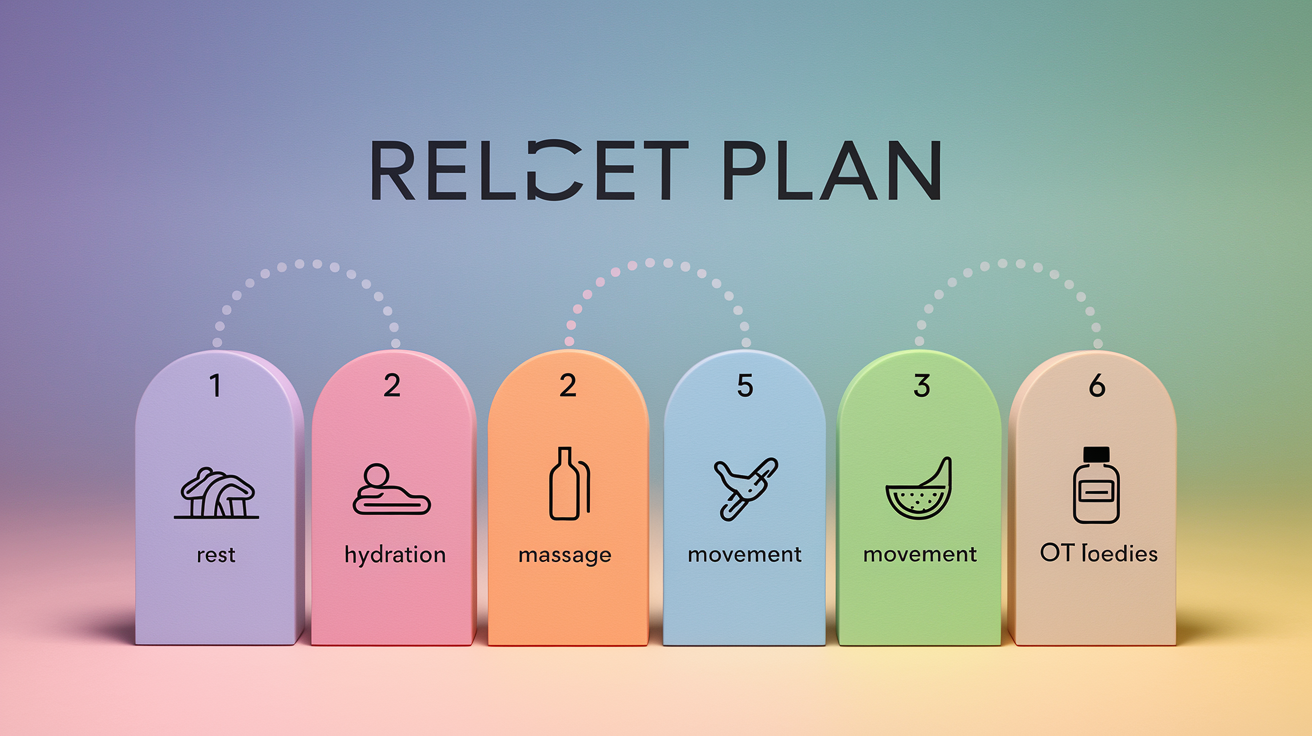
When gas pain hits, having a clear plan helps you stay calm and methodical instead of panicking or trying everything at once. This step-by-step timeline gives you a framework to follow, starting with the gentlest interventions and progressing to over-the-counter options if you need them.
-
First 10 minutes – Stop eating, sit upright, and take slow, deep breaths through your nose. Sip 8 ounces of warm water or start steeping a cup of peppermint or ginger tea. Use your fingertips to massage your abdomen in slow clockwise circles for 1 to 2 minutes, starting at your lower right side and moving up, across, and down.
-
10 to 30 minutes – Walk at a comfortable pace for 10 to 20 minutes, indoors or outdoors. If walking isn’t possible, try lying on your left side for 10 to 15 minutes or doing 2 to 3 cycles of knee-to-chest holds (30 to 60 seconds each) or bicycle legs (30 to 90 seconds).
-
30 to 60 minutes – Apply a heating pad or warm water bottle to your abdomen and leave it in place for 15 to 20 minutes. Sip your herbal tea slowly. If you haven’t tried abdominal massage yet, do it now for 2 to 3 minutes.
-
60 to 90 minutes – If discomfort continues and you have simethicone (like Gas-X) or a digestive enzyme on hand, take it according to the product label. Typically 40 to 125 mg chewable for simethicone, or 1 tablet of alpha-galactosidase or lactase if you suspect a food trigger.
-
90 to 120 minutes – Repeat gentle movement or yoga poses. Track what you ate in the past 4 hours, portion sizes, and your symptom intensity on a 0 to 10 scale. Note any patterns, like whether the pain started after dairy, beans, or a big meal.
-
After 2 hours – If pain persists or worsens, or if you notice any red-flag symptoms (fever, vomiting, severe pain, blood in stool), contact your healthcare provider or seek urgent care. If symptoms are improving but not fully gone, continue with gentle activity, hydration, and heat as needed.
Final Words
If the pressure’s on now, try quick moves: sip warm water or tea, walk 10–20 minutes, lie on your left side, or do a knee‑to‑chest and gentle belly massage. Heat for 15–20 minutes can help.
This post also covered herbal and OTC options, diet and eating habits, movement and stress strategies, why gas happens, red flags, and a step‑by‑step 2‑hour plan.
Use these gas pain remedies and note timing and triggers. Most people get better with simple steps. If pain is severe, lasts, or you have warning signs, seek care. You’ve got practical options to try.
FAQ
Q: How do I get immediate relief from gas?
A: Immediate relief from gas often comes from moving (a 10–20 minute walk), lying on your left side, knee-to-chest or Child’s Pose, gentle clockwise abdominal massage, and a 15–20 minute heating pad.
Q: Why is my trapped gas so painful?
A: Trapped gas is painful because the bowel stretches from swallowed air or fermentation, which presses on nerves and causes cramping; muscle spasms or slowed movement (constipation, IBS) can make pain sharper.
Q: What is the best pain relief for gas pain?
A: The best pain relief for gas pain is often simethicone for quick bubble relief, plus heat, walking, abdominal massage, and ginger or peppermint tea; see a clinician if pain is severe, persistent, or worrying.
Comments are closed