
What if the fastest fixes for bloating are already in your kitchen?
You don’t have to wait hours or guess which product will help.
This guide lays out the best fast-acting products and natural remedies that often bring relief,
shows simple, low-risk steps to try right now,
and gives quick tracking tips so you can spot patterns and know when to see a clinician.
We focus on practical, safe options backed by evidence and real-world use.
Fast-Acting Options for the Best Bloating Relief Right Now
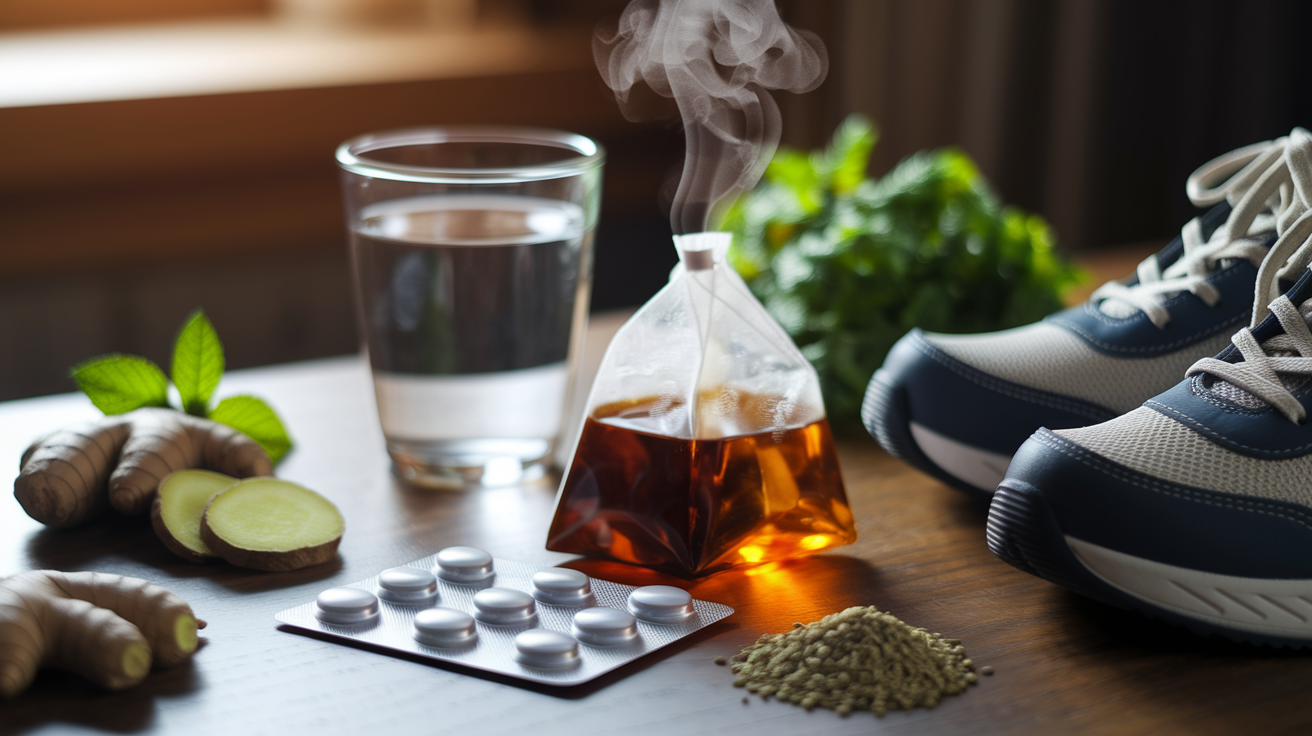
About 1 in 7 Americans deal with bloating at some point during the week. When your belly feels tight and distended, waiting days for relief isn’t realistic. Fast acting options target the gas and discomfort you’re feeling right now, not next week.
Quick relief products and remedies work through a few core mechanisms: breaking up gas bubbles, relaxing digestive muscles so trapped gas can move, speeding stomach emptying, or physically helping your body shift position to release pressure. Evidence quality varies. What works well for one person may do little for another, but having a short list of low risk, immediate options gives you somewhere to start when bloating hits.
Six fast acting options to try right now:
- Simethicone (Gas‑X, Maalox Anti‑Gas) – Over the counter product that breaks up gas bubbles in the stomach and intestines. Commonly used for occasional relief, though study evidence is mixed on effectiveness.
- Peppermint tea or capsules – Relaxes smooth muscles in the digestive tract, helping gas move through instead of sitting trapped. Studies support muscle relaxing effects.
- Ginger tea or fresh ginger – Speeds gastric emptying so food and gas exit the stomach faster. Backed by studies on digestion timing.
- Fennel seeds (chew a small pinch) – Traditional remedy shown to reduce bloating in people with IBS and dyspepsia. May relax GI spasms.
- Short post meal walk (10–15 minutes) – A 2021 study found that walking after meals was associated with less bloating. Movement helps shift gas along the intestinal tract.
- Warm fluids (plain water or herbal tea) – Gentle hydration can ease constipation related bloating and soothe the digestive tract. Aim for about 6 to 8 eight ounce glasses of water per day.
Activated charcoal products like CharcoCaps are available over the counter, but there’s no good evidence they work reliably for bloating. Safety wise, these immediate options are generally low risk for most adults. But peppermint can worsen acid reflux for some people, and supplements may interact with medications, so check with a clinician if you take prescription drugs or have GERD.
Understanding What Causes Bloating to Target the Best Relief Options
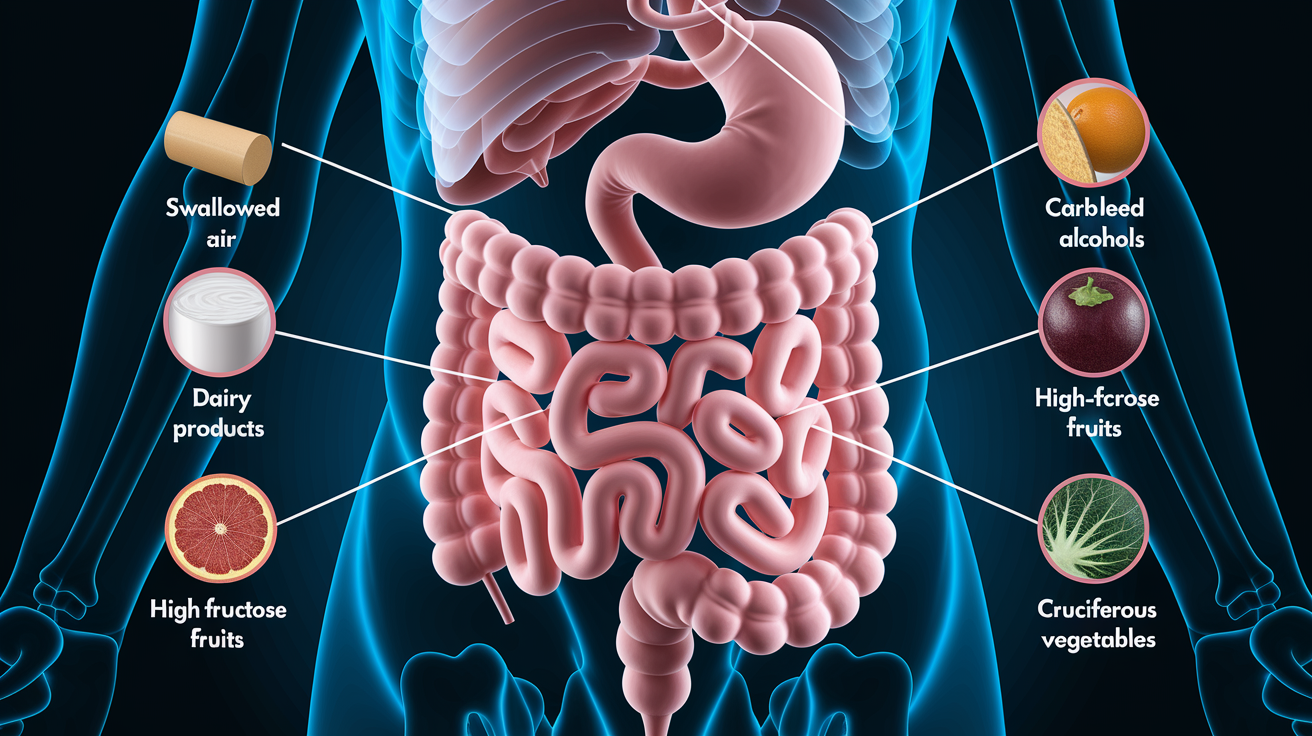
Bloating is the visible, short term increase in belly size (abdominal distension) that usually comes with discomfort or a tight, stretched feeling. The main driver is excess gas in the abdomen, produced when poorly digested carbohydrates reach your large intestine and gut bacteria ferment them into carbon dioxide, methane, and hydrogen.
Several everyday habits and foods add to the problem. Swallowing air increases gas volume directly. Chewing gum, sucking hard candy, drinking through straws, loose fitting dentures, and even using a CPAP machine can all funnel extra air into your stomach. Carbonated beverages inject carbon dioxide with every sip. Sugar alcohols found in sugar free gum and candies (sorbitol, xylitol, mannitol) are poorly absorbed and ferment easily. High fructose fruits like apples, apricots, peaches, pears, and dried fruit are common triggers, as are dairy products for people with lactose intolerance. Cruciferous vegetables (broccoli, Brussels sprouts, cabbage, cauliflower) contain fiber and sugars that produce more gas during digestion.
Fiber is helpful for digestion, but too little fiber slows transit and lets gas build up. Abrupt increases in fiber (especially insoluble fiber from grains and many vegetables) overwhelm your system and cause temporary gas and bloating. As you age, digestive motility naturally slows, which means food and gas spend more time in your intestines, giving bacteria more opportunity to produce gas and giving you more opportunity to feel bloated. Recognizing your personal triggers and patterns is the first step toward choosing the best bloating relief strategy for your body.
Natural Bloating Remedies and Foods That Offer the Best Relief
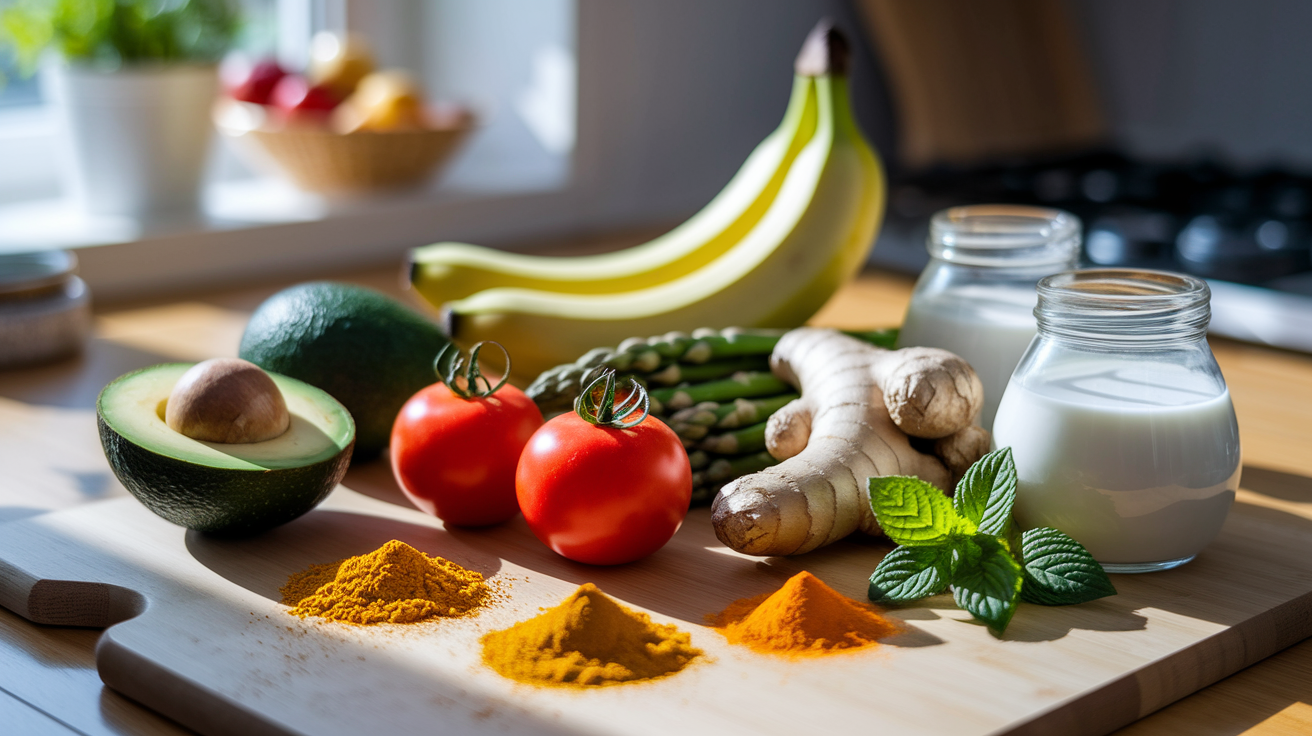
Natural remedies and specific foods work through a few key pathways: balancing sodium and water retention with potassium, relaxing digestive muscles to move trapped gas, speeding stomach emptying, reducing inflammation in the gut, and feeding beneficial bacteria that break down food more efficiently. These options tend to offer relief over hours to days rather than minutes. Many double as prevention when used regularly.
Seven evidence backed foods and natural remedies for bloating:
- Potassium rich foods (avocado, banana, tomatoes, asparagus) – Help manage sodium and water retention that contribute to distension. One study found that women who ate a banana before each meal reported less bloating.
- Ginger (fresh, tea, or candied) – Supports faster gastric emptying so food moves out of the stomach more quickly. May reduce the “stuck” feeling that comes with bloating.
- Peppermint (capsules or tea) – Relaxes smooth muscle in the digestive tract. Studies show it helps push gas through and eases IBS related bloating.
- Fennel (root and seeds) – Reduces bloating in people with IBS and dyspepsia. Fennel seeds can be chewed after meals or steeped as tea.
- Turmeric (curcumin) – Anti inflammatory compound shown in studies to ease IBS symptoms and reduce bloating, especially when inflammation plays a role.
- Kefir (fermented milk beverage) – Contains probiotics and enzymes that break down lactose. Some studies reported reduction of stomach gas by as much as 70 percent.
- Asparagus – Contains inulin, an insoluble prebiotic fiber that feeds beneficial gut bacteria and may support long term digestive balance.
Quick relief options like peppermint tea, ginger tea, and fennel seeds can work within an hour or two. Longer term benefits come from daily habits: eating potassium rich foods to counter sodium related water retention, adding fermented foods like kefir to support gut bacteria, and using anti inflammatory spices like turmeric regularly if you have chronic IBS type symptoms.
Safety notes: peppermint may worsen acid reflux or GERD for some people, so avoid it if reflux is a bigger problem than bloating. Turmeric and curcumin supplements can interact with blood thinners and certain medications. Check with a clinician if you take prescription drugs. If you’re pregnant, breastfeeding, or managing a chronic condition, talk to a healthcare provider before starting concentrated supplements like peppermint capsules or curcumin extracts.
Diet Strategies for the Best Bloating Relief After Eating

The most common bloating triggers are foods and eating patterns that either introduce excess gas directly or feed bacteria that produce it. Identifying your specific triggers requires a short term food and bloating diary: log what you eat, when you eat it, portion sizes, and how you feel over the next few hours. After a few weeks, patterns usually emerge.
Common trigger categories and practical substitutes:
- Carbonated beverages (soda, beer, sparkling water) – Replace with still water, herbal tea, or flat beverages.
- Dairy products (milk, ice cream, soft cheeses) – Switch to lactose free milk like Lactaid or plant based options such as almond milk, oat milk, or coconut milk.
- Sugar free gum and candies (contain sorbitol, xylitol, mannitol) – Choose regular gum in small amounts or skip it entirely. Suck on a mint instead of chewing.
- High fructose fruits (apples, apricots, bananas, peaches, pears, dried fruit) – Try lower fructose options like berries, cantaloupe, or citrus fruits in moderate portions.
- Cruciferous vegetables (broccoli, Brussels sprouts, cabbage, cauliflower) – Cook them thoroughly to break down some of the gas producing fibers, or rotate in easier to digest vegetables like zucchini, carrots, or spinach.
An elimination trial can help narrow down triggers: remove the top suspects for one to two weeks, then reintroduce them one at a time every few days and watch for symptoms. Portion size matters too. Even low trigger foods can cause bloating if you eat a large volume quickly. Spread meals across the day instead of eating two huge servings, and try to finish eating at least two to three hours before lying down so gravity can assist digestion.
If basic elimination doesn’t help and bloating is frequent or severe, a low‑FODMAP diet may be worth trying. FODMAPs are poorly absorbed carbohydrates that ferment easily in the gut. The diet is restrictive and best done under the guidance of a nutritionist to avoid nutrient gaps and to properly reintroduce foods after the elimination phase.
OTC Products and Supplements That Offer the Best Bloating Relief
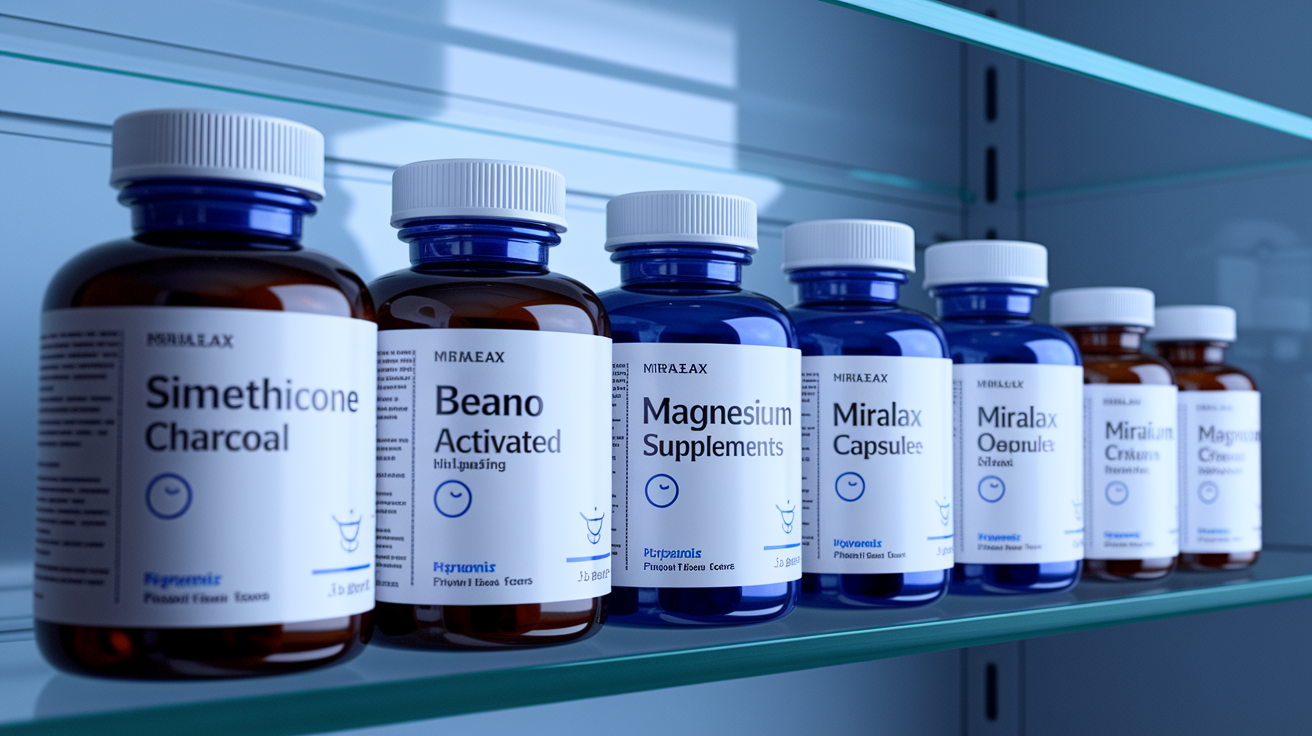
Over the counter products and supplements target bloating through several mechanisms: breaking up gas bubbles, providing digestive enzymes to help break down specific foods, relieving constipation that traps gas, or supplying probiotics and muscle relaxants. Evidence quality varies, and not every product works for every cause of bloating.
| Product | Mechanism | Evidence Level | Notes/Safety |
|---|---|---|---|
| Simethicone (Gas‑X, Maalox Anti‑Gas) | Breaks up gas bubbles in stomach and intestines | Mixed; commonly used but study support is inconsistent | Generally safe for occasional use; may not work for all gas types |
| Activated Charcoal (CharcoCaps) | Intended to absorb gas in the digestive tract | Weak; no good evidence it works reliably | Can interfere with absorption of medications and nutrients; use cautiously |
| Alpha‑d‑galactosidase (Beano) | Enzyme that breaks down hard to digest carbs in beans and cruciferous vegetables | Moderate; reduces gas from specific foods when taken with meals | Safe for most; less helpful if bloating isn’t food related |
| Magnesium supplements | Draws water into intestines to relieve constipation and trapped gas | Good for constipation related bloating | Can cause diarrhea if dose is too high; start low and increase slowly |
| Polyethylene glycol (MiraLAX) | Osmotic laxative that softens stool and speeds transit | Well supported for constipation | Safe for short term use; chronic use should be discussed with a clinician |
| Peppermint oil capsules (enteric coated) | Relaxes digestive smooth muscle and helps move gas | Good; studies support use in IBS related bloating | May worsen reflux; avoid if GERD is a problem |
Simethicone is one of the most commonly purchased bloating products, but its effectiveness varies. It may help if gas bubbles are the main issue, but it won’t address slow motility, food intolerances, or bacterial overgrowth. Beano works well for people who bloat after eating beans, lentils, or cruciferous vegetables, but it must be taken with the first bite of the meal to be effective.
Magnesium and polyethylene glycol are useful when constipation is part of the problem, because slow transit gives bacteria more time to ferment food and produce gas. Both are generally safe, but high doses of magnesium can cause diarrhea, and long term laxative use without medical supervision can mask underlying issues. Peppermint oil capsules have solid evidence for IBS related bloating and work by relaxing the muscles that can trap gas, but the reflux risk makes them a poor choice if heartburn is already a concern.
Activated charcoal is marketed for gas relief, but the evidence doesn’t support consistent benefits. It can interfere with the absorption of medications (including birth control, blood pressure drugs, and antibiotics) and nutrients, so use it cautiously if at all. If you take prescription medications, check with a clinician or pharmacist before adding any new supplement, especially products that affect absorption or gut motility.
Lifestyle Habits That Provide the Best Long Term Bloating Relief

Long term bloating relief comes from daily habits that reduce the amount of gas you produce and swallow, improve digestive efficiency, and support a balanced gut environment. These strategies may not fix bloating that hits today, but they lower the baseline and reduce how often symptoms show up.
Consistent meal timing helps regulate digestive rhythm. Eating at roughly the same times each day trains your stomach and intestines to produce digestive enzymes and move food predictably. Skipping meals or eating erratically can slow motility and increase the chance of gas buildup. Hydration plays a supporting role: about 6 to 8 eight ounce glasses of water per day helps fiber move through the digestive tract and prevents constipation related bloating. But drinking large volumes quickly during meals can dilute digestive enzymes and increase swallowed air, so sip steadily throughout the day instead.
Mindful Eating Steps
Mindful eating reduces the amount of air you swallow and gives your body time to signal fullness before you overeat. Both lower bloating risk. The core steps are simple but require slowing down:
- Chew each bite about 30 times to break food into smaller particles that are easier to digest.
- Make meals last at least 20 minutes so your stomach has time to register what’s coming in.
- Eat sitting down in a screen free zone. Standing, walking, or eating in front of a screen increases swallowed air and distraction driven overeating.
- Plate your food rather than eating from a container so portion size is visible and you can pace yourself.
- Try eating with chopsticks or with your non dominant hand to naturally slow your pace.
Sleep quality affects digestion more than most people realize. Poor or inconsistent sleep disrupts gut motility and the balance of gut bacteria, both of which can increase bloating. Try for 7 to 8 hours of sleep per night and try to keep a consistent sleep schedule, even on weekends, to support a steady digestive rhythm.
Movement and Exercises That Offer the Best Bloating Relief

Physical activity helps bloating in two ways: it speeds the movement of gas through the digestive tract, and it supports long term gut motility and regularity. A 2021 study showed that taking a 10 to 15 minute walk after meals was associated with less bloating, and a 2023 review found that regular exercise (walking, running, biking, swimming, yoga) appears to relieve IBS related bloating over time.
Five simple exercises and movements for bloating relief:
- Post meal walking (10–15 minutes) – Gentle movement after eating helps shift gas through the intestines. No need to walk fast, just steady and upright.
- Knee to chest stretch (lie on your back, pull one knee at a time toward your chest) – Puts gentle pressure on the abdomen to help move trapped gas. Hold each knee for 20 to 30 seconds and repeat a few times.
- Abdominal breathing (slow, deep breaths that expand the belly) – Massages internal organs and can help relax tight abdominal muscles. Breathe in slowly through your nose for a count of four, hold briefly, then exhale slowly through your mouth.
- Gentle yoga twists (seated or lying spinal twists) – Compress and release the abdomen to encourage gas movement. Avoid intense twisting if you have back issues.
- Abdominal self massage (light circular motions clockwise around the belly button) – Follows the path of the colon and may help move gas and stool along. Use light to moderate pressure for a few minutes.
None of these require special equipment or a gym. The key is consistency: moving a little bit every day, especially after meals, reduces the chance that gas will sit and build up. If bloating is severe or painful during movement, stop and rest. Forcing activity through sharp pain can signal a more serious issue that needs medical evaluation.
Medical Causes, Diagnostic Tests, and When Bloating Requires Professional Help

Occasional bloating after a big meal or a day of salty snacks is normal. Frequent, persistent, or worsening bloating, especially when it appears alongside other symptoms, can signal an underlying condition that needs diagnosis and targeted treatment.
Red flag symptoms that require medical attention:
- Bloody stools or black, tarry stools
- Persistent or severe abdominal pain that doesn’t improve with gas relief measures
- Unexplained weight loss over weeks to months
- Significant change in bowel habits (new constipation, diarrhea, or alternating patterns)
- Swelling of the limbs, face, or abdomen unrelated to meals
- Shortness of breath, chest pain, or difficulty breathing (may indicate fluid retention or cardiac issues rather than simple gas)
Common medical causes of chronic bloating include irritable bowel syndrome (IBS), which involves chronic abdominal pain with altered bowel habits, and small intestinal bacterial overgrowth (SIBO), where too many bacteria colonize the small intestine and ferment food before it reaches the colon. Food intolerances (lactose, fructose) and malabsorption conditions (celiac disease, pancreatic insufficiency) also present with bloating as a core symptom. Slowed digestive motility related to aging, medications (opioids, anticholinergics), or neurological conditions can trap gas and stool. Inflammatory bowel disease, colon polyps, and in rare cases colon cancer can cause bloating alongside the red flag symptoms listed above.
Diagnostic evaluation usually begins with a detailed history and physical exam. Your clinician may order blood tests to check for inflammation, anemia, or celiac markers, stool tests to rule out infection, bleeding, or malabsorption, and imaging such as an abdominal X ray or CT scan to look for obstruction, masses, or excess stool and gas. If initial tests are normal but symptoms persist, you may be referred to a gastroenterologist for upper endoscopy (to examine the stomach and small intestine) or colonoscopy (to examine the colon). Hydrogen breath testing can diagnose lactose intolerance, fructose intolerance, or SIBO by measuring gas production after you consume specific sugars. When bloating is chronic and other causes have been ruled out, a diagnosis of IBS may be made based on symptom patterns and duration, and treatment shifts to managing triggers, diet, stress, and motility with medication or behavioral strategies.
Final Words
When bloating hits, try a short post-meal walk, warm fluids, ginger or peppermint, or simethicone. These often ease gas and pressure fast.
This article covered common causes (swallowed air, certain foods, slow digestion), diet tweaks, natural remedies, OTC options, movement, and longer-term habits. Track timing, severity, triggers, and what helps. If you have severe pain, unexplained weight loss, blood in stool, or persistent swelling, see a clinician.
Start with low-risk steps and a simple log to share with your clinician. These small habits can lead to the best bloating relief, and you can get steadier over time.
FAQ
Q: What reduces bloating quickly? How to get unbloated in 30 minutes? How to debloat your tummy quickly?
A: To reduce bloating quickly or get unbloated in 30 minutes, try a 10–15 minute walk, sip warm water or peppermint tea, do a gentle belly massage, loosen clothing, or use simethicone for gas.
Q: Why does my belly bloat so big?
A: A belly can bloat so big because of trapped gas, swallowed air, constipation, poorly digested carbs or sugar alcohols, fluid retention, or hormones; track timing and foods, and see a clinician for persistent or painful bloating.
Comments are closed