What if the things in your kitchen can calm your upset stomach faster than you expect?
This can feel scary, and you’re not imagining it.
From ginger tea and peppermint to small sips of a homemade rehydration mix, simple, low-risk steps often ease nausea, cramps, and bloating within minutes to hours.
Read on for safe, easy remedies to try now, what to track for your doctor, and clear signs that mean you should seek medical care.
Immediate Upset Stomach Relief Steps You Can Try at Home

When your stomach starts acting up, your first thought might be to lie down and wait it out. Sometimes that works. Mild upset stomach, whether it’s from eating too much, a greasy meal, or stress, often gets better with rest, sipping water, and taking a break from food. You’re basically giving your digestive system time to settle without throwing more stuff at it.
If you’ve been throwing up, don’t eat solid food for an hour or two. Let things calm down. Once the nausea starts backing off, bring back fluids first. Then try bland foods in really small amounts. You’re not trying to feel fine within an hour. You’re aiming for gradual recovery.
Here are six things to try as soon as the discomfort starts:
Rest in a comfortable position. Sit upright or slightly reclined. Don’t lie flat right after eating, it can make reflux and nausea worse.
Sip clear fluids slowly. Water, diluted sports drinks (mix them 1:1 with water), or clear broth. Aim for about 8 ounces every hour or two.
Start with tiny portions of bland food. Once you’ve stopped vomiting, try half a cup of plain rice, a medium banana, half a cup of unsweetened applesauce, or a slice of dry toast every 2 to 4 hours.
Apply gentle warmth to your abdomen. A warm compress or heating pad on low for 15 to 20 minutes can ease cramping.
Breathe slowly and steadily. Shallow, tense breathing makes nausea worse. Longer exhales help calm your nervous system.
Avoid lying completely flat. Prop yourself at a 30 to 45 degree angle if you need to rest.
These work because they reduce the physical and chemical irritation to your stomach lining, slow down digestive contractions when they’re too intense, and prevent dehydration (which makes nausea worse). Most mild upset stomachs improve within a few hours to a day. If symptoms hang around past 48 hours or get worse, check in with a healthcare provider.
Ginger-Based Home Remedies for Upset Stomach Relief

Ginger’s been used for centuries to calm nausea and digestive discomfort. Modern research backs it up. A 2018 systematic review found that ginger can help with several types of gastrointestinal upset, from motion sickness to pregnancy nausea. The active compounds in ginger (gingerols and shogaols) have natural anti-inflammatory properties and help speed up gastric emptying. That’s the process of moving food from your stomach into your small intestine. When food sits too long in your stomach, you feel bloated and nauseated. Ginger helps things move along.
You don’t need a prescription or fancy preparation. Fresh ginger root, ginger tea, ginger chews, and supplements all work. The dose and method vary slightly.
How to Prepare and Use Ginger
To make ginger tea, slice 1 to 2 inches (about 2 to 5 grams) of fresh ginger root and simmer it in 8 to 12 ounces of water for 10 minutes. Strain and sip slowly. You can drink this 2 to 3 times per day. If fresh ginger isn’t available, ginger supplements are an option. Typical doses range from 250 to 1,000 milligrams taken 2 to 3 times daily. Always follow the label. Candied ginger works too. Chew 1 to 2 small pieces when nausea hits.
| Form | Dose | Notes |
|---|---|---|
| Fresh ginger tea | 1–2 inches root in 8–12 oz water, simmer 10 min | Drink 2–3 times/day |
| Ginger supplements | 250–1,000 mg capsules | Take 2–3 times/day; check label |
| Candied ginger | 1–2 small pieces | Chew as needed for nausea |
| All-natural ginger ale | Sip slowly, check for real ginger on label | Many commercial brands contain little to no real ginger |
Ginger is generally safe, but there are a few cautions. If you’re pregnant, keep your total ginger intake below 1 gram per day unless your healthcare provider says otherwise. Ginger can increase bleeding risk, so if you take blood thinners like warfarin or aspirin, talk to your doctor before using ginger supplements regularly.
Peppermint and Chamomile Remedies for Stomach Cramping
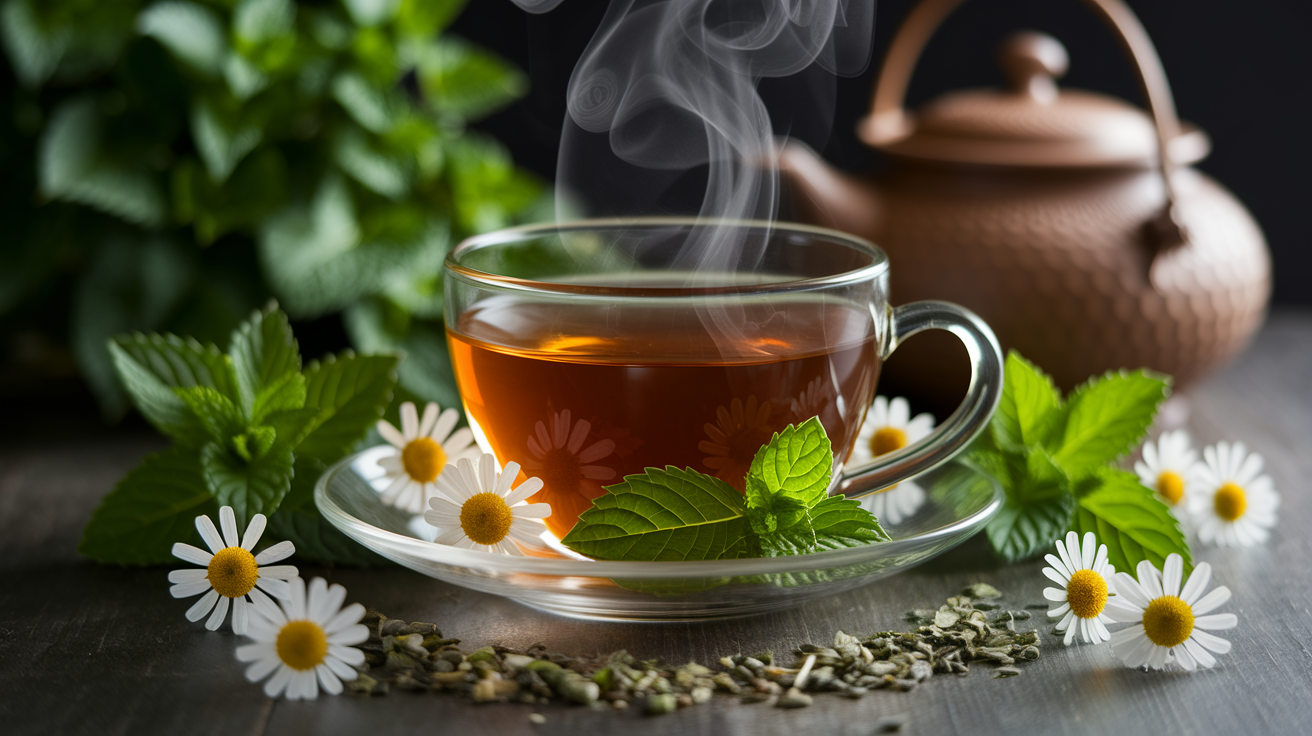
Peppermint and chamomile both relax the smooth muscles in your digestive tract. That means less cramping, less spasm, and often less nausea. They work in slightly different ways and suit different types of stomach upset, so it’s worth knowing when to reach for each one.
Peppermint
Peppermint contains menthol, a natural compound that acts as a mild analgesic and muscle relaxant. It’s particularly helpful for cramping, bloating, and gas. A 2020 randomized, double-blind trial found that enteric-coated peppermint oil capsules significantly reduced abdominal pain, discomfort, and overall severity in people with irritable bowel syndrome.
To make peppermint tea, steep 1 teaspoon of dried peppermint leaves or 1 tea bag in 8 ounces of hot water for 5 to 10 minutes. You can drink 1 to 3 cups per day as needed.
Enteric-coated peppermint oil capsules are also available. Typical dose is 0.2 to 0.4 milliliters (usually 1 capsule) up to twice daily. Check the product label for specific instructions.
Avoid peppermint if you have acid reflux or GERD. It can relax the valve between your stomach and esophagus, which may worsen heartburn.
Fresh peppermint leaves can be chewed or added to water for a mild, soothing effect.
Chamomile
Chamomile is a gentler option, known for its calming, anti-inflammatory properties. A 2023 study highlighted the anti-inflammatory effects of chamomile essential oils, which can help soothe an irritated stomach lining and reduce cramping. Chamomile is often a good choice when your upset stomach is tied to stress or tension.
To prepare chamomile tea, steep about 1 tablespoon (2 to 3 grams) of dried chamomile flowers in 8 ounces of hot water for 5 to 10 minutes. You can drink up to 3 cups per day.
Chamomile is generally very safe, but avoid it if you have a ragweed or aster family allergy. It can cause cross-reactions.
Use chamomile cautiously during pregnancy. Large amounts aren’t well studied.
Chamomile can be combined with other calming herbs like ginger or fennel for a broader effect.
BRAT Diet and Bland Foods That Calm an Upset Stomach
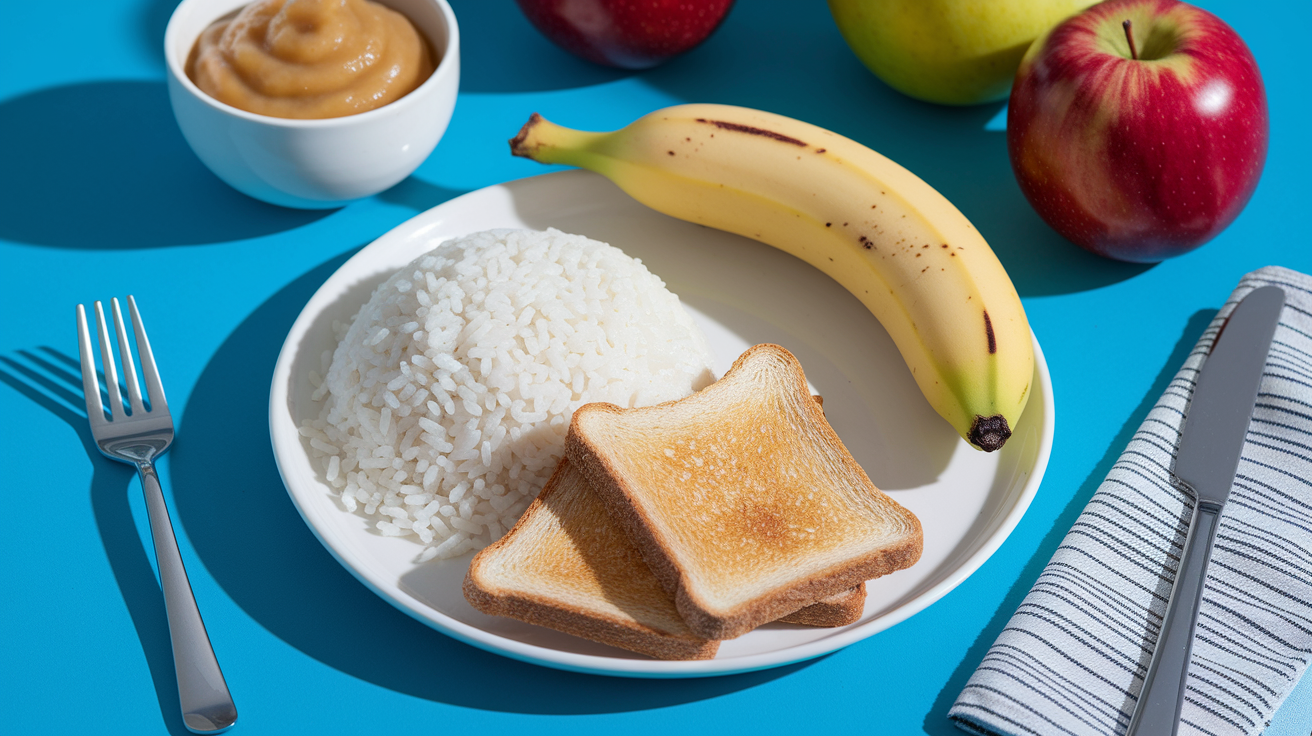
When your stomach is upset, especially if you’ve been dealing with nausea or diarrhea, your digestive system needs a break. The BRAT diet is a classic short-term approach that gives your gut gentle, easy-to-digest foods that help bind stool and reduce irritation. BRAT stands for Bananas, Rice, Applesauce, and Toast. These foods are low in fiber, low in fat, and free of strong flavors or spices, which makes them less likely to trigger more nausea or cramping.
Each component serves a purpose. Bananas contain pectin, a type of soluble fiber that helps firm up stool. They’re also a good source of potassium, which you lose when vomiting or experiencing diarrhea. Plain white rice is starchy and binding, which slows down bowel movements. Unsweetened applesauce is mild, easy to digest, and also contains pectin. Dry toast provides simple carbohydrates without added fat or seasoning. Together, these foods help settle your stomach and give your digestive tract time to recover.
Typical serving sizes during the BRAT phase look like this:
Half a cup of plain white rice. One medium banana. Half a cup of unsweetened applesauce. One slice of dry or lightly toasted bread.
Eat small portions every 2 to 4 hours, as tolerated. Don’t force yourself to finish a full serving if you’re still feeling queasy. You’re easing back into eating, not filling up.
Other bland foods that fit the same gentle profile include plain crackers (like saltines), plain baked or boiled potatoes (no butter or sour cream), clear broth, and plain oatmeal. Avoid anything fried, greasy, spicy, or heavily seasoned for the first 24 to 48 hours.
Reintroducing Foods Gradually
Once your symptoms improve (usually within a day or two), you can start adding other foods back in. Begin with low-fat proteins like plain chicken, turkey, or white fish. Add cooked vegetables like carrots, zucchini, or green beans. Avoid raw vegetables, dairy, and high-fat foods until your digestion feels completely back to normal. If a food makes you feel worse, stop eating it and wait another day before trying again.
Hydration, Electrolytes, and Oral Rehydration Solutions for Stomach Upset
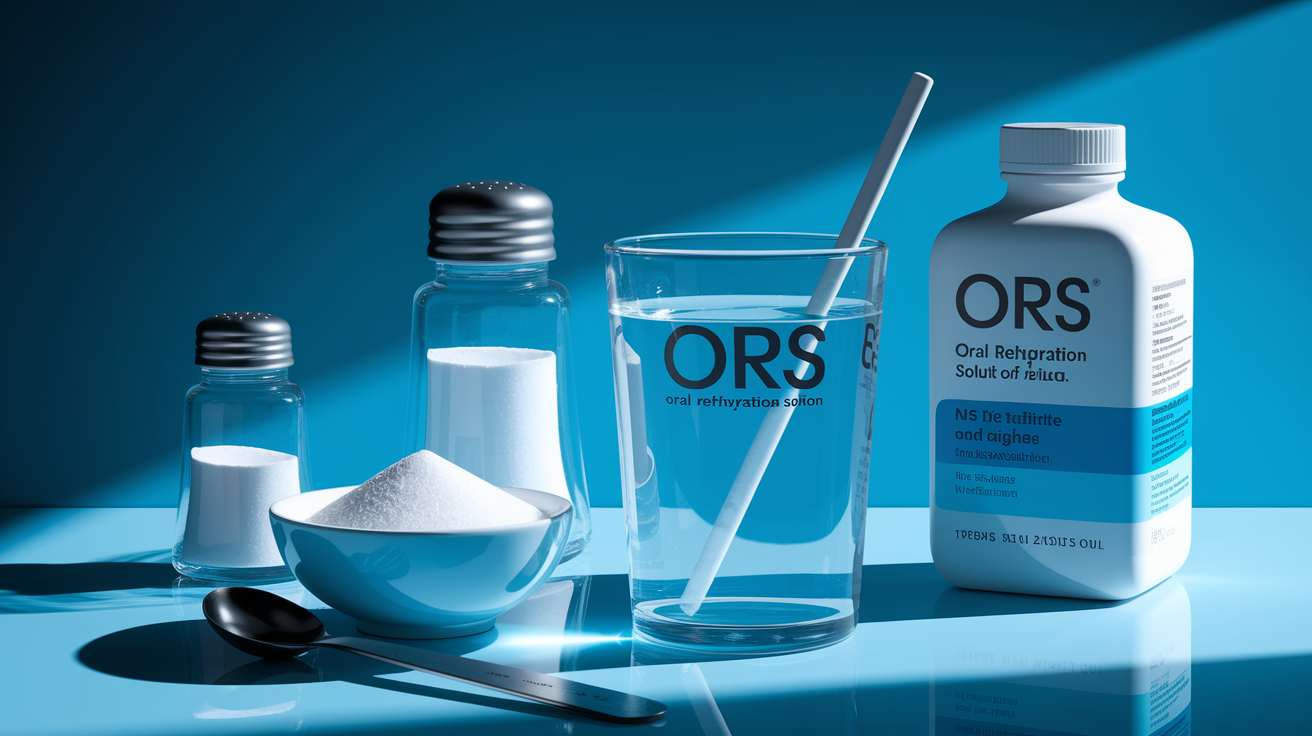
When you’re vomiting or have diarrhea, you lose more than just water. You lose electrolytes (sodium, potassium, and chloride) that your body needs to maintain blood pressure, nerve function, and muscle contractions. Drinking plain water helps, but it doesn’t replace those electrolytes. That’s where oral rehydration solutions (ORS) come in.
ORS is a simple, effective way to rehydrate when you’re dealing with stomach upset. You can buy it pre-mixed at most pharmacies, or you can make it at home. The World Health Organization’s recommended recipe is straightforward: mix 6 teaspoons of sugar and half a teaspoon of salt into 1 liter (about 4 cups) of clean water. Stir until dissolved. The sugar helps your intestines absorb the sodium and water more efficiently.
For adults, sip ORS frequently throughout the day to replace what you’ve lost. For children, offer 50 to 100 milliliters (about 3 to 6 tablespoons) every 10 to 15 minutes. Small, frequent sips work better than large gulps, which can trigger more nausea or vomiting.
| Fluid Type | Use | Notes |
|---|---|---|
| Homemade ORS | 6 tsp sugar + 1/2 tsp salt per 1 liter water | Sip constantly; best for diarrhea or vomiting |
| Sports drinks (e.g., Gatorade) | Dilute 1:1 with water before drinking | High sugar content can worsen diarrhea if undiluted |
| Clear broth | Sip warm; provides sodium and fluids | Low in sugar; good if you can’t tolerate sweetness |
| Plain water | 8 oz every 1–2 hours | Not enough for heavy fluid loss; pair with ORS |
Watch for these warning signs of dehydration:
Urinating fewer than 4 times per day (adults) or fewer than 6 wet diapers per day (infants). Dizziness or lightheadedness when standing. Dry mouth, lips, or tongue. Dark yellow urine or very little urine output.
ORS is especially important if you’ve been vomiting or having diarrhea for more than a few hours, if you’re caring for a young child or older adult, or if you’re in a hot environment where you’re sweating heavily on top of losing fluids from your stomach. It’s a simple, low-cost intervention that can prevent a mild stomach bug from turning into a trip to urgent care for IV fluids.
Probiotics and Fermented Foods for Digestive Balance
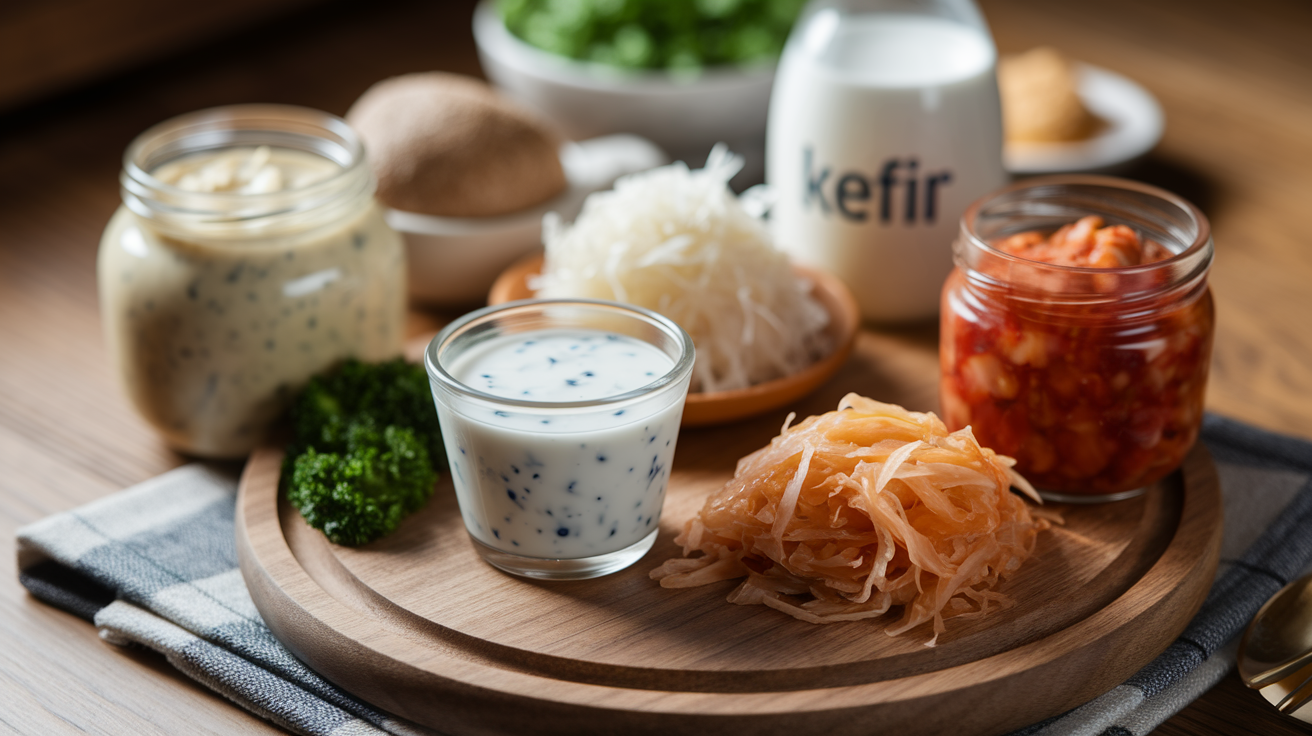
Probiotics are live bacteria and yeasts that support the healthy balance of microorganisms in your gut. When your stomach is upset, especially if it’s due to a mild infection, a course of antibiotics, or stress, your gut bacteria can get out of balance. Probiotics can help restore that balance and may reduce the duration and severity of certain types of diarrhea.
Plain yogurt with live and active cultures is one of the easiest and most accessible sources of probiotics. A typical three-quarter cup serving contains anywhere from 1 billion to over 10 billion colony-forming units (CFUs) of beneficial bacteria, depending on the brand. Look for labels that say “live and active cultures” or list specific strains like Lactobacillus or Bifidobacterium. Avoid flavored yogurts with added sugar, which can sometimes worsen nausea or diarrhea.
Probiotic supplements are another option. Most over-the-counter supplements provide 5 to 10 billion CFUs per capsule. Follow the product label for dosing. Probiotics are generally safe for healthy adults and children, but they should be used cautiously (or avoided entirely) in people who are severely immunocompromised, critically ill, or have central lines or other invasive medical devices.
Probiotic-Rich Foods
In addition to yogurt, several fermented foods naturally contain probiotics:
Kefir is a tangy, drinkable yogurt with a higher concentration of probiotic strains than regular yogurt.
Sauerkraut is fermented cabbage. Choose refrigerated, unpasteurized versions for live cultures.
Kimchi is spicy fermented vegetables. May be too intense if your stomach is very sensitive.
Miso is fermented soybean paste used in soups. Mild and easy to digest when diluted in warm water.
Start with small amounts and see how your stomach responds. Fermented foods can cause temporary gas or bloating as your gut adjusts, especially if you’re not used to them.
Additional Natural Upset Stomach Remedies (ACV, Baking Soda, Fennel & Heat)
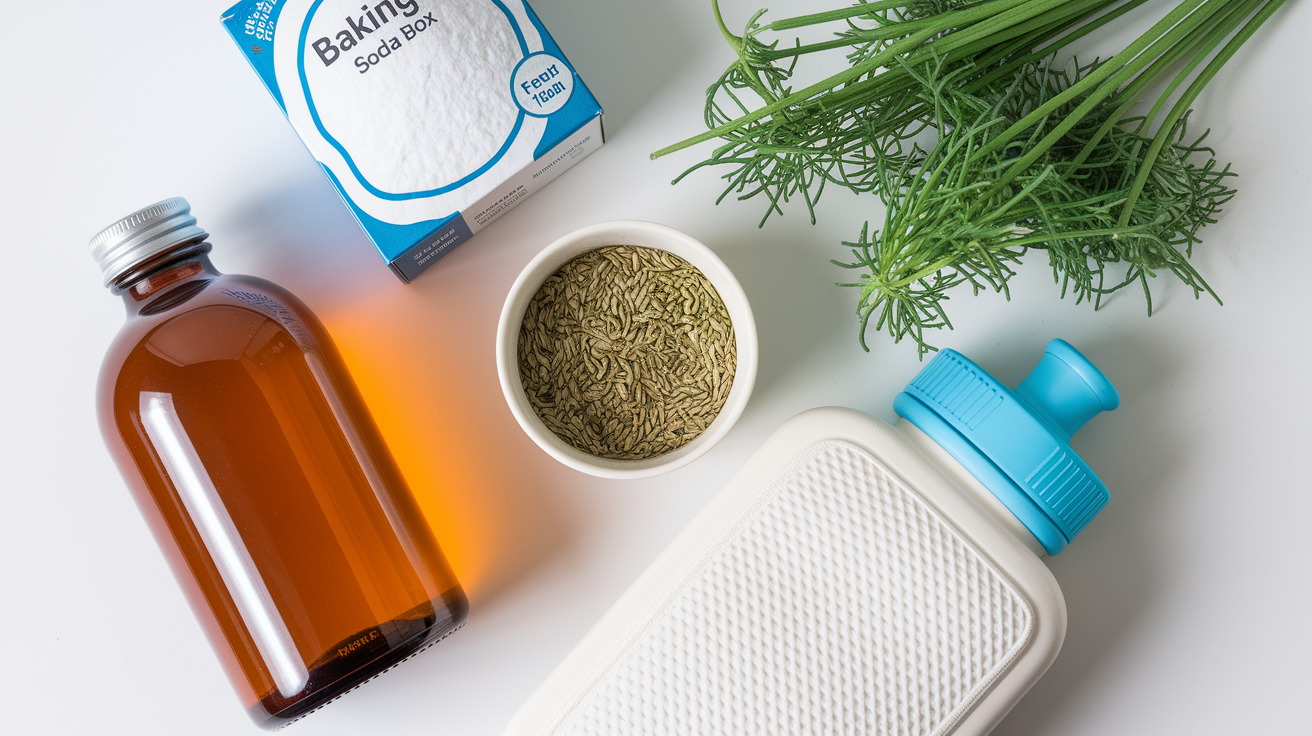
Beyond the most common remedies, there are a few other household options that some people find helpful. These aren’t as well studied, but they’re low-risk and worth trying if the first-line options aren’t available or aren’t working for you.
Apple Cider Vinegar
Apple cider vinegar (ACV) is often recommended for nausea and indigestion, though the evidence is mostly anecdotal. The idea is that the acetic acid in vinegar may help balance stomach pH or stimulate digestive enzymes. Some animal studies suggest increased enzyme activity, but human research is limited.
To use ACV safely, dilute 1 tablespoon in 8 ounces of water and sip it slowly before meals. You can add a teaspoon of honey if the taste is too strong.
Never drink apple cider vinegar straight. It can erode tooth enamel and irritate your throat and stomach lining.
If you have acid reflux, ACV may make symptoms worse. Test cautiously.
Baking Soda
Baking soda (sodium bicarbonate) is the same ingredient found in many over-the-counter antacids. It works by neutralizing stomach acid, which can relieve heartburn and mild indigestion.
Mix half a teaspoon of baking soda in 4 to 6 ounces of water and drink it slowly. Do not use more than 4 doses in a day.
Baking soda is very high in sodium, about 1,259 milligrams per half teaspoon. Avoid it if you’re on a low-sodium diet or have heart or kidney problems.
Frequent use can lead to metabolic alkalosis (too much base in your blood), so this is a short-term fix only.
Fennel Seeds
Fennel seeds are a traditional carminative, meaning they help relieve gas and bloating. The oils in fennel relax the smooth muscles of the digestive tract and can reduce cramping.
Chew about 1 teaspoon of fennel seeds after meals, or steep 1 teaspoon in 8 ounces of hot water for 5 to 10 minutes to make fennel tea. Drink 1 cup as needed, 1 to 2 times per day.
Fennel has a mild licorice-like flavor. If you don’t like the taste, skip it. Forcing yourself to drink something unpleasant can make nausea worse.
Heat Therapy
Applying warmth to your abdomen can relax tight muscles and reduce cramping. Use a heating pad on low or a hot water bottle wrapped in a towel. Apply it for 15 to 20 minutes, then remove. You can repeat every 2 to 3 hours as needed.
Do not leave a heating pad on for extended periods or fall asleep with it on. You risk skin burns.
If you don’t have a heating pad, a warm, damp towel works just as well.
Foods and Drinks to Avoid During an Upset Stomach
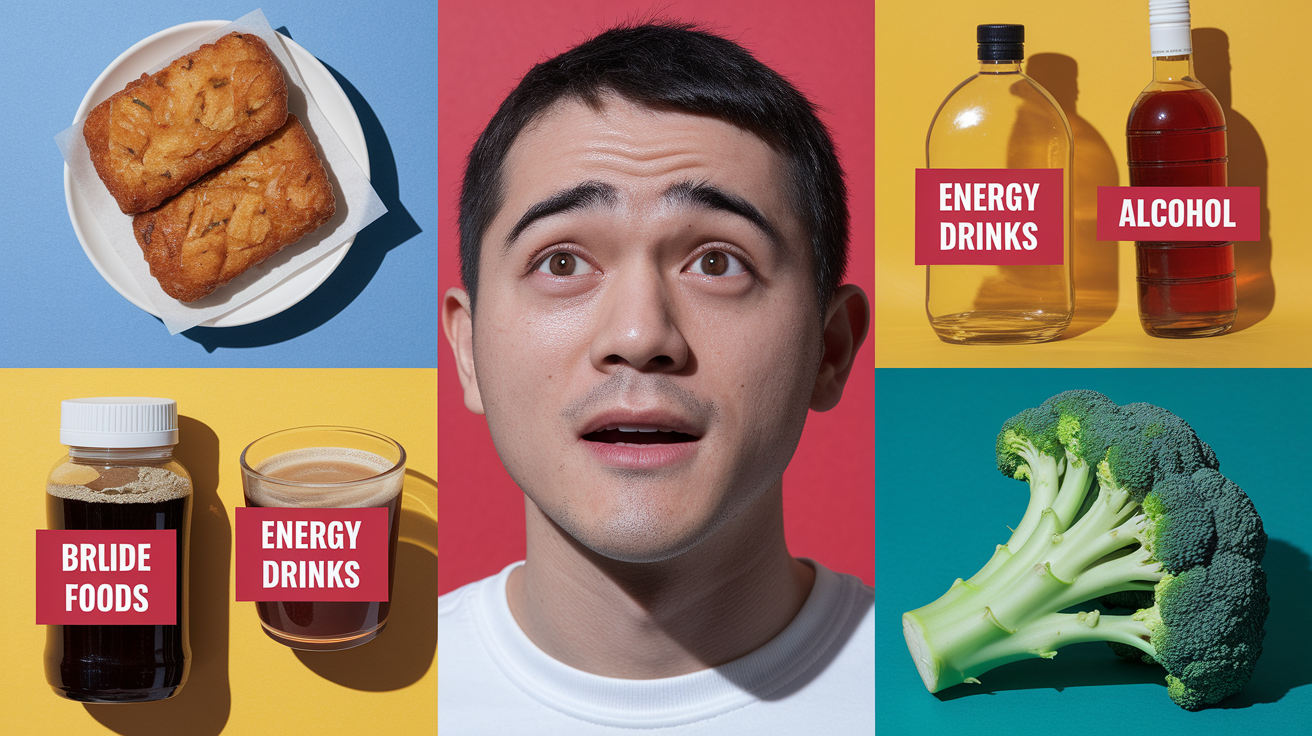
When your stomach is already irritated, certain foods and drinks can make things worse. They either increase acid production, slow digestion, irritate the lining, or trigger more cramping and bloating. Avoiding these for the first 24 to 48 hours can speed up your recovery.
Fatty and fried foods take longer to digest, which means they sit in your stomach longer and can worsen nausea and bloating. Greasy meals also stimulate more bile production, which can irritate an already sensitive gut. Spicy foods can directly irritate your stomach lining and esophagus, especially if you’re dealing with acid reflux or nausea.
Caffeine stimulates gastric acid secretion and speeds up gut motility, which can worsen cramping and diarrhea. Coffee, black tea, energy drinks, and even chocolate all contain caffeine and should be avoided until symptoms improve. Alcohol irritates the stomach lining, increases acid production, and can worsen dehydration. Skip it entirely while you’re recovering.
Here are five categories to avoid during stomach upset:
Fatty or fried foods. Burgers, fries, fried chicken, creamy sauces.
Spicy foods. Hot sauce, chili peppers, heavily seasoned dishes.
Caffeine. Coffee, tea, soda, energy drinks, chocolate.
Alcohol. Beer, wine, spirits.
Raw high-fiber vegetables. Broccoli, cauliflower, onions, cabbage (these can cause gas and bloating).
Carbonated drinks are a gray area. Some people find that the bubbles help them burp and relieve pressure. Others find that carbonation worsens bloating and acid reflux. If you want to try it, sip slowly and see how you respond. Ginger ale with real ginger is a better choice than regular soda, but dilute it with water if it’s too sweet.
When Home Remedies Aren’t Enough: Warning Signs and Medical Red Flags

Most upset stomachs resolve on their own within a day or two with rest, fluids, and bland foods. But some symptoms are signs of something more serious. Dehydration, infection, bleeding, or a condition that needs medical evaluation and treatment.
If you or someone you’re caring for can’t keep any liquids down for more than 12 hours (adults) or 12 hours (infants and young children), that’s a threshold to seek medical care. Persistent vomiting leads to dehydration quickly, especially in children, older adults, and people with chronic conditions. Diarrhea that lasts longer than 48 hours, or severe diarrhea (more than 6 to 10 watery stools per day), also warrants a call to your healthcare provider.
Fever combined with stomach upset can signal an infection. In adults, a fever higher than 101.3°F (38.5°C) is a reason to check in with a doctor. In infants younger than 3 months, any fever requires immediate medical evaluation. Blood in your stool or vomit is always a red flag. It may look bright red, dark and tarry, or like coffee grounds. Don’t wait. Seek care right away.
Here are eight red-flag symptoms that mean it’s time to get medical help:
Inability to keep liquids down for more than 12 hours (adult) or any persistent vomiting in an infant.
Diarrhea lasting longer than 48 hours or more than 6 to 10 watery stools per day.
Fever higher than 101.3°F (38.5°C) in adults, or any fever in an infant under 3 months old.
Signs of dehydration. Urinating fewer than 4 times per day (adults) or fewer than 6 wet diapers per day (infants), dizziness when standing, dry mouth, very dark urine.
Blood in stool or vomit, whether bright red, dark, or coffee-ground in appearance.
Severe or worsening abdominal pain that doesn’t improve with rest or home remedies.
Persistent high fever, confusion, or weakness that gets worse over time.
Symptoms lasting longer than 72 hours without improvement, or new symptoms developing (jaundice, severe headache, stiff neck, unexplained weight loss).
Trust your instinct. If something feels wrong or unusually severe, it’s better to check in with a healthcare provider than to wait and hope it improves. Upset stomach is common, but it’s not always benign.
Final Words
Start by resting, sipping small amounts of clear fluids, and trying bland foods or a warm compress to ease immediate symptoms.
Use ginger, peppermint, or chamomile for nausea and cramps, and return to BRAT foods as you tolerate them.
Keep up hydration with diluted sports drinks or an oral rehydration mix, and consider yogurt or a probiotic if things drag on. Track timing, triggers, and what helps.
These home remedies for upset stomach often help within 24–48 hours. You’ll likely feel steadier soon.
FAQ
Q: What calms an upset stomach quickly and how can I settle it in 5 minutes?
A: To calm an upset stomach quickly or in five minutes, rest, sip small amounts of clear fluid, take slow deep breaths, and place a warm compress over your belly for immediate comfort.
Q: What is the best natural remedy for stomach?
A: The best natural remedy for an upset stomach is often ginger, which eases nausea; try ginger tea, a small piece of candied ginger, or ginger chews for quick relief.
Q: Is a teaspoon of baking soda good for an upset stomach?
A: A teaspoon of baking soda may neutralize acid briefly, but it’s high in sodium and not safe regularly—dilute if used and avoid frequent doses or use with a salt-restricted condition.
Comments are closed