Think indigestion has to last for hours? It doesn’t.
When that tight, bloated, sour feeling hits, simple things can ease it fast—chewable antacids in a minute, baking soda in minutes, or ginger and peppermint teas in 10 to 20.
This post lays out quick, low-risk fixes you can try right away, how to match the remedy to the symptom, what to track for your clinician, and the clear warning signs that mean you should get medical help.
Immediate Fast‑Acting Remedies for Rapid Relief
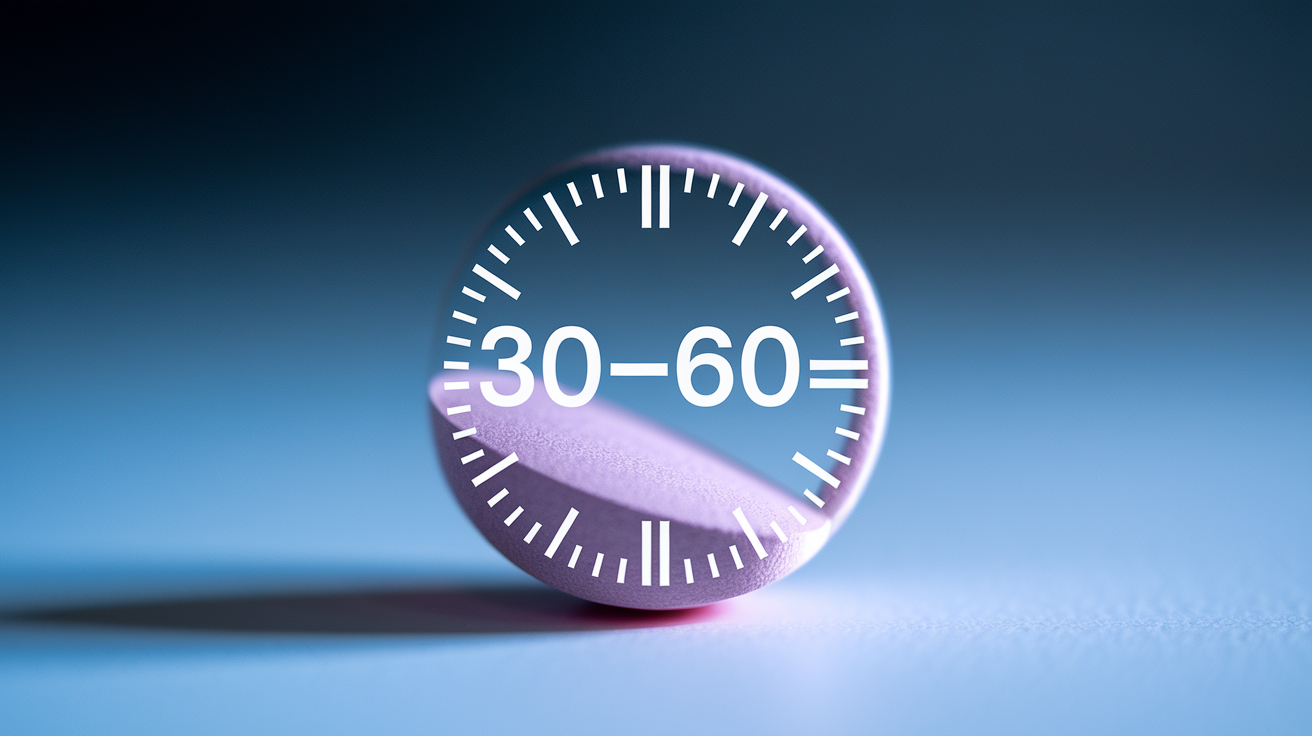
When indigestion hits, chewable antacids are your fastest option. They start working in about 30 to 60 seconds, neutralizing stomach acid on contact as you chew and swallow. Keep a roll in your bag, your desk drawer, or the glove compartment. Follow the package dosing and expect quick easing of heartburn, that sour taste, or the tight, bloated feeling in your upper belly.
A baking soda solution works almost as fast. Mix half a teaspoon of baking soda into four ounces of water, stir until it dissolves, and sip it slowly. Relief can start within a few minutes because the sodium bicarbonate neutralizes excess acid right away. Wait at least two hours before repeating a dose. If you’re under 60, don’t take more than seven half-teaspoon doses in 24 hours. If you’re over 60, limit yourself to three doses in 24 hours. Overdoing it can cause muscle cramps, nausea, or worse.
For a gentler, soothing route, try peppermint or ginger. Steep a peppermint tea bag or a slice of fresh ginger in hot water for five to ten minutes, then sip it warm. Many people feel relief within 10 to 20 minutes as the warmth and natural compounds relax stomach spasms and reduce nausea. Skip peppermint if you have reflux or GERD, though. It can loosen the valve at the top of your stomach and make things worse.
Six fast remedies and their onset times:
- Chewable antacids – relief in 30 to 60 seconds.
- Baking soda in water – relief within minutes.
- Peppermint tea – soothing in 5 to 10 minutes (avoid if you have reflux).
- Ginger tea or ginger water – relief in 10 to 20 minutes.
- Simethicone for gas – relief in 10 to 30 minutes.
- H2 blockers like famotidine – relief in 10 to 30 minutes.
Simple Home Remedies Using Common Kitchen Ingredients
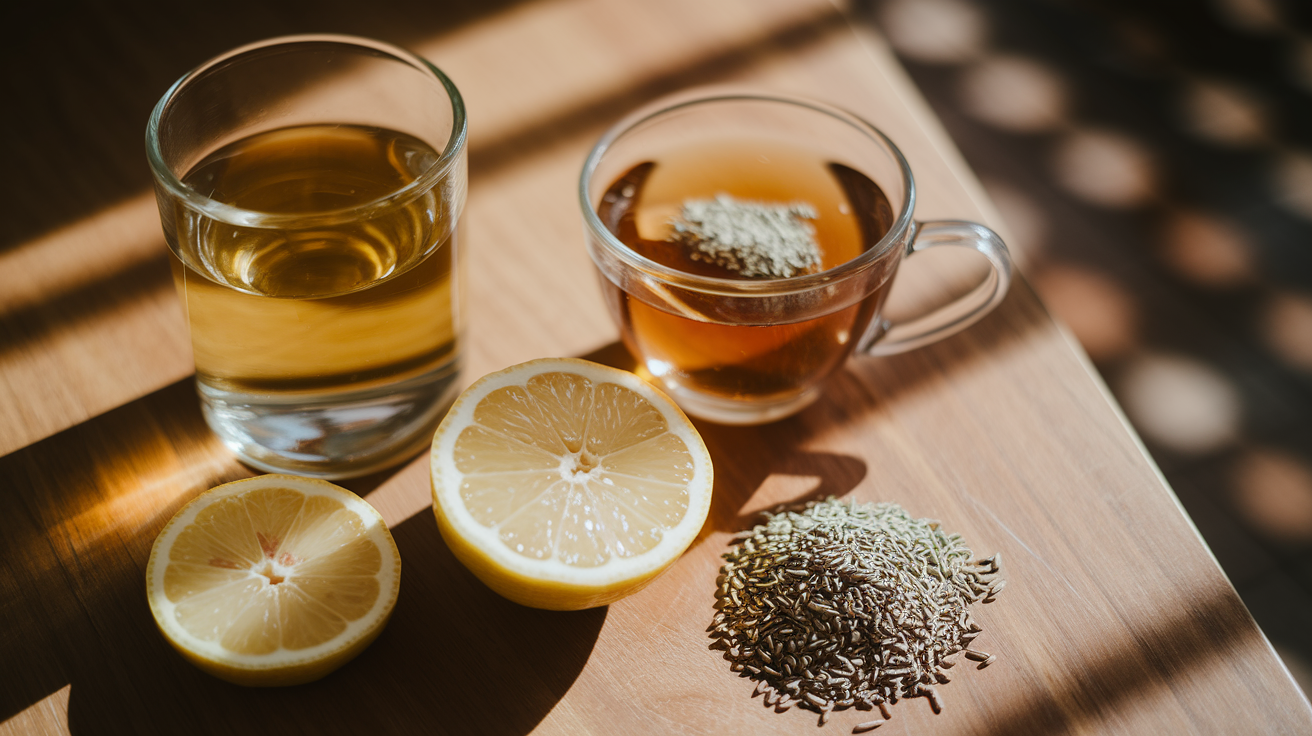
Apple cider vinegar diluted in water is one of the most common kitchen shortcuts for indigestion. Mix one to two teaspoons of raw, unprocessed apple cider vinegar into one cup of water and drink it slowly. Some people take it 30 minutes before a meal to prevent symptoms. Others drink it when discomfort starts. It may help if your stomach isn’t producing enough acid, but it can also irritate or worsen symptoms for some people, so try a small amount first. Always dilute it. Straight vinegar can burn your throat and damage tooth enamel. Rinse your mouth with plain water afterward. Warm lemon water works similarly. Mix one tablespoon of lemon juice into warm water and drink it a few minutes before eating. The citric acid may help balance your digestion, but again, rinse afterward to protect your teeth.
Chamomile tea and fennel seeds are two gentle, traditional options. Steep one or two chamomile tea bags in boiling water for ten minutes and sip the tea slowly. Chamomile can reduce stomach acid and calm inflammation, but check with your doctor if you take blood thinners because it can interact. For fennel, crush half a teaspoon of seeds, add them to water, boil for ten minutes, and drink the tea after a meal. You can also chew a small pinch of fennel seeds directly. Fennel helps with cramping and bloating, though most of the research has been done in animals, not humans.
Four quick kitchen remedies with prep steps:
- Apple cider vinegar water – 1 to 2 teaspoons ACV in 1 cup water, sip slowly.
- Lemon water – 1 tablespoon lemon juice in warm water, drink before meals.
- Chamomile tea – steep 1 to 2 bags for 10 minutes.
- Fennel seed tea – boil ½ teaspoon crushed seeds for 10 minutes or chew a pinch after eating.
Over‑the‑Counter Medications Grouped by Symptom Type
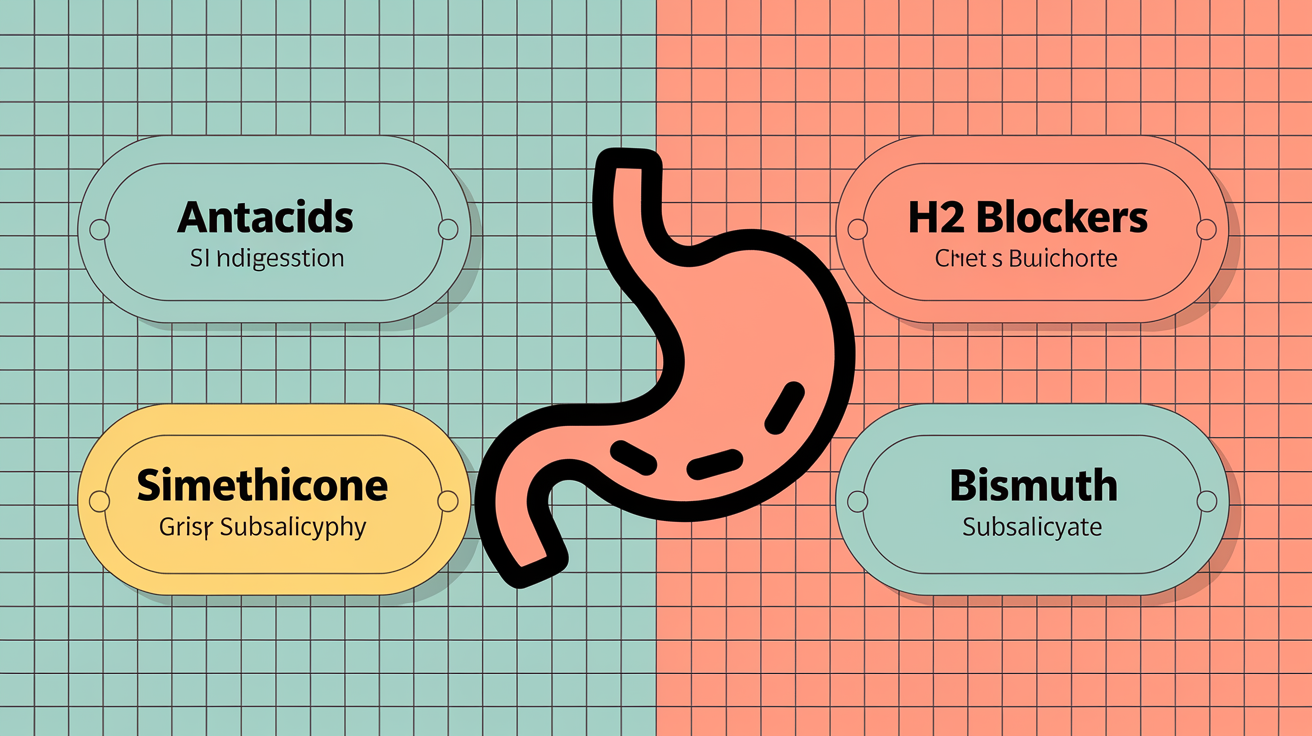
Different types of indigestion respond to different medications, so matching the remedy to your symptom saves time and money.
| Medication Type | How It Works | Onset Time | Best For |
|---|---|---|---|
| Antacids (TUMS, Maalox, Milk of Magnesia) | Neutralize stomach acid on contact | 30 seconds to a few minutes | Heartburn, sour taste, burning in upper belly |
| H2 Blockers (famotidine, ranitidine alternatives) | Reduce acid production in the stomach lining | 10 to 30 minutes | Frequent heartburn, acid-related bloating, preventing symptoms before meals |
| Simethicone (Gas-X, Mylanta Gas) | Break up gas bubbles trapped in the stomach and intestines | 10 to 30 minutes | Bloating, trapped gas, pressure in the upper abdomen |
| Bismuth Subsalicylate (Pepto-Bismol) | Coat and soothe the stomach lining, reduce inflammation | 15 to 30 minutes | Nausea, mild cramping, indigestion with an upset stomach |
Physical Techniques for Relieving Indigestion Sensations

Gentle belly massage can help move trapped gas and ease cramping. Place your palm on your upper abdomen, just below your ribs, and make slow, clockwise circles for about five to ten minutes. Use light to medium pressure. The motion encourages your stomach and intestines to move things along, which can reduce bloating and discomfort. Some people find relief in just a few minutes.
Changing your position matters. Sitting upright keeps stomach acid from pressing up into your esophagus, so stay upright for at least 30 to 60 minutes after eating. If you need to rest, try lying on your left side. That position can reduce pressure on the valve at the top of your stomach and make reflux less likely. Slow walking for ten to fifteen minutes after a meal also helps. It gently stimulates digestion without jostling your stomach too much.
Three physical techniques with timing:
- Clockwise belly massage – 5 to 10 minutes of gentle circular pressure on your upper abdomen.
- Sit or stand upright – stay upright for at least 30 to 60 minutes after eating.
- Slow walking – 10 to 15 minutes of easy movement to encourage gastric emptying.
When Indigestion Signals Something More Serious

Most indigestion is temporary and harmless, but sometimes it points to something that needs medical attention. If your symptoms last longer than two weeks despite trying remedies, or if they keep coming back more than twice a week, check in with a healthcare provider. Persistent indigestion can be a sign of gastroesophageal reflux disease (GERD), an ulcer, an infection like H. pylori, or a structural problem in your digestive system. It’s also worth getting evaluated if indigestion is new, sudden, severe, or different from what you’ve felt before.
Five red-flag symptoms that require urgent care:
- Severe chest pain or pressure – could indicate a heart problem, not just indigestion.
- Vomiting blood or coffee-ground material – sign of bleeding in the stomach or esophagus.
- Black, tarry stools or visible blood in stool – indicates internal bleeding.
- Trouble swallowing or a sensation of food getting stuck – may signal esophageal narrowing or obstruction.
- Unintended weight loss or loss of appetite – can be a warning sign of ulcers, infection, or other serious conditions.
Final Words
Start with fast measures — chew an antacid, sip a half‑teaspoon baking soda in water, or try mint or ginger tea to ease burning, pressure, or nausea within minutes.
Then use simple home fixes, choose OTCs based on the symptom, and try body moves like a gentle belly massage or lying on your left side. Track when it happens and what helps.
For quick action, these steps can help with indigestion relief fast. If symptoms persist or worsen, get checked — you have clear options and a simple plan to feel better.
FAQ
Q: How do I get rid of indigestion asap?
A: To get rid of indigestion asap, chew a fast-acting antacid (works in 30–60 seconds), or mix 1/2 teaspoon baking soda in water; ginger or mint tea and sitting upright often help within minutes.
Q: How do you relieve trapped indigestion?
A: To relieve trapped indigestion, try simethicone for gas, slow walking, gentle clockwise belly massage, a warm compress, and lying on your left side to help move gas and ease pressure quickly.
Q: What drink calms indigestion?
A: Drinks that calm indigestion include peppermint or ginger tea, chamomile, and warm lemon water. Sip slowly; peppermint soothes, ginger reduces nausea, and chamomile relaxes the stomach within 5–10 minutes.
Q: What are the 7 signs of indigestion?
A: The seven signs of indigestion are upper belly pain, bloating, belching, heartburn (burning behind the breastbone), nausea, feeling full quickly after eating, and excess gas or flatulence.
Comments are closed