
Ever finish a meal and feel tight, heavy, and like your belly’s about to burst?
You’re not imagining it—10–25% of people notice this sometimes, and there are simple things that often help fast.
In this post you’ll get low-risk, practical steps to try now—like simethicone, a warm belly compress, a short walk, food swaps, and gentle herbs—plus what to track so you know what actually helps.
And we’ll also cover clear signs that mean it’s time to see a clinician.
Immediate Relief Methods for Gas and Bloating Symptoms
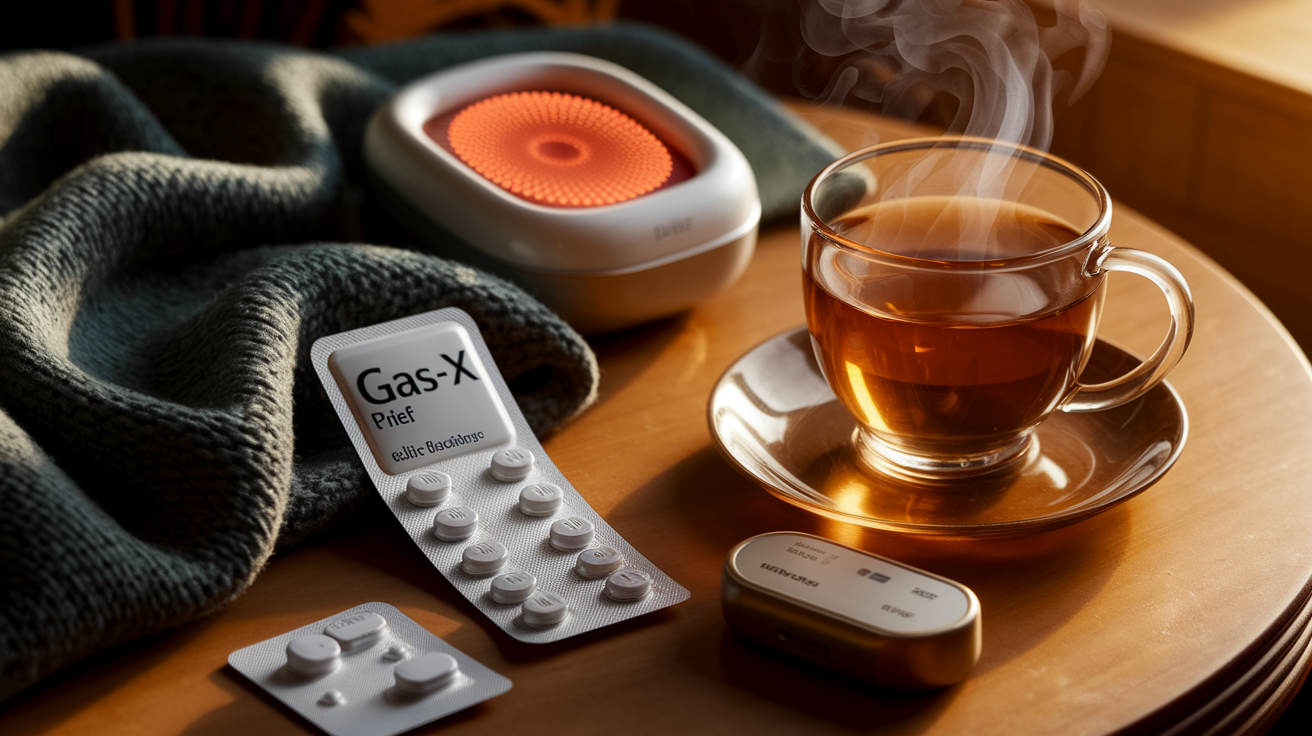
When gas and bloating hit, you want relief now. Somewhere between 10% and 25% of people deal with this at least occasionally, so you’re definitely not alone.
You’ve got a few simple, low-risk options that can work within minutes. Over-the-counter stuff like Gas-X has simethicone, which breaks up gas bubbles so they’re easier to pass. A heating pad on your belly relaxes tight muscles and eases cramping. Even a short walk can help trapped air move through instead of just sitting there building pressure.
Pick one or two things and see what happens. Trying everything at once won’t speed things up, and you won’t know what actually helped.
- Grab a simethicone product like Gas-X or Maalox Anti-Gas.
- Put a heating pad or warm compress on your belly for 10 to 15 minutes.
- Walk slowly for 5 to 10 minutes.
- Sip warm herbal tea. The warmth can relax your digestive muscles.
- Try an antacid like Tums or Pepto Bismol if you’re also dealing with acid discomfort or mild nausea.
- Lie on your left side and gently pull your knees toward your chest.
| Remedy | What It Helps Most |
|---|---|
| Simethicone (Gas-X) | Breaking up trapped gas bubbles |
| Heating pad or warm compress | Muscle cramping and abdominal tension |
| Short walk after eating | Moving gas through the digestive tract |
| Warm herbal tea | Soothing stomach muscles and mild bloating |
Common Causes of Gas, Bloating and Abdominal Pressure
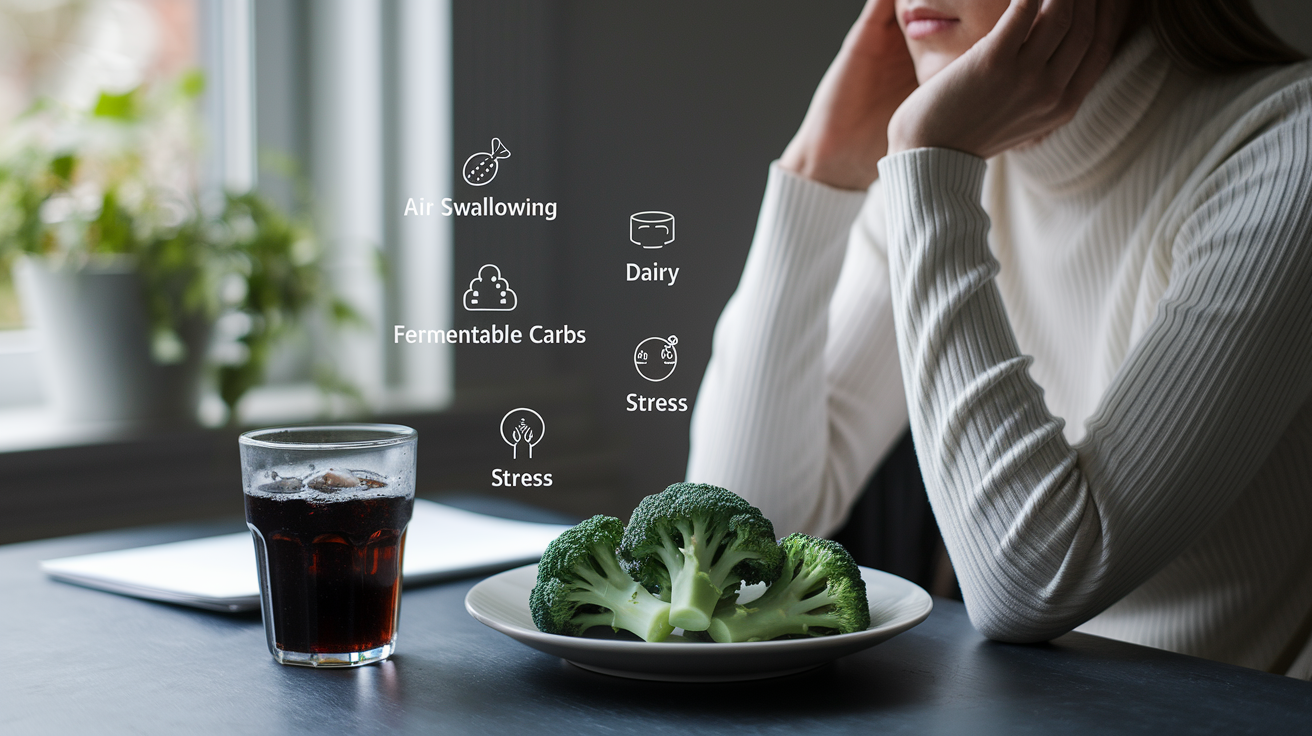
Gas builds up for a few different reasons. You swallow air when you eat too fast, chew gum, drink through a straw, or talk while eating. That air has to go somewhere. It either comes out as burping or moves lower into your intestines as trapped gas. Most people pass gas 10 to 25 times a day, and it’s more common later in the day after meals have had time to move through.
Food also creates gas during normal digestion. When bacteria in your gut break down certain carbohydrates, they produce gas. Foods high in raffinose, like broccoli, Brussels sprouts and cabbage, are common culprits. Food intolerances make things worse. If you’re lactose intolerant or sensitive to fructose or gluten, undigested food reaches your colon and ferments, creating gas bubbles that cause bloating and pressure.
Digestive conditions and getting older also play a role. Digestion slows down naturally as you age. Conditions like SIBO, IBS, GERD and microbiome imbalances can all increase bloating. Stress, poor sleep, inactivity and hormonal shifts around your period or menopause can slow things further, letting gas build up instead of moving through smoothly.
Dietary Changes to Reduce Bloating and Excess Gas
What you eat directly affects how much gas your digestive system produces. Some foods ferment in the colon and create more gas and abdominal pressure. Ultra-processed foods like soda, chips, hot dogs and sugary cereals often have ingredients that slow digestion or introduce carbonation and artificial sweeteners that create bloating.
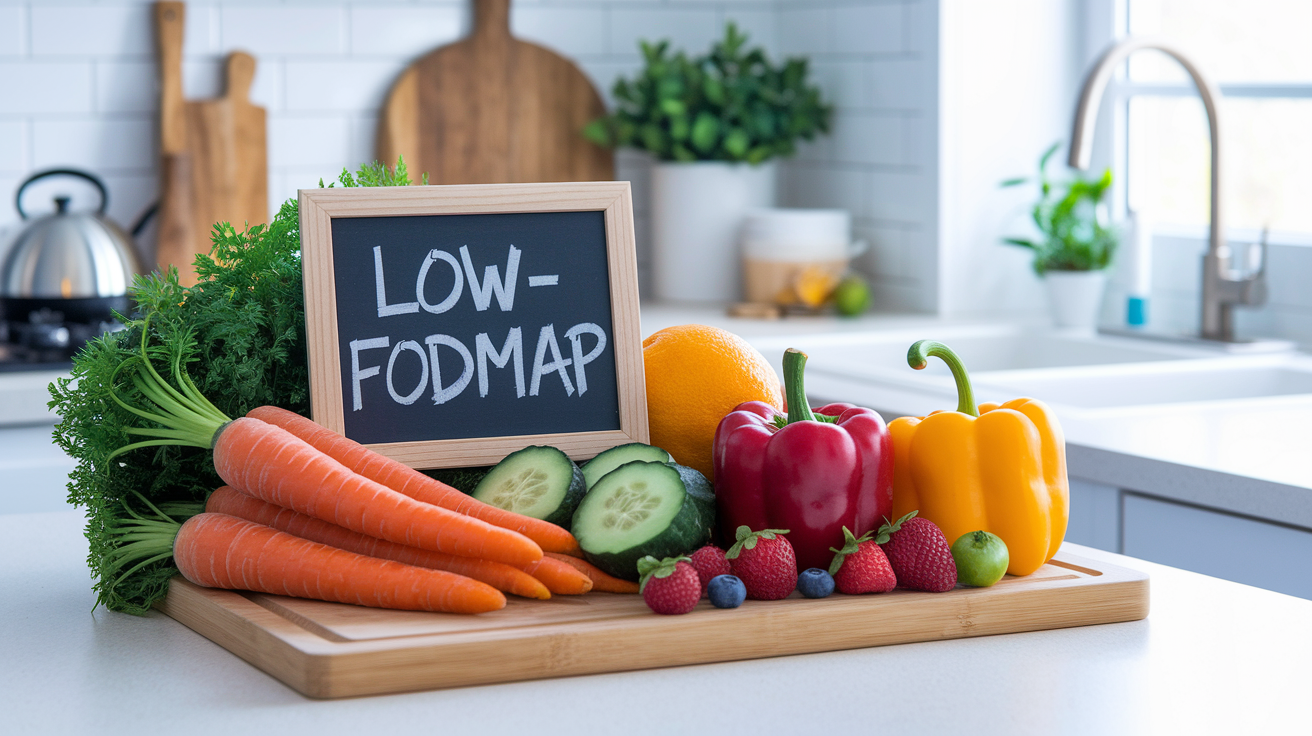
Swapping out high-risk foods for gentler options can make a noticeable difference within a day or two. Lean proteins digest more smoothly than fatty or heavily processed meats. Low-FODMAP vegetables like carrots, cucumbers and bell peppers produce less gas than cruciferous varieties. Lower-fructose fruits like berries and citrus are easier on your system than apples, pears and mangoes.
Common trigger foods to watch or limit:
- Carbonated drinks (soda, beer, sparkling water)
- Dairy products (milk, ice cream, soft cheeses) if you’re lactose intolerant
- Cruciferous vegetables (broccoli, cabbage, cauliflower, Brussels sprouts)
- High-fructose fruits (apples, pears, mango, dried fruit)
- Artificial sweeteners (sorbitol, mannitol, xylitol) found in sugar-free gum and candy
- Onions and garlic
- Whole grains in large portions (wheat, barley, rye)
- Beans and lentils, especially in large amounts or without gradual introduction
- Fried and fatty foods that slow digestion
- Ultra-processed snacks and packaged meals
| Food Type | Gas-Friendly Swap |
|---|---|
| Regular milk (if lactose intolerant) | Lactaid milk, almond milk, oat milk |
| Broccoli, cauliflower, cabbage | Carrots, zucchini, spinach, bell peppers |
| Apples, pears, mango | Berries, kiwi, oranges, grapes |
| Carbonated soda | Still water with lemon, herbal tea |
| Sugar-free gum with sorbitol | Regular gum in small amounts, or skip it entirely |
Mindful Eating Habits That Reduce Gas and Bloating

How you eat matters just as much as what you eat. Rushing through a meal means you swallow extra air along with your food. That air gets trapped in your stomach and intestines, adding to bloating. Eating quickly also usually means larger bites and less chewing, which makes your digestive system work harder and increases the chance of gas building up.
Slowing down gives your body time to signal fullness before you overeat, and it cuts down on the amount of air you take in. Small shifts in how you sit, chew and pace yourself can make a real difference.
- Chew each bite around 30 times before swallowing. It sounds like a lot, but it breaks food down and reduces swallowed air.
- Make your meal last at least 20 minutes, even if it’s something quick.
- Sit down at a table instead of standing or moving around while you eat.
- Put away screens and distractions so you can notice when you start to feel full.
- Serve food on a plate instead of eating straight from a container. It makes portion control easier.
- Try eating with chopsticks or your non-dominant hand to naturally slow your pace.
Physical Movement and Positions That Help Release Trapped Gas

Movement helps gas move through your digestive tract instead of sitting still and building pressure. A 2021 study found that a 10 to 15 minute walk after eating reduced bloating in people who regularly experienced it. Light activity doesn’t need to be intense. Even stretching or shifting positions can encourage trapped air to shift and release.
Regular exercise also supports your digestive system over time. A 2023 review in the Journal of Rehabilitation Medicine showed that consistent physical activity, including walking, running, biking, swimming and yoga, reduced IBS symptoms like bloating. Movement improves gut motility, lowers stress and helps regulate the hormones that affect digestion.
- Walk for 10 to 15 minutes after meals, especially after lunch or dinner when bloating tends to peak.
- Try gentle yoga poses like child’s pose, knees-to-chest, or a seated spinal twist.
- Lie on your left side and pull your knees toward your chest to shift pressure and open pathways for trapped air.
- Use light abdominal massage by gently rubbing your belly in a clockwise circle to follow the path of your colon.
- Practice slow, deep breathing. Long exhales relax abdominal muscles and reduce tension that can trap gas.
Natural Remedies and Home Treatments for Gas Relief
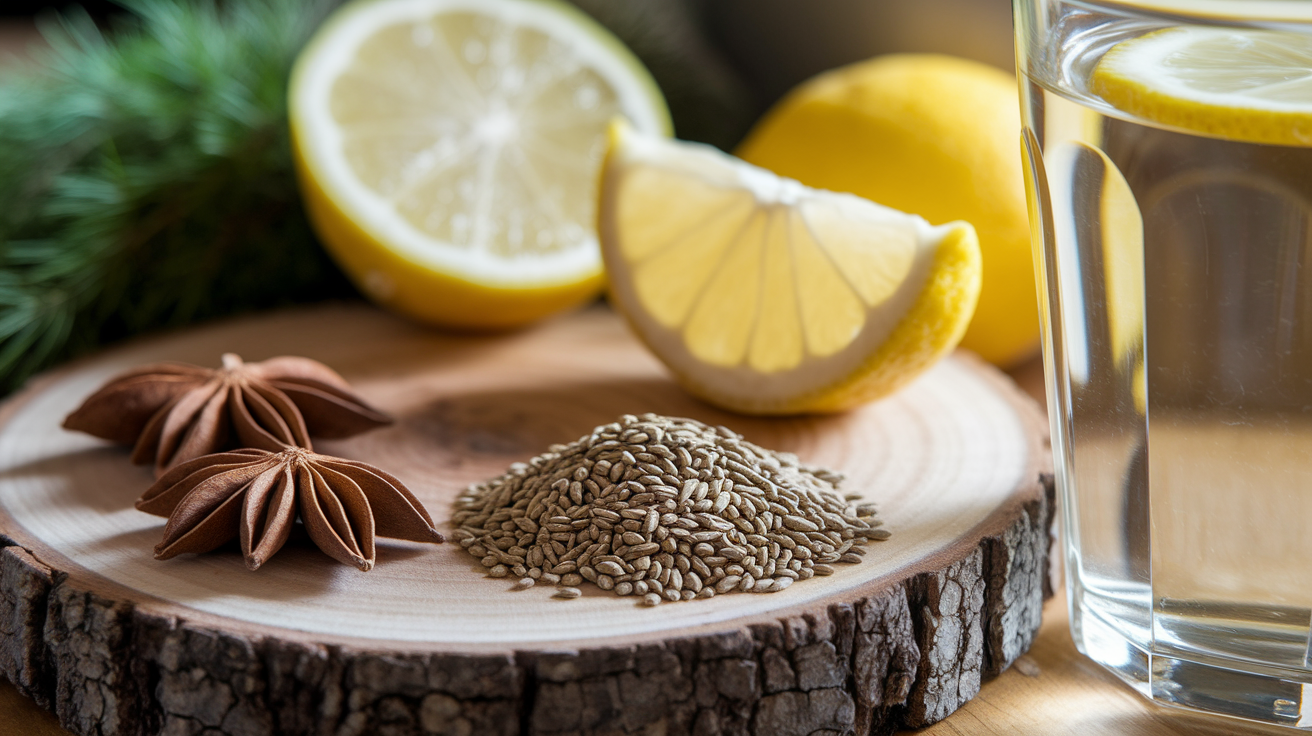
Certain herbs and spices have been used for generations to ease digestive discomfort, and some have research backing them up. Anise, for example, has been shown to reduce bloating in people with IBS and dyspepsia. Fennel seeds contain compounds that relax the smooth muscles in your digestive tract, helping gas move more easily. Cumin and caraway seeds work in similar ways and can be added to cooking or steeped as tea.
Other gentle options include lemon water first thing in the morning to get digestion moving, apple cider vinegar diluted in water before meals, and turmeric added to food for its anti-inflammatory effects. These remedies are low-risk and can be tried one at a time to see what helps.
| Remedy | How It Works | Best For |
|---|---|---|
| Anise (tea or cooking) | Relaxes digestive muscles and reduces fermentation | IBS-related bloating, post-meal fullness |
| Fennel seeds | Eases muscle spasms in the gut | Trapped gas, cramping |
| Cumin or caraway seeds | Supports digestion and reduces gas production | Heavy meals, bloating after beans or grains |
| Lemon water (warm) | Stimulates digestive enzymes and motility | Morning sluggishness, constipation-related bloating |
| Apple cider vinegar (diluted) | May increase stomach acid and improve breakdown of food | Bloating after meals, mild indigestion |
| Turmeric | Reduces inflammation in the digestive tract | Chronic low-grade bloating, IBS symptoms |
OTC Medications and Supplements for Gas and Bloating Relief

Over-the-counter products offer targeted help when dietary changes and natural remedies aren’t enough. Simethicone, found in Gas-X and Maalox Anti-Gas, works by breaking up gas bubbles so they’re easier to pass. It’s widely used for occasional bloating and considered safe for most people. Beano contains alpha-d-galactosidase, an enzyme that helps your body digest complex carbohydrates in beans, lentils and some vegetables before they reach the colon and ferment.
Activated charcoal products like CharcoCaps are marketed for gas relief, but the evidence is limited. Some people say it helps, but results are inconsistent. Probiotics can support gut health over time, but they sometimes cause short-term gas as your microbiome adjusts. If you’re adding a probiotic, start with one strain and a low dose, then give it a few weeks before deciding if it’s helping.
Digestive enzyme supplements, including papaya enzymes and pineapple bromelain, may help break down protein and support digestion if your body isn’t producing enough on its own. These can be worth trying if bloating follows high-protein meals or if you’ve noticed digestive sluggishness. Check with a healthcare provider before starting a new supplement, especially if you take prescription medications or have underlying health conditions.
Tracking Triggers and Prevention Strategies for Long-Term Improvement
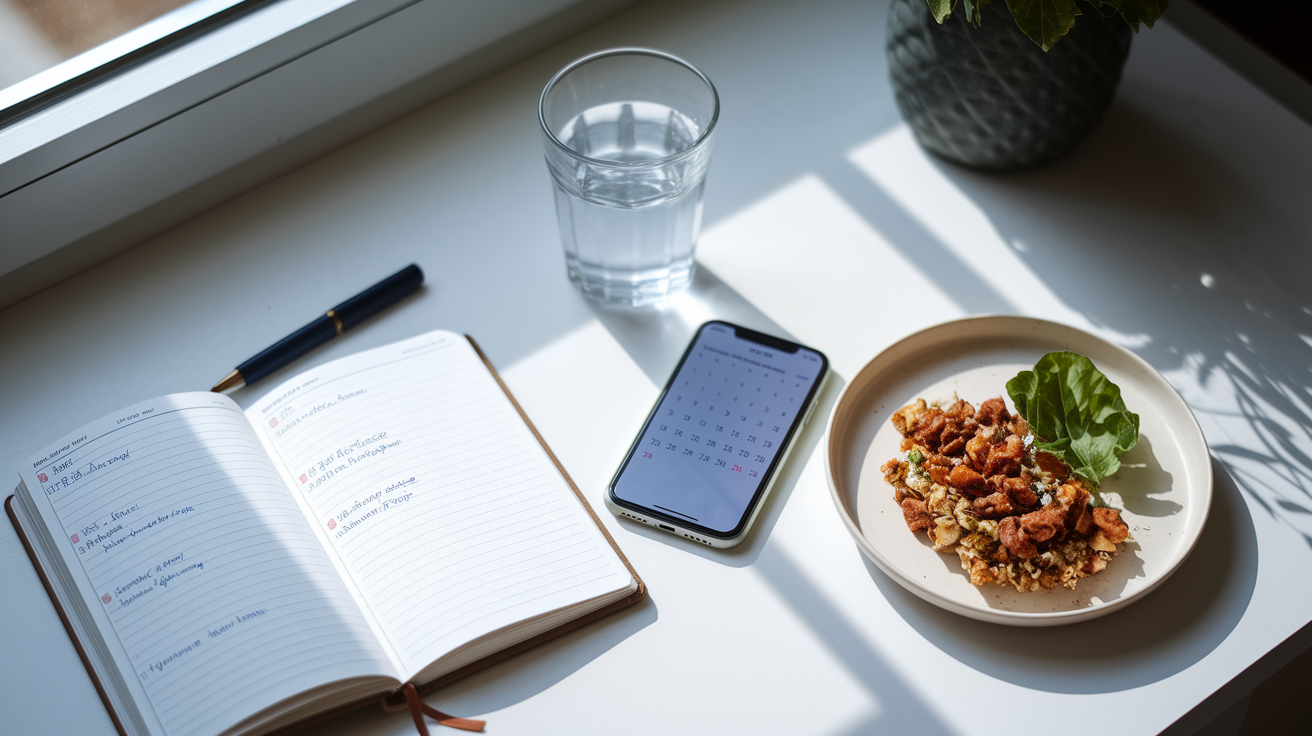
Reducing gas and bloating long-term means identifying your specific triggers and making small, sustainable changes. Keeping a food and symptom diary for a few weeks is one of the most practical tools you have. Write down what you ate, when you ate it, portion sizes, and when bloating or gas showed up. Patterns usually emerge within two to three weeks, and that information makes it easier to pinpoint problem foods or behaviors.
Once you know your triggers, you can start eliminating or reducing them one at a time. Going slow makes it easier to tell what’s working. If simple swaps don’t help and bloating remains persistent, a low-FODMAP diet may be worth exploring under the guidance of a nutritionist, since it’s restrictive and best done with support.
- Keep a daily food and symptom journal for at least two weeks. Note meals, timing, portion sizes and when symptoms appear.
- Stay hydrated throughout the day. Water helps move food through your digestive tract and prevents constipation that can trap gas.
- Add fiber gradually if your diet is low in it, since sudden increases can worsen bloating temporarily.
- Eat smaller, more frequent meals instead of large portions that overload your digestive system.
- Maintain a consistent sleep schedule. Poor or irregular sleep disrupts gut motility and hormone regulation.
- Build regular physical activity into your week, even if it’s just 20 minutes of walking most days.
- Manage stress with grounding practices like slow breathing, short walks, body scans or mindfulness, since stress directly affects digestion through the gut-brain connection.
When Gas and Bloating Require Medical Evaluation

Most gas and bloating resolves with simple changes, but persistent or worsening symptoms can signal an underlying condition that needs evaluation. If bloating doesn’t improve after a few weeks of tracking triggers and trying relief strategies, it’s worth checking in with a healthcare provider. Conditions like IBS, SIBO, celiac disease, GERD and inflammatory bowel disease can all cause chronic bloating and require targeted treatment.
Certain red flags mean you should see a doctor sooner rather than later. Severe or ongoing abdominal pain, unexplained weight loss, blood in your stool, fever, fatigue, anemia, vomiting or difficulty swallowing are all reasons to get evaluated. These symptoms may point to something more serious, and catching it early makes a difference. Bring your food diary and any notes about what you’ve tried so far. That context helps your provider narrow down causes and recommend next steps that fit your situation.
Final Words
When you feel that tight, gassy pressure, start with fast relief such as simethicone, a heating pad, a short walk, or an antacid.
This article covered common causes, quick fixes, dietary swaps, mindful-eating tips, movement and herbal and OTC options, plus simple tracking to spot patterns and red flags.
Try the immediate steps, keep a short food-and-symptom log, and share it with your clinician if needed. These practical actions can help you learn how to get rid of gas and bloating and feel more comfortable soon.
FAQ
Q: How do I get rid of bloating and gas asap?
A: The fastest ways to relieve bloating and gas are a short walk, warm compress, simethicone (like Gas‑X), sipping warm water or tea, and gentle abdominal massage to help trapped air move.
Q: How do you trigger gas release?
A: You can trigger gas release by changing positions and moving: walk, lie on your back and pull knees to chest, do gentle abdominal massage, try slow exhale breathing, or use yoga twists to help gas pass.
Q: How to flush gas out of your stomach?
A: To flush gas out of your stomach, sip warm water or herbal tea, take an OTC simethicone product, apply heat, walk briefly, and try gentle burping or abdominal massage to encourage release.
Q: Why am I so gassy and my stomach is bloated?
A: Being very gassy and bloated is often caused by swallowed air, eating quickly, carbonated drinks, high‑gas foods, lactose or fructose intolerance, slowed digestion, or microbiome changes; track triggers and see a clinician if it persists.
Comments are closed