
Feeling bloated, gassy, or like your stomach’s a tight balloon?
It often follows overeating, rich or spicy food, or a tense, hurried day.
You’re not imagining it, and this can feel scary and uncomfortable.
Here’s the simple plan: quick at-home fixes you can try now, like posture changes, a short walk, warm herbal tea, small food swaps, hydration tips, and easy tracking pointers.
These low-risk steps often bring fast relief and help you spot patterns so you know when to get medical help.
Immediate Relief Methods for Easing Digestive Discomfort Fast

When bloating, gas, or indigestion hits, you want relief now. Digestive discomfort often shows up because your stomach is overfull or stretched beyond its usual 1 to 2 cup capacity. You’ve eaten twice that amount or more, and the stretching presses on your diaphragm. Breathing feels shallow. That pressure also pushes digestive fluids upward, which can cause heartburn or a sour taste in your throat.
The first steps are simple and physical. Small changes in posture, movement, and comfort can reduce symptoms within minutes. Later you’ll find detailed information on herbal teas and other options. For now, here are six quick actions that often bring immediate ease.
Try these right away:
- Sip a warm herbal tea slowly. Peppermint, chamomile, or ginger work well.
- Take a gentle 10 to 15 minute walk to get things moving without overexerting.
- Stay upright and don’t lie down for at least two hours after eating.
- Place a heating pad on low or medium heat over your stomach for 15 to 20 minutes. Not longer, to prevent skin irritation.
- Try gentle clockwise abdominal massage to encourage gas movement.
- Sit or stand with good posture instead of slouching, which compresses your abdomen and slows everything down.
Understanding Digestive Discomfort and Why It Happens
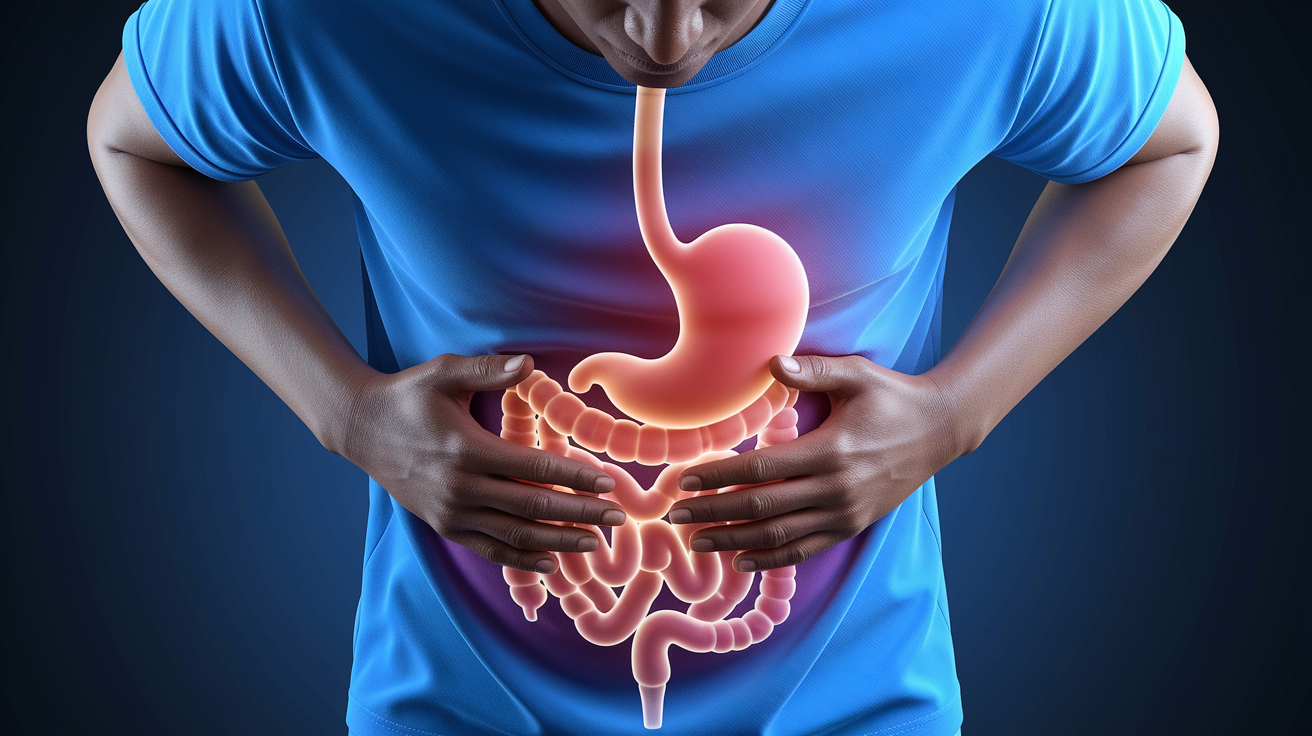
Digestive discomfort happens when your stomach or intestines struggle to process the food you’ve eaten. Symptoms include bloating, gas, indigestion, stomach pain, cramping, and a tight or swollen feeling in your abdomen. The digestive system is designed to move food steadily from stomach to intestines. But certain eating habits and food choices slow that process or trigger irritation.
Overeating is one of the most common causes. When you eat more than your stomach can comfortably hold, the organ stretches and produces extra digestive fluids to break everything down. High-fat foods like fried chicken or creamy sauces take much longer to digest, so stomach pain can linger for hours. Spicy meals, caffeine, alcohol, and carbonated beverages irritate the stomach lining or increase gas production. Anxiety and stress also mess with digestion by changing how quickly food moves through your system.
Eating too fast or not chewing your food thoroughly makes the problem worse. When you swallow large chunks of poorly chewed food, your stomach has to work harder and longer. That increases bloating and gas. Slowing down and chewing each bite 15 to 20 times gives your body time to signal fullness before you overfill your stomach.
Dietary Adjustments That Help Ease Digestive Discomfort
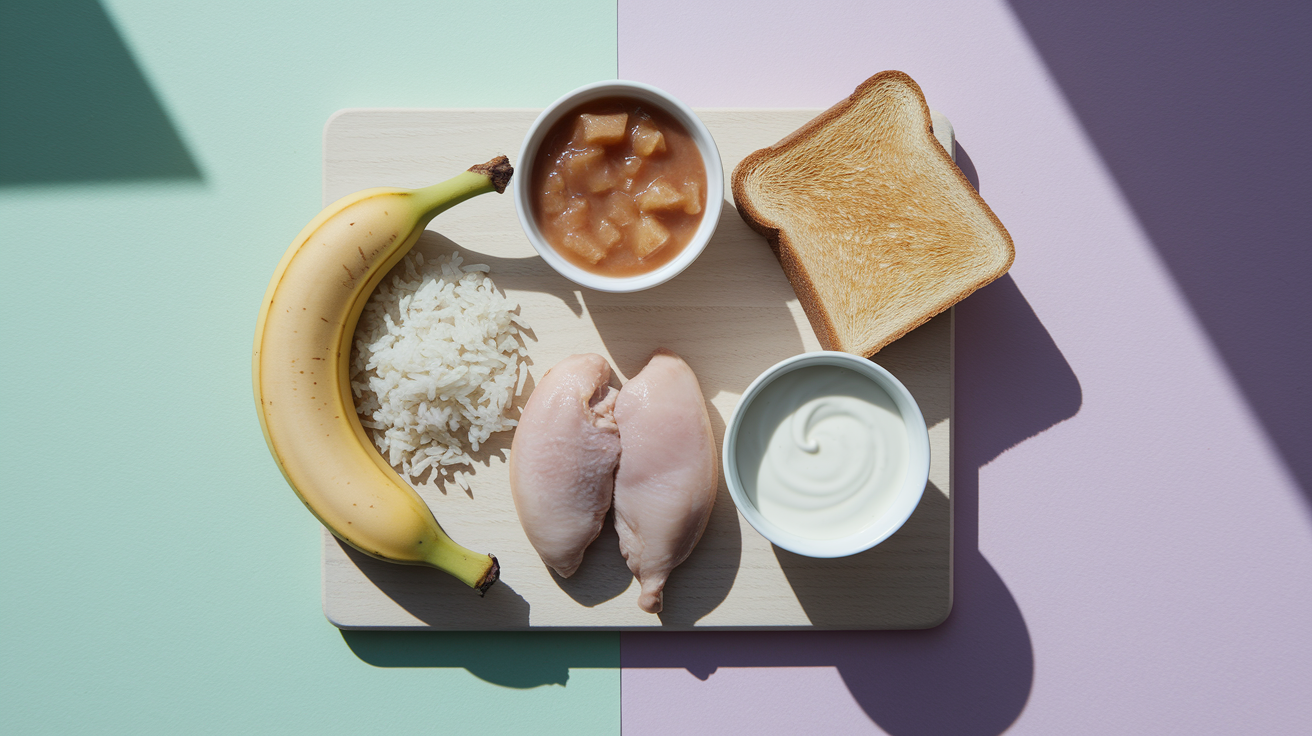
The foods you choose and how you time your meals have a direct impact on how your stomach feels. Some foods soothe. Others irritate. Some eating patterns reduce symptoms while others make bloating and gas worse.
Start by avoiding known triggers. Fatty and greasy foods slow digestion and sit heavily in your stomach. Spicy foods can irritate the lining and worsen heartburn. Alcohol relaxes the muscle that keeps stomach acid from backing up into your esophagus. Caffeine increases acid production. Carbonated beverages add gas to your digestive tract. For many people that means more bloating, even if carbonation helps a few people burp and release pressure. When symptoms are active, shift toward bland foods like bananas, plain rice, unsweetened applesauce, and dry toast. This combination, known as the BRAT diet, helps bind stool and reduce diarrhea.
Practical dietary strategies to reduce digestive discomfort:
- Eat smaller, more frequent meals instead of three large ones to avoid overfilling your stomach.
- Stop eating before you feel completely full. Pause halfway through your meal and wait five minutes to let fullness hormones register.
- Don’t lie down or go to sleep for at least two to three hours after eating to prevent reflux.
- Choose baked, steamed, or grilled foods over fried options.
- Limit alcohol, caffeine, and spicy seasonings when your stomach is sensitive.
- Drink a large glass of water 15 to 30 minutes before meals to prime digestion. But sip only small amounts during the meal to avoid diluting stomach acid.
- Swap soda and sugary drinks for plain water or herbal tea.
- Keep portion sizes moderate and chew food slowly and thoroughly before swallowing.
Herbal and Natural Remedies to Calm the Digestive System
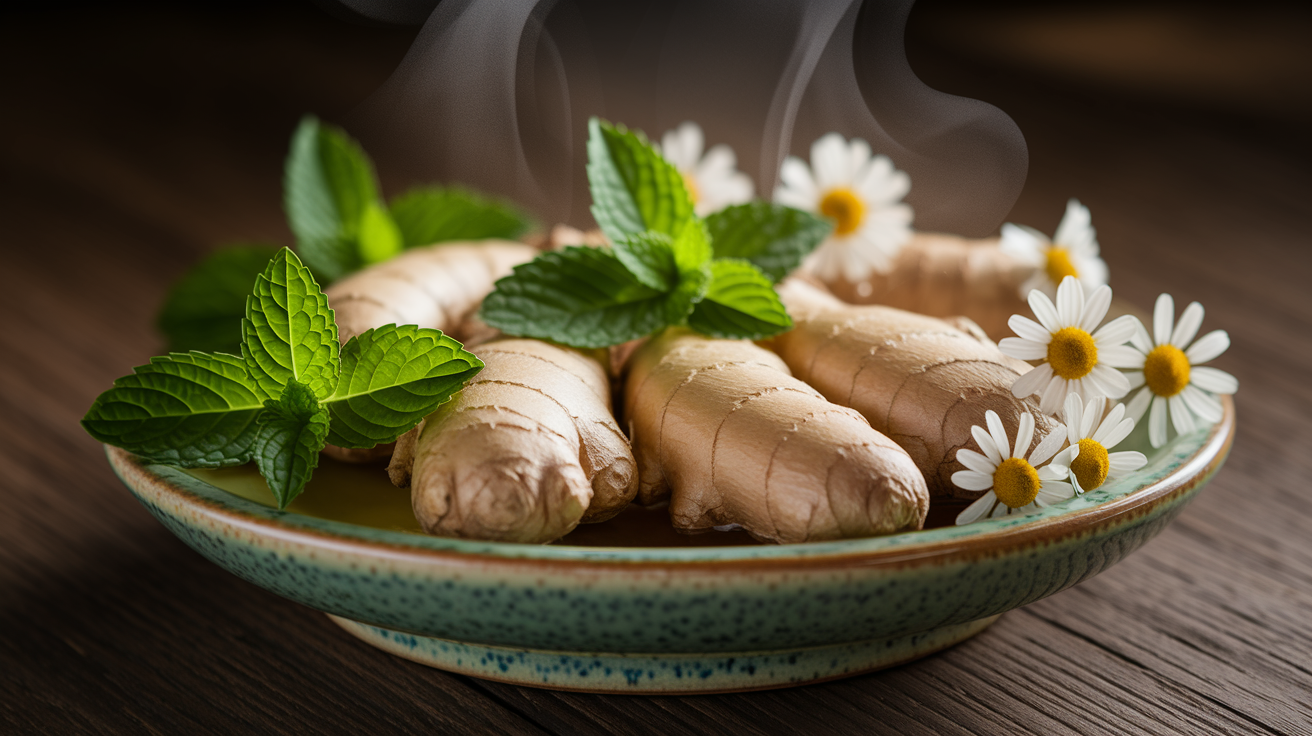
Certain herbs have been used for centuries to ease stomach upset, and modern research supports many of these traditional remedies. The options below are gentle, low-risk, and commonly available as teas, capsules, or fresh ingredients.
Ginger for Nausea
Ginger is one of the most effective natural remedies for nausea, indigestion, and vomiting. It works by speeding up stomach contractions, which helps move food through your digestive system faster. You can chew candied ginger, sip ginger tea made from fresh sliced ginger root, add ginger to warm water with a little honey, or take ginger capsules. Some people find relief from ginger ale. But most commercial versions contain high amounts of sugar and very little real ginger, so they may not help as much as fresh or concentrated forms.
Peppermint for Cramping
Peppermint relaxes the muscles in your intestines and stomach, which reduces cramping and the tight, uncomfortable feeling that comes with gas and bloating. Peppermint tea is the easiest way to use it. Steep a peppermint tea bag or a few fresh leaves in hot water for five minutes and sip slowly. Peppermint oil capsules are also available, but tea is gentler and works well for most people.
Chamomile for Bloating
Chamomile has mild anti-inflammatory properties and helps reduce gas, bloating, and cramping. It’s especially useful for symptoms related to irritable bowel syndrome or stress-triggered indigestion. Brew chamomile tea and drink it warm after meals or whenever symptoms begin.
Fennel or Cumin
Fennel seeds and cumin both help reduce gas and bloating by relaxing the digestive tract and encouraging trapped gas to move through. Chew half a teaspoon of fennel seeds after a meal, or steep them in hot water to make a mild tea. Cumin can be added to food or brewed as a tea using crushed seeds.
Hydration and Fluids That Reduce Digestive Discomfort

Water is essential for every stage of digestion. Your stomach needs fluids to produce digestive enzymes and move food smoothly through your intestines. Dehydration slows digestion, increases cramping, and makes nausea worse. The general guideline is to drink about 64 ounces of water per day, which equals eight 8-ounce glasses. Your actual needs depend on activity level, climate, and overall health.
Timing matters. Drinking a large glass of water 15 to 30 minutes before you eat helps prime your digestive system and can reduce how much food you consume. During meals, sip only small amounts. Drinking too much water while you eat dilutes stomach acid, which your body needs to break down food efficiently. After meals, wait 30 minutes before drinking larger amounts again.
Helpful hydration habits:
- Keep a reusable water bottle nearby and sip throughout the day.
- Replace soda, coffee, and sugary sports drinks with plain water or herbal tea.
- If plain water feels boring, add a squeeze of fresh lemon or a few slices of cucumber.
- Drink more water if you’ve had alcohol, caffeine, or salty food. All of which can dehydrate you.
- Monitor your urine color. Pale yellow means you’re hydrated. Dark yellow or amber means you need more fluids.
Gut Health, Probiotics, and Long-Term Digestive Comfort
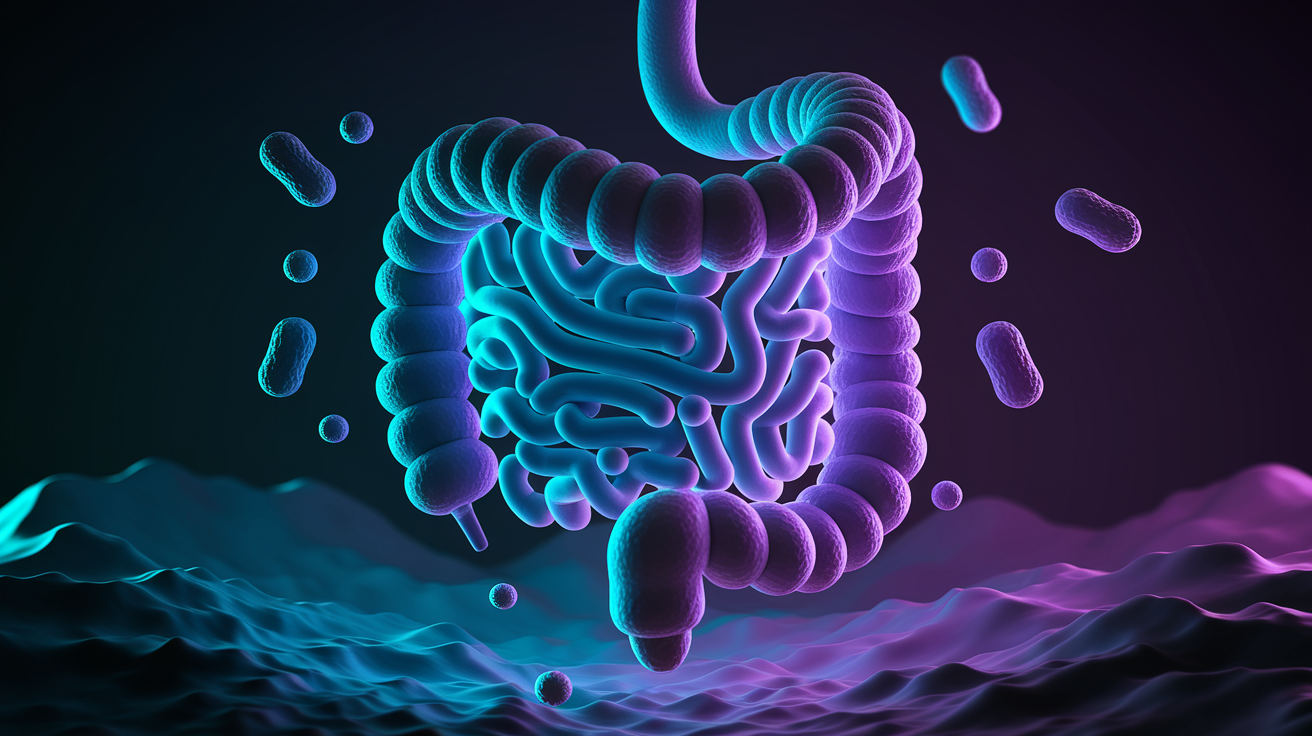
Your digestive system contains trillions of bacteria, fungi, and other microorganisms that make up your gut microbiome. These microbes help break down food, produce vitamins, regulate your immune system, and protect against harmful bacteria. When the balance is disrupted by illness, antibiotics, stress, or a poor diet, digestive symptoms like bloating, gas, cramping, and irregular bowel movements often follow.
Probiotics are live beneficial bacteria that help restore balance. Fermented foods are the best natural source. Yogurt with live active cultures, kefir, kombucha, sauerkraut, kimchi, and pickled vegetables all contain probiotics. Eating these foods regularly supports long-term gut health and can reduce recurring digestive discomfort. Start with small servings and increase gradually, since too much fermented food at once can temporarily increase gas and bloating until your system adjusts.
If dietary changes don’t resolve symptoms, probiotic supplements in capsule, tablet, or powder form may help. Look for products that list specific bacterial strains and contain at least 1 billion colony-forming units per dose. Probiotics are especially useful after a round of antibiotics, which kill both harmful and helpful bacteria. Talk to a healthcare provider if you’re not sure which strain or dose is right for your symptoms.
Physical Movement and Body-Based Ways to Ease Digestive Distress

Gentle physical activity stimulates your digestive system and encourages food and gas to move through your intestines. Walking is one of the simplest and most effective options. A slow 10 to 15 minute walk after a meal helps reduce bloating and can prevent that heavy, uncomfortable feeling that comes after eating too much. Don’t run or do intense exercise right after eating, though. Strenuous activity diverts blood flow away from your digestive organs to your muscles, which can slow digestion and make symptoms worse.
Stretching and certain yoga poses also help. Gentle twists, forward folds, and poses that compress the abdomen can encourage trapped gas to release. Simple stretches like lying on your back and pulling your knees toward your chest, or sitting in a squat position, create gentle pressure that moves gas along.
Gentle movement practices that reduce gas and bloating:
- Take a slow walk around your home or neighborhood after meals.
- Try a few minutes of easy yoga poses like child’s pose, seated twist, or knees-to-chest stretch.
- Practice slow, deep breathing while lying on your back to relax abdominal muscles.
- Use light clockwise abdominal massage while standing or lying down to encourage movement through the intestines.
Over-the-Counter Aids for Digestive Discomfort
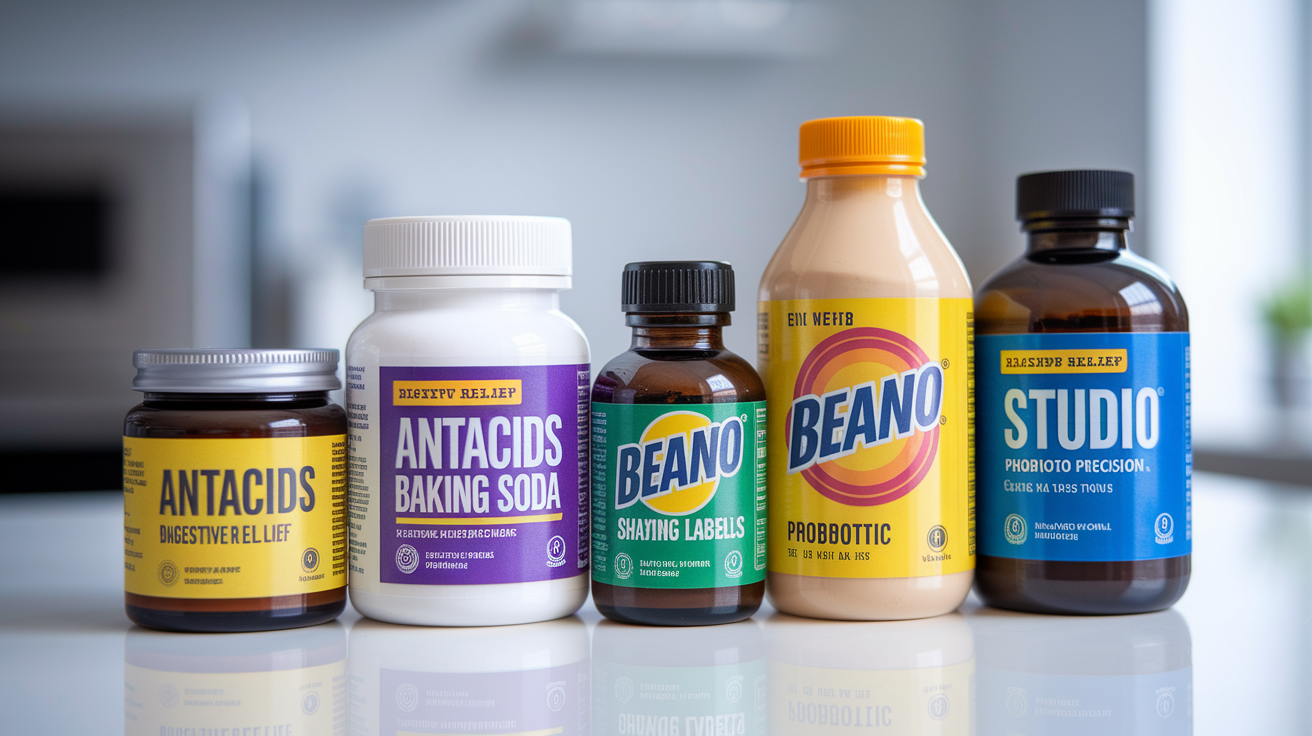
When natural remedies aren’t enough, over-the-counter options can provide relief. Antacids like Tums, Rolaids, or simple baking soda neutralize stomach acid and reduce heartburn and indigestion. If you want to try baking soda at home, mix about half a teaspoon into 4 ounces of warm water and sip slowly. Don’t use baking soda regularly without talking to a healthcare provider, since it’s high in sodium and can affect electrolyte balance.
Digestive enzyme supplements may help if your discomfort is related to specific foods. Lactase supplements help people with lactose intolerance digest dairy. Beano and similar products contain enzymes that break down complex carbohydrates in beans, broccoli, and other gas-producing vegetables. Activated charcoal is sometimes used to reduce gas and bloating, but evidence is limited and it can interfere with medication absorption. Use it cautiously and only occasionally. Always read labels, follow dosing instructions, and avoid long-term use of any OTC product without medical guidance.
Tracking Triggers and Identifying Patterns in Digestive Problems
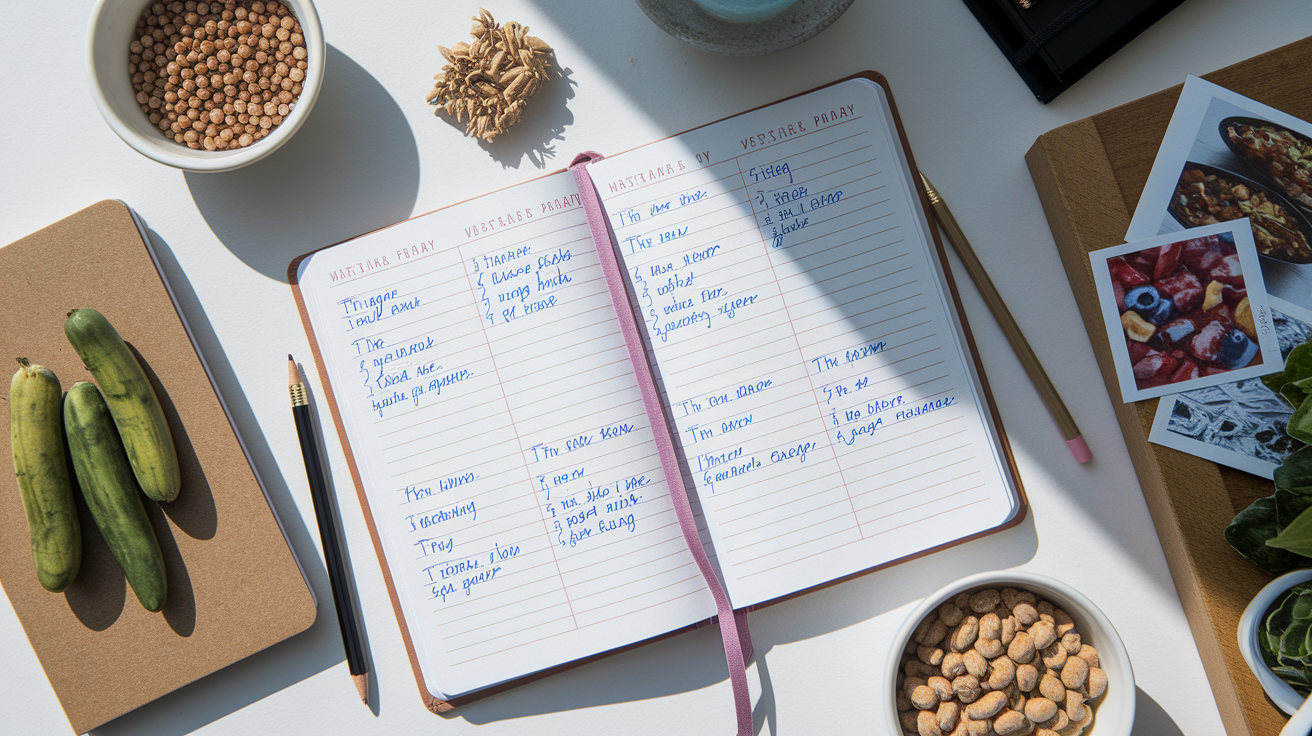
If digestive discomfort happens often, tracking what you eat and when symptoms occur can help you find patterns. Some people react to lactose in milk and cheese. Others have trouble with gluten in bread and pasta. Spicy foods, alcohol, caffeine, carbonation, fatty meals, and artificial sweeteners are common triggers. An elimination diet, where you remove suspected foods for two to three weeks and then reintroduce them one at a time, can help pinpoint the culprit.
Keeping a simple food diary makes tracking easier. Write down what you ate, the time, portion size, and any symptoms that followed within a few hours. Note severity on a scale of 0 to 10, and include other factors like stress level, sleep quality, and whether you exercised. Over time, clear patterns often emerge.
| Trigger Food | Possible Reaction | Notes |
|---|---|---|
| Dairy (milk, cheese, ice cream) | Bloating, gas, cramping, diarrhea | May indicate lactose intolerance; try lactose-free versions |
| Fried or greasy foods | Stomach pain, nausea, delayed digestion | High-fat foods slow gastric emptying |
| Carbonated beverages | Bloating, belching, increased gas | Adds air to digestive system; effect varies by person |
| Spicy foods or hot sauces | Heartburn, stomach irritation, diarrhea | Capsaicin irritates stomach lining in sensitive individuals |
When Digestive Discomfort Requires Medical Attention

Most digestive discomfort resolves with simple at-home measures. But some symptoms need professional evaluation. If you’ve tried dietary changes, hydration, natural remedies, and movement for a week or two and symptoms persist or worsen, it’s time to see a healthcare provider. Chronic or severe symptoms may point to conditions like gastroesophageal reflux disease, irritable bowel syndrome, food intolerances, or other digestive disorders that respond to targeted treatment.
Certain warning signs require urgent care. Don’t wait if you experience vomiting or diarrhea that lasts more than 24 hours, blood in your stool or vomit, severe abdominal pain that doesn’t ease, unexplained weight loss, fever, dizziness, difficulty swallowing, or pain that spreads to your chest, shoulder, or arm. These symptoms can signal serious problems that need immediate medical attention.
Red-flag symptoms that require prompt evaluation:
- Frequent or persistent vomiting or diarrhea lasting more than a day.
- Blood in stool (black, tarry, or red) or vomit.
- Severe abdominal pain or a hard lump you can feel.
- Unintended weight loss of more than 5 pounds in a few weeks.
- Fever, dehydration, dizziness, or confusion along with digestive symptoms.
Final Words
Start with quick, low-risk moves we covered: sip warm herbal tea, take a slow walk, avoid lying down, try a heating pad briefly, do a gentle belly massage, and steady your posture.
Then focus on longer-term fixes: simple diet shifts, steady hydration, probiotic foods, gentle movement, and safe OTC options when needed. Keep a short food-and-symptom log to spot patterns.
If symptoms are severe or worrying, get medical help. Use these tips on how to ease digestive discomfort as a practical toolbox. Small changes often add up, and you can feel better.
FAQ
Q: How do I get rid of the uncomfortable feeling in my stomach? Why won’t my stomach stop hurting?
A: To stop an uncomfortable stomach feeling or ongoing stomach pain, try sipping warm water or herbal tea, slow walking, avoiding lying down, short heating-pad use, and gentle belly massage. Get medical help for severe, worsening, or bloody pain.
Q: How to clear a digestion problem? How to get rid of trapped gas?
A: Clearing a digestion problem and trapped gas often helps by eating slowly, using smaller portions, avoiding greasy, spicy, or carbonated drinks, trying ginger or peppermint tea, gentle walking, and OTC simethicone. See a clinician if symptoms persist.
Comments are closed