What if a single mug could calm your bloated belly faster than an over-the-counter fix?
You don’t need to wait.
Peppermint, ginger, fennel, chamomile, and dandelion often ease bloating in 15 to 30 minutes.
This post shows which tea fits gas, slow digestion, fluid retention, or stress, and how to brew for best effect.
You’ll get quick “try this now” steps, simple tracking prompts for clinic visits, and clear red flags for when to get help.
Fast-Acting Tea Options for Immediate Bloating Relief
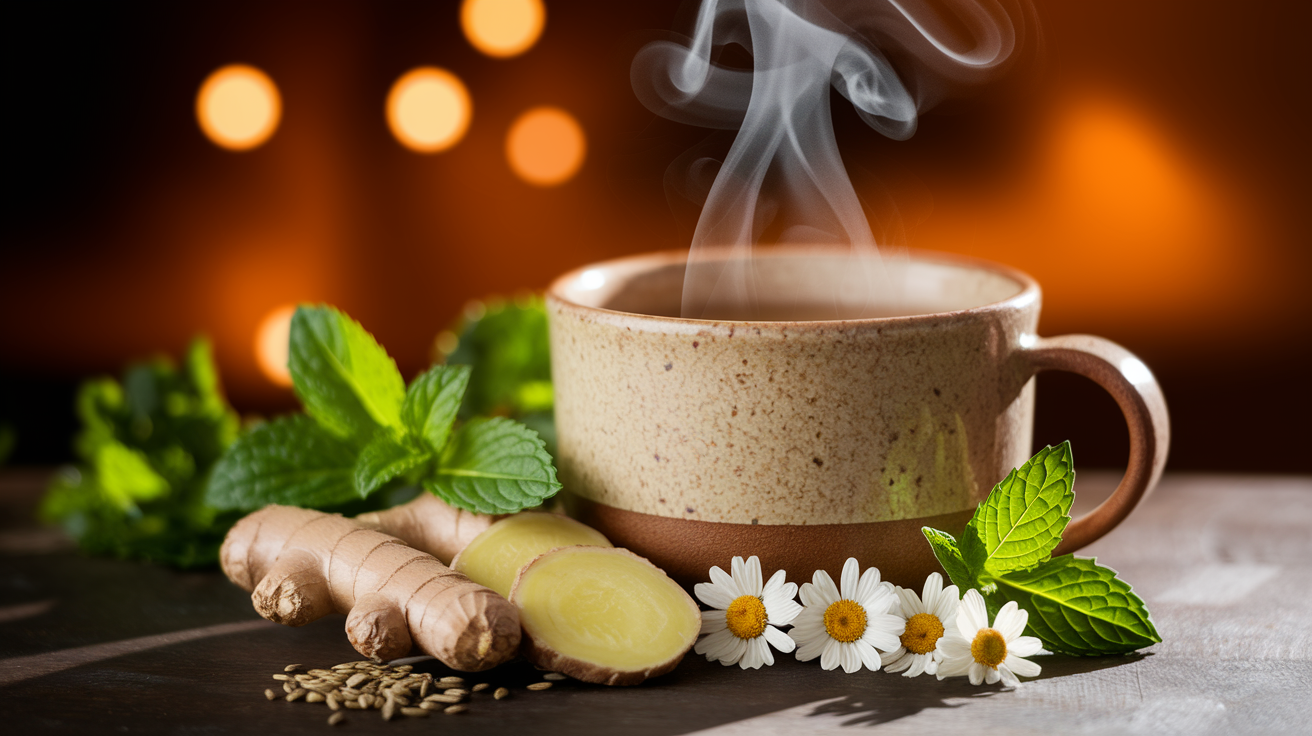
Peppermint, ginger, fennel, and chamomile teas work fast. We’re talking 15 to 30 minutes after your first sip. They target the usual suspects: trapped gas, slow digestion, muscle tension, inflammation. You don’t need days of buildup. When bloating hits after a meal or a stressful afternoon, these teas give you a practical first move before things get worse.
Hot tea beats iced versions every time. The warmth relaxes your digestive muscles and gets circulation moving to your stomach and intestines. So you’re getting a double effect: the herbal compounds do their thing while the heat takes the edge off.
How fast and how well they work depends on what’s causing your bloating and which tea you pick. Match your symptoms to the right option and you’ll cut down the waiting time.
Gas bloating (swelling you can see, pressure, need to let air out): Peppermint or fennel. Both stop gas from building and help what’s already there move through.
Cramping or slow digestion (heavy, stuck feeling, maybe nausea): Ginger. It speeds up how fast your stomach empties and settles intestinal spasms.
Water retention (puffy stomach after salty food, hormonal swelling): Dandelion root. Gentle diuretic that lets go of extra fluid.
Stress-related tightness (bloating when you’re anxious, tight belly tied to emotion): Chamomile or lemon balm. They calm your nervous system and cut down stress-linked inflammation.
Post-meal heaviness (bloating 30 to 60 minutes after eating): Ginger or fennel. Both help food break down and keep moving before fermentation kicks in.
Sharp, sudden gas with visible swelling? Start with peppermint. Stomach feels stuck but not gassy? Try ginger.
How Anti-Bloating Teas Work Inside the Digestive System
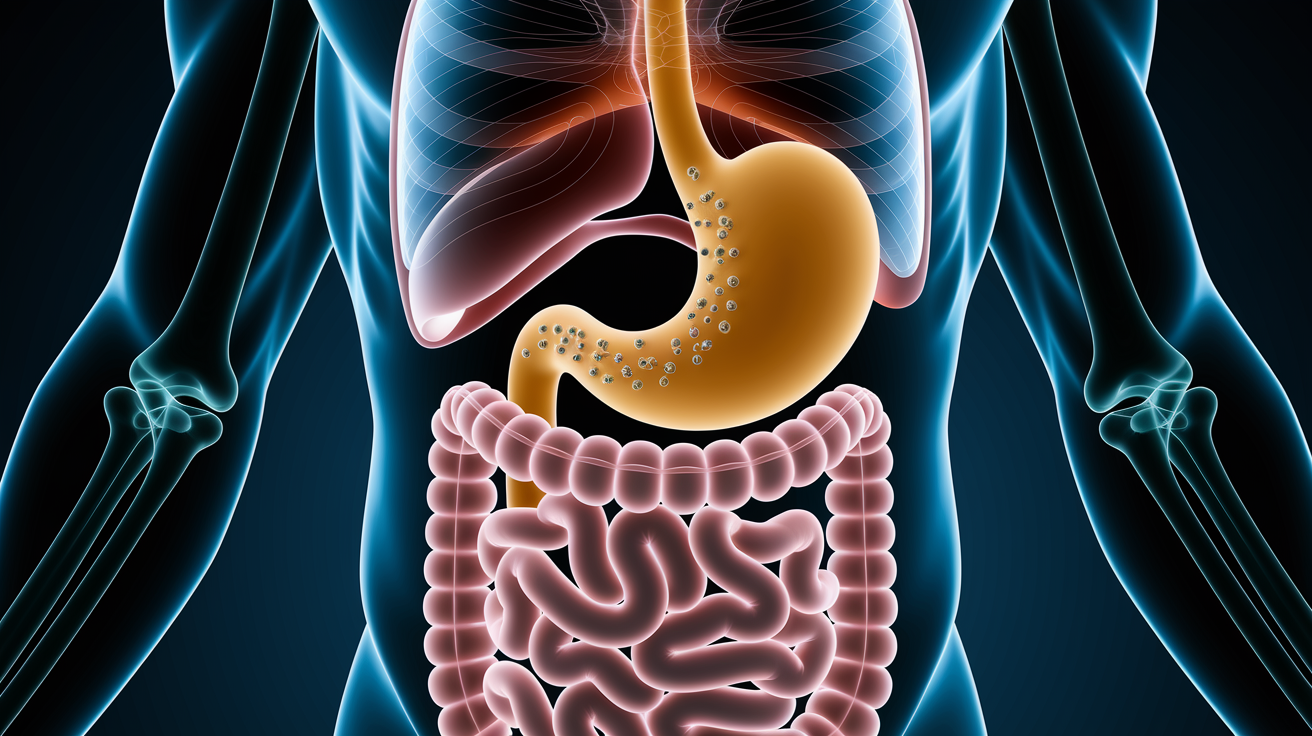
Anti-bloating teas hit four main pathways: muscle relaxation, gas prevention, inflammation reduction, fluid balance.
Antispasmodic herbs relax the smooth muscle that lines your stomach and intestines. That cuts cramping and helps gas pockets move instead of sitting in one painful spot. Carminative herbs stop gas from forming by supporting food breakdown and limiting fermentation (the process where bacteria digest fibers and sugars and produce trapped air).
Anti-inflammatory compounds soothe irritated gut lining. That kind of irritation shows up as bloating when your digestive tract is reacting to stress, food sensitivities, or minor infections. Mild diuretic herbs help your kidneys dump excess sodium and water. That’s the bloating from fluid, not gas. Common during hormonal shifts, after salty meals, when you’ve been sitting all day.
Some herbal compounds might also shift your gut microbiome by supporting good bacteria or discouraging gas-producing strains. But that takes longer to notice than immediate relief.
Digestive Pathways Influenced by Herbal Teas
The combination of these actions is why herbal teas handle multiple bloating triggers at once. A tea that relaxes muscles and prevents gas works faster and more completely than something targeting just one thing. Traditional remedies often blend several carminative and antispasmodic herbs in a single cup for exactly that reason.
Individual Teas for Bloating Relief and How to Use Them Effectively
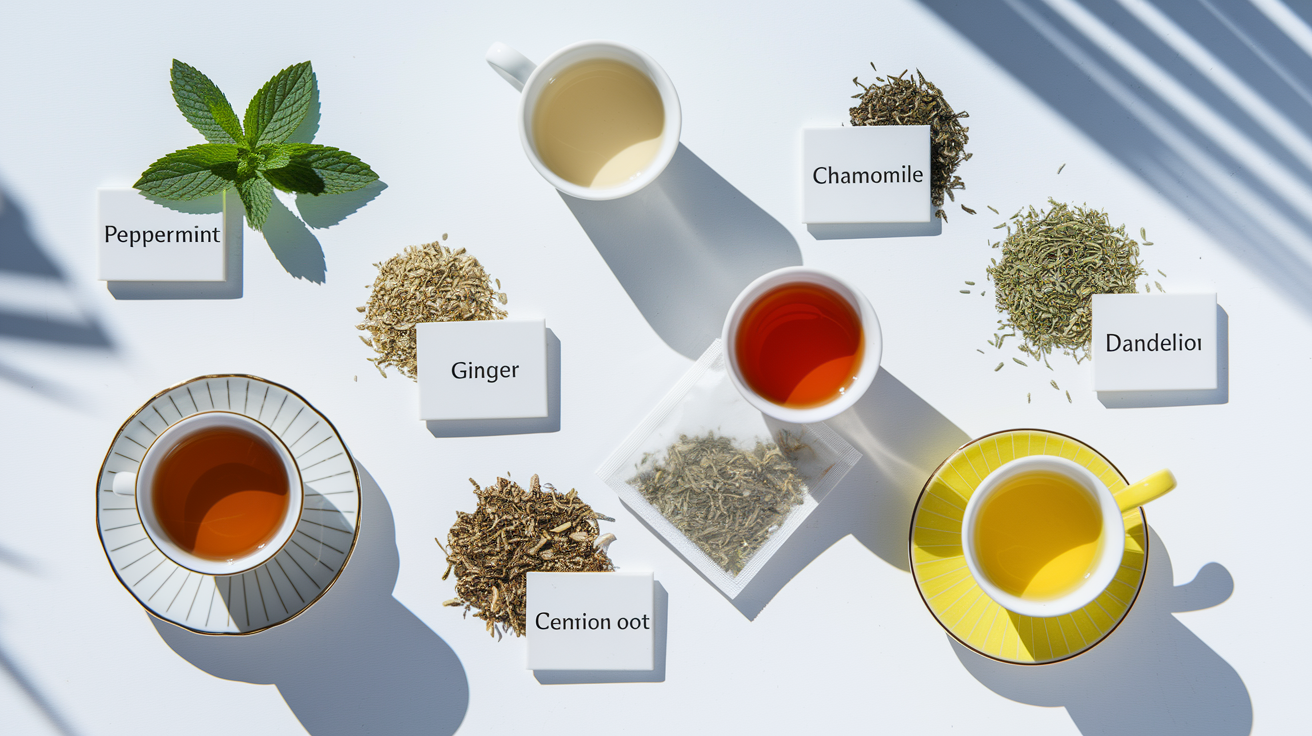
Each anti-bloating tea brings something slightly different. Knowing the details helps you pick the right one for what you’re feeling right now. The teas below include their primary mechanisms, best timing, and practical notes to get the most relief from each cup.
Peppermint
Peppermint tea relaxes your GI muscles through menthol, a natural antispasmodic. It reduces cramping and helps trapped gas move through instead of camping out in one spot. Works best for sharp, uncomfortable bloating with visible swelling and the urgent need to pass gas.
Drink it 30 minutes after a heavy meal or when bloating starts suddenly. Avoid it if you have acid reflux, since the same relaxation effect can loosen the valve between your stomach and esophagus.
Ginger
Ginger tea speeds up gastric emptying. That’s the rate at which food leaves your stomach and enters your small intestine. Faster emptying means less stagnation and fermentation, which cuts down gas buildup and nausea. It also reduces intestinal cramping and has mild anti-inflammatory properties that calm irritation.
Use ginger when bloating comes with sluggish digestion, a heavy stomach, or mild nausea. Especially helpful after rich or fatty meals.
Fennel
Fennel tea relaxes digestive muscles, reduces gas production, and acts as a mild diuretic for water retention bloat. Plus it tastes naturally sweet, like licorice. Easier to drink than more bitter herbs.
Particularly useful after meals high in dairy or fat, and for bloating that includes constipation or abdominal pain. Drink fennel tea after eating or in the evening when discomfort starts to build.
Chamomile
Chamomile tea reduces inflammation in your stomach and intestinal lining while calming your nervous system. That makes it especially helpful for stress-related bloating and digestive discomfort that shows up during or after anxious moments.
Gentle enough for sensitive stomachs. Works well any time of day, though many people find it most soothing in the evening. Good choice when bloating feels tied to worry, disrupted sleep, or general digestive sensitivity.
Dandelion Root
Dandelion root tea works as a gentle diuretic to release excess water. It also supports liver function, which improves bile production and fat digestion. That combination helps both water retention bloat and sluggish digestion after fatty meals.
Most effective for the puffy, swollen feeling from sodium, hormonal shifts, or sitting for long periods. Drink it in the morning or early afternoon to avoid frequent nighttime bathroom trips.
Lemon Balm
Lemon balm tea reduces abdominal bloating while calming your nervous system. It addresses the stress-digestion connection with a light, citrusy flavor that’s easy to drink throughout the day.
Particularly helpful when bloating worsens with anxiety or when your stomach feels tight without a clear food trigger. Use lemon balm for stress-related bloating or as a gentle daily digestive support tea.
| Tea Type | Primary Benefit | When to Use |
|---|---|---|
| Peppermint | Relaxes muscles, moves trapped gas | After meals, sudden sharp bloating |
| Ginger | Speeds digestion, reduces cramping | Sluggish stomach, nausea, heavy feeling |
| Fennel | Reduces gas, mild diuretic | Post-meal, constipation, water retention |
| Chamomile | Anti-inflammatory, calms stress-digestion | Stress-related bloating, sensitive stomach |
| Dandelion Root | Diuretic, supports liver and bile | Water-retention bloat, fatty meals |
| Lemon Balm | Calms nervous system, reduces tightness | Anxiety-driven bloating, daily support |
Final Words
Peppermint, ginger, fennel, and chamomile are the fastest options for immediate relief. Many people feel better in 15 to 30 minutes.
The post listed quick picks, a short speed‑vs‑symptom checklist, and a plain overview of how teas work in the gut. It then gave tea‑by‑tea tips and a comparison table so you can pick the right one for gas, cramps, stress, or post‑meal heaviness.
Try one of these bloating relief tea remedies when you notice bloating. It’s a simple, low-risk first step that often helps.
FAQ
Q: What tea gets rid of bloating fast? / What can I drink to flush out bloating?
A: A fast tea for bloating is peppermint, ginger, fennel, or chamomile; hot tea often works within 15–30 minutes. Sip slowly and avoid iced drinks for quicker, gentler relief.
Q: Can you drink tea during autophagy?
A: Drinking tea during autophagy is generally okay: plain green, black, or herbal tea without sugar or milk usually won’t stop autophagy. If fasting for medical reasons, check with your clinician.
Q: What tea is good for estrogen?
A: Tea that is good for estrogen often contains phytoestrogens: red clover and soy-based infusions have mild estrogen-like compounds. Talk with your clinician before using them if you have hormone-sensitive conditions.
Comments are closed