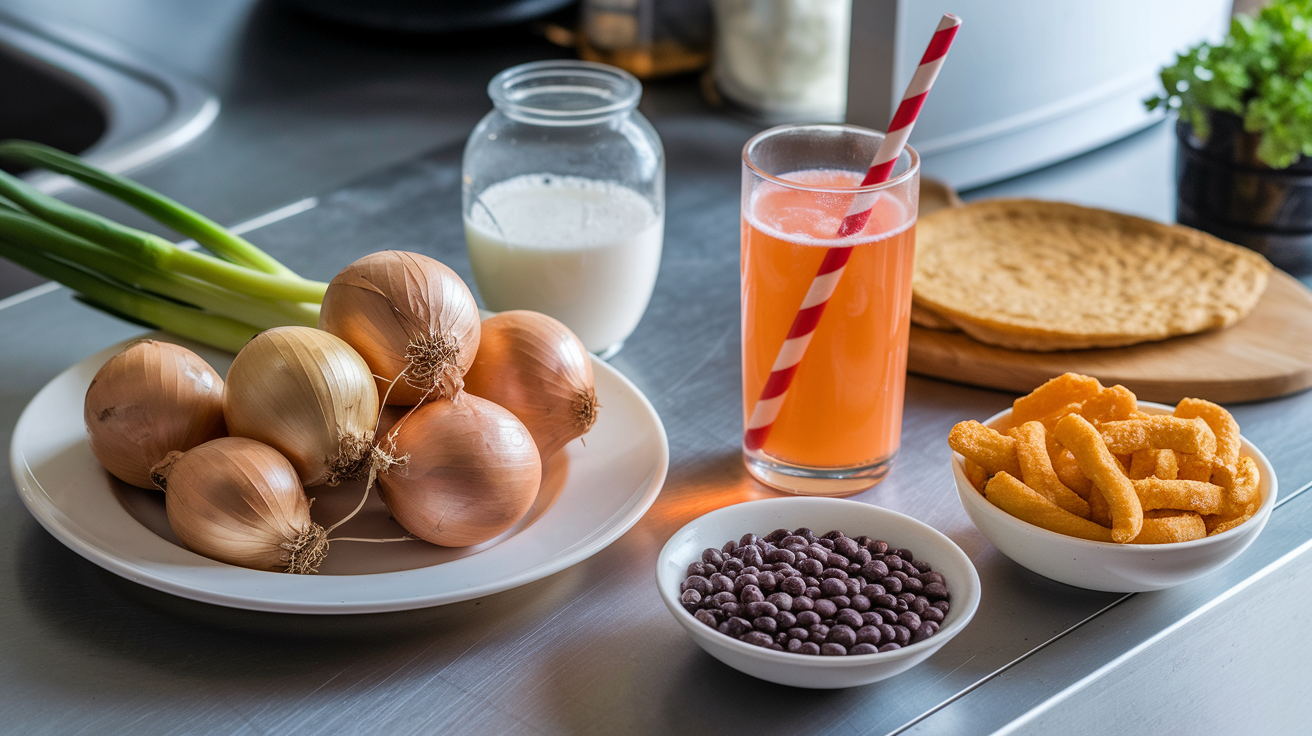
What if your “healthy” salad is secretly making you bloated?
Bloating and indigestion often come from a few common foods that either ferment, trap air, or slow your stomach.
This can feel frustrating and even scary, but you don’t have to guess.
Here’s a clear plan: a quick list of likely offenders, simple reasons they cause trouble, low-risk swaps to try today, and what to track so you can bring useful details to your clinician.
Top Foods That Commonly Trigger Bloating and Indigestion (Quick List)
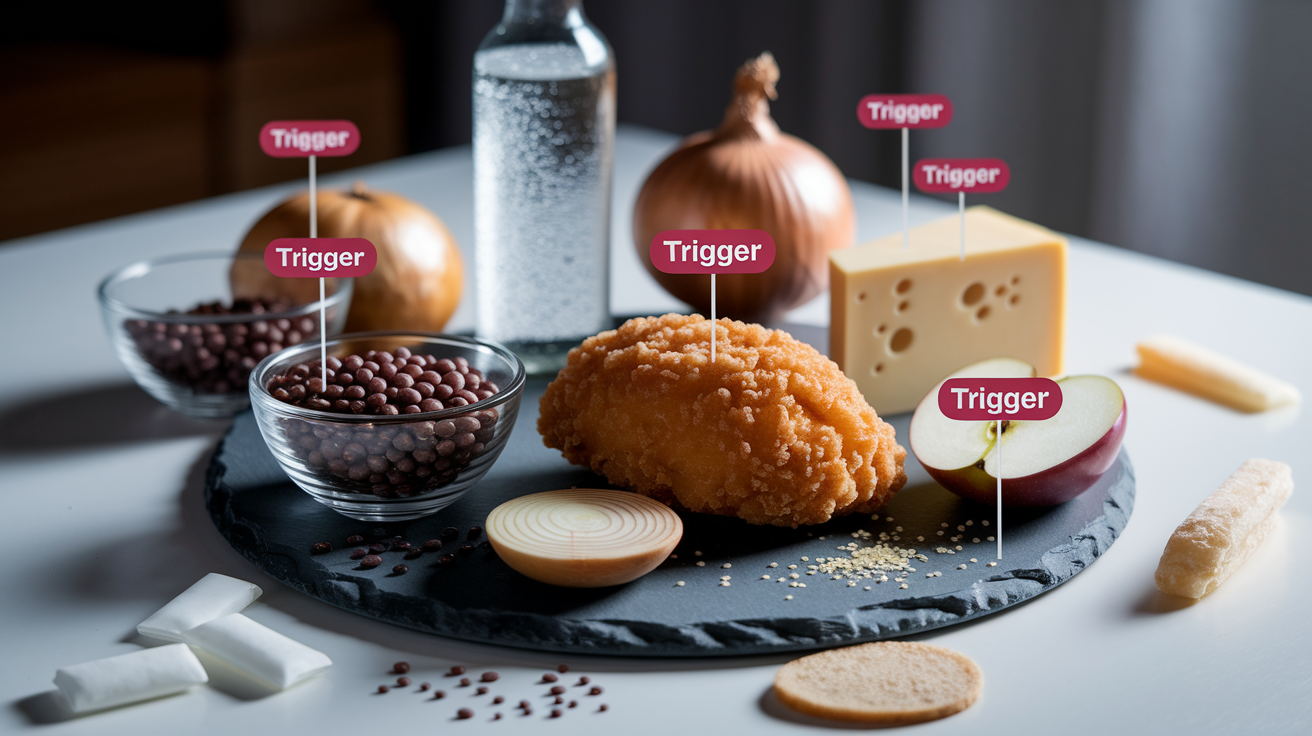
Some foods just wreak havoc on digestion. They ferment, they slow things down, or they sit there like a brick. Knowing which ones tend to cause trouble gives you a place to start noticing your own patterns.
This isn’t about cutting everything out forever. It’s about figuring out what’s actually making you uncomfortable so you can test, track, and decide what works for you.
• Beans and lentils – they ferment and create gas
• Carbonated drinks – you’re literally swallowing air
• Fried and greasy foods – slow everything down and feel heavy
• Onions and garlic – loaded with sugars a lot of people can’t break down
• Dairy products – especially if lactose doesn’t agree with you
• Cruciferous vegetables – broccoli, cauliflower, Brussels sprouts can all produce gas
• Apples and stone fruits – high fructose and fiber that ferments fast
• Wheat-based foods – can be an issue if you’re sensitive to gluten or certain fibers
• Artificial sweeteners – sugar alcohols get absorbed poorly
• Chewing gum – makes you swallow more air and usually has sugar alcohols
Why Certain Foods Cause Bloating and Indigestion

Bloating and indigestion happen when something stalls, ferments, or irritates your gut. Gas builds up when bacteria ferment undigested carbs, creating hydrogen, methane, or carbon dioxide. Fatty meals take forever to leave your stomach, which creates pressure and that sluggish, heavy feeling. Some sugars and fibers skip absorption in the small intestine entirely and land in the colon, where bacteria turn them into gas.
Some people have specific intolerances that make digestion harder. If you’re lactose intolerant, your body doesn’t make enough of the enzyme that breaks down milk sugar, so it ferments instead. Fructose malabsorption works the same way. Your intestinal cells can’t absorb the extra fructose, so it hangs around and ferments. These aren’t allergies, but they create real discomfort when the wrong foods show up in the wrong amounts.
Even healthy foods can backfire if your digestion is sensitive or slow. Raw vegetables, high-fiber seeds, fermentable carbs. They can all overwhelm a system that’s already struggling. The same food that helps one person might bloat another. That’s why tracking your own patterns matters more than any general “avoid this” list.
High-FODMAP Foods Known to Increase Bloating
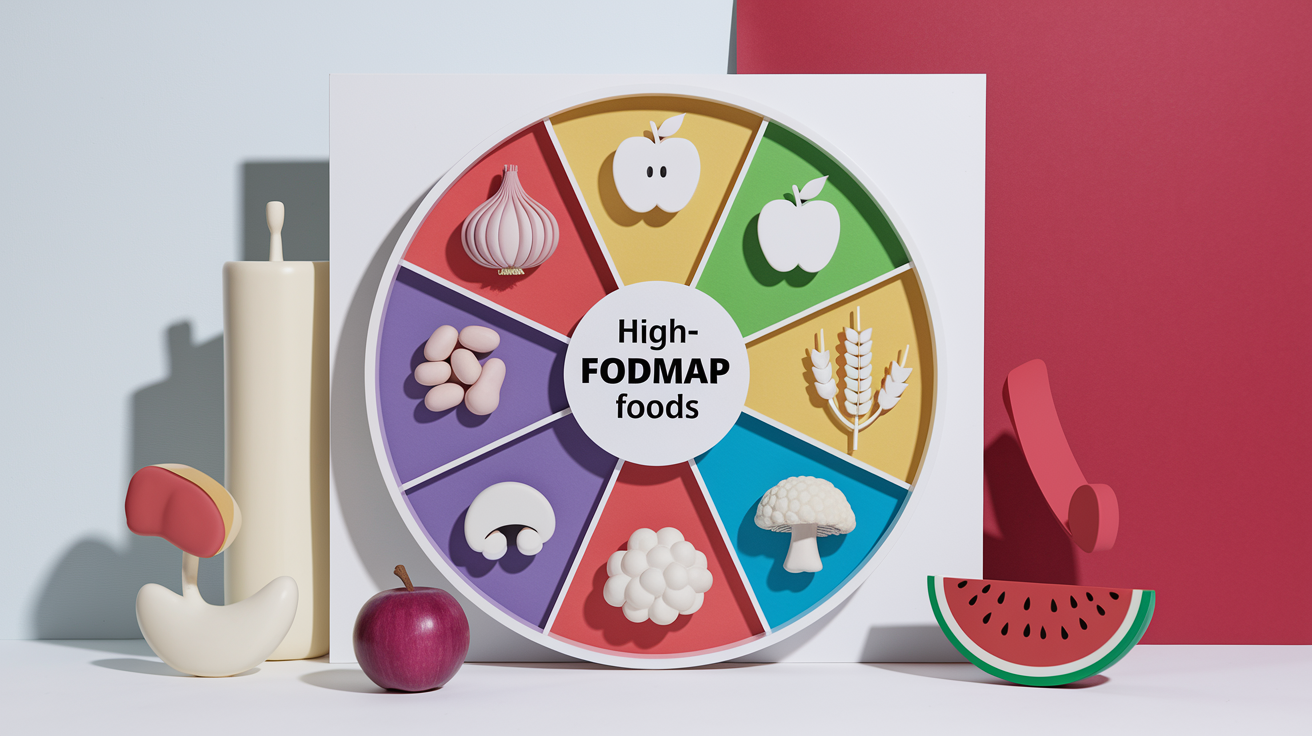
FODMAPs are short-chain carbs that ferment quickly in the gut. The acronym stands for fermentable oligosaccharides, disaccharides, monosaccharides, and polyols. Types of sugars and fibers that don’t get absorbed well in the small intestine. For people with sensitive digestion or IBS, high-FODMAP foods can trigger serious bloating, cramping, and bowel changes.
• Garlic – packed with fructans that ferment fast
• Onions – high in fructans, even small amounts can cause trouble
• Apples – high fructose and sorbitol
• Wheat and rye – fructans and gluten
• Legumes – beans, lentils, chickpeas are rich in galactans
• Cauliflower – contains mannitol and other fermentable fibers
• Mushrooms – high in mannitol and polyols
• Watermelon – high fructose, ferments quickly
Not everyone reacts to all FODMAPs. Tolerance varies a lot. Some people handle a little garlic but struggle with beans. Others are fine with cooked onions but bloat immediately after raw ones. The fermentation process happens when gut bacteria break down these carbs, releasing gas. If your gut motility is slow, if you have bacterial overgrowth, or if your digestive enzymes are low, FODMAPs are more likely to cause problems. A temporary low-FODMAP elimination phase can help you figure out which specific foods are driving your symptoms. Just work with a dietitian or clinician to do it safely.
Fatty, Fried, and Greasy Foods That Slow Digestion
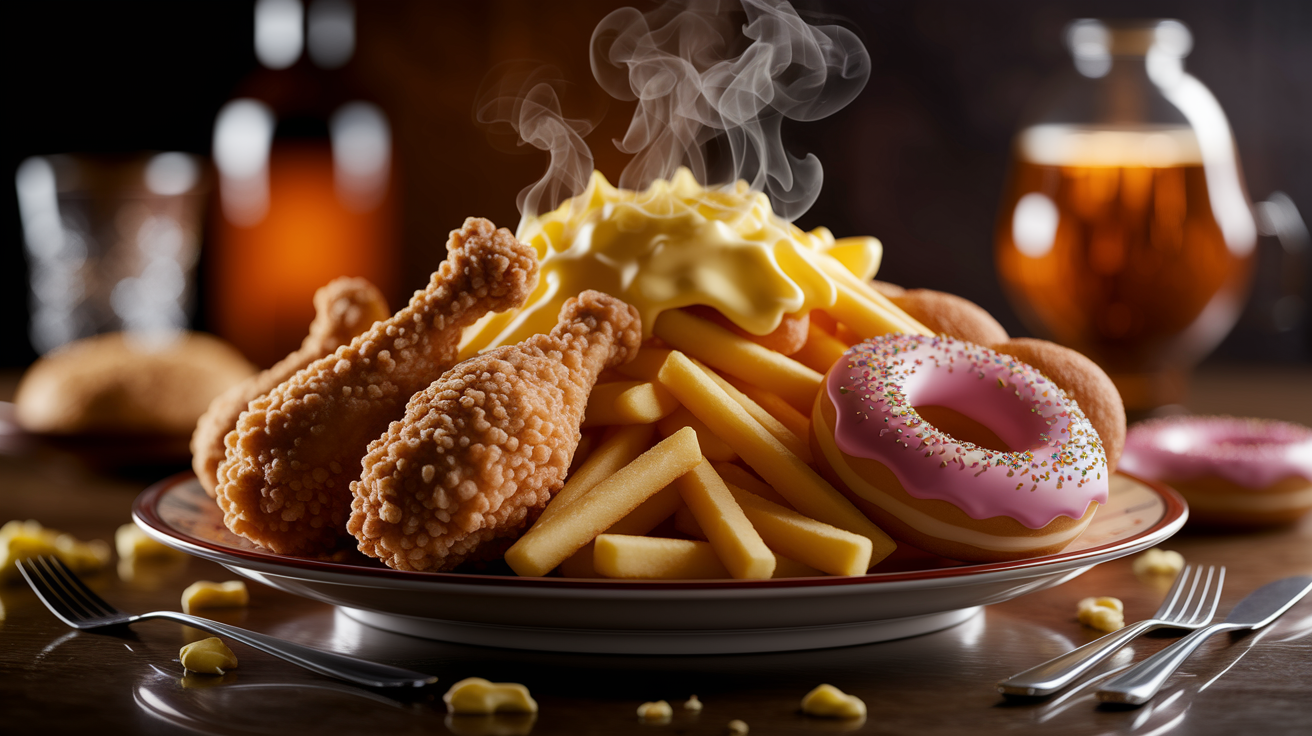
High-fat meals take longer to move through your stomach because fat needs more time and bile to break down. That delay increases pressure in your upper digestive tract, which makes you feel heavy, bloated, or uncomfortably full hours after eating. Fried foods are even worse because the oils are often harder to digest and can irritate your gut lining, especially if you’re prone to reflux or slow motility.
When your stomach empties slowly, food sits longer and ferments more. That fermentation produces gas and can push stomach acid upward, triggering heartburn or indigestion. Greasy meals also relax the valve between your stomach and esophagus, which makes reflux more likely. Common culprits? Fried chicken, french fries, doughnuts, heavily buttered dishes, creamy sauces, fast-food burgers. Even foods labeled as “healthy fats” can cause bloating if you eat a large portion in one sitting, especially when combined with other slow-digesting ingredients like cheese or processed meats.
Common Beverage Triggers: Soda, Alcohol, and Caffeinated Drinks

Carbonated drinks introduce gas directly into your digestive system. Every bubble you swallow adds air to your stomach and intestines. It has to go somewhere. That can mean bloating, burping, or discomfort that lingers for hours.
Alcohol irritates your stomach lining and can slow digestion while disrupting gut bacteria balance. Beer’s a double trigger because it’s both carbonated and contains fermentable carbs. Wine and spirits can relax the valve between your stomach and esophagus, increasing reflux risk and that burning, uncomfortable feeling that often comes with indigestion.
Caffeinated drinks stimulate acid production in the stomach, which can worsen reflux and create a jittery, unsettled feeling in your gut. Coffee on an empty stomach is a common trigger, but even tea or energy drinks can cause issues if you’re sensitive. The combination of caffeine and carbonation (like in cola or sparkling energy drinks) hits digestion from multiple angles at once.
Dairy and Gluten as Potential Sensitivity-Based Triggers

Dairy causes bloating in people who don’t produce enough lactase, the enzyme needed to digest lactose. Around 68 percent of the global population has some degree of lactose intolerance, and the likelihood increases with age. When lactose isn’t broken down in the small intestine, it travels to the colon where bacteria ferment it, producing gas, cramping, and sometimes diarrhea. Milk, soft cheeses, ice cream, and cream-based sauces are the most common triggers. Many people tolerate hard, aged cheeses better because they contain less lactose. Think Parmesan, Swiss, aged cheddar, Brie, goat cheese.
Gluten sensitivity and celiac disease affect a smaller percentage of people, but for those who are affected, wheat, barley, and rye can cause serious digestive upset. Gluten-containing foods like bread, pasta, baked goods, and beer may trigger bloating, cramping, and bowel changes. Even in people without celiac disease, wheat can be a problem because it contains fructans, a type of fermentable fiber that falls into the high-FODMAP category.
• Milk and soft cheeses – high in lactose
• Ice cream and cream-based desserts – lactose-rich and often high in fat
• Wheat bread, pasta, and baked goods – contain gluten and fructans
• Barley and rye products – less common but still problematic for sensitive individuals
Artificial Sweeteners and Processed Ingredients That Cause Gas
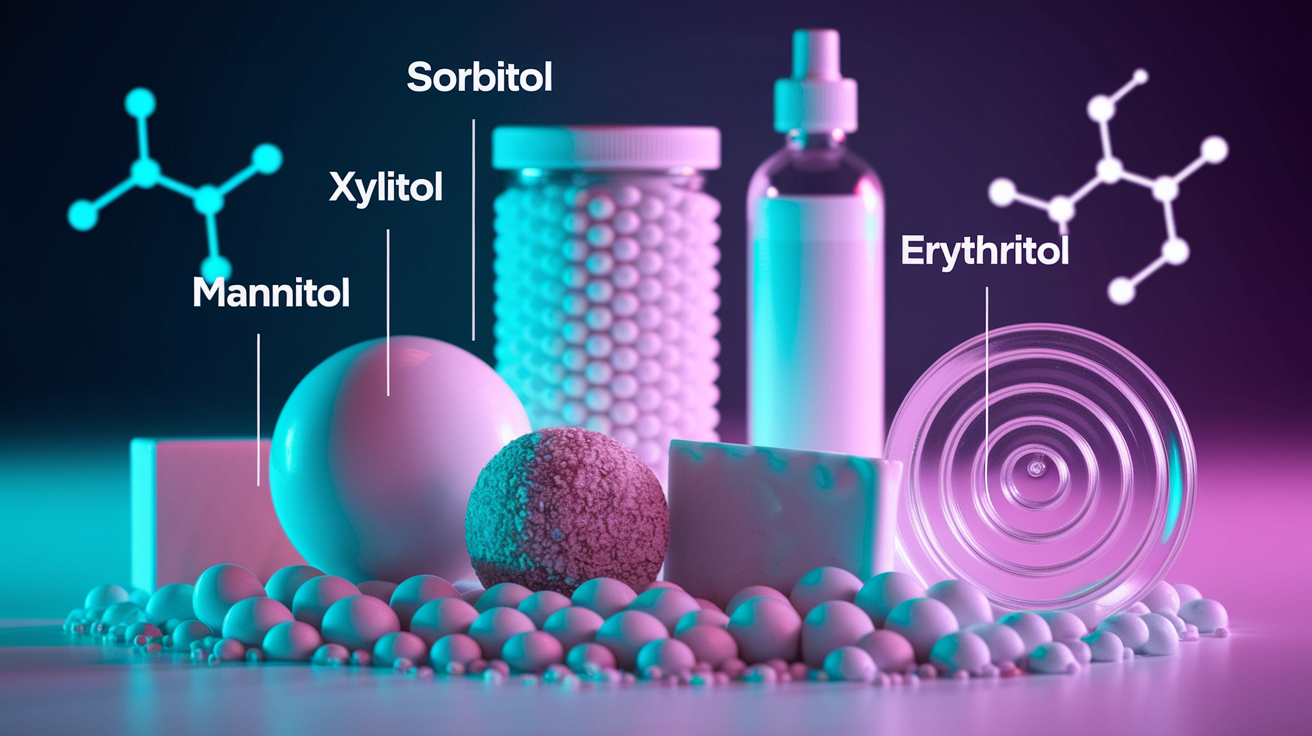
Sugar alcohols are used in “sugar-free” products because they taste sweet but contain fewer calories. The problem? Your intestines don’t absorb them well, so they pass into the colon and ferment. That fermentation produces gas, bloating, and sometimes diarrhea. Sorbitol, xylitol, mannitol, and erythritol are the most common offenders.
You’ll find these sweeteners in sugar-free gum, mints, protein bars, diet sodas, and low-sugar baked goods. They’re also naturally present in some fruits like apples, pears, and stone fruits, which is one reason those fruits can cause bloating in sensitive people. Processed foods often contain added fibers like inulin, chicory root, or fructooligosaccharides (FOS), marketed as “prebiotic” or “gut-friendly” but they can overwhelm digestion if you’re not used to them or if your gut bacteria are already imbalanced.
• Sorbitol – common in sugar-free gum and diabetic products
• Xylitol – often used in mints and chewable supplements
• Mannitol – found in some sugar-free candies and processed snacks
• Erythritol – increasingly popular in keto and low-carb products
• Inulin and chicory root fiber – added to protein bars, shakes, and packaged snacks
Alternatives and Substitutes That Reduce Bloating Risk
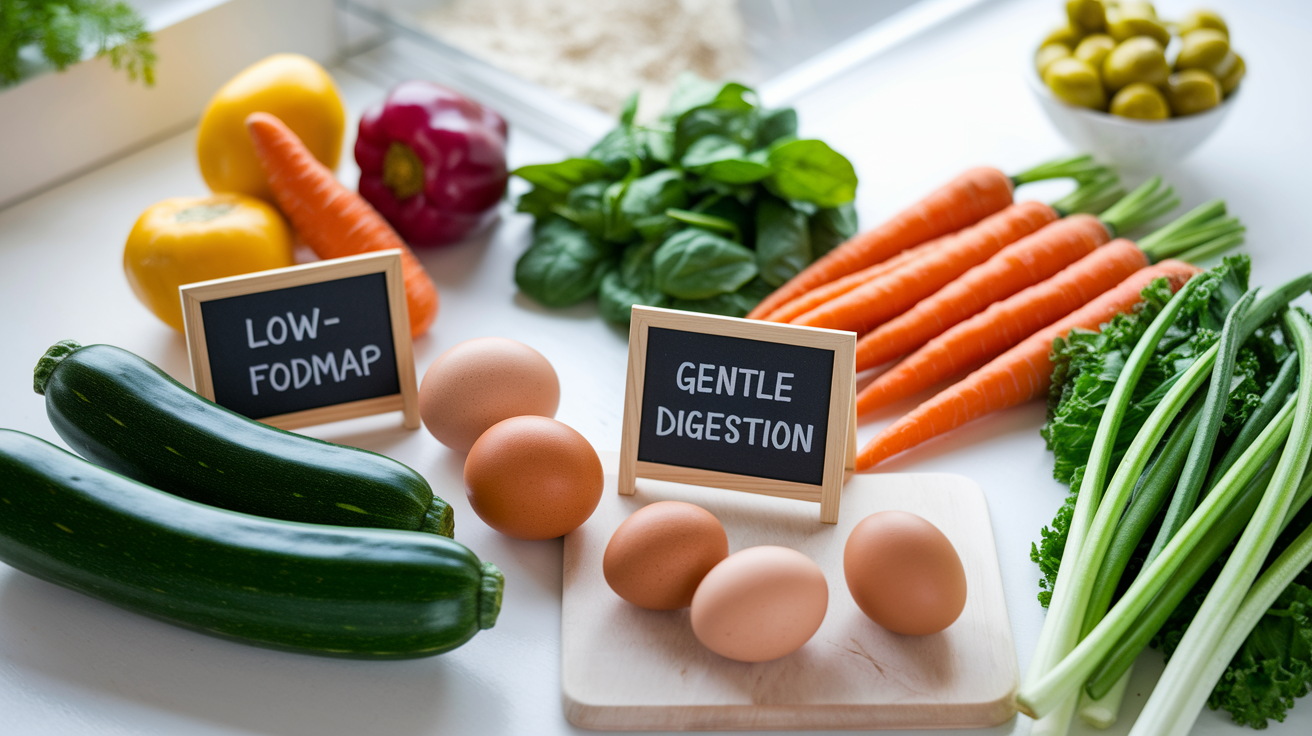
Swapping trigger foods for gentler options can make a real difference without eliminating entire food groups. The goal is to reduce fermentation, ease digestion, and avoid ingredients your body struggles to break down. Small changes in what you choose at the grocery store or how you prepare meals can lower bloating and indigestion significantly.
Cooked vegetables are easier to digest than raw ones because heat breaks down some of the fiber. Zucchini, carrots, spinach, and green beans are low-FODMAP and tend to sit more comfortably than cruciferous vegetables or raw salads. Lean proteins like chicken, turkey, white fish, and eggs place less demand on your digestive enzymes compared to fatty cuts of meat or fried options. Low-FODMAP fruits such as strawberries, blueberries, kiwi, and mandarin oranges offer sweetness and nutrition without the fructose load that apples or pears bring.
| Trigger Food | Suggested Alternative |
|---|---|
| Carbonated soda | Flat water, herbal tea, or vegetable juice |
| Onions and garlic | Garlic-infused oil (without solids) or chives |
| Apples and pears | Kiwi, berries, or firm bananas |
| Wheat bread and pasta | Rice, quinoa, or gluten-free oats |
| Regular milk | Lactose-free milk or aged hard cheeses |
| Black beans or kidney beans | Black-eyed peas, mung beans, or canned lentils (rinsed well) |
Practical Eating Habits and Lifestyle Adjustments to Minimize Bloating

How you eat matters as much as what you eat. Swallowing air while eating or drinking adds gas to your digestive system, and rushing through meals makes that worse. Chewing slowly and thoroughly gives your stomach a head start on digestion and reduces the amount of air you take in. Eating while distracted (scrolling, working, or watching TV) makes it harder to notice fullness cues and easier to overeat, which increases bloating. Taking a few slow breaths before you start eating can help activate your parasympathetic nervous system, the “rest and digest” mode that supports smoother digestion.
Drinking large amounts of liquid during meals can dilute stomach acid and make digestion less efficient, which may increase fullness and discomfort. Sipping water steadily throughout the day is better than gulping big glasses right before or during eating. A short walk after meals (10 to 15 minutes) has been shown to speed up gastric emptying, helping food move through your system instead of sitting heavy in your stomach. Avoid lying down immediately after eating, as that can slow digestion and increase the chance of reflux.
Small, consistent habits make a difference over time. Chewing gum introduces air and often contains sugar alcohols, so skipping it can reduce bloating. Reading ingredient labels helps you spot hidden triggers like high-fructose corn syrup, added fibers, or sugar alcohols before they cause problems. Introducing new foods slowly (especially fermentable or high-fiber options) gives your gut time to adjust without overwhelming it. Tracking what you eat, when symptoms show up, and any patterns around timing, stress, or hydration can give you useful information to bring to a clinician if symptoms persist.
Final Words
We jumped straight into the common culprits: beans and legumes, high-FODMAP fruits and veggies, fried or fatty meals, soda, dairy for some people, and certain artificial sweeteners. These cause gas, slow emptying, or stomach irritation.
You got swaps and habits to try now, like lean proteins, non-carbonated drinks, smaller portions, slower eating, and a short tracking checklist to spot patterns.
Keep a list of foods to avoid for bloating and indigestion and note what improves. Small, steady changes often help, so stay curious and patient.
FAQ
Q: What to eat when you’re bloated and have indigestion?
A: When you’re bloated and have indigestion, eat gentle, easy-to-digest foods like plain rice or toast, cooked vegetables (zucchini, carrots), bananas, lean protein, bone broth, and sip ginger or chamomile tea.
Q: Which fruit removes gas from the stomach?
A: Fruits that help remove gas include papaya and pineapple, which have digestive enzymes, plus bananas and kiwi; these can aid digestion and reduce gas when eaten in moderation.
Q: What’s the worst food for bloating?
A: The worst food for bloating are high-gas or hard-to-digest items: beans, carbonated drinks, fried or fatty meals, onions and garlic, some dairy if lactose-intolerant, artificial sweeteners, and certain whole grains.
Q: What foods calm down bloating?
A: Foods that calm down bloating include low-FODMAP choices like cooked oats, rice, bananas, cooked zucchini, lean poultry, plain yogurt with live cultures if tolerated, pineapple, and ginger tea.
Comments are closed