
You don’t always need a pill or a clinic visit to get relief from belly gas and bloating.
This can feel scary, and you’re not imagining the pressure.
The good news: a few simple moves can ease trapped gas in 5 to 30 minutes, so you can get back to work, sleep, or the rest of your day.
This post gives quick, low-risk steps to try now, like gentle movement, warm herbal sips, an easy belly massage, and which over-the-counter option often helps, plus what to track and when to seek medical care.
Fast-Acting Remedies for Gas and Bloating You Can Try Right Now

When gas pain hits, you want relief now. Not in an hour. The good news? A few simple moves can start easing the pressure in 5 to 30 minutes.
The fastest thing you can do is move. A short walk or just standing up and stretching gets your digestive tract working and helps trapped gas find its way out. Lots of people feel better within 5 to 15 minutes of slow walking or changing position. Sipping something warm works fast too. Peppermint, ginger, or chamomile tea can relax your stomach muscles and ease cramping in about the same timeframe. The warmth helps on its own, and the herbs bring mild antispasmodic or anti-inflammatory effects.
If it feels like trapped bubbles rather than general fullness, over-the-counter simethicone can break those bubbles up. People usually report feeling better within 15 to 30 minutes of taking it. For bloating that’s more acid-driven, a basic antacid might settle things in 15 to 60 minutes. A warm compress or heating pad on your belly can also relax tight muscles and cut the pain in under 20 minutes.
Six things to try right now:
- Walk slowly for 5 to 15 minutes or stretch while standing.
- Sip warm peppermint, ginger, or chamomile tea.
- Take an OTC simethicone product if you feel trapped bubbles.
- Use a warm compress or heating pad on your belly.
- Sit upright instead of lying flat so gas can move.
- Stop eating and drinking until the pressure starts letting up.
Natural Gas-Relief Solutions to Ease Bloating
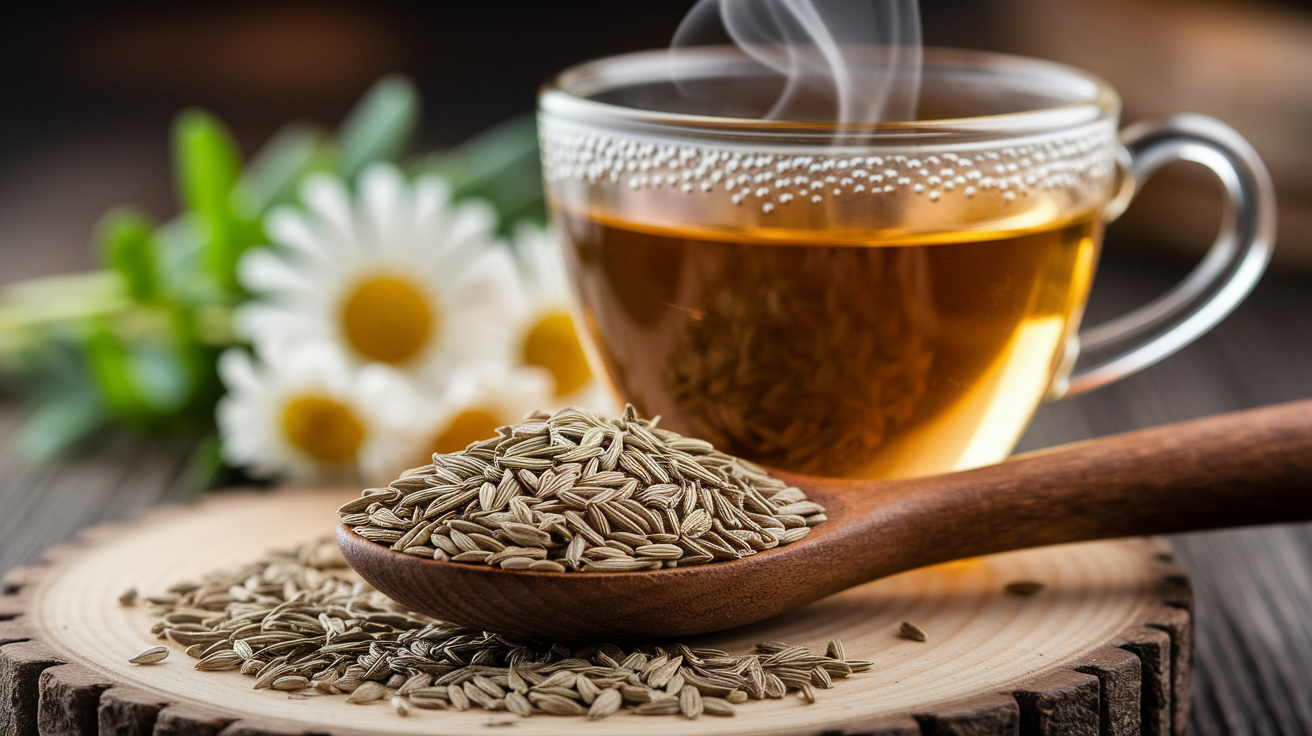
Lots of kitchen herbs and traditional remedies have been used for generations to calm your digestive tract and reduce gas. The science on most of them is pretty thin or anecdotal, but they’re low risk and plenty of people swear by them.
Caraway, fennel, anise, and cumin are all carminative seeds. That means they encourage trapped gas to release. You can chew a pinch of caraway or fennel seeds after a meal, or steep them into warm tea. There’s a traditional Persian blend that combines 10 grams of ground cumin, 10 grams of ground fennel, and 5 grams of ground anise steeped in a cup of boiling water for 20 minutes. Chamomile tea is gentle and calming, often helpful for cramping, nausea, and general digestive upset. Turmeric and cinnamon both have anti-inflammatory properties and might ease abdominal pressure when you add them to warm water or food. Apple cider vinegar (1 tablespoon diluted in a glass of water before a meal) is a popular folk remedy, though solid evidence is still missing.
Eight natural options to consider:
- Chew a few caraway or fennel seeds whole.
- Brew chamomile tea for cramping and nausea relief.
- Add fresh ginger to hot water or tea.
- Try the Persian seed blend (cumin, fennel, anise).
- Stir ½ teaspoon of cinnamon into warm water.
- Add turmeric to warm milk or broth.
- Dilute 1 tablespoon of apple cider vinegar in water before eating.
- Use activated charcoal tablets carefully. They might reduce gas but can blacken your tongue and mess with some medications.
Over-the-Counter Options for Gas Reduction
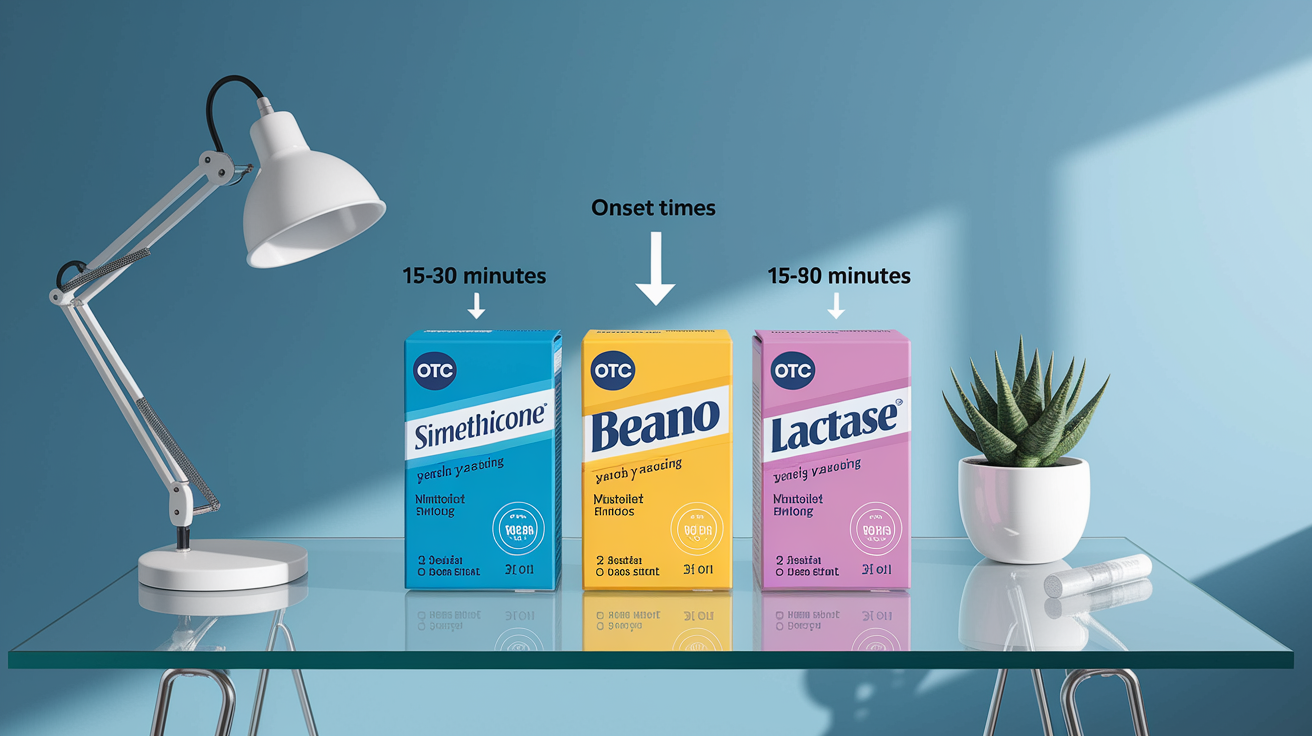
When home remedies aren’t cutting it or you need something you can count on, over-the-counter products offer more targeted relief. Different formulas work on different causes, so matching the product to your symptom pattern improves your chances.
Simethicone is the most common anti-gas ingredient. It doesn’t stop gas from forming but breaks up existing bubbles so they’re easier to pass. Enzyme supplements can be preventive. Lactase helps if you’re lactose intolerant, and alpha-galactosidase (sold as Beano, Digest Dairy Plus, or Dairy Relief) can cut gas from beans, lentils, and certain vegetables if you take it before the meal. Activated charcoal is classified as an adsorbent and may trap intestinal gas, but it can cause side effects including black stools, black tongue, and reduced absorption of medications. If you use activated charcoal regularly or take other medications, check with a clinician first.
| Product Type | Example | Expected Onset |
|---|---|---|
| Simethicone | Alka-Seltzer Anti-Gas, Mylanta Gas, Gas-X | 15–30 minutes |
| Enzyme supplement | Beano, lactase tablets | Preventive (take before eating) |
| Antacid | Tums, Pepto-Bismol | 15–60 minutes |
| Activated charcoal | Capsules, tablets, powder | Variable; preventive use best |
Understanding Gas and Bloating Symptoms for Faster Relief

Bloating is that sensation of fullness, tightness, or swelling in your abdomen. It often comes with visible distension (your belly actually looks bigger) and a feeling of pressure or stretching inside. Intestinal gas is a normal byproduct of digestion, but when it gets trapped or builds up faster than your body can release it, the pressure turns into discomfort or actual pain.
That pain can be sharp, stabbing, or crampy, and it can move around as the gas pocket shifts. Gas trapped in the left side of your colon can radiate up toward your chest and feel scary, like heart trouble. Gas on the right side can mimic appendicitis or gallbladder pain. Because the sensations can be intense and unfamiliar, lots of people end up in urgent care convinced something serious is happening, only to learn it’s trapped wind.
Gas can stay stuck for a couple of hours if nothing helps it along. Recognizing the pattern (does it ease when you walk, pass gas, or burp; does it come after certain foods or big meals) helps you tell routine digestive upset from something that needs medical evaluation.
Common Causes Behind Sudden Gas and Bloating Episodes
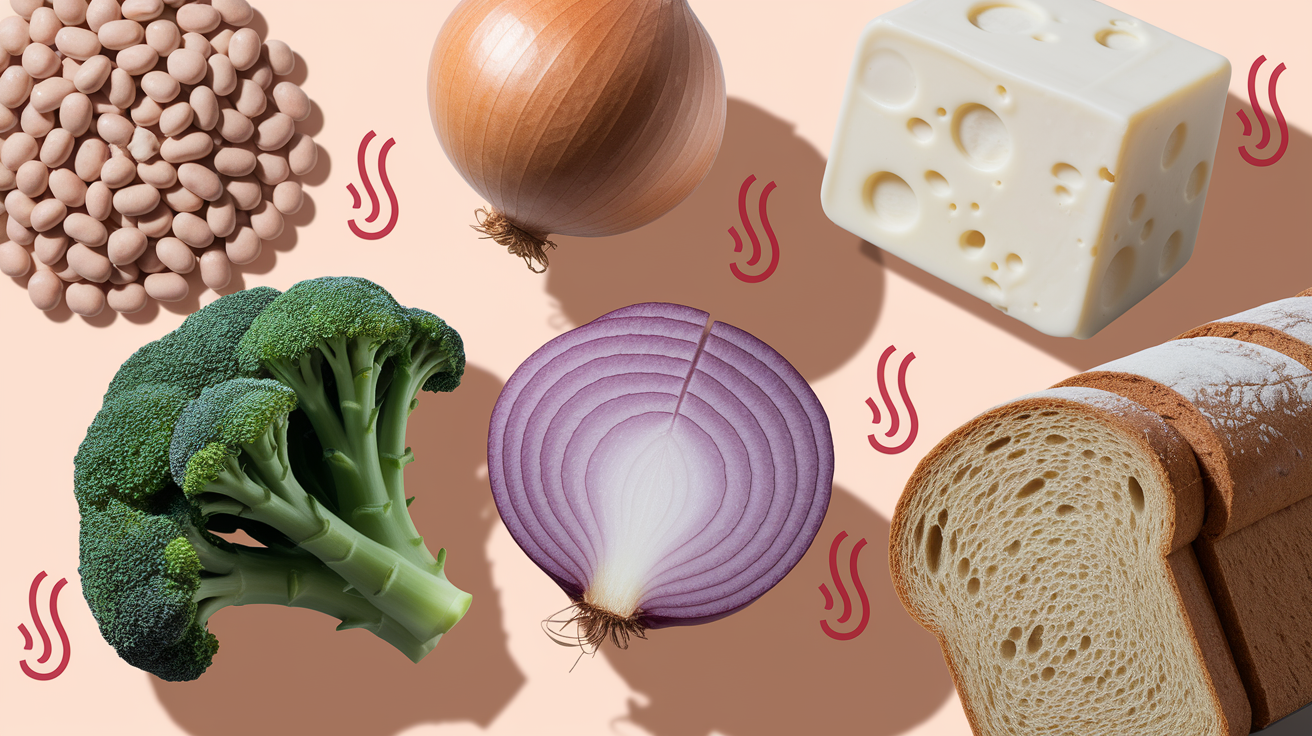
Gas and bloating usually trace back to what you ate, how you ate it, or how your digestive system is processing it. Food is the most common trigger. Certain carbohydrates (like those in beans, lentils, cruciferous vegetables, dairy products, and foods sweetened with sorbitol or fructose) are harder to break down and produce more gas during digestion.
Swallowing air is another big contributor. You take in extra air when you eat quickly, chew gum, smoke, drink through a straw, or talk while chewing. Carbonated beverages release gas directly into your stomach. Stress can mess with gut motility and increase both gas production and your sensitivity to it. For some people, an underlying condition is at play. Irritable bowel syndrome, gastroesophageal reflux disease, lactose intolerance, gluten sensitivity, celiac disease, or small intestinal bacterial overgrowth can all drive chronic or severe bloating.
Six common root causes:
- High-fiber or gas-producing foods (beans, lentils, broccoli, cabbage, onions).
- Lactose from dairy or fructose from certain fruits and sweeteners.
- Swallowed air from eating too fast, gum chewing, or smoking.
- Carbonated drinks that release CO₂ in your stomach.
- Food intolerances or sensitivities (lactose, gluten, FODMAPs).
- Digestive conditions like IBS, GERD, or bacterial overgrowth.
Quick Lifestyle Adjustments for Reducing Gas Build-Up

Small changes to how and when you eat can make a real difference in how much gas your body produces and how quickly it moves through. These tweaks don’t require special products or appointments, just a bit of attention to timing and habit.
Eating more slowly gives your stomach time to signal fullness and cuts down on the amount of air you gulp with each bite. Chewing thoroughly breaks food into smaller pieces that are easier to digest. Staying hydrated helps food move smoothly through your digestive tract, but sip water throughout the day instead of chugging large amounts at meals. Avoiding carbonated drinks, chewing gum, and smoking all cut down on swallowed air. Taking a 10- to 15-minute walk after eating gets digestion moving and can prevent gas from settling in one spot.
Five simple habits to start today:
- Chew each bite slowly and put your fork down between bites.
- Drink water steadily throughout the day, not just at meals.
- Skip carbonated beverages and artificially sweetened foods.
- Avoid chewing gum, smoking, and drinking through straws.
- Walk for 10 to 15 minutes after lunch or dinner.
Physical Techniques That Help Release Trapped Wind

Movement is one of the most reliable tools for encouraging trapped gas to migrate and exit. Gentle physical techniques (especially yoga poses and abdominal massage) can get your digestive tract moving and reduce pressure within minutes.
How to Perform the “I LOV U” Massage
This simple massage follows the path of your colon to encourage gas movement. Lie on your back or sit upright. Using gentle pressure with your fingertips, trace three letters on your abdomen: Start on your lower right side and stroke upward to form the vertical line of the “I.” For the “L,” stroke across your upper abdomen from right to left, then down your left side. For the “U,” begin on your lower right, sweep up and across the top, then down the left side. Repeat the sequence slowly for 5 to 10 minutes, always moving in the direction food travels through your colon.
Four physical techniques to try:
- Lie on your back and pull one knee gently toward your chest; hold for 20 to 30 seconds, then switch sides.
- Move into child’s pose (knees bent, forehead to floor, arms extended) and hold for 1 to 2 minutes.
- Walk slowly for 10 to 20 minutes to get gut motility going.
- Perform the “I LOV U” abdominal massage in a quiet, comfortable position.
Foods and Eating Patterns That Worsen Bloating
Certain foods are reliable gas producers for most people, while others cause trouble only if you have a specific intolerance or sensitivity. Beans, lentils, and other legumes contain complex carbohydrates that gut bacteria ferment, releasing gas as a byproduct. Cruciferous vegetables (broccoli, cauliflower, cabbage, Brussels sprouts) do the same. Dairy products trigger bloating in anyone who’s lactose intolerant, and gluten-containing grains can cause similar trouble for people with celiac disease or non-celiac gluten sensitivity.
Artificial sweeteners like sorbitol, xylitol, and mannitol are poorly absorbed and ferment in the colon, producing gas and loose stools. High-fat meals slow digestion, giving bacteria more time to work on undigested food and generate gas. Eating very large portions or eating too quickly overwhelms your digestive system and increases both swallowed air and fermentation time. Pairing difficult-to-digest foods (say, a big serving of beans with fatty meat and carbonated soda) compounds the problem.
When Gas and Bloating Need Medical Attention

Most gas and bloating resolve on their own or with simple remedies within a few hours. But certain patterns and symptoms suggest something more serious is going on and warrant a conversation with a healthcare provider.
Get medical evaluation if your bloating is frequent (happening several times a week for more than a couple of weeks) or if it’s severe enough to mess with daily life. Unexplained weight loss, blood in your stool, persistent nausea or vomiting, loss of appetite, or a noticeable change in your bowel habits (new constipation, diarrhea, or alternating patterns) are all red flags. Gas that lasts longer than a few hours without any relief, especially if it comes with fever or intense pain, should be checked promptly.
Four warning signs that mean it’s time to call your clinician:
- Bloating is chronic, frequent, or getting worse over time.
- You notice unexplained weight loss or loss of appetite.
- You see blood in your stool or have persistent vomiting.
- Pain is severe, won’t let up, or comes with fever.
Final Words
Start with the fastest actions: gentle movement, warm drinks, a brief abdominal massage, or an over‑the‑counter simethicone product — these often ease trapped gas within minutes to an hour.
You also learned about natural options, enzyme and OTC choices, lifestyle tweaks, and simple physical techniques. Keep a quick log of timing, triggers, and what helps so you have useful details for a clinician if needed.
If symptoms are severe, persistent, or worrying, seek medical care. Otherwise, these steps often bring quick relief for stomach gas and bloating and help you feel better soon.
FAQ
Q: How can I get rid of bloat, trapped gas, or debloat my stomach in 5 minutes?
A: To get rid of bloat or trapped gas quickly (about 5 minutes), try walking, knees-to-chest or lying on your side, gentle abdominal massage, sip warm water or peppermint, or take simethicone; seek care for severe pain.
Comments are closed