
What if your stress is literally inflating your belly?
You’re not imagining the tight, gassy feeling, stress changes digestion.
When your brain flips into fight or flight, blood and signals leave the gut, food sits longer, bacteria ferment, and gas builds.
That gut-brain loop is the main reason stress causes bloating.
In this post you’ll get a clear, practical look at how the nervous system, hormones, and gut nerves create bloating, plus simple low-risk steps to try now and what to track or when to get help.
The Core Stress–Digestion Link Behind Bloating
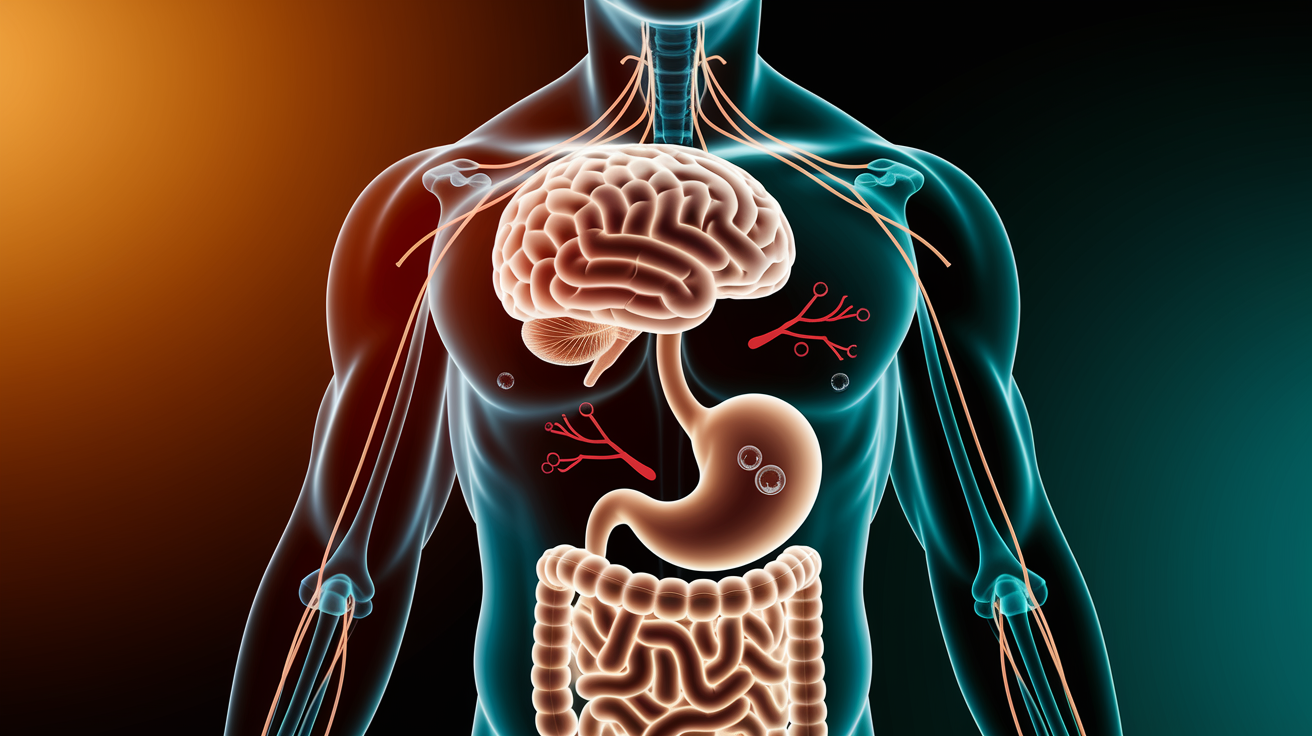
When you’re stressed, your body kicks into fight‑or‑flight mode and your digestion basically hits pause. That’s when bloating starts.
Your nervous system has two settings: sympathetic (alert, ready to move) and parasympathetic (calm, digesting). Stress flips you into sympathetic. Digestion drops down the priority list. Blood flow gets rerouted from your gut to your muscles and heart. Your stomach and intestines slow way down. Food just sits there. Gas builds up. You end up with that tight, swollen feeling in your belly, sometimes even if you haven’t eaten much.
Stress also pumps up cortisol and adrenaline. Cortisol messes with your metabolism and can throw off the bacteria balance in your gut. When digestion stalls, those bacteria start fermenting whatever food is hanging around, which creates extra gas. Adrenaline keeps your gut muscles from contracting like they should, so gas and stool don’t move through properly. Some people get “butterfly” sensations or notice their bathroom habits change. All of this adds up to bloating.
The sensations aren’t in your head. Stress doesn’t just make you think you’re bloated. It actually creates physical changes that increase pressure, gas production, and distension in your abdomen. Your gut slows, your microbes shift, and your nervous system turns up the volume on what you feel.
Here’s what happens in your body during stress that directly increases bloating:
- Blood flow shifts away from your digestive tract toward your muscles and brain
- Cortisol release messes with gut bacteria balance and ramps up fermentation
- Gut motility slows, letting food and gas sit longer
- Stomach acid production might increase, making indigestion worse
- Nervous system signaling makes you feel normal gut sensations more intensely
- Shallow or quick breathing can make you swallow more air
How Stress Disrupts Gut Signaling and Digestion
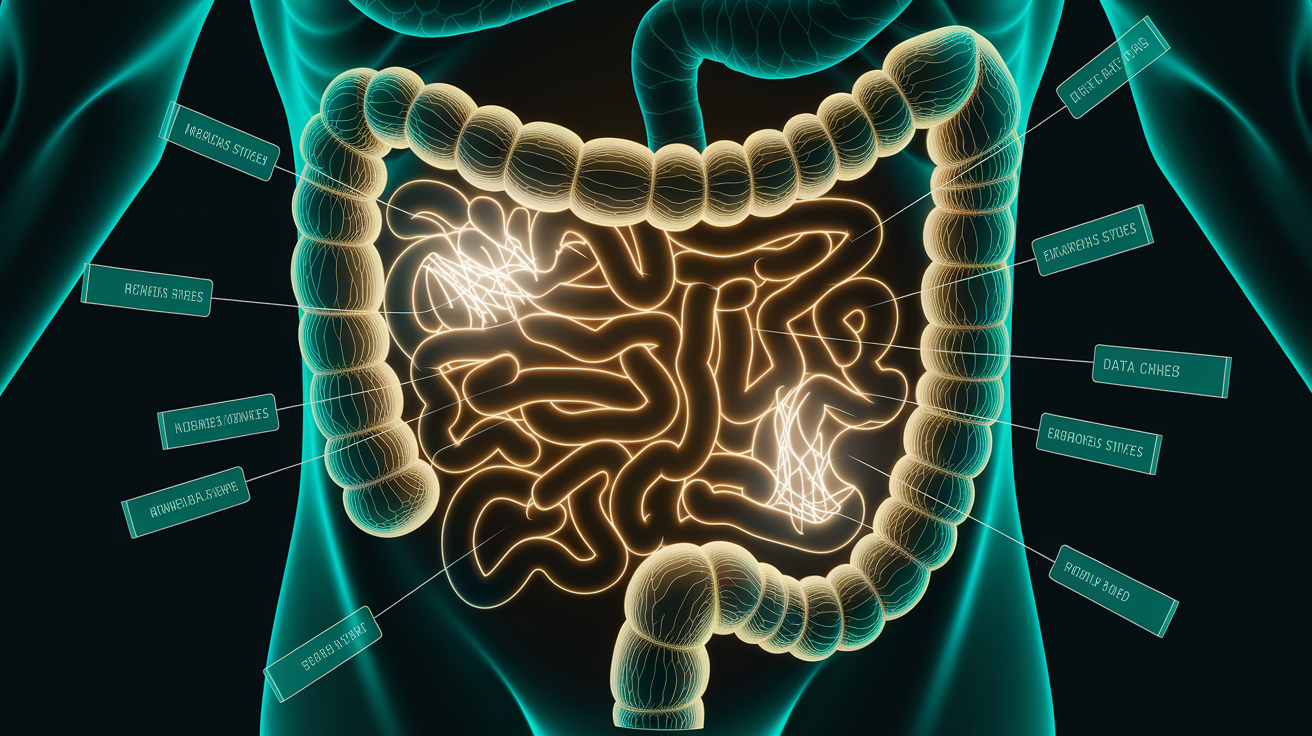
Your gut and brain are constantly communicating through a network of nerves, hormones, and chemical messengers. The enteric nervous system (sometimes called your “second brain”) has millions of neurons lining your digestive tract. It sends signals up to your brain and gets instructions back. When stress shows up, that conversation gets messy. Your gut becomes more sensitive to pain and pressure. Neurotransmitters like serotonin, which control mood and gut movement, get thrown off balance. Serotonin receptors in your intestines influence how fast food moves and how much discomfort you feel. Stress can crank up gut sensitivity so that normal amounts of gas or stretching feel way worse than they would on a calm day.
Stress also scrambles how your digestive organs coordinate their work. Normally, your stomach, small intestine, and colon contract in organized waves to move food and waste along. Stress messes with that rhythm. Some parts of your gut might crawl. Others speed up unpredictably. Gas that would usually pass through smoothly gets stuck. You might feel bloated, gassy, or both, depending on where the slowdown happens and how your particular gut reacts.
How the Vagus Nerve Reacts Under Stress
The vagus nerve is the main communication line between your brain and your gut. It runs from your brainstem down through your chest and into your abdomen, connecting with your stomach, intestines, and colon along the way. When you’re calm, your vagus nerve keeps your digestive system running smoothly. It sends “rest and digest” signals that keep stomach acid flowing at the right levels, intestinal muscles contracting steadily, and digestive enzymes releasing on cue.
Stress turns down vagal tone. Think of it like lowering the volume on the signals that keep digestion working. With weaker vagus nerve activity, your stomach empties slower. Your intestines don’t get the steady push they need to keep things moving. Digestive enzymes and bile might not release as efficiently. All of this creates a backed up, sluggish feeling and lets gas pile up.
How Stress Alters Motility and Gas Movement
Delayed gastric emptying is one of the clearest motility changes under stress. Your stomach holds onto food longer than usual. That extra time lets bacteria in your small intestine start breaking down carbohydrates and fiber, producing hydrogen and methane gas. You feel full, tight, and bloated even hours after a normal sized meal.
Your intestines might swing between too slow and too fast. Stress can trigger rapid transit in some people, pushing partly digested food through before your body absorbs all the nutrients and water. That leads to loose stools and gas. In others, stress makes everything slow down, resulting in constipation and a heavy, distended abdomen. Either pattern traps gas and makes bloating worse.
Stress also increases aerophagia, or air swallowing. When you’re anxious, you might breathe shallowly and quickly, gulp air while talking, or clench your jaw. All that extra air ends up in your stomach and intestines. Some comes back up as burps, but the rest travels down and adds to the bloating.
Stress‑Triggered Symptoms That Mimic or Worsen Bloating
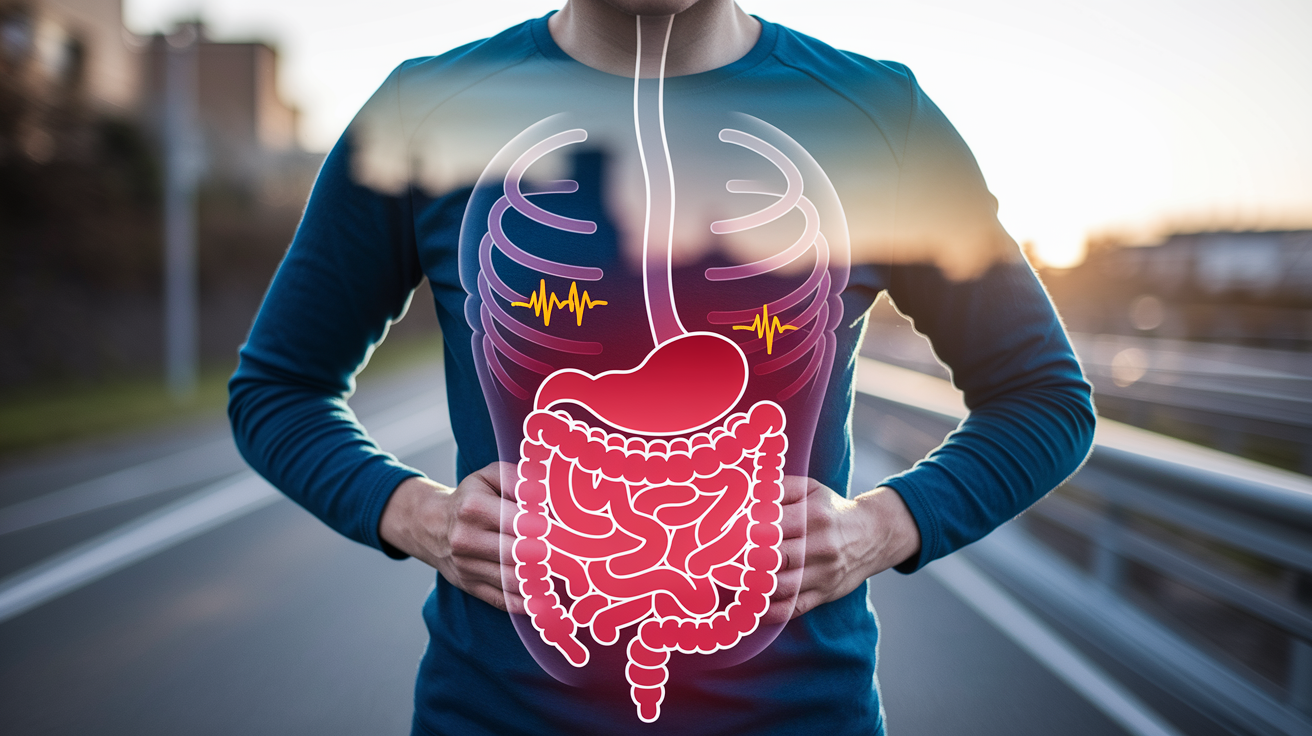
Stress doesn’t just slow your gut. It also changes how you perceive what’s happening inside your abdomen. Visceral hypersensitivity means your gut nerves are turned up. A small amount of gas that wouldn’t bother you on a calm day suddenly feels like painful pressure. Your brain interprets normal digestive sensations as something wrong, which can make you more anxious, which then makes the discomfort even worse.
Abdominal muscle tension is another common stress response. When you’re tense, the muscles around your belly tighten. That tightness can trap gas and block normal gut movement. It also creates a sensation of fullness or tightness that feels a lot like bloating, even if your intestines aren’t actually distended. Some people notice a visible “pooch” or firmness in their abdomen that comes and goes with stress levels. That’s often a mix of true gas buildup and muscle guarding.
Common stress related sensations that resemble or worsen bloating:
- “Butterflies” or fluttering feelings in your stomach
- Sharp or dull cramping that shifts around your abdomen
- A tight band sensation across your upper or lower belly
- Nausea or queasiness that makes you feel too full to eat
- Burping or belching more than usual, especially when you haven’t eaten much
IBS and Other Conditions That Flare Under Stress
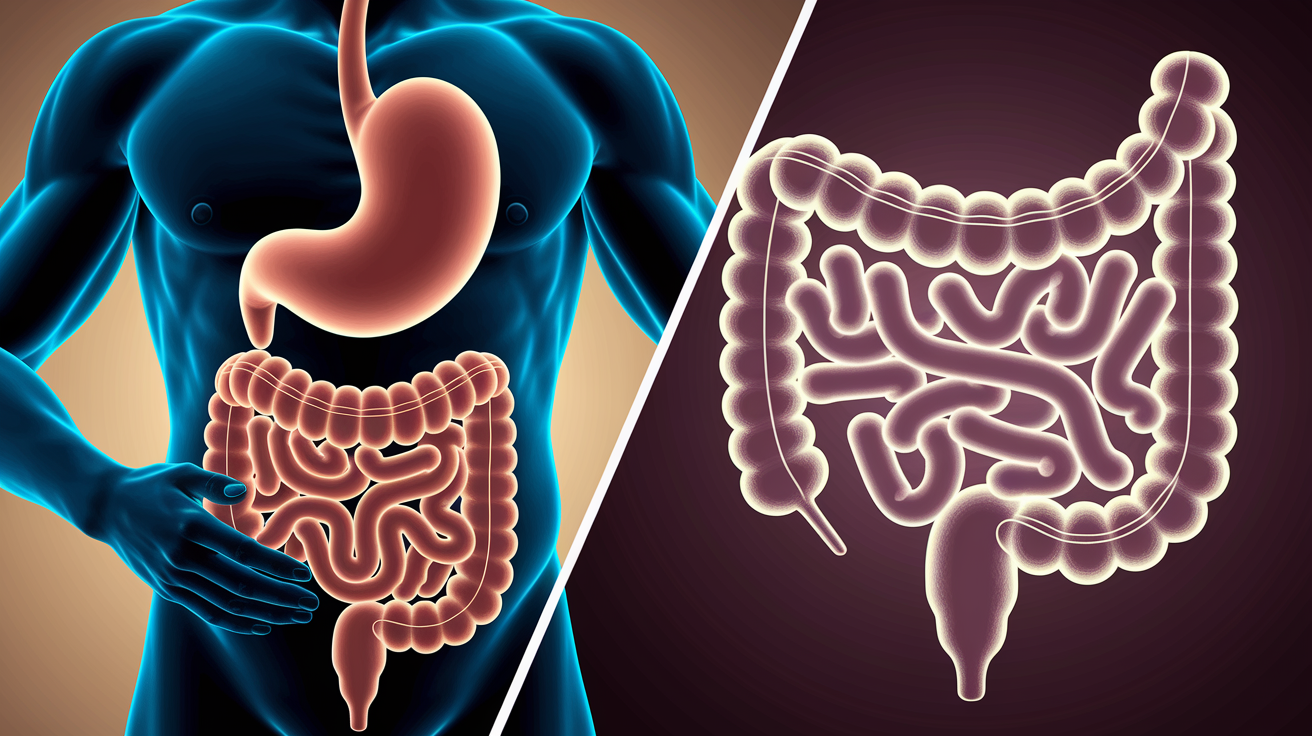
Irritable bowel syndrome is one of the most common gut disorders linked to stress. If you have IBS, stress doesn’t cause the condition, but it often makes symptoms worse. Bloating, gas, abdominal pain, constipation, and diarrhea all tend to flare during stressful periods. Stress changes gut motility and increases visceral sensitivity, so your intestines overreact to normal stimuli. Even a small meal or a bit of trapped gas can feel overwhelming.
Small intestinal bacterial overgrowth (SIBO) can also get worse under stress. SIBO happens when bacteria that normally live in your colon migrate up into your small intestine and ferment food too early in the digestive process. Stress related changes in motility, stomach acid, and immune function can all make it easier for bacteria to overgrow. The result is excessive gas, bloating, and discomfort, especially after eating carbohydrates or fiber.
When Stress Creates a Symptom “Spiral”
Stress related bloating often sets off a feedback loop. You feel stressed, your gut slows down, you bloat. The bloating feels uncomfortable or embarrassing, so you get more anxious. That anxiety keeps your nervous system in fight‑or‑flight mode, which keeps your gut sluggish. The cycle continues. You might start avoiding foods you think are causing the problem, eat less, or eat more erratically. All of which can make digestive symptoms worse. Breaking the spiral usually means addressing both the stress and the gut symptoms at the same time. Calming your nervous system helps your gut work better, and easing digestive discomfort reduces the anxiety that keeps the cycle going.
Foods, Habits, and Daily Triggers That Make Stress Bloating Worse
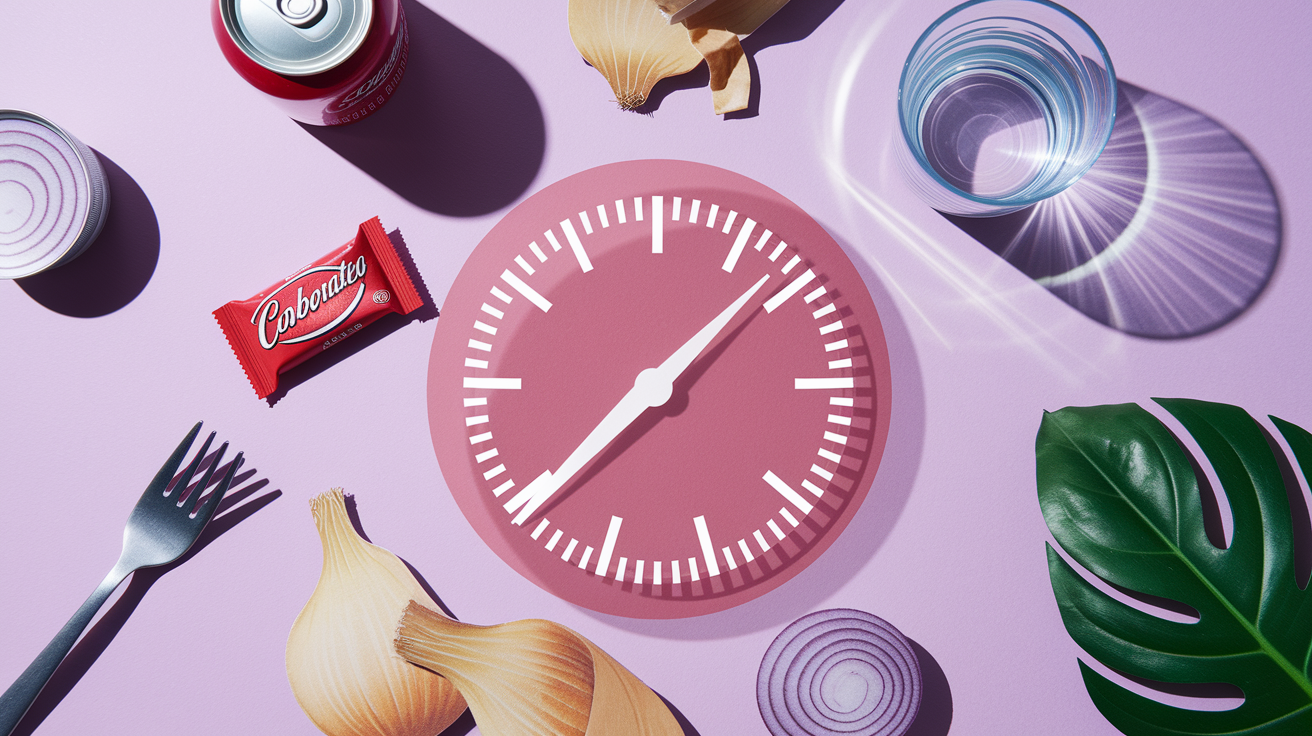
Stress changes what you eat and how you eat. When you’re anxious or overwhelmed, you might reach for quick carbohydrates or comfort foods. You might eat faster, chew less, or skip meals and then overeat later. All of these habits increase bloating risk. Fast eating means you swallow more air. Poorly chewed food is harder for your stomach to break down. Large, irregular meals put extra strain on a digestive system that’s already struggling under stress.
Certain foods and drinks make bloating worse when your gut is stressed. Carbonated drinks release gas directly into your stomach. Caffeine can speed up gut motility in some people and slow it down in others, but either way, it often worsens discomfort when combined with stress. Chewing gum increases air swallowing and keeps your digestive system in a low level alert state. High FODMAP foods, like beans, onions, and cruciferous vegetables, produce more gas during fermentation, and that gas has nowhere to go when motility is slow.
| Trigger | Why It Worsens Bloating | What to Try Instead |
|---|---|---|
| Carbonated drinks | Release gas directly into your stomach and intestines | Still water, herbal tea, or flat drinks |
| Eating too quickly | Increases air swallowing and reduces chewing, making digestion harder | Set a timer for 15 to 20 minutes per meal; put your fork down between bites |
| Chewing gum | Causes you to swallow air repeatedly and keeps digestive enzymes flowing without food | Suck on a mint or drink water to freshen your mouth |
| High FODMAP foods during stress | Produce extra gas through fermentation when motility is slow | Choose lower FODMAP options like rice, carrots, or bananas during high stress periods |
| Caffeine on an empty stomach | Can speed or slow gut motility unpredictably and increase stomach acid | Have caffeine with a small meal or switch to decaf or green tea |
Practical Relief Strategies to Ease Stress‑Induced Bloating

Calming your nervous system is the most direct way to ease stress related bloating. When your body shifts out of fight‑or‑flight mode, your gut can start working normally again. Diaphragmatic breathing is one of the fastest tools. Breathe in slowly through your nose for a count of four, hold for a moment, then breathe out slowly through your mouth for a count of six or seven. Longer exhales activate your parasympathetic nervous system and signal your body that it’s safe to digest. Box breathing (in for four, hold for four, out for four, hold for four) and 4‑7‑8 breathing (in for four, hold for seven, out for eight) work just as well.
Mindful eating helps reduce both stress and bloating. Sit down when you eat. Chew each bite thoroughly. Notice the taste and texture of your food. This slows you down, cuts down on air swallowing, and gives your stomach time to signal fullness. It also interrupts the cycle of stress eating, where you eat quickly or absentmindedly and then feel overfull and uncomfortable. Hydration matters too. Drinking enough water helps prevent constipation, especially when stress slows your gut. Aim for steady sips throughout the day rather than large gulps all at once.
Gentle movement supports digestion without adding physical stress. A 10 minute walk after a meal helps move gas through your intestines and signals your gut to keep working. Yoga poses that gently compress or twist your abdomen, like child’s pose or seated spinal twists, can ease trapped gas. Light stretching, especially in your lower back and hips, reduces muscle tension that can contribute to a tight, bloated feeling.
Practical steps to ease stress induced bloating:
- Practice diaphragmatic breathing for 3 to 5 minutes whenever you feel tense or bloated
- Eat slowly and chew thoroughly, aiming for at least 15 minutes per meal
- Take a short walk after eating to support gut motility
- Drink water steadily throughout the day to prevent constipation
- Limit carbonated drinks, gum, and high FODMAP foods during high stress periods
- Try a few minutes of gentle yoga or stretching to release abdominal tension
- Use a heating pad on your abdomen to relax muscles and ease discomfort
- Track when bloating happens and what you ate or felt beforehand to identify patterns
Over‑the‑Counter and Natural Options for Short‑Term Symptom Relief

Peppermint is one of the most widely used natural remedies for bloating and gas. Peppermint oil relaxes the smooth muscles in your intestines, which can ease cramping and help trapped gas move through. You can try peppermint tea, enteric coated peppermint oil capsules (which release the oil in your intestines rather than your stomach), or even smelling peppermint essential oil. Ginger is another option. It supports digestion, reduces nausea, and may help speed up gastric emptying. You can drink ginger tea, chew a small piece of fresh ginger, or take ginger supplements.
Simethicone is an over the counter option that breaks up gas bubbles in your stomach and intestines, making it easier to pass gas or burp. It doesn’t reduce gas production, but it can provide quick relief when you feel overly full or distended. Digestive enzymes, available as supplements, help break down specific foods like lactose, proteins, or complex carbohydrates. If you notice bloating after certain meals, an enzyme supplement might help your body process those foods more efficiently.
Short term relief options to consider:
- Peppermint tea or enteric coated peppermint oil capsules to relax intestinal muscles
- Ginger tea, fresh ginger, or ginger supplements to support digestion and reduce nausea
- Simethicone tablets to break up gas bubbles and ease immediate fullness
- Digestive enzyme supplements if you notice bloating after specific foods like dairy or beans
When Stress Bloating May Signal Something More Serious

Most stress related bloating is uncomfortable but not dangerous. It comes and goes with your stress levels and responds to the strategies we’ve covered. But sometimes bloating sticks around or comes with other symptoms that suggest a different underlying issue. If your bloating lasts for weeks, doesn’t improve with stress management or diet changes, or seems to be getting worse, it’s worth checking in with a clinician.
Certain red flag symptoms mean you should see a doctor promptly. These include blood in your stool, unexplained weight loss, fever, severe or constant abdominal pain, or a major change in your bowel habits that doesn’t go away. These signs can point to conditions like inflammatory bowel disease, celiac disease, ovarian issues, or gastrointestinal infections. Tests your clinician might order include a hydrogen breath test for SIBO, stool tests to check for inflammation or infection, blood work to screen for celiac disease or thyroid problems, or imaging like an ultrasound or CT scan if there’s concern about structural issues.
Watch for these red flag symptoms that require medical evaluation:
- Blood in your stool or black, tarry stools
- Unexplained weight loss of more than a few pounds over a short period
- Fever along with abdominal pain or bloating
- Severe, constant, or worsening abdominal pain
- A persistent change in bowel habits, such as new constipation or diarrhea lasting more than a few weeks
- Bloating that doesn’t improve with any dietary or stress management changes
Final Words
Stress flips your fight-or-flight switch and slows digestion, which often shows up as gas, tightness, or visible bloating.
You read how the gut–brain connection, cortisol, vagus nerve changes, and everyday habits (fast eating, caffeine, fizzy drinks) all play a part. Then we covered practical steps: breathing, mindful eating, gentle movement, simple OTC or natural aids, and clear red flags for medical help.
If you’re wondering why does stress cause bloating, tracking timing and triggers helps. Small, steady changes often bring real relief—one step at a time.
FAQ
Q: How do you stop stress bloating?
A: Stopping stress bloating involves calming your nervous system and easing digestion: try slow diaphragmatic breaths, sip water, eat slowly, take a gentle walk, avoid carbonated drinks, and try ginger or peppermint for relief.
Q: How long does stress bloat last?
A: Stress bloat usually lasts from a few hours to a couple of days depending on the trigger and your response; if it persists beyond 72 hours, is severe, or has red flag signs, seek medical evaluation.
Q: How do you massage your stomach for gas and bloating?
A: Massaging your stomach for gas means using gentle clockwise pressure: move from the right lower belly up to the ribs, across, and down to the left lower belly for 1 to 3 minutes while breathing slowly. Stop if it hurts.
Q: How do I know if my bloating is from stress?
A: You know bloating is from stress when it appears with worry or tight deadlines, fluctuates with calming or sleep, links to fast eating or caffeine, and lacks red flag signs; track timing and triggers.
Comments are closed