
Ever wake up with a puffy, heavy belly and a sour taste in your mouth, even though you slept fine?
You’re not imagining it.
Your gut keeps working while you sleep, but more slowly, so food, gas, and stomach acid can sit and cause bloating or burning by morning.
Late dinners, fatty or gas-producing foods, alcohol or fizzy drinks, and lying flat all make it more likely.
This post explains why it happens, simple first-step fixes to try at home, what to track for a doctor, and the warning signs that need attention.
Why Morning Digestive Discomfort Happens

Your digestive system keeps working while you sleep, just slower. Gut motility drops overnight. You swallow less. Stomach acid follows circadian rhythms that can leave leftover acid sitting in your esophagus by the time your alarm goes off. Gas builds up with nowhere to go until you’re upright and moving again. If you had a big dinner or ate late, your stomach might still be processing that food when you wake up. That creates a heavy, uncomfortable feeling. Lying flat for hours also takes away the help gravity usually gives your digestive tract, so reflux and gas can settle in ways that leave you bloated and miserable.
What you did the night before shows up in how your stomach feels in the morning. Eating within two to three hours of bed means your body’s still digesting while you’re horizontal. That slows gastric emptying and makes it easier for acid to move back up into your esophagus. Foods that produce gas during digestion, like beans, broccoli, or anything high in fermentable carbs, keep fermenting overnight. You wake up swollen and gassy. Drinking alcohol or carbonated stuff in the evening makes it worse by increasing stomach acid and introducing extra air into your system.
Here are five overnight triggers that create morning discomfort:
- Eating a large or fatty meal within three hours of lying down
- Drinking carbonated or alcoholic beverages in the evening
- Going to bed dehydrated, which slows everything down overnight
- Lying completely flat, which removes gravity’s help
- Swallowing excess air from eating quickly or chewing gum before bed
Your body’s natural overnight processes amplify digestive sensitivity by morning. Reduced saliva production means less acid neutralization in your esophagus. Lower fluid intake while you sleep can dehydrate you just enough to thicken digestive contents and slow transit through your intestines. Hormonal shifts tied to your circadian rhythm also affect gut motility. The slowest movement typically happens in the early morning hours. All of this combines to create perfect conditions for waking up bloated, gassy, or just plain uncomfortable.
Common Causes of Morning Bloating and Indigestion
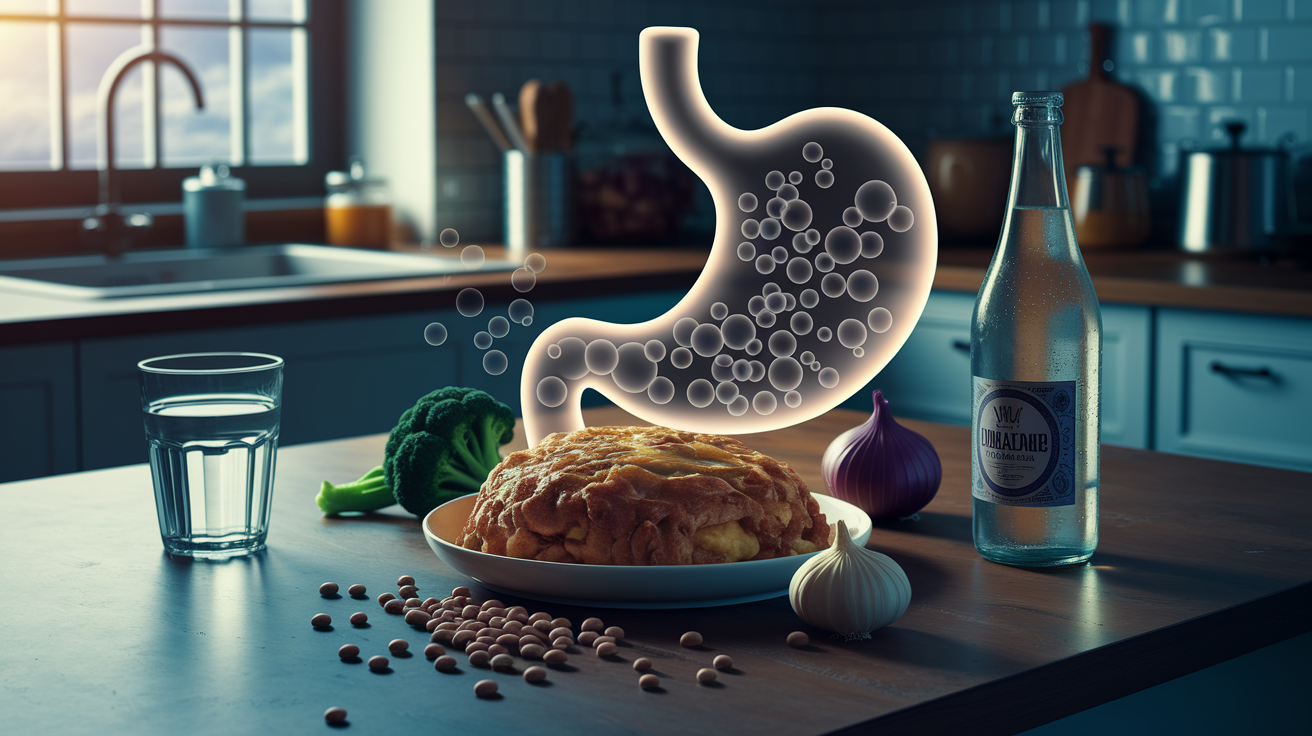
Overnight, your intestines move more slowly. Gut motility naturally dips during sleep. Food, gas, and digestive fluids sit in your stomach and intestines longer than they do during the day. If you have delayed gastric emptying or something like gastroparesis, food from dinner can still be in your stomach when you wake up. That creates fullness, nausea, or a sensation of pressure. Gas that forms during normal digestion accumulates in pockets of your colon overnight and doesn’t move out until you stand up. This is why many people feel fine at bedtime but wake up swollen.
Acid reflux becomes more common when you lie down because stomach acid can travel back up into your esophagus more easily. Gravity isn’t holding it down anymore. If you have reflux or GERD, nighttime is when symptoms often worsen. You might wake up with a sour taste in your mouth, a burning sensation in your chest, or fullness high in your abdomen. Lying on your right side can make reflux worse because of how your stomach and esophagus are positioned. Eating acidic, fatty, or spicy foods late in the evening increases acid production overnight. Going to bed soon after eating gives that acid more opportunity to move upward while you sleep.
What you ate the night before plays a major role. Foods high in fermentable carbs, like beans, lentils, onions, garlic, wheat, and certain fruits, get broken down by bacteria in your gut and produce gas. If you eat these foods close to bedtime, the fermentation process continues overnight. You wake up bloated. High-fat meals slow gastric emptying, so a greasy dinner can still be sitting in your stomach hours later. Artificial sweeteners like sorbitol and large amounts of dairy can also trigger gas and bloating, especially if you’re lactose intolerant or sensitive to sugar alcohols.
Dehydration, constipation, and trapped gas are quieter contributors to morning discomfort. If you don’t drink enough water during the day, your stool becomes harder and moves more slowly through your colon overnight. Constipation creates a feeling of heaviness and pressure in your lower abdomen. It can also trap gas behind stool, making bloating worse. Waking up dehydrated reduces the fluid available to help move waste through your intestines. Even mild dehydration slows digestion and makes your gut less efficient at clearing out gas and waste by morning.
How to Tell Which Symptom Is Causing Your Morning Discomfort
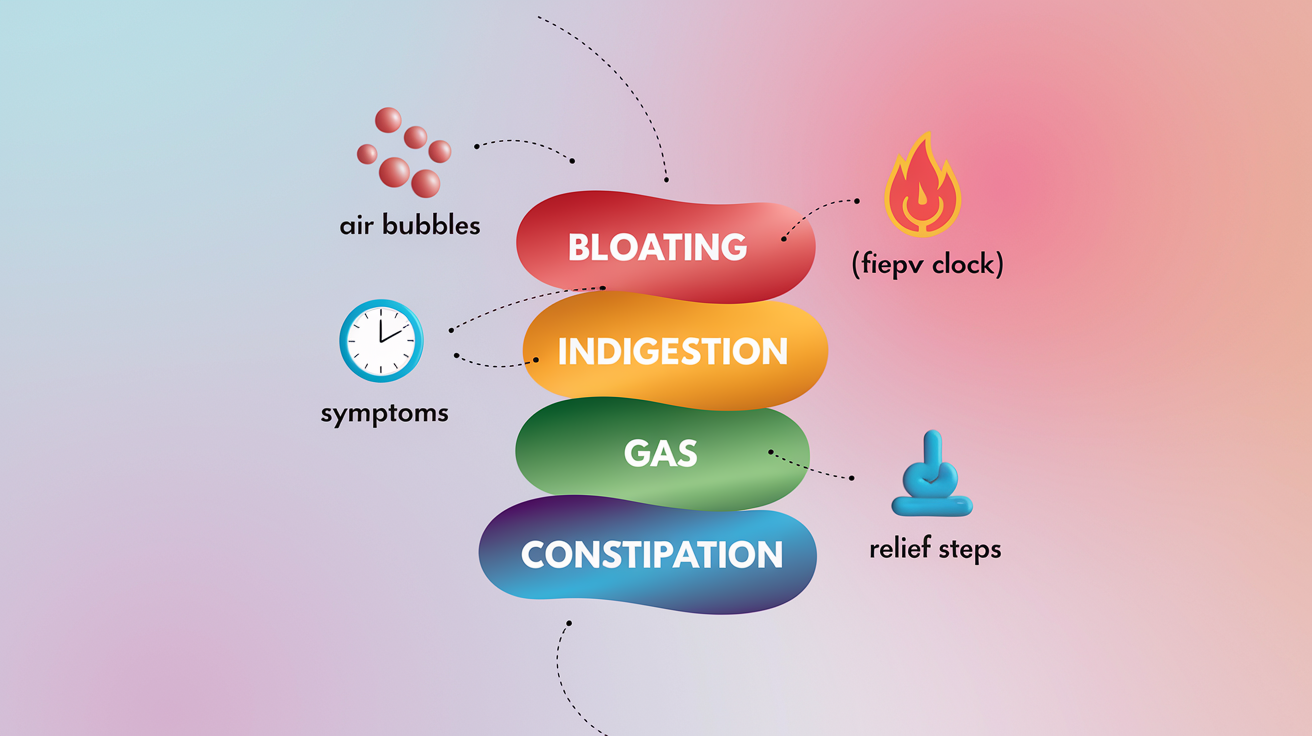
Knowing whether you’re dealing with bloating, indigestion, gas, or constipation helps you choose the right relief strategy. Bloating and indigestion can feel similar, but they come from different places in your digestive tract and respond to different approaches. Pay attention to where the discomfort sits, what it feels like, and what makes it better or worse.
Bloating typically feels like fullness, tightness, or visible swelling in your abdomen. Indigestion shows up as burning, discomfort, or pressure in your upper stomach or chest. Gas creates sharp, moving pains or a need to burp or pass gas. Constipation feels heavy and is usually accompanied by difficulty having a bowel movement or hard, infrequent stools.
| Symptom Type | Key Characteristics | Likely Cause |
|---|---|---|
| Bloating | Swollen abdomen, tight feeling, visible distension, pressure | Gas buildup, slow motility, fermentable foods, dehydration |
| Indigestion | Upper abdominal burning or discomfort, fullness after eating, nausea | Acid reflux, delayed gastric emptying, fatty or acidic foods |
| Gas | Sharp or cramping pains that move, need to burp or pass gas | Swallowed air, fermentation of certain foods, carbonated drinks |
| Constipation | Heavy lower abdomen, hard stools, fewer than three bowel movements per week | Low fiber, dehydration, lack of movement, slow transit |
Quick Relief Strategies for Morning Bloating and Indigestion

When you wake up uncomfortable, you want relief that works quickly and doesn’t require a lot of prep. The goal is to get things moving, reduce pressure, and settle your stomach enough to start your day without feeling weighed down or nauseous.
Here are six things you can try right away:
-
Drink a glass of warm water as soon as you wake up. Warm water can stimulate your digestive tract and help move gas and stool along. Adding a small amount of lemon can help with nausea, but skip it if you have reflux.
-
Take a 10 to 15 minute walk. Gentle movement helps shift gas pockets and encourages bowel activity. You don’t need to go fast, just upright and moving.
-
Try peppermint or ginger tea. Peppermint relaxes the muscles in your digestive tract and can relieve gas. Ginger soothes nausea and may help with bloating. Both are low risk and easy to keep on hand.
-
Eat a light, low FODMAP breakfast. Skip heavy, greasy, or gas producing foods first thing in the morning. Try eggs, a small portion of oatmeal, a banana, or plain rice cakes. Keep portions small until your stomach settles.
-
Sit upright for at least 20 to 30 minutes after waking. Don’t lie back down or slouch. Sitting or standing keeps gravity on your side and prevents acid from traveling back up.
-
Use an over the counter option if needed. Simethicone can help break up gas bubbles. Antacids can relieve burning from reflux. If constipation is the issue, a gentle stool softener may help, but don’t use laxatives regularly without checking with a clinician.
Long Term Strategies to Reduce Morning Digestive Issues

If morning bloating and indigestion happen regularly, small daily adjustments can make a real difference. Start by looking at what and when you eat. Avoid large meals within two to three hours of bedtime. If you need an evening snack, keep it small and simple, under 200 calories, and choose something easy to digest like a piece of toast, a small handful of crackers, or a banana. Reduce foods that are known gas producers in the evening. Beans, broccoli, cabbage, onions, garlic, and anything with artificial sweeteners. Keep a simple food journal for a week or two to see if certain foods consistently show up before bad mornings. Gradually increase your fiber intake to 25 to 30 grams per day if you’re dealing with constipation, but add it slowly, about 5 to 10 grams at a time. Give your system a few weeks to adjust.
Timing your meals and adjusting your evening routine can stop a lot of morning discomfort before it starts. Finish dinner at least three hours before you plan to lie down. If you drink alcohol or carbonated drinks, try limiting them in the evening or cutting them out entirely for a trial period of two to four weeks. See if symptoms improve. Drink water throughout the day so you’re not starting the night already dehydrated. Aim for around eight cups of water daily, spread out. Avoid drinking large amounts right before bed since that can disrupt sleep. Elevate the head of your bed by 6 to 8 inches if you have reflux, or use a wedge pillow to keep your upper body higher than your stomach. Sleeping on your left side can also reduce acid reflux compared to lying on your right side or flat on your back.
Stress, poor sleep, and lack of movement all slow digestion and make bloating worse. Consistent sleep and wake times help regulate your gut’s natural rhythm. Aim for 20 to 30 minutes of moderate movement most days, like walking, swimming, or cycling. Movement improves bowel transit and reduces bloating over time. If stress or anxiety affect your digestion, try short breathing exercises before bed or gentle stretching to help your nervous system downshift. Chronic stress keeps your body in a heightened state that disrupts normal digestive function. Finding small ways to lower the temperature, like stepping outside for a few minutes or doing a quick body scan, can help more than you’d expect.
When Morning Bloating and Indigestion Signal a Health Issue

Occasional bloating or indigestion in the morning is common and usually tied to what you ate or how you slept. But if it happens most mornings, lasts for weeks, or comes with other symptoms, it’s worth checking in with a clinician. Persistent digestive discomfort can point to conditions like irritable bowel syndrome, small intestinal bacterial overgrowth, chronic acid reflux, gallbladder issues, food intolerances, or other underlying problems that won’t resolve with home remedies alone.
If you’ve tried adjusting your diet, meal timing, hydration, and sleep habits for four to eight weeks and you’re still waking up bloated or uncomfortable most days, that’s a reasonable point to seek medical evaluation. Symptoms that are getting worse over time, interfering with your ability to eat or function in the morning, or making you avoid certain foods out of fear also deserve attention. You’re not overreacting by asking for help when your body isn’t responding to sensible changes.
Here are five warning signs that should prompt you to contact a healthcare professional sooner:
- Unintentional weight loss of more than 5% of your body weight or 10 pounds over a few months
- Severe or persistent abdominal pain that doesn’t ease with position changes or over the counter relief
- Recurrent vomiting, difficulty swallowing, or a feeling of food getting stuck
- Blood in your stool, black or tarry stools, or bright red blood
- New onset of symptoms after age 50, or symptoms that wake you up at night more than a couple of times per week
Final Words
Mornings often hurt because digestion slows overnight, gas can build up, reflux may flare, and late eating or low fluids make it worse.
You got tools here: how to tell bloating versus indigestion, fast relief steps to try on waking, and longer habits to reduce repeat mornings.
Track timing, foods, severity (0–10), and what helps. If symptoms stick or worsen, share that log with your clinician.
Small steps often help — and mornings with less bloating and indigestion in the morning are possible.
FAQ
Q: Why do I wake up with indigestion, bloating, or morning stomach pain?
A: Waking with indigestion, bloating, or morning stomach pain is often caused by slower overnight digestion, gas buildup, reflux when lying down, late meals, dehydration, or constipation.
Q: Does BV make you bloat?
A: Bacterial vaginosis (BV) usually does not cause belly bloating; it typically causes vaginal discharge, odor, and pelvic discomfort. If you have unexplained bloating or pain, see a clinician.
Q: How to debloat your stomach in the morning?
A: To debloat your stomach in the morning, try warm water, a short walk, gentle stretching, ginger or peppermint tea, light abdominal massage, and a low‑FODMAP breakfast. See a clinician if it keeps recurring.
Comments are closed