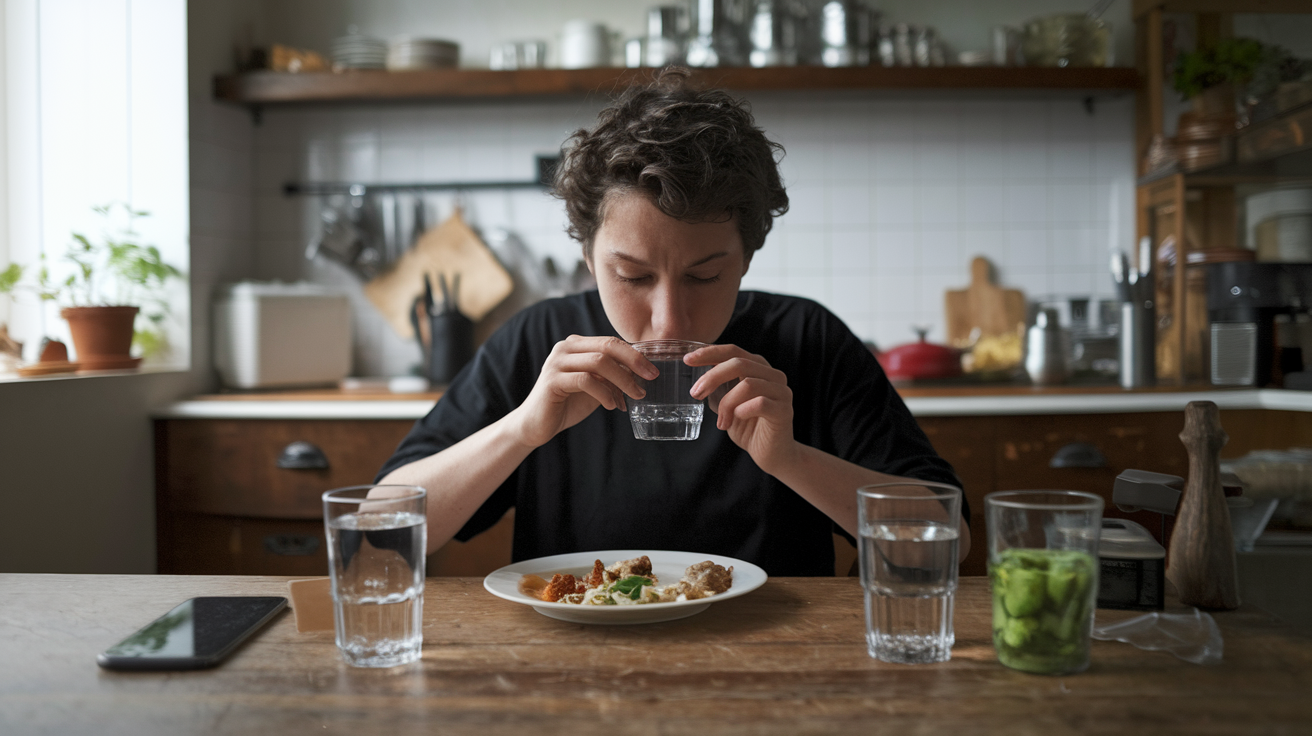
You don’t have to give up your favorite meals to stop feeling bloated.
Bloating often starts at the table, and swallowed air plus oversized portions are usually to blame, not a single bad food.
This short guide gives practical, low-risk eating strategies you can use right away: slower chewing, putting your fork down, smaller plates, sipping instead of gulping, and a brief walk after meals.
Try two or three consistently and you may notice less tightness within days; we’ll also cover trigger foods, helpful options, supplements, and tracking tips so you can talk to your clinician if needed.
Immediate Strategies to Reduce Post‑Meal Bloating
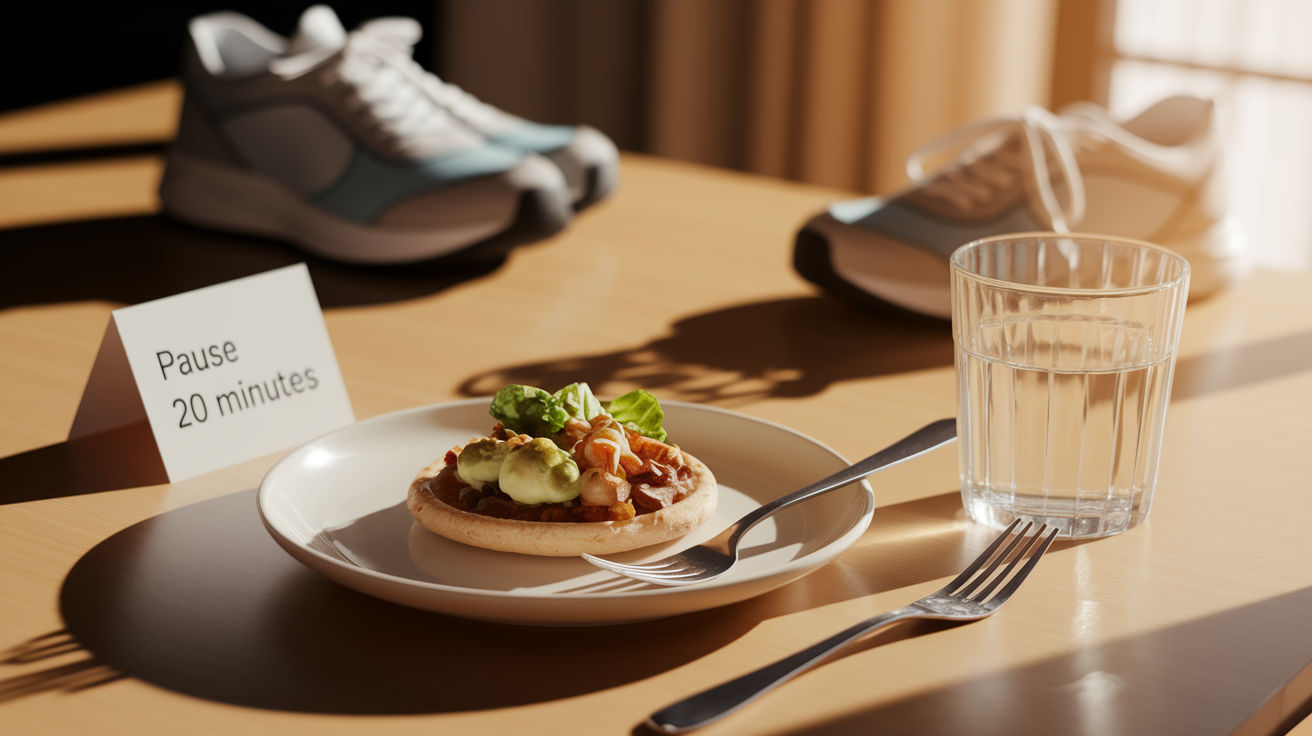
Bloating often kicks in during or right after you eat. That makes the table the best place to stop it before it starts. A few small tweaks to how you eat, how fast you move through your meal, and what you do next can cut down on trapped air and sluggish digestion before that tight, swollen feeling takes over.
One of the biggest problems? Swallowed air. Eating quickly, talking while you chew, gulping drinks. All of it pushes air into your stomach along with your food. Some comes back up as a burp. The rest travels lower and adds to the pressure and distension.
The other factor is portion size. When your stomach stretches past what’s comfortable, digestion slows. Food sits longer. Gas builds. And bacteria in your gut start fermenting what hasn’t moved yet.
Here are six things that work right away:
- Chew each bite 20 to 30 times. Slower chewing means less air and better breakdown before anything hits your stomach.
- Put your fork down between bites. This pause slows your pace and gives your brain time to catch up. That fullness signal takes about 20 minutes from the first bite.
- Serve yourself on a smaller plate. Visual cues matter. A full small plate feels more satisfying than a half‑empty large one.
- Sip water slowly between bites instead of chugging. Swallowing big gulps floods your stomach with air.
- Take a 10 to 15 minute walk after eating. Light movement helps gas move through instead of pooling.
- Don’t lie flat right after a meal. Stay upright for at least an hour so stomach contents move in the right direction.
If you apply even two or three of these consistently, most people notice less tightness and fewer episodes of visible bloating within a few days. The changes stack. Slower eating plus a short walk after dinner often cuts bloating in half without cutting out any foods.
Common Foods and Ingredients That Trigger Bloating
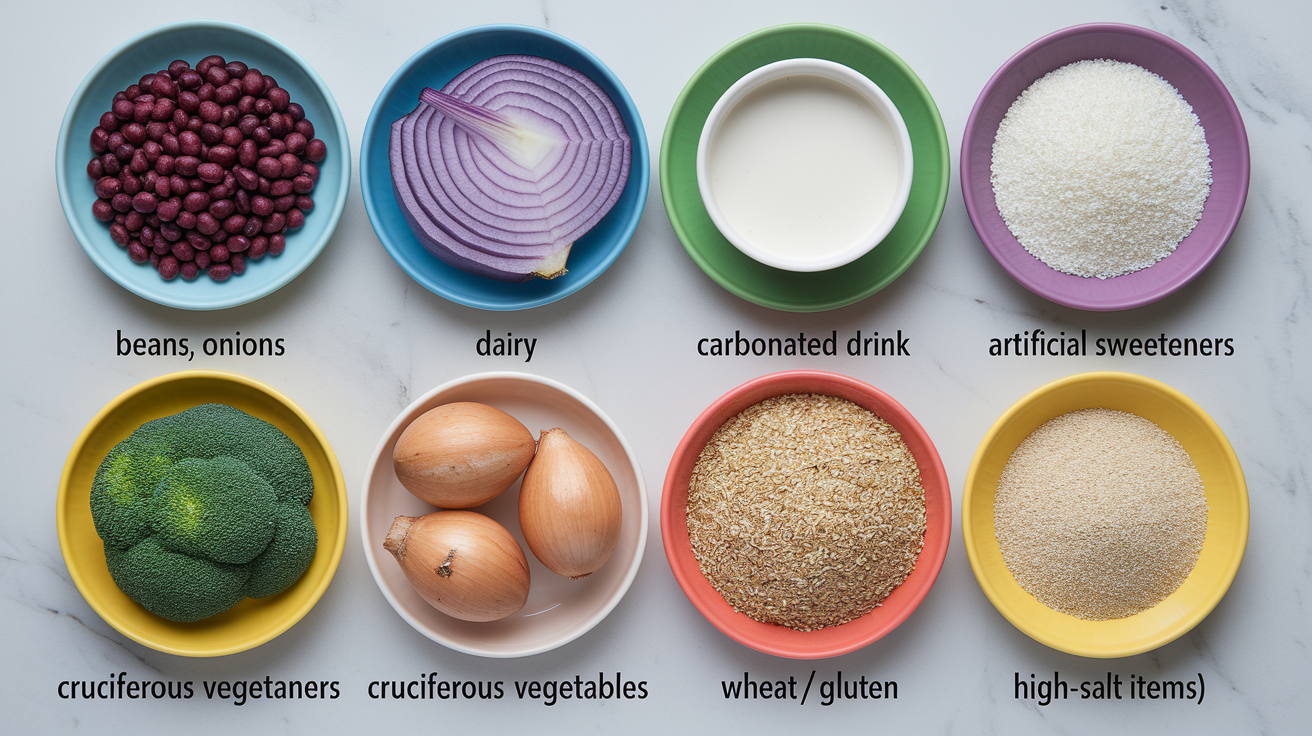
Certain foods produce more gas during digestion or slow things down enough that fermentation kicks in. Knowing which ones affect you makes it easier to plan meals that feel lighter.
High‑FODMAP foods are carbohydrates your small intestine struggles to absorb. That stands for fermentable oligosaccharides, disaccharides, monosaccharides, and polyols. When they reach your colon undigested, bacteria ferment them and produce gas quickly. Many people who deal with frequent bloating respond well to temporarily reducing high‑FODMAP options and then testing them one at a time.
Here are eight of the most common bloating triggers and what they do:
Beans and lentils – high in fiber and resistant starch. Gut bacteria break them down and release gas as a byproduct.
Onions and garlic – contain fructans, a FODMAP that ferments fast in the colon.
Dairy products (milk, cheese, yogurt, ice cream) – if you’re lactose intolerant, undigested lactose reaches the colon and produces gas and cramping.
Carbonated beverages – the bubbles you swallow are literally gas. Some escapes as burps. The rest moves lower.
Artificial sweeteners (sorbitol, xylitol, mannitol) – sugar alcohols are poorly absorbed and ferment quickly. Often found in sugar‑free gum and diet soda.
Cruciferous vegetables (broccoli, cabbage, Brussels sprouts) – contain raffinose, another carbohydrate that requires bacterial breakdown.
Wheat and gluten‑containing grains – can trigger bloating in people with celiac disease, non‑celiac gluten sensitivity, or simply high fructan intake.
High‑salt meals – salt causes water retention, which can make your abdomen feel tight and heavy even without extra gas.
You don’t have to avoid all of these forever. A two‑week food diary that tracks what you ate, portion sizes, and how you felt two to four hours later will help you spot your personal triggers. Most people find two or three foods that consistently cause problems. The rest are fine in smaller amounts.
Foods and Ingredients That Help Reduce Bloating
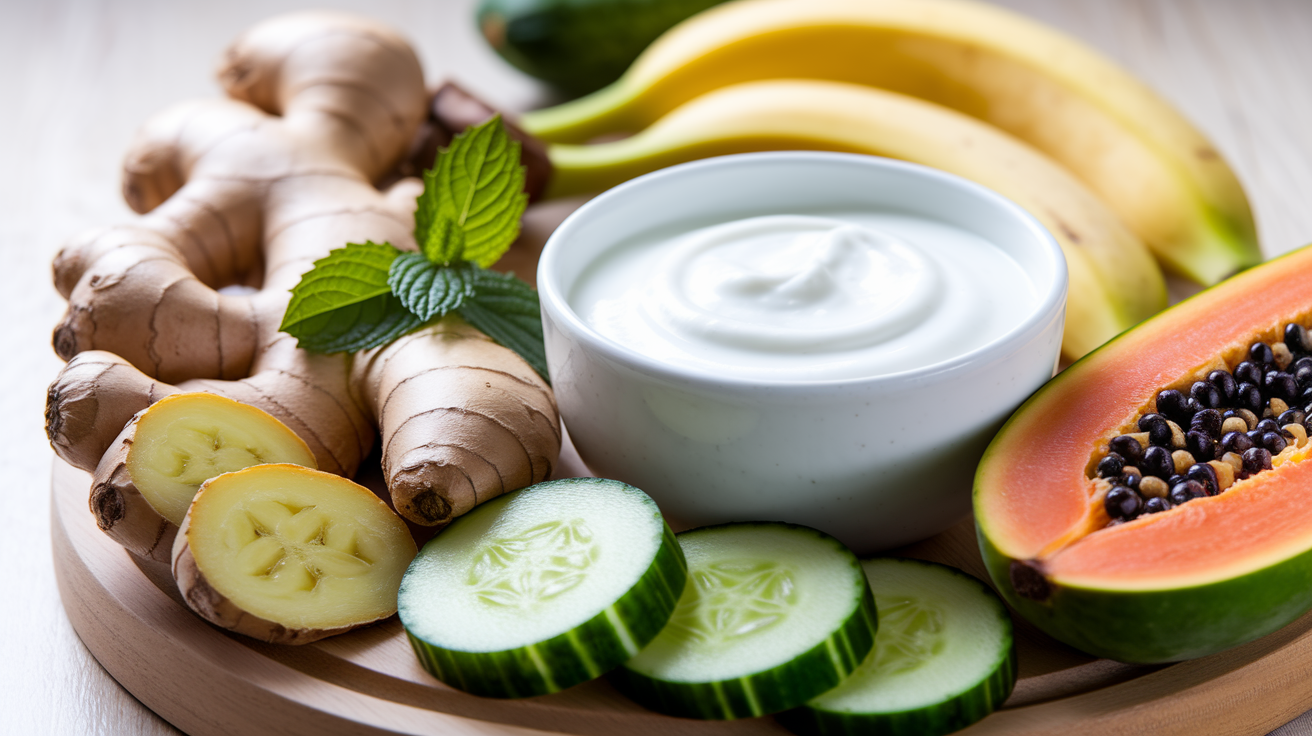
Just as some foods increase bloating, others actually support smoother digestion and less gas buildup. These options tend to be gentle on the gut, lower in fermentable carbs, or naturally anti‑inflammatory.
You don’t need a special diet. Swap one or two into meals you already eat and notice the difference pretty quickly.
Here are six digestion‑friendly choices and what they do:
Ginger – reduces inflammation in the gut, speeds up gastric emptying, and can relieve nausea. Fresh ginger or ginger tea works well after meals.
Peppermint – relaxes the muscles in your digestive tract and may help release trapped gas. Avoid it if you have acid reflux since it can relax the lower esophageal sphincter.
Bananas – high in potassium, which helps balance sodium and reduce water retention. Also easy to digest and gentle on the stomach.
Yogurt and kefir (with live cultures) – fermented dairy provides probiotics that support a balanced gut microbiome. Look for “live and active cultures” on the label.
Cucumbers – very high in water, low in fermentable carbs, and contain an anti‑inflammatory compound called quercetin.
Papaya – contains the enzyme papain, which helps break down proteins and may improve digestion when eaten with or after a meal.
You can fold these into your day without overthinking it. A cup of ginger tea after lunch. A handful of banana slices on oatmeal. Yogurt as a snack. Cucumber in your salad. All of it counts. The goal is consistency, not perfection. Over a week or two, your gut starts responding to the pattern.
How Digestion Works and Why Bloating Happens
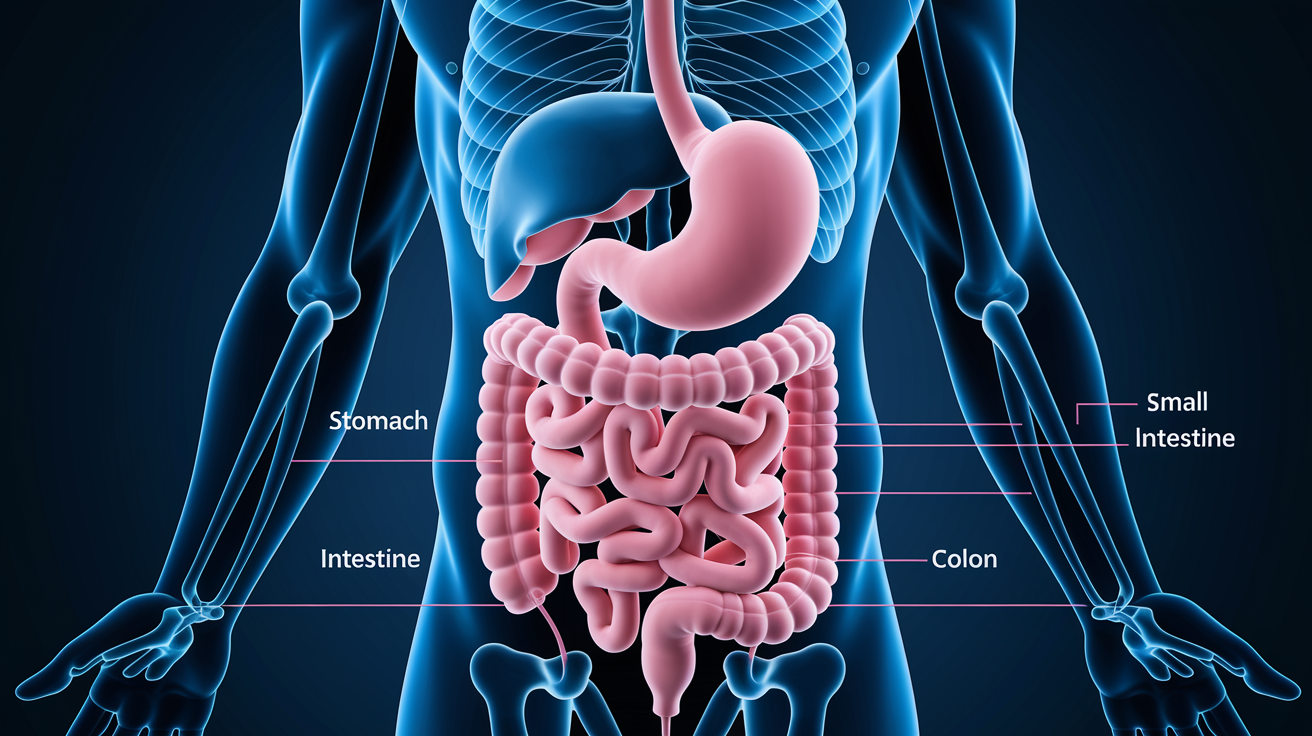
Bloating is what you feel when something disrupts the normal flow of digestion. To understand why it happens, it helps to know what should be happening when things go smoothly.
Digestion starts in your mouth. Enzymes in saliva begin breaking down carbohydrates. Food moves to your stomach, where acid and churning break it down further. From there, it enters the small intestine, where most nutrient absorption happens. What your body can’t absorb passes into the colon, where bacteria ferment leftover carbohydrates and fiber. That fermentation produces gas as a normal byproduct. In a well‑functioning system, gas moves through and gets released without much pressure or discomfort.
Key Biological Mechanisms Behind Bloating
Bloating happens when gas production outpaces gas movement, or when something slows the system down.
Eating too fast floods your stomach with food and air at once, overwhelming the normal pace of breakdown. Swallowing air while chewing gum, drinking through a straw, or talking while eating all add extra volume that has to go somewhere.
When high‑FODMAP foods or foods you’re intolerant to reach the colon undigested, bacteria go to work on them quickly and produce a surge of gas. If your gut motility is slow, either from stress, low physical activity, or conditions like gastroparesis, food and gas sit longer than they should. That creates pressure and visible distension.
Hormonal shifts, especially before menstruation or during menopause, can slow digestion and increase water retention. That makes bloating worse. Imbalances in gut bacteria, often called dysbiosis, can tip fermentation into overdrive and produce more gas than your body is used to handling. All of these factors can overlap. That’s why bloating often has more than one trigger at a time.
The Role of Probiotics and Digestive Enzymes
Probiotics and digestive enzymes are two categories of supplements that show up frequently in bloating discussions. They work in different ways, and both can be helpful depending on what’s causing your symptoms.
Probiotics are live bacteria that support a balanced gut microbiome. When your gut bacteria are out of balance, either from antibiotics, stress, diet changes, or an underlying condition, fermentation patterns shift and gas production can spike. Research shows that certain probiotic strains, especially Lactobacillus and Bifidobacterium species, can reduce bloating and improve bowel regularity in people with irritable bowel syndrome and occasional digestive discomfort. They work over time, not instantly. Expect to take them daily for at least two to four weeks before noticing a shift.
Digestive enzymes are proteins that help break down specific nutrients your body might struggle with. If you’re missing or low on a particular enzyme, food moves through partially digested. That sets up fermentation and gas in the colon. Taking the right enzyme before a meal can prevent that cascade.
Here are five common digestive enzymes and what they target:
Lactase – breaks down lactose in dairy. Helpful if you’re lactose intolerant but still want to eat yogurt or cheese occasionally.
Alpha‑galactosidase – breaks down complex carbohydrates in beans, lentils, and cruciferous vegetables. Sold as Beano and similar products.
Protease – helps digest proteins. May reduce bloating after high‑protein meals.
Lipase – breaks down fats. Useful if you experience bloating or discomfort after fatty or fried foods.
Amylase – digests starches. Can ease symptoms when eating large portions of bread, pasta, or potatoes.
Neither probiotics nor enzymes are magic fixes. They won’t help every type of bloating. But if your symptoms are linked to specific foods or gut imbalance, they’re low‑risk tools worth trying under the guidance of a healthcare provider.
Lifestyle Habits That Support Better Digestion
What you do outside of meals matters just as much as what you put on your plate. Stress, posture, hydration timing, and movement all influence how efficiently your digestive system works.
Chronic stress activates your sympathetic nervous system. That’s fight‑or‑flight mode. It diverts energy away from digestion. When your body thinks it’s under threat, it slows gastric emptying, reduces enzyme secretion, and tightens muscles in your gut. That slowdown creates the perfect environment for gas to build up and food to sit longer than it should.
Here are five lifestyle habits that help prevent bloating:
-
Practice slow, deeper breathing before meals. Even two minutes of longer exhales can shift your nervous system into rest‑and‑digest mode and prepare your gut to work efficiently.
-
Sit upright while eating and for at least 30 minutes afterward. Slouching or lying down compresses your stomach and intestines. That slows movement and traps gas.
-
Drink most of your water between meals, not during. Sipping water with food is fine, but chugging large amounts dilutes digestive enzymes and adds volume that can increase pressure.
-
Move your body daily, even in small bursts. A 10‑minute walk after dinner, gentle yoga, or stretching all stimulate peristalsis. That’s the wave‑like contractions that push food and gas through your intestines.
-
Aim for consistent meal timing. Eating at roughly the same times each day trains your digestive system to anticipate food. That improves enzyme release and motility.
These habits don’t require extra time or equipment. They’re small adjustments that add up. When your body feels calm, upright, hydrated at the right times, and gently active, digestion usually follows a smoother, less bloated path.
Final Words
In the action, you learned quick moves to reduce post-meal bloat—eat slower, walk 10–15 minutes, avoid large portions and carbonated drinks. We also named common triggers and gut-friendly foods, and explained how digestion and gas build up.
You saw when probiotics or enzymes might help and simple habits—hydration choices, posture, stress control—that support digestion. Try a few changes one at a time and track when symptoms improve.
Use these tips for how to prevent bloating after meals and expect steady, small wins.
FAQ
Q: How do I stop bloating after every meal?
A: To stop bloating after every meal, eat slowly and in smaller portions, avoid carbonated drinks and gum, sip water instead of gulping, walk 10–15 minutes after eating, and track trigger foods for your clinician.
Q: How to quickly debloat after a meal?
A: To quickly debloat after a meal, stand and walk for 10–15 minutes, sip warm ginger or peppermint tea, try a gentle clockwise belly massage, loosen tight clothing, and use slow exhale breathing to move gas.
Q: What drink removes gas from the stomach?
A: Drinks that remove gas from the stomach include warm ginger tea (soothes digestion), peppermint tea (relaxes gut muscles), and plain warm water (helps move gas); avoid carbonated beverages.
Comments are closed