What if most of what you try for bloating is unnecessary or makes it worse?
If your belly feels tight, puffy, or your waistband digs in by afternoon, this is for you.
About 20% of adults get recurring bloating, and causes range from swallowing air to certain foods, stress, or hormones.
This article shows safe, natural, low-risk remedies including simple herbs, food fixes, gentle movement, and probiotics that may help, plus how to use them, what to track, and when to call a doctor.
Natural Remedies for Stomach Bloating That Work
Stomach bloating happens when extra gas builds up in your digestive tract or your body hangs onto fluid. You feel pressure, tightness, maybe a visible pooch. Sometimes your waistband starts cutting in by mid-afternoon even though you didn’t overeat.
It’s incredibly common. Roughly 20 percent of adults deal with some version of recurring bloating or gas discomfort. The reasons vary: stress, eating too fast, certain foods, poor posture while you eat, skipping meals and then eating a lot at once, swallowing air, constipation, hormonal shifts, or an underlying condition like IBS, SIBO, or a food intolerance.
This article walks through natural, low-risk remedies you can try at home. Most focus on relaxing your gut, reducing gas production, supporting digestion, or gently moving things along. You’ll see preparation steps, what to watch for, and quick notes on evidence. Not every remedy works for every person or every cause, but starting with the safest, simplest options often helps while you figure out your pattern.
A few ground rules: Natural doesn’t always mean harmless. Some herbs mess with medications or aren’t safe during pregnancy, for children, or if you have certain conditions. If bloating is severe, sudden, or comes with other worrying symptoms like vomiting, blood in stool, unexplained weight loss, or intense pain, skip the tea and call your doctor.
What Causes Stomach Bloating
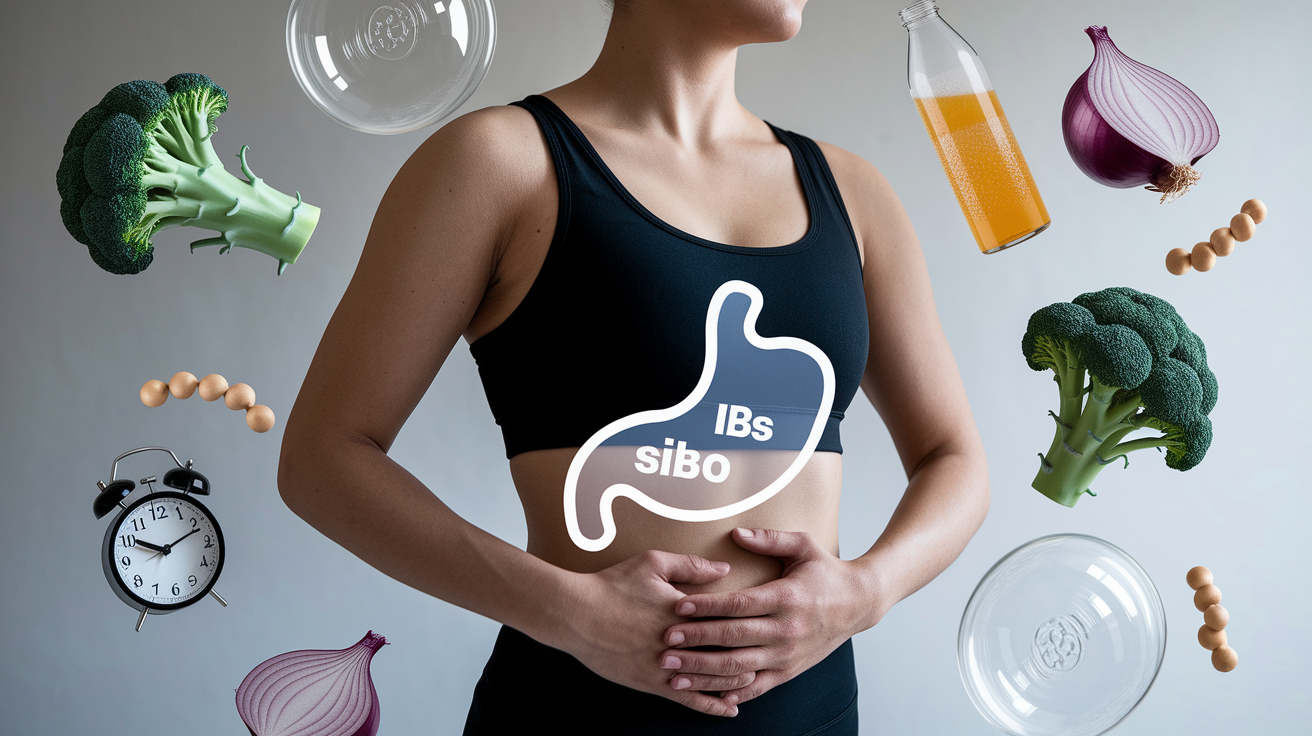
Before reaching for a remedy, it helps to know what might be driving the bloat. Here are the most common causes:
Swallowing air. You do it when you chew gum, drink through a straw, eat too fast, or talk while eating. That air has to go somewhere, up or down, and until it does, you feel puffy.
Gas-producing foods. Beans, lentils, broccoli, cabbage, onions, and carbonated drinks all create gas during digestion. Artificial sweeteners like sorbitol and xylitol, plus sugar alcohols in “sugar-free” products, can do the same.
Constipation. When stool moves slowly, gas gets trapped behind it. The longer things sit, the more uncomfortable you feel.
Food intolerances. Lactose (dairy), gluten, and certain fermentable carbs (FODMAPs) can trigger bloating if your gut struggles to break them down. This isn’t the same as an allergy. It’s more about how your digestive system handles specific molecules.
Stress and eating habits. Eating while stressed, distracted, or in a rush interferes with digestion. Your nervous system shifts into “fight or flight,” which slows gut motility and can leave you feeling gassy and tight.
Hormonal changes. Many people bloat more in the week before their period because of fluid retention and shifts in progesterone and estrogen.
Small intestinal bacterial overgrowth (SIBO). When bacteria overgrow in the small intestine, they ferment food prematurely and produce extra gas.
Irritable bowel syndrome (IBS). A common functional gut disorder marked by bloating, cramping, gas, diarrhea, or constipation, or both in cycles.
Inflammatory bowel disease (IBD). Conditions like Crohn’s disease or ulcerative colitis cause inflammation that can lead to bloating, pain, and other symptoms.
Understanding your pattern matters. Does it happen after dairy, during stressful weeks, the day before your period, after big meals, when you skip breakfast? Those clues point you toward which remedies to try first.
Peppermint Tea
Peppermint is one of the most studied and widely used herbs for bloating and digestive discomfort. It works by relaxing the smooth muscles in your gut, which can ease cramping and help trapped gas move through.
How to prepare it:
Use 1 teaspoon of dried peppermint leaves or 1 peppermint tea bag. Pour 1 cup of boiling water over it. Steep for 10 minutes, covered if possible. Drink it hot, ideally after a meal or when you first notice bloating.
Alternatives:
If tea isn’t practical, you can try enteric-coated peppermint oil capsules. The coating keeps the oil from releasing too early in your stomach, which can trigger heartburn. Peppermint candies are a third option, though they’re less concentrated and often come with sugar.
What to watch for:
Peppermint can reduce iron absorption, so if you have iron-deficiency anemia, space it away from iron-rich meals or supplements. If you have GERD or frequent heartburn, peppermint may relax the lower esophageal sphincter and make reflux worse. In that case, skip it.
Evidence:
Research on peppermint for IBS symptoms, including bloating, is generally positive, though most studies focus on peppermint oil capsules rather than tea. The tea is milder and well tolerated by most people, but evidence for tea specifically is more limited.
Ginger
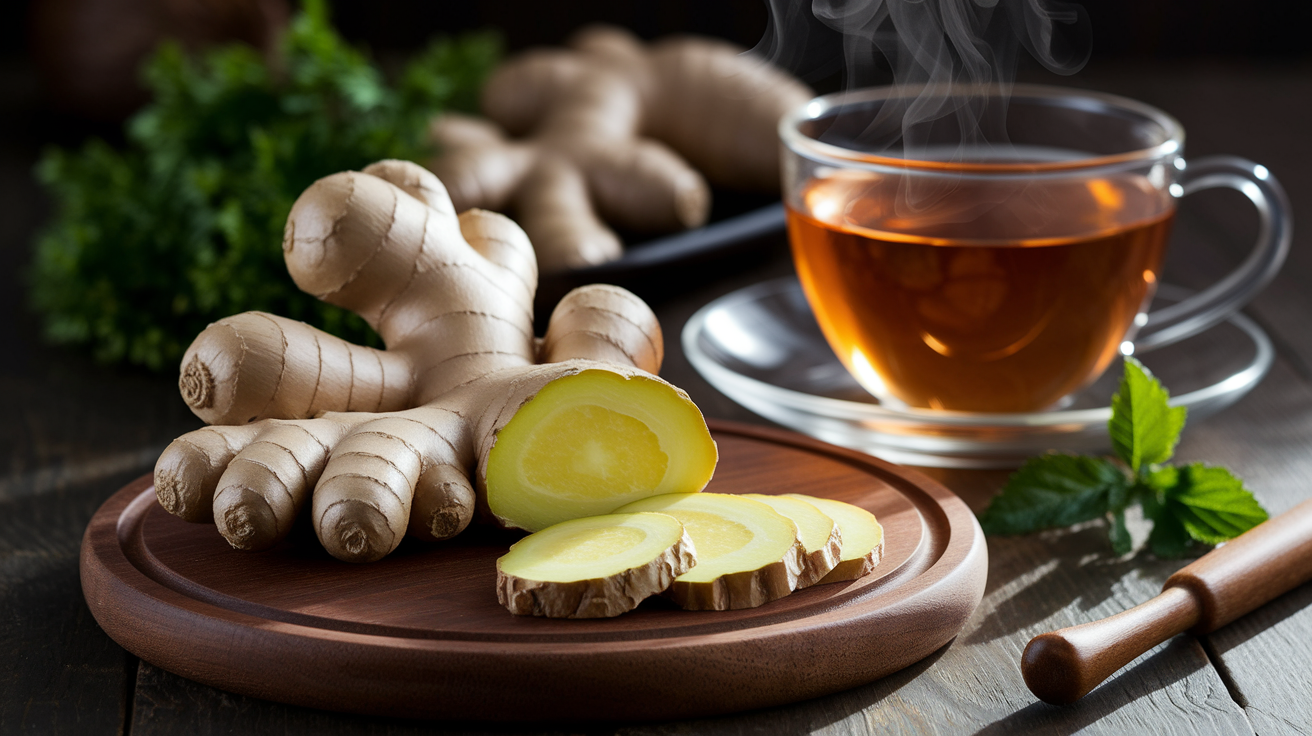
Ginger has been used for centuries to settle the stomach. It may help bloating by reducing inflammation, speeding up gastric emptying (how fast food leaves your stomach), and cutting down on fermentation in your gut.
How to use it:
Chew a small piece of fresh ginger root (about the size of your thumbnail), sip ginger tea after meals, or add thin slices to hot water and let it steep for 5 to 10 minutes. You can also grate fresh ginger into food or smoothies.
If you prefer a supplement, consult your doctor first, especially if you take blood thinners, diabetes medications, or blood pressure drugs, since ginger can interact.
What people report:
Many find that ginger eases nausea and that full, heavy feeling after eating. It may also help if constipation is part of your bloating picture.
Evidence:
Studies suggest ginger improves gastric motility and has anti-inflammatory properties. Most research focuses on nausea, but the digestive benefits extend to bloating in practice. Evidence is moderate and growing.
Fennel
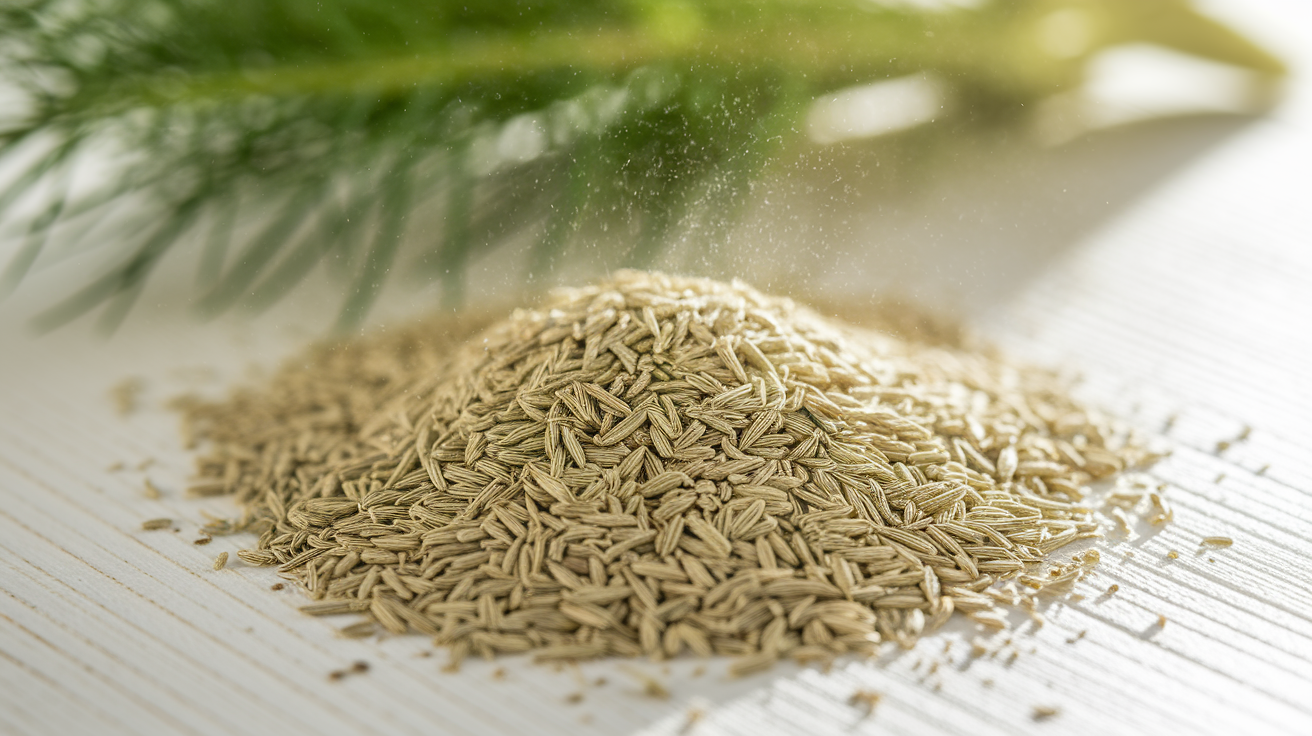
Fennel seeds and fennel tea are traditional remedies for gas, bloating, and even infant colic. Fennel contains compounds that relax the gut and may reduce spasms.
How to use it:
Chew half a teaspoon of fennel seeds after a meal, or steep 1 teaspoon of crushed seeds in a cup of hot water for 10 minutes and drink as tea.
Precautions:
Fennel has mild estrogen-like effects. Avoid it if you have hormone-sensitive conditions such as estrogen-receptor-positive breast cancer, endometriosis, or uterine fibroids. If you’re pregnant or breastfeeding, check with your doctor before using fennel regularly.
Evidence:
Small studies and traditional use support fennel for bloating and flatulence. Research on infantile colic shows promise, but large-scale studies in adults are limited.
Activated Charcoal
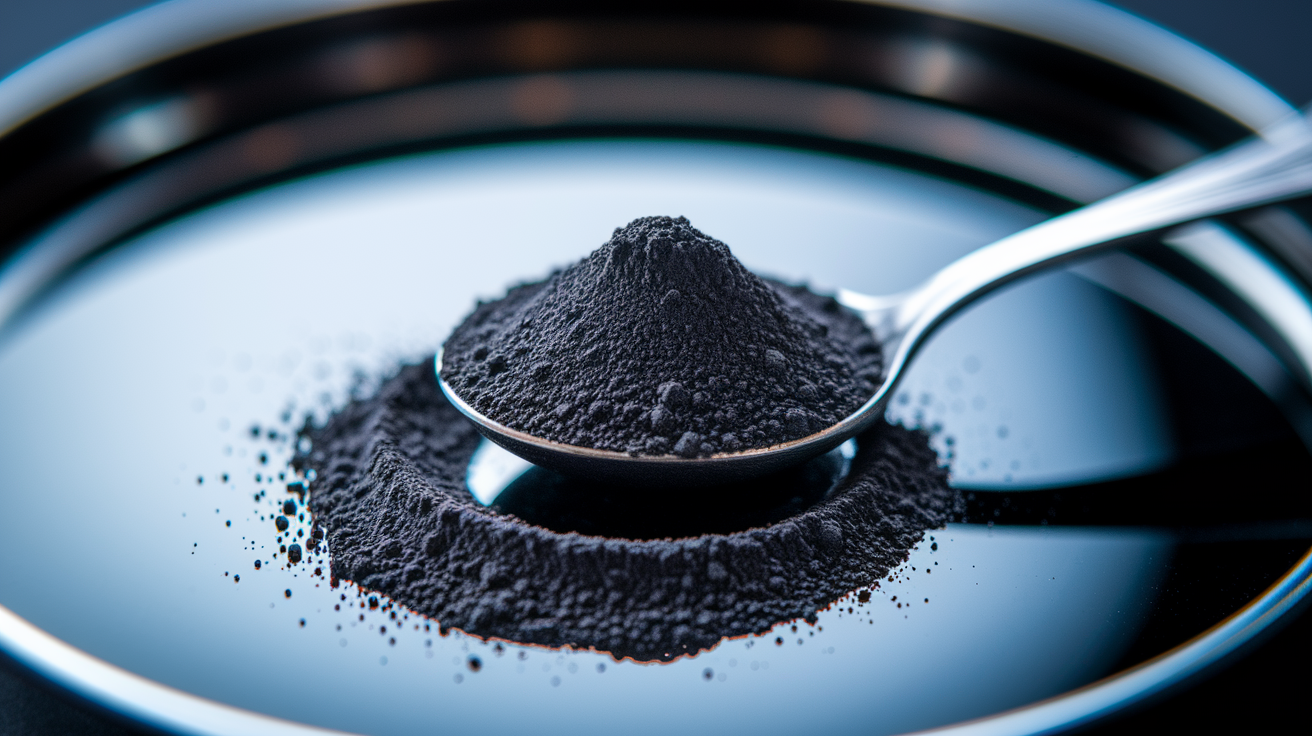
Activated charcoal is a supplement that binds to gas in your digestive tract. The idea is that it adsorbs (not absorbs) gas molecules before they cause discomfort, then you pass the charcoal and gas together in your stool.
How to use it:
Take a small dose, usually one or two capsules, before or right after a meal that you know tends to cause gas. Follow the product label. Don’t take it daily for weeks on end without medical guidance.
Side effects and interactions:
Charcoal can cause constipation, diarrhea, nausea, or black stools. The black color is harmless, it’s just the charcoal. More importantly, it can bind to medications and reduce their effectiveness. If you take prescription drugs, space charcoal at least 2 hours away, and ask your doctor if it’s safe.
Charcoal can also mess with nutrient absorption if used too often.
Evidence:
Research is mixed and inconclusive. Some people swear by it for occasional gas; others notice no difference. It’s worth trying once or twice for a known trigger meal, but it’s not a long-term fix.
Apple Cider Vinegar
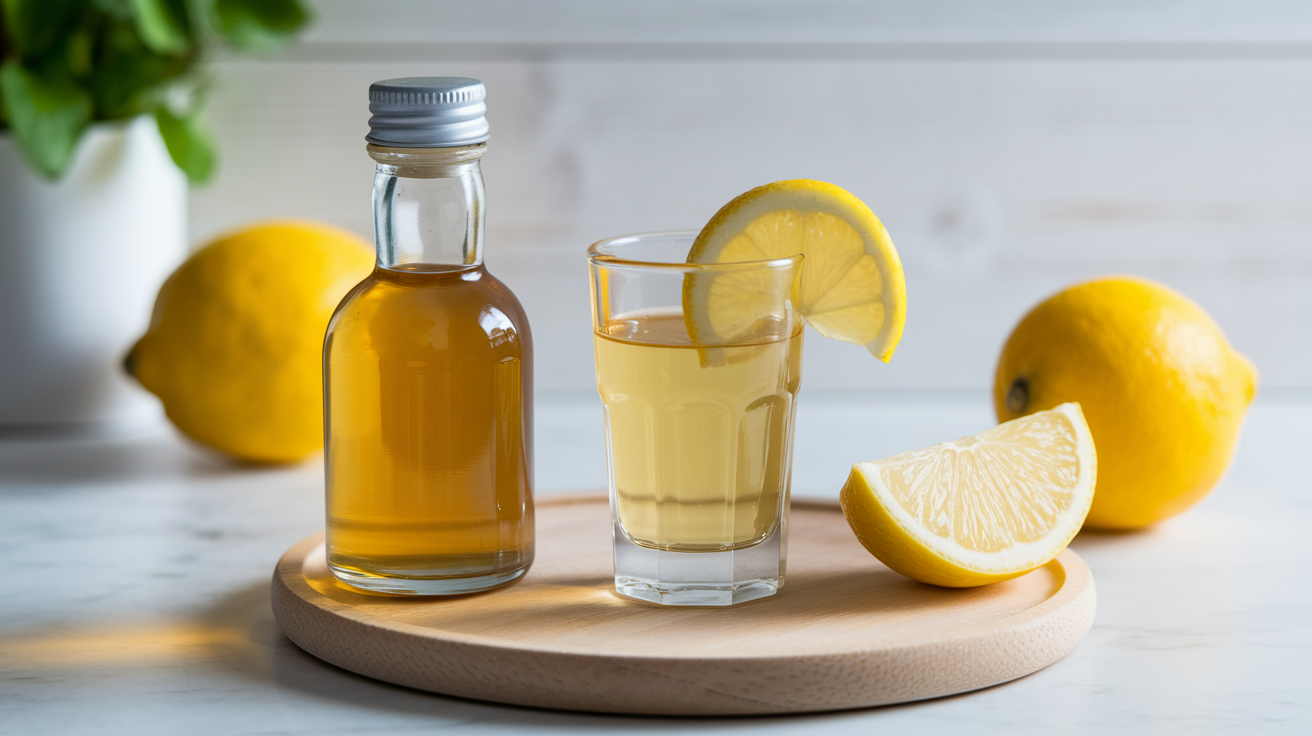
Apple cider vinegar (ACV) is popular in wellness circles for digestion support. The theory is that it increases stomach acid, which may help you break down food more efficiently and reduce post-meal bloating.
How to use it:
Mix 1 tablespoon of raw, unfiltered apple cider vinegar into a full glass of water. Drink it about 15 to 30 minutes before a meal. Start with 1 teaspoon if you’ve never tried it, then work up.
If you use ACV pills or gummies, follow the label instructions.
Precautions:
Rinse your mouth with plain water after drinking ACV. The acidity can erode tooth enamel over time. Don’t sip it straight or hold it in your mouth.
If you have ulcers, severe reflux, or low potassium, talk to your doctor before using ACV regularly.
Evidence:
Scientific support is limited. Most claims are anecdotal. Some people with low stomach acid report feeling better, but there’s no strong clinical data yet. Try it cautiously and see if it makes a difference for you.
Probiotics
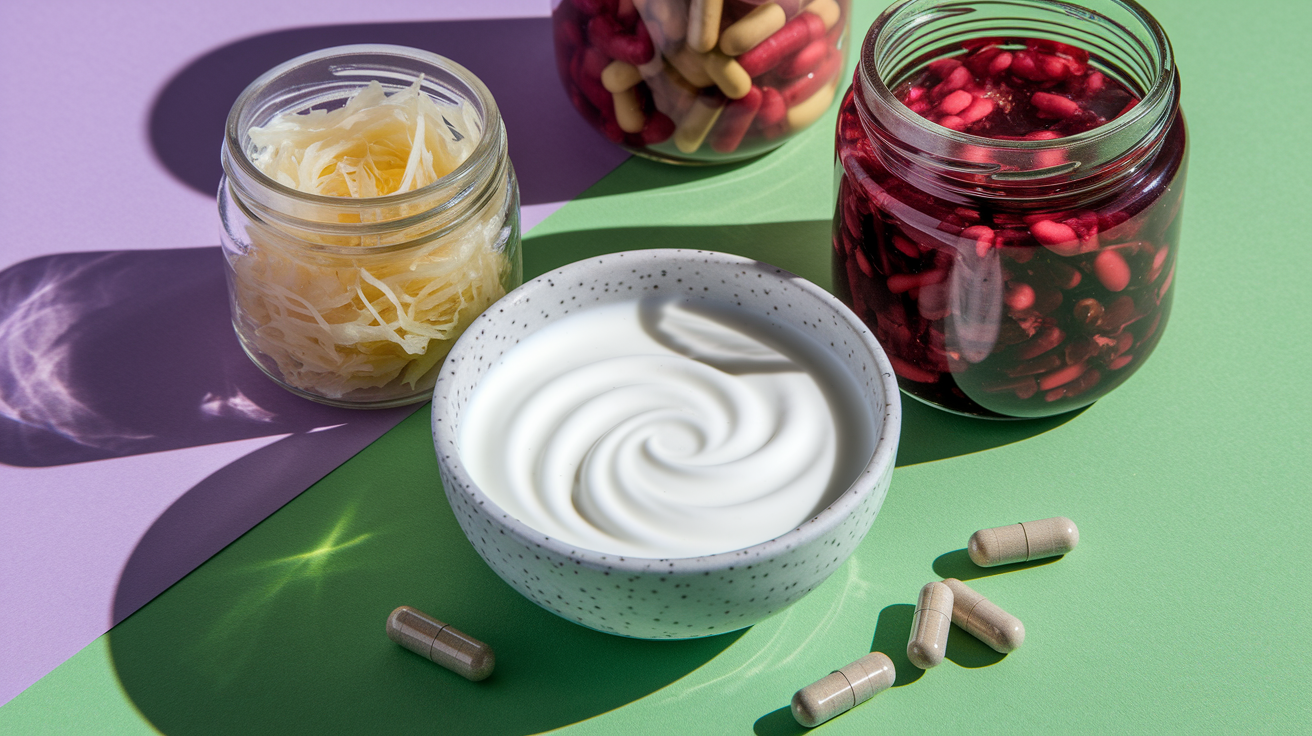
Probiotics are live bacteria that support a healthy gut microbiome. A balanced gut may produce less gas, improve digestion, and reduce bloating, especially if your symptoms are tied to IBS, antibiotic use, or dysbiosis (an imbalance in gut bacteria).
Sources:
You can get probiotics from fermented foods like plain yogurt (look for “live and active cultures”), sauerkraut, kimchi, kefir, and kombucha. Supplements are another option and often contain higher concentrations of specific strains.
What the research says:
A 2018 systematic review in Alimentary Pharmacology & Therapeutics found that probiotics can reduce bloating and abdominal pain in people with IBS. Results vary by strain and dose.
Caution:
If you have SIBO, probiotics can sometimes make bloating worse. If symptoms get worse after starting a probiotic, stop and consult your doctor. You may need testing to rule out bacterial overgrowth before continuing.
If you’re immunocompromised or seriously ill, check with your doctor before taking probiotic supplements.
Herbal Teas Beyond Peppermint
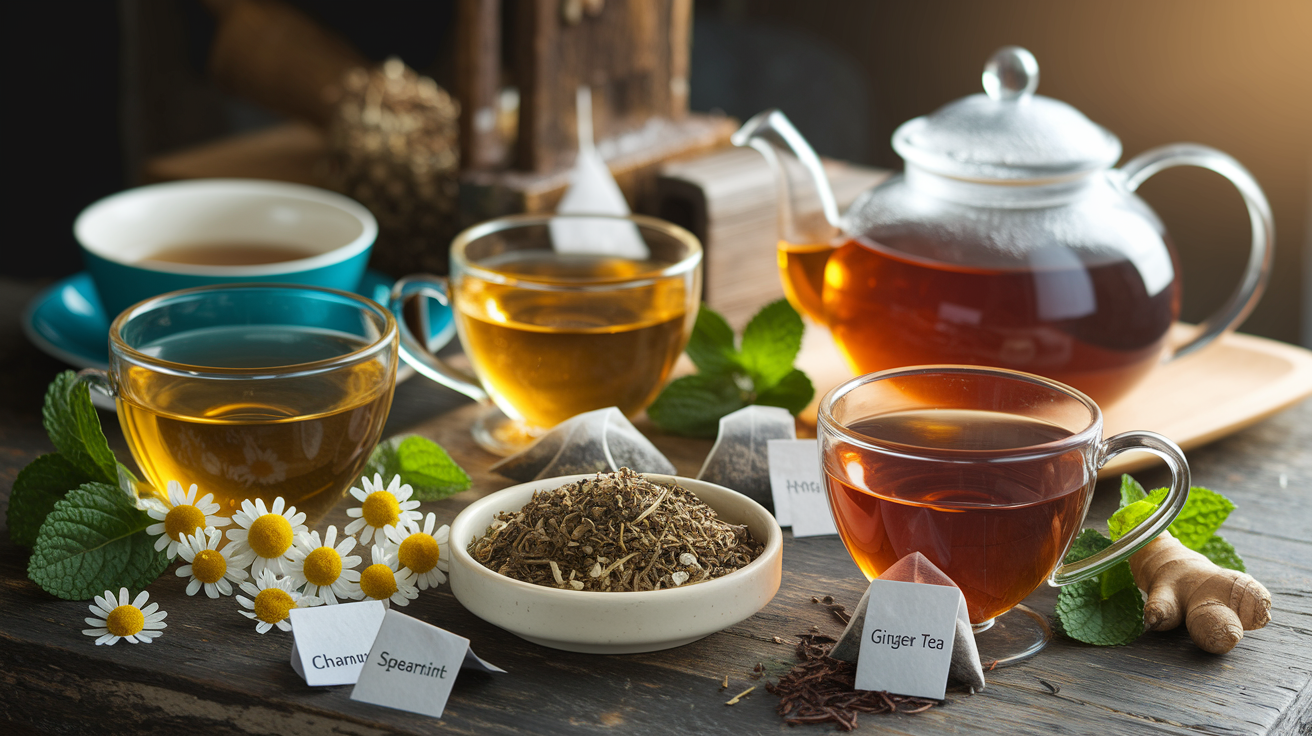
Several other herbal teas can ease bloating and gas. Each works a little differently, so you can rotate based on what you have on hand or what tastes good to you.
Chamomile tea:
Chamomile is gentle and calming. It may relax your digestive tract and reduce inflammation. Brew 1 tea bag or 1 teaspoon of dried flowers in hot water for 5 to 10 minutes. Sip slowly after meals or before bed.
Spearmint tea:
Similar to peppermint but milder and sometimes easier on people with reflux. Prepare the same way as peppermint tea.
Anise tea:
Anise has a licorice-like flavor and is traditionally used for gas and bloating. It has a mild laxative effect, so it may help if constipation is part of your problem. Avoid it if you have recurring diarrhea. Steep 1 teaspoon of crushed anise seeds in hot water for 10 minutes.
Ginger tea:
Already covered above, but worth repeating here. It fits in this category and pairs well with other teas.
You can also find blends marketed for digestion that combine two or three of these herbs. They’re usually safe and well tolerated.
Clove Oil
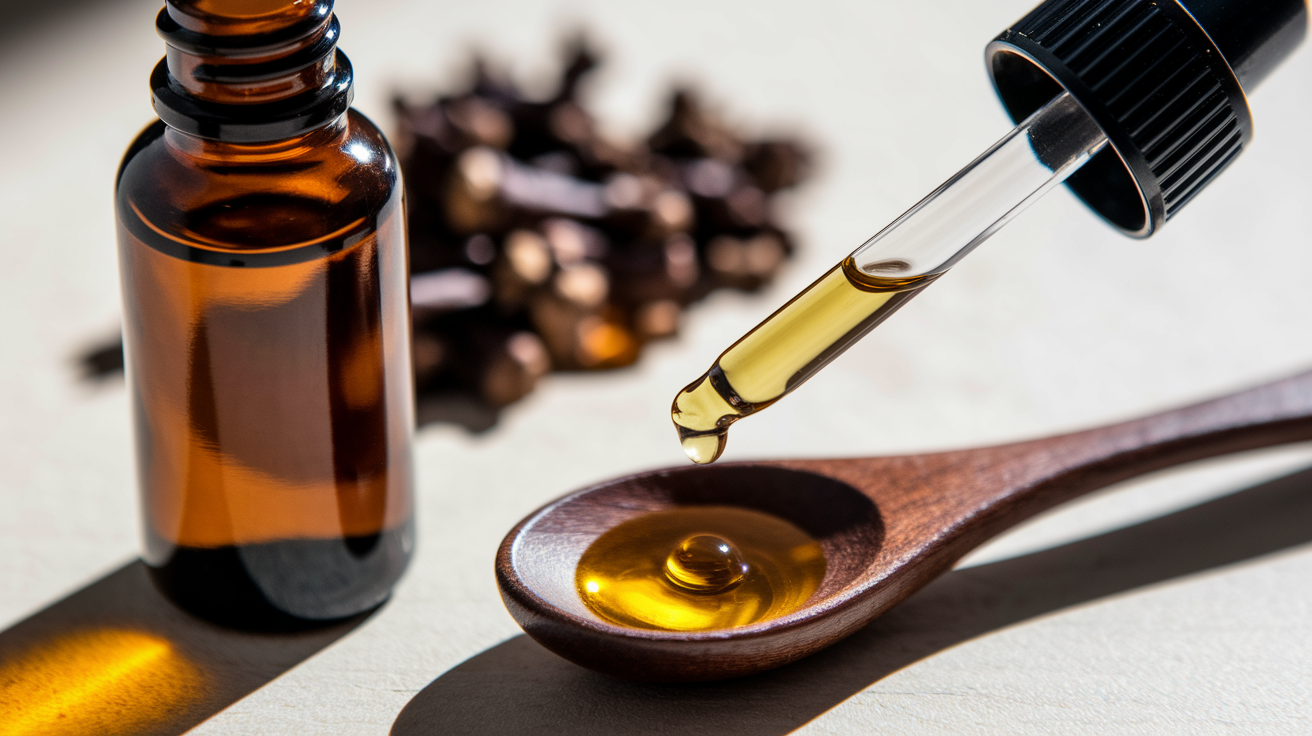
Clove oil is used in traditional medicine to support digestion and reduce gas. It may help by stimulating enzyme production and reducing fermentation in the gut.
How to use it:
You can take a very small amount orally after meals, usually 1 to 2 drops mixed into a teaspoon of honey or a carrier oil, not straight. Always dilute.
For external use, mix several drops of clove essential oil with a tablespoon of a carrier oil like coconut or jojoba, then gently massage your lower abdomen in a clockwise circle.
Precautions:
Never apply undiluted clove oil to your skin. It can cause irritation or burns. Do not give clove oil to children. In kids, clove oil has been linked to serious side effects including seizures and liver damage.
Pregnant or breastfeeding women should avoid internal use unless advised by a healthcare provider.
Evidence:
Research on clove oil for bloating is limited. It’s used more commonly for dental pain and as an antimicrobial. Anecdotal reports suggest it helps some people with gas, but clinical data is sparse.
Lemon Balm
Lemon balm is a calming herb that may support gut motility and reduce bloating. It’s often used for stress-related digestive issues.
How to use it:
Steep 1 to 2 teaspoons of dried lemon balm leaves in hot water for 10 minutes. Drink 1 to 2 cups daily, especially when stress or anxiety seems to be triggering your symptoms.
Lemon balm is also available as a tincture or supplement.
Precautions:
Lemon balm may affect thyroid function. If you have hypothyroidism or take thyroid medication, use it cautiously and talk to your doctor first.
Evidence:
A 2019 study in the Journal of Medical Food found that lemon balm improved gut motility in lab models. Human data is limited, but it’s generally well tolerated and worth trying if stress and digestion overlap for you.
Turmeric
Turmeric contains curcumin, a compound with strong anti-inflammatory properties. Inflammation in the gut can contribute to bloating, pain, and discomfort.
How to use it:
Add fresh or powdered turmeric to food like soups, smoothies, scrambled eggs, or warm milk. A common preparation is “golden milk”: mix half a teaspoon of turmeric powder with warm milk (dairy or plant-based), a pinch of black pepper (which boosts absorption), and a little honey.
You can also take curcumin supplements, but choose one with black pepper extract (piperine) for better absorption.
What to watch for:
Turmeric can interact with blood thinners and diabetes medications. High doses may cause stomach upset in some people. Start small.
Evidence:
Research supports turmeric’s anti-inflammatory effects. Studies on IBS and functional dyspepsia show modest improvements in pain and bloating, though more research is needed.
L-Glutamine
L-glutamine is an amino acid that supports the lining of your gut. It’s sometimes used to reduce inflammation and improve intestinal permeability (often called “leaky gut”).
What the research says:
A 2019 randomized controlled trial published in Gut found that L-glutamine reduced bloating and abdominal pain in people with post-infectious IBS. The dose used was 5 grams, three times daily for eight weeks.
How to use it:
L-glutamine is available as a powder or capsules. Mix powder into water, smoothies, or juice. Follow product instructions or your doctor’s guidance on dosing.
Precautions:
Generally well tolerated. If you have liver or kidney disease, or if you take medications for seizures, check with your doctor before supplementing.
Who might benefit:
People with IBS, especially if symptoms started after a stomach bug or food poisoning. Also may help if you suspect gut inflammation or increased permeability.
Abdominal Massage (I Love You Technique)
Gentle abdominal massage can help move trapped gas and encourage bowel movements. The “I Love You” technique is easy to do at home and follows the path of your colon.
How to do it:
Lie down on your back. Use a little lotion or oil on your hands so they glide smoothly. Apply gentle but firm pressure, not painful, just enough to feel your abdomen compress slightly.
Step 1, The “I”:
Place your hand on the left side of your abdomen, just below your ribs. Press down and move your hand slowly downward toward your left hip. Repeat 3 to 5 times. This follows the descending colon.
Step 2, The “L”:
Start on your right side, just under your ribs. Move your hand across your abdomen horizontally to the left side. Then move down from the left ribs to the left hip. Repeat 3 to 5 times. This traces the transverse and descending colon.
Step 3, The “U” (upside-down U):
Start at your right hip. Move your hand up toward your right ribs, then across to the left, then down to your left hip. This follows the ascending colon, across the transverse, and down the descending. Repeat 3 to 5 times.
You can do this daily or whenever you feel bloated or constipated. It’s gentle, free, and usually feels soothing. If you have severe pain, skip the massage and see a doctor.
Dietary Changes That Help
What you eat, and how you eat, plays a huge role in bloating. Here are the most effective dietary adjustments based on patterns and evidence.
Eliminate suspected triggers:
If you suspect a food is causing bloating, remove it completely for 2 to 3 weeks, then reintroduce it and watch what happens. Common culprits include dairy (lactose), gluten, fatty foods, beans, cruciferous vegetables (broccoli, cauliflower, cabbage), carbonated drinks, and artificial sweeteners.
About 20 percent of people have some form of food intolerance. This isn’t an allergy. It’s a digestive issue where your gut can’t break down certain molecules efficiently.
Try a low-FODMAP diet:
FODMAPs are fermentable carbs that some people can’t absorb well. When they reach your colon, bacteria ferment them and produce gas. A low-FODMAP diet is especially helpful for IBS and SIBO.
High-FODMAP foods include onions, garlic, apples, pears, wheat, beans, and certain dairy products. A dietitian can guide you through the elimination and reintroduction phases.
Increase fiber gradually:
Fiber helps relieve constipation, which reduces bloating. Good sources include oatmeal, lentils, pears, blackberries, avocados, and broccoli.
But here’s the catch: adding too much fiber too fast causes gas and makes bloating worse. Increase slowly over a week or two and drink plenty of water.
Add probiotics and prebiotics:
Probiotics (live bacteria) come from yogurt, kefir, sauerkraut, kimchi, and kombucha. Prebiotics (food for those bacteria) come from bananas, onions, garlic, asparagus, and oats.
Together, they support a balanced gut microbiome, which can reduce gas and bloating over time.
Eat diuretic foods if fluid retention is the issue:
Some bloating is water weight. Foods that act as mild diuretics include cucumbers, watermelon, celery, tomatoes, eggplant, cranberry juice (unsweetened), and lemon water.
Get enough magnesium and potassium:
Magnesium relaxes your intestinal muscles and can relieve constipation. Find it in spinach, Swiss chard, almonds, dark chocolate, avocado, black beans, and pumpkin seeds.
Potassium helps your kidneys flush out extra sodium, which reduces water retention. Good sources: bananas, sweet potatoes, avocados, spinach, white beans, salmon, and pomegranate.
Choose anti-inflammatory foods:
Chronic low-grade inflammation can slow digestion and contribute to bloating. Leafy greens, beets, blueberries, pineapple, salmon, walnuts, chia seeds, and coconut oil all have anti-inflammatory properties.
Habits and Foods to Avoid
Some foods and habits make bloating worse, no matter what remedies you try. Here’s what to cut back on or skip.
High-sodium foods:
Extra salt makes your body hold onto water. You can gain several pounds of fluid weight and feel puffy all over, not just your stomach. Reduce processed foods, canned soups, deli meats, salty snacks, and restaurant meals.
Refined carbs and sugars:
White bread, white rice, pastries, candy, and foods with high-fructose corn syrup spike your insulin, which tells your kidneys to hold onto sodium. That leads to water retention and bloating.
Carbonated drinks:
Soda, sparkling water, and beer all deliver gas directly into your digestive system. That fizz has to go somewhere, and it often gets trapped.
Chewing gum:
Every time you chew, you swallow a little air. Do it for 20 minutes and you’ve swallowed a lot. Sugar-free gum often contains sorbitol or xylitol, which are hard to digest and cause gas.
Sugar-free products with sugar alcohols:
Sorbitol, xylitol, mannitol, and maltitol are common in “diet” candies, gum, and protein bars. They pull water into your intestines and ferment, causing gas and bloating.
Eating too fast:
When you rush, you swallow air and don’t chew thoroughly. Your stomach has to work harder, and food sits longer, fermenting and producing gas.
Eating while stressed or distracted:
Your nervous system controls digestion. When you’re stressed, your body shifts into “fight or flight” mode, which slows gut motility. Bloating follows.
Movement and Lifestyle Strategies
Simple physical actions can move gas through your system faster and reduce fluid buildup.
Walk after meals:
A 10 to 20 minute walk after eating helps food move through your stomach and into your intestines. It also encourages trapped gas to shift and exit. You don’t need to power-walk, a gentle stroll works.
Elevate your legs:
If fluid retention is part of your bloating, lie down and prop your legs up on pillows for 15 to 20 minutes. This helps circulation and reduces pooling in your lower body.
Sweat:
Exercise that makes you sweat, even a brisk walk or a short jog, helps eliminate extra fluid. It also reduces stress, which is a common bloating trigger.
Practice slow breathing:
Sit or lie down. Breathe in slowly through your nose for a count of four, hold for a second, then exhale slowly through your mouth for a count of six. Do this for 5 minutes. It activates your parasympathetic nervous system, which supports digestion and reduces stress-related bloating.
Improve posture while eating:
Sit upright. Don’t hunch over your plate or eat while lying down. Good posture gives your stomach room to work and reduces the chance of swallowing air.
Acupuncture
Acupuncture involves inserting thin needles into specific points on your body to influence energy flow, circulation, and nervous system activity.
How it may help bloating:
Research suggests acupuncture can stimulate the parasympathetic nervous system, the “rest and digest” mode, which improves gut motility and reduces pain. It may also increase blood flow to the digestive organs.
What to expect:
Sessions typically last 30 to 60 minutes. You lie still while the practitioner places needles at points on your abdomen, hands, legs, or feet. Most people find it relaxing, and the needles cause little to no pain.
Evidence:
Small studies show acupuncture can reduce bloating and abdominal pain, especially in people with IBS. Larger trials are needed, but many people report improvement after several sessions.
Finding a practitioner:
Look for a licensed acupuncturist (L.Ac.) with experience treating digestive issues. Ask if they’ve worked with bloating or IBS before.
Hydration and Timing
Drinking enough water supports digestion and prevents constipation, but timing matters.
Daily target:
Aim for about 64 ounces of water spread throughout the day. Adjust based on activity level, climate, and how much water you get from food.
Before meals:
Drink 16 ounces (about 2 cups) of water roughly 30 minutes before eating. This primes your digestive system and may reduce post-meal bloating. Don’t chug a huge glass right before or during your meal, it can dilute stomach acid and slow digestion.
Lemon water:
Squeeze half a lemon into warm water and drink it first thing in the morning on an empty stomach. Some people find this helps wake up their digestion and reduces bloating throughout the day. Evidence is mostly anecdotal.
Prevention: Building Long-Term Habits
Once you find what works, turn it into a routine so bloating becomes less frequent.
Eat smaller, more frequent meals:
Large meals overwhelm your digestive system. Eating every 3 to 4 hours in moderate portions keeps things moving smoothly and reduces gas buildup.
Slow down:
Chew each bite thoroughly. Put your fork down between bites. Aim to spend at least 15 to 20 minutes on a meal. This simple shift cuts down on swallowed air and supports better digestion.
Track your triggers:
Keep a simple food and symptom log for a week or two. Write down what you ate, when, and how you felt 1 to 2 hours later. Patterns will emerge. Maybe you bloat after dairy, or after eating too fast, or the week before your period.
Gradually increase fiber:
Don’t jump from low fiber to high fiber overnight. Add one high-fiber food every few days and drink more water as you go.
Manage stress:
Chronic stress messes with digestion. Build in small daily practices: a 5-minute breathing exercise, a short walk, journaling, or a few minutes of stretching. Even small doses help.
Reduce processed foods:
Whole foods are easier to digest and less likely to cause bloating. Swap out packaged snacks for fresh fruit, raw veggies, nuts, or plain yogurt.
When to See a Doctor
Natural remedies work well for occasional, mild bloating tied to diet or stress. But some situations need medical evaluation.
Seek care if:
Bloating is severe, persistent, or getting worse. You have unexplained weight loss. You see blood in your stool. You’re vomiting frequently or can’t keep food down. You have intense abdominal pain that doesn’t ease. Bloating started suddenly and feels different from anything you’ve experienced before. You have a fever along with bloating. Symptoms interfere with daily life or keep you from eating normally.
Possible underlying conditions:
Chronic or severe bloating can be a sign of IBS, SIBO, celiac disease, inflammatory bowel disease (Crohn’s or ulcerative colitis), ovarian issues, or other conditions. Your doctor can order tests like breath tests for SIBO or lactose intolerance, blood tests for celiac, stool tests for infections or inflammation, imaging if needed.
Before your appointment:
Bring your symptom log. Note when bloating happens, what you ate, how long it lasts, what makes it better or worse, and any other symptoms (diarrhea, constipation, pain, nausea). This information helps your doctor narrow down the cause faster.
A Note on Evidence and Realistic Expectations
Many of the remedies in this article have limited or mixed scientific support. Peppermint oil has the most research backing, especially for IBS. Probiotics show promise in specific populations. Ginger, fennel, and turmeric have traditional use and some clinical data, but large, high-quality studies are still needed.
Activated charcoal and apple cider vinegar are popular, but evidence is thin. That doesn’t mean they don’t help. Many people report relief. But results vary widely.
Natural remedies work best when paired with attention to your habits: eating slowly, managing stress, staying hydrated, avoiding known triggers, and moving your body regularly.
If one remedy doesn’t help after a week or two, try another. Bloating often has more than one cause, so a combination approach (diet changes plus a soothing tea plus gentle movement) usually works better than relying on a single fix.
And remember: natural doesn’t mean risk-free. Herbs and supplements can interact with medications, cause side effects, or be unsafe in certain situations. When in doubt, check with your doctor or a dietitian, especially if you’re pregnant, breastfeeding, taking prescription drugs, or managing a chronic condition.
Final Words
Start with simple, low-risk steps: eat slower, skip fizzy drinks, try a short walk after meals, sip warm peppermint or ginger tea, and use gentle belly massage. These target the tight, full, or gassy sensations and common triggers like large meals, certain foods, and constipation.
Track timing, severity (0–10), foods, and what helps. Try these natural remedies for stomach bloating and give each a few days. If symptoms are sudden, severe, or worsening, check in with your clinician. Small, steady changes often bring real relief.
FAQ
Q: What reduces bloating immediately and how can I de-bloat my tummy quickly?
A: Immediate bloating relief and quick tummy de-bloating come from moving gently (5–10 minute walk), sipping warm water or herbal tea, clockwise belly massage, and changing positions to help pass gas. Seek care if severe.
Q: How can I flush out gas from my stomach?
A: Flushing gas from your stomach can be helped by gentle movement, knees-to-chest or child’s pose to encourage release, sipping warm water, and over-the-counter simethicone if needed. See care for intense pain or fever.
Q: Does lemon water help with bloat?
A: Lemon water can help with bloat mainly by encouraging fluid intake and gentle digestion support. Evidence is limited, so sip warm lemon water and avoid it if you have reflux or tooth sensitivity.
Comments are closed