What if your meals seem normal but your belly feels tight and full every single time?
That stretched, heavy feeling usually comes from three simple things: swallowing extra air while you eat, gut bacteria making gas when they digest certain carbs, or slow digestion that lets food sit too long.
Most people’s post-meal bloating fits one of three groups: how you eat, what you eat, or how your gut moves.
This post shows clear steps to try today, what to track for your doctor, and when to seek help.
Key Reasons You May Feel Bloated After Every Meal (Fast, Clear Answers)
Bloating is that tight, stretched feeling in your belly. Often paired with visible swelling or pressure that shows up during or right after eating. The underlying reasons are usually pretty straightforward: you’ve swallowed extra air while eating, the bacteria in your gut are fermenting undigested carbs and pumping out gas, or your digestion has slowed down enough that food sits longer than it should.
Three broad categories drive most cases of post-meal bloating. First is behavioral: how fast you eat, how well you chew, whether you’re drinking fizzy drinks or chewing gum. Second is food-related: certain ingredients and portion sizes trigger more gas production or fermentation in nearly everyone. Third involves your digestive system itself, meaning issues with motility, enzyme production, gut bacteria balance, or underlying conditions that slow or alter normal breakdown and transit.
Figuring out which category applies to you is the fastest route to relief. Nearly 1 in 7 adults report weekly bloating, and women experience it almost twice as often as men. That means you’re far from alone. In most cases the cause is something you can identify and adjust. The sections below break down each category in detail so you can pinpoint your pattern and take action.
- Eating too quickly, which increases swallowed air and leaves food in larger pieces
- Drinking carbonated beverages, which introduce gas directly into your stomach
- Choosing foods that naturally produce more fermentation, like beans or cruciferous vegetables
- Eating portions large enough to overwhelm your digestive capacity at one time
- Dealing with slowed gut motility from stress, hormones, or an underlying condition
- Reacting to a food component your body can’t fully break down, like lactose or gluten
Eating Habits That Commonly Cause Post-Meal Bloating

When you eat quickly, you swallow more air with each bite and gulp of liquid. That extra air travels into your stomach and intestines, where it adds to the pressure you feel as bloating. At the same time, fast eating means you’re not chewing thoroughly. So larger pieces of food arrive in your stomach. Your digestive enzymes have to work harder, fermentation increases, and gas production climbs.
Your brain needs about 20 minutes to register fullness signals from your stomach. If you finish a meal in 10 minutes, you’re more likely to overeat before you realize you’re satisfied, which makes the bloating worse.
Carbonated drinks, chewing gum, and hard candy all introduce additional air into your digestive tract. Using straws does the same thing. Large portion sizes overwhelm your stomach’s capacity and enzyme output, leaving partially digested food to sit and ferment. Eating in a rushed or distracted state, talking while chewing, or lying down right after a meal also slows digestion and traps gas in place.
- Slow down your eating pace. Aim to spend at least 20 minutes on a meal, even if it’s small.
- Chew each bite thoroughly, around 20 to 30 chews, until the texture is soft and easy to swallow.
- Put down your fork or spoon between bites to create natural pauses.
- Avoid drinking through straws, and choose still water or unsweetened tea instead of soda or sparkling water.
- Skip chewing gum and hard candy, especially sugar-free versions that contain sugar alcohols.
Food-Related Triggers That Make You Bloated After Eating
Certain food categories naturally produce more gas during digestion because they contain carbs that your small intestine struggles to break down completely. When those carbs reach your colon, bacteria ferment them, releasing hydrogen, methane, or carbon dioxide. The more fermentable the food, the more gas you’ll produce.
High-FODMAP foods are a common trigger group. FODMAP stands for fermentable oligosaccharides, disaccharides, monosaccharides, and polyols. These are types of short-chain carbs and sugar alcohols. Beans and lentils contain oligosaccharides that are hard to digest. Cruciferous vegetables like broccoli, cabbage, and Brussels sprouts are packed with fiber and sulfur compounds that increase gas. Many fruits carry fructose and sorbitol, both of which ferment easily. Sugar-free gums, candies, and diet products often use sugar alcohols like xylitol, sorbitol, or mannitol, which pull water into the intestines and ferment rapidly.
Even foods that are nutritious and generally well tolerated can cause bloating if you eat them in large amounts. Especially if your gut isn’t used to them. A sudden increase in fiber from whole grains, bran, or raw vegetables can overwhelm your system before your microbiome adapts. Processed foods with additives like inulin or oligosaccharides, often added for fiber content or sweetness, are another common hidden trigger.
| Food Category | Example Triggers | Notes |
|---|---|---|
| Legumes and Pulses | Black beans, navy beans, lentils, chickpeas | High in oligosaccharides; soaking before cooking helps reduce gas |
| Cruciferous Vegetables | Broccoli, cabbage, Brussels sprouts, cauliflower | Contain fiber and sulfur compounds; steaming improves digestibility |
| High-Fructose Fruits | Apples, pears, peaches, watermelon | Fructose and sorbitol ferment in the colon; smaller portions may help |
| Sugar Alcohols | Xylitol, sorbitol, mannitol in sugar-free products | Draw water into the intestines and ferment quickly; often found in gum and diet snacks |
| Carbonated and Sweetened Drinks | Soda, fizzy water, fruit drinks with high-fructose corn syrup | Introduce gas directly; fructose adds fermentation load |
When Your Digestion Itself Causes the Bloating
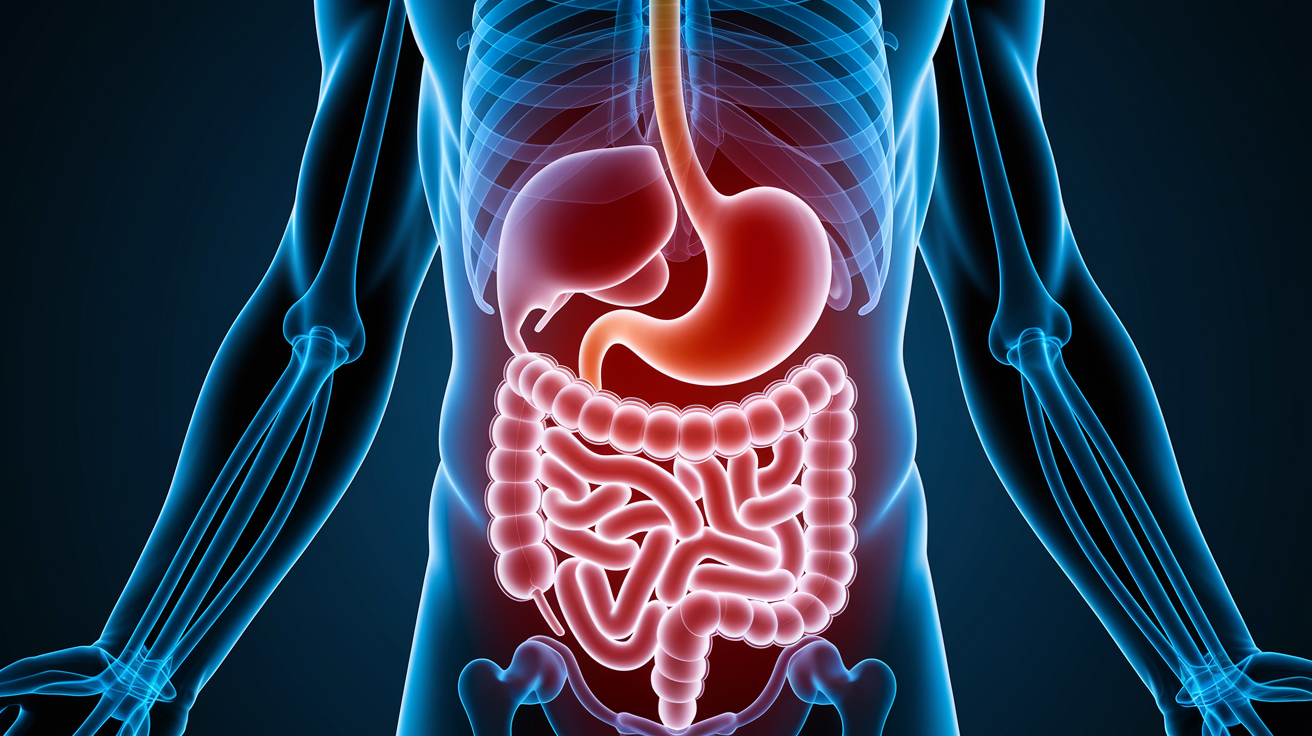
Sometimes the issue isn’t what you’re eating or how you’re eating it. It’s how your digestive system is moving and processing food. Irritable bowel syndrome is one of the most common examples. IBS involves altered gut motility, meaning your intestines contract too quickly, too slowly, or in an uncoordinated pattern. That disrupts the normal flow of gas and stool, leading to trapped air, visible distension, and the sensation of fullness or pressure after meals. Up to 96 percent of people with IBS report bloating as a regular symptom.
Constipation slows transit time throughout your colon, so gas builds up behind stool that isn’t moving. Even mild constipation can create noticeable post-meal bloating. Small intestinal bacterial overgrowth happens when bacteria that normally live in your colon migrate upward into the small intestine, where they ferment food much earlier in the digestive process. That produces gas in a place that’s not designed to handle it. SIBO creates intense bloating shortly after eating. Gastroparesis is a condition in which your stomach empties more slowly than normal, leaving food to sit and ferment before it even reaches your intestines. GERD, or acid reflux, can create a sensation of fullness or pressure in your upper abdomen that feels like bloating, even though the root cause is stomach acid moving upward rather than gas buildup.
There’s also a difference between bloating as a sensation and visible abdominal distension. Bloating is what you feel, distension is what you or someone else can see or measure. Many people experience both at the same time. But some feel intensely bloated without visible swelling, which points to heightened sensitivity in the gut nerves rather than a pure volume problem. When your digestive system’s mechanics or bacterial balance are off, post-meal bloating becomes predictable and often frustrating.
Food Intolerances and Sensitivities That Lead to Bloating After Meals
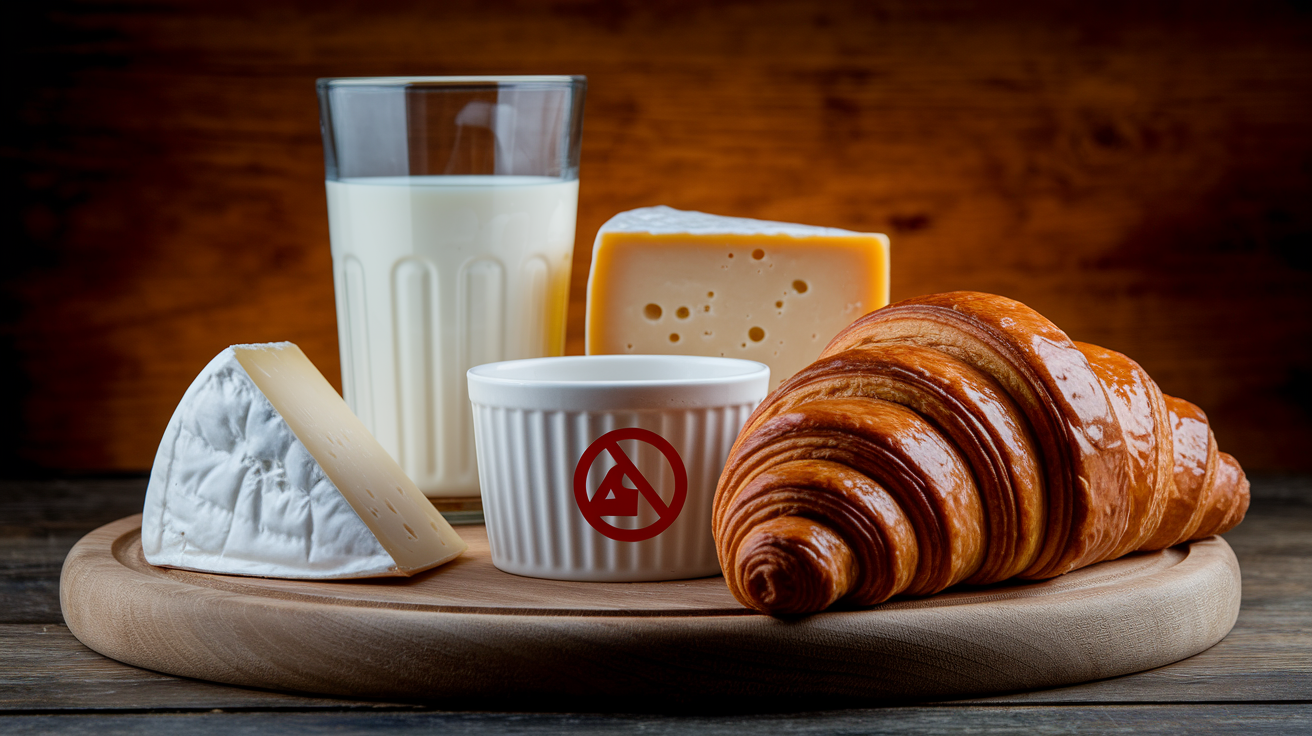
Food intolerances are different from allergies. An intolerance means your body lacks the enzyme or mechanism needed to break down a specific food component. So that component ferments or draws water into your intestines, producing gas, bloating, and sometimes cramping or loose stools. Lactose intolerance is one of the most common examples. If your small intestine doesn’t produce enough lactase, the enzyme that breaks down milk sugar, undigested lactose moves into your colon, where bacteria ferment it. The result is bloating, gas, and discomfort within 30 minutes to a few hours after eating dairy products like milk, cheese, ice cream, or yogurt.
Gluten sensitivity, which is distinct from celiac disease, can also cause bloating after meals that include wheat, barley, or rye. People with non-celiac gluten sensitivity report fatigue, brain fog, and digestive symptoms including post-meal bloating, but they test negative for celiac markers. Fructose malabsorption happens when your small intestine can’t absorb fructose efficiently, so it ferments in your colon. This creates gas and bloating after eating fruit, honey, or products sweetened with high-fructose corn syrup. Celiac disease is an autoimmune condition triggered by gluten, and it requires formal testing and a strict gluten-free diet. The only way to confirm celiac is through blood tests and sometimes an endoscopy while you’re still eating gluten. Don’t eliminate it before testing if you suspect this is the cause.
- Bloating that consistently follows specific foods or food groups, like dairy, wheat, or fruit
- Symptoms that improve or disappear when you avoid the suspected trigger for a week or more
- A pattern that’s reproducible, meaning the bloating returns predictably when you reintroduce the food
Hormones, Stress, and the Gut-Brain Connection in Persistent Bloating
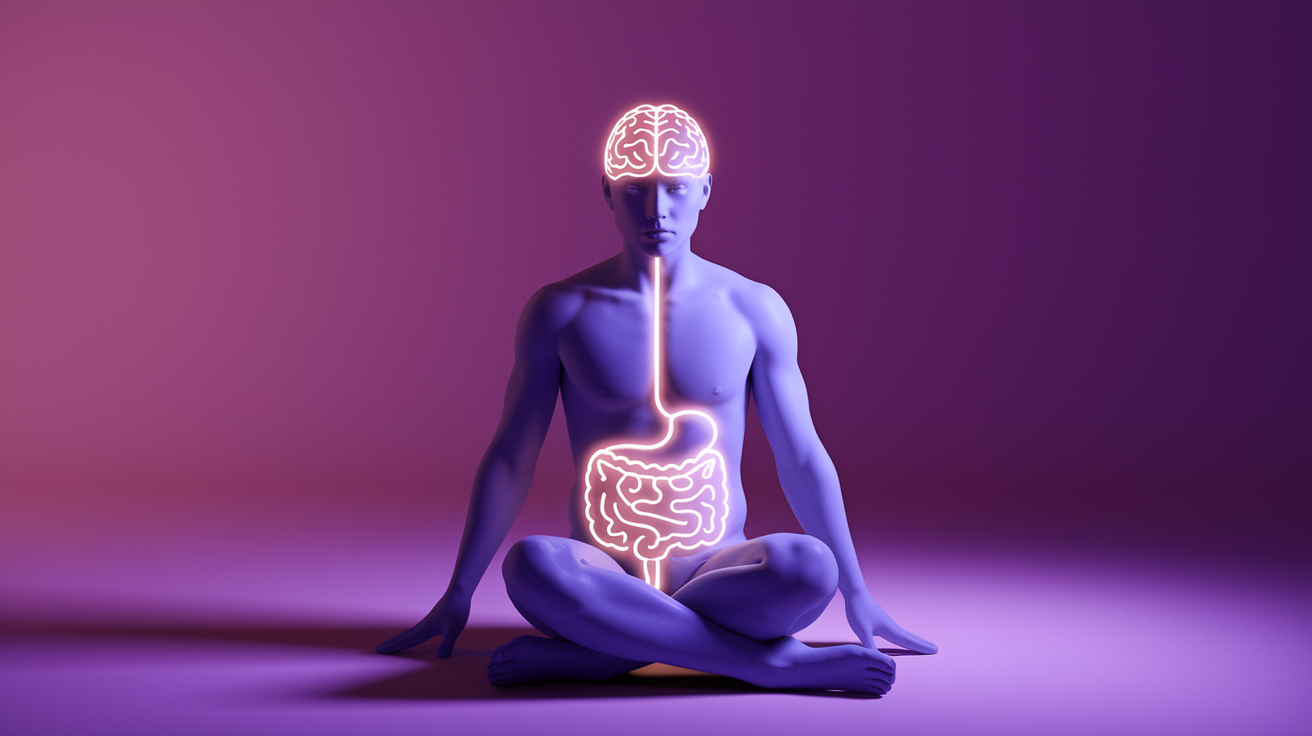
Women are almost twice as likely as men to report weekly bloating. Hormonal shifts are a big part of the reason. In the week or two before your period, rising progesterone slows gut motility and increases water retention, both of which contribute to that heavy, bloated feeling after eating. Estrogen fluctuations can also affect how your gut muscles contract and how sensitive your intestines are to stretching. Some women notice bloating improves after their period starts. Others deal with it throughout their cycle. Perimenopause and menopause bring less predictable hormone patterns, and bloating often becomes more frequent or persistent during those transitions.
Stress, anxiety, and emotional tension have direct effects on your digestive system through the gut-brain axis, the two-way communication network between your brain and your enteric nervous system. When you’re stressed, your body shifts into fight-or-flight mode, which diverts blood and energy away from digestion. That slows motility, reduces enzyme secretion, and increases sensitivity to gas and pressure. Chronic stress can also alter the balance of bacteria in your gut, making fermentation more likely and bloating more intense. If you notice your bloating worsens during high-stress weeks, or if eating feels uncomfortable when you’re anxious or rushed, your nervous system is likely playing a role alongside food and habits.
Quick Relief Strategies When You’re Already Feeling Bloated After Eating
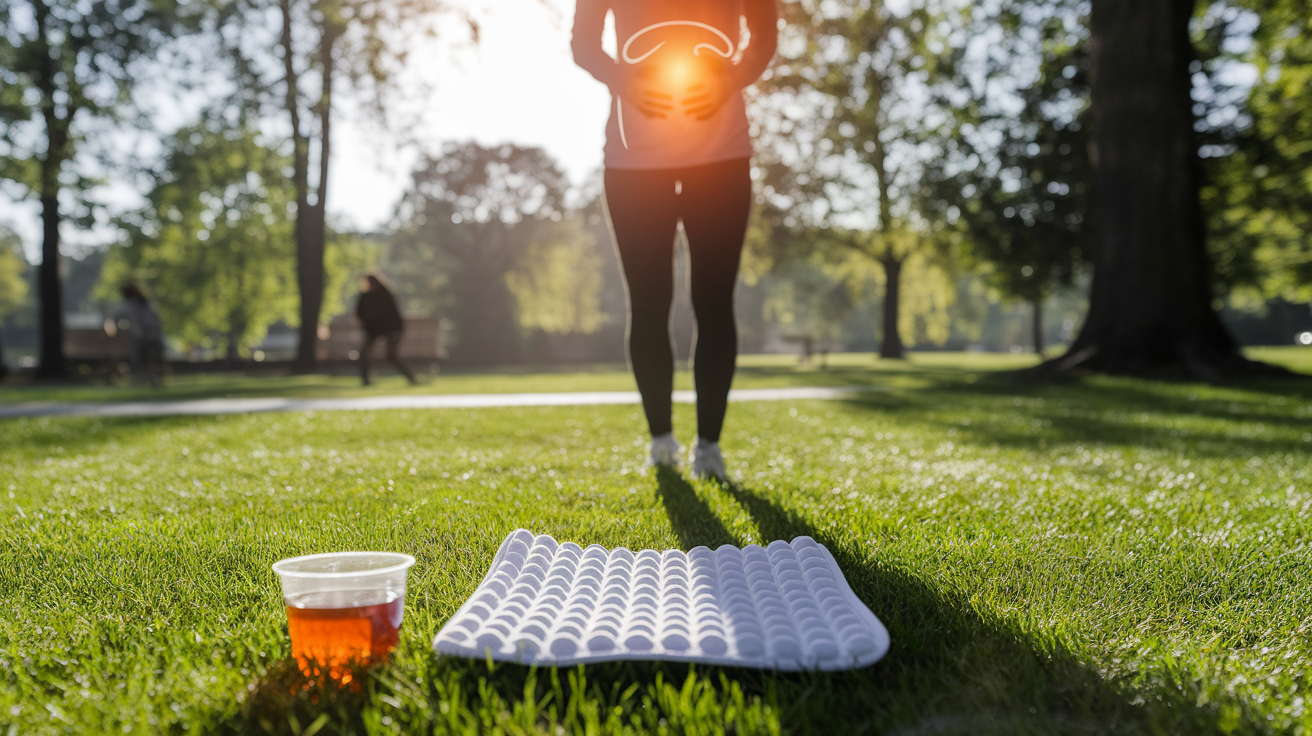
When bloating hits, a 10- to 15-minute walk can help move trapped gas through your intestines and speed up digestion. Gentle movement encourages peristalsis, the wave-like muscle contractions that push contents along your digestive tract. You don’t need to walk fast. Just stay upright and keep moving at a comfortable pace. A heating pad or a warm bath can relax abdominal muscles and reduce cramping or tightness that comes with bloating. Heat therapy also increases blood flow to your digestive organs, which can ease discomfort.
Peppermint tea might help relax the smooth muscles in your digestive tract, reducing spasms and allowing gas to pass more easily. Avoid peppermint if you have acid reflux, since it can relax the valve between your stomach and esophagus and worsen symptoms. Ginger tea supports digestion and has anti-inflammatory properties that reduce bloating and nausea. Sipping warm water or herbal tea slowly can also provide comfort and help move things along without adding carbonation or caffeine, both of which can make bloating worse.
- Take a 10- to 15-minute walk shortly after eating to encourage gas movement and improve motility.
- Apply a heating pad to your abdomen or take a warm bath to relax tight muscles and reduce cramping.
- Sip warm water, peppermint tea, or fresh ginger tea slowly to support digestion and ease discomfort.
- Try simethicone, sold as Gas-X, which helps break up gas bubbles in your stomach and intestines.
- Take a digestive enzyme supplement before meals if you suspect your body isn’t breaking down fats, proteins, or carbs efficiently.
- Gently massage your abdomen in a slow clockwise direction, following the path of your colon, to help release trapped gas.
Long-Term Prevention If You Feel Bloated After Every Meal
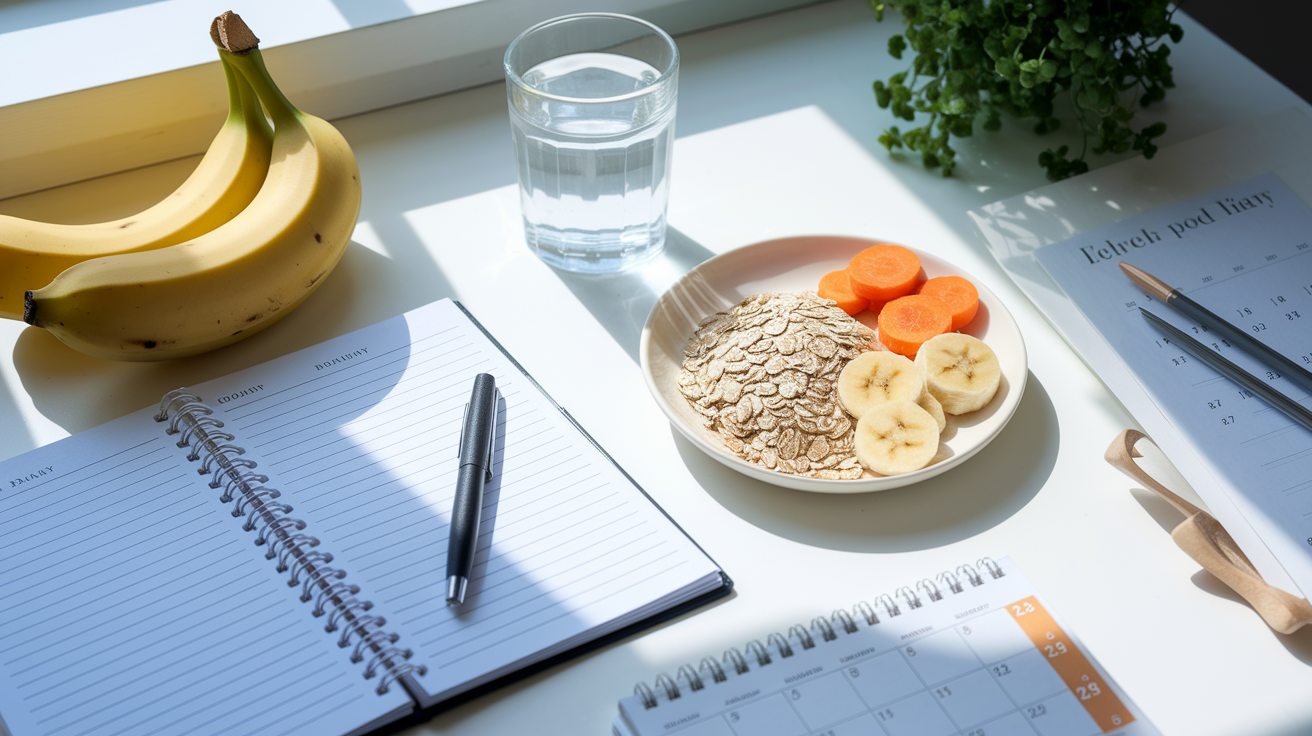
Keeping a food and symptom diary for at least two weeks is one of the most effective ways to identify your personal triggers. Record what you eat, portion sizes, the time of day, and any symptoms that follow. Include bloating severity on a scale of 0 to 10, timing of onset, and how long it lasts. Look for patterns. Do you bloat more after large meals or specific ingredients? Does it worsen at certain times in your cycle? Does it improve on weekends when you’re less rushed? That information gives you and your healthcare provider a clear starting point for changes.
A low-FODMAP diet is a structured elimination approach that’s especially helpful for people with IBS or unexplained bloating. You remove high-FODMAP foods for 4 to 6 weeks, then reintroduce them one at a time to identify which ones cause symptoms. It’s not meant to be a permanent diet, just a diagnostic tool. Fiber is tricky because your body needs it, but too much too fast, especially insoluble fiber from bran or raw vegetables, can increase gas and bloating. Soluble fiber from oats, bananas, and cooked carrots tends to be gentler. Gradually increasing fiber over several weeks gives your gut bacteria time to adapt. Hydration matters too. Drinking enough water throughout the day, especially if you’re increasing fiber, helps prevent constipation and keeps digestion moving smoothly.
Cooking methods can make a big difference. Steaming vegetables makes them easier to digest than eating them raw. Soaking beans overnight and rinsing them before cooking reduces oligosaccharides. Choosing fermented dairy products like yogurt or kefir provides probiotics and often contains less lactose than milk or ice cream. Timing your meals also helps. Waiting about 3 to 4 hours between substantial eating sessions gives your stomach time to empty and your intestines time to process what’s already there. Finishing dinner at least 2 to 3 hours before bed reduces overnight bloating and improves sleep quality.
| Strategy | Why It Helps | Timeframe to Notice Change |
|---|---|---|
| Keep a detailed food and symptom diary | Reveals personal trigger foods, portion thresholds, and timing patterns | 1 to 2 weeks of consistent tracking |
| Follow a low-FODMAP elimination and reintroduction protocol | Identifies which fermentable carbs your gut struggles with | 4 to 6 weeks for elimination phase; 2 to 3 weeks per reintroduction group |
| Gradually increase fiber intake while staying well hydrated | Allows gut bacteria to adapt; prevents constipation and gas buildup | 2 to 4 weeks |
| Use cooking methods that improve digestibility | Reduces fermentable compounds and eases breakdown; examples include steaming vegetables and soaking beans | Immediate to a few days |
| Space meals 3 to 4 hours apart and finish dinner 2 to 3 hours before bed | Gives your stomach time to empty and reduces overnight fermentation and reflux risk | A few days to a week |
When Chronic Bloating After Meals Signals Something More Serious

Most post-meal bloating responds to behavior and diet changes within a few days to a couple of weeks. If yours doesn’t improve despite consistent adjustments, or if it’s getting worse over time, you should see a healthcare provider. Persistent bloating can be a sign of an underlying condition that needs diagnosis and targeted treatment. Think IBS, SIBO, gastroparesis, celiac disease, inflammatory bowel disease, or even a structural issue like a partial bowel obstruction. Your provider may order blood tests, stool tests, breath tests for SIBO or lactose intolerance, imaging studies, or a referral to a gastroenterologist for endoscopy or colonoscopy.
Severe abdominal pain that comes with bloating, especially if it’s sudden or sharp, is a red flag. So is a persistent change in your bowel habits that lasts more than a few days, like new-onset diarrhea, constipation, or alternating between the two. Unintentional weight loss, visible blood in your stool, or black, tarry stools all require prompt medical evaluation. These symptoms can indicate conditions that need more than dietary changes. Including infections, inflammation, or malignancies that are most treatable when caught early.
- Bloating that persists or worsens despite changes to eating habits, portion sizes, and trigger foods
- Severe or sudden abdominal pain accompanying bloating
- A persistent change in bowel habits lasting more than a few days, especially new diarrhea or constipation
- Unintentional weight loss, visible blood in stool, or black, tarry stools
Final Words
You learned what bloating is and the main mechanics: extra swallowed air, gas from fermentation, and slower digestion.
You also saw three broad cause categories: eating habits, food triggers, and gut issues.
You got fast relief tips, longer-term prevention steps, and clear red flags that mean it’s time to get checked.
If you’re still asking why do I feel bloated after every meal, start tracking timing, portions, and what helps. Small, steady changes often lead to clearer answers and real relief.
FAQ
Q: How do I stop bloating after every meal?
A: To stop bloating after every meal, try eating slower and smaller portions, avoid fizzy drinks and gum, take a short walk after eating, try over-the-counter simethicone or enzymes, and track meals.
Q: Is it normal to feel bloated every day?
A: Feeling bloated every day can be common, especially for women, but it isn’t ideal; it often points to eating habits, food triggers, or a digestive issue worth tracking and discussing with your clinician.
Q: Why am I suddenly so bloated after every meal?
A: Sudden bloating after every meal often follows a new food, medication, stress spike, or faster eating; try a short elimination of suspect items, slow down meals, track timing, and see a clinician if severe.
Q: What can be mistaken for bloating?
A: Several sensations can be mistaken for bloating: general fullness, trapped gas, constipation, fluid retention, or a tight belly from muscle tension; note whether your abdomen looks larger and seek care for pain or weight loss.
Comments are closed