
What if your workouts are making you wake up more tired?
Waking up flat after training usually means your body didn’t finish repairing overnight.
That leaves you with heavy limbs, brain fog, and less progress.
But a few smart moves today — shorter sessions, easier cardio, targeted fuel and fluids — can shift how you feel by morning.
Read on for quick fixes you can use tonight, simple training tweaks to protect recovery, and the key things to track so you stop waking up drained and keep getting stronger.
Immediate Fixes for Morning Fatigue and How to Adjust Training Today
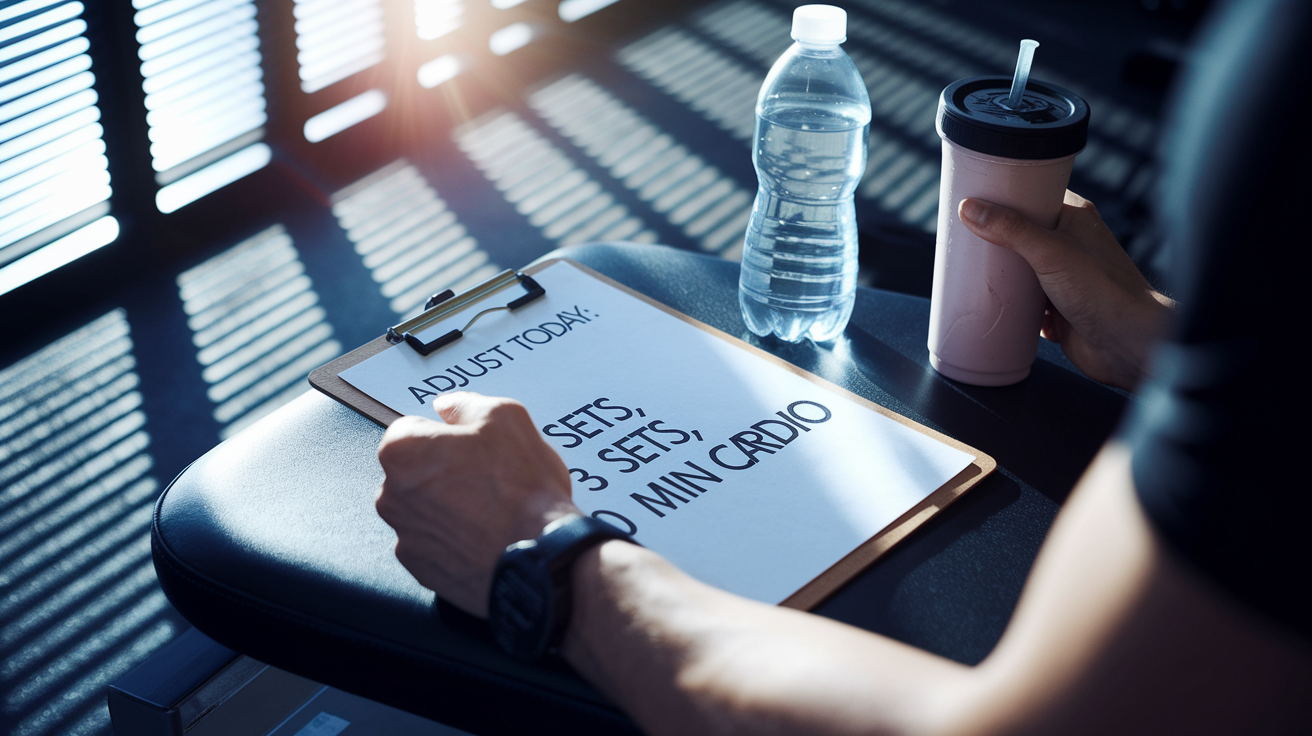
Waking up more tired than before your workout means your body’s not keeping up. Recovery’s falling behind. You need to change things today so your muscles can actually rebuild instead of just breaking down further. Quick adjustments protect tomorrow’s energy and stop you from digging a deeper hole.
Why does this happen? Your glycogen tanks are low. Your muscles have tiny tears from yesterday’s lifts or that downhill run. Sleep wasn’t enough to finish the repair job. And if you’re even slightly dehydrated (which most people are), everything slows down. Stack all that together and you wake up feeling like someone filled your limbs with sand.
But you can fix it right now. A few smart changes to today’s session will shift how you feel tomorrow morning.
What to do today:
- Cut your planned session by 15 to 30%. Four sets becomes three. Forty-five minutes becomes thirty. Stop before you feel wiped.
- Swap any high-intensity interval work for 20 to 40 minutes of easy cardio at 50 to 60% max heart rate. Walking counts. Light cycling works. You’re moving without adding stress.
- Drink 500 to 750 mL of water or an electrolyte drink within an hour of finishing. Lost bodyweight during your workout? Replace each kilogram with 1.25 to 1.5 liters of fluid.
- Eat something with 20 to 40 grams of protein and 30 to 60 grams of carbs within sixty minutes. Greek yogurt and a banana. Chicken and rice. Your muscles need both to restock and repair.
Understanding Why Morning Fatigue Appears After Exercise

That heavy, dragging feeling 12 to 24 hours post-workout isn’t random. While you slept, your body was busy refilling fuel, patching up microscopic muscle tears, clearing out lactate, and balancing fluids. When any of those jobs run behind schedule, you wake up wrecked.
It gets worse if you’re stacking sessions. Trained hard yesterday, the day before, slept poorly both nights? Your recovery systems never catch up. Dehydration speeds the whole mess along because water’s involved in literally every cellular process. Poor sleep tanks growth hormone release (which peaks during deep sleep and drives muscle repair). When these stressors pile on, morning exhaustion compounds fast.
Five common causes:
- Glycogen depletion. Long or hard sessions drain the carbs stored in your muscles and liver.
- Muscle micro-damage. Lowering weights, running downhill, jumping. All create tiny tears that need time to heal.
- Metabolic byproduct buildup. Lactate and hydrogen ions accumulate during hard efforts and take time to clear.
- Dehydration. Losing just 2% of bodyweight in fluids slows everything down.
- Sleep disruption. Late-night intense workouts spike heart rate and cortisol, delaying sleep and cutting deep-sleep time.
Training Load Adjustments to Reduce Morning Fatigue

Fastest way to feel better in the morning? Lower your weekly volume, cut session intensity, or drop a workout. These aren’t setbacks. They’re strategic pullbacks that prevent a forced collapse later.
Short-term cuts work when fatigue lasts more than a few days. Drop total weekly volume by 10 to 30%, or pull one session from your schedule. Running 30 miles a week? Try 21 to 27 for seven to ten days and track how you feel each morning. Lifting four days? Take one fully off or swap it for gentle mobility work.
Deload weeks are built-in recovery blocks. Every three to six weeks, plan a week where you reduce volume by 40 to 60% or dial intensity back 10 to 30% for five to seven days. This gives your nervous system, connective tissue, and immune function breathing room. Most people come back stronger and less tired after a real deload.
| Training Adjustment | Recommended Change |
|---|---|
| Weekly volume cut | Reduce total volume by 10–30% for 1–2 weeks |
| Intensity reduction | Lower peak weights, speeds, or heart-rate zones by 10–20% |
| Frequency cut | Drop 1 session per week (e.g., 5 → 4 training days) |
| Deload week | Every 3–6 weeks, reduce volume by 40–60% or intensity by 10–30% for 5–7 days |
Scheduling Workouts to Minimize Next-Morning Exhaustion
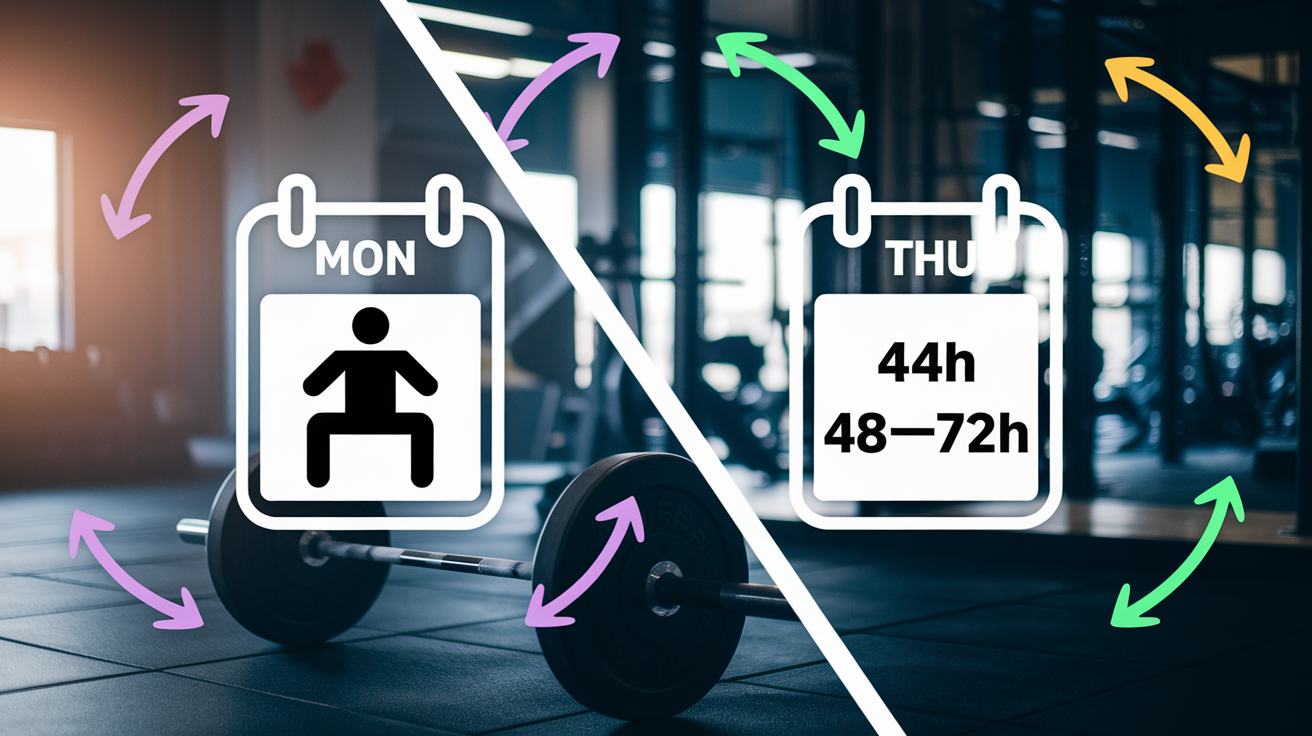
When you train matters as much as what you do. Hit the same muscle group hard two days in a row and there’s no time to repair. You wake up with cumulative damage, empty glycogen stores, and the kind of fatigue that makes your alarm feel like an insult.
Give yourself 48 to 72 hours between intense sessions targeting the same muscles. Heavy squats Monday? Next lower-body strength session waits until Thursday. Train upper body, do light cardio, or rest in between. This spacing lets fibers rebuild and fuel tanks refill. If you’re doing hard sessions late at night, consider moving them earlier or swapping them for moderate cardio. Late-night intensity spikes heart rate and stress hormones, messes with sleep onset, and cuts sleep quality. All of which tanks your next-morning energy.
Three scheduling principles:
- Space high-load sessions 48 to 72 hours apart for the same muscle group. Prevents overuse, allows glycogen recovery.
- Move intense sessions earlier when you can. Evening HIIT or heavy lifting can wreck your sleep.
- Insert one or two easy sessions or full rest days weekly. These buffer against cumulative overload and give your nervous system a break.
Sleep Strategies to Support Morning Energy After Training

Most muscle repair, glycogen restocking, and nervous-system recovery happens while you sleep. Skip even one hour per night and you slow all of it. Train hard but sleep poorly? Your body never finishes the repair work. Morning exhaustion becomes your baseline.
Aim for seven to nine hours nightly. Consistency matters as much as total time. Go to bed and wake up within a 30-minute window every day, weekends included. This strengthens your circadian rhythm and improves sleep quality. Keep your room cool, between 60 and 67°F, since core temperature needs to drop for deep sleep to start. Trained late and feel wired? Try a 20 to 30-minute nap earlier in the day instead of powering through. Just avoid naps longer than 90 minutes or after 3 p.m. Both mess with nighttime sleep.
Sleep Hygiene Checklist
- Set a consistent bedtime and wake time within plus or minus 30 minutes daily.
- Keep bedroom temp between 60 and 67°F.
- Cut screen time (phones, tablets, TV) at least 30 to 60 minutes before bed.
- Stop caffeine at least 6 to 8 hours before sleep.
- Finish intense sessions at least 2 to 3 hours before you plan to sleep.
- Use blackout curtains or an eye mask. White noise or earplugs if your environment’s noisy.
Nutrition Timing to Prevent Morning Fatigue

What you eat and when directly affects tomorrow morning. Glycogen fuels moderate to high-intensity work, and it depletes during training. Don’t refill it within the first hour after exercise? Recovery slows and you wake up with less energy. Protein provides amino acids needed to repair muscle fibers. Without enough, your body can’t rebuild what training tore down.
Eat a meal or snack with 20 to 40 grams of protein and roughly 0.5 to 0.7 grams of carbs per kilogram bodyweight within 30 to 60 minutes post-workout. For a 70 kg person, that’s 35 to 49 grams of carbs alongside the protein. Whey smoothie with a banana and oats works. So does grilled chicken with rice and vegetables. Spread daily protein across three to five meals, aiming for 0.25 to 0.4 grams per kilogram per meal. Keeps muscle-protein synthesis active all day. Total daily protein should land between 1.2 and 2.0 grams per kilogram bodyweight, depending on how hard you’re training. Carbs vary with volume. Recreational athletes might need 3 to 5 grams per kilogram daily. High-volume or endurance folks may need 5 to 7.
Four key timing rules:
- Post-workout window. Get 20 to 40 grams protein plus 0.5 to 0.7 g/kg carbs within 30 to 60 minutes.
- Daily protein target. 1.2 to 2.0 g/kg bodyweight, split across 3 to 5 meals.
- Daily carb target. 3 to 7 g/kg depending on training volume and intensity.
- Don’t train fasted if morning fatigue’s an issue. Small pre-workout snack (banana, toast with nut butter) improves performance and cuts post-exercise depletion.
Hydration and Electrolyte Requirements for Morning Recovery

Dehydration slows every recovery process. Fluid carries nutrients, removes waste, regulates temp, supports blood volume. Lose even 2% of bodyweight in sweat and you’ll feel sluggish, lightheaded, foggy the next morning. Replacing that fluid and the electrolytes lost with it isn’t optional.
Drink 500 to 750 mL of water or electrolyte drink within the first hour after exercise. Weighed yourself before and after? Replace each kilogram lost with 1.25 to 1.5 liters over the next few hours. Plain water works for shorter sessions. But if you trained hard over an hour or sweated heavily, add electrolytes. Sodium’s the key one you lose in sweat. Replacing 300 to 700 mg per liter helps your body actually retain the water you drink and speeds rehydration. Sports drinks, electrolyte tablets, or a pinch of salt in water all do the job.
Active Recovery and Low-Impact Options to Improve Morning Energy

Active recovery isn’t about doing nothing. It’s about moving in a way that boosts blood flow, clears waste, loosens tight muscles without adding new stress. Light cardio, mobility drills, foam rolling. When done right, active recovery cuts next-morning stiffness and speeds repair without draining your reserves.
Schedule 20 to 40 minutes of easy cardio at 50 to 60% max heart rate on recovery days. Walking, light cycling, swimming, easy rowing. Move your limbs through full range of motion and elevate heart rate just enough to improve circulation. Foam rolling or mobility work for 10 to 20 minutes after sessions or on off days can reduce soreness and improve range of motion. Hit areas that feel tight or overworked. Move slowly.
Three practical options:
- 20 to 40 minutes of low-intensity steady-state cardio at 50 to 60% max heart rate (walking, easy cycling, swimming).
- 10 to 20 minutes of foam rolling or self-myofascial release targeting tight muscle groups.
- Gentle mobility or stretching routines focusing on hips, shoulders, spine to restore range of motion and cut stiffness.
Monitoring Recovery: HRV, RHR, and Fatigue Markers

You don’t have to guess whether you’re recovering. Your body gives objective signals every morning. Track a few simple markers and you’ll spot under-recovery before it becomes overtraining. Resting heart rate (RHR) is easiest to measure and one of the most reliable. Elevated RHR, five to ten beats above your normal baseline for three or more consecutive days, means your nervous system’s still under stress and recovery’s incomplete.
Heart rate variability (HRV) measures variation in time between heartbeats. Reflects how well your autonomic nervous system handles stress. Downward HRV trend over several days signals fatigue, poor sleep, or overtraining. You don’t need expensive equipment. Many fitness trackers and smartphone apps calculate HRV from a short morning reading. Performance decline’s another red flag. If your strength, speed, or endurance drops more than 5 to 10% across multiple sessions despite normal effort, your body’s not keeping up. Normal fatigue resolves within 48 to 72 hours. Lasts longer? Time to adjust.
| Marker | What It Means |
|---|---|
| Resting heart rate (RHR) | Elevated >5–10 bpm above baseline for 3+ days indicates incomplete recovery |
| Heart rate variability (HRV) trend | Declining HRV over several days signals nervous-system stress and poor recovery |
| Performance drop | Consistent decline >5–10% in strength, power, or endurance suggests overload or fatigue |
Differentiating Normal Fatigue From Overtraining

Some tiredness after hard training is expected. Muscles are repairing, nervous system’s adapting, fuel stores are refilling. That kind of fatigue should lift within two to three days with proper rest, food, and sleep. But wake up exhausted for two weeks straight, performance keeps dropping, resting heart rate stays elevated? You’re looking at something more serious.
Overtraining syndrome (OTS) is chronic maladaptation where training stress overwhelms recovery capacity for weeks or months. Early signs include persistent fatigue, declining performance, mood disturbances (irritability, anxiety, low motivation), sleep problems (trouble falling asleep, frequent waking, unrefreshing sleep), and increased susceptibility to illness or injury. Notice these lasting more than two to three weeks despite reducing training and improving recovery? Stop pushing. Consult a healthcare provider or sports-medicine clinician.
Normal fatigue is temporary and responds to rest. Overtraining is systemic and requires a structured recovery plan, often including weeks of reduced training or complete rest. Catch the early warnings and adjust immediately to avoid digging deeper.
Medical red flags requiring professional evaluation:
- Symptoms lasting more than 2 to 3 weeks despite reduced training and better recovery habits.
- Persistent resting heart rate elevation (more than 5 to 10 bpm above baseline) that doesn’t normalize with rest.
- Consistent performance decline (more than 10%) across multiple sessions or weeks.
- Mood disturbances, sleep disruption, or frequent illnesses interfering with daily function.
Sample Weekly Adjustments to Reduce Morning Fatigue
Knowing what to change is easier when you see it mapped. Below are three sample weekly structures tailored to different training volumes, plus adjustments to make when morning fatigue appears. These are starting points. Adjust specifics based on your sport, goals, and individual recovery capacity.
Recreational athletes training three to four days weekly should structure around two harder sessions and one easy or skill-focused session. Morning fatigue shows up? Drop one hard session or replace it with 20 to 30 minutes of light movement. Intermediate athletes training four to five days weekly benefit from one or two dedicated easy or active-recovery sessions each week, plus a deload every three to four weeks by cutting volume roughly 40%. High-volume athletes training six or more sessions weekly need at least two active-recovery days built in, along with a deload week every three weeks to prevent cumulative overload.
| Training Level | Weekly Structure | Fatigue Adjustment |
|---|---|---|
| Recreational (3–4 sessions/week) | 2 hard sessions + 1 easy or skill session + 1–2 rest days | Drop to 1 hard session/week; replace second hard session with 20–30 min easy cardio or full rest |
| Intermediate (4–5 sessions/week) | 2–3 hard sessions + 1–2 easy sessions + 1 rest day | Reduce volume by 15–20% across all sessions; schedule deload every 3–4 weeks (reduce volume by ~40%) |
| High-volume (6+ sessions/week) | 3–4 hard sessions + 2 active-recovery days + 1 rest day | Add second full rest day; deload every 3 weeks by cutting volume 40–60%; monitor RHR and mood daily |
Quick Morning Protocol to Reduce Grogginess After Training
Wake up groggy and heavy the morning after a workout? A short, structured routine can shake off the sluggishness and set the tone for better recovery. This isn’t about pushing through fatigue. It’s about signaling your body to shift from repair mode into gentle movement without adding new stress.
Five steps to reduce morning grogginess:
- Drink 300 to 500 mL of water within 10 minutes of waking. Rehydration kickstarts circulation and helps clear metabolic waste.
- Do 5 to 10 minutes of light movement. Walking, gentle stretching, slow bodyweight mobility drills. Increases blood flow without taxing your energy systems.
- Eat a balanced breakfast with 20 to 30 grams protein and 30 to 50 grams carbs within 60 minutes of waking. Eggs with toast, Greek yogurt with fruit and granola, protein smoothie.
- Check resting heart rate before getting out of bed. Five to ten beats above normal baseline? Plan an easy day or full rest.
- Cut your next planned intense session by 15 to 30% in volume or replace it entirely with 20 to 30 minutes of easy steady-state cardio. Protect the recovery window instead of pushing through exhaustion.
Final Words
in the action, we covered why you feel wiped the morning after a tough session, the main drivers (low glycogen, micro‑damage, poor sleep, and dehydration), and same‑day fixes to protect next‑day energy.
Try simple swaps: cut volume 15–30%, replace HIIT with 20–40 minutes easy cardio, drink 500–750 mL soon after, and have 20–40 g protein plus carbs within an hour.
Track sleep, fluids, and session changes so you can report clear data. Say morning fatigue after exercise how to adjust training when you ask for help. Small steps often restore morning energy.
FAQ
Q: What is the 3-3-3 rule for workout?
A: The 3-3-3 rule for workout is commonly 3 sets of 3 reps with about 3 minutes rest, used for heavy strength training to focus on maximum force and safe recovery between lifts.
Q: What is the 2 2 2 rule in the gym?
A: The 2 2 2 rule in the gym often means 2 sets of 2 reps with 2–3 minutes rest for very heavy lifts, or a simple short-interval pattern (two work, two rest, repeat twice) for beginners.
Q: Should diabetics exercise before breakfast?
A: Diabetics exercising before breakfast may lower blood sugar; it can help weight and insulin sensitivity but raises hypoglycemia risk. Check glucose, adjust meds with your clinician, start light, and carry quick carbs.
Q: How to recover from fatigue after exercise?
A: To recover from fatigue after exercise, prioritize 7–9 hours sleep, rehydrate (500–750 mL first hour), eat 20–40 g protein plus carbs within 60 minutes, do gentle movement, and reduce next session volume by 15–30%.
Comments are closed